
Sensation Perception Sensation The Senses Sight Vision Hearing


- Slides: 27
Sensation & Perception
Sensation The Senses § Sight - Vision § Hearing - Audition § Taste - Gustation § Touch - Tactition § Smell - Olfaction § Body Position and Movement Vestibular & Kinesthetic senses 5
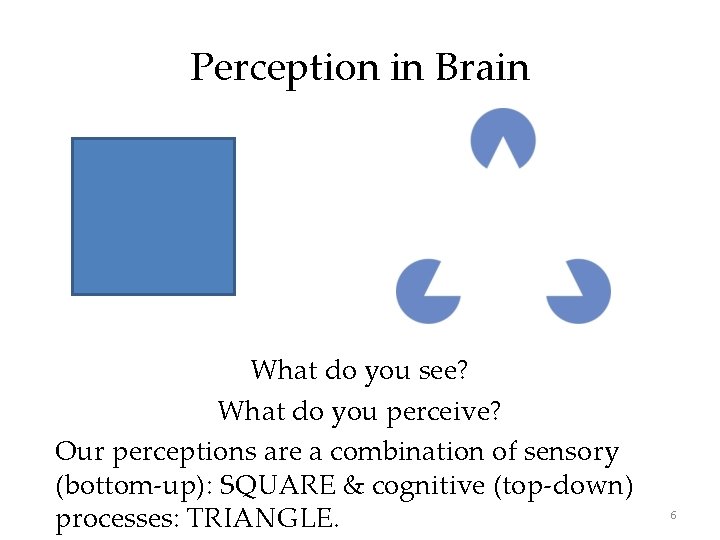
Perception in Brain What do you see? What do you perceive? Our perceptions are a combination of sensory (bottom-up): SQUARE & cognitive (top-down) processes: TRIANGLE. 6
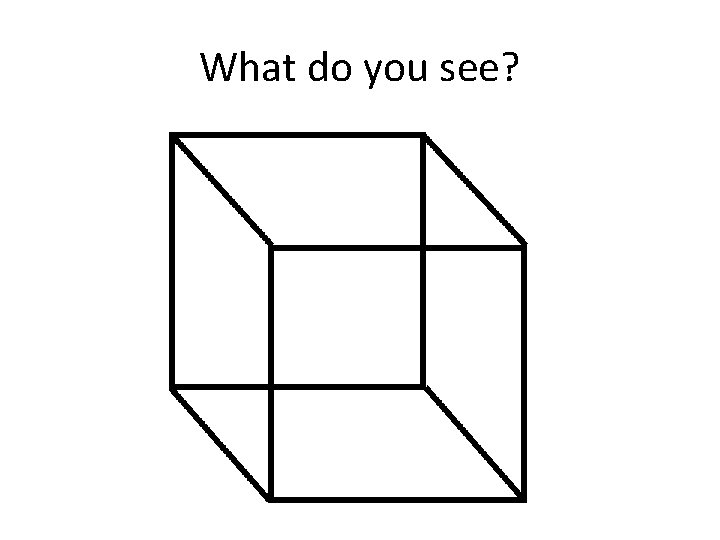
What do you see?
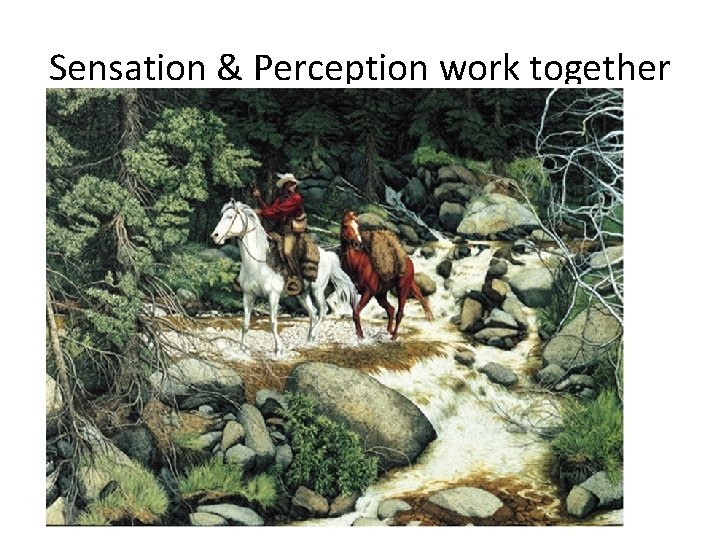
Sensation & Perception work together
Psychophysics A study of the relationship between physical characteristics of stimuli and our psychological experience with them. Physical World • • Light Sound Weight Sugar Psychological World • • Brightness Volume Pressure Sweetness
Attention to Stimuli
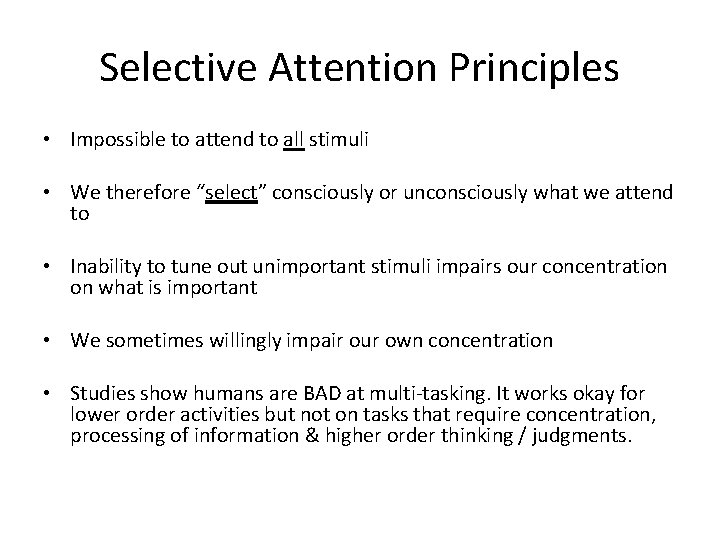
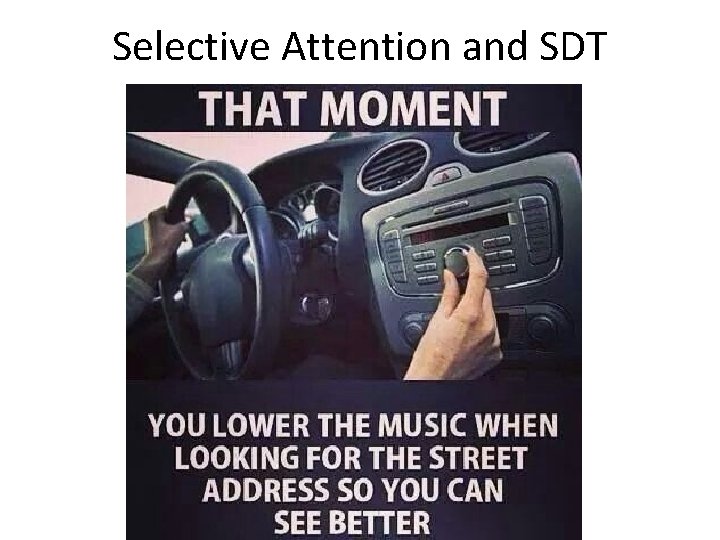
Selective Attention Principles • Impossible to attend to all stimuli • We therefore “select” consciously or unconsciously what we attend to • Inability to tune out unimportant stimuli impairs our concentration on what is important • We sometimes willingly impair our own concentration • Studies show humans are BAD at multi-tasking. It works okay for lower order activities but not on tasks that require concentration, processing of information & higher order thinking / judgments.
Sensory Adaptation 12
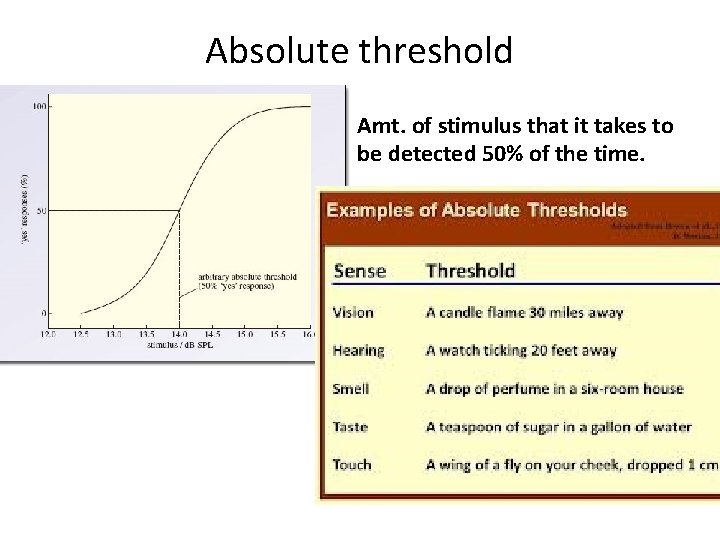
Absolute threshold Amt. of stimulus that it takes to be detected 50% of the time.
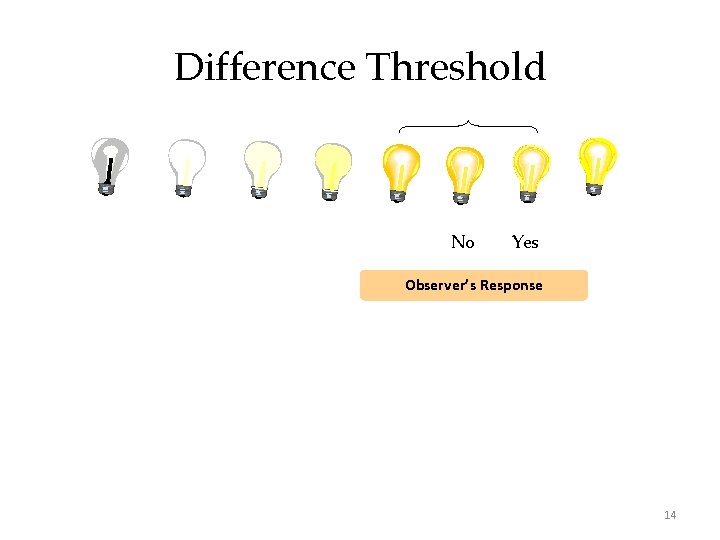
Difference Threshold No Yes Observer’s Response 14
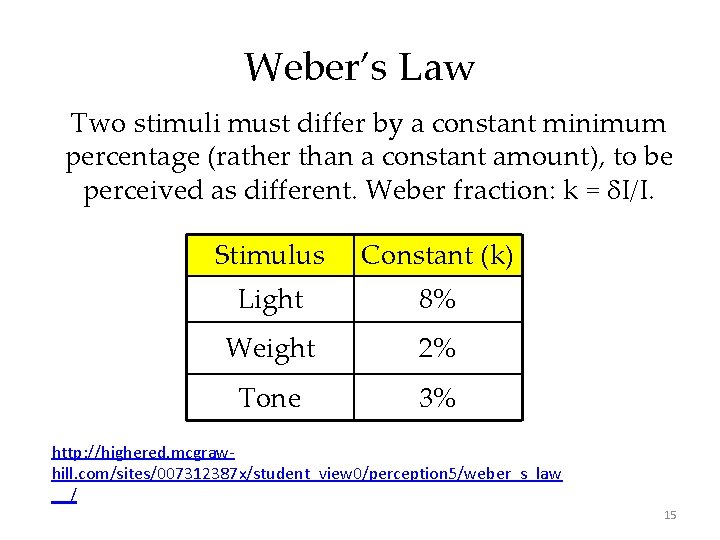
Weber’s Law Two stimuli must differ by a constant minimum percentage (rather than a constant amount), to be perceived as different. Weber fraction: k = d. I/I. Stimulus Constant (k) Light 8% Weight 2% Tone 3% http: //highered. mcgrawhill. com/sites/007312387 x/student_view 0/perception 5/weber_s_law __/ 15
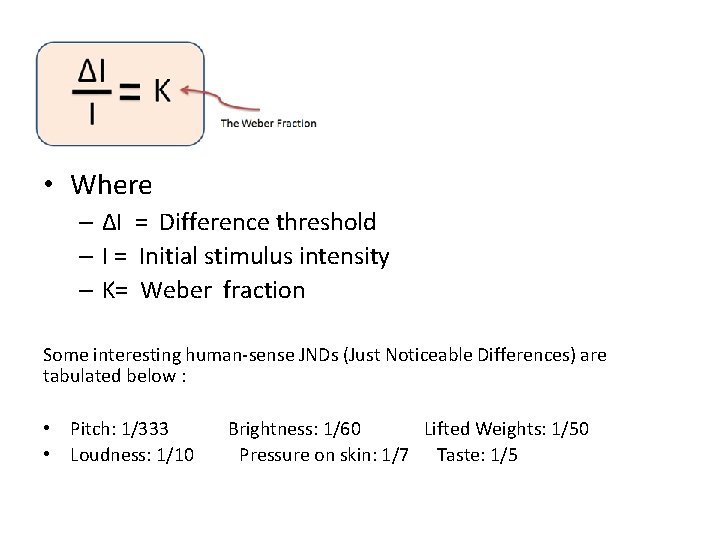
• Where – ΔI = Difference threshold – I = Initial stimulus intensity – K= Weber fraction Some interesting human-sense JNDs (Just Noticeable Differences) are tabulated below : • Pitch: 1/333 Brightness: 1/60 Lifted Weights: 1/50 • Loudness: 1/10 Pressure on skin: 1/7 Taste: 1/5
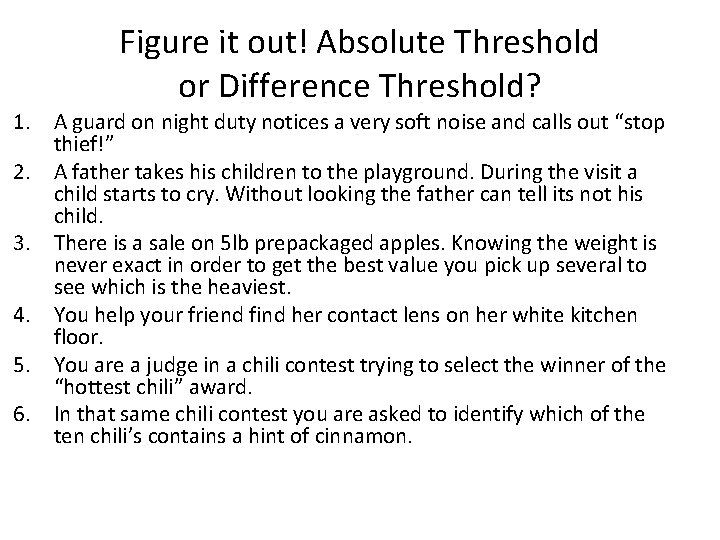
Figure it out! Absolute Threshold or Difference Threshold? 1. A guard on night duty notices a very soft noise and calls out “stop thief!” 2. A father takes his children to the playground. During the visit a child starts to cry. Without looking the father can tell its not his child. 3. There is a sale on 5 lb prepackaged apples. Knowing the weight is never exact in order to get the best value you pick up several to see which is the heaviest. 4. You help your friend find her contact lens on her white kitchen floor. 5. You are a judge in a chili contest trying to select the winner of the “hottest chili” award. 6. In that same chili contest you are asked to identify which of the ten chili’s contains a hint of cinnamon.
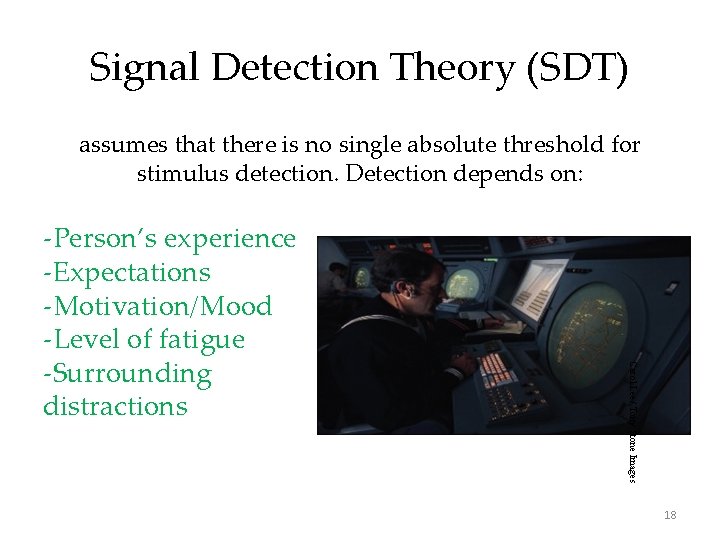
Signal Detection Theory (SDT) assumes that there is no single absolute threshold for stimulus detection. Detection depends on: Carol Lee/ Tony Stone Images -Person’s experience -Expectations -Motivation/Mood -Level of fatigue -Surrounding distractions 18
Selective Attention and SDT
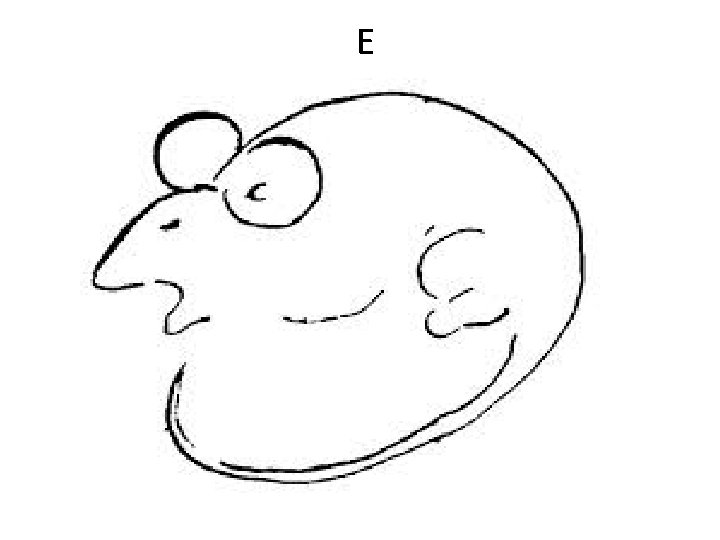
Perceptual Set What do you see in pictures A, B, C, D & E?
E
Perception The process of selecting, organizing, and interpreting sensory information, which enables us to recognize meaningful objects and events Perceptual sets: How can this be either an advantage or limitation in the real world? 22
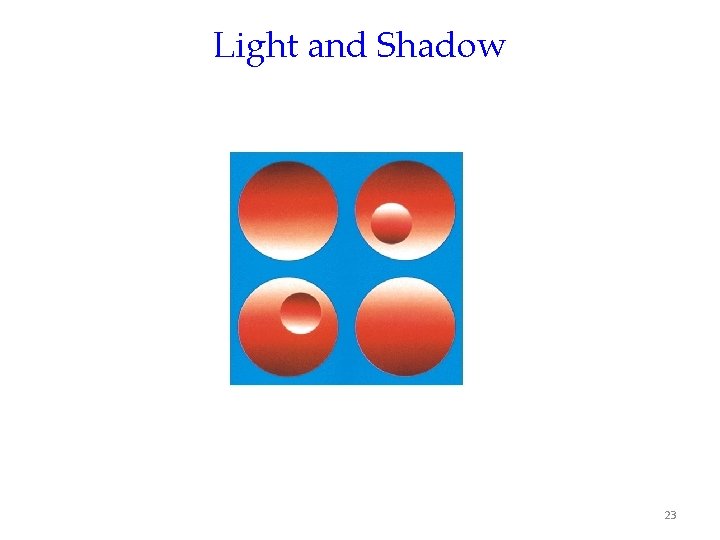
Light and Shadow 23
• Perceptual illusions
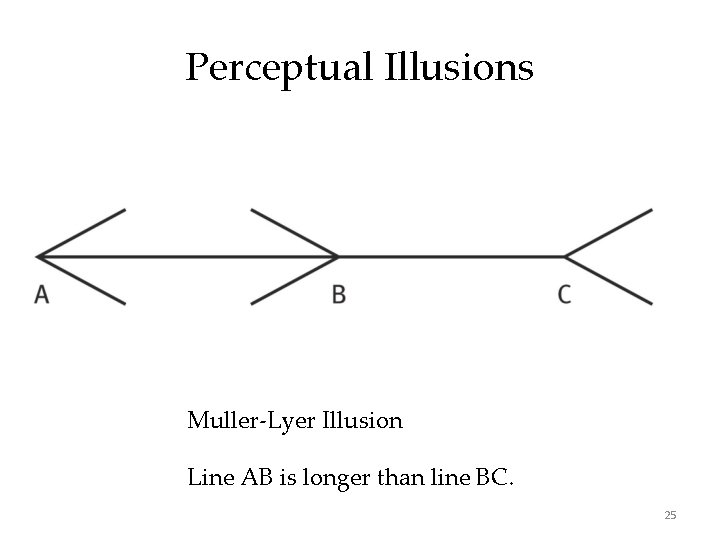
Perceptual Illusions Muller-Lyer Illusion Line AB is longer than line BC. 25
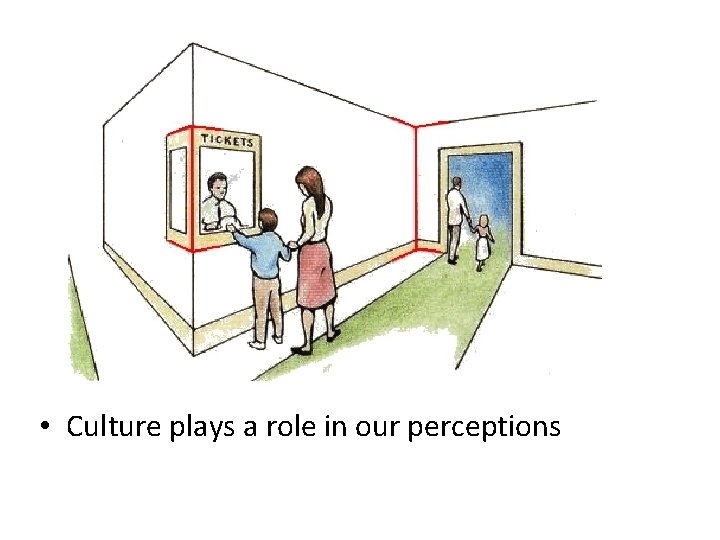
• Culture plays a role in our perceptions
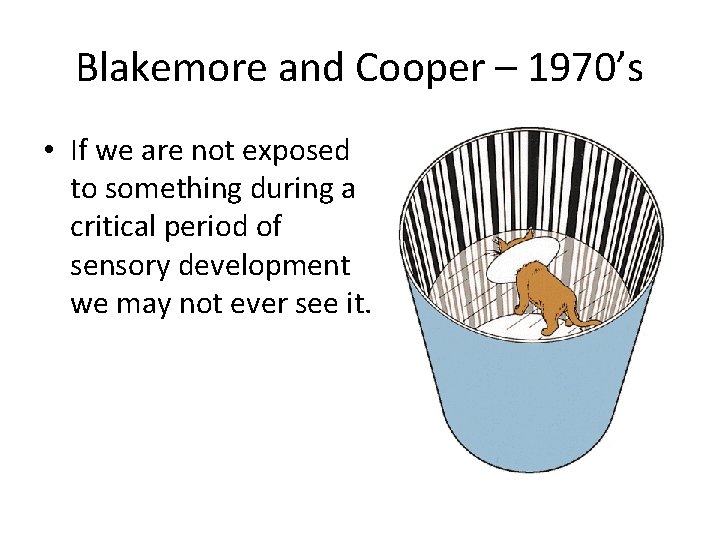
Blakemore and Cooper – 1970’s • If we are not exposed to something during a critical period of sensory development we may not ever see it.