
Sensation Perception PERCEPTUAL ORGANIZATION How do we organize






- Slides: 70
Sensation & Perception PERCEPTUAL ORGANIZATION How do we organize and interpret our sensations so that they become meaningful perceptions?
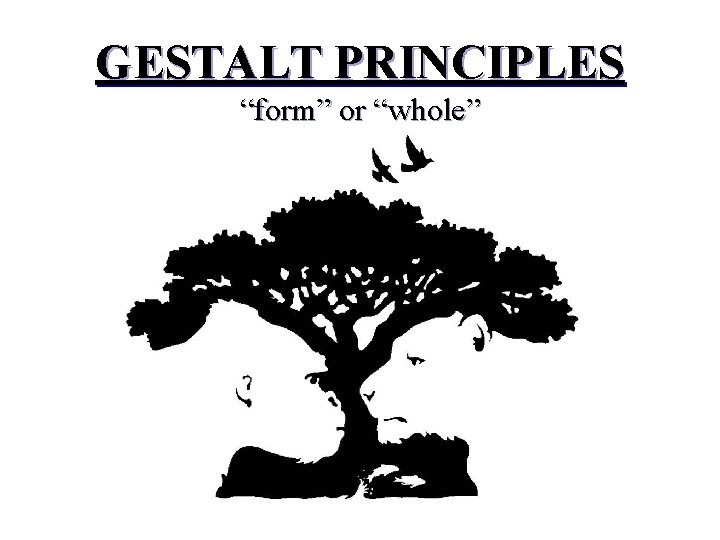
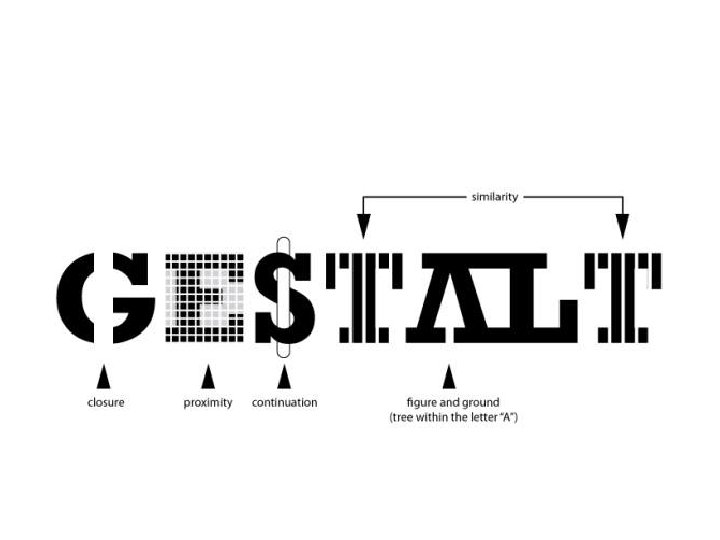
GESTALT PRINCIPLES “form” or “whole”
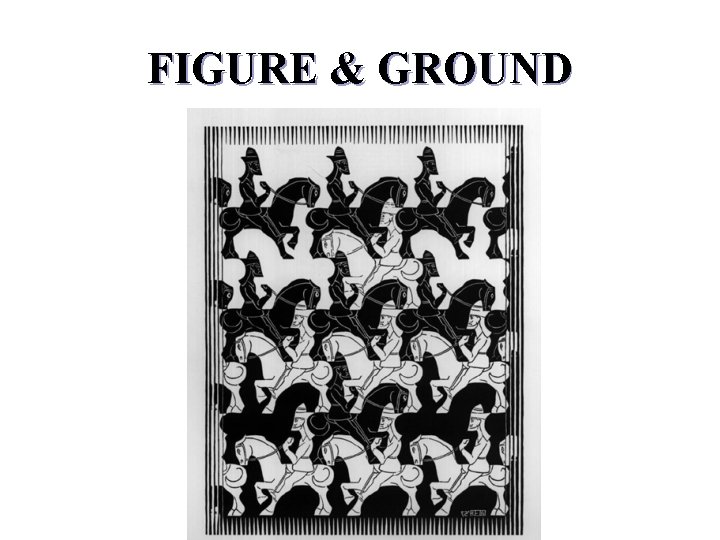
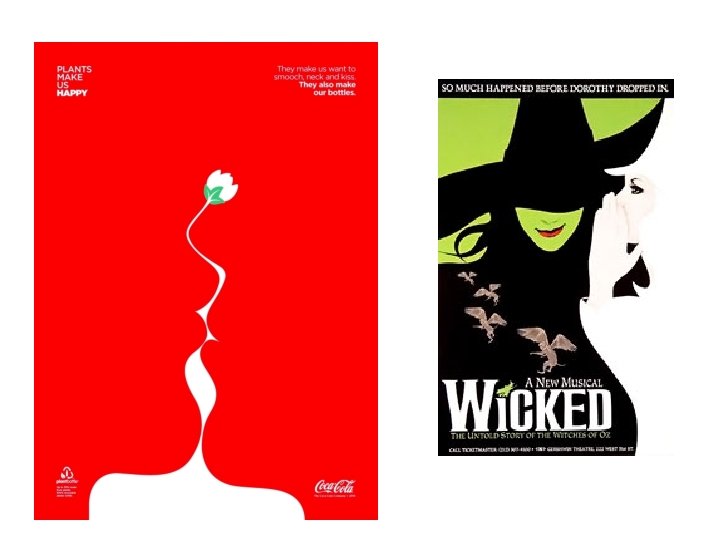
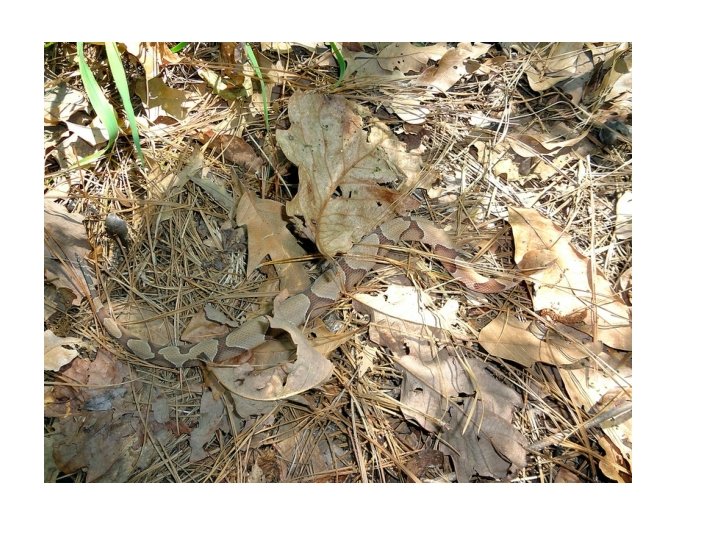
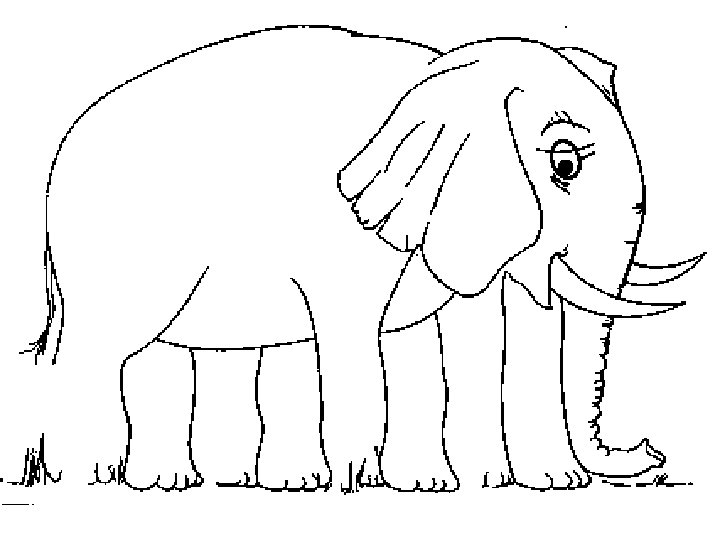
FIGURE & GROUND
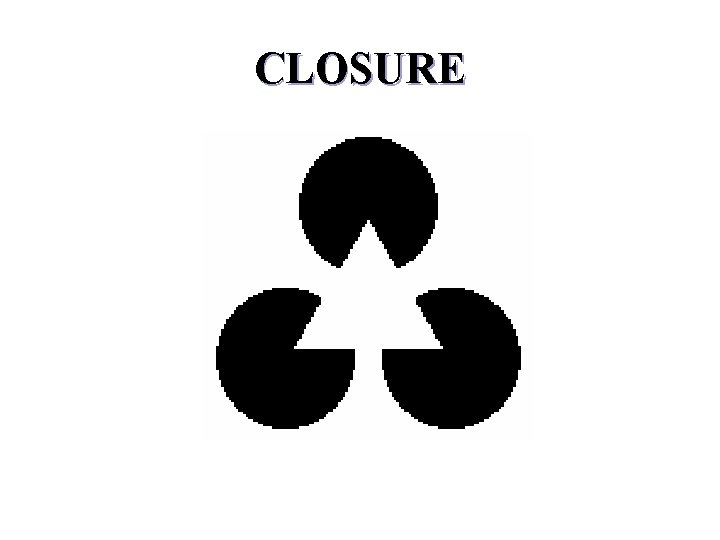
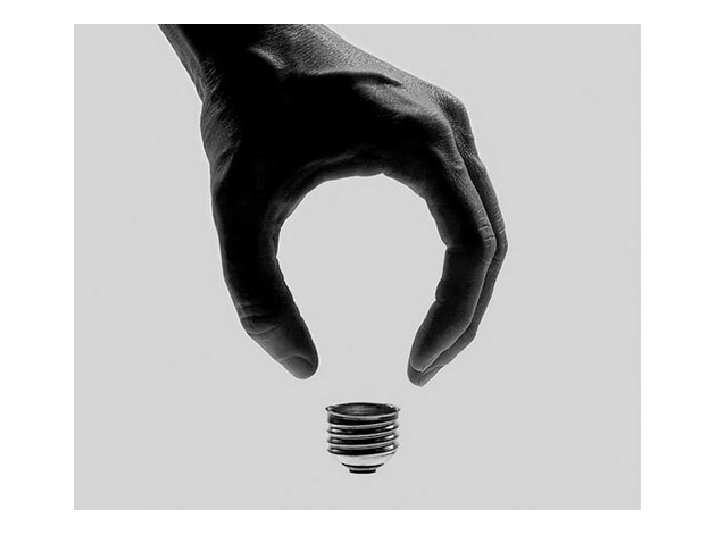
CLOSURE
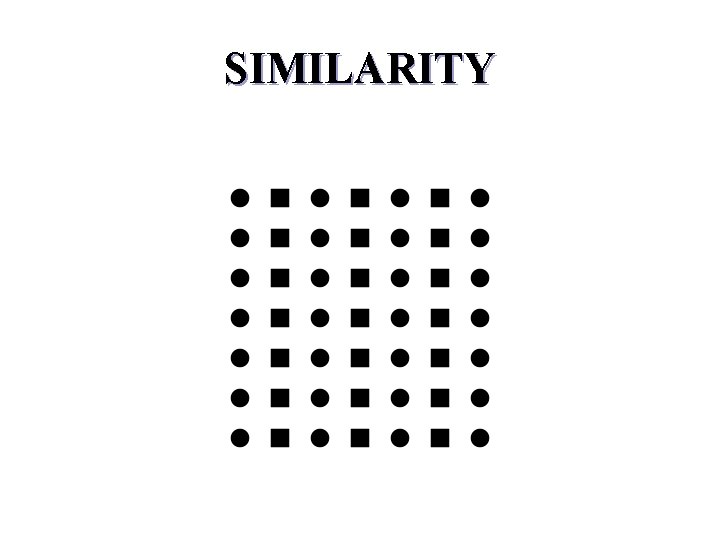
SIMILARITY
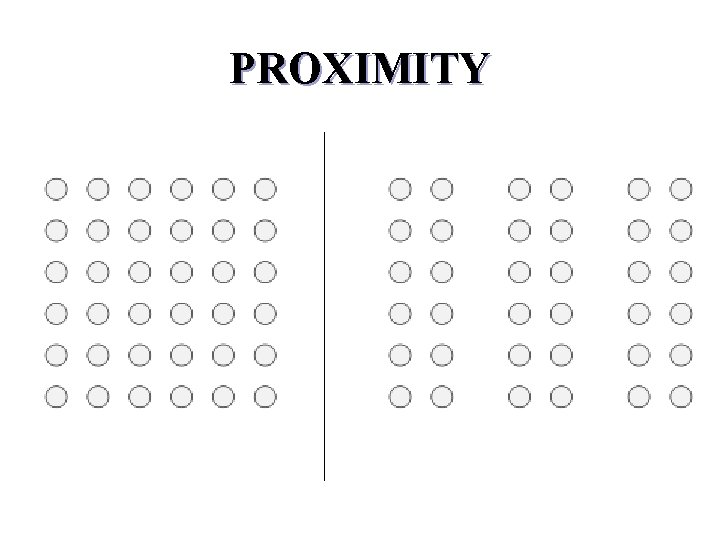
PROXIMITY
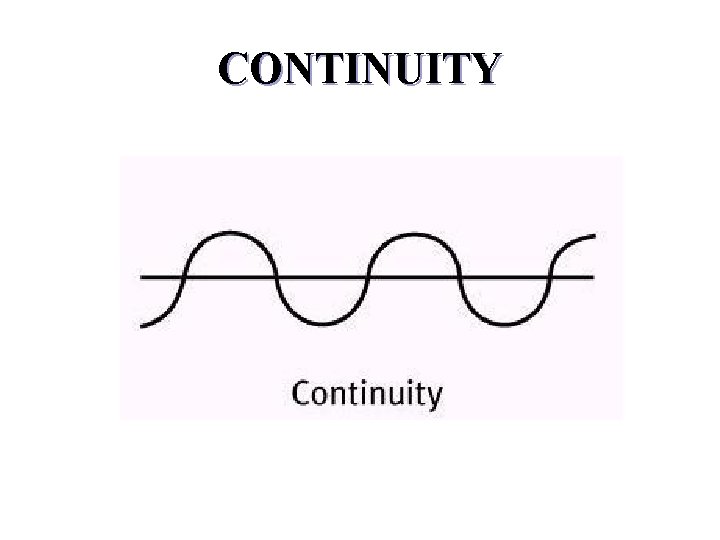
CONTINUITY
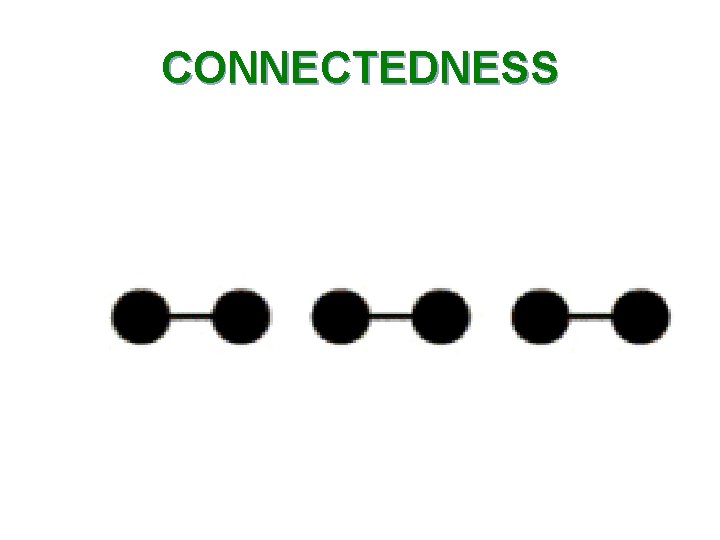
CONNECTEDNESS
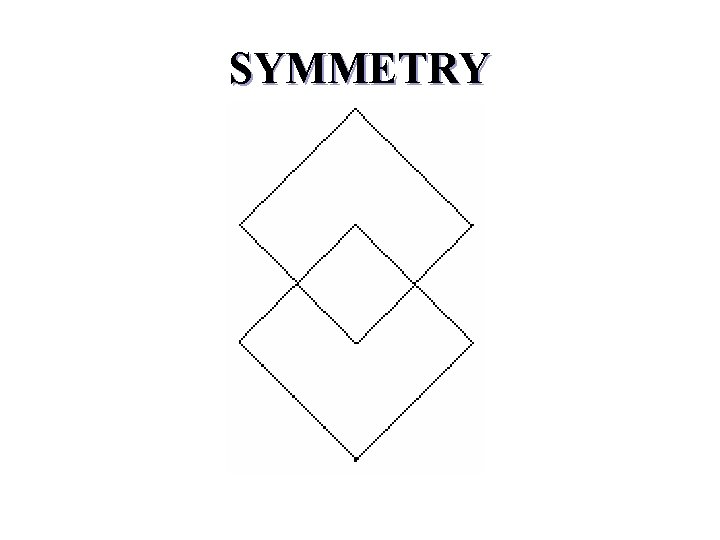
SYMMETRY
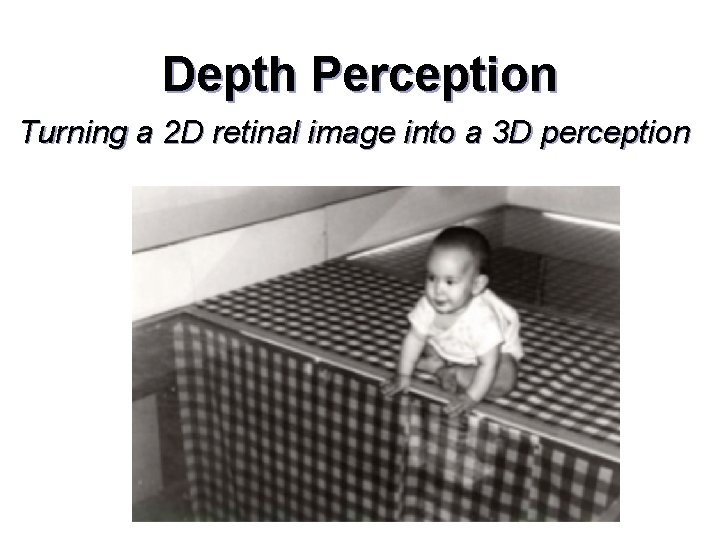
Depth Perception Turning a 2 D retinal image into a 3 D perception
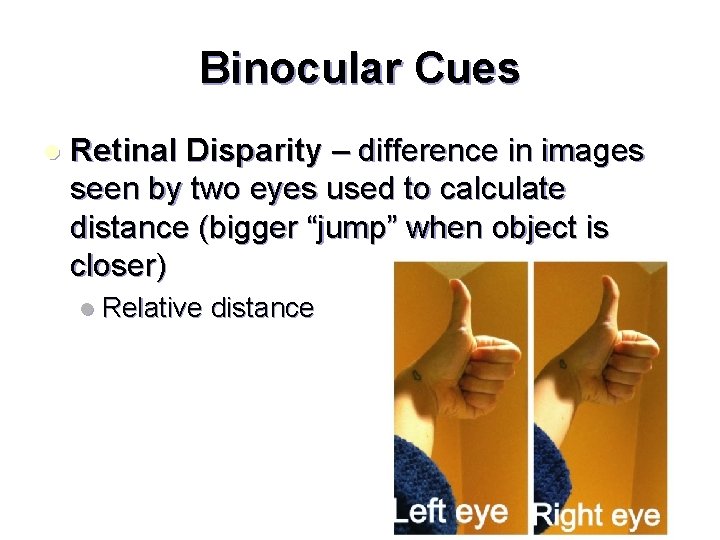
Binocular Cues l Retinal Disparity – difference in images seen by two eyes used to calculate distance (bigger “jump” when object is closer) l Relative distance
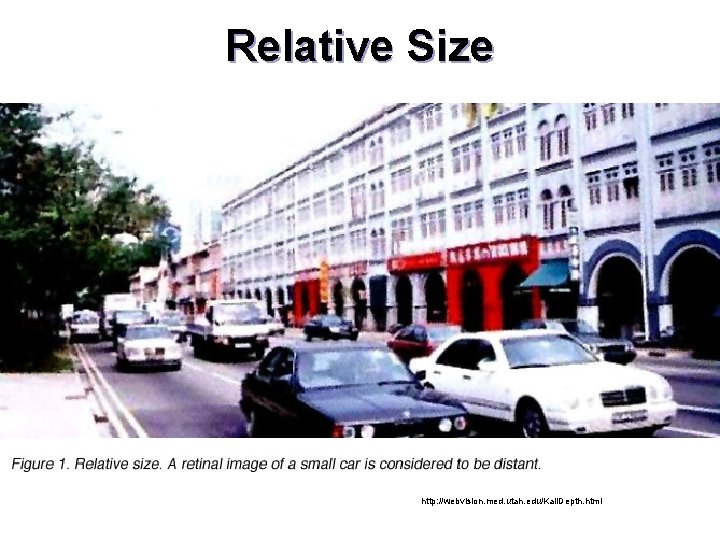
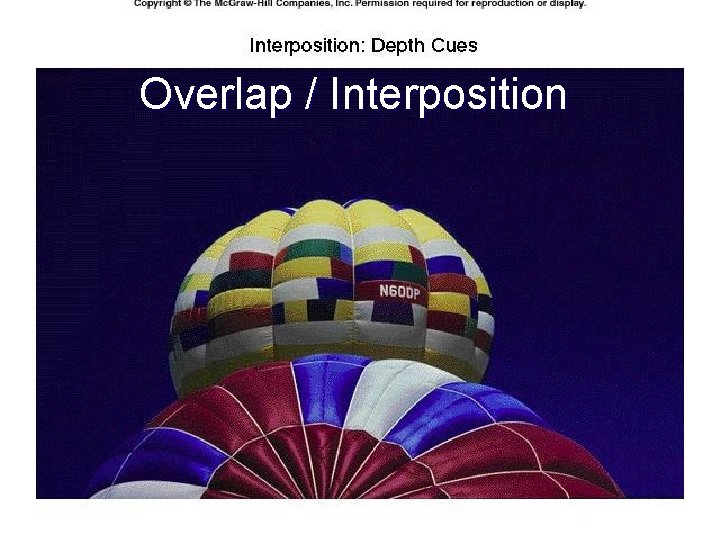
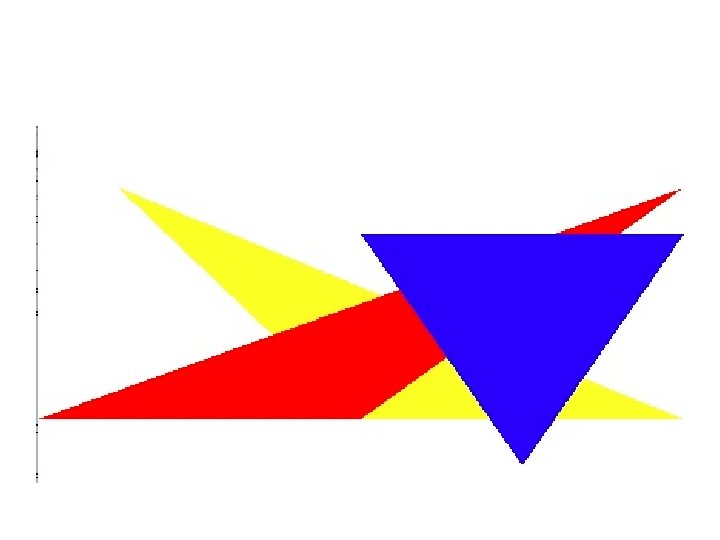
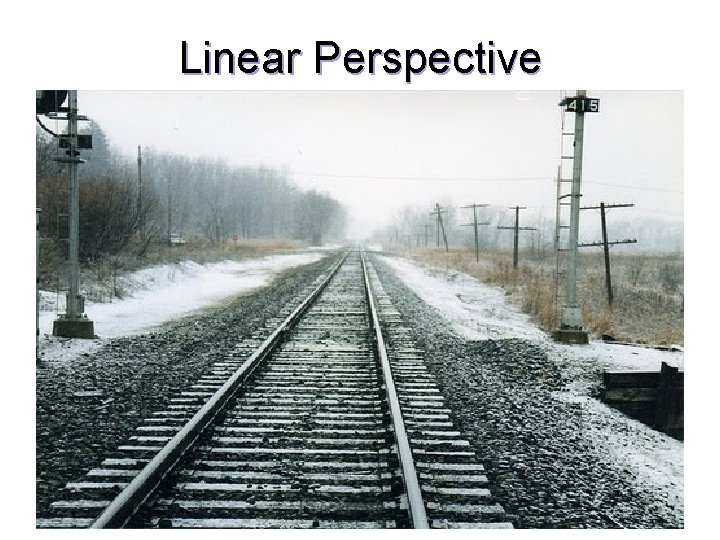
Monocular Cues Relative size Overlap Linear perspective Relative height Texture gradient Aerial Perspective
Relative Size http: //webvision. med. utah. edu/Kall. Depth. html
Overlap / Interposition
Linear Perspective http: //www-psych. stanford. edu/~lera/psych 115 s/notes/lecture 8/figures 1. html#size http: //ahsmail. uwaterloo. ca/kin 356/cues/mcues. htm
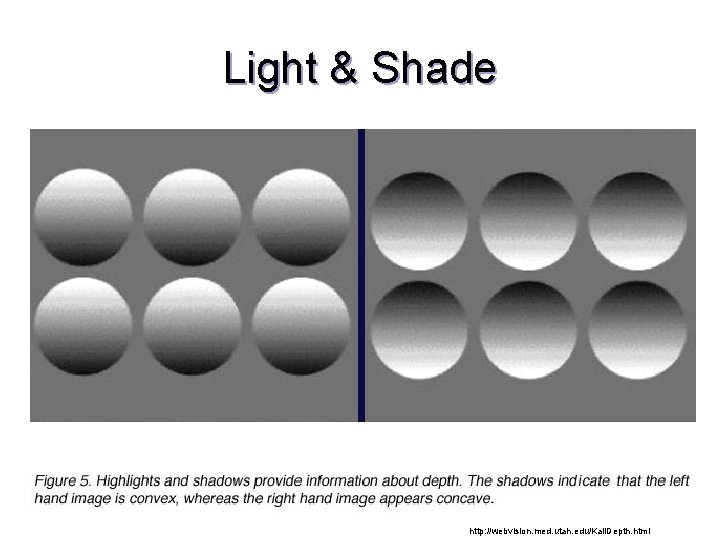
Light & Shade http: //webvision. med. utah. edu/Kall. Depth. html
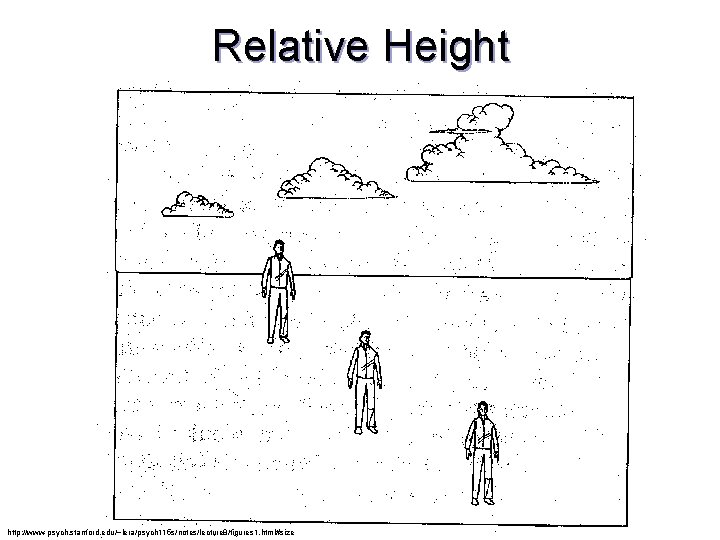
Relative Height http: //www-psych. stanford. edu/~lera/psych 115 s/notes/lecture 8/figures 1. html#size
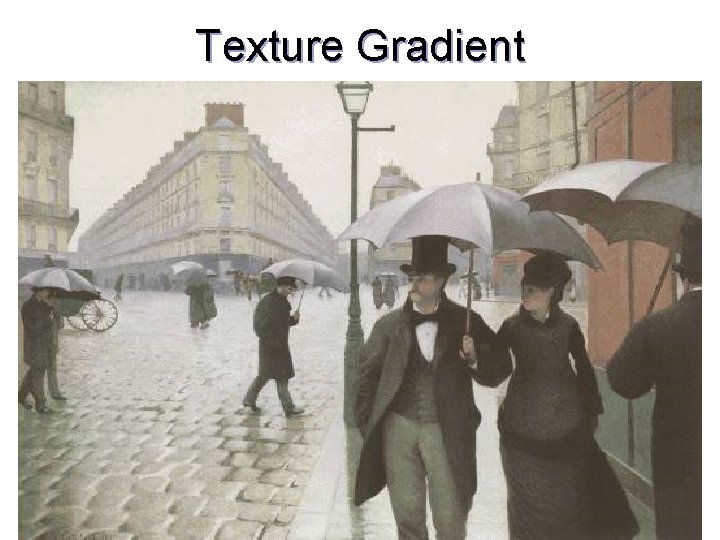
Texture Gradient
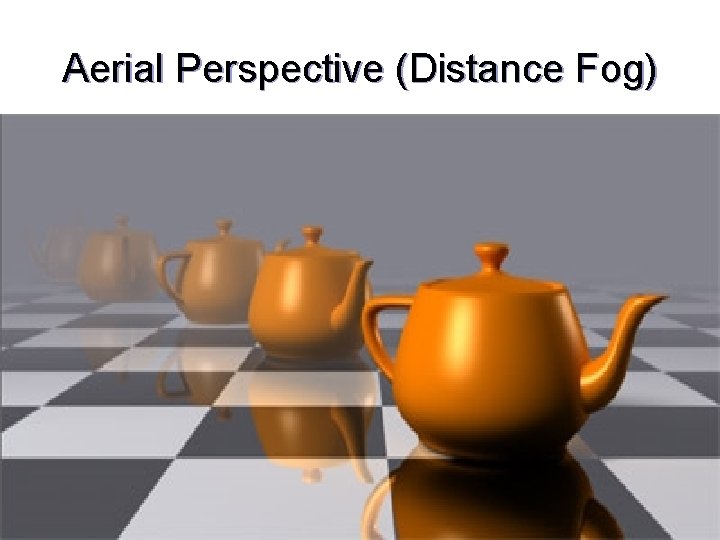
Aerial Perspective (Distance Fog)
http: //psych. hanover. edu/Krantz/art/scolls. jpg
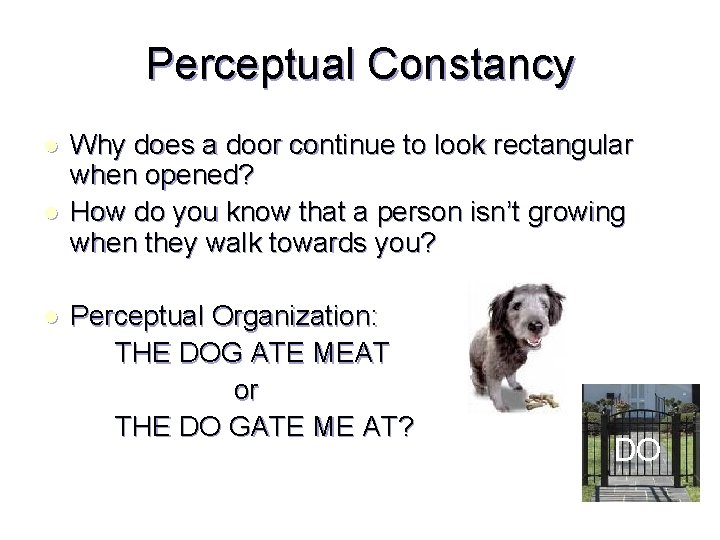
Perceptual Constancy Recognizing objects without being deceived by shape, color, size or lightness
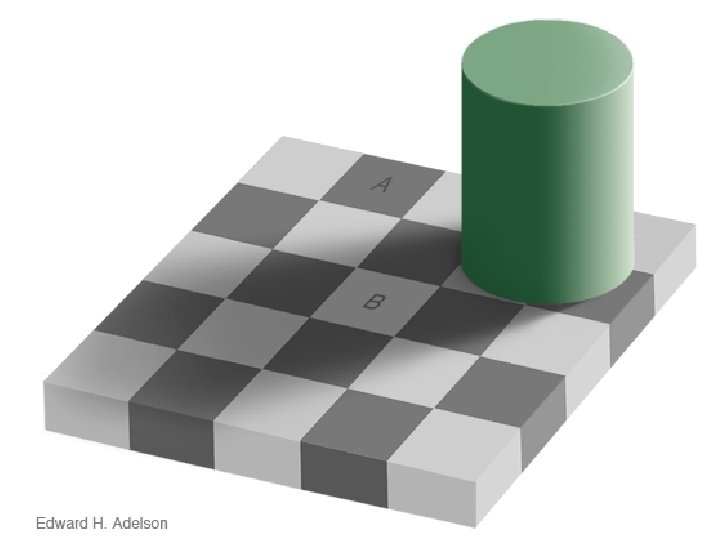
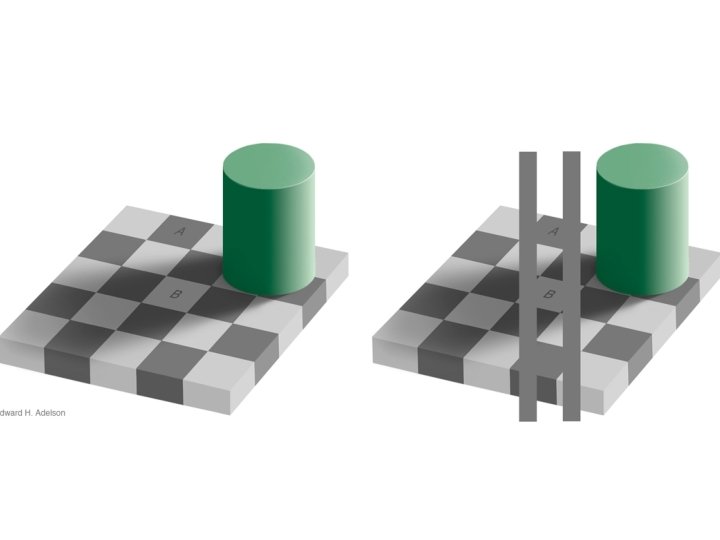
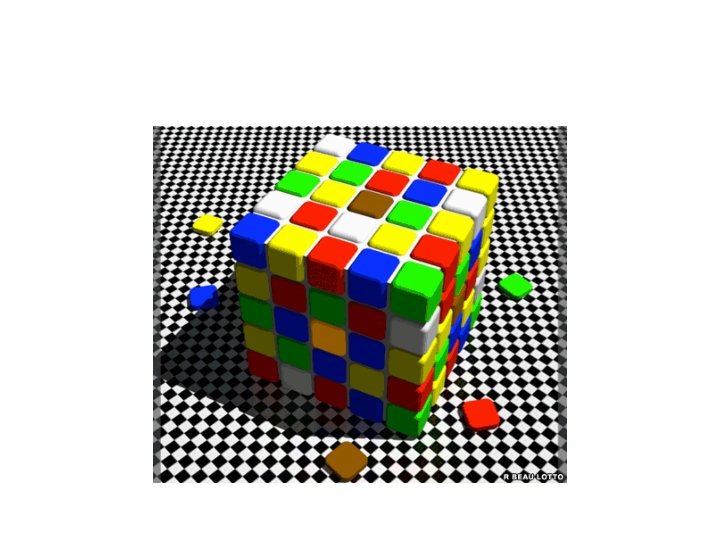
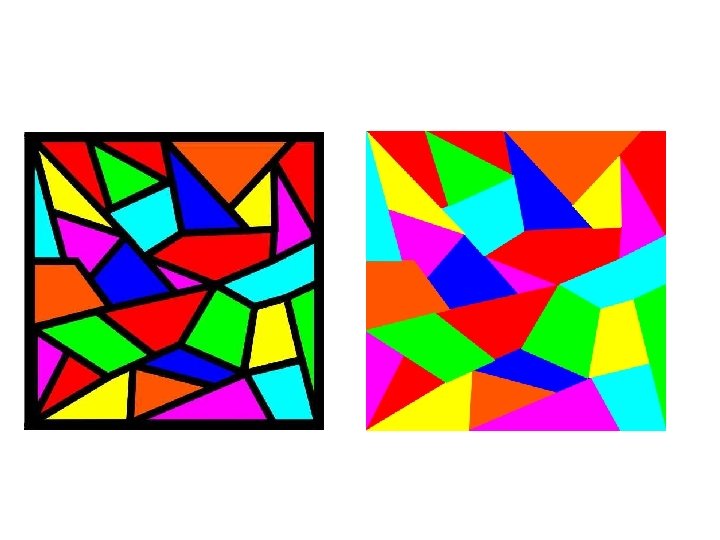
Color Constancy Perceiving familiar objects with consistent color, despite changes in illumination
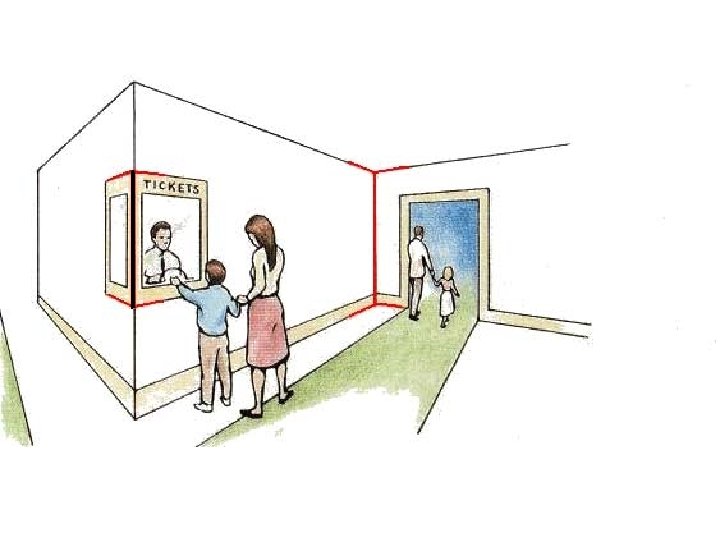
Size and Shape Constancies We perceive the form of familiar objects as constant even while our retinal images change
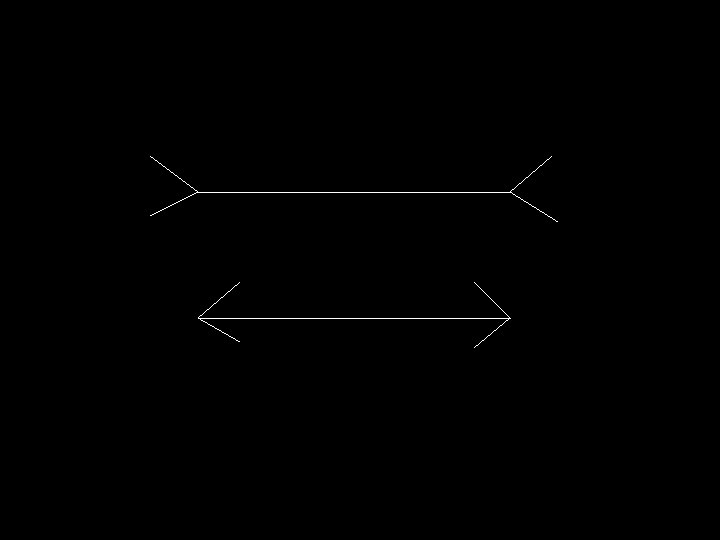
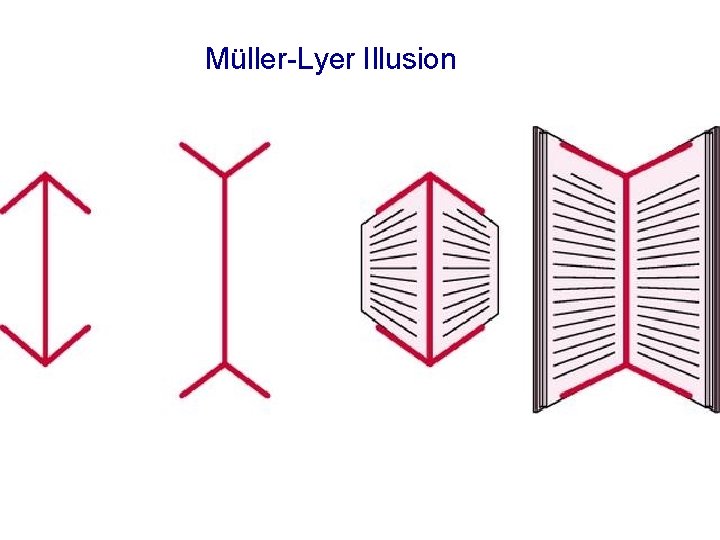
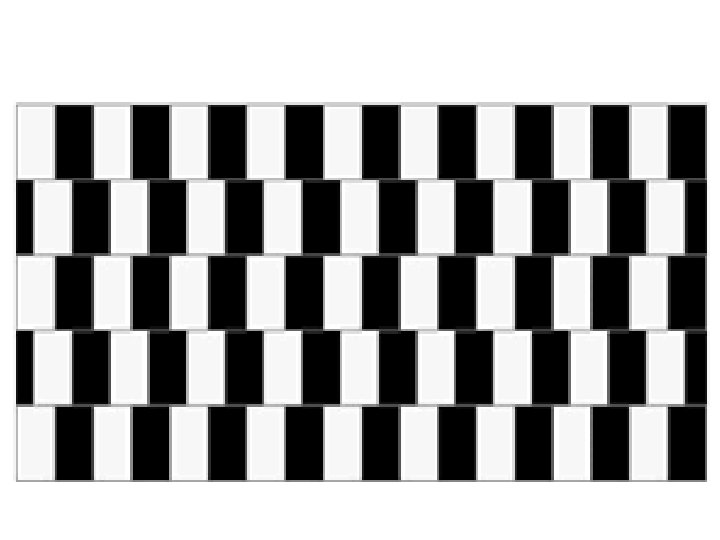
Müller-Lyer Illusion
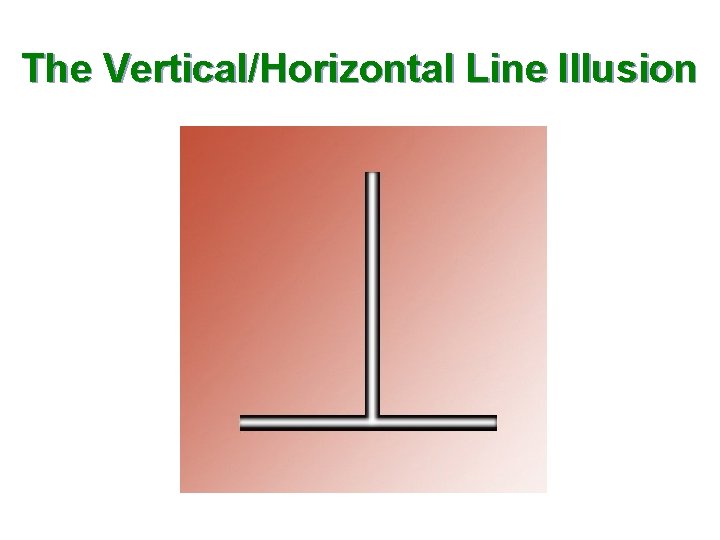
The Vertical/Horizontal Line Illusion
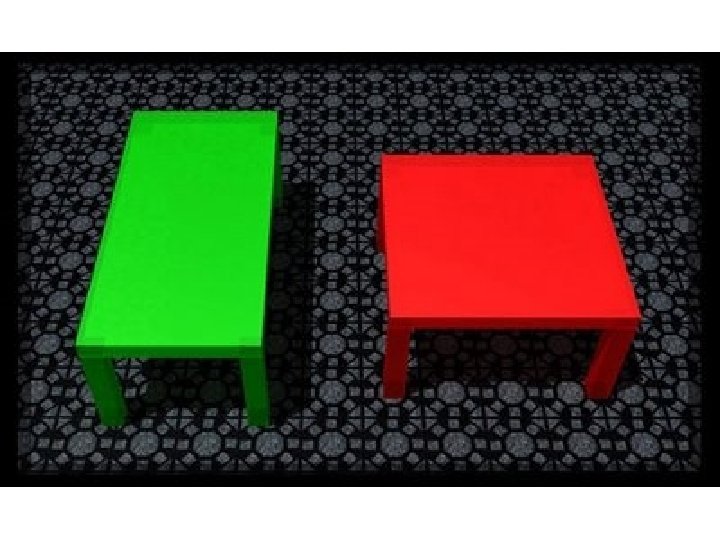
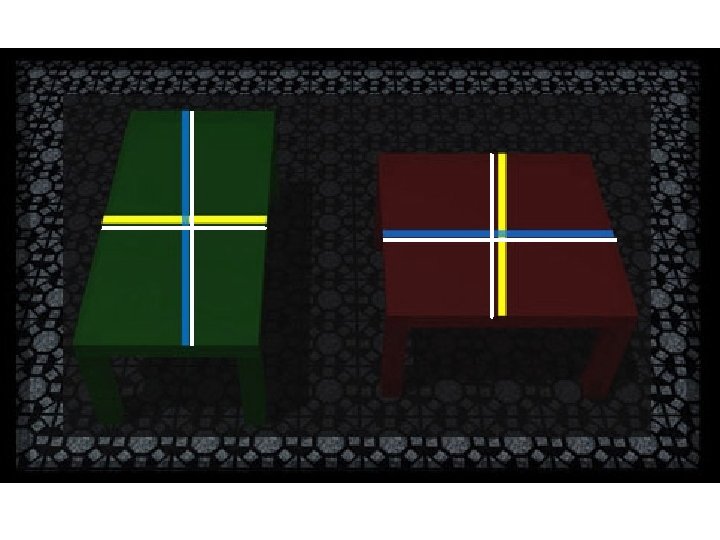
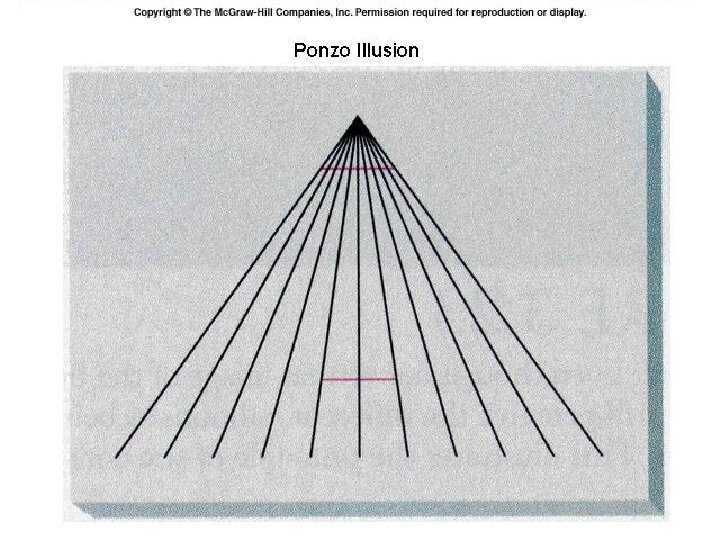
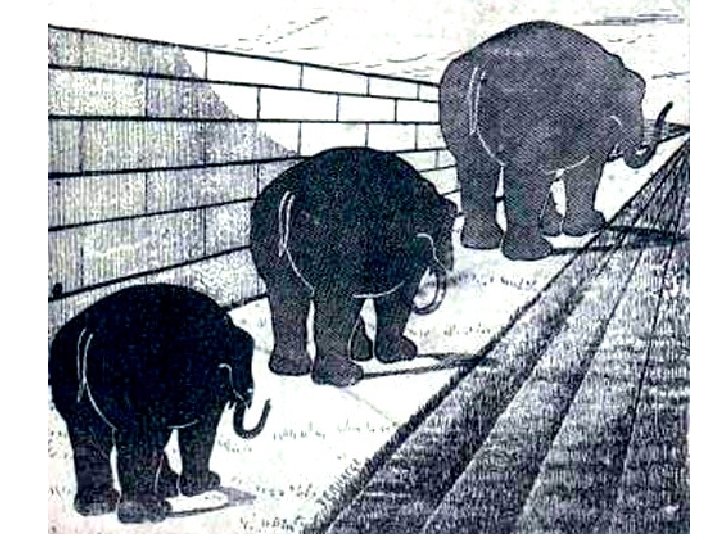
Size-Distance Relationship Interplay between perceived height and distance
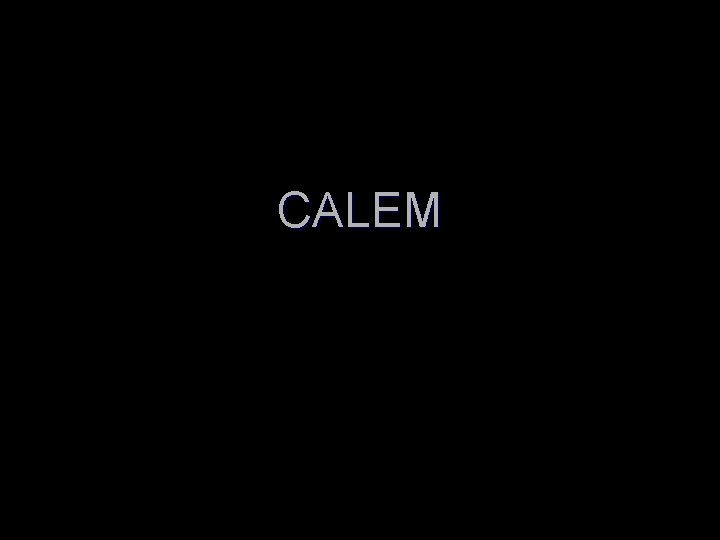
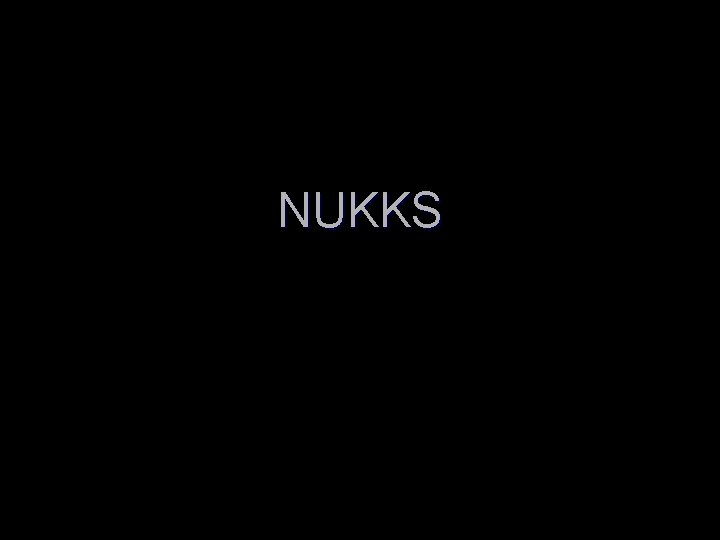
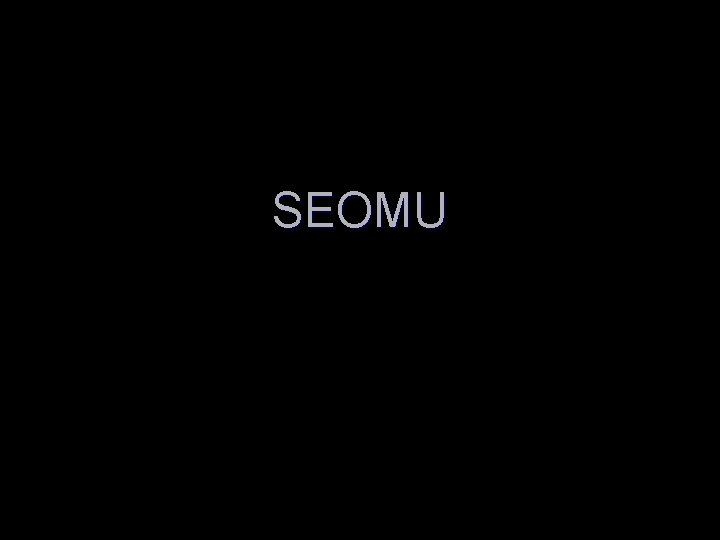
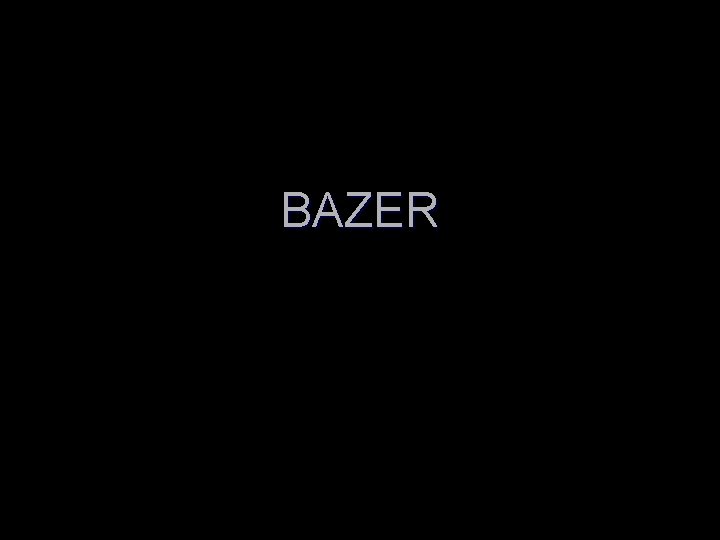
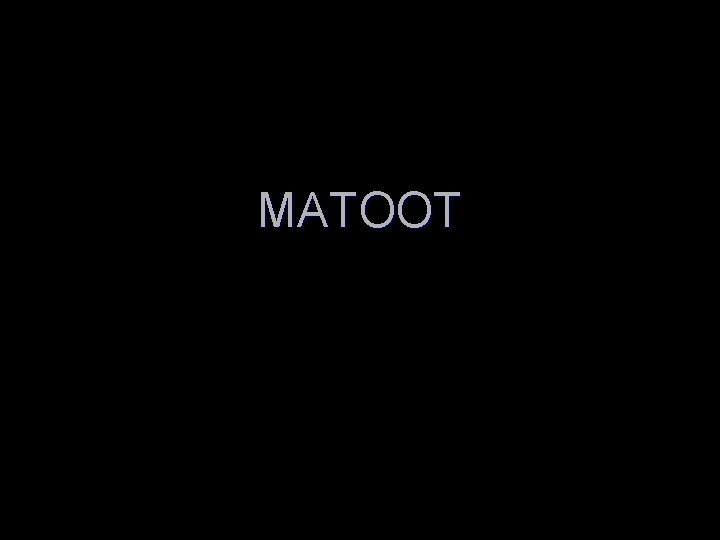
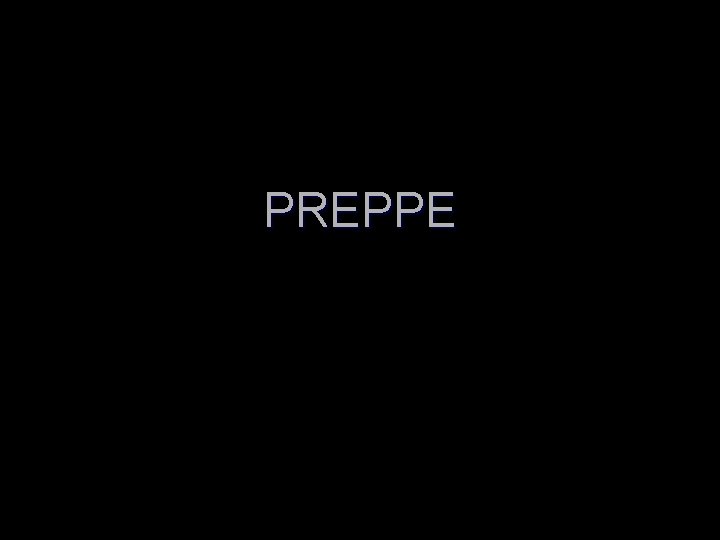
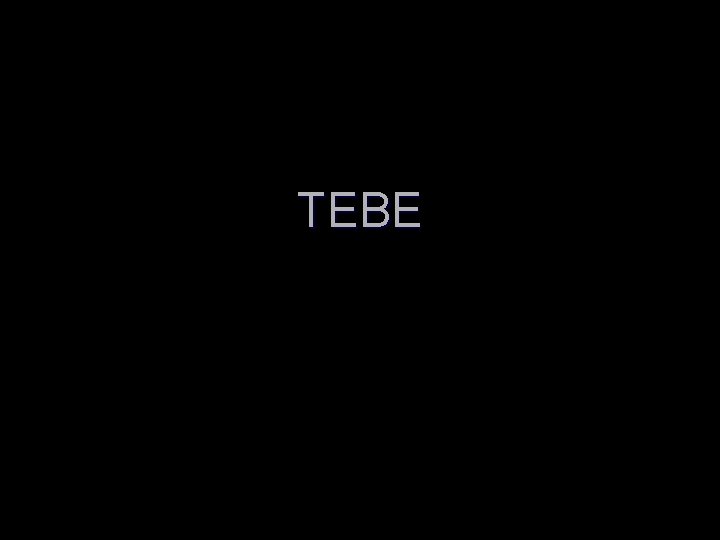
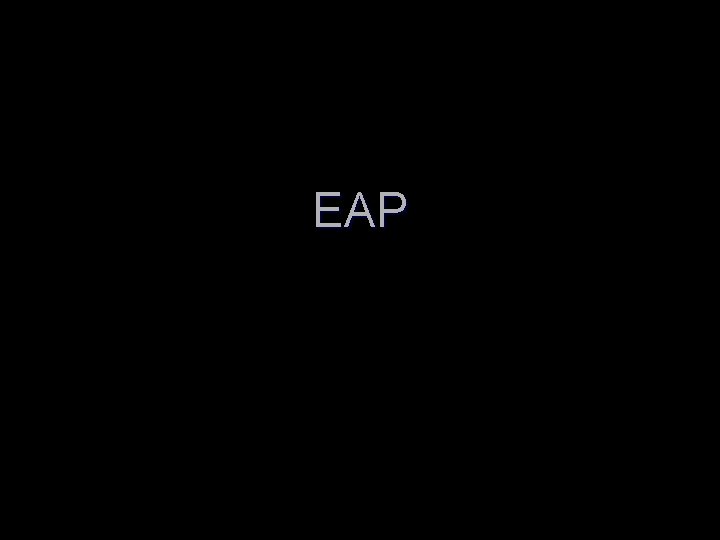
Perception Experiment (Half the class take a break) Rearrange and write out the following words
LULB
CALEM
NUKKS
SEOMU
BAZER
EAP
2 nd Group
NORC
NOONI
MATOOT
PREPPE
TEBE
EAP
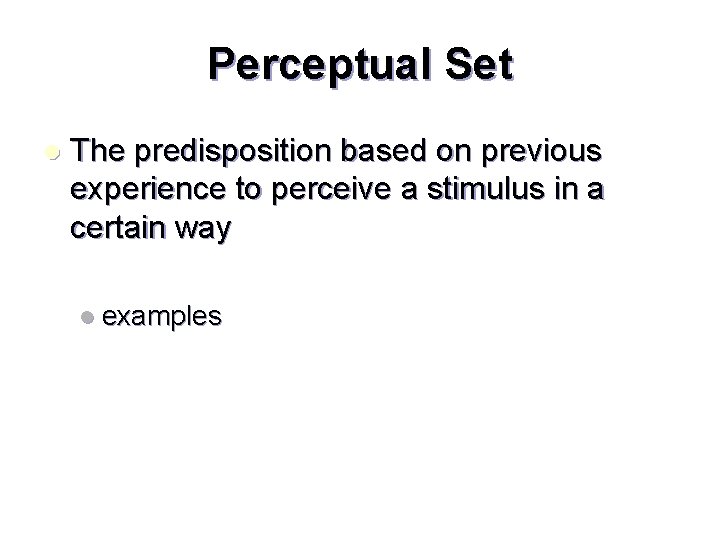
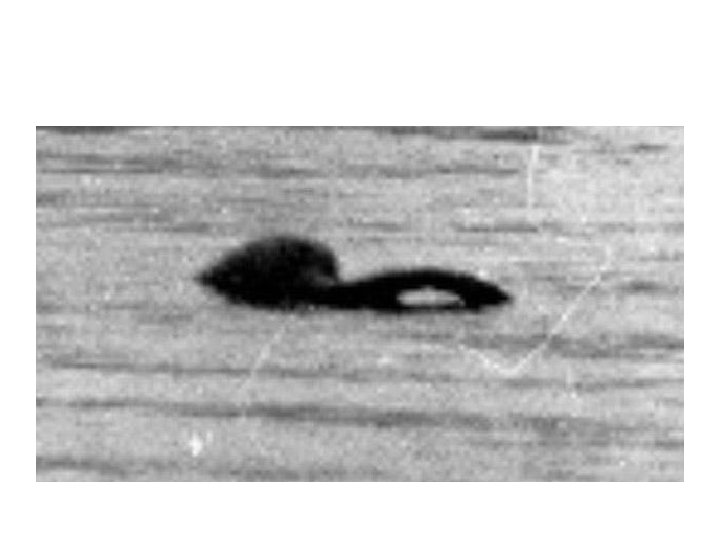
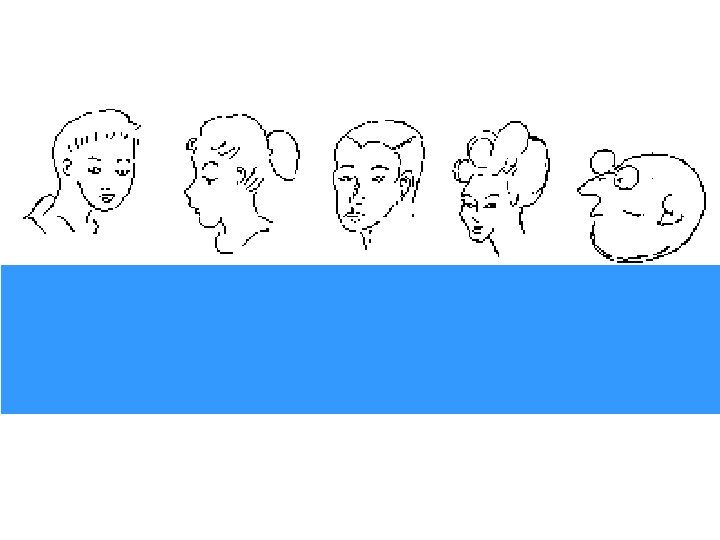
Perceptual Set l The predisposition based on previous experience to perceive a stimulus in a certain way l examples
Perceptual Constancy l l l Why does a door continue to look rectangular when opened? How do you know that a person isn’t growing when they walk towards you? Perceptual Organization: THE DOG ATE MEAT or THE DO GATE ME AT? DO