
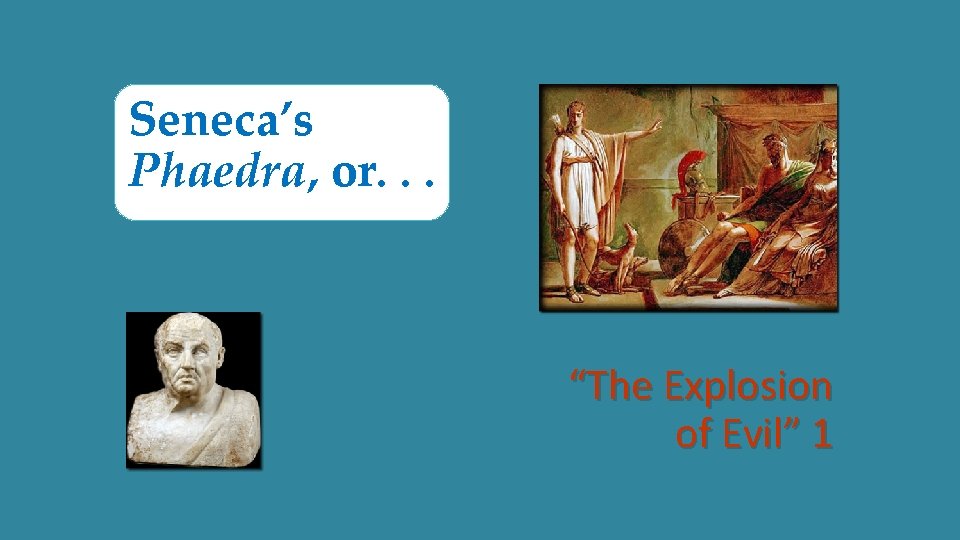
Senecas Phaedra or The Explosion of Evil 1
- Slides: 21
Seneca’s Phaedra, or. . . “The Explosion of Evil” 1
Agenda • Recap and Update § Introduction to Roman Tragedy • Republican Tragedy (ca. 240– 27 BCE) § Choice Quotes, Your Impressions. . • Introduction to Seneca § “The Explosion of Evil”
Recap and Update Introduction to Roman Tragedy
Brill’s on Roman Tragedy “The content of Roman tragedy is not ‘tragic. ’ ”
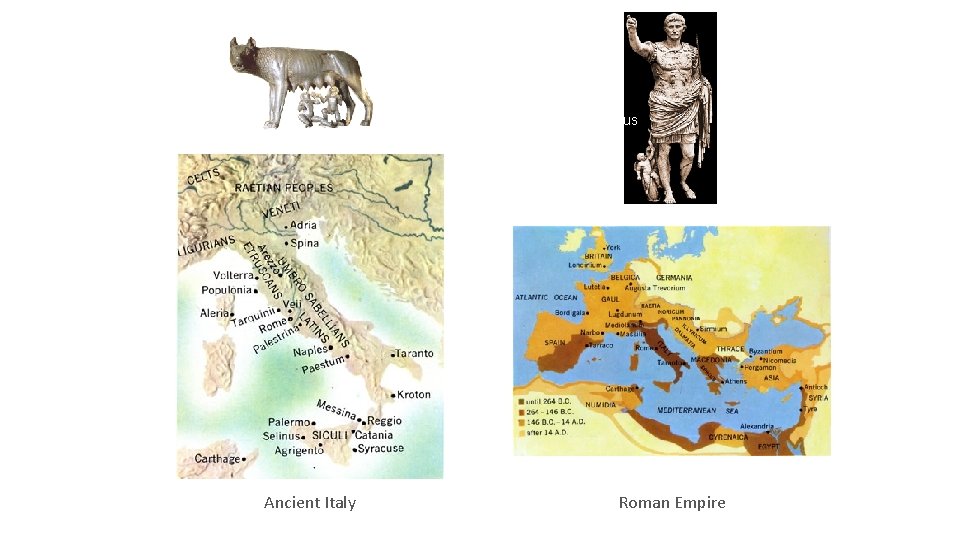
Capitoline Wolf Augustus Ancient Italy Roman Empire
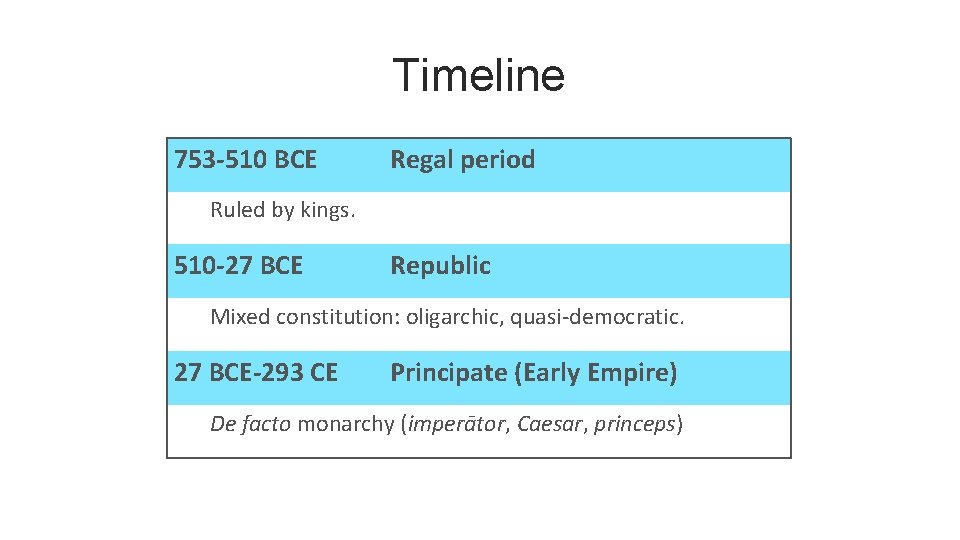
Timeline 753 -510 BCE Regal period Ruled by kings. 510 -27 BCE Republic Mixed constitution: oligarchic, quasi-democratic. 27 BCE-293 CE Principate (Early Empire) De facto monarchy (imperātor, Caesar, princeps)
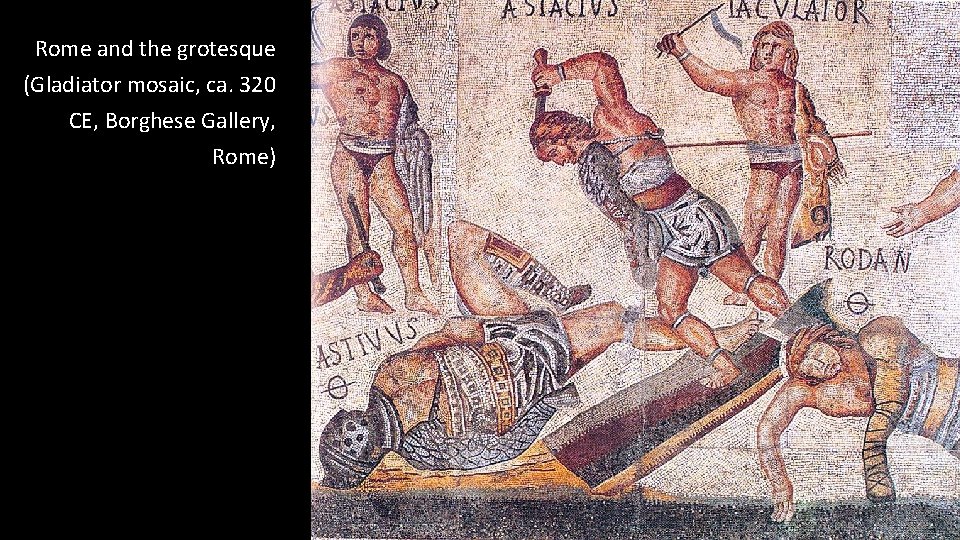
Rome and the grotesque (Gladiator mosaic, ca. 320 CE, Borghese Gallery, Rome)
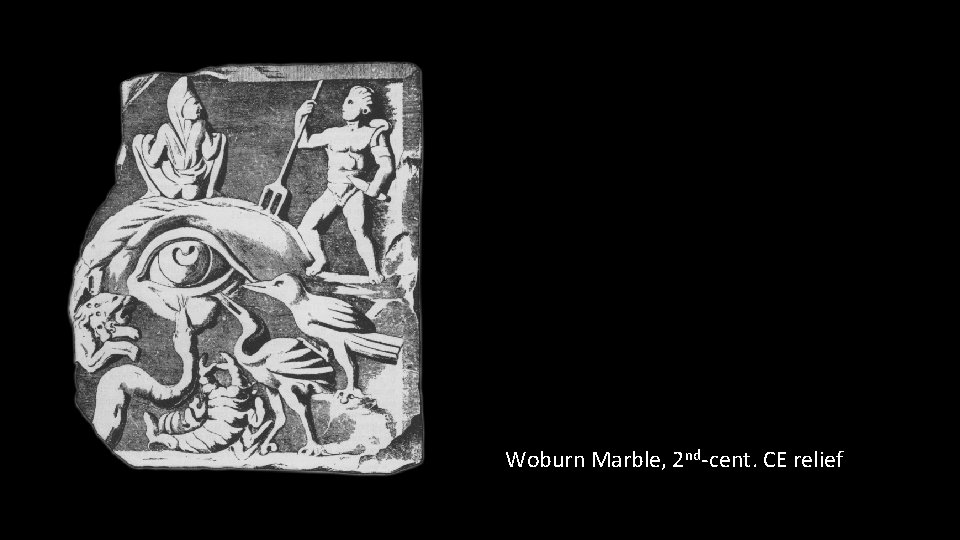
Woburn Marble, 2 nd-cent. CE relief
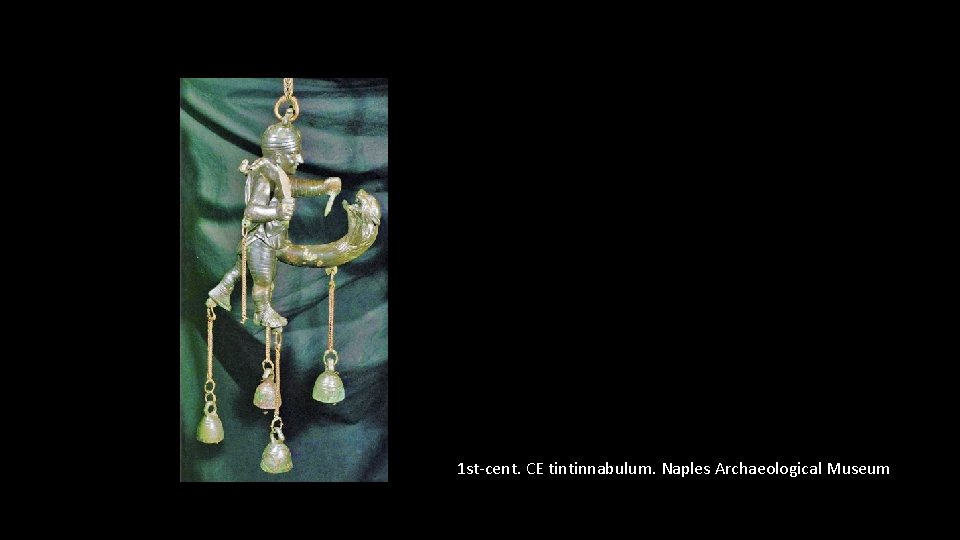
1 st-cent. CE tintinnabulum. Naples Archaeological Museum
“Captive Greece took its wild conqueror captive, and civilized the savage land of the Latins. ” (p. 276) Graecia capta ferum uictorem cepit et artes intulit agresti Latio. (Horace Epistles 2. 156– 7) mos maiorum “way of the ancestors”
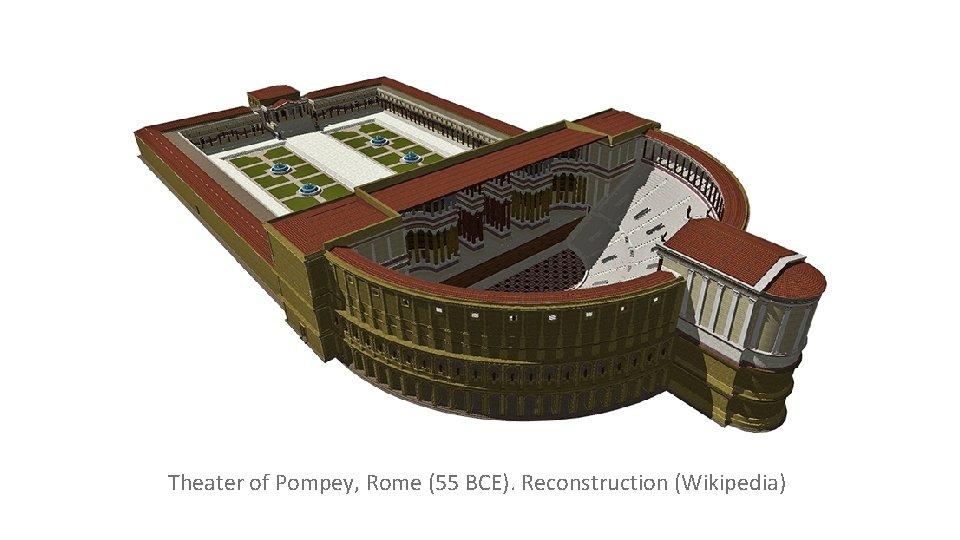
Theater of Pompey, Rome (55 BCE). Reconstruction (Wikipedia)
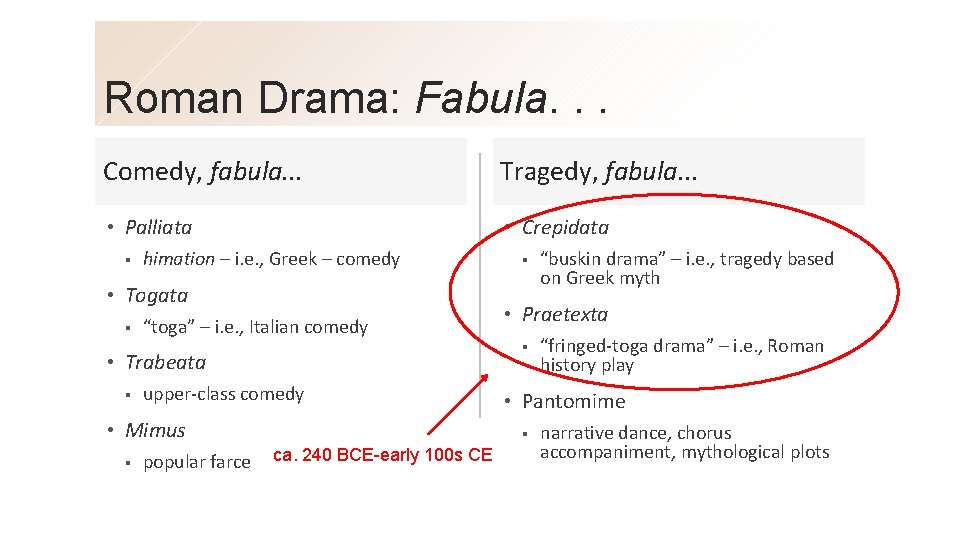
Roman Drama: Fabula. . . Comedy, fabula. . . Tragedy, fabula. . . • Palliata • Crepidata § himation – i. e. , Greek – comedy • Togata § “toga” – i. e. , Italian comedy upper-class comedy • Mimus § popular farce “fringed-toga drama” – i. e. , Roman history play • Pantomime § ca. 240 BCE-early 100 s CE “buskin drama” – i. e. , tragedy based on Greek myth • Praetexta § • Trabeata § § narrative dance, chorus accompaniment, mythological plots
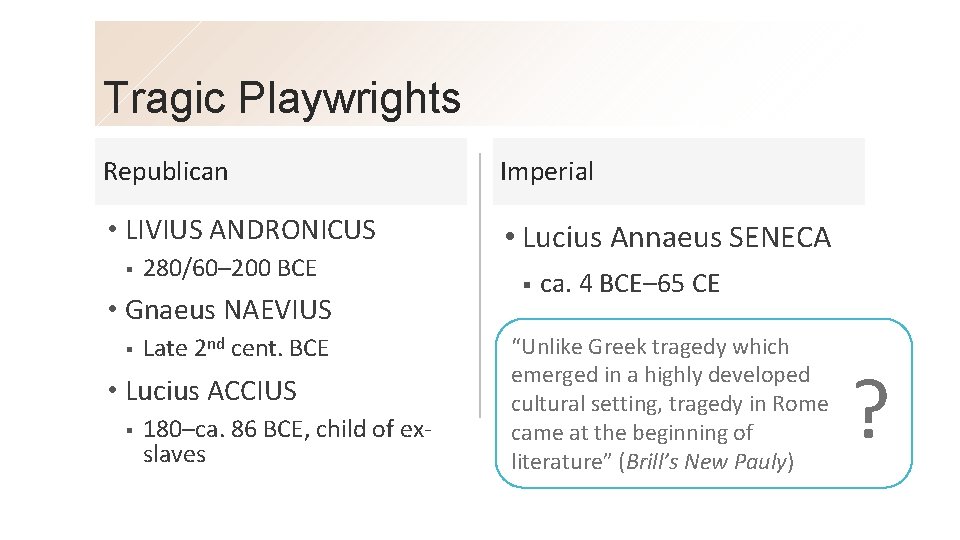
Tragic Playwrights Republican Imperial • LIVIUS ANDRONICUS • Lucius Annaeus SENECA § 280/60– 200 BCE • Gnaeus NAEVIUS § Late 2 nd cent. BCE • Lucius ACCIUS § 180–ca. 86 BCE, child of exslaves § ca. 4 BCE– 65 CE “Unlike Greek tragedy which emerged in a highly developed cultural setting, tragedy in Rome came at the beginning of literature” (Brill’s New Pauly) ?
Republican Tragedy (ca. 240– 27 BCE) Choice Quotes, Your Impressions. .
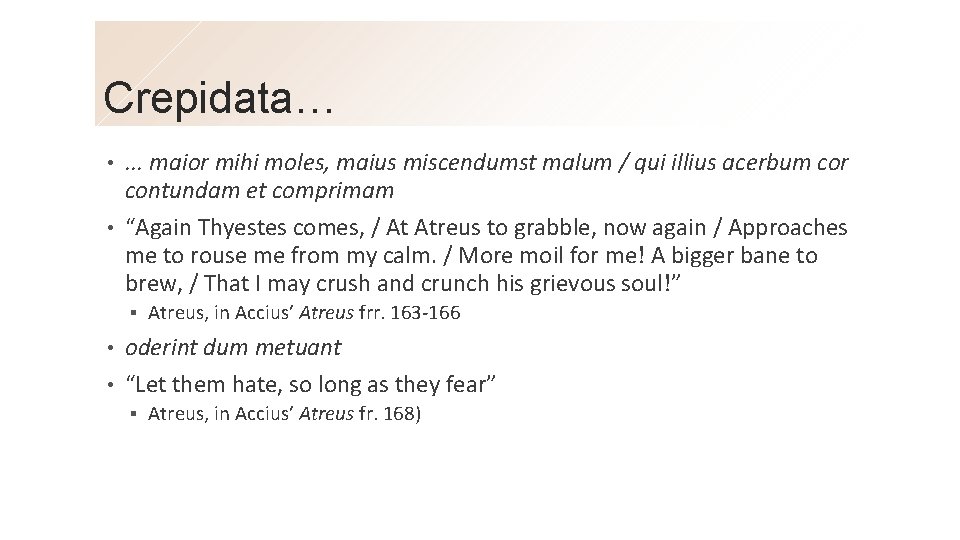
Crepidata…. . . maior mihi moles, maius miscendumst malum / qui illius acerbum cor contundam et comprimam • “Again Thyestes comes, / At Atreus to grabble, now again / Approaches me to rouse me from my calm. / More moil for me! A bigger bane to brew, / That I may crush and crunch his grievous soul!” • § Atreus, in Accius’ Atreus frr. 163 -166 oderint dum metuant • “Let them hate, so long as they fear” • § Atreus, in Accius’ Atreus fr. 168)
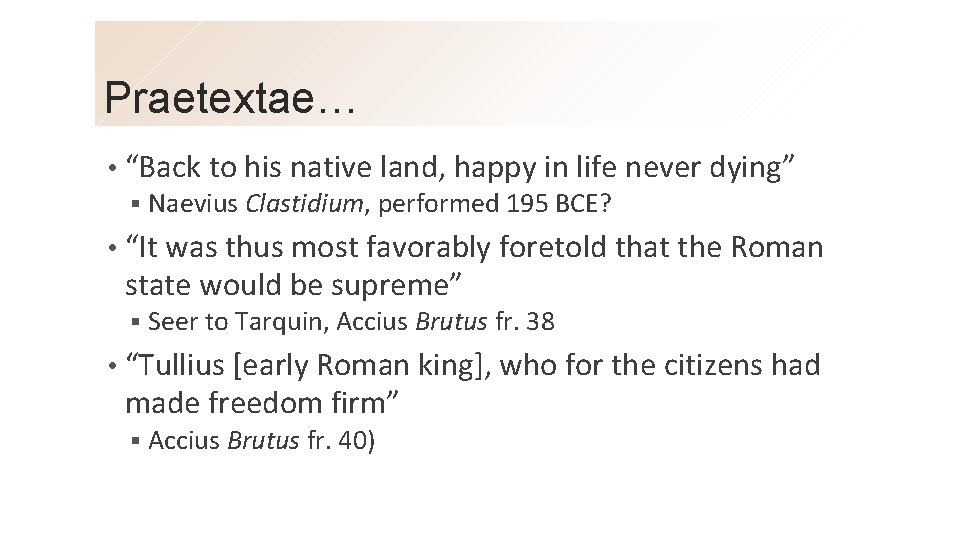
Praetextae… • “Back to his native land, happy in life never dying” § • “It was thus most favorably foretold that the Roman state would be supreme” § • Naevius Clastidium, performed 195 BCE? Seer to Tarquin, Accius Brutus fr. 38 “Tullius [early Roman king], who for the citizens had made freedom firm” § Accius Brutus fr. 40)
Introduction to Seneca “The Explosion of Evil”
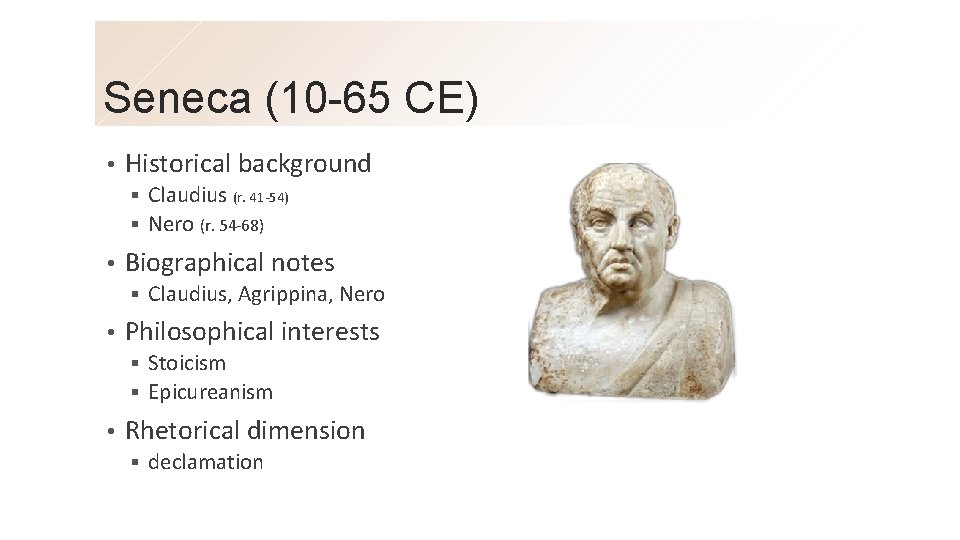
Seneca (10 -65 CE) • Historical background Claudius (r. 41 -54) § Nero (r. 54 -68) § • Biographical notes § • Claudius, Agrippina, Nero Philosophical interests Stoicism § Epicureanism § • Rhetorical dimension § declamation
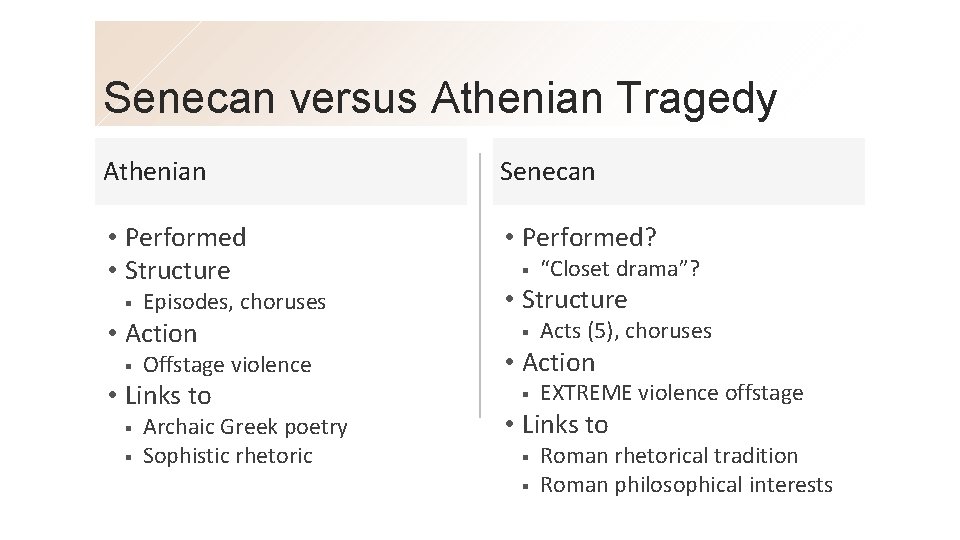
Senecan versus Athenian Tragedy Athenian Senecan • Performed • Structure • Performed? § Episodes, choruses • Action § Offstage violence • Links to § § Archaic Greek poetry Sophistic rhetoric § “Closet drama”? • Structure § Acts (5), choruses • Action § EXTREME violence offstage • Links to § § Roman rhetorical tradition Roman philosophical interests
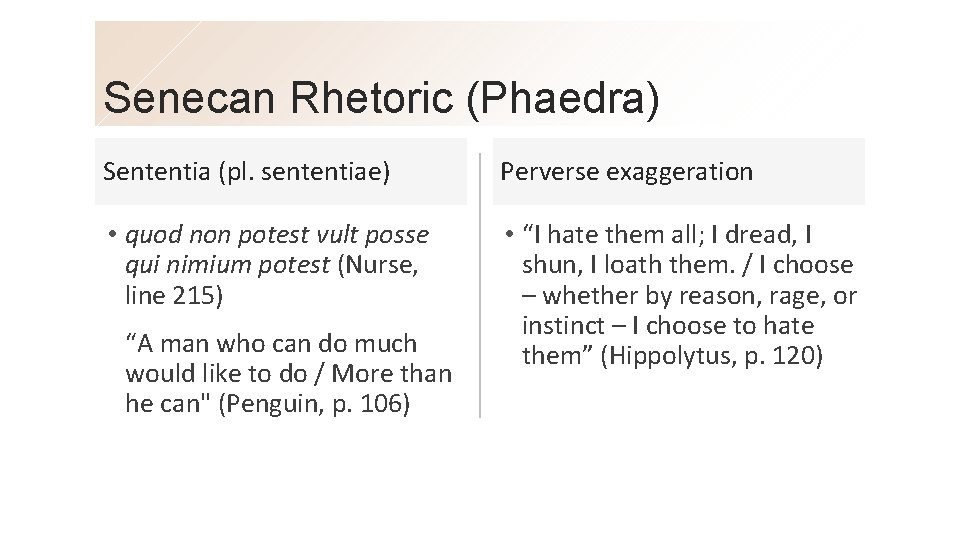
Senecan Rhetoric (Phaedra) Sententia (pl. sententiae) Perverse exaggeration • quod non potest vult posse qui nimium potest (Nurse, line 215) • “I hate them all; I dread, I shun, I loath them. / I choose – whether by reason, rage, or instinct – I choose to hate them” (Hippolytus, p. 120) “A man who can do much would like to do / More than he can" (Penguin, p. 106)
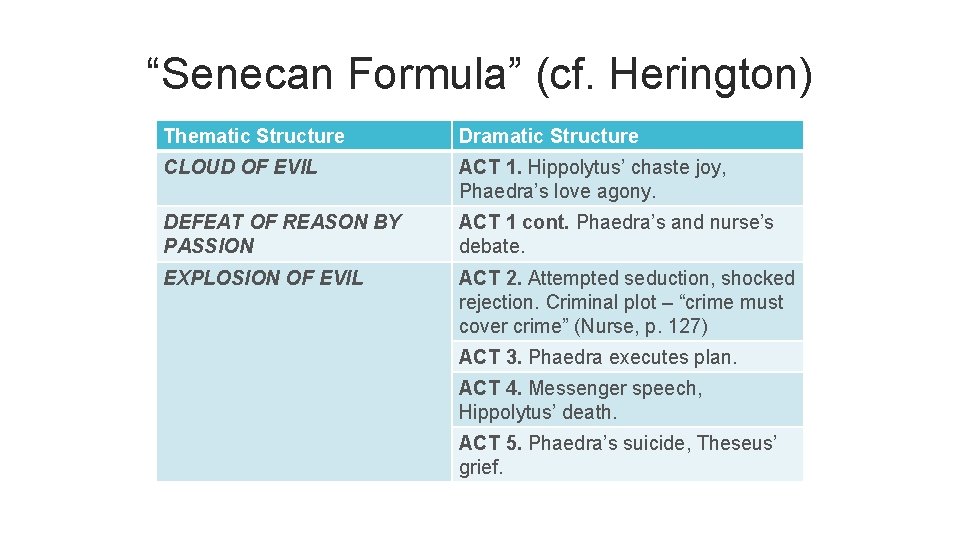
“Senecan Formula” (cf. Herington) Thematic Structure Dramatic Structure CLOUD OF EVIL ACT 1. Hippolytus’ chaste joy, Phaedra’s love agony. DEFEAT OF REASON BY PASSION ACT 1 cont. Phaedra’s and nurse’s debate. EXPLOSION OF EVIL ACT 2. Attempted seduction, shocked rejection. Criminal plot – “crime must cover crime” (Nurse, p. 127) ACT 3. Phaedra executes plan. ACT 4. Messenger speech, Hippolytus’ death. ACT 5. Phaedra’s suicide, Theseus’ grief.