
Selection of Geometric Ratios for I C Engines
- Slides: 23
Selection of Geometric Ratios for I. C. Engines P M V Subbarao Professor Mechanical Engineering Department Control of Micro Actions through Macro Features…. .
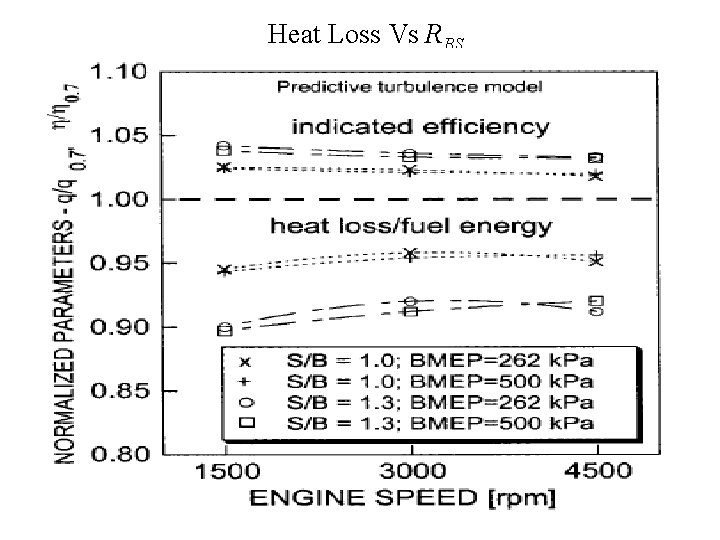
Heat Loss Vs RBS
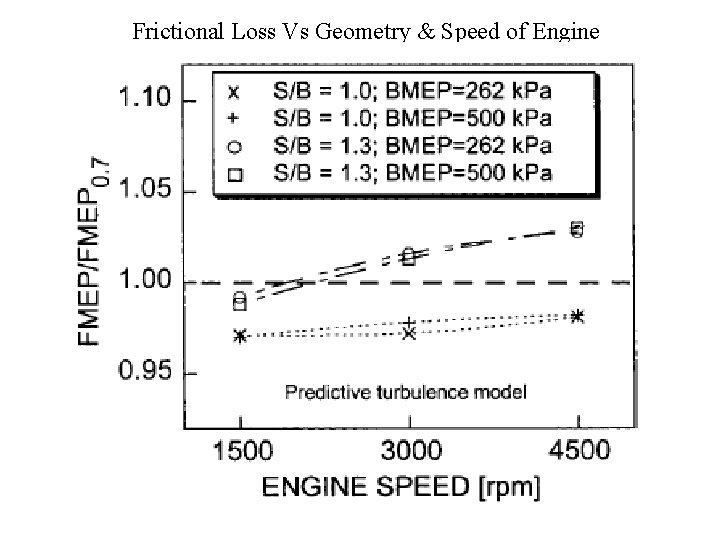
Frictional Loss Vs Geometry & Speed of Engine
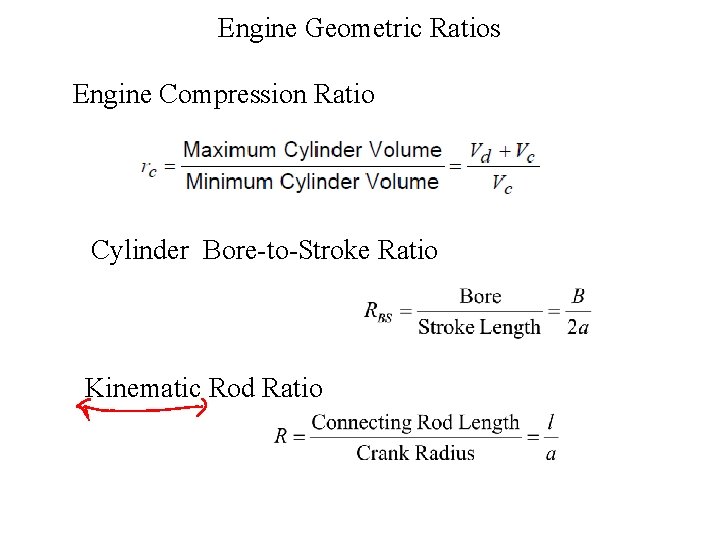
Engine Geometric Ratios Engine Compression Ratio Cylinder Bore-to-Stroke Ratio Kinematic Rod Ratio
Extreme Limits of RBS • The extremes to this relationship is the inertial forces origination from the piston motion. • To achieve high power density, the engine must operate at a high engine speed (up to 18, 000 rpm for the Formula 1 engine), which leads to high inertial forces that must be limited by using a large bore-to-stroke ratio. • For applications that demand high efficiency, a small boreto-stroke ratio is necessary and, again because of the inertial forces of the piston, requires a slower engine speed and lower power density. • For the marine application that has a 2. 5 m stroke, the engine speed is limited to 102 rpm.
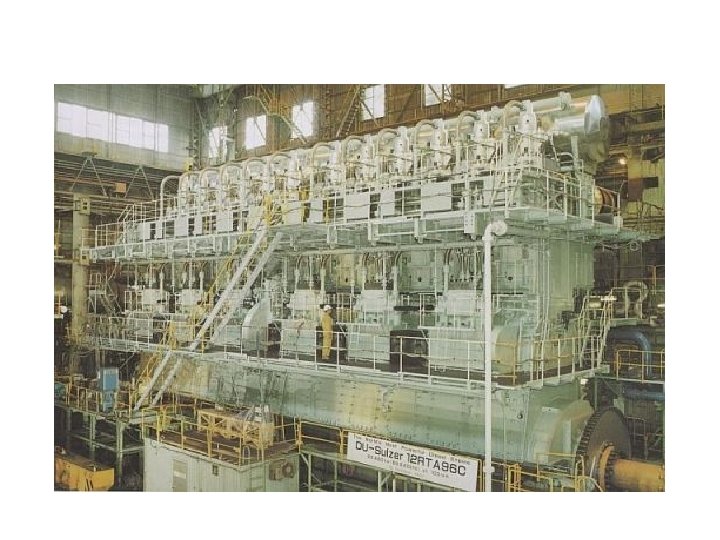
The World Largest I C Engine Despite the green hype, internal-combustion engines will keep powering vehicles for the foreseeable future.
The Latest News • The world’s biggest engine is the Wärtsilä-Sulzer RTA 96. • It’s the largest internal combustion engine ever built by man. • Wärtsilä-Sulzer RTA 96 -C is a 14 -cylinder, 2 -stroke turbocharged diesel engine that was specially designed to power the Emma Maersk which is owned by the Danish Maersk. • Wärtsilä-Sulzer RTA 96, the world’s biggest engine, has a weight of 2. 3 million kilogrammes. • If the weight of the average adult person is 70 kgs, this world’s biggest engine has a weight equivalent to the weight of 33, 000 people.
Economies of Scale in Sea Transportation • Maersk Lines have done the world proud by providing cheap sea transportation that is costing cents instead of a dollar per every kg weight. • They are able to do this by using economies of scale in sea transportation. • It is getting cheaper to ship goods from USA to China and from China to USA. • It has now become cheaper to transport goods from China to a US port than to transport the same goods from a US port to the final destination inland of US by a truck.
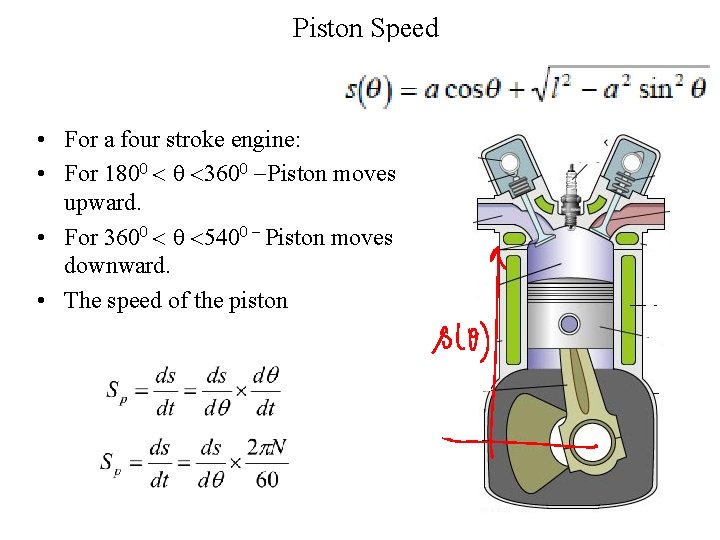
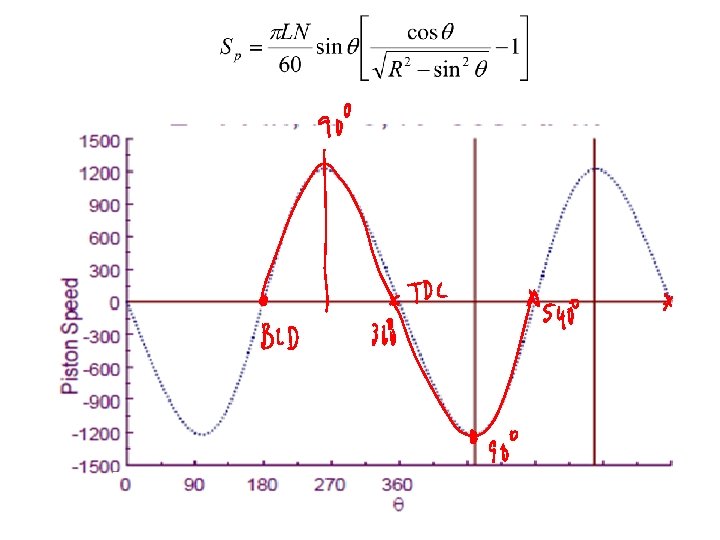
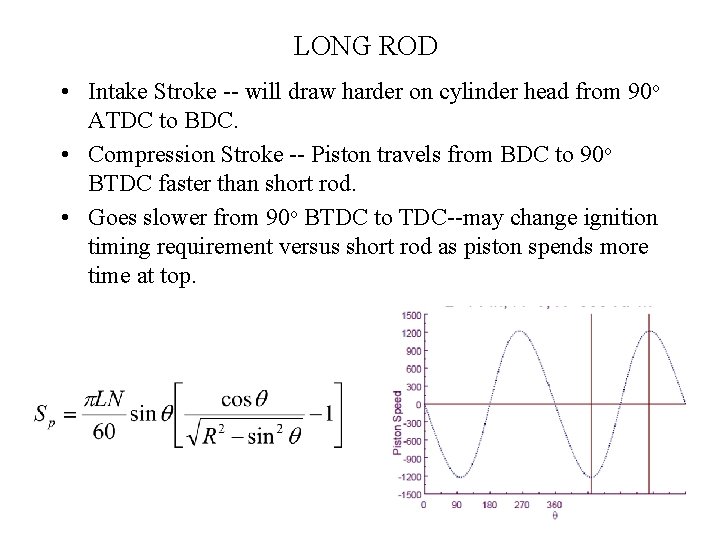
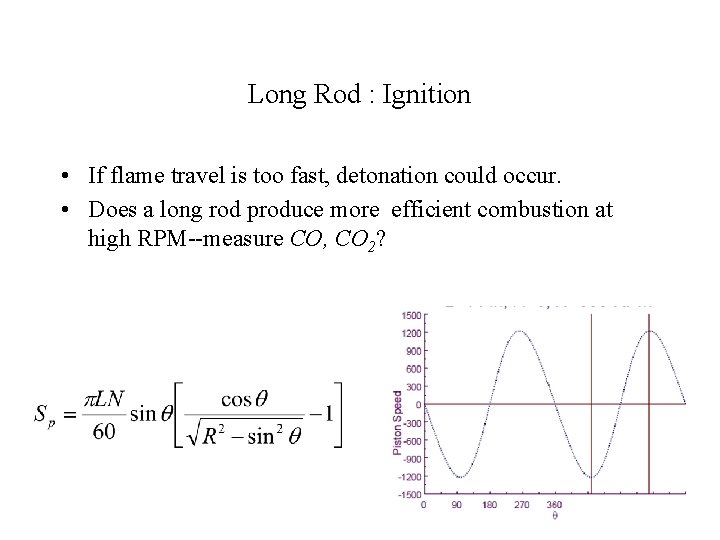
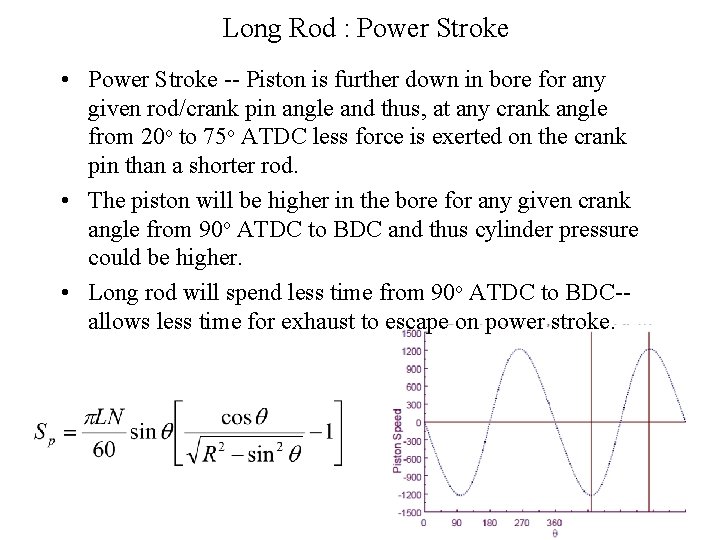
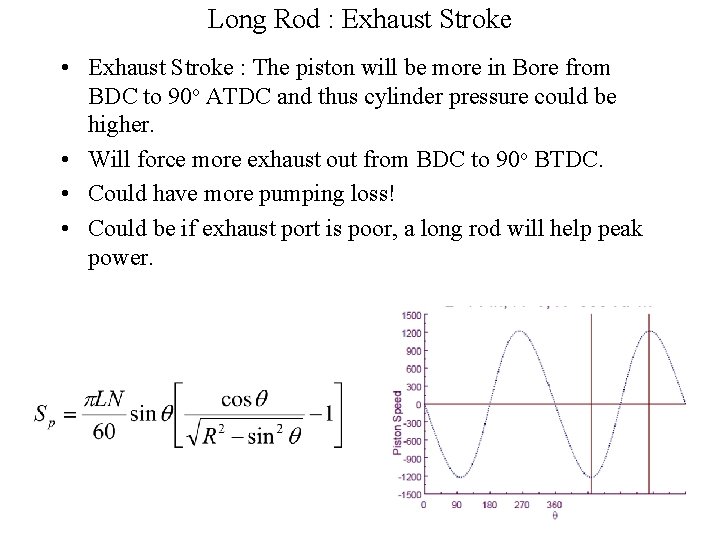
Piston Speed • For a four stroke engine: • For 1800 < q <3600 -Piston moves upward. • For 3600 < q <5400 - Piston moves downward. • The speed of the piston
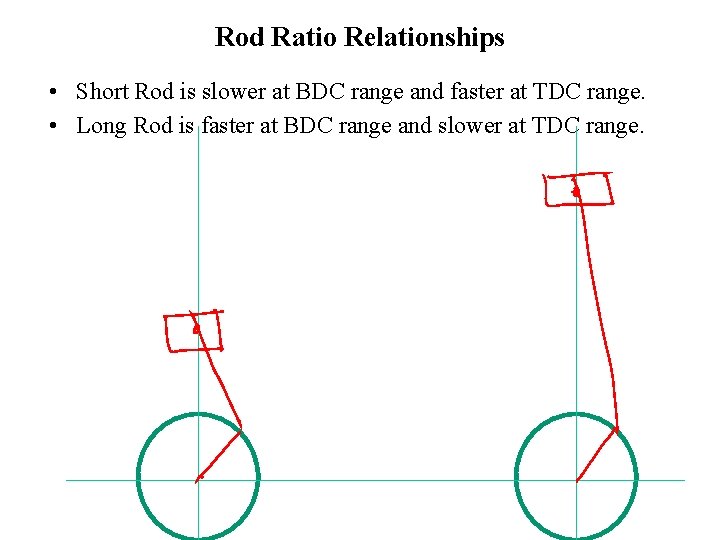
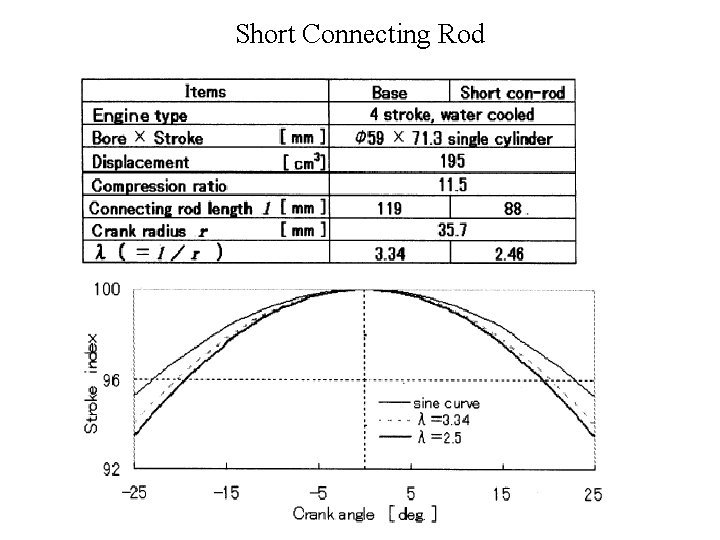
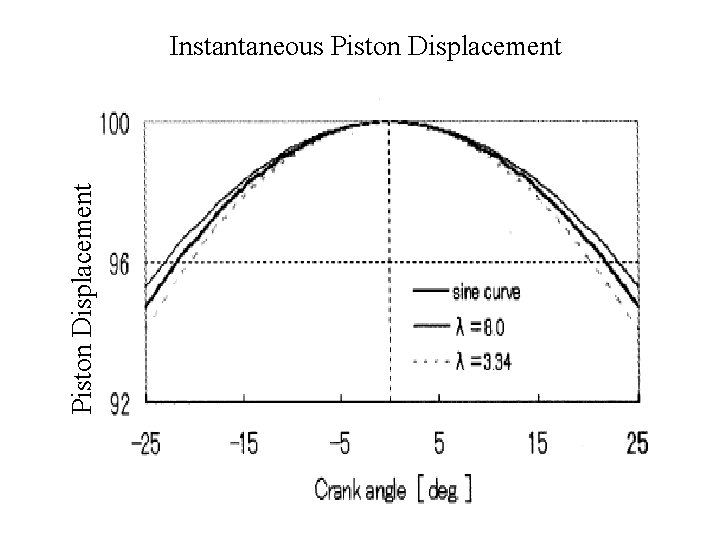
Rod Ratio Relationships • Short Rod is slower at BDC range and faster at TDC range. • Long Rod is faster at BDC range and slower at TDC range.
Short Connecting Rod
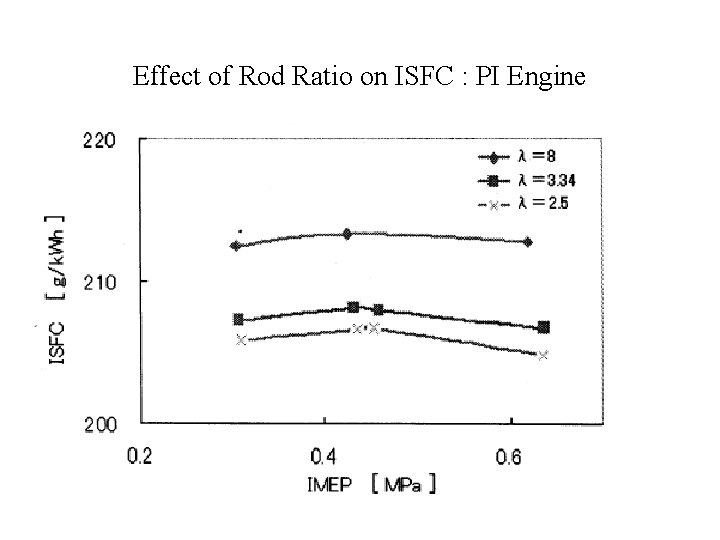
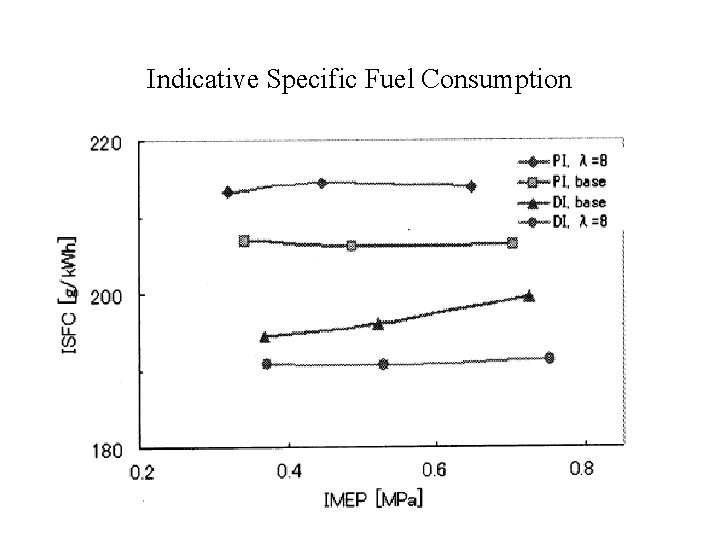
Effect of Rod Ratio on ISFC : PI Engine
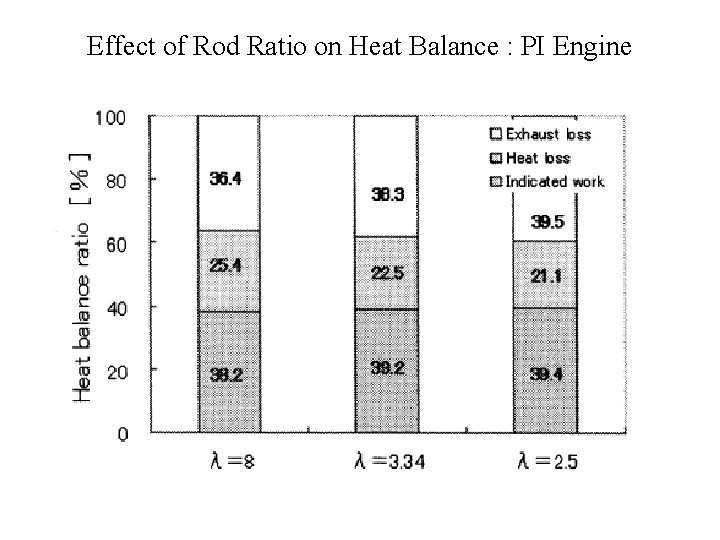
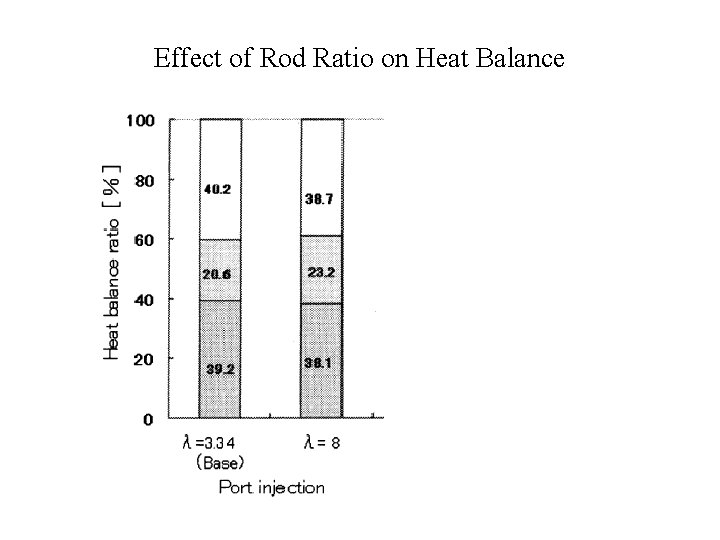
Effect of Rod Ratio on Heat Balance : PI Engine
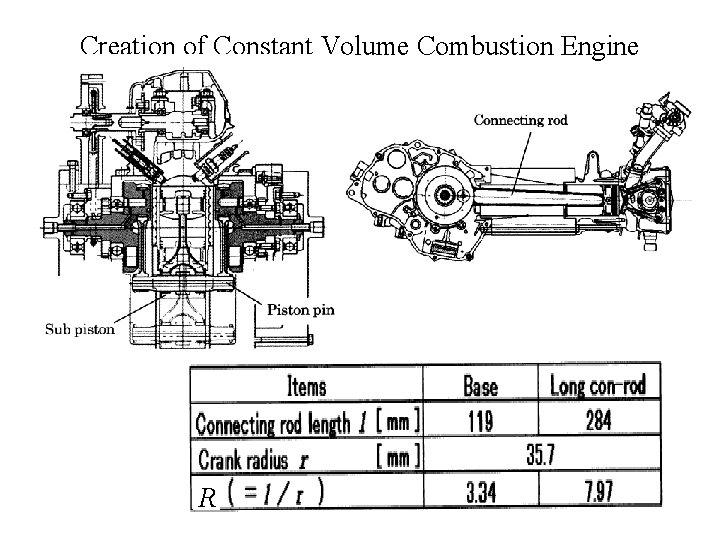
Creation of Constant Volume Combustion Engine R
Piston Displacement Instantaneous Piston Displacement
Effect of Rod Ratio on Heat Balance
Indicative Specific Fuel Consumption
LONG ROD • Intake Stroke -- will draw harder on cylinder head from 90 o ATDC to BDC. • Compression Stroke -- Piston travels from BDC to 90 o BTDC faster than short rod. • Goes slower from 90 o BTDC to TDC--may change ignition timing requirement versus short rod as piston spends more time at top.
Long Rod : Ignition • If flame travel is too fast, detonation could occur. • Does a long rod produce more efficient combustion at high RPM--measure CO, CO 2?
Long Rod : Power Stroke • Power Stroke -- Piston is further down in bore for any given rod/crank pin angle and thus, at any crank angle from 20 o to 75 o ATDC less force is exerted on the crank pin than a shorter rod. • The piston will be higher in the bore for any given crank angle from 90 o ATDC to BDC and thus cylinder pressure could be higher. • Long rod will spend less time from 90 o ATDC to BDC-allows less time for exhaust to escape on power stroke.
Long Rod : Exhaust Stroke • Exhaust Stroke : The piston will be more in Bore from BDC to 90 o ATDC and thus cylinder pressure could be higher. • Will force more exhaust out from BDC to 90 o BTDC. • Could have more pumping loss! • Could be if exhaust port is poor, a long rod will help peak power.