
Seismic tomography Tomography attempts to determine anomalous structures
- Slides: 23
Seismic tomography Tomography attempts to determine anomalous structures within the Earth as revealed by deviations from “average” seismic properties at depth. Average is usually determined by one of the simple “radial” structural models of the Earth. PREM (Anderson and Dziewonski, 1981) is the most commonly used reference Earth model. Thanks and/or apologies to Barbara Romanowicz, UC Berketey some of whose slides have been used liberally in this presentation.
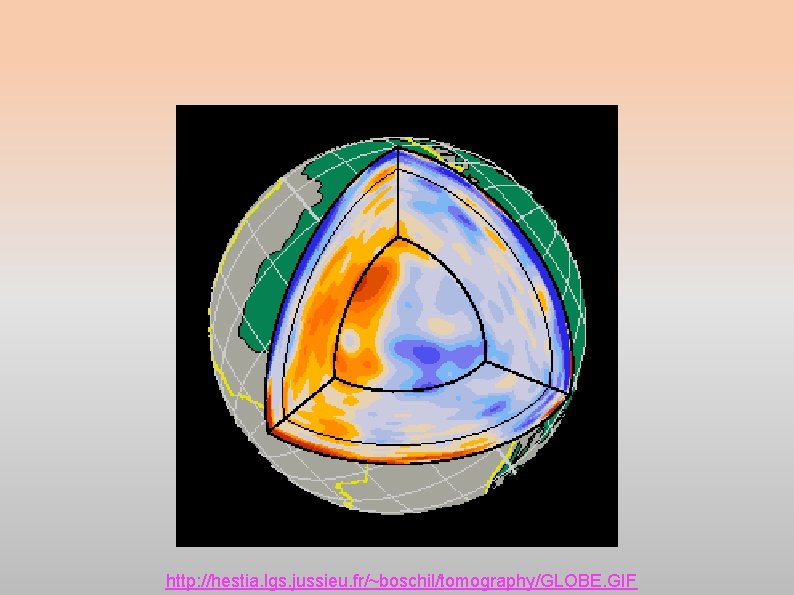
http: //hestia. lgs. jussieu. fr/~boschil/tomography/GLOBE. GIF
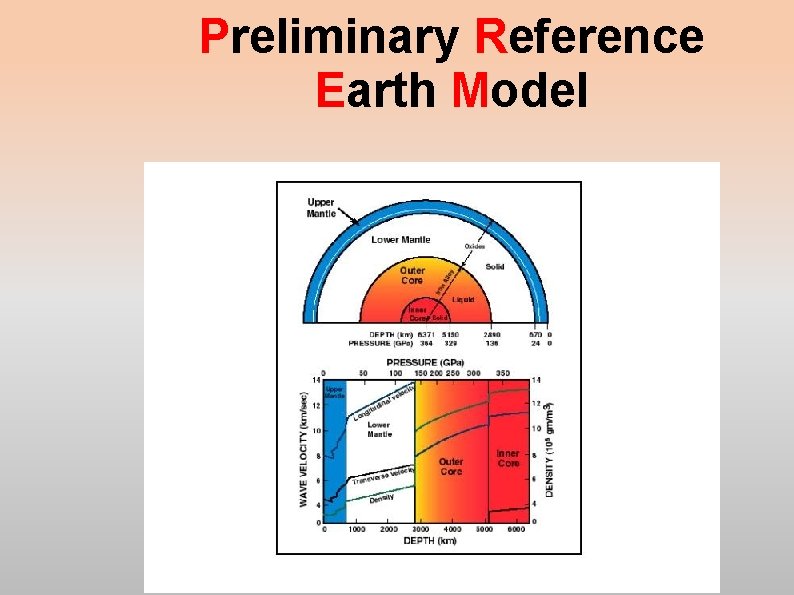
PREM Anderson and Dziewonski (1981) determined a spherical shell model of the Earth that was most consistent with the observed travel times from seismic sources to seismic stations that had been accumulated in the previous 80 years of seismology. Recall that the model is “layered” and laterally averaged over the whole Earth within layers and so no lateral variations in structure are modelled.
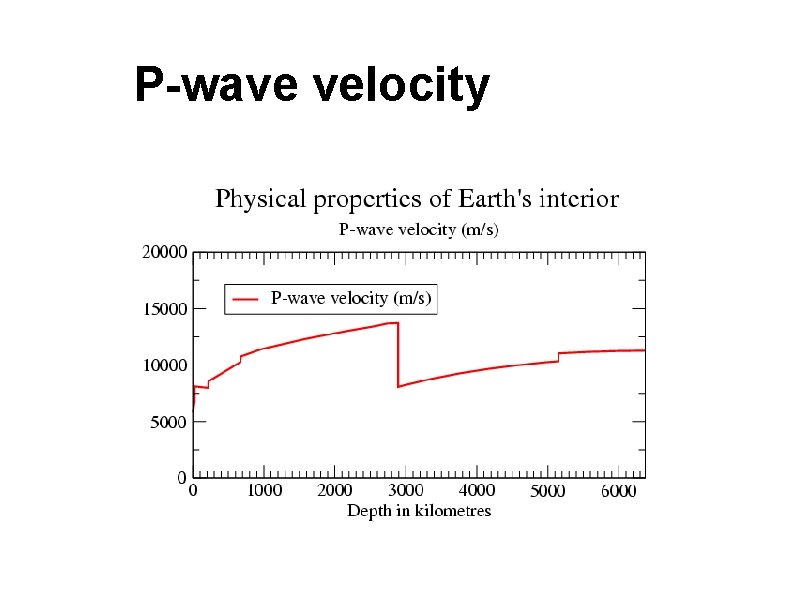
P-wave velocity
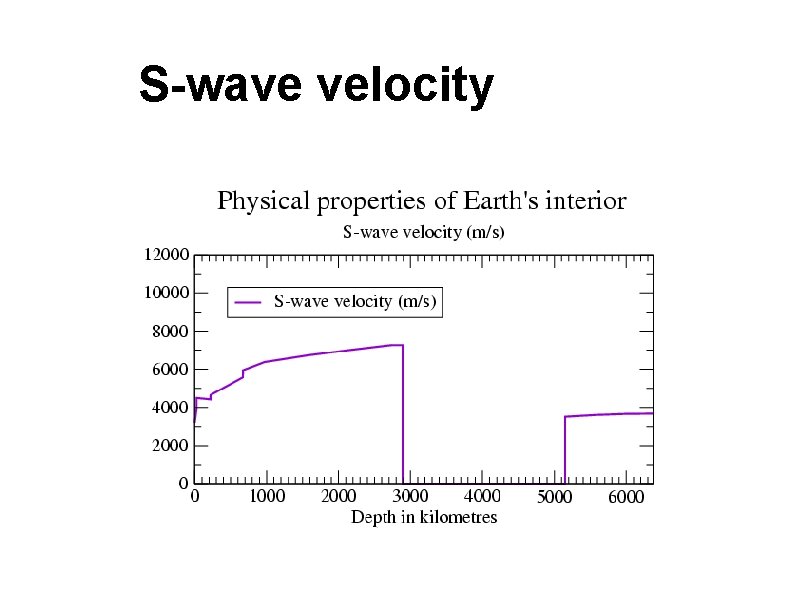
S-wave velocity
Preliminary Reference Earth Model
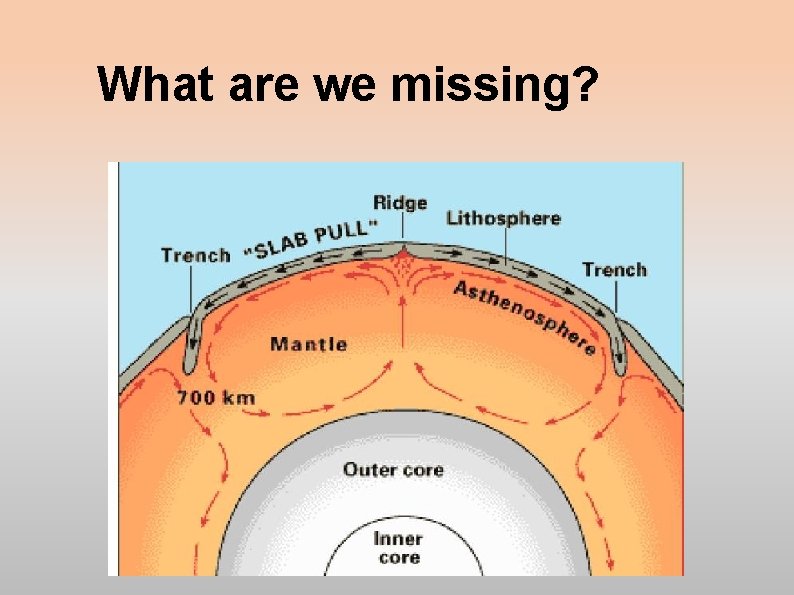
What are we missing?
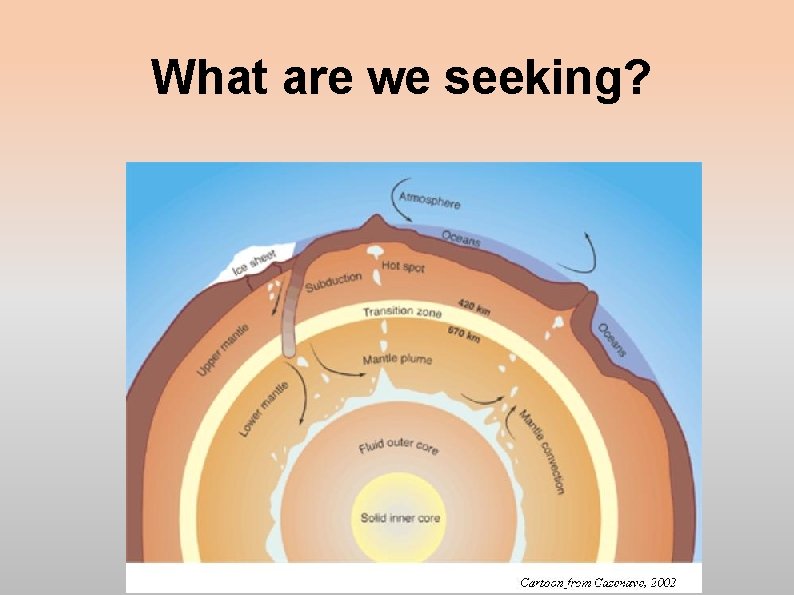
What are we seeking?
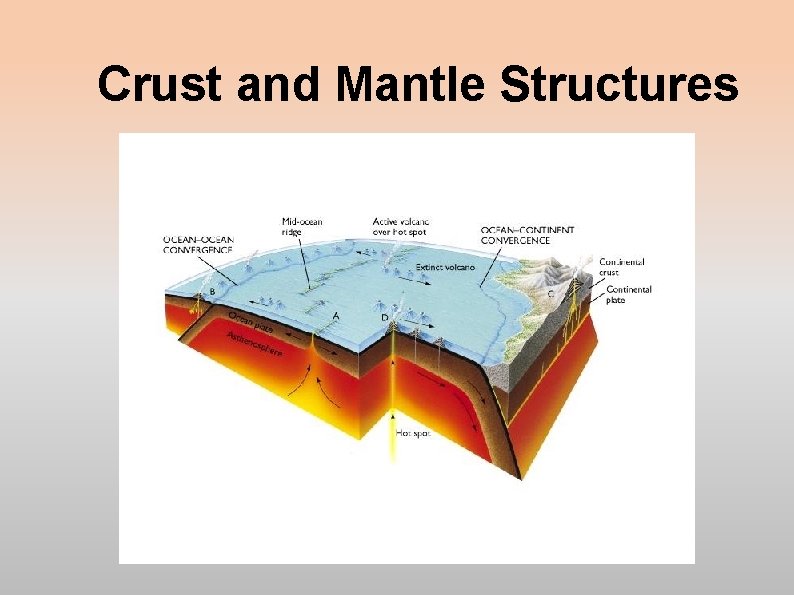
Crust and Mantle Structures
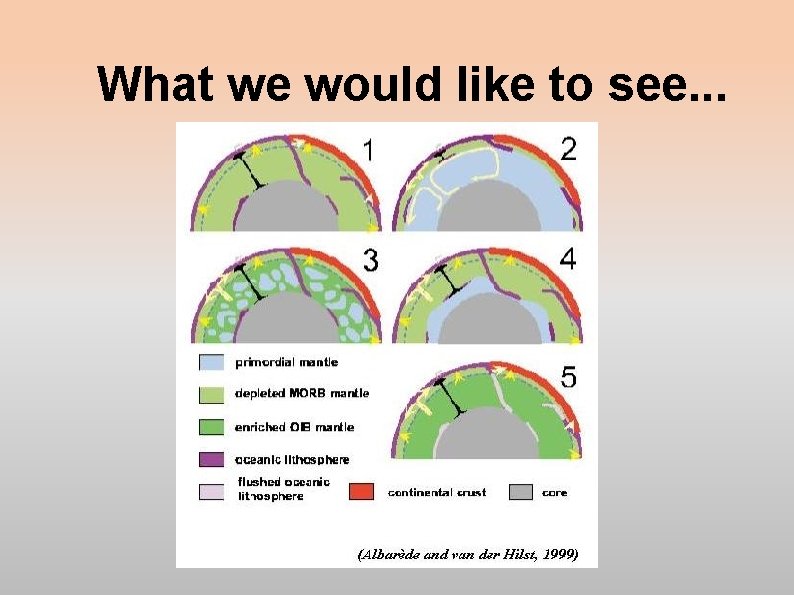
What we would like to see. . .
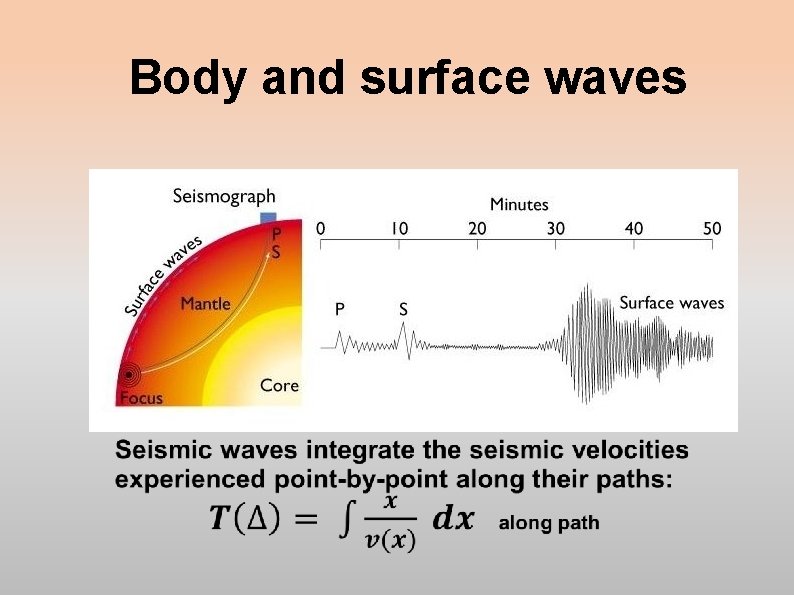
Body and surface waves
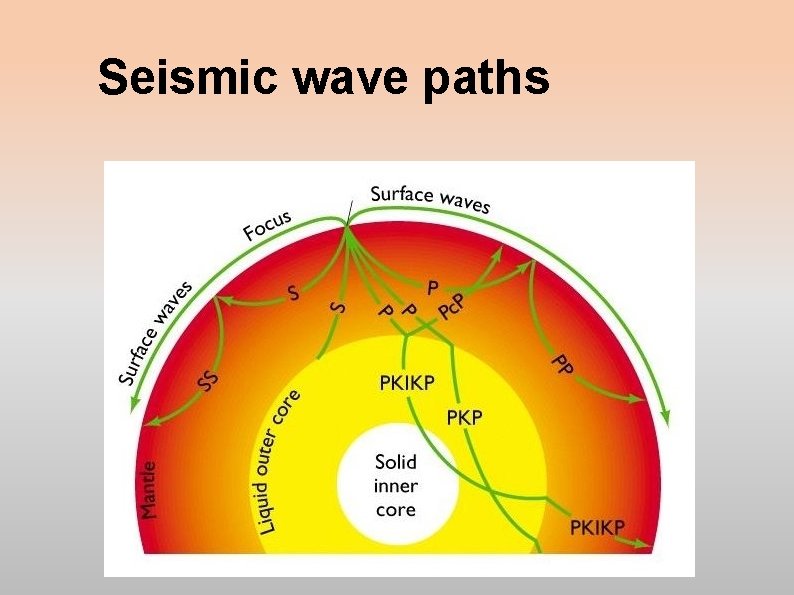
Seismic wave paths
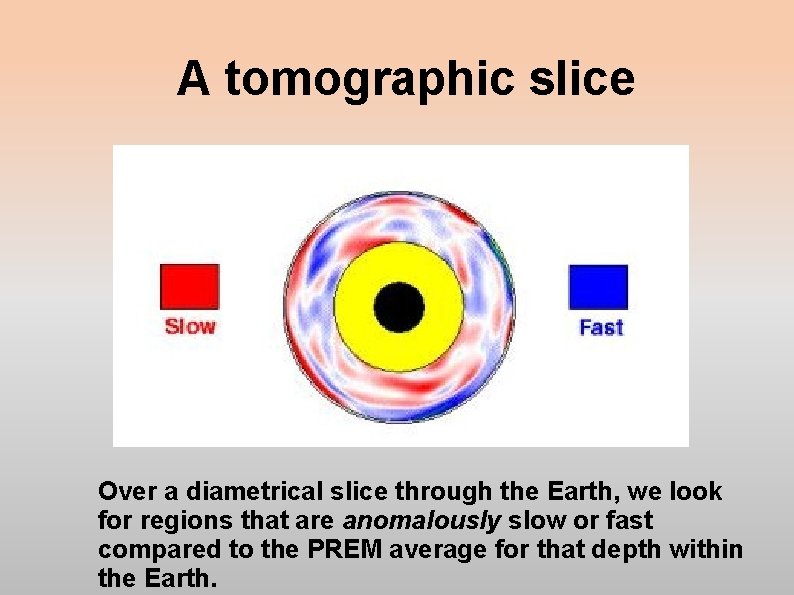
A tomographic slice Over a diametrical slice through the Earth, we look for regions that are anomalously slow or fast compared to the PREM average for that depth within the Earth.
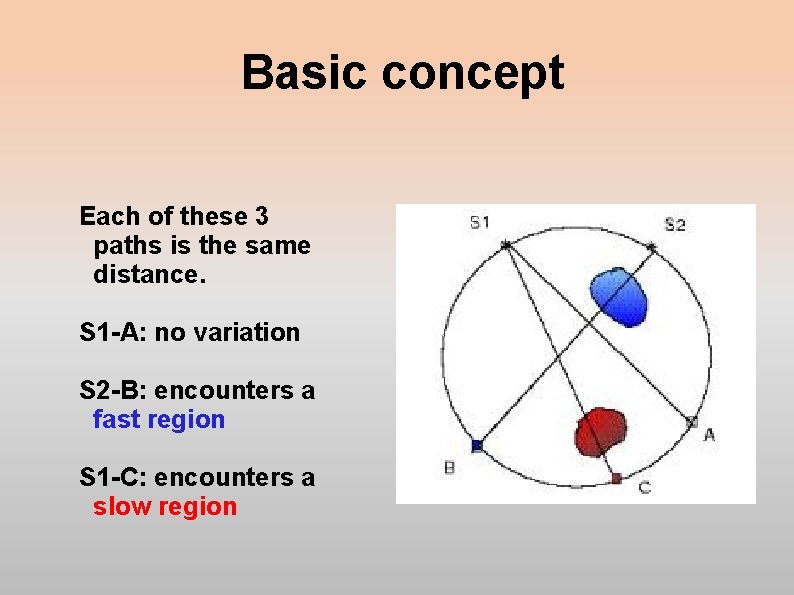
Basic concept Each of these 3 paths is the same distance. S 1 -A: no variation S 2 -B: encounters a fast region S 1 -C: encounters a slow region
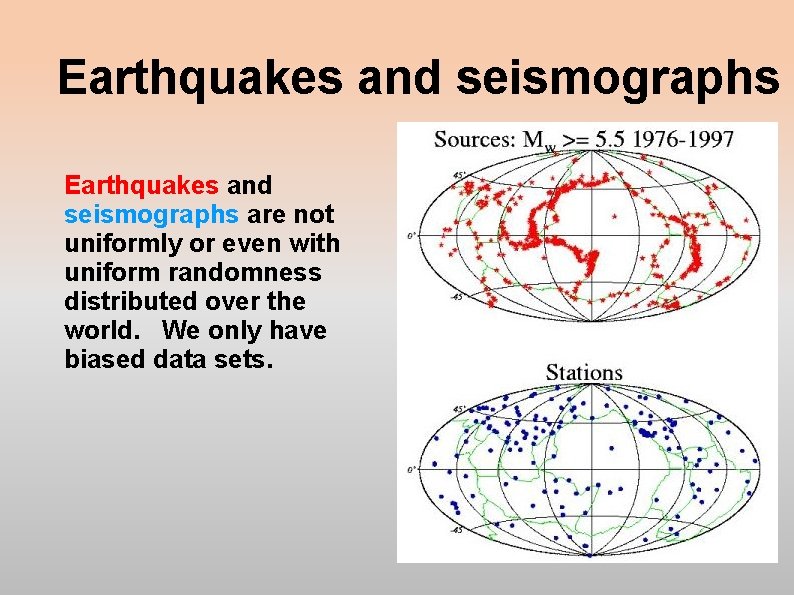
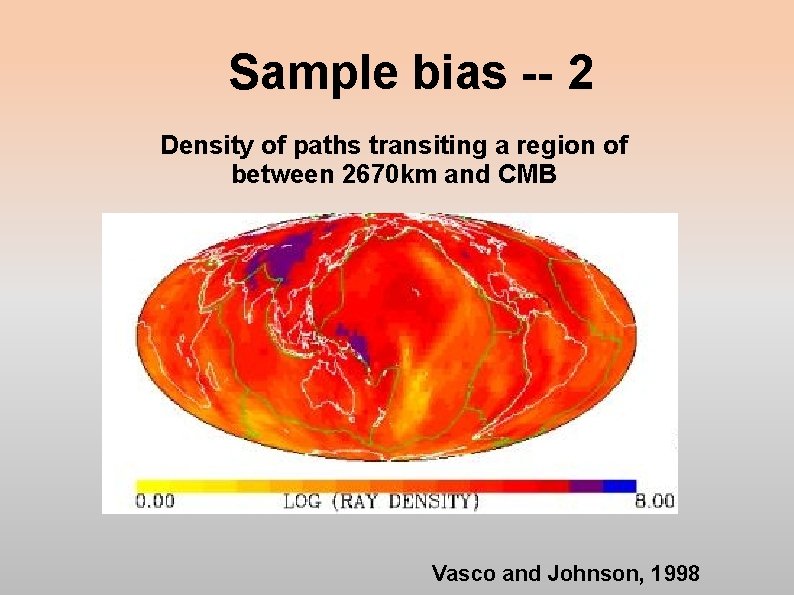
Earthquakes and seismographs are not uniformly or even with uniform randomness distributed over the world. We only have biased data sets.
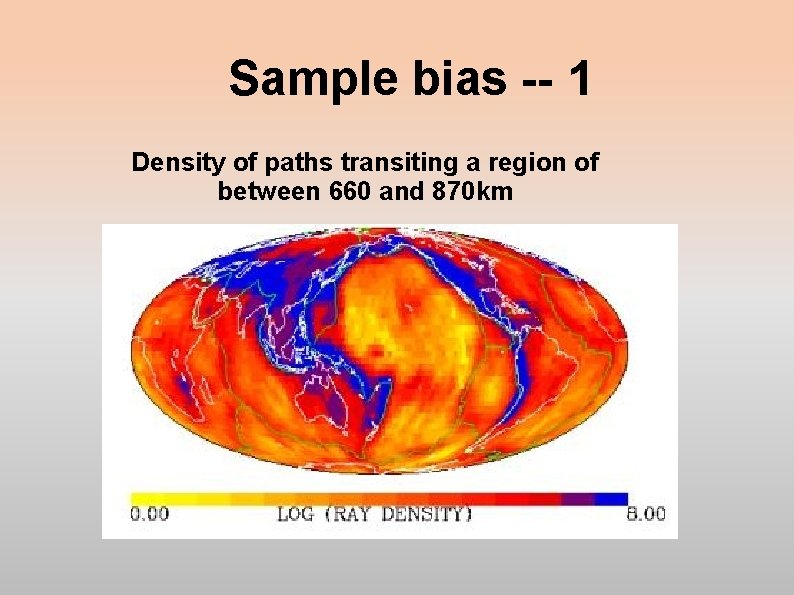
Sample bias -- 1 Density of paths transiting a region of between 660 and 870 km
Sample bias -- 2 Density of paths transiting a region of between 2670 km and CMB Vasco and Johnson, 1998
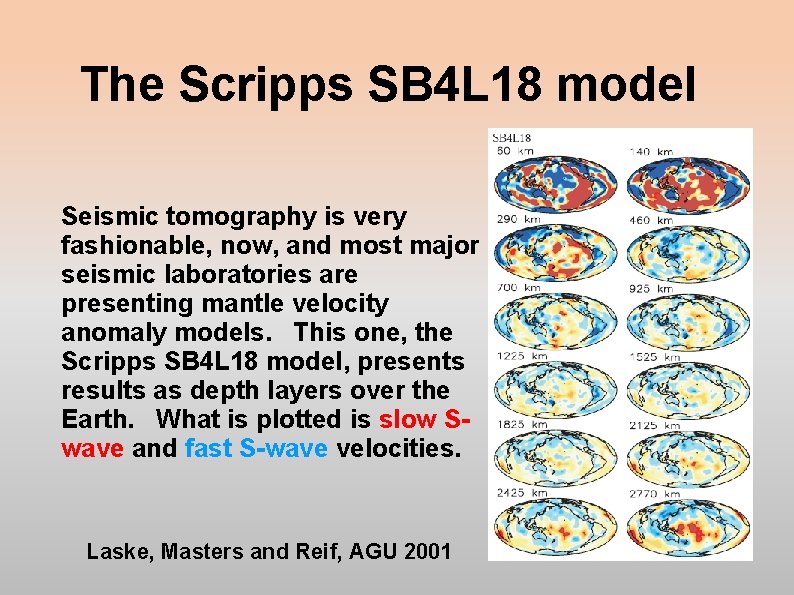
The Scripps SB 4 L 18 model Seismic tomography is very fashionable, now, and most major seismic laboratories are presenting mantle velocity anomaly models. This one, the Scripps SB 4 L 18 model, presents results as depth layers over the Earth. What is plotted is slow Swave and fast S-wave velocities. Laske, Masters and Reif, AGU 2001
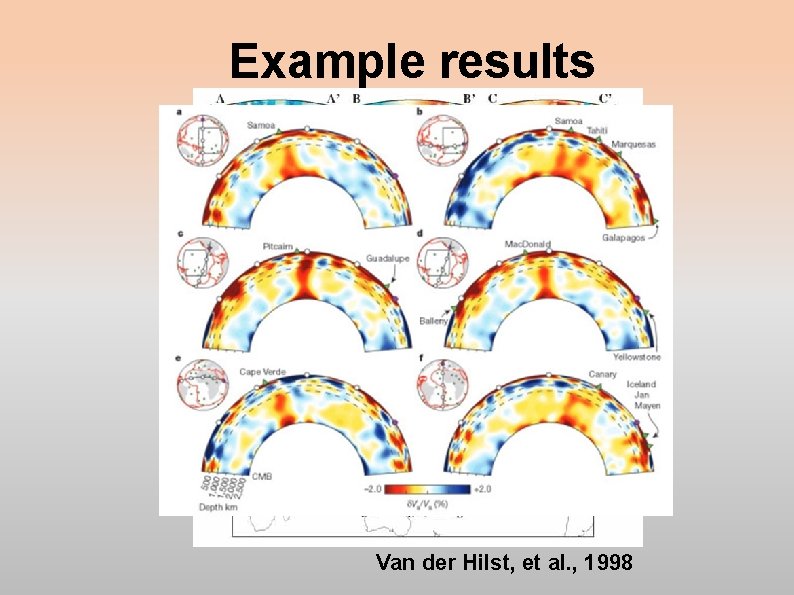
Example results Van der Hilst, et al. , 1998
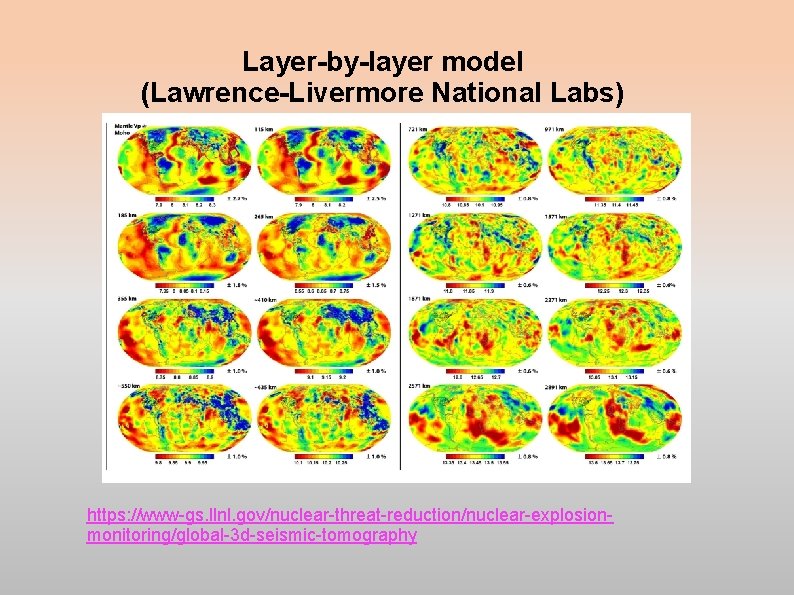
Layer-by-layer model (Lawrence-Livermore National Labs) https: //www-gs. llnl. gov/nuclear-threat-reduction/nuclear-explosionmonitoring/global-3 d-seismic-tomography
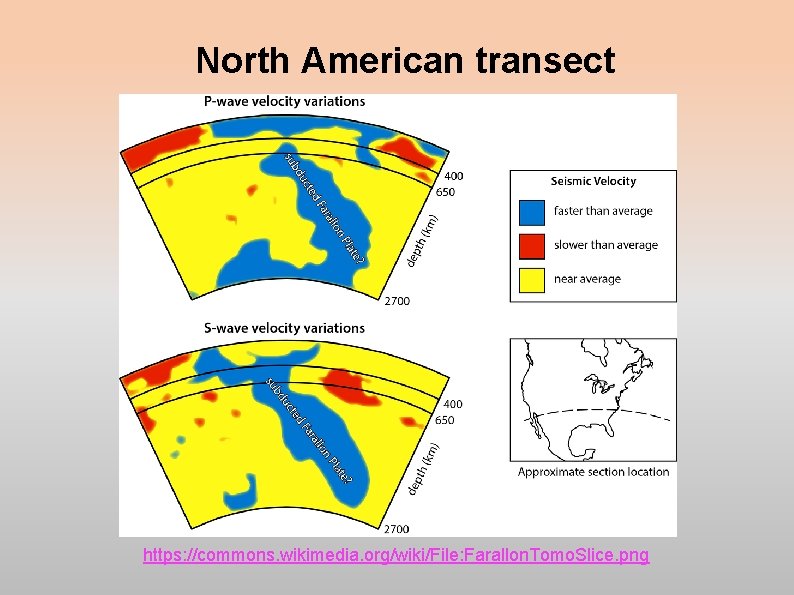
North American transect https: //commons. wikimedia. org/wiki/File: Farallon. Tomo. Slice. png
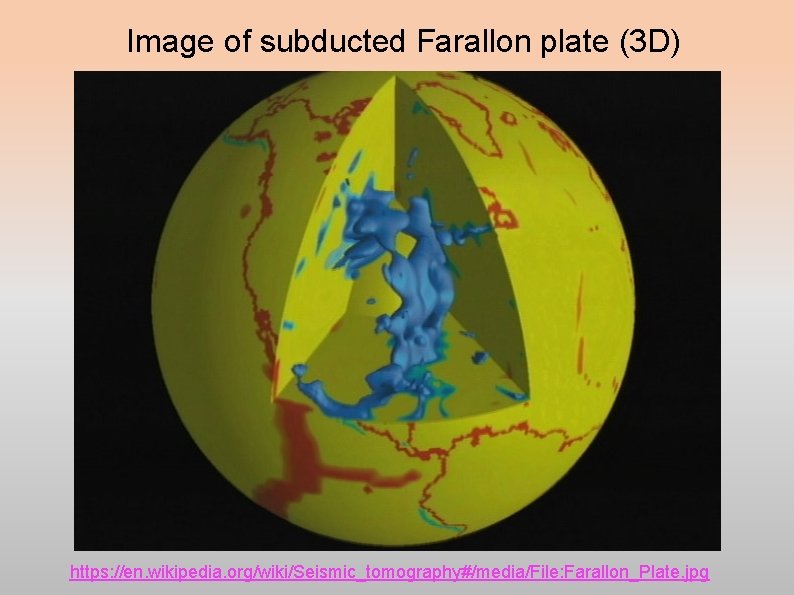
Image of subducted Farallon plate (3 D) https: //en. wikipedia. org/wiki/Seismic_tomography#/media/File: Farallon_Plate. jpg
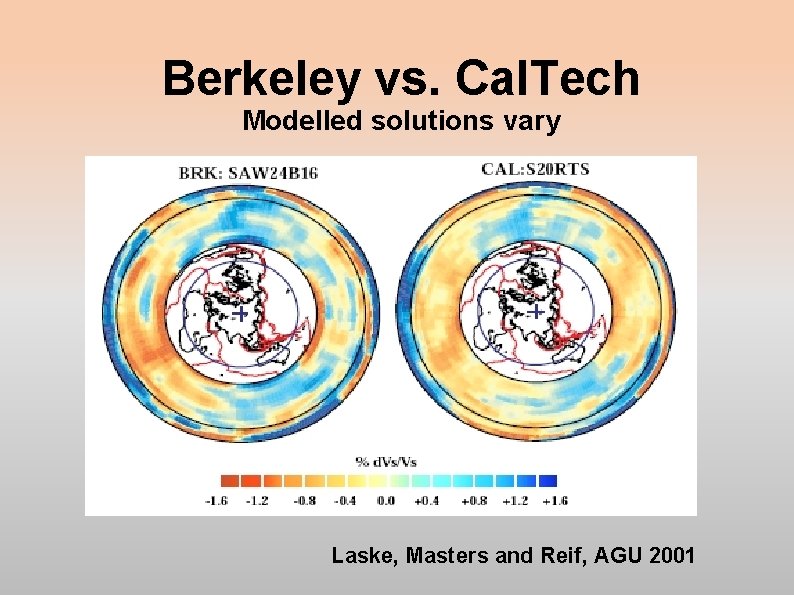
Berkeley vs. Cal. Tech Modelled solutions vary Laske, Masters and Reif, AGU 2001