
Seedless Plants Plant Evolution Plant Evolution Nonvascular Seedless


- Slides: 26
Seedless Plants
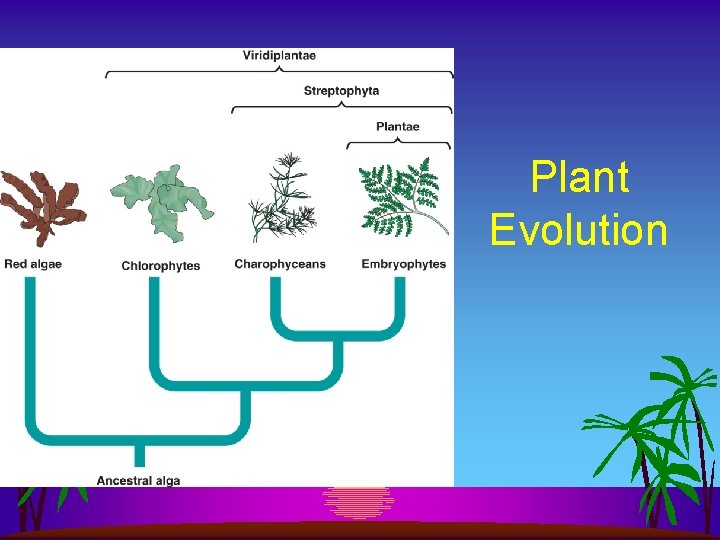
Plant Evolution
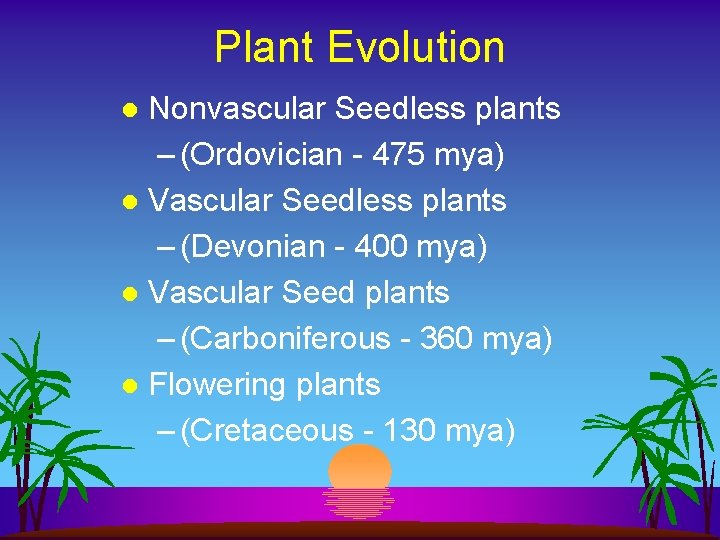
Plant Evolution Nonvascular Seedless plants – (Ordovician - 475 mya) l Vascular Seedless plants – (Devonian - 400 mya) l Vascular Seed plants – (Carboniferous - 360 mya) l Flowering plants – (Cretaceous - 130 mya) l
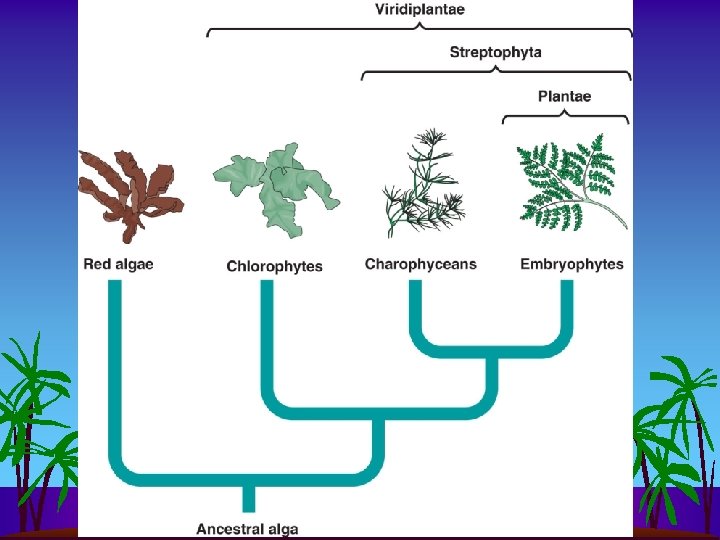
Plant Evolution (Common with Algae) Multicellular and Eukaryotic l Cell walls made of Cellulose l Chlorophyll a and b l Store excess sugar as starch l
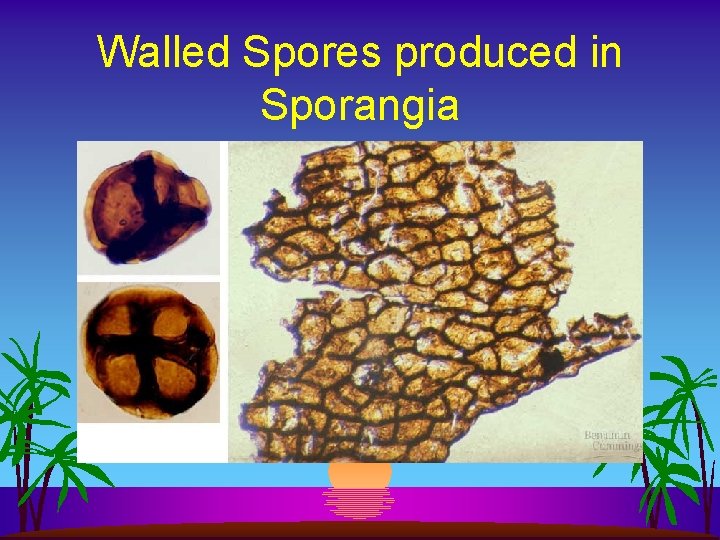
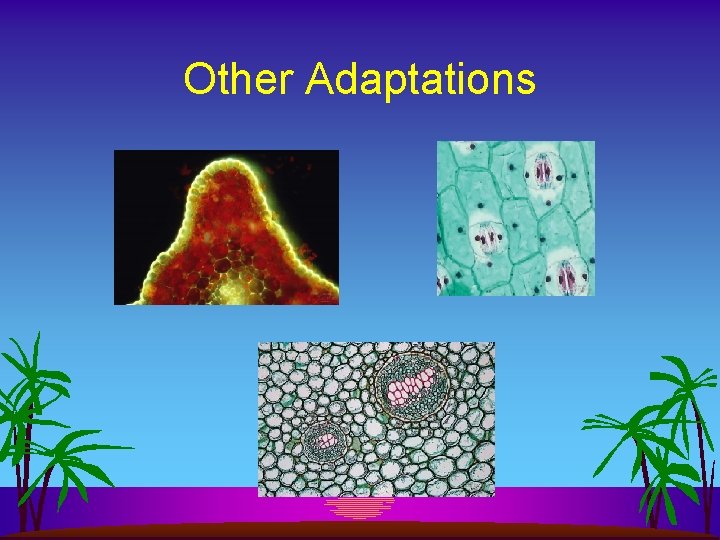
Adaptations to Terrestrial Life Apical Meristems l Multicellular Dependent Embryos l Alternation of Generation l Walled Spores produced in Sporangia l Other Adaptations – Cuticle, stomata, Xylem & Phloem, secondary compounds l
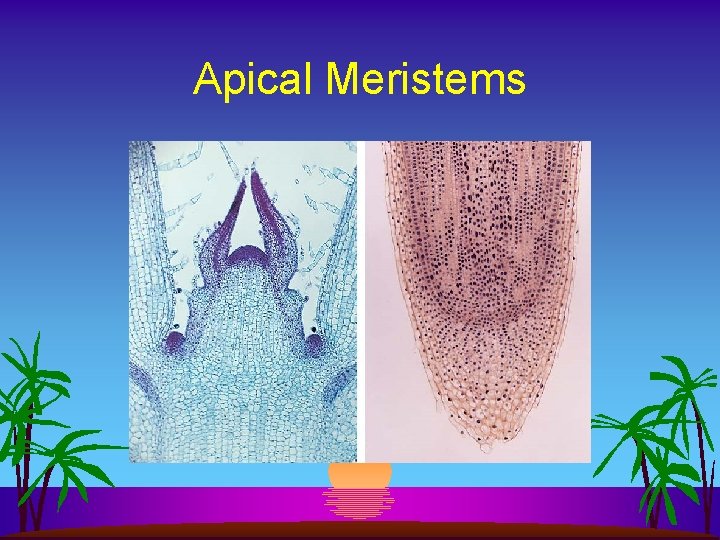
Apical Meristems
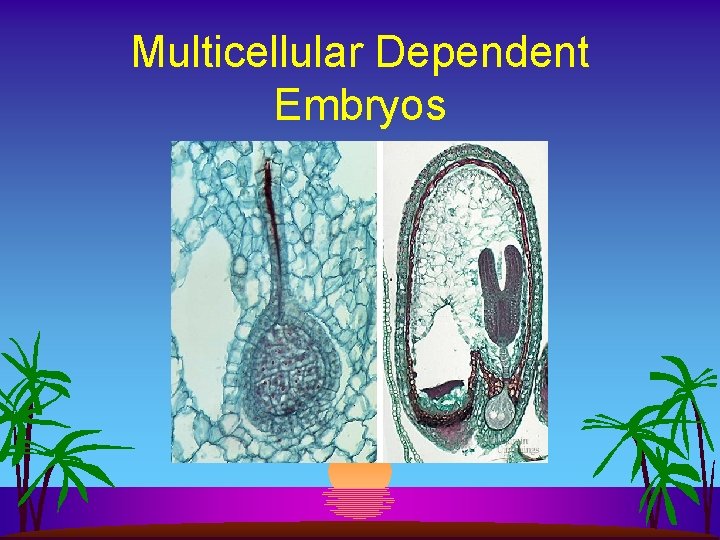
Multicellular Dependent Embryos
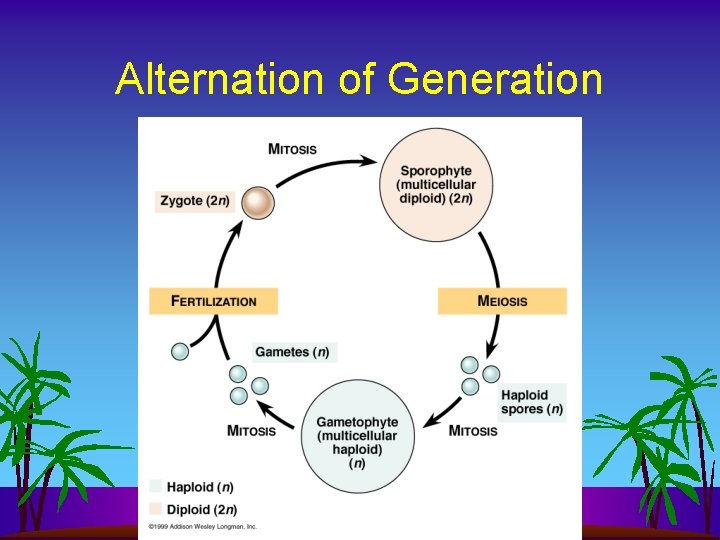
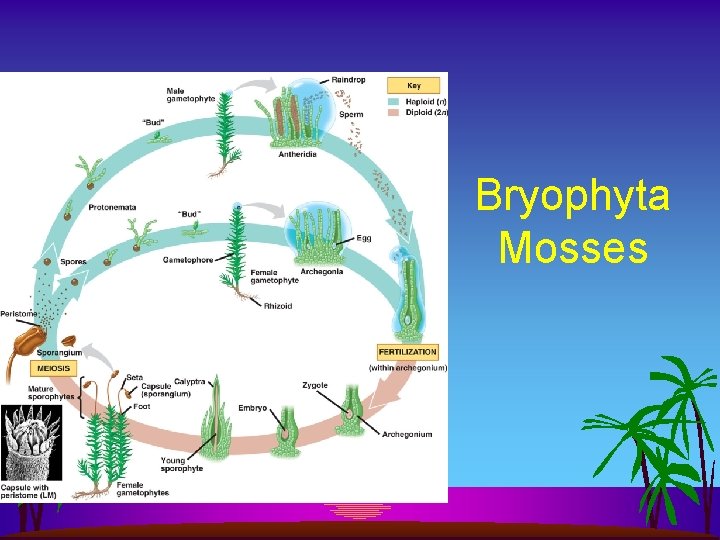
Alternation of Generation
Walled Spores produced in Sporangia
Other Adaptations
Adaptations in Shallow Water Algae Subjected to occasional drying l Protection of gametes and embryos in gametangia l Sporopollenin l
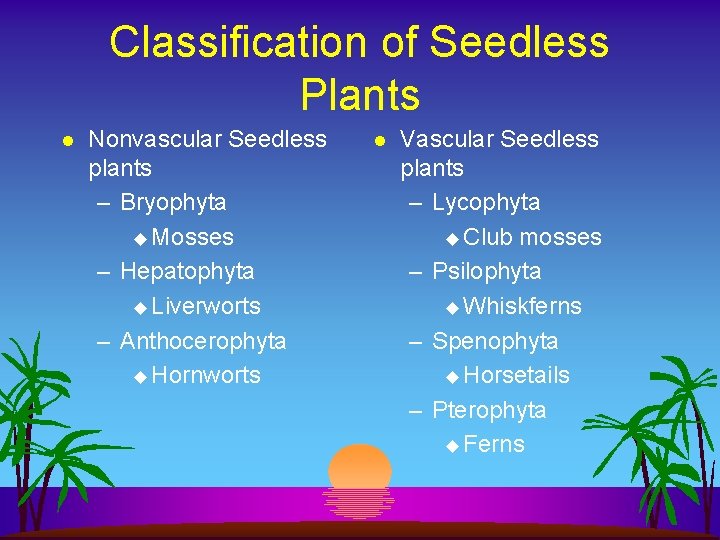
Classification of Seedless Plants l Nonvascular Seedless plants – Bryophyta u Mosses – Hepatophyta u Liverworts – Anthocerophyta u Hornworts l Vascular Seedless plants – Lycophyta u Club mosses – Psilophyta u Whiskferns – Spenophyta u Horsetails – Pterophyta u Ferns
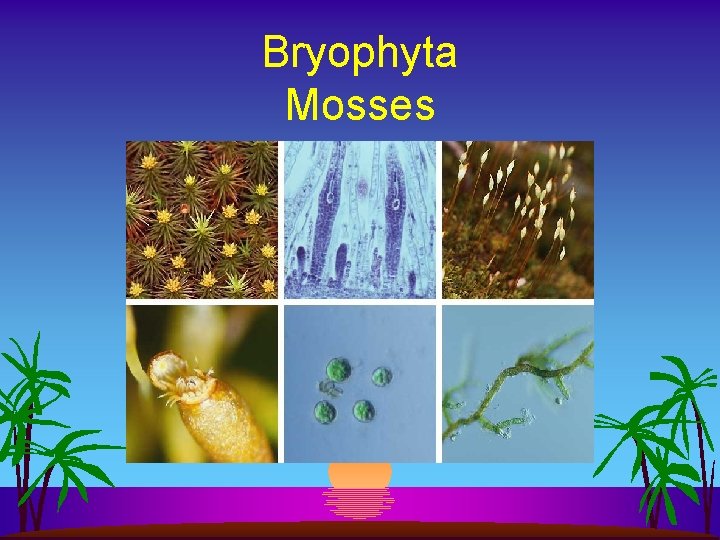
Nonvascular Seedless Plant is a thallus (no vascular tissue) – no true leaves, roots, stems l Embryophytes – gametangia u(antheridium and archegonium) – sporangium (produces spores) l
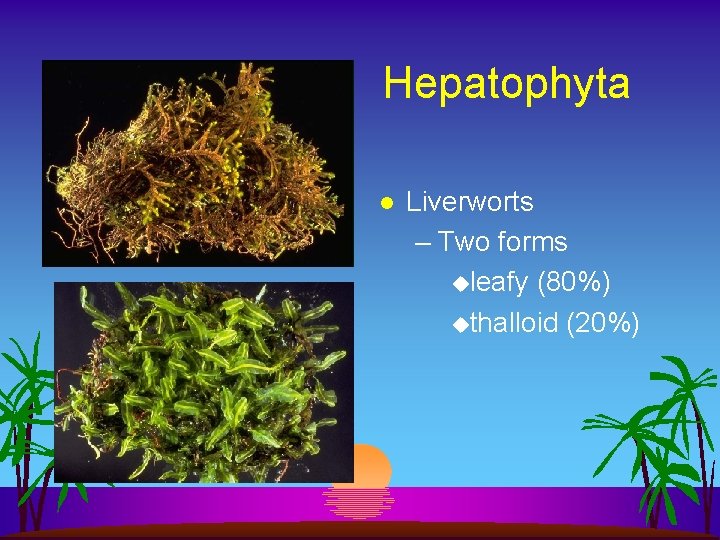
Hepatophyta l Liverworts – Two forms uleafy (80%) uthalloid (20%)
Hepatophyta l Liverworts – Reproduction uasexual (gemmae cups) usexual
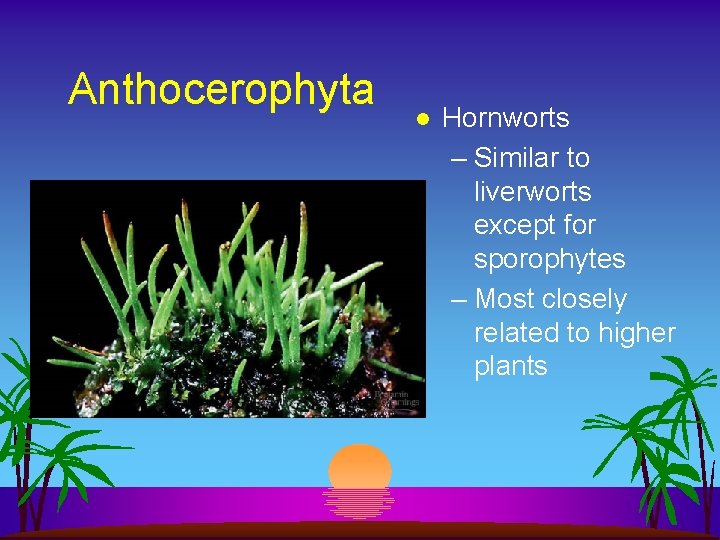
Anthocerophyta l Hornworts – Similar to liverworts except for sporophytes – Most closely related to higher plants
Bryophyta Mosses
Bryophyta Mosses
Vascular Seedless Plants Formation of vascular tissue – Xylem (water) – Phloem (food) – True leaves, roots, and stems l Lignin l Sporophyte generation dominate l Sperm with flagella l
Lycophyta l Lycophytes – true leaves umicrophylls – true stems – true roots – sporophylls uleaves that produce spores
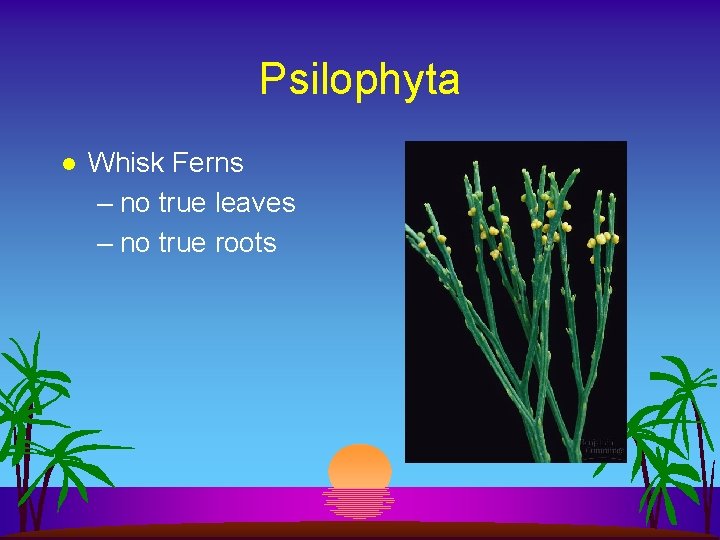
Psilophyta l Whisk Ferns – no true leaves – no true roots
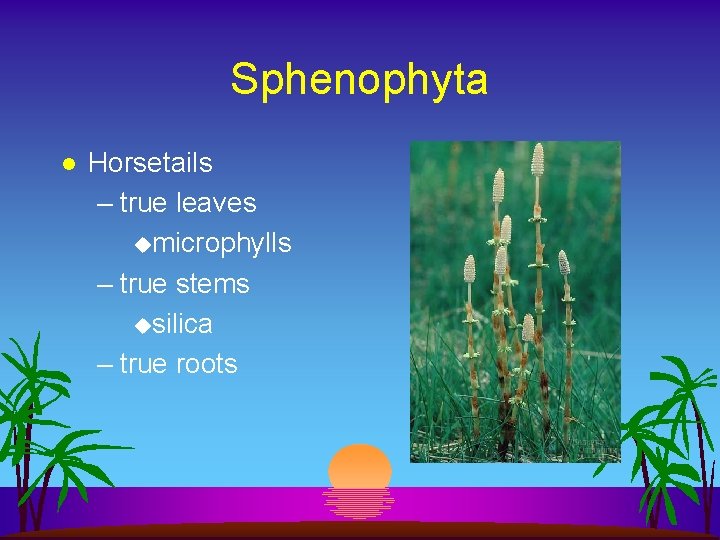
Sphenophyta l Horsetails – true leaves umicrophylls – true stems usilica – true roots
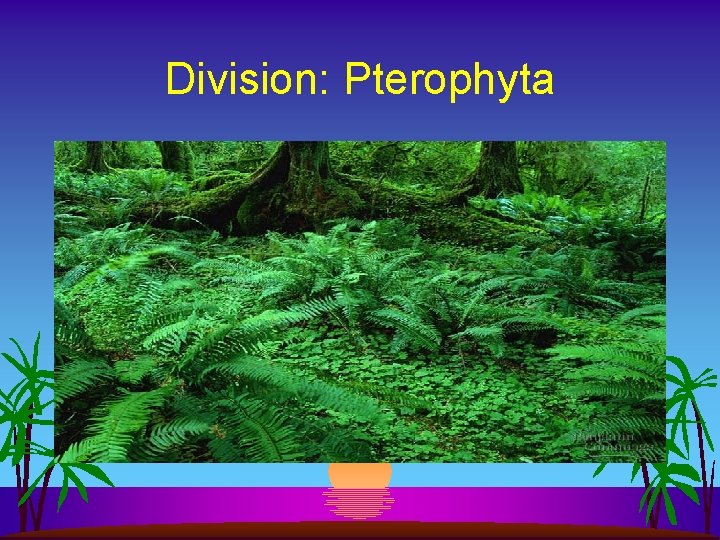
Division: Pterophyta
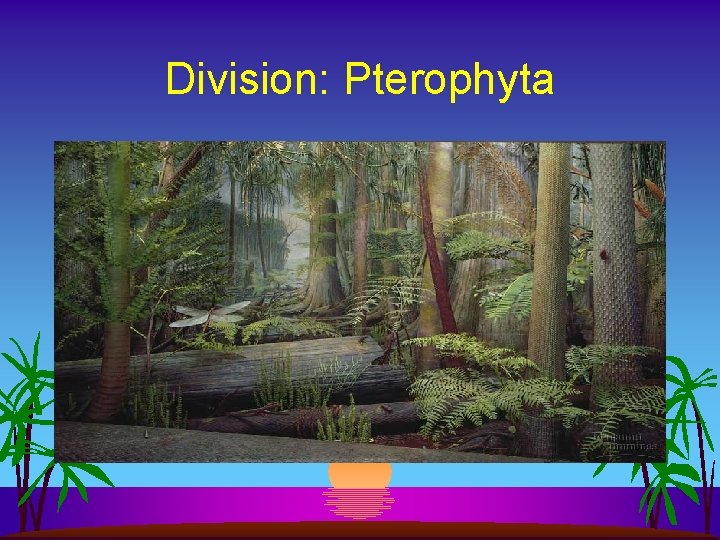
Division: Pterophyta
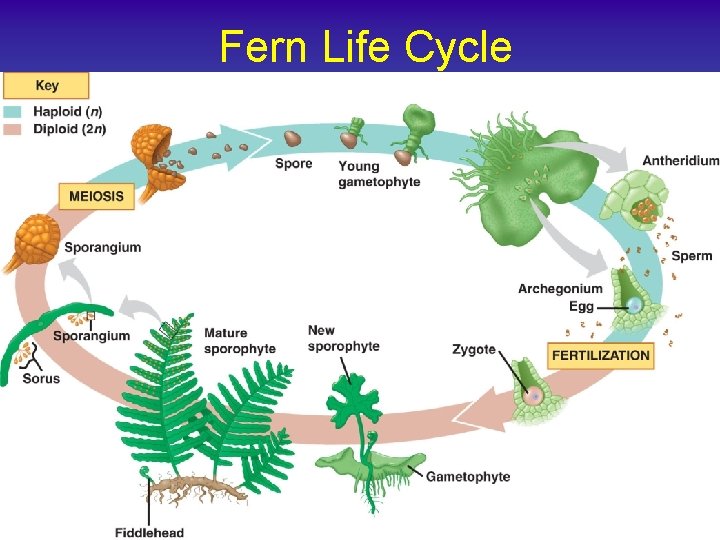
Fern Life Cycle