
See Me Feel Me Touch Me Heal Me




- Slides: 69
“See Me, Feel Me, Touch Me, Heal Me”: What International Graduate Students and I Have Learned about Being Together Charles Scott Faculty of Education, Simon Fraser University Presented on July 28, 2016 CRIE conference SFU Vancouver campus
“See Me, Feel Me, Touch Me, Heal Me”: Dialogical Learning and Being with International Graduate Students Charles Scott Faculty of Education, Simon Fraser University Presented on July 28, 2016 CRIE conference SFU Vancouver campus
“See Me, Feel Me, Touch Me, Heal Me”: Joint Grabblings in Freire’s Student-Teacher Contradiction Charles Scott Faculty of Education, Simon Fraser University Presented on July 28, 2016 CRIE conference SFU Vancouver campus
Grabble intr. vb. To feel or search with the hands, to grope about. Sometimes to grope and grabble (cf. Dutch grapen en grabbelen). 4
Grabble intr. vb. To feel or search with the hands, to grope about. Sometimes to grope and grabble (cf. Dutch grapen en grabbelen). “Grabling all night in the dark … through wild Olive Trees, and high Rocks. ” -- Plutarch, Lives, tr. T. North, 1676 5
https: //www. youtube. com/watch? v=n. Hw. Szl 5 P 2 OA 6
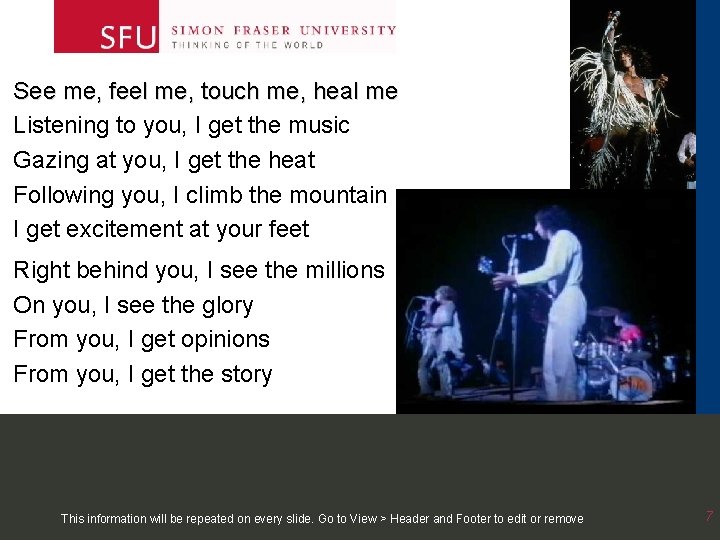
See me, feel me, touch me, heal me Listening to you, I get the music Gazing at you, I get the heat Following you, I climb the mountain I get excitement at your feet Right behind you, I see the millions On you, I see the glory From you, I get opinions From you, I get the story This information will be repeated on every slide. Go to View > Header and Footer to edit or remove 7
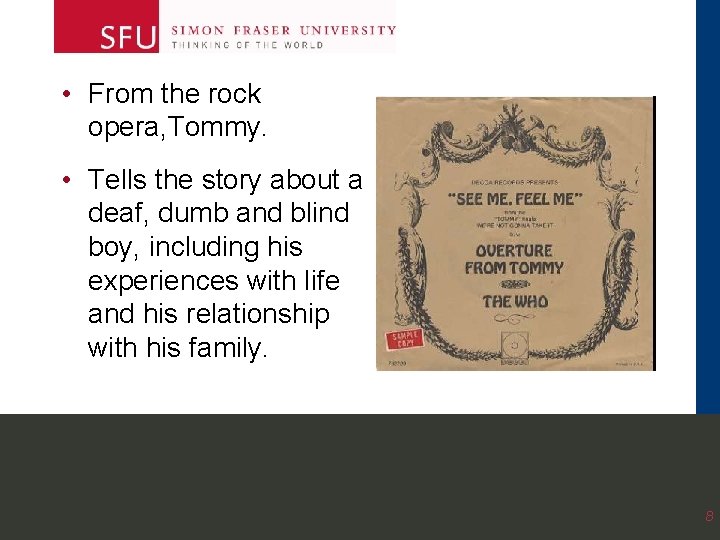
• From the rock opera, Tommy. • Tells the story about a deaf, dumb and blind boy, including his experiences with life and his relationship with his family. 8
• Using a theoretical framework to explain the experiences of students and an instructor in an M. Ed. Program for international students who aim to be teachers of English This Presentation 9
• Using a theoretical framework to explain the experiences of students and an instructor in an M. Ed. Program for international students who aim to be teachers of English • Seeing our experiences and intersections through a theoretical lens This Presentation 10
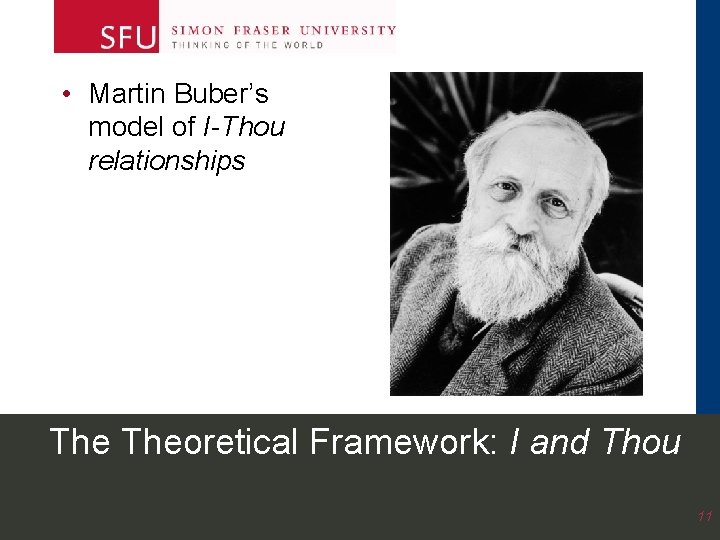
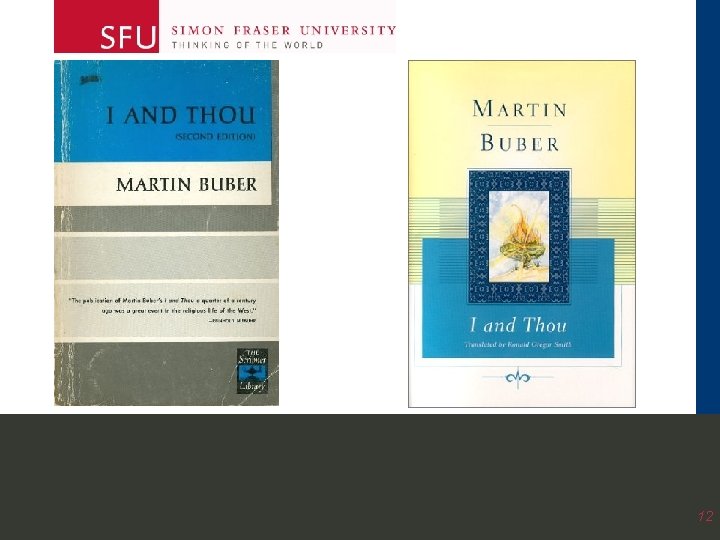
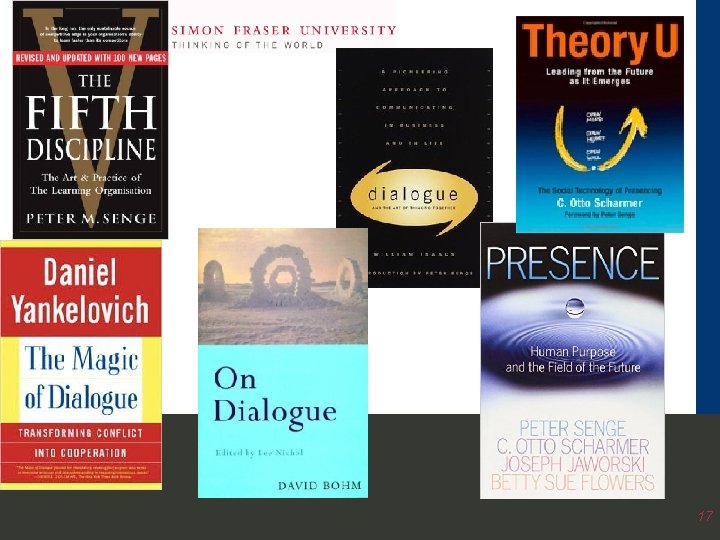
• Martin Buber’s model of I-Thou relationships Theoretical Framework: I and Thou 11
12
13
14
This information will be repeated on every slide. Go to View > Header and Footer to edit or remove 15
16
17
18
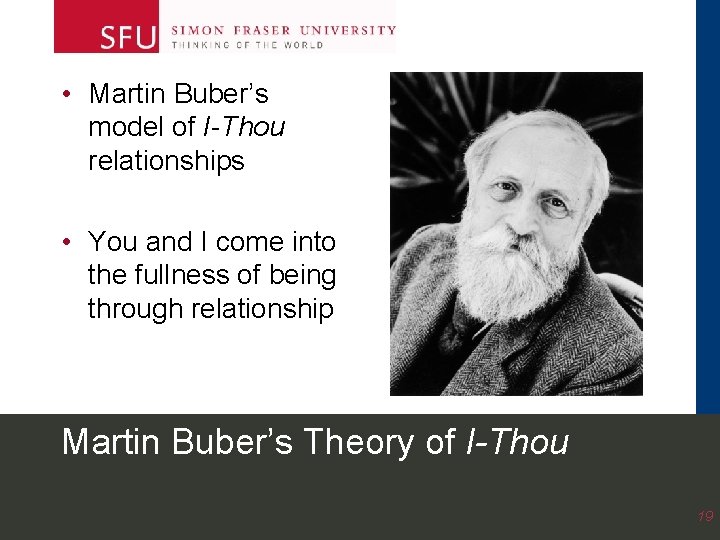
• Martin Buber’s model of I-Thou relationships • You and I come into the fullness of being through relationship Martin Buber’s Theory of I-Thou 19
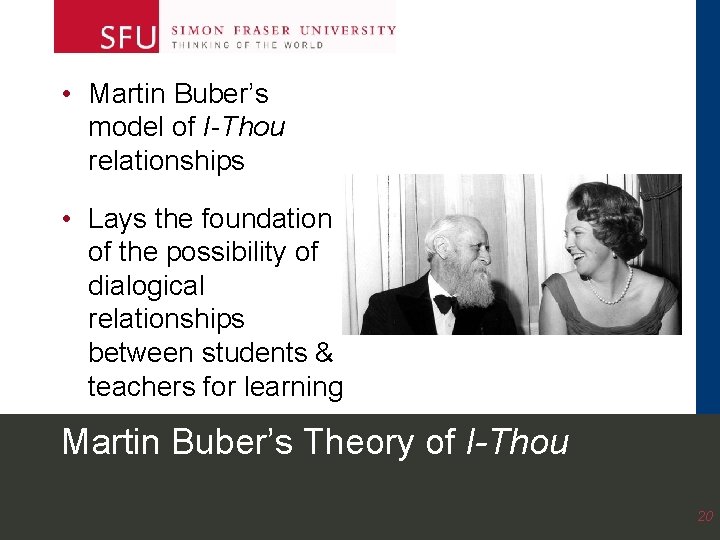
• Martin Buber’s model of I-Thou relationships • Lays the foundation of the possibility of dialogical relationships between students & teachers for learning Martin Buber’s Theory of I-Thou 20
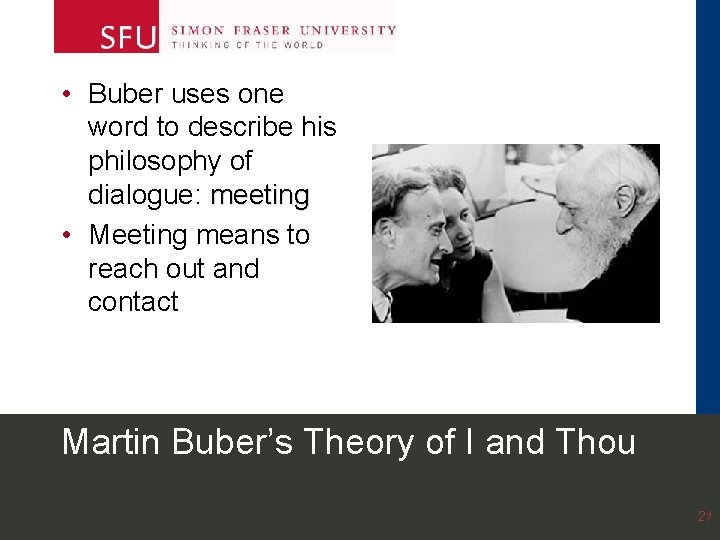
• Buber uses one word to describe his philosophy of dialogue: meeting • Meeting means to reach out and contact Martin Buber’s Theory of I and Thou 21
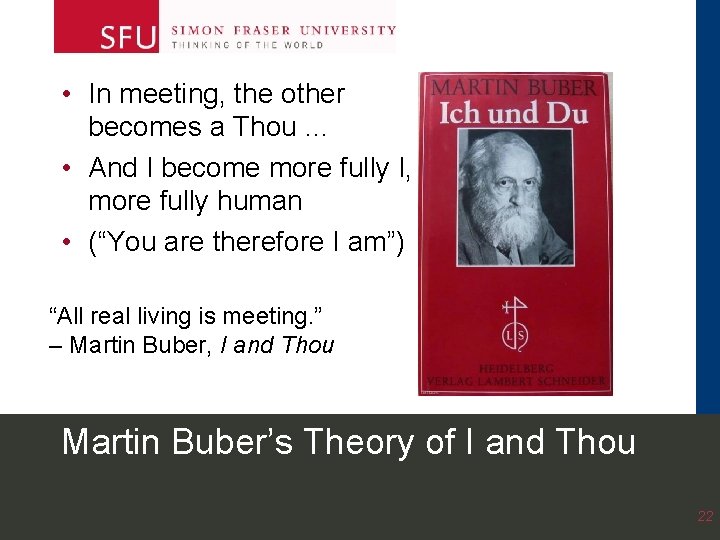
• In meeting, the other becomes a Thou … • And I become more fully I, more fully human • (“You are therefore I am”) “All real living is meeting. ” – Martin Buber, I and Thou Martin Buber’s Theory of I and Thou 22
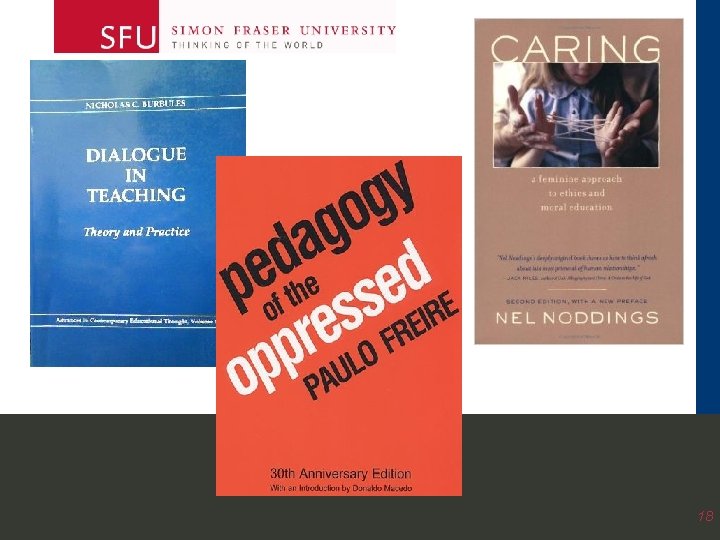
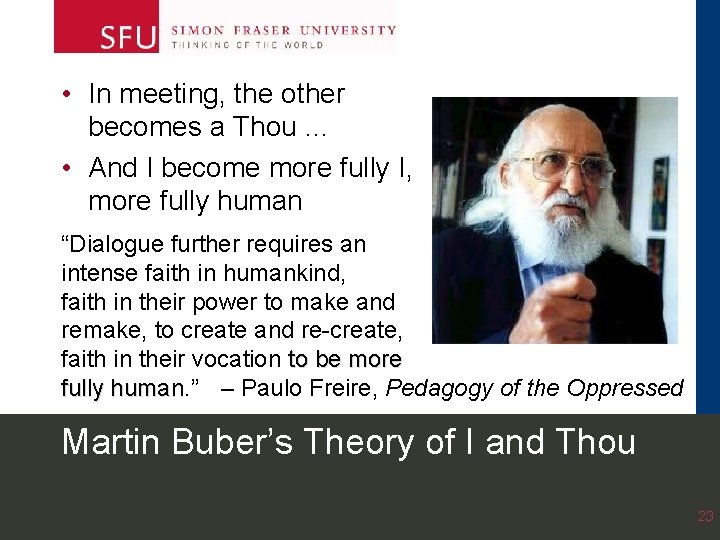
• In meeting, the other becomes a Thou … • And I become more fully I, more fully human “Dialogue further requires an intense faith in humankind, faith in their power to make and remake, to create and re-create, faith in their vocation to be more – Paulo Freire, Pedagogy of the Oppressed fully human. ” human Martin Buber’s Theory of I and Thou 23
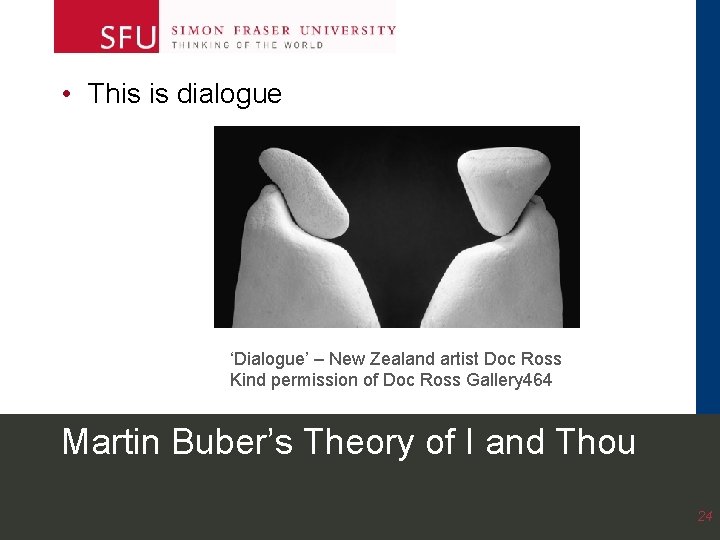
• This is dialogue ‘Dialogue’ – New Zealand artist Doc Ross Kind permission of Doc Ross Gallery 464 Martin Buber’s Theory of I and Thou 24
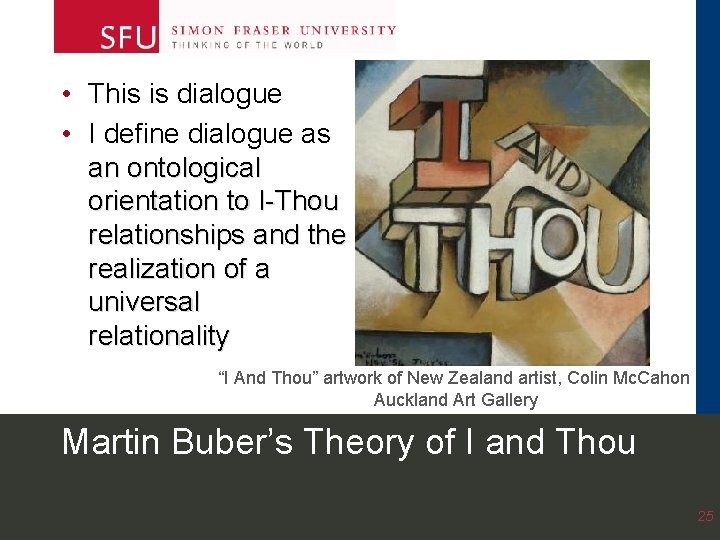
• This is dialogue • I define dialogue as an ontological orientation to I-Thou relationships and the realization of a universal relationality “I And Thou” artwork of New Zealand artist, Colin Mc. Cahon Auckland Art Gallery Martin Buber’s Theory of I and Thou 25
• The use of Thou denotes something unique and special A Thou 26
• The use of Thou denotes something unique and special • Thou denotes the sacred in the other and in the relationship with a Thou A Thou 27
• The use of Thou denotes something unique and special • Thou denotes the sacred in the other and in the relationship with a Thou • A Thou is a spark of what Buber refers to as the Eternal Thou A Thou 28
• The use of Thou denotes something unique and special • Thou denotes the sacred in the other and in the relationship with a Thou • A Thou is a spark of what Buber refers to as the Eternal Thou • A Thou manifests through relationship to an I A Thou 29
• The use of Thou denotes something unique and special • Thou denotes the sacred in the other and in the relationship with a Thou • A Thou is a spark of what Buber refers to as the Eternal Thou • A Thou manifests through relationship to an I • A Thou is boundless, essentialess A Thou 30
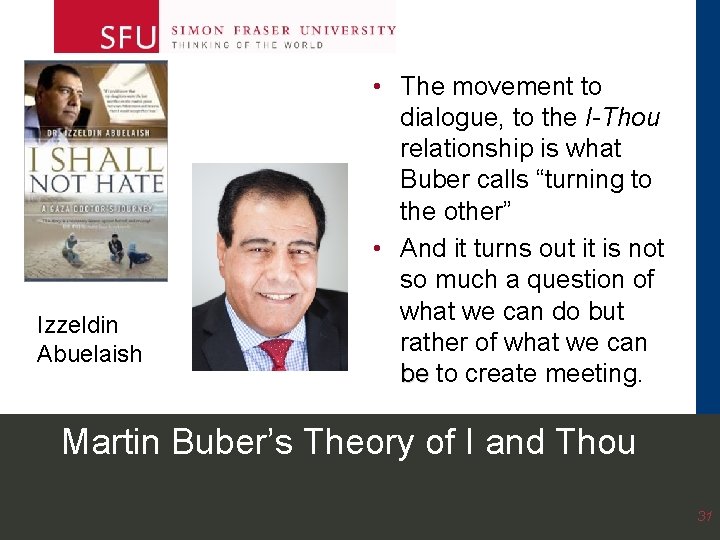
Izzeldin Abuelaish • The movement to dialogue, to the I-Thou relationship is what Buber calls “turning to the other” • And it turns out it is not so much a question of what we can do but rather of what we can be to create meeting. Martin Buber’s Theory of I and Thou 31
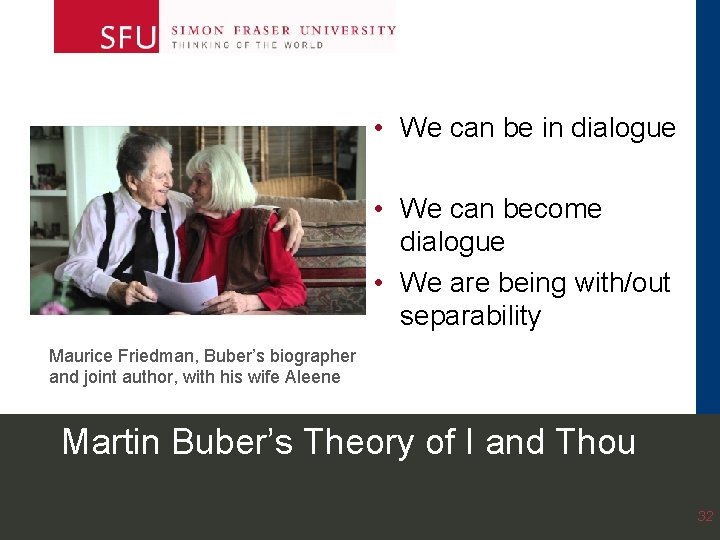
• We can be in dialogue • We can become dialogue • We are being with/out separability Maurice Friedman, Buber’s biographer and joint author, with his wife Aleene Martin Buber’s Theory of I and Thou 32
Being and Doing • Both inform the other • Aristotle—Nichomachean Ethics – Being/virtue is established through doing – Lyre player becomes through playing the lyre – Bricklayer becomes the art of bricklaying • In Buber’s work, there are certain capacities or ‘virtues’ of dialogue that allow one, through practice, to become dialogue The Dialogical Virtues/Capacities 33
Becoming Aware—“See Me” • More than listening The Dialogical Virtues/Capacities 34
Becoming Aware—“See Me” • More than listening • Use all the senses, intellect, emotions, intuition The Dialogical Virtues/Capacities 35
Becoming Aware—“See Me” • More than listening • Use all the senses, intellect, emotions, intuition • Become aware of the whole presence of the student The Dialogical Virtues/Capacities 36
• • Becoming Aware—“See Me” More than listening Use all the senses, intellect, emotions, intuition Become aware of the whole presence of the student Students appreciate being noticed for who they are and trusted for who they are becoming The Dialogical Virtues/Capacities 37
Confirmation—“See Me” • Confirming the ontological, historical, sociocultural, and political presence of the student; a holistic confirmation of the person The Dialogical Virtues/Capacities 38
Confirmation—“See Me” • Confirming the ontological, historical, sociocultural, and political presence of the student; a holistic confirmation of the person • Legitimating the identity/identities of the student as they are and as they are becoming The Dialogical Virtues/Capacities 39
Confirmation—“See Me” • Confirming the ontological, historical, sociocultural, and political presence of the student; a holistic confirmation of the person • Legitimating the identity/identities of the student as they are and as they are becoming • Trusting the student as a learner, as a human The Dialogical Virtues/Capacities 40
• • Confirmation—“See Me” Confirming the ontological, historical, sociocultural, and political presence of the student; a holistic confirmation of the person Legitimating the identity/identities of the student as they are and as they are becoming Trusting the student as a learner, as a human Confirming, also, what is other, different The Dialogical Virtues/Capacities 41
• • • Confirmation—“See Me” Confirming the ontological, historical, sociocultural, and political presence of the student; a holistic confirmation of the person Legitimating the identity/identities of the student as they are and as they are becoming Trusting the student as a learner, as a human Confirming, also, what is other, different “You saw me” The Dialogical Virtues/Capacities 42
Inclusion/Empathy–“Feel Me” • Being able empathically to apprehend what the other is experiencing: to feel the other The Dialogical Virtues/Capacities 43
Inclusion/Empathy–“Feel Me” • Being able empathically to apprehend what the other is experiencing: to feel the other • An extension of one’s own consciousness into the life and lived experience of another The Dialogical Virtues/Capacities 44
Inclusion/Empathy–“Feel Me” • Being able empathically to apprehend what the other is experiencing: to feel the other • An extension of one’s own consciousness into the life and lived experience of another • “Inclusion” because I apprehend both my own experiences and those of the other The Dialogical Virtues/Capacities 45
• • Inclusion/Empathy–“Feel Me” Being able empathically to apprehend what the other is experiencing: to feel the other An extension of one’s own consciousness into the life and lived experience of another “Inclusion” because I apprehend both my own experiences and those of the other There is both I and Thou The Dialogical Virtues/Capacities 46
• • • Inclusion/Empathy–“Feel Me” Being able empathically to apprehend what the other is experiencing: to feel the other An extension of one’s own consciousness into the life and lived experience of another “Inclusion” because I apprehend both my own experiences and those of the other There is both I and Thou Helps bring the other into presence The Dialogical Virtues/Capacities 47
Inclusion/Empathy–“Feel Me” • Use of emotions and feelings to sense the other The Dialogical Virtues/Capacities 48
Inclusion/Empathy–“Feel Me” • Use of emotions and feelings to sense the other • Students appreciate the time and sensitivity that allows them to know that another understands, relates to, and empathizes with their experience The Dialogical Virtues/Capacities 49
Inclusion/Empathy–“Feel Me” • Use of emotions and feelings to sense the other • Students appreciate the time and sensitivity that allows them to know that another understands, relates to, and empathizes with their experience • “You’re not one of them anymore; you’re one of us. ” The Dialogical Virtues/Capacities 50
Presence–“Touch Me” • I must engage as a full presence The Dialogical Virtues/Capacities 51
Presence–“Touch Me” • I must engage as a full presence • Authenticity—being myself The Dialogical Virtues/Capacities 52
Presence–“Touch Me” • I must engage as a full presence • Authenticity—being myself • I place myself squarely in the here and now The Dialogical Virtues/Capacities 53
• • Presence–“Touch Me” I must engage as a full presence Authenticity—being myself I place myself squarely in the here and now Buber writes about a young man who had come to him with a deep existential need: The Dialogical Virtues/Capacities 54
Presence–“Touch Me” “He had come to me, he had come in this hour. What do we expect when we are in despair and yet go to a man? Surely a presence by means of which we are told that nevertheless there is meaning. ” – Between Man and Man The Dialogical Virtues/Capacities 55
“Heal Me” • Working in a holistic fashion with the whole person: The Outcomes 56
• • • “Heal Me” The body and somatics The emotions and feelings Aesthetics Intellect Spirituality and the ethical being The Outcomes 57
“Heal Me” • With hopes, dreams, questions, fears, ideals, longings, passions • Allowing them every opportunity to become more fully human The Outcomes 58
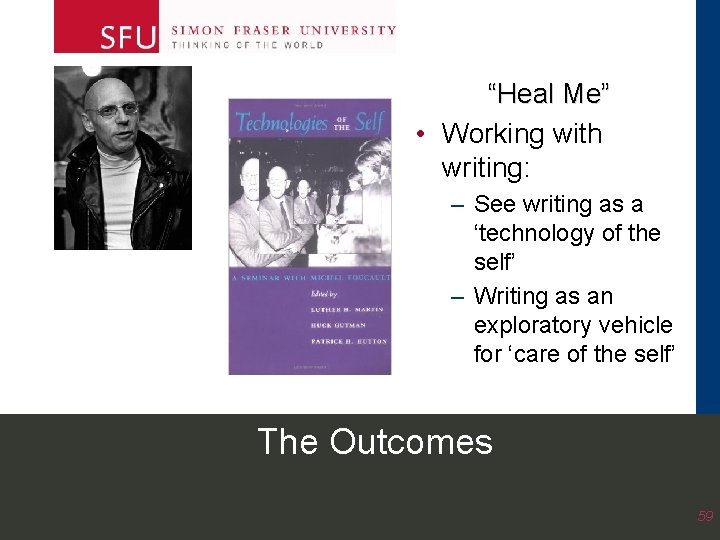
“Heal Me” • Working with writing: – See writing as a ‘technology of the self’ – Writing as an exploratory vehicle for ‘care of the self’ The Outcomes 59
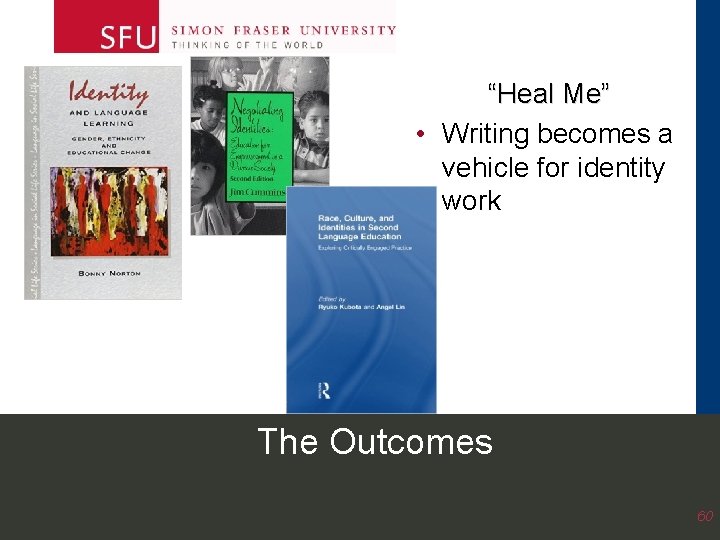
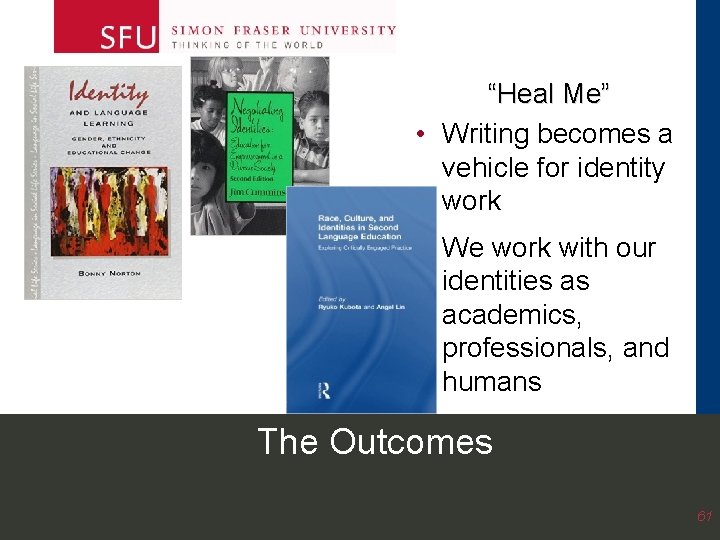
“Heal Me” • Writing becomes a vehicle for identity work The Outcomes 60
“Heal Me” • Writing becomes a vehicle for identity work • We work with our identities as academics, professionals, and humans The Outcomes 61
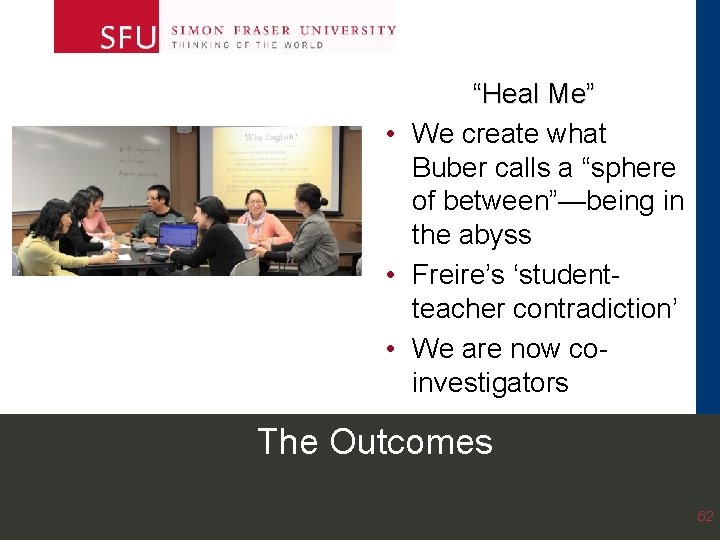
“Heal Me” • We create what Buber calls a “sphere of between”—being in the abyss • Freire’s ‘studentteacher contradiction’ • We are now coinvestigators The Outcomes 62
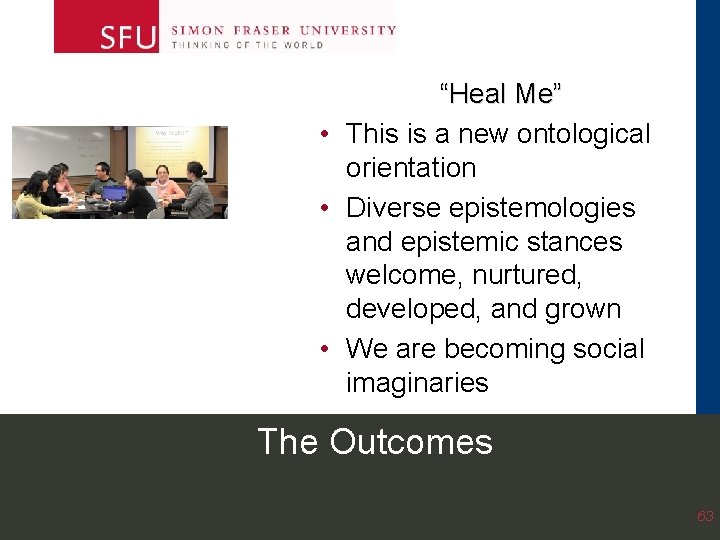
“Heal Me” • This is a new ontological orientation • Diverse epistemologies and epistemic stances welcome, nurtured, developed, and grown • We are becoming social imaginaries The Outcomes 63
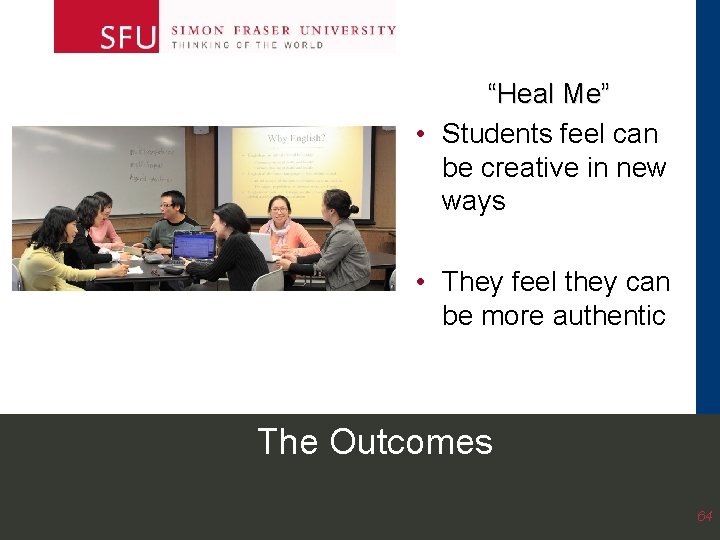
“Heal Me” • Students feel can be creative in new ways • They feel they can be more authentic The Outcomes 64
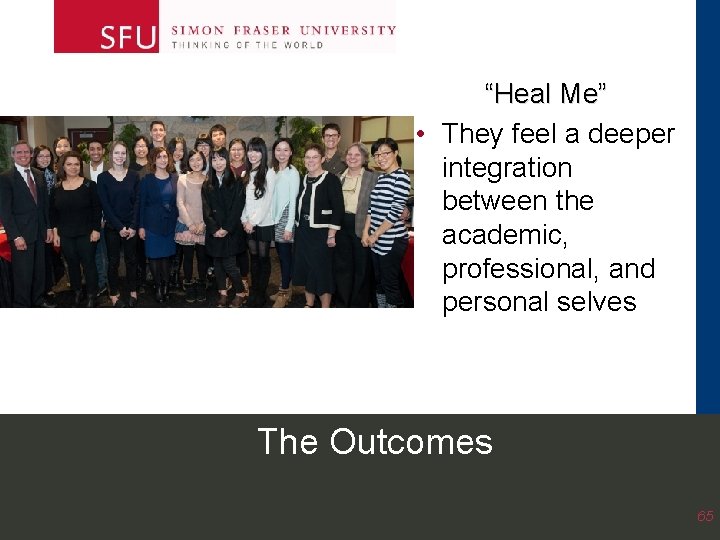
“Heal Me” • They feel a deeper integration between the academic, professional, and personal selves The Outcomes 65
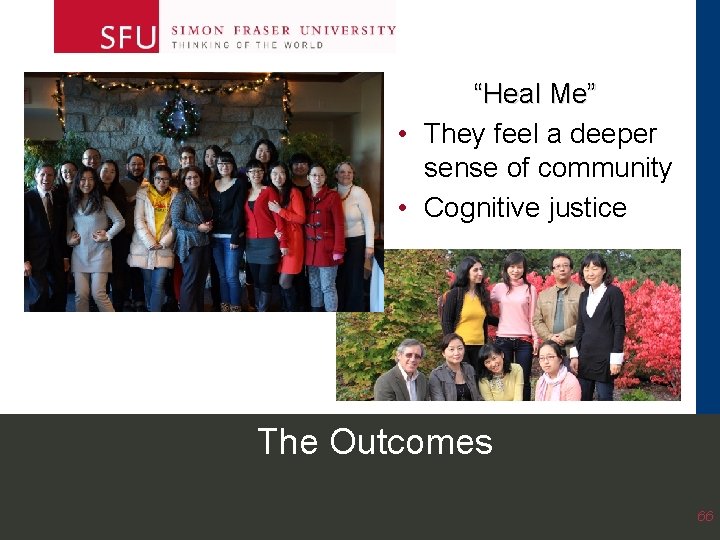
“Heal Me” • They feel a deeper sense of community • Cognitive justice The Outcomes 66
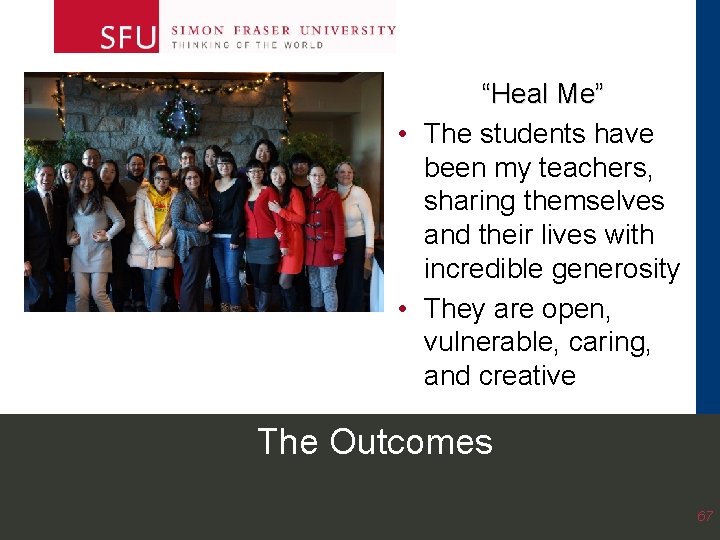
“Heal Me” • The students have been my teachers, sharing themselves and their lives with incredible generosity • They are open, vulnerable, caring, and creative The Outcomes 67
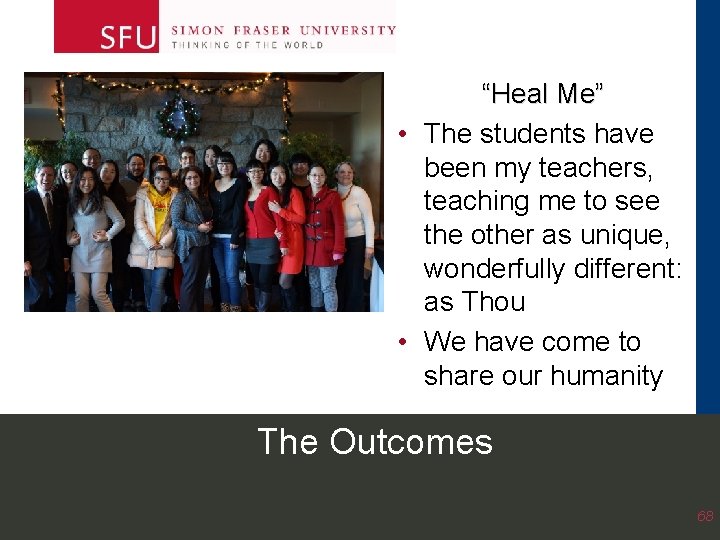
“Heal Me” • The students have been my teachers, teaching me to see the other as unique, wonderfully different: as Thou • We have come to share our humanity The Outcomes 68
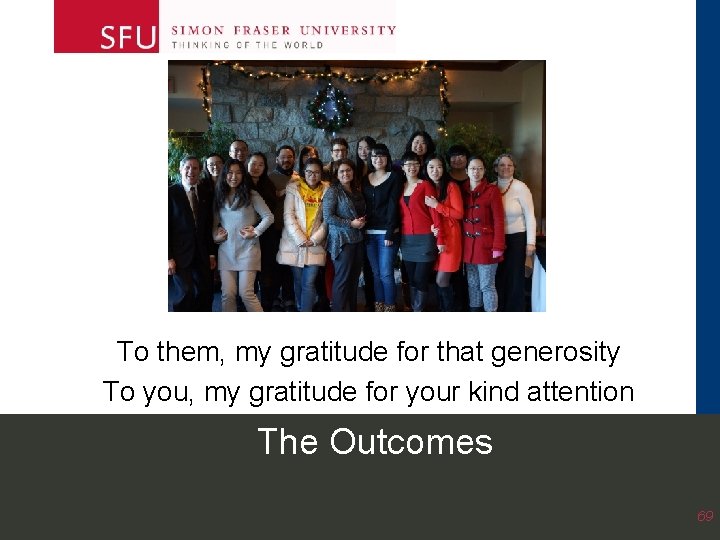
To them, my gratitude for that generosity To you, my gratitude for your kind attention The Outcomes 69