
Sediment Ocean sediment thickness Which sediment class contains





- Slides: 40
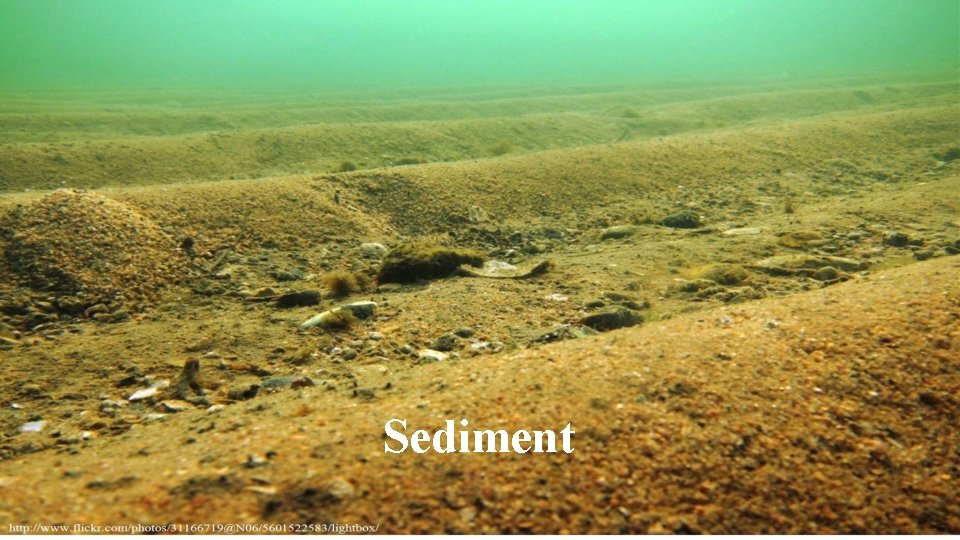
Sediment
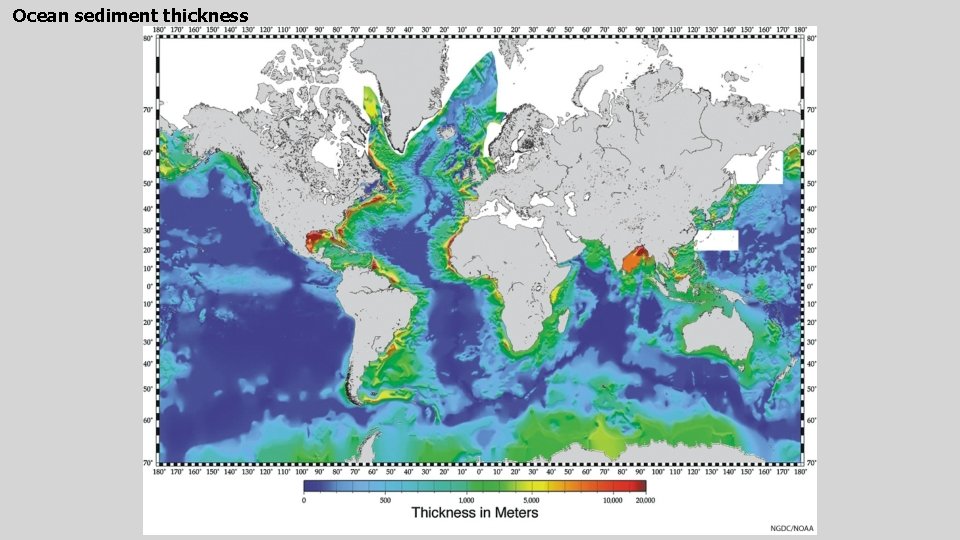
Ocean sediment thickness
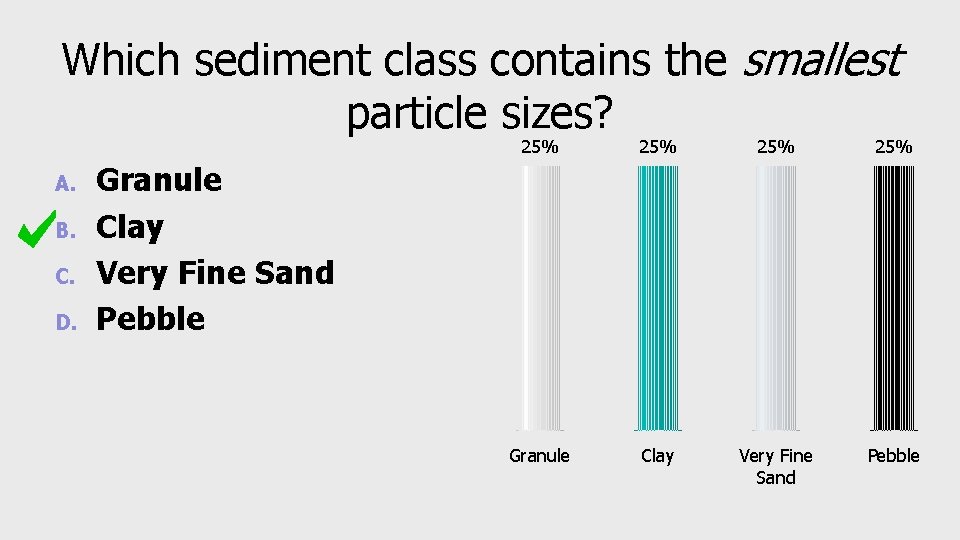
Which sediment class contains the smallest particle sizes? A. B. C. D. 25% 25% Granule Clay Very Fine Sand Pebble
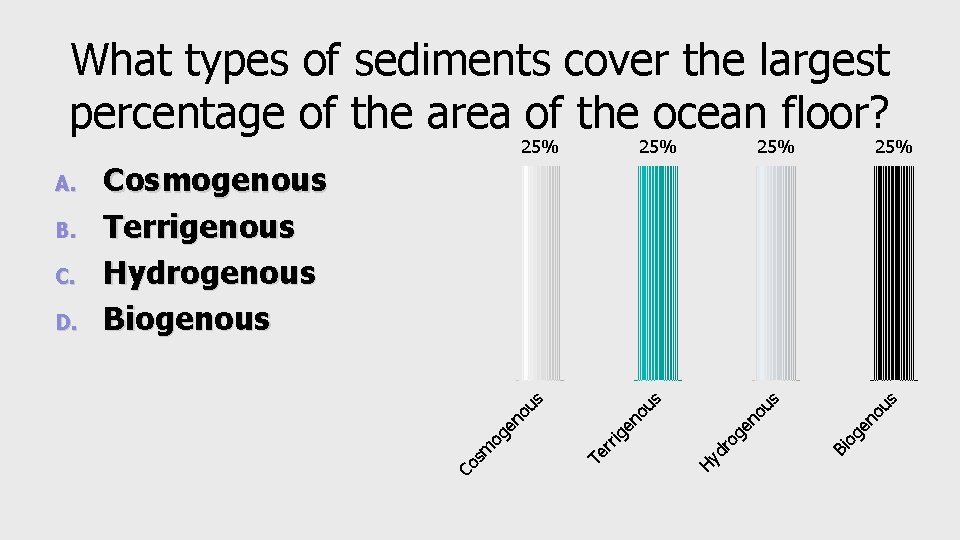
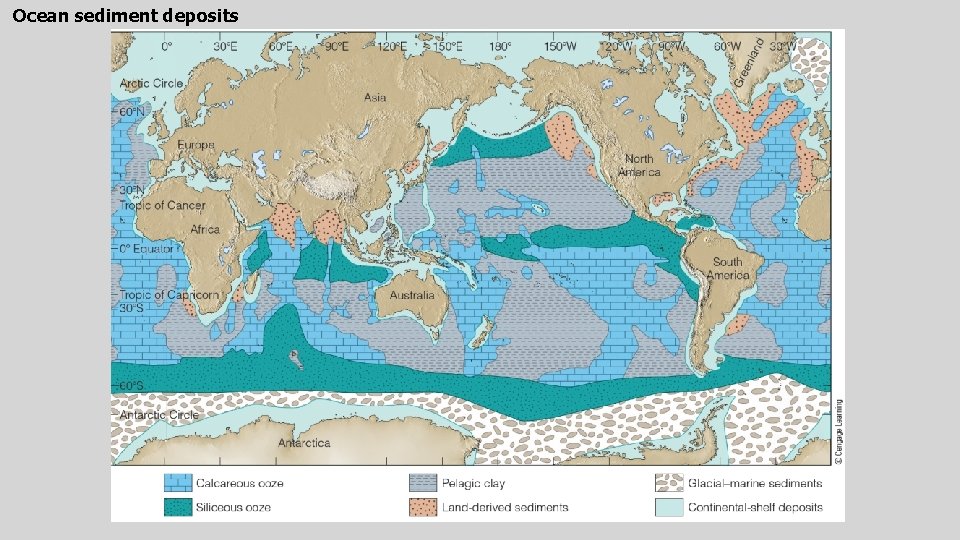
What types of sediments cover the largest percentage of the area of the ocean floor? 25% no us ge Bi o us Hy d ro ge no ou s en ig rr Te D. en ou s C. m og B. 25% Cosmogenous Terrigenous Hydrogenous Biogenous Co s A. 25%
Ocean sediment deposits
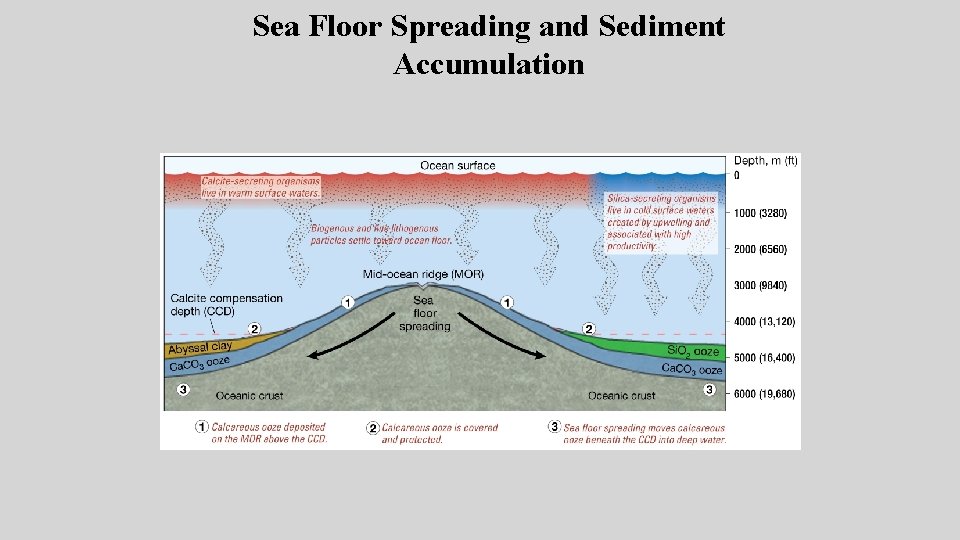
Sea Floor Spreading and Sediment Accumulation
What are Marine sediments? n n Eroded rock particles and fragments Transported to ocean Deposit by settling through water column Oceanographers decipher Earth history through studying sediments
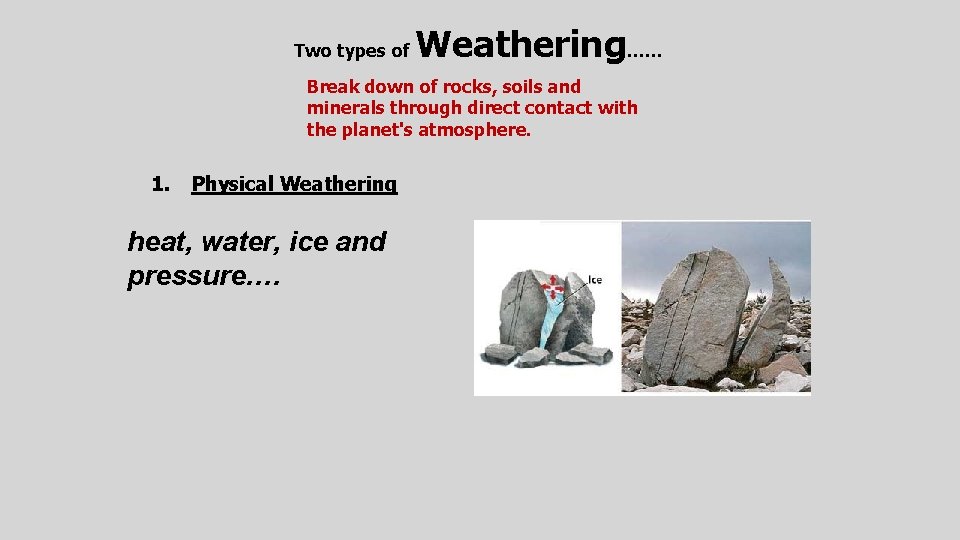
Two types of Weathering…… Break down of rocks, soils and minerals through direct contact with the planet's atmosphere. 1. Physical Weathering heat, water, ice and pressure….
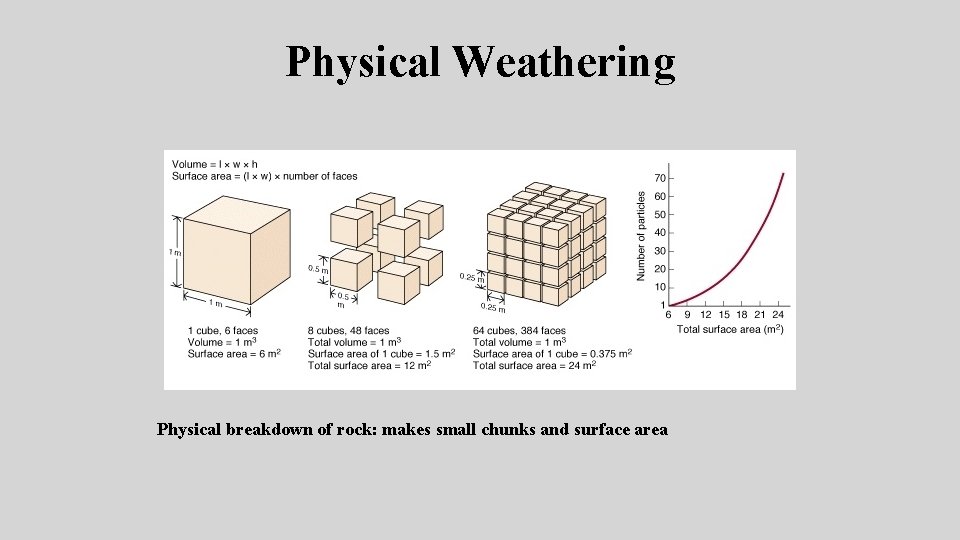
Physical Weathering Physical breakdown of rock: makes small chunks and surface area
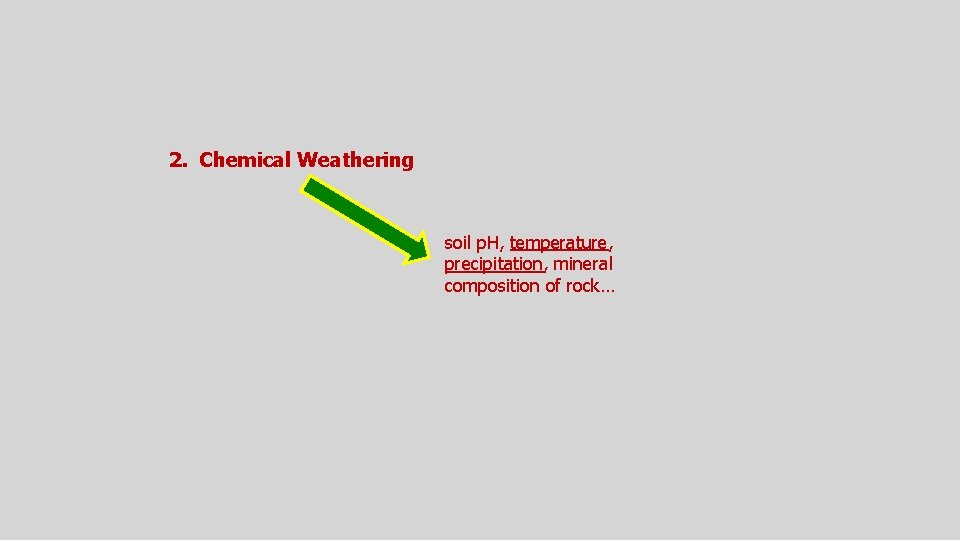
2. Chemical Weathering soil p. H, temperature, precipitation, mineral composition of rock…
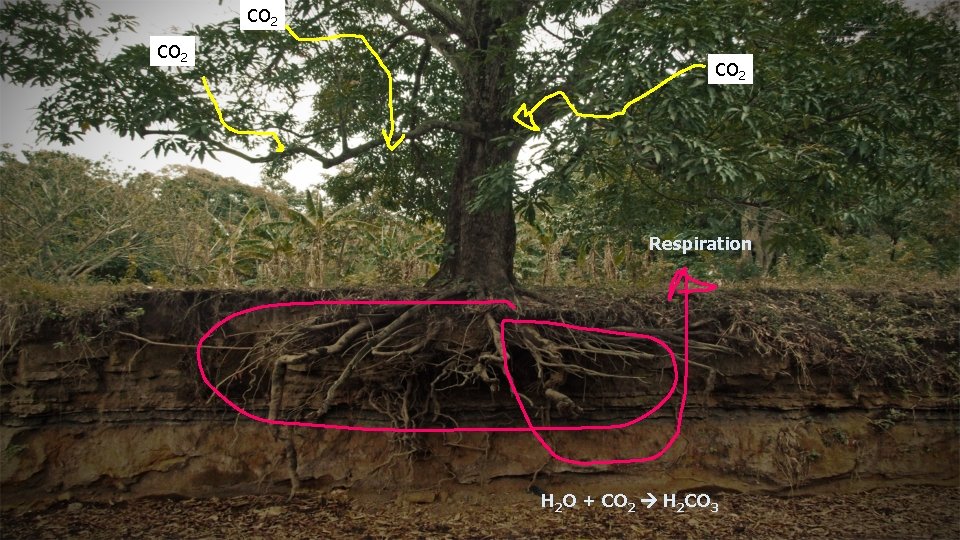
CO 2 Respiration H 2 O + CO 2 H 2 CO 3
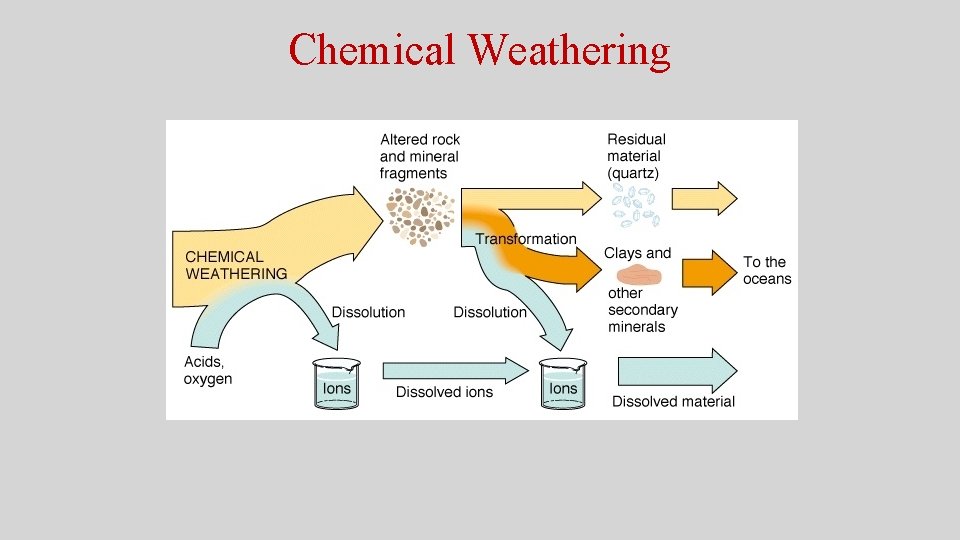
Chemical Weathering
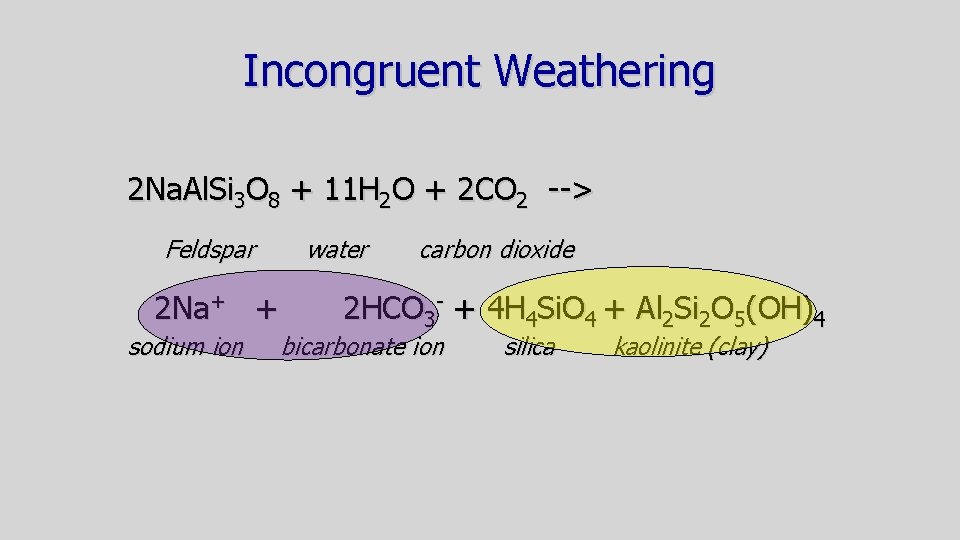
Chemical Weathering Congruent Weathering--Results in only dissolved ions. Incongruent Weathering--Results in newly made clay minerals and dissolved ions.
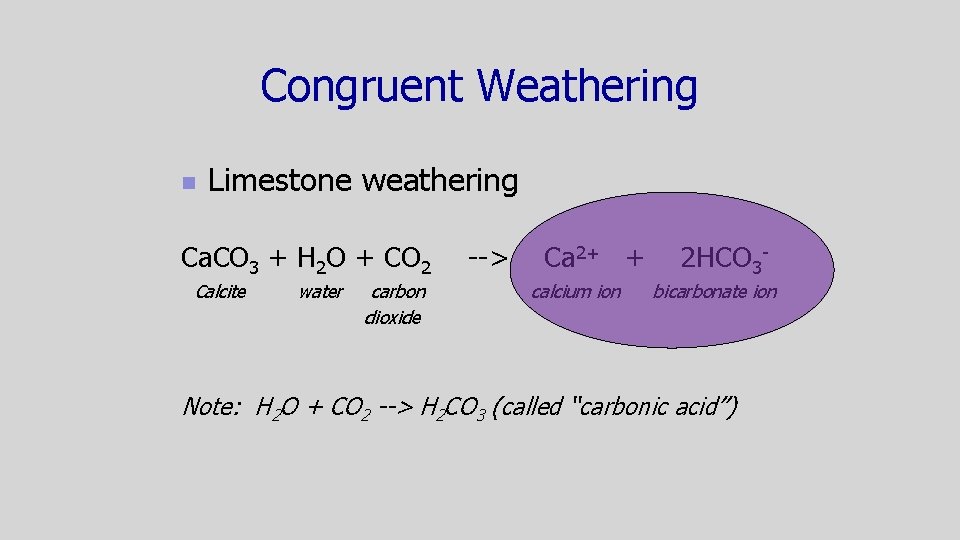
Congruent Weathering n Limestone weathering Ca. CO 3 + H 2 O + CO 2 Calcite water carbon dioxide --> Ca 2+ + calcium ion 2 HCO 3 bicarbonate ion Note: H 2 O + CO 2 --> H 2 CO 3 (called “carbonic acid”)
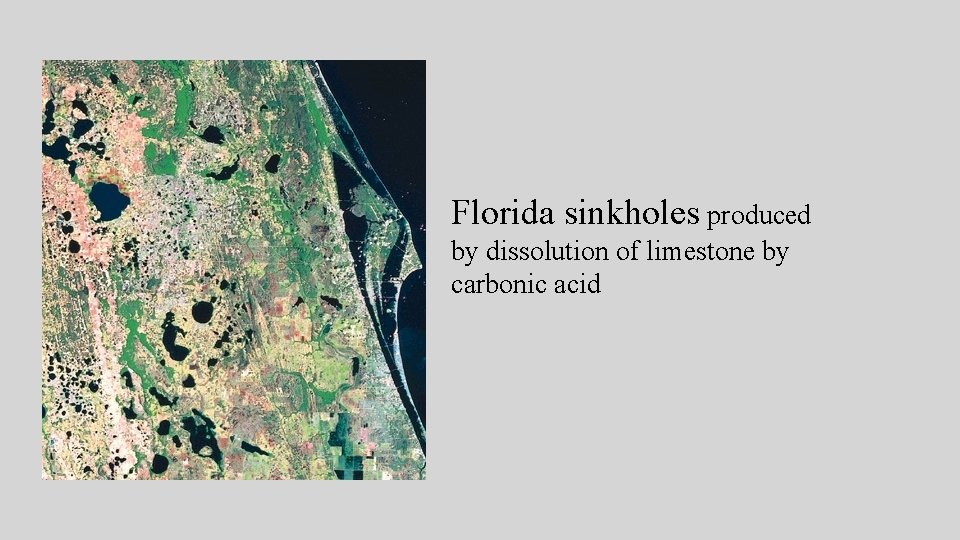
Florida sinkholes produced by dissolution of limestone by carbonic acid
Incongruent Weathering 2 Na. Al. Si 3 O 8 + 11 H 2 O + 2 CO 2 --> Feldspar 2 Na+ + sodium ion water carbon dioxide 2 HCO 3 - + 4 H 4 Si. O 4 + Al 2 Si 2 O 5(OH)4 bicarbonate ion silica kaolinite (clay)
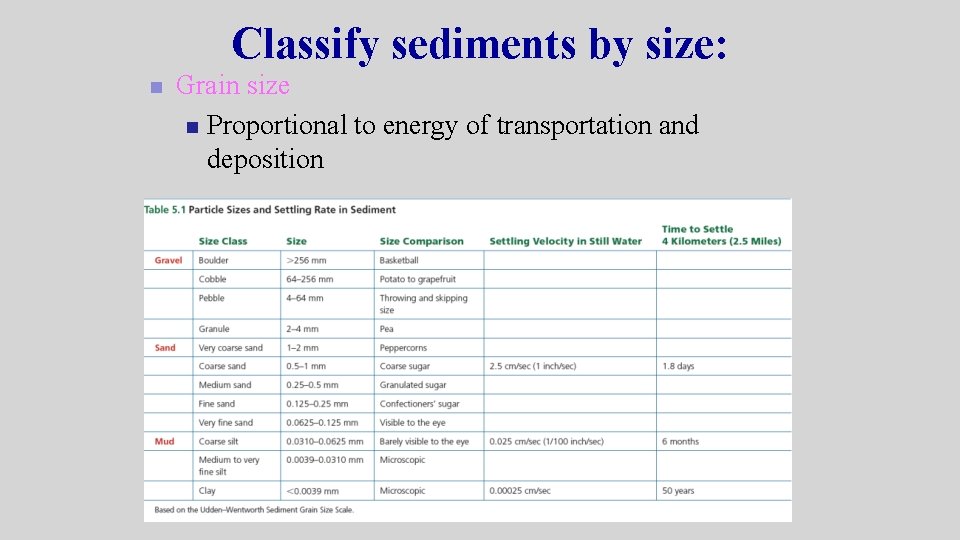
Classify sediments by size: n Grain size n Proportional to energy of transportation and deposition
Why does the deep sea have all this fine grained material?
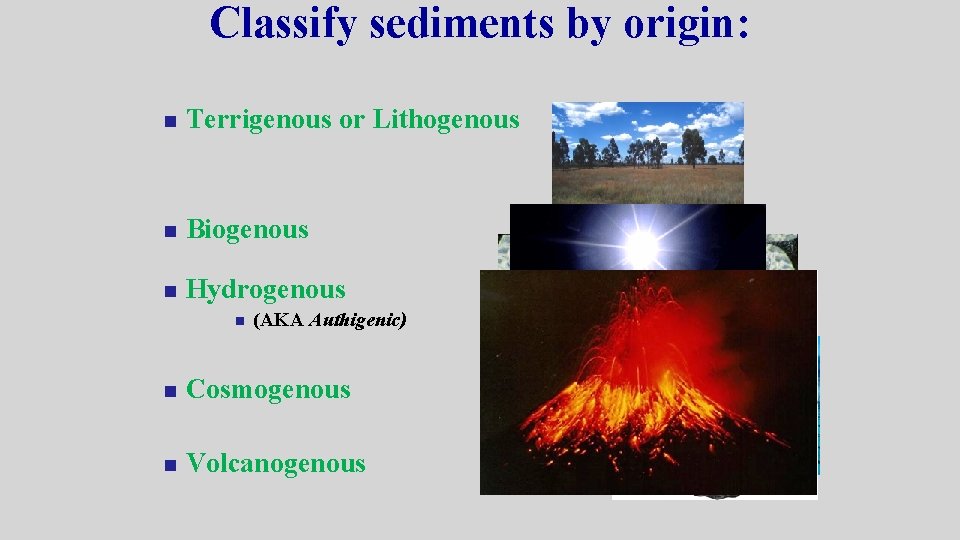
Classify sediments by origin: n Terrigenous or Lithogenous n Biogenous n Hydrogenous n (AKA Authigenic) n Cosmogenous n Volcanogenous
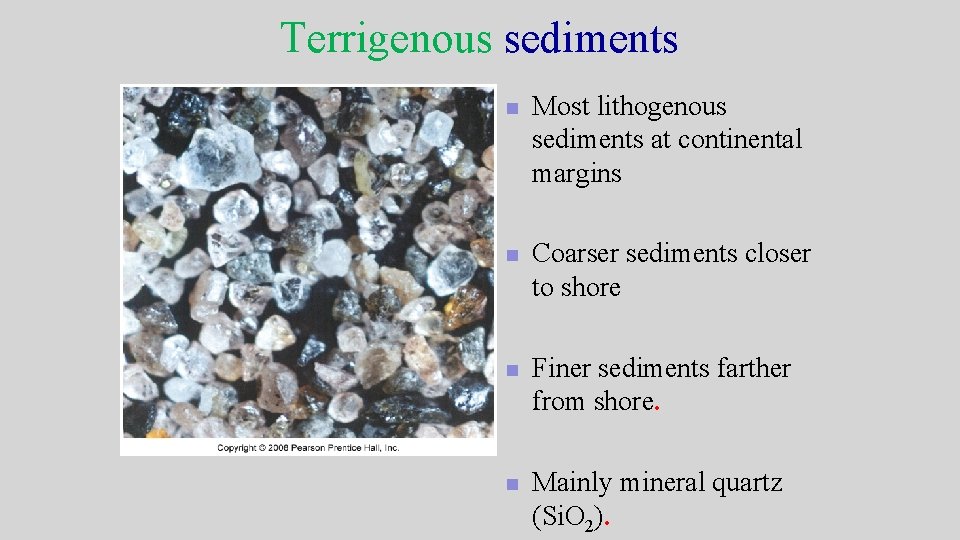
Terrigenous sediments n Most lithogenous sediments at continental margins n Coarser sediments closer to shore n Finer sediments farther from shore. n Mainly mineral quartz (Si. O 2).
Terrigenous sediments n n n Eroded rock fragments from land Reflect composition of rock from which derived Agents of Transport n n Water (e. g. , river-transported sediment) Wind (e. g. , windblown dust) - aolian transport Ice (e. g. , ice-rafted rocks) Gravity (e. g. , turbidity currents)
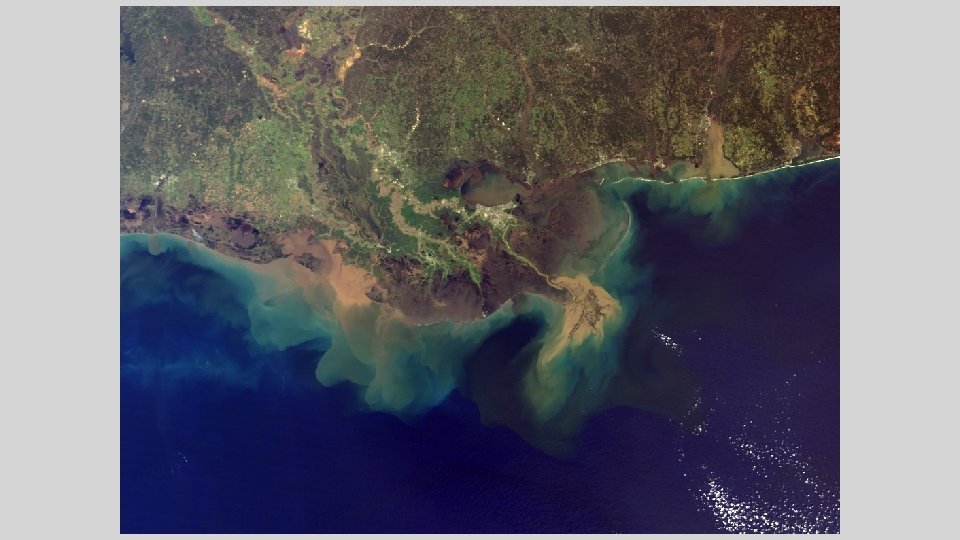
Water
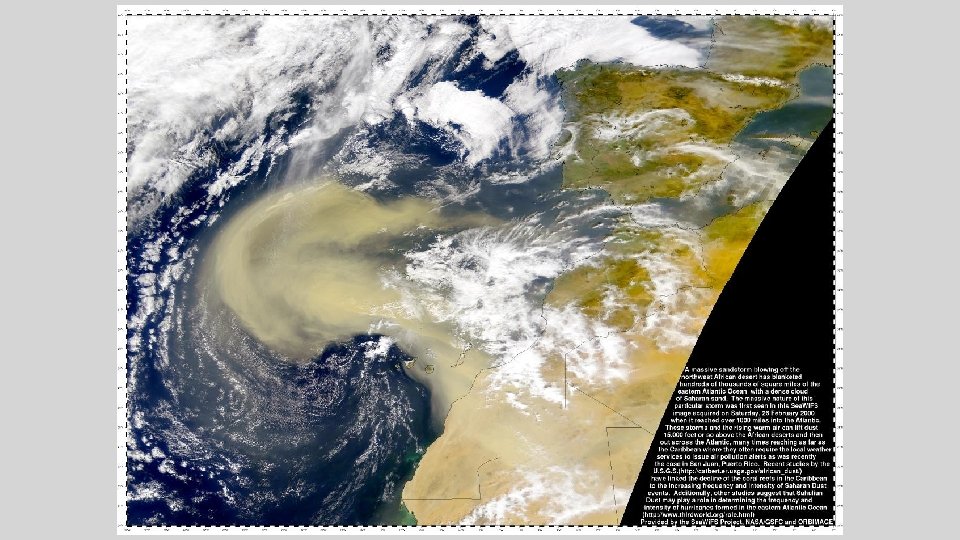
Wind can be an important agent of erosion Seawifs image showing dust (product of wind erosion) being carried out to sea from California
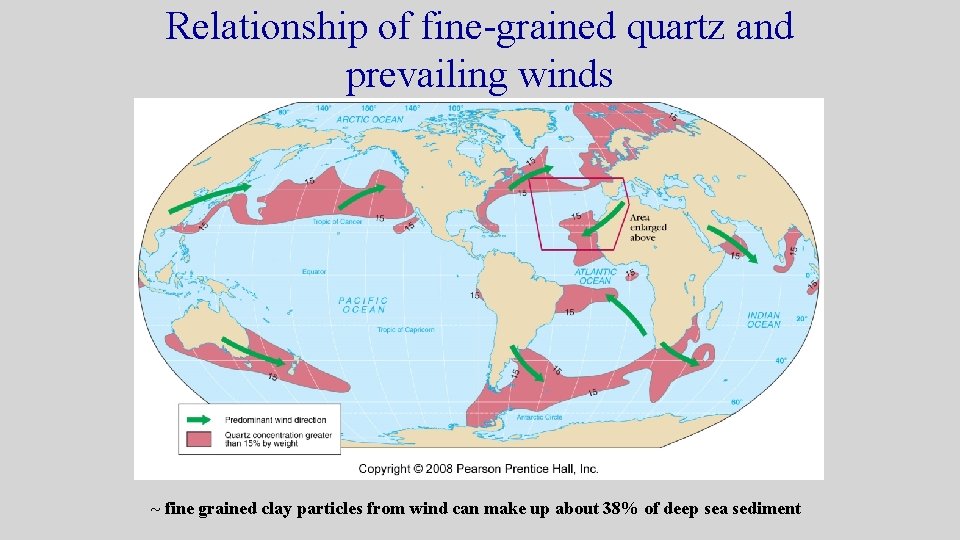
Relationship of fine-grained quartz and prevailing winds ~ fine grained clay particles from wind can make up about 38% of deep sea sediment
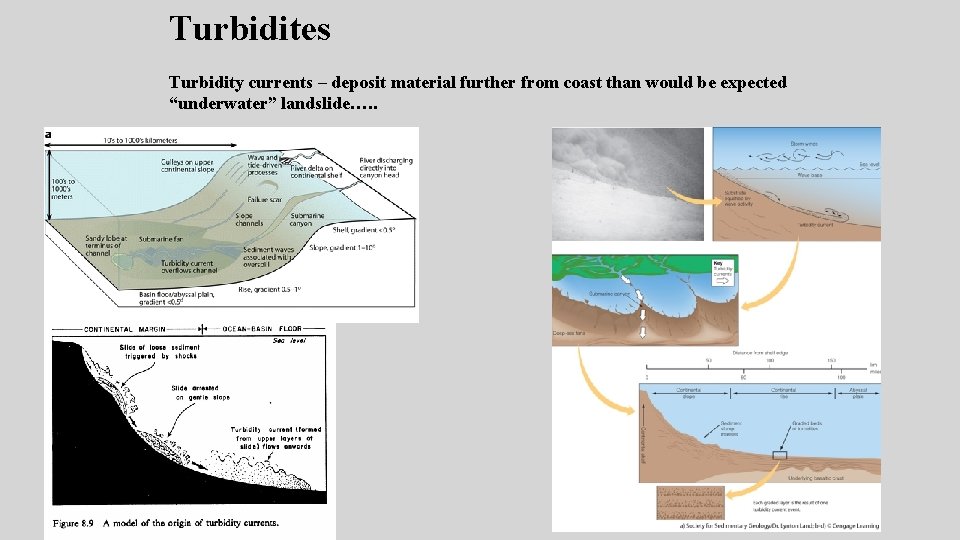
Turbidites Turbidity currents – deposit material further from coast than would be expected “underwater” landslide…. .
Biogenous marine sediments n Hard remains of once-living organisms • Shells, bones, teeth - Macroscopic (large remains) - Microscopic (small remains) Tiny shells or tests settle through water column Biogenic ooze (30% or more tests) Mainly algae and protozoans
Biogenous marine sediments Commonly either calcium carbonate (Ca. CO 3); Calcite n or silica (Si. O 2 or Si. O 2·n. H 2 O) n Usually planktonic (free-floating) n
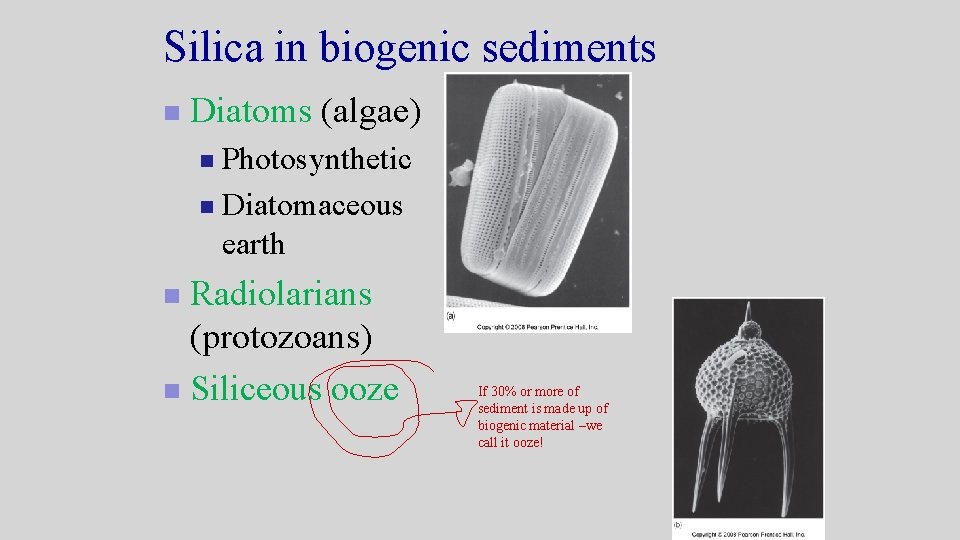
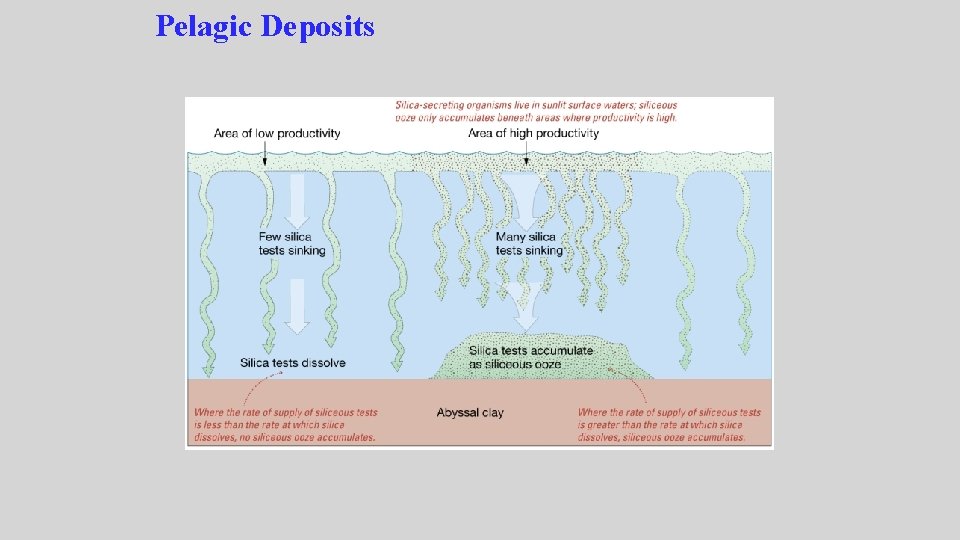
Silica in biogenic sediments n Diatoms (algae) Photosynthetic n Diatomaceous earth n Radiolarians (protozoans) n Siliceous ooze n If 30% or more of sediment is made up of biogenic material –we call it ooze!
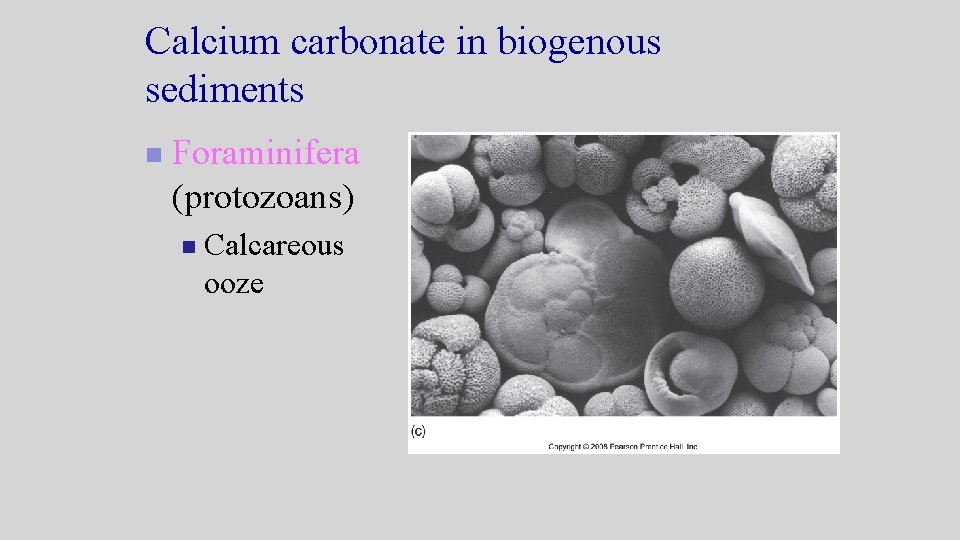
Calcium carbonate in biogenous sediments n Foraminifera (protozoans) n Calcareous ooze
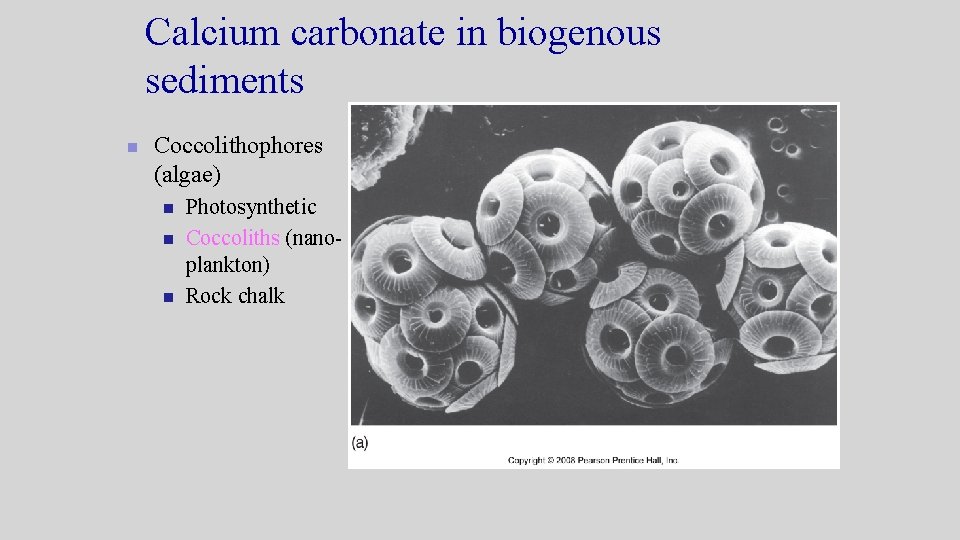
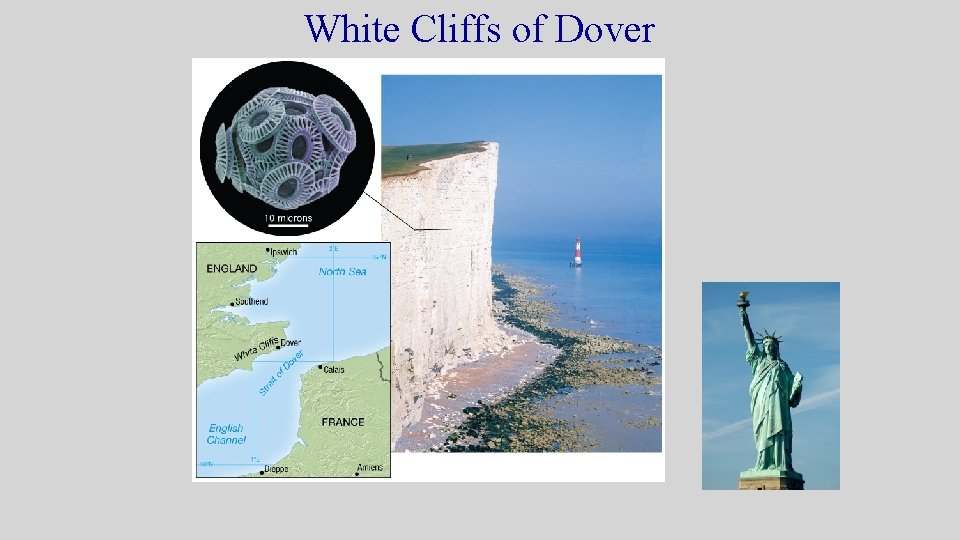
Calcium carbonate in biogenous sediments n Coccolithophores (algae) n n n Photosynthetic Coccoliths (nanoplankton) Rock chalk
White Cliffs of Dover
Factors controlling distribution biogenous sediments – Productivity • Number of organisms in surface water above ocean floor – Destruction • Skeletal remains (tests) dissolve in seawater at depth – Dilution • Deposition of other sediments decreases percentage of biogenous sediments
Pelagic Deposits
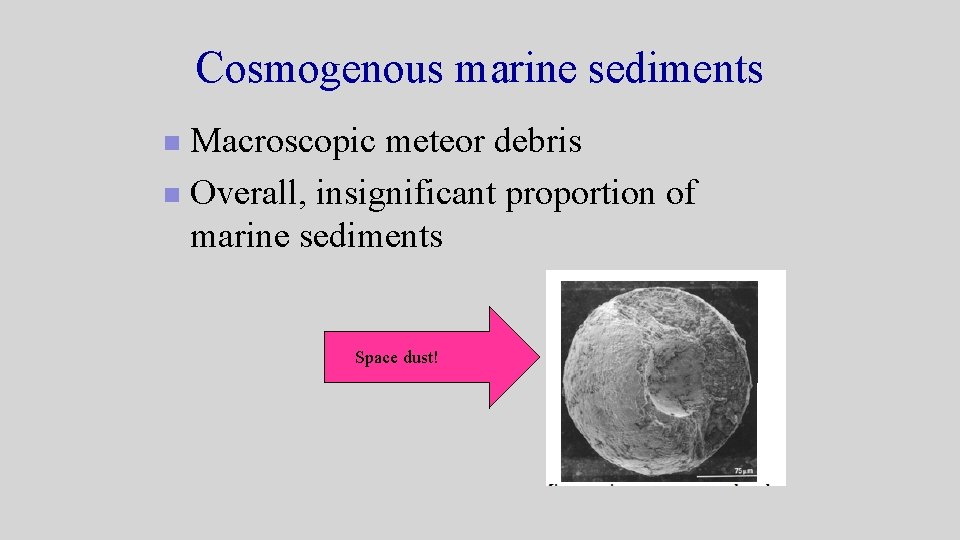
Cosmogenous marine sediments Macroscopic meteor debris n Overall, insignificant proportion of marine sediments n Space dust!
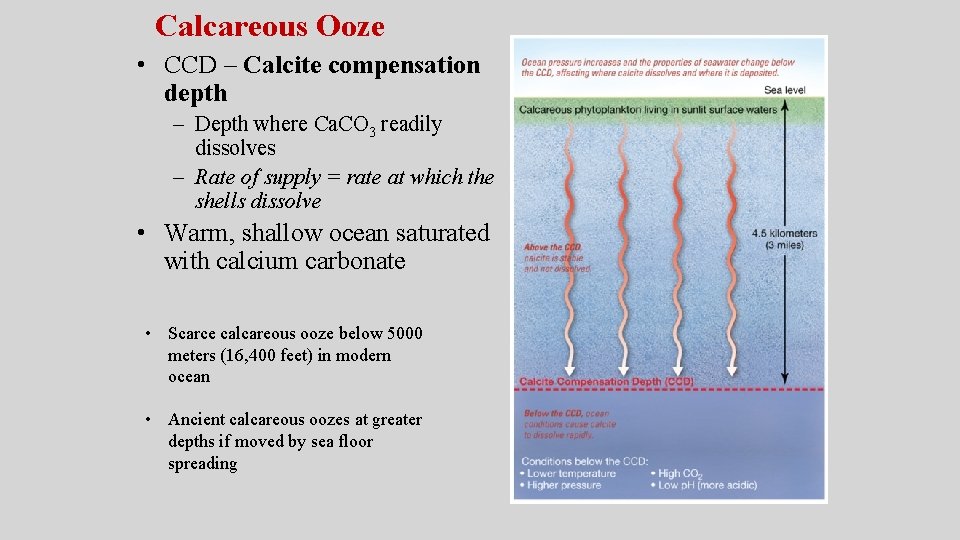
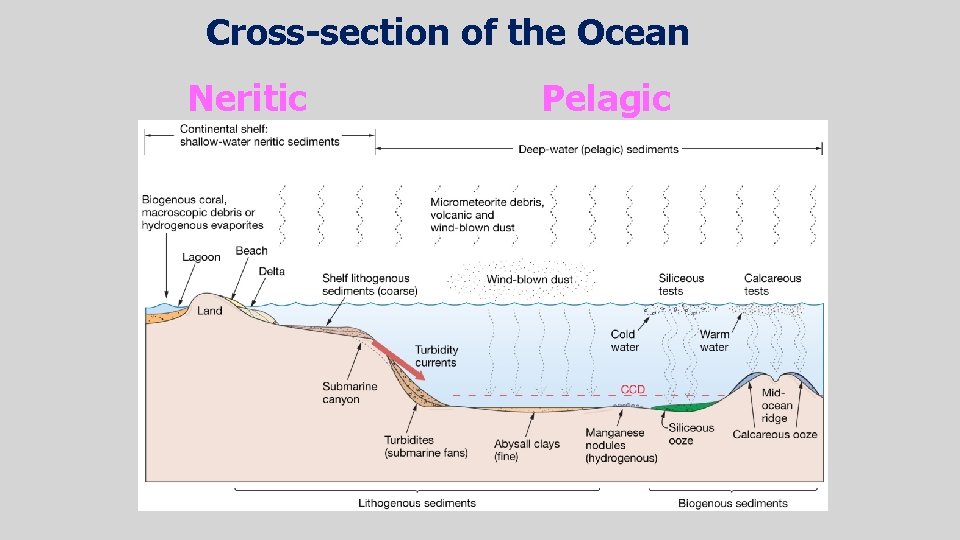
Calcareous Ooze • CCD – Calcite compensation depth – Depth where Ca. CO 3 readily dissolves – Rate of supply = rate at which the shells dissolve • Warm, shallow ocean saturated with calcium carbonate • Scarce calcareous ooze below 5000 meters (16, 400 feet) in modern ocean • Ancient calcareous oozes at greater depths if moved by sea floor spreading
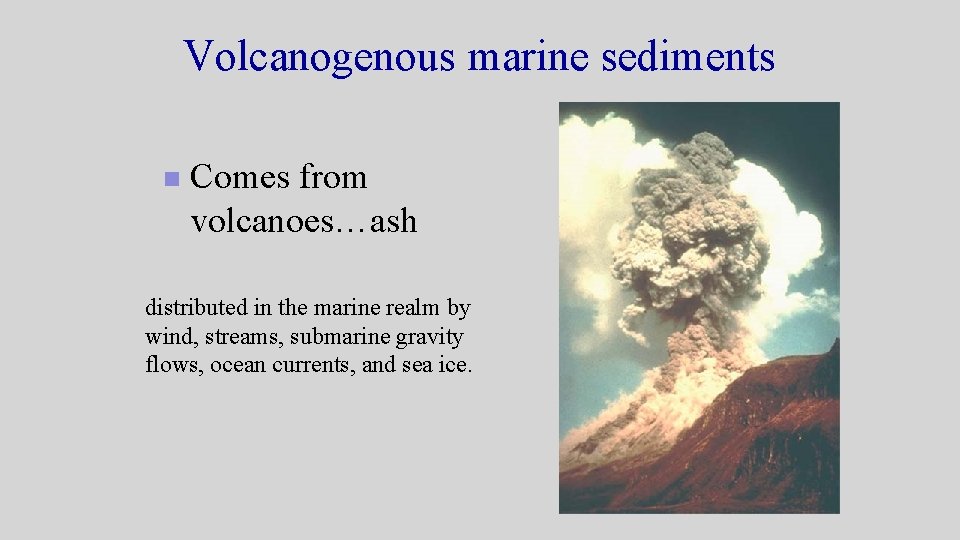
Volcanogenous marine sediments n Comes from volcanoes…ash distributed in the marine realm by wind, streams, submarine gravity flows, ocean currents, and sea ice.
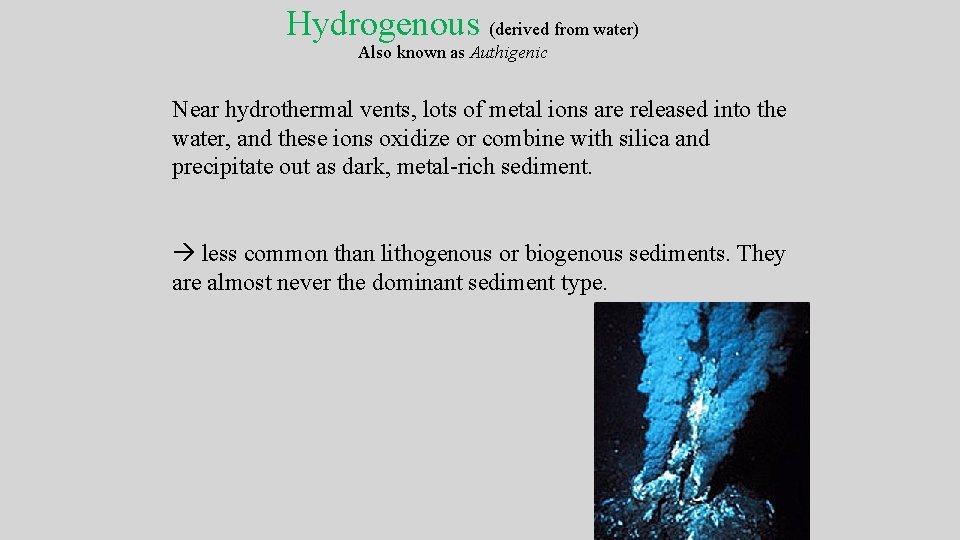
Hydrogenous (derived from water) Also known as Authigenic Near hydrothermal vents, lots of metal ions are released into the water, and these ions oxidize or combine with silica and precipitate out as dark, metal-rich sediment. less common than lithogenous or biogenous sediments. They are almost never the dominant sediment type.
Cross-section of the Ocean Neritic Pelagic