
Section A Applied Anatomy and Physiology 3 Movement

- Slides: 22
Section A: Applied Anatomy and Physiology 3. Movement type
Syllabus • Types of movement which can occur at the previously named joints to include: – Flexion, extension, plantar flexion, dorsi flexion, abduction, adduction, pronation, supination, elevation, depression, rotation, and circumduction
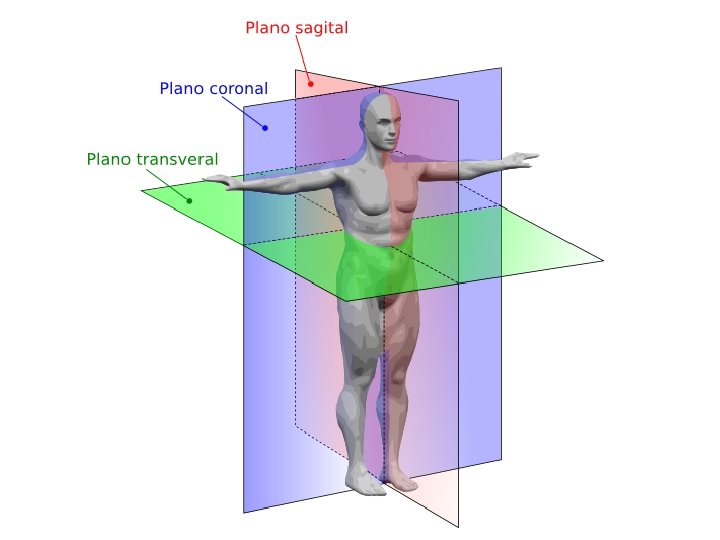
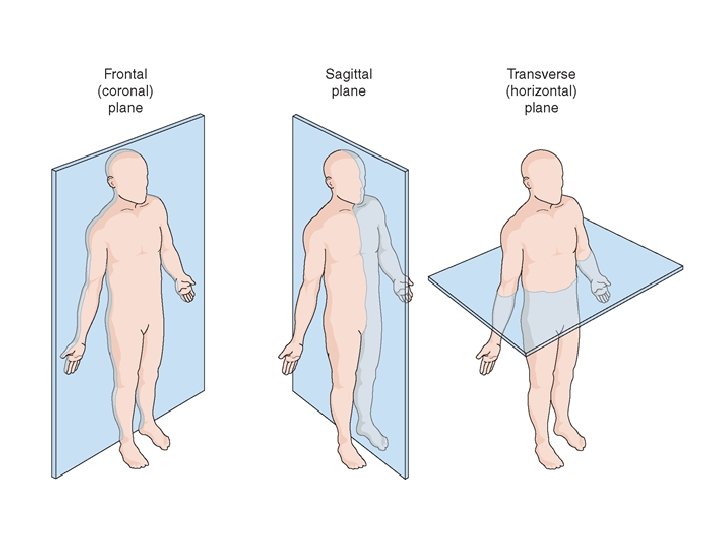
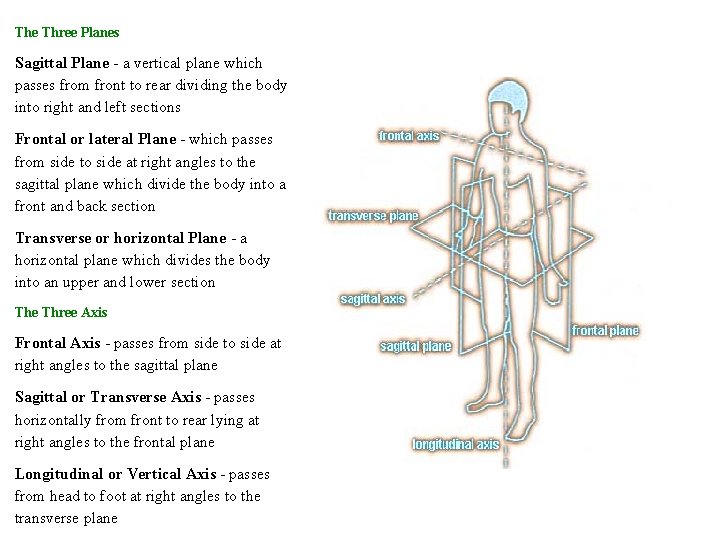
The Three Planes Sagittal Plane - a vertical plane which passes from front to rear dividing the body into right and left sections Frontal or lateral Plane - which passes from side to side at right angles to the sagittal plane which divide the body into a front and back section Transverse or horizontal Plane - a horizontal plane which divides the body into an upper and lower section The Three Axis Frontal Axis - passes from side to side at right angles to the sagittal plane Sagittal or Transverse Axis - passes horizontally from front to rear lying at right angles to the frontal plane Longitudinal or Vertical Axis - passes from head to foot at right angles to the transverse plane
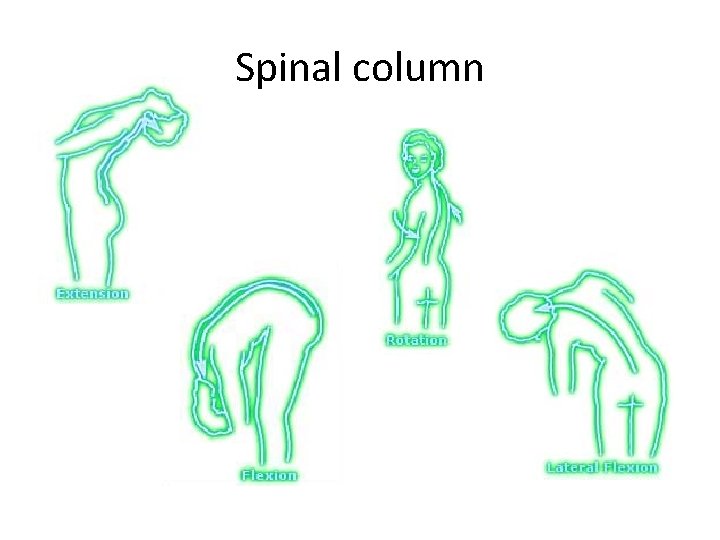
Spinal column
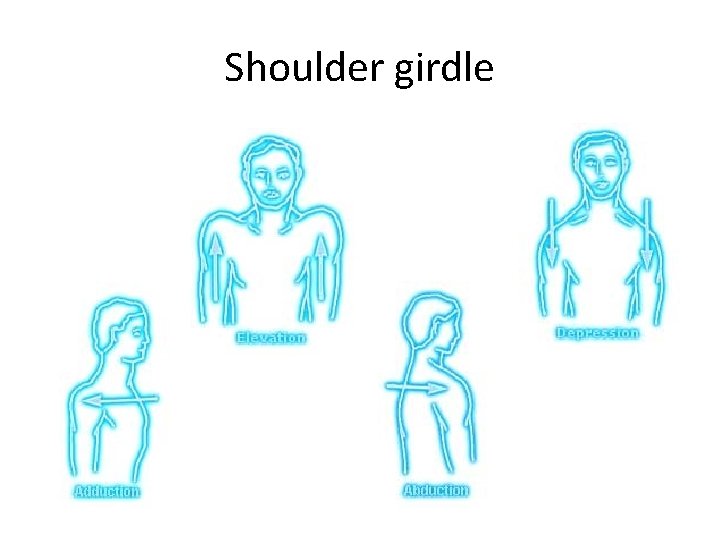
Shoulder girdle
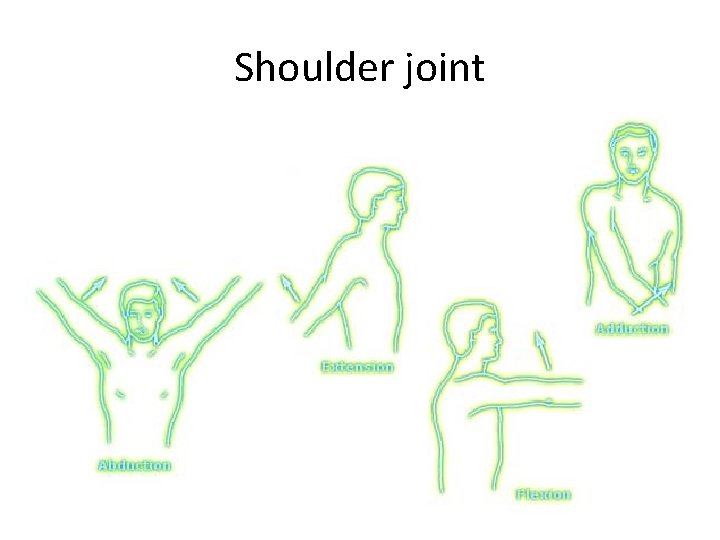
Shoulder joint
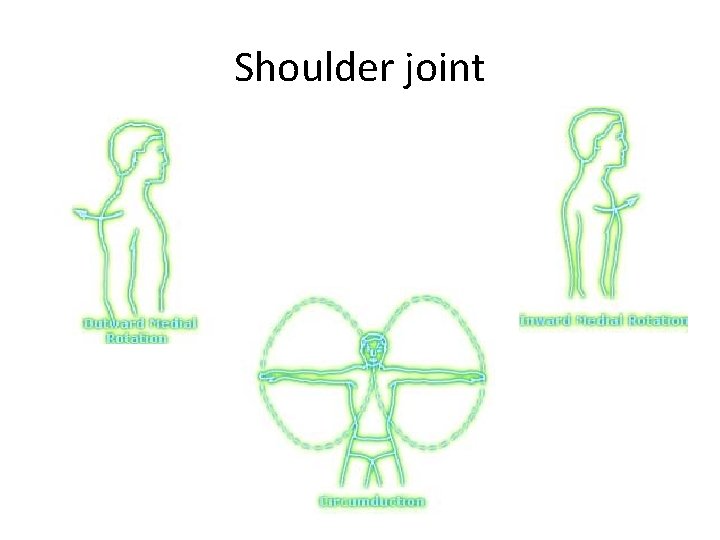
Shoulder joint
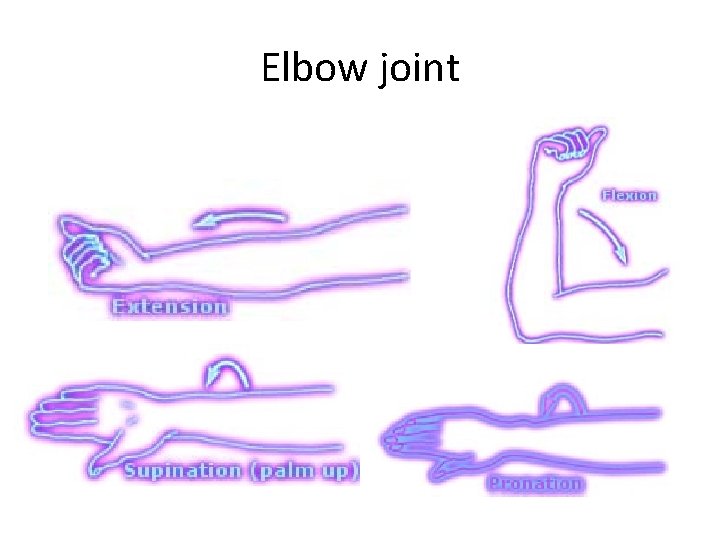
Elbow joint
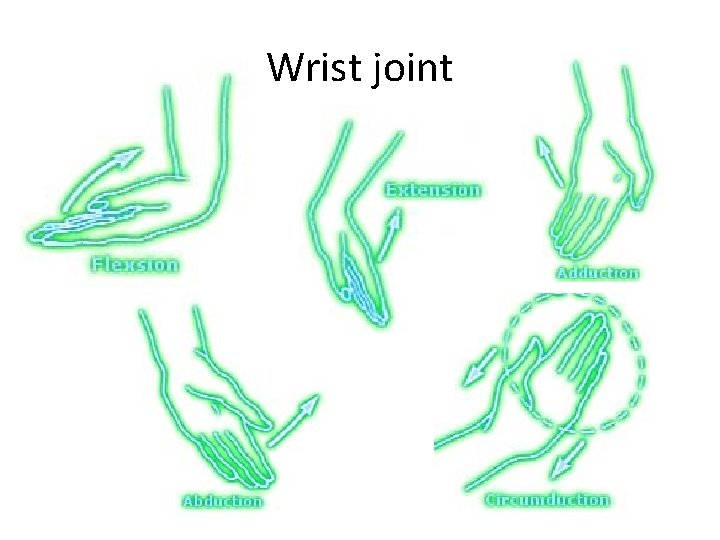
Wrist joint
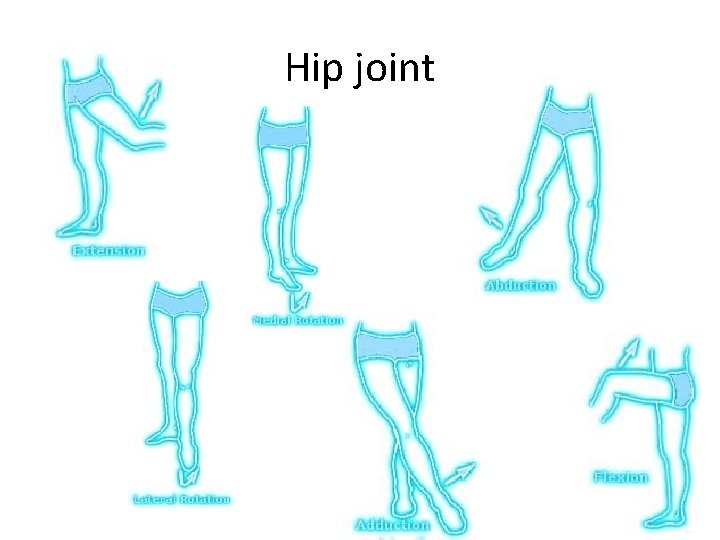
Hip joint
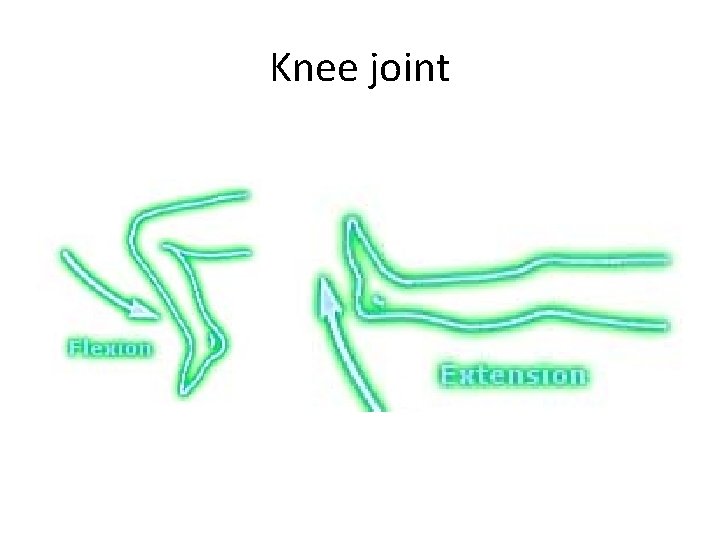
Knee joint
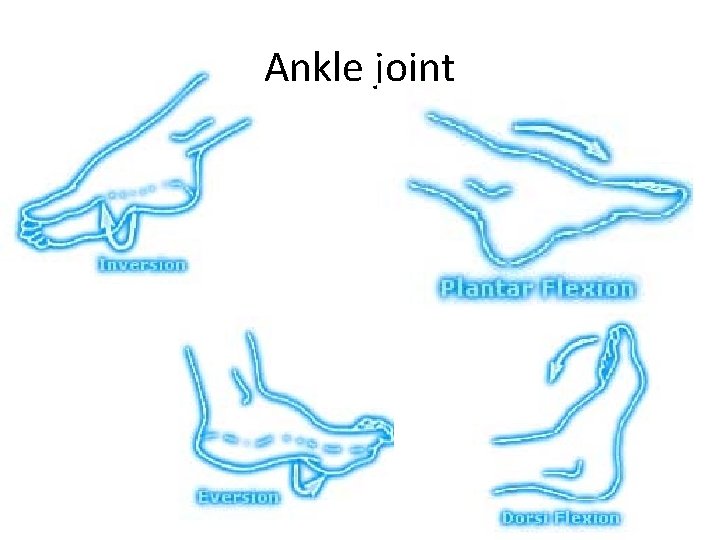
Ankle joint
Types of Movement
Types of Movement
Types of Movement
Movement at Joints • Gliding – Back and forth and side to side – Little change in angle between bones
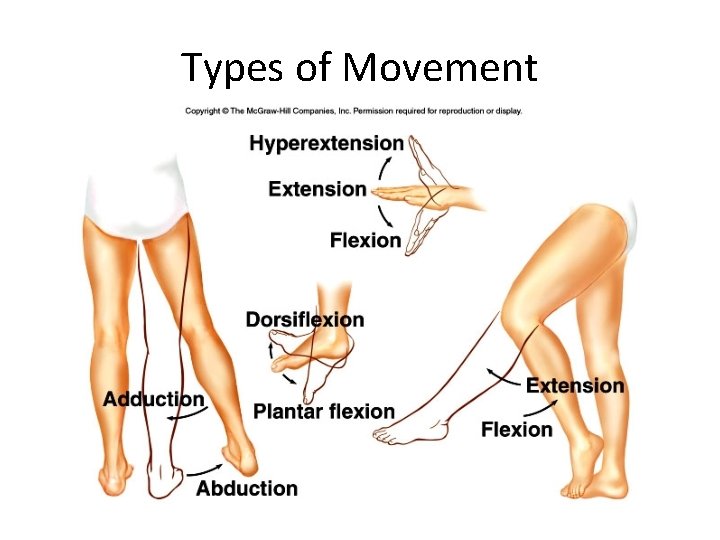
Angular Movement • Flexion – Decrease angle – Sagittal plane • Lateral flexion – Movement of trunk – Frontal plane • Extension – Increase angle – Sagittal plane • Hyperextension – Beyond anatomical position
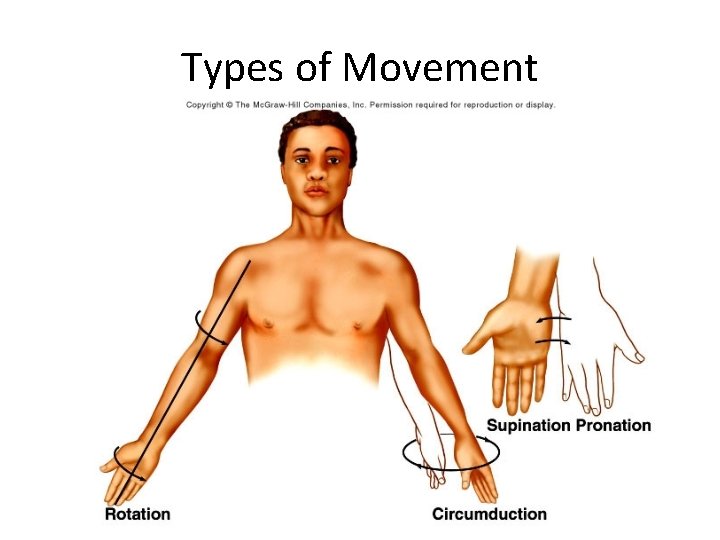
Angular Movement • Abduction – Away from midline – Frontal plane • Adduction – Toward midline – Frontal plane • Circumduction – Distal end of a body part moves in a circle • Rotation – Movement of a bone around its longitudinal axis
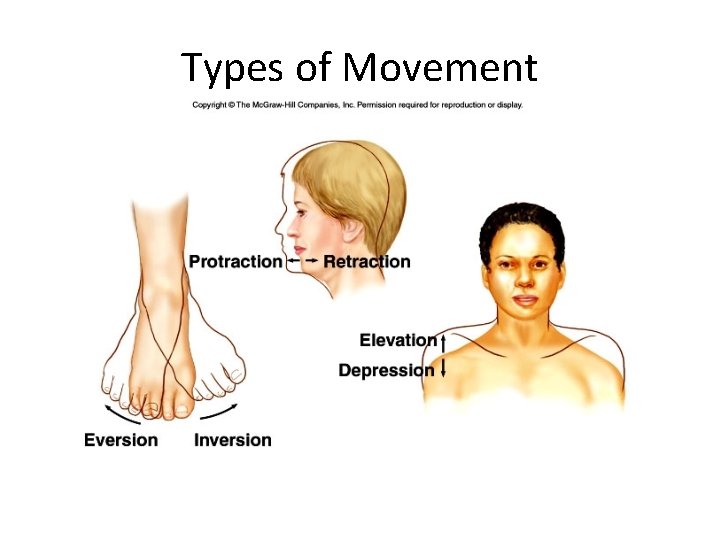
Special Movement • Elevation • Protraction – Transverse plane • Depression • Retraction – Transverse plane
Special Movement • Inversion – Medial movement • Eversion – Lateral movement • Dorsiflexion – Bending of foot in direction of superior surface • Plantar flexion – Bending of foot in direction of sole