
Section 3 The Protestant Reformation Daily Objectives Discuss

Section 3 The Protestant Reformation
Daily Objectives • Discuss the major goal of humanism in northern Europe, which was to reform Christendom. • Explain how Martin Luther’s religious reforms led to the emergence of Protestantism.
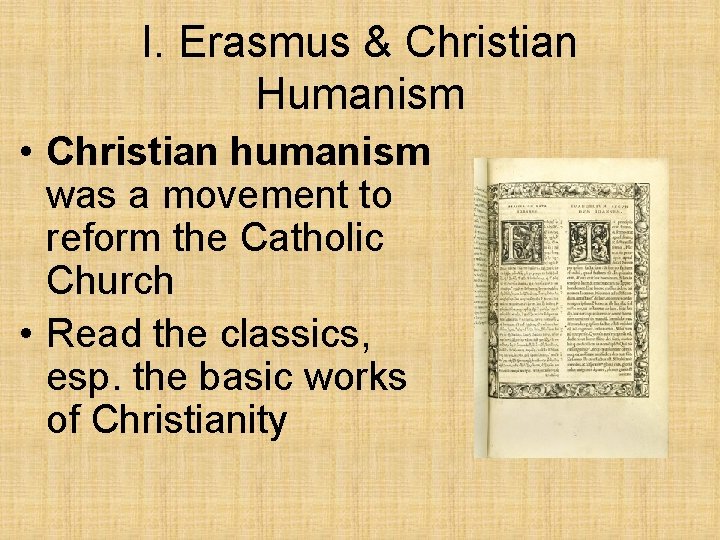
I. Erasmus & Christian Humanism • Christian humanism was a movement to reform the Catholic Church • Read the classics, esp. the basic works of Christianity
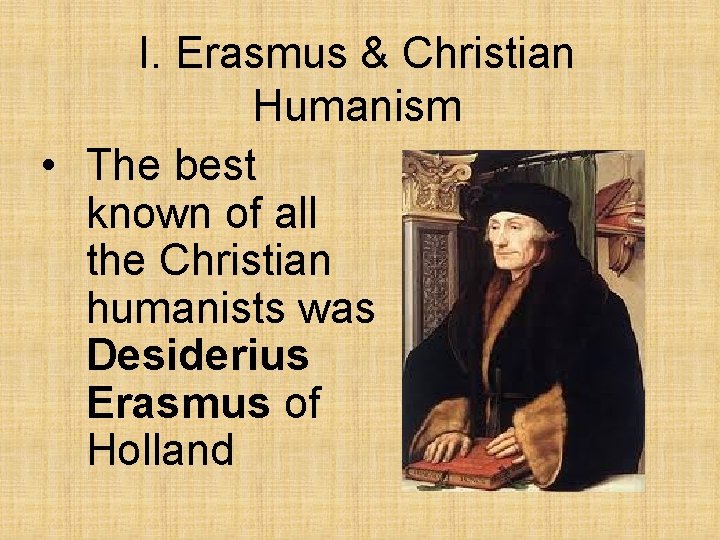
I. Erasmus & Christian Humanism • The best known of all the Christian humanists was Desiderius Erasmus of Holland
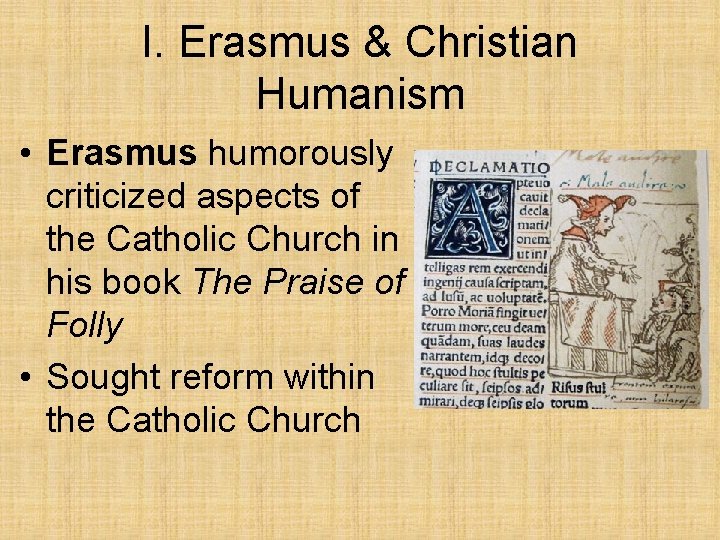
I. Erasmus & Christian Humanism • Erasmus humorously criticized aspects of the Catholic Church in his book The Praise of Folly • Sought reform within the Catholic Church
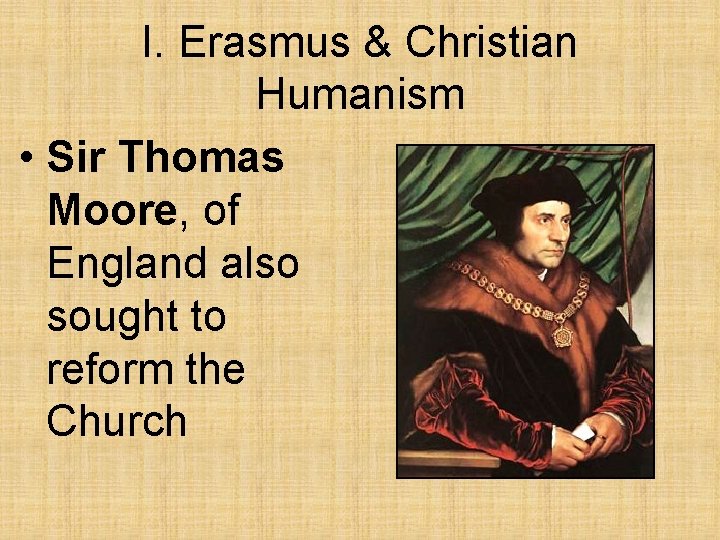
I. Erasmus & Christian Humanism • Sir Thomas Moore, of England also sought to reform the Church
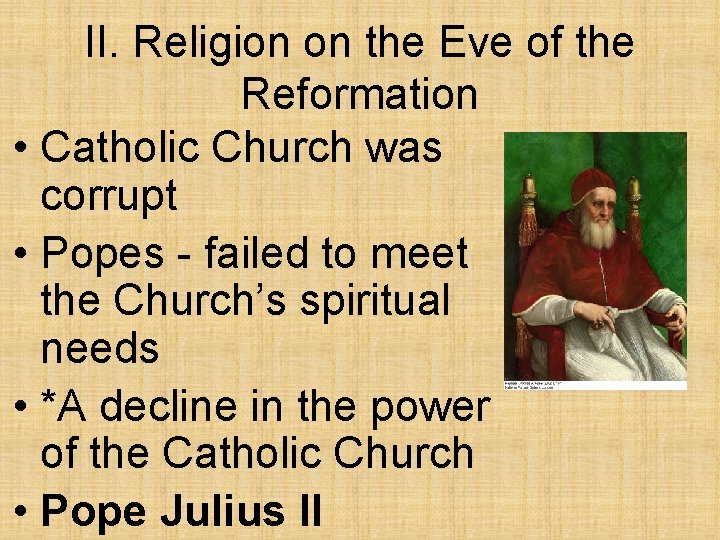
II. Religion on the Eve of the Reformation • Catholic Church was corrupt • Popes - failed to meet the Church’s spiritual needs • *A decline in the power of the Catholic Church • Pope Julius II
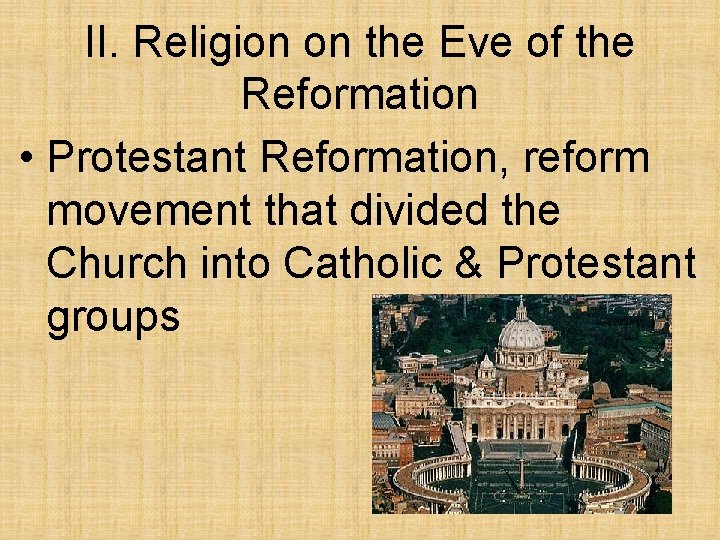
II. Religion on the Eve of the Reformation • Protestant Reformation, reform movement that divided the Church into Catholic & Protestant groups
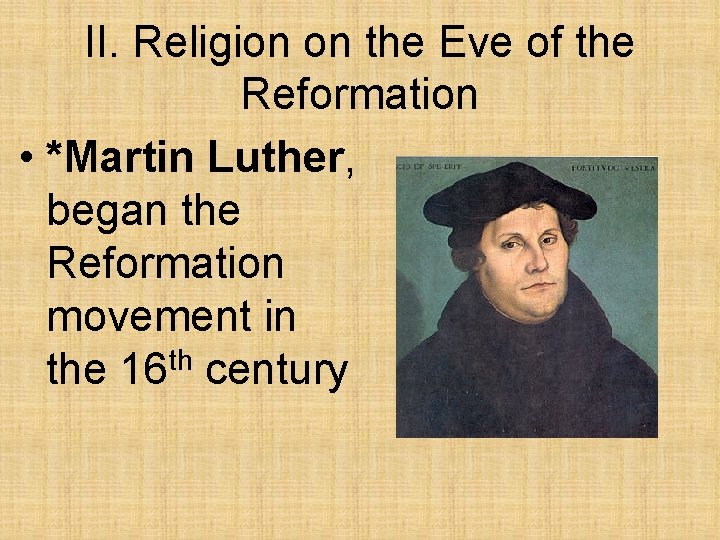
II. Religion on the Eve of the Reformation • *Martin Luther, began the Reformation movement in the 16 th century
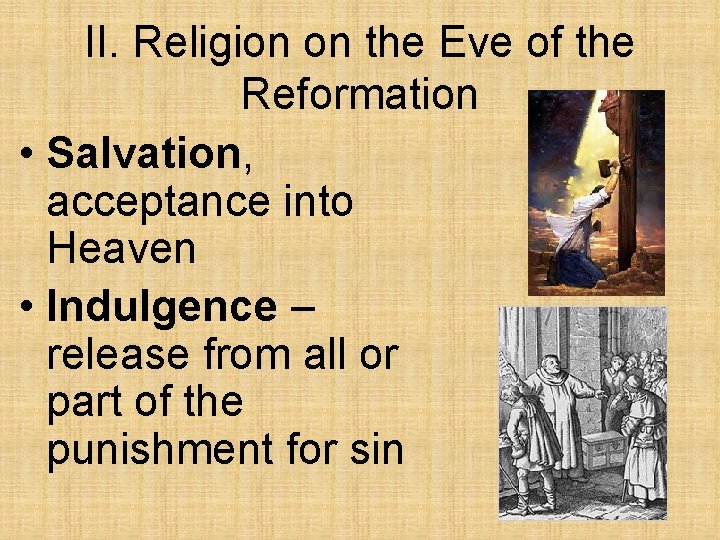
II. Religion on the Eve of the Reformation • Salvation, acceptance into Heaven • Indulgence – release from all or part of the punishment for sin
III. Martin Luther • Luther came to believe that humans are not saved through good works but through their faith in God • Luther’s ideas “justification by faith” became the chief teachings of the Protestant Reformation
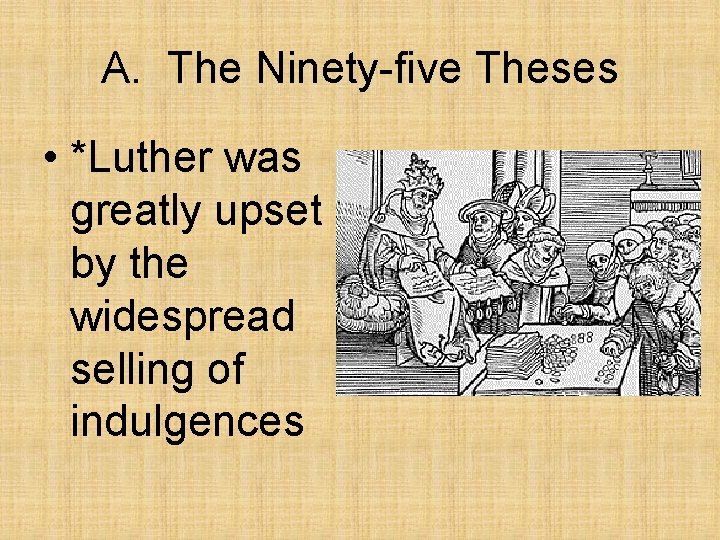
A. The Ninety-five Theses • *Luther was greatly upset by the widespread selling of indulgences
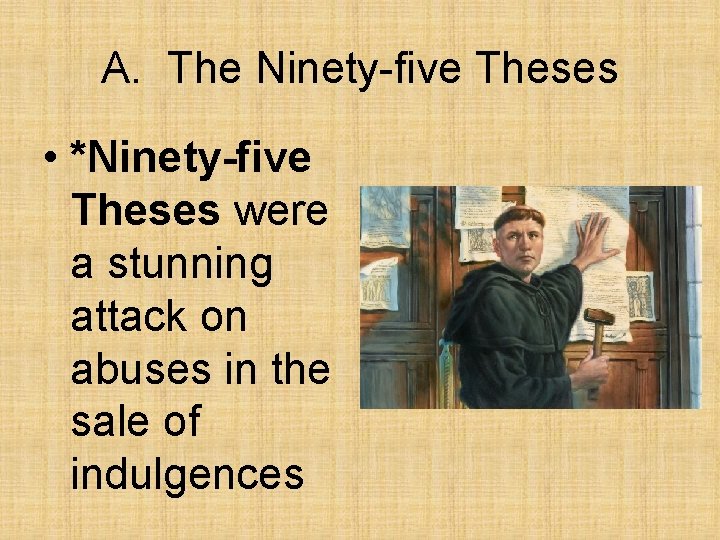
A. The Ninety-five Theses • *Ninety-five Theses were a stunning attack on abuses in the sale of indulgences
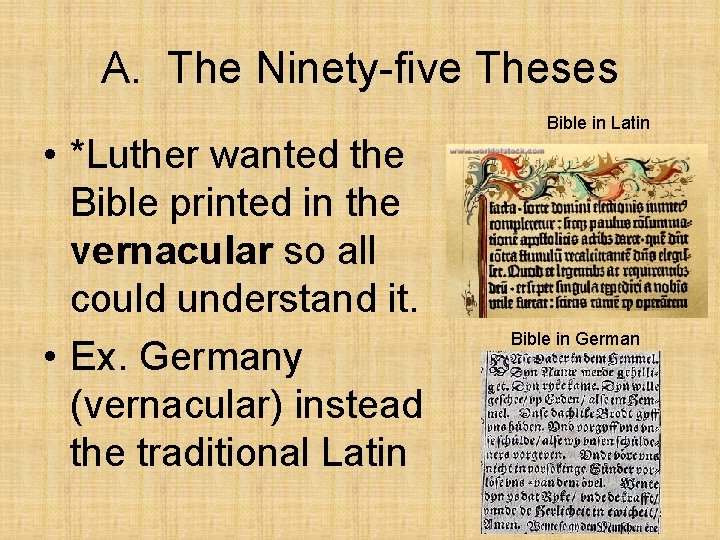
A. The Ninety-five Theses • *Luther wanted the Bible printed in the vernacular so all could understand it. • Ex. Germany (vernacular) instead the traditional Latin Bible in German
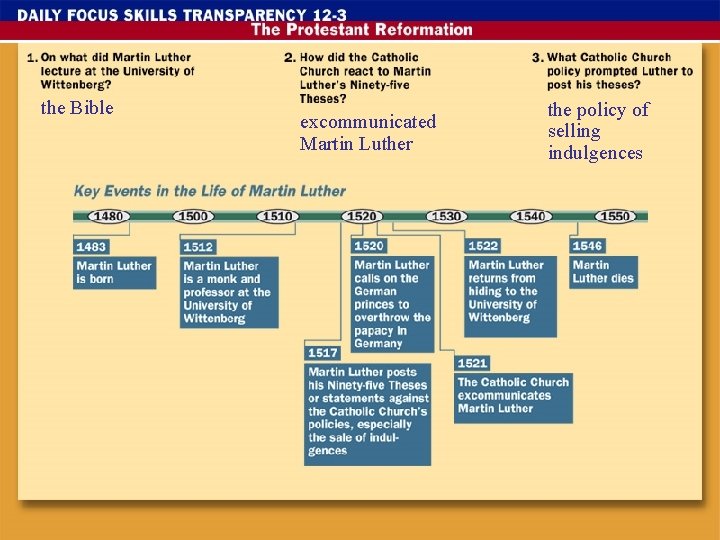
the Bible excommunicated Martin Luther the policy of selling indulgences
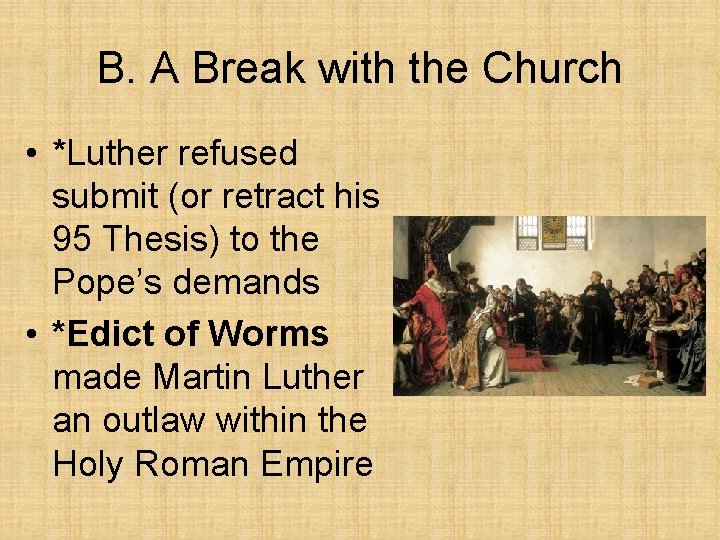
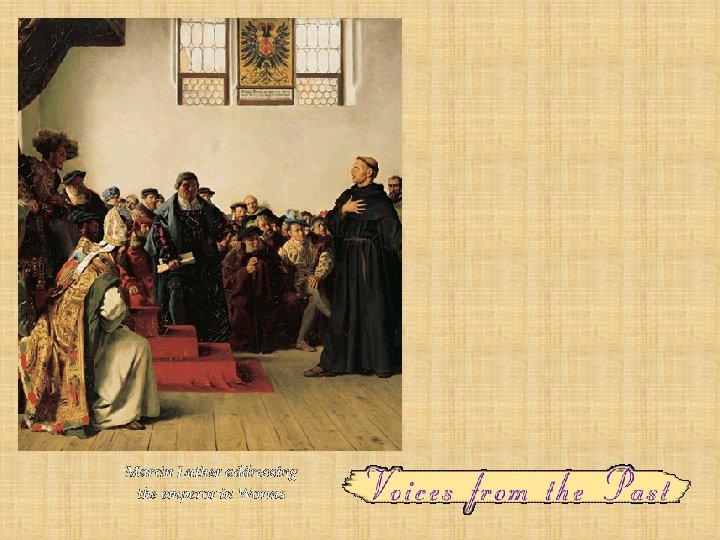
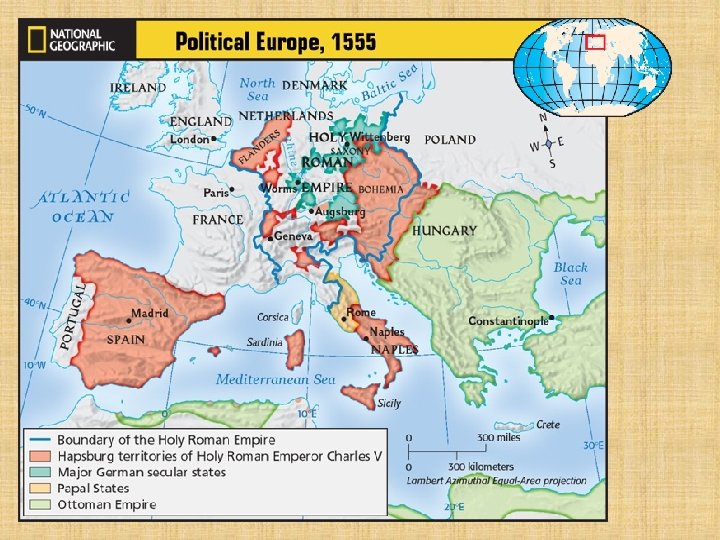
B. A Break with the Church • *Luther refused submit (or retract his 95 Thesis) to the Pope’s demands • *Edict of Worms made Martin Luther an outlaw within the Holy Roman Empire
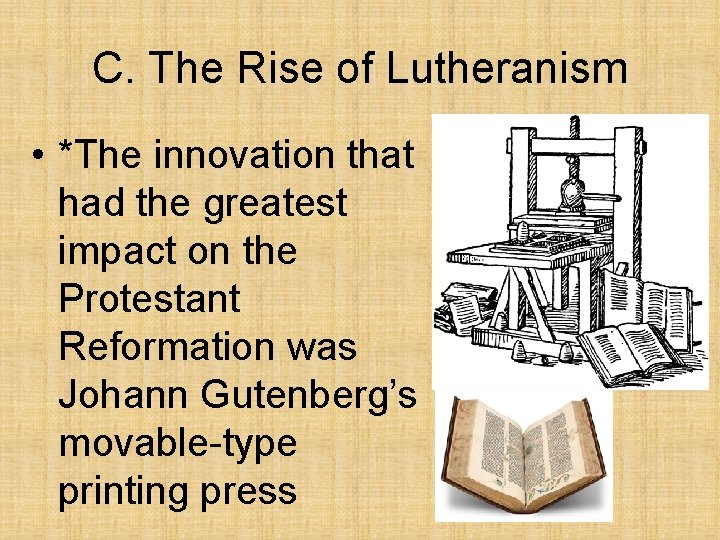
C. The Rise of Lutheranism • *The innovation that had the greatest impact on the Protestant Reformation was Johann Gutenberg’s movable-type printing press
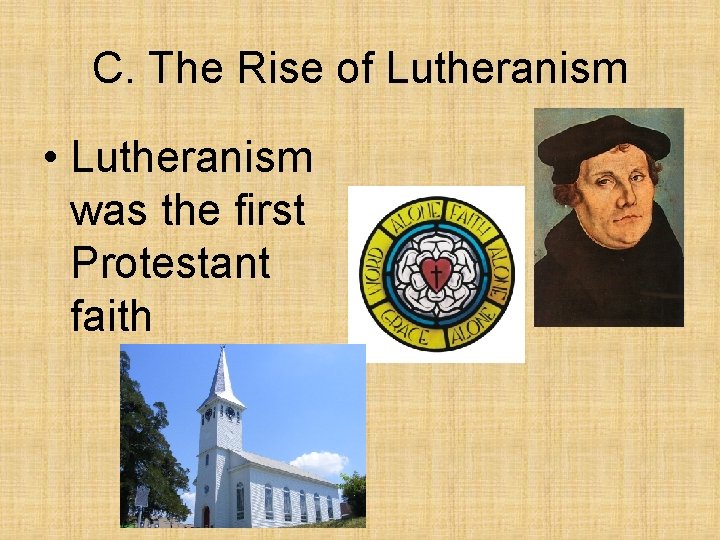
C. The Rise of Lutheranism • Lutheranism was the first Protestant faith
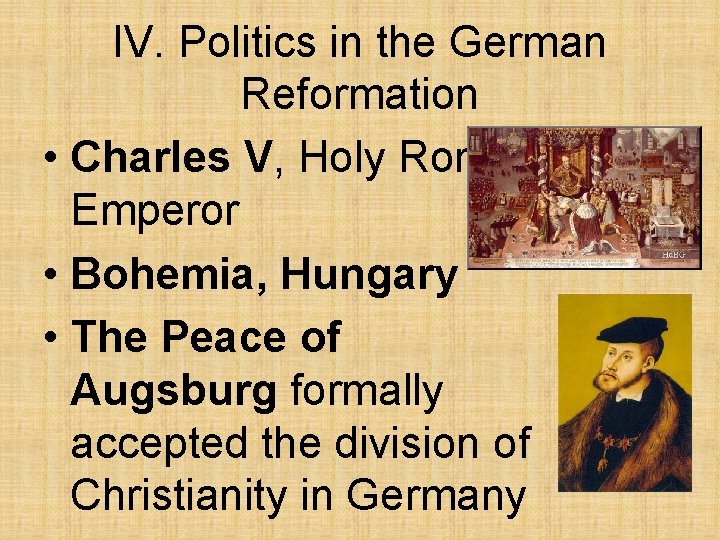
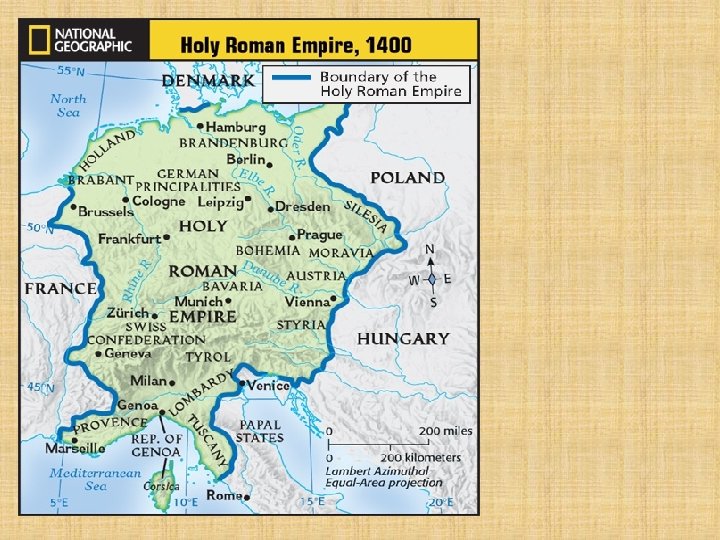
IV. Politics in the German Reformation • Charles V, Holy Roman Emperor • Bohemia, Hungary • The Peace of Augsburg formally accepted the division of Christianity in Germany
Section 4 The Spread of Protestantism & the Catholic Response
Daily Objectives • Summarize the different forms of Protestantism that emerged in Europe as the Reformation spread. • Summarize the religious rebirth of the Catholic Church.
I. The Zwinglian Reformation • Ulrich Zwingli a priest who led a Protestant reform movement in Zurich Switzerland • Introduced religious reforms, relics and images were abolished
I. The Zwinglian Reformation • New church services, reading, prayer and sermons • Zwingli, Later killed by his enemies
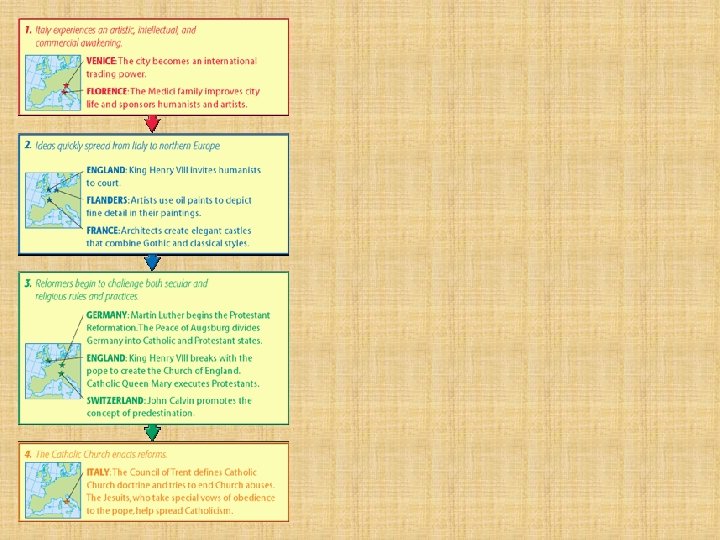
II. Calvin & Calvinism • John Calvin, in 1536, published the Institutions of the Christian Religion • Stood very close to Luther on most doctrine • *Predestination, God had determined in advance who would be saved and who would be damned
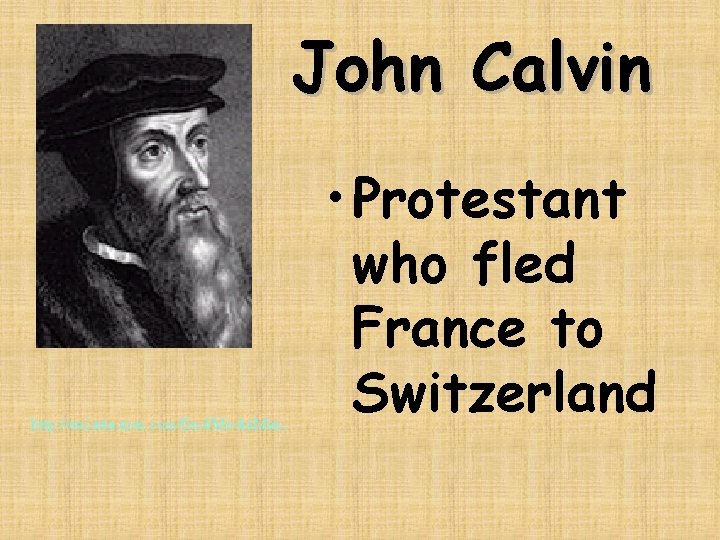
John Calvin http: //encarta. msn. com/find/Media. Max. • Protestant who fled France to Switzerland
II. Calvin & Calvinism • In 1536, Calvin began working to reform the City of Geneva • The Consistory, a special body for enforcing moral discipline was set up to punish people for varies “crimes” like dancing, singing obscene songs, drunkenness, swearing and playing cards
III. The Reformation in England • King Henry VIII, king of England • Needed a male heir • *Annul, declare invalid • Act of Supremacy, declared that the king was the supreme head of the Church of England
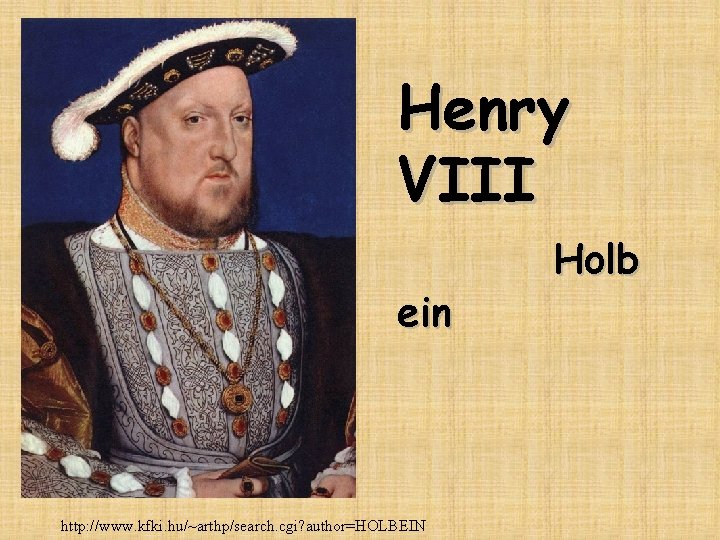
Henry VIII ein http: //www. kfki. hu/~arthp/search. cgi? author=HOLBEIN Holb
III. The Reformation in England • Henry used his new powers to dissolve the monasteries and sell their land possessions • The Church of England, is also known as the Anglican Church • Children – Edward VI, Mary, Elizabeth
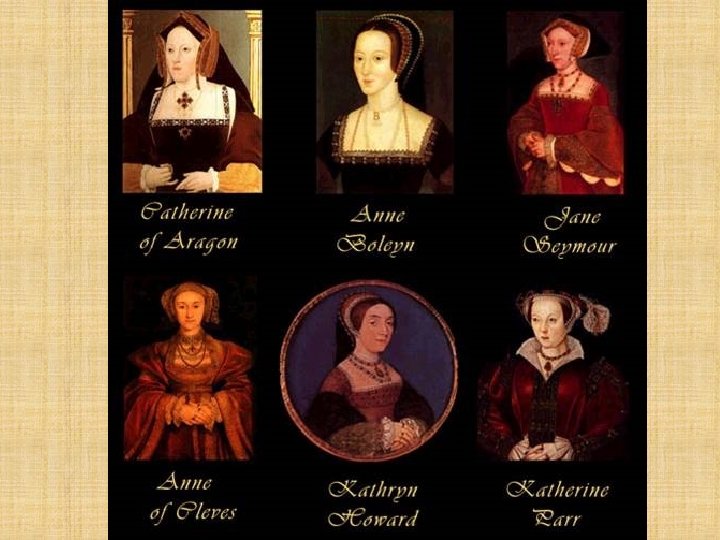
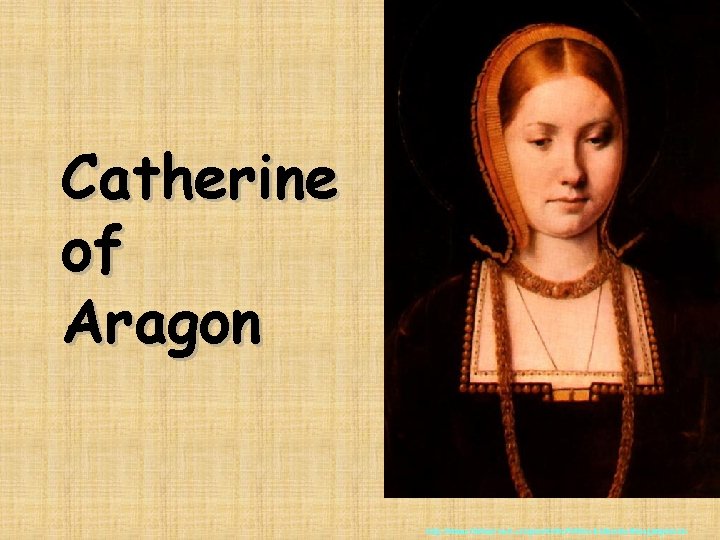
Catherine of Aragon http: //home. hiwaay. net/~crispen/tudor/6 wives/katherineofaragonportrait
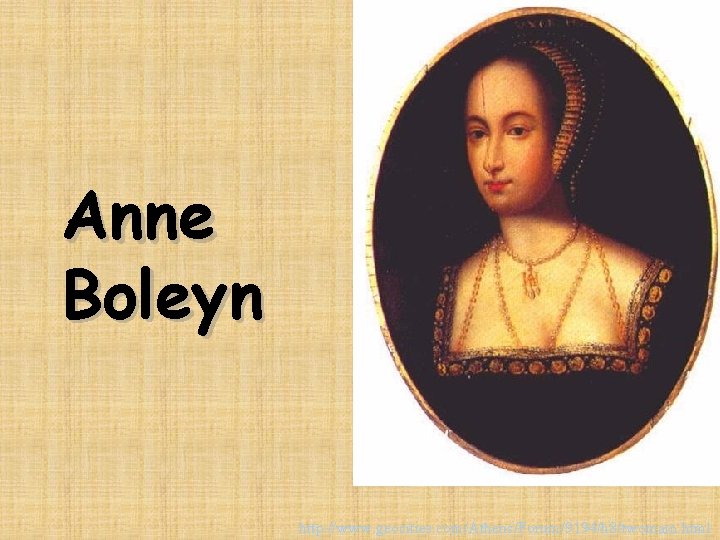
Anne Boleyn http: //www. geocities. com/Athens/Forum/9194/h 8/twomain. html
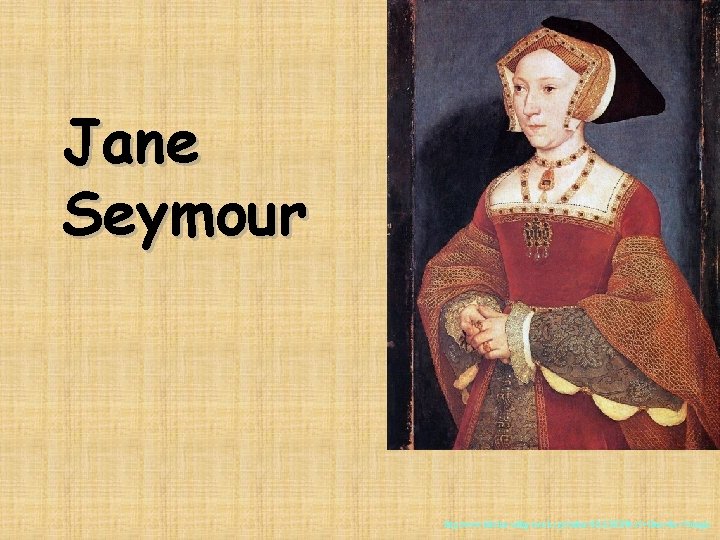
Jane Seymour http: //www. kfki. hu/~arthp/search. cgi? author=HOLBEIN%2 C+Hans+the+Younger
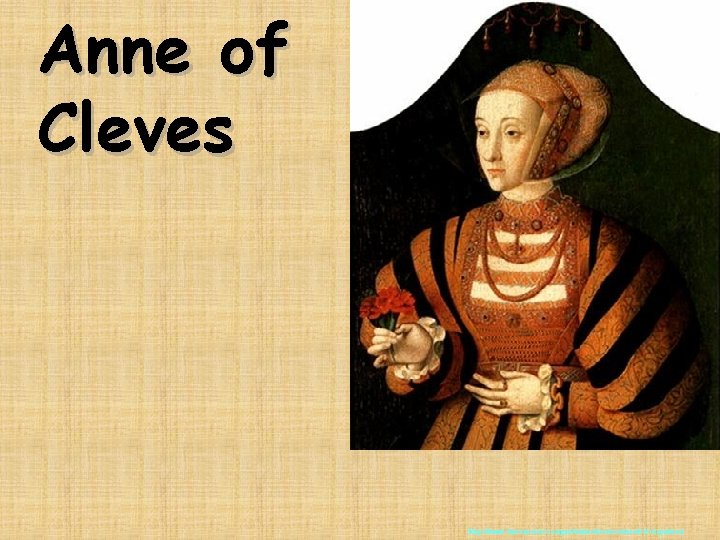
Anne of Cleves http: //home. hiwaay. net/~crispen/tudor/6 wives/anneofclevesportrait
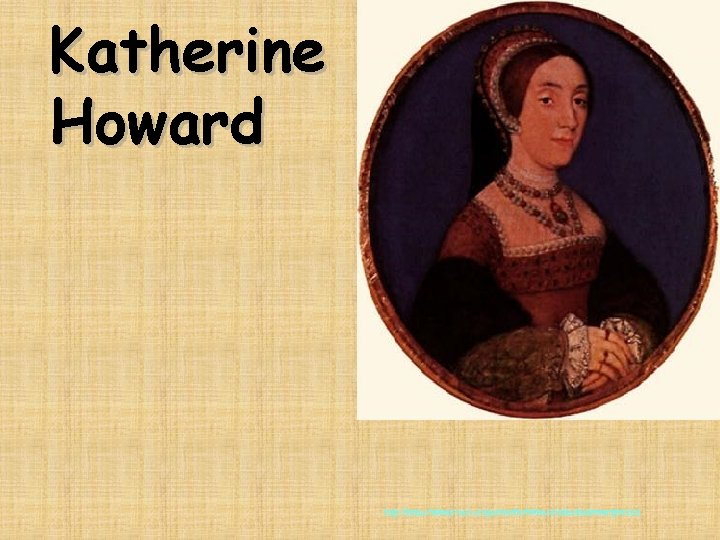
Katherine Howard http: //home. hiwaay. net/~crispen/tudor/6 wives/katherinehowardportrait.
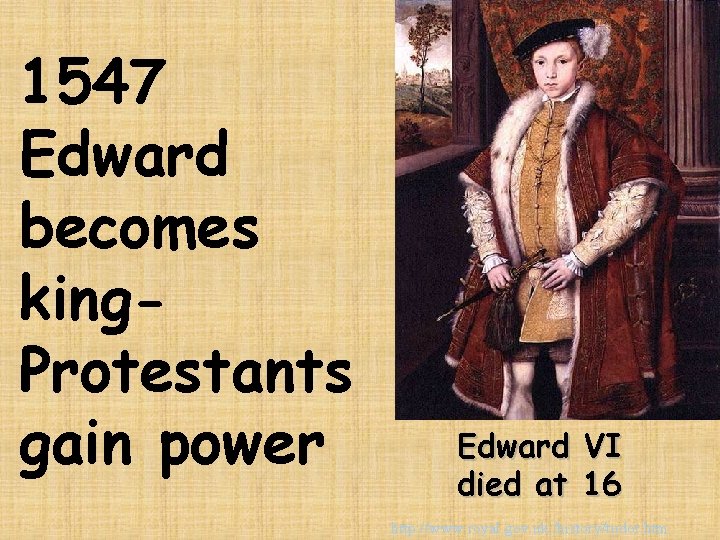
1547 Edward becomes king. Protestants gain power Edward VI died at 16 http: //www. royal. gov. uk. /history/tudor. htm
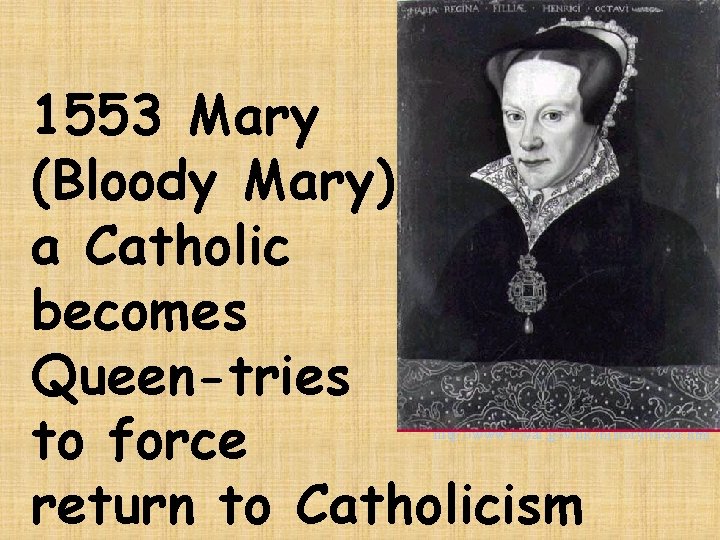
1553 Mary (Bloody Mary), a Catholic becomes Queen-tries to force return to Catholicism http: //www. royal. gov. uk. /history/tudor. htm
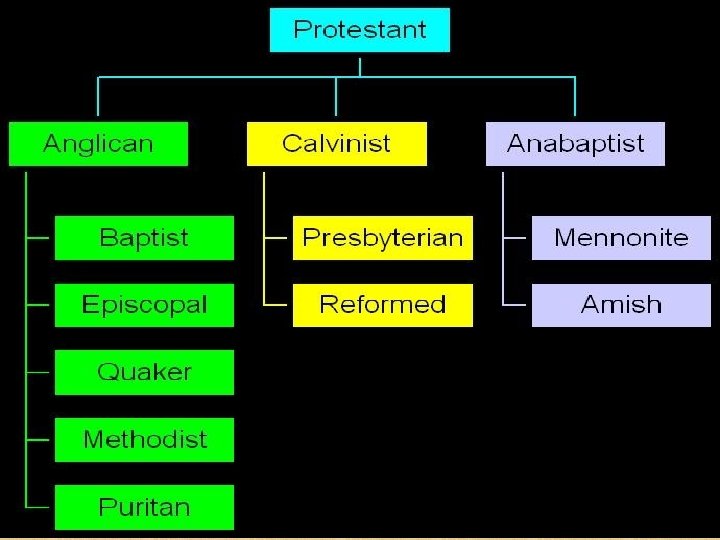
IV. The Anabaptists • *The Anabaptists were regarded as dangerous radicals who threatened the very fabric of 16 th century society • Belief in adult baptism, chose its own minister, separation of church and state, refused to hold public office or bear arms
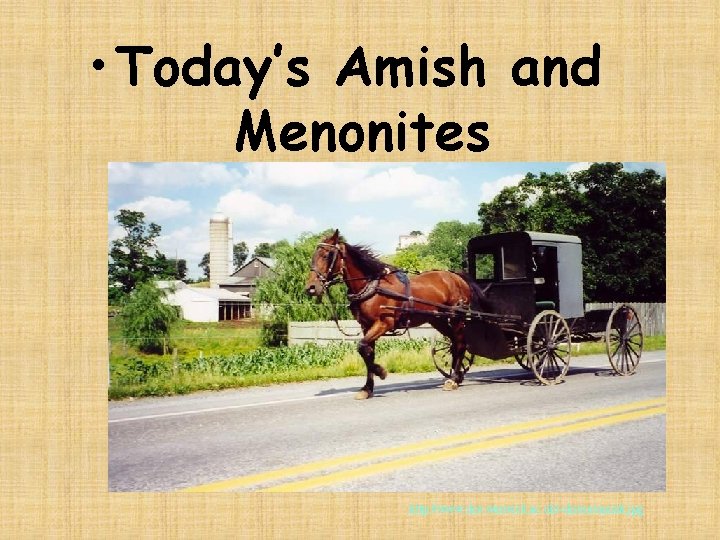
• Today’s Amish and Menonites http: //www. dcs. warwick. ac. uk/~doron/amish. jpg
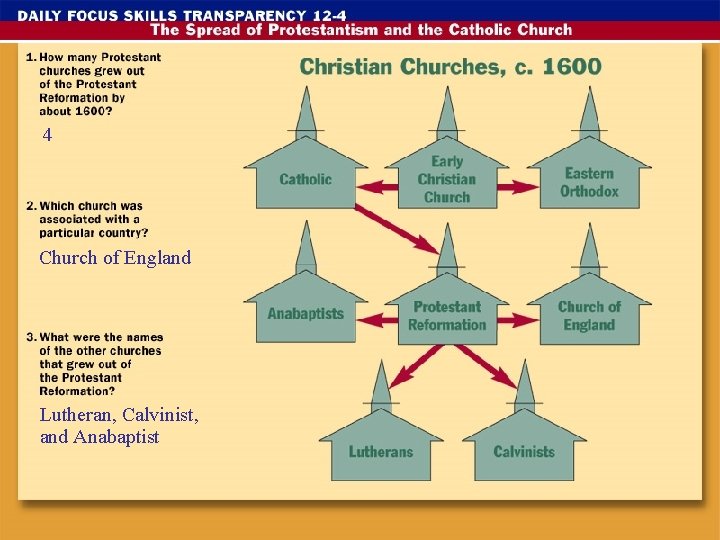
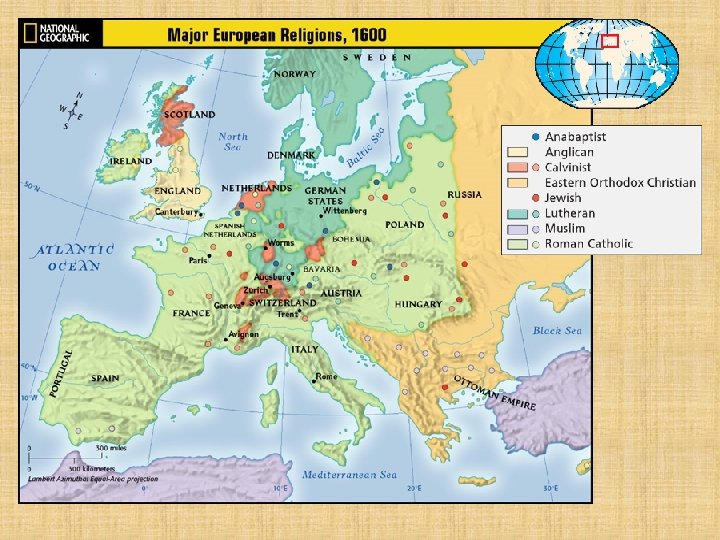
4 Church of England Lutheran, Calvinist, and Anabaptist
V. Effects of the Role of Women • * Overall, the Protestant Reformation did not change women’s subordinate place in society
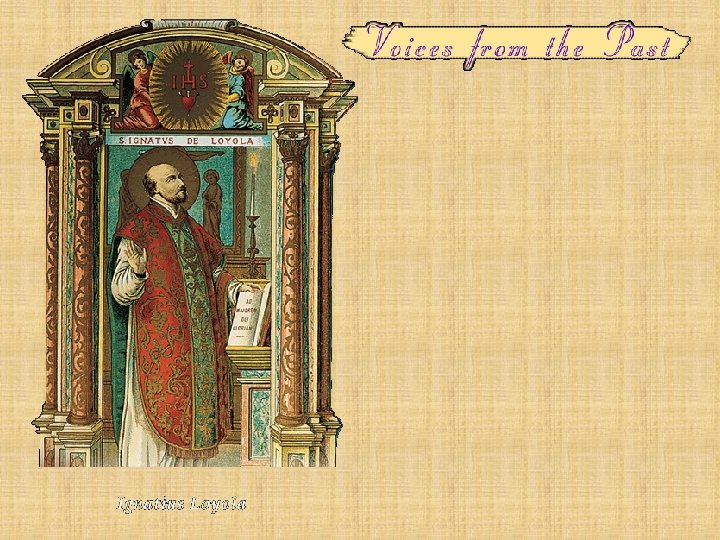
VI. The Catholic Reformation § 1. The Jesuits, 2. reform of the papacy, and 3. the Council of Trent § 1. *The Society of Jesus, known as the Jesuits, was founded by a Spanish noblemen, Ignatius of Loyola
VI. The Catholic Reformation § 1. Jesuits were a religious order of the Catholic Church § Used education to spread their message § Missionary work
VI. The Catholic Reformation § 2. Reform of the Papacy § Reform Commission blamed the Church’s problems on the corrupt policies of the popes
VI. The Catholic Reformation § *3. Council of Trent, reaffirmed traditional Catholic teachings in opposition to Protestant beliefs § Both faith & good works needed for salvation, seven sacraments, clerical celibacy
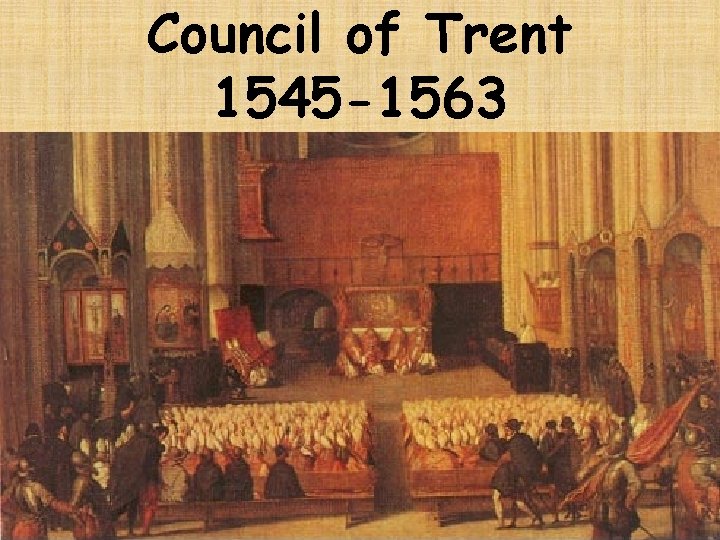
Council of Trent 1545 -1563
VI. The Catholic Reformation § Selling of indulgences was forbidden
- Slides: 54