
Section 3 Behavior of Waves Key Concepts How
Section 3 Behavior of Waves
Key Concepts • How does reflection change a wave? • What causes the refraction of a wave when it enters a new medium? • What factors affect the amount of diffraction of a wave? • What are two types of interference? • What wavelengths will produce a standing wave?
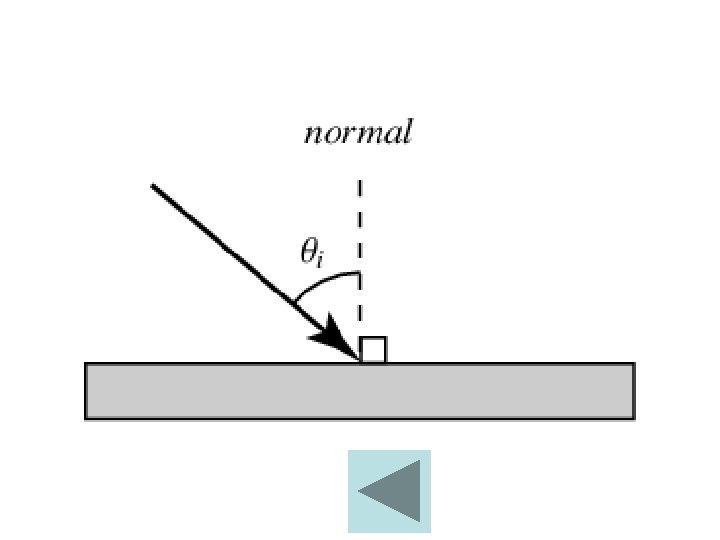
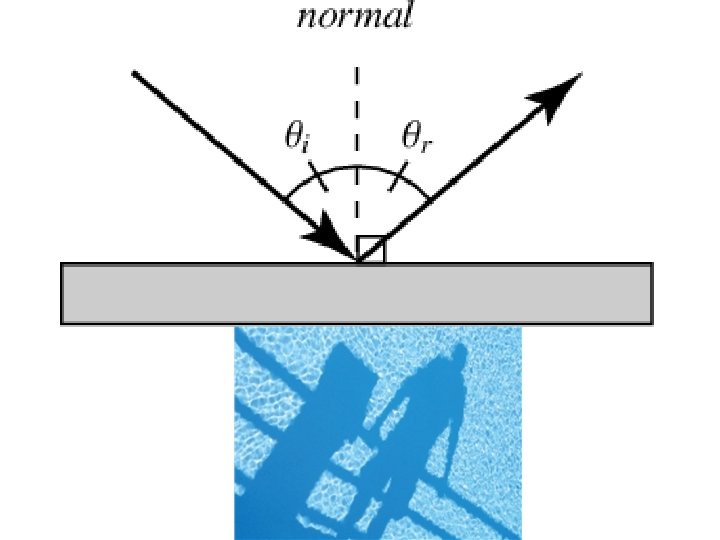
Reflection • The bouncing back of a wave after it strikes a boundary that does not absorb all the wave’s energy • Angle of incidence = angle at which the wave hits the boundary • Angle of Reflection = angle at which the wave bounces off the boundary • Angle of Incidence = Angle of Reflection • Reflection does not change the speed or frequency of a wave, but the wave can be flipped upside down.
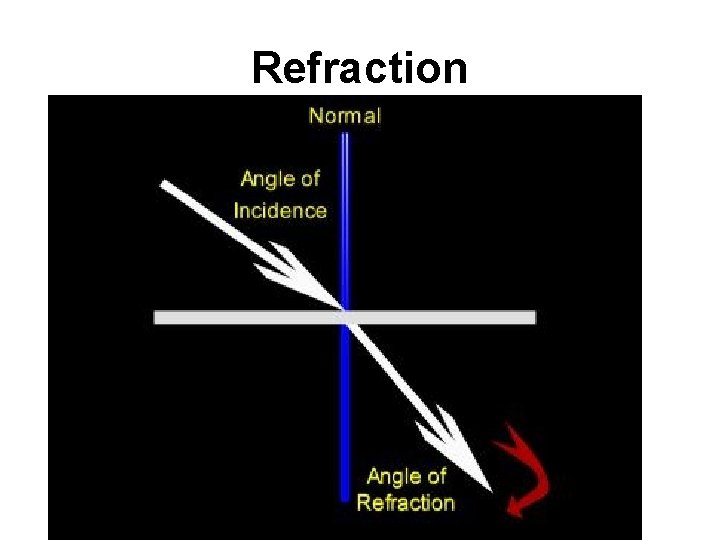
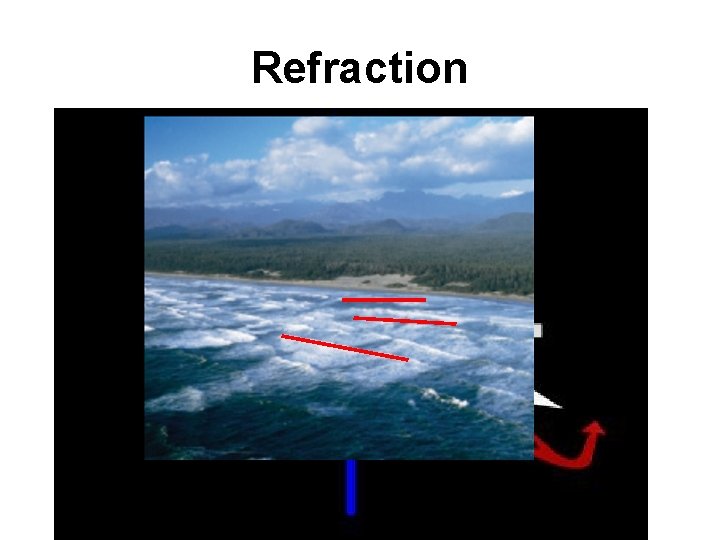
Refraction • The bending of waves due to a change in speed. • Occurs because waves move at different speeds through different mediums. • When a wave enters a medium at an angle, refraction occurs because one side of the wave moves more slowly than the other side.
Refraction
Refraction
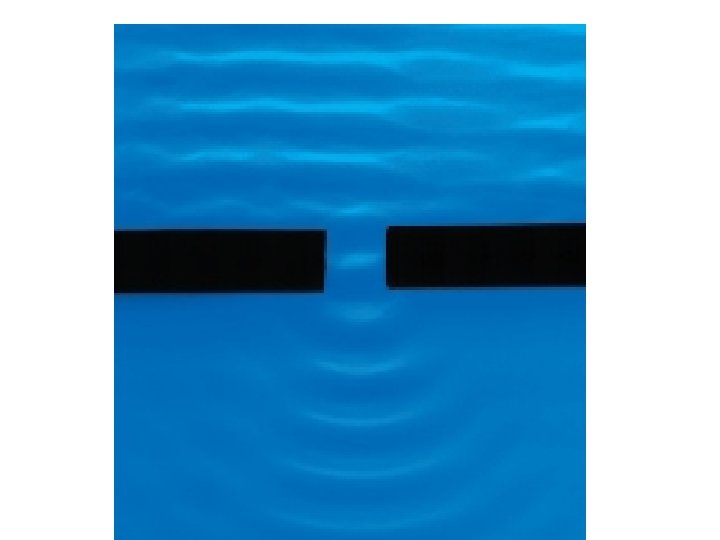
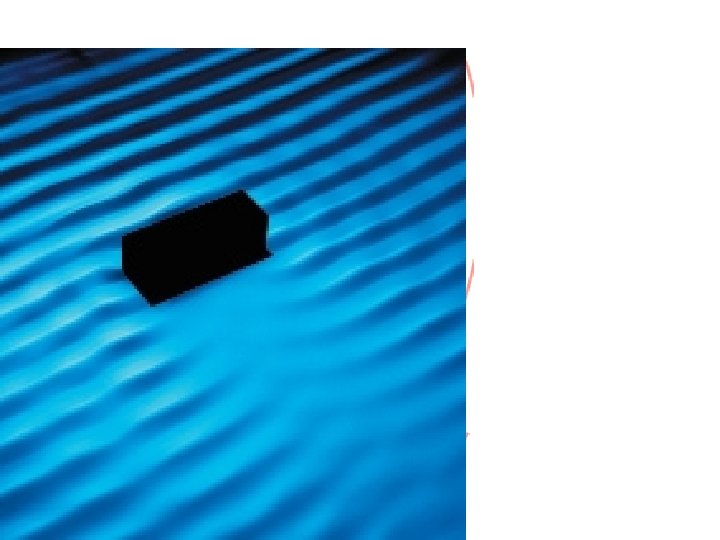
Diffraction • The bending of waves around the edge of an obstacle • Diffraction is the result of a new series of waves being formed when the original waves strike an obstacle. • A wave diffracts more if its wavelength is large compared to the size of an opening or obstacle.
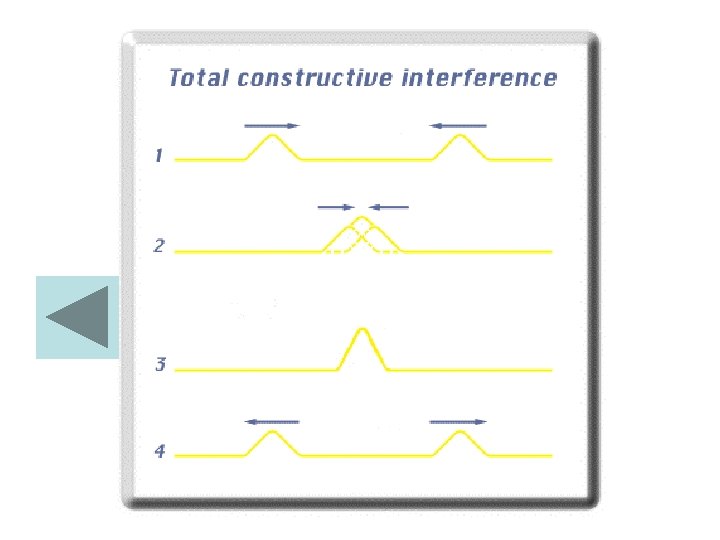
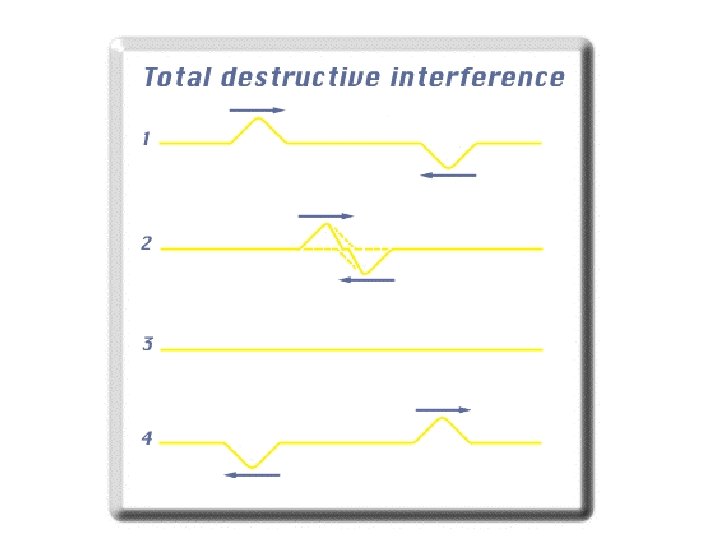
Interference • When two waves arrive in the same place at the same time, they interact • There are two types of interaction: • Constructive Interference – waves combine in such a way that the disturbance that results is greater than either wave alone Link • Destructive interference – waves combine in such a way that the disturbance that results is less than either wave alone link
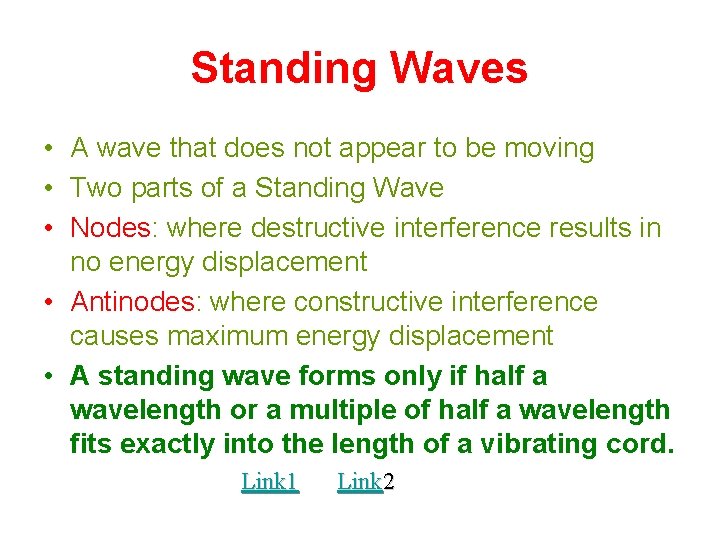
Standing Waves • A wave that does not appear to be moving • Two parts of a Standing Wave • Nodes: where destructive interference results in no energy displacement • Antinodes: where constructive interference causes maximum energy displacement • A standing wave forms only if half a wavelength or a multiple of half a wavelength fits exactly into the length of a vibrating cord. Link 1 Link 2
Reviewing Concepts • 1. How is a wave changed by reflection? • 2. What causes refraction when a wave enters a medium at an angle? • 3. What determines how much a wave diffracts when it encounters an opening or an obstacle? • 4. List the types of interference. • 5. At what wavelengths can a standing wave form in an elastic cord?
- Slides: 16