
Section 2 Current Voltage and Current Electrical Potential



- Slides: 31
Section 2 Current
Voltage and Current • Electrical Potential Energy: the ability to move an electrical charge from one point to another. • Depends on position in the electric field
Potential Difference • Potential Difference- between any two points the work that must be done against electric forces to move a unit charge from one point to another • Measured in volts (V) • Common unit used for batteries
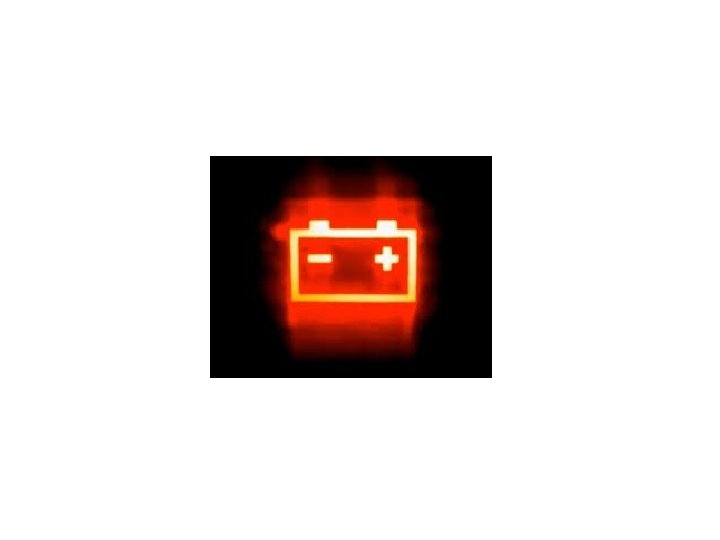
Voltage in batteries • Batteries help power many things in our daily lifes • Range from 1. 5 V to 12 V • Cell: a device that is a source of electric current because of a potential difference or voltage between the two terminals
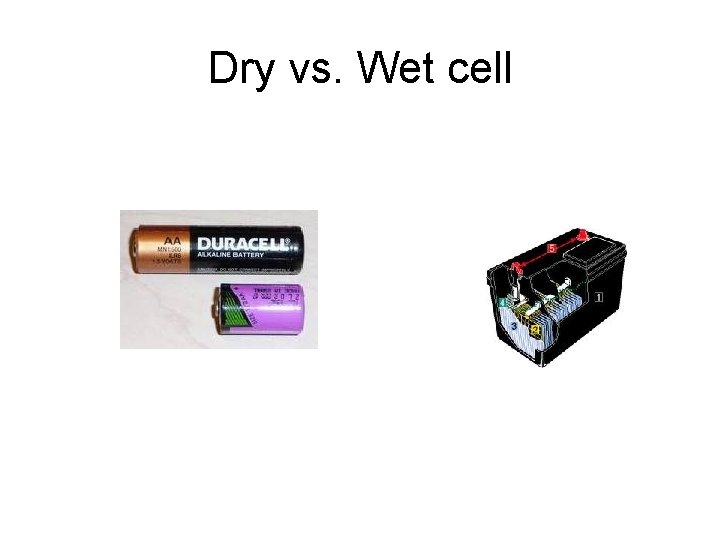
Dry and Wet cells • Batteries contain an electrochemical cell. • Each cell has an electrolyte and two electrodes on either end • Dry cells have a paste like electrolyte that helps conduct electricity • Wet cells contain a liquid electrolyte
Dry vs. Wet cell
Current • Electricity flows from the negative to the positive terminal • Current: The rate that electric charge moves through a conductor • Measured in ampheres
Electrical Resistance • Resistance: the opposition posed by a material or device to the flow of a current. • Conductors have low resistance • Insulators high resistance
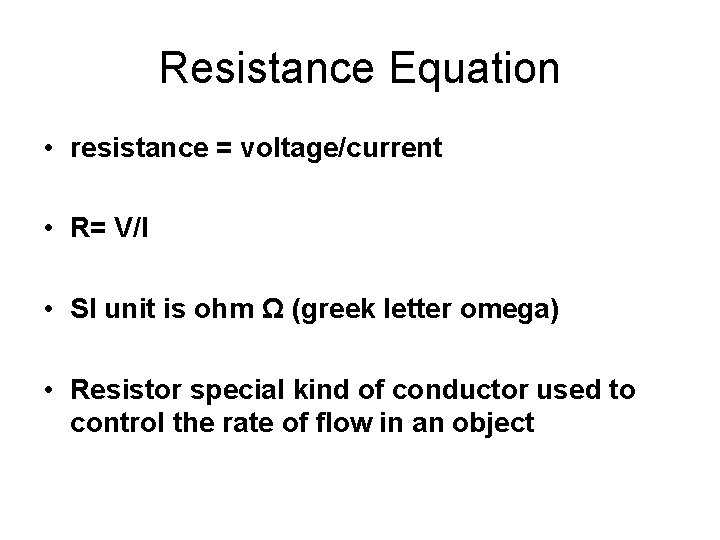
Resistance Equation • resistance = voltage/current • R= V/I • SI unit is ohm Ω (greek letter omega) • Resistor special kind of conductor used to control the rate of flow in an object
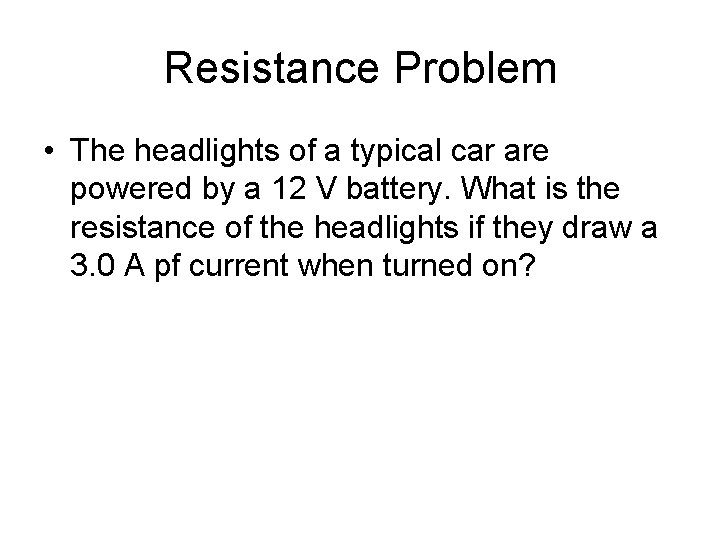
Resistance Problem • The headlights of a typical car are powered by a 12 V battery. What is the resistance of the headlights if they draw a 3. 0 A pf current when turned on?
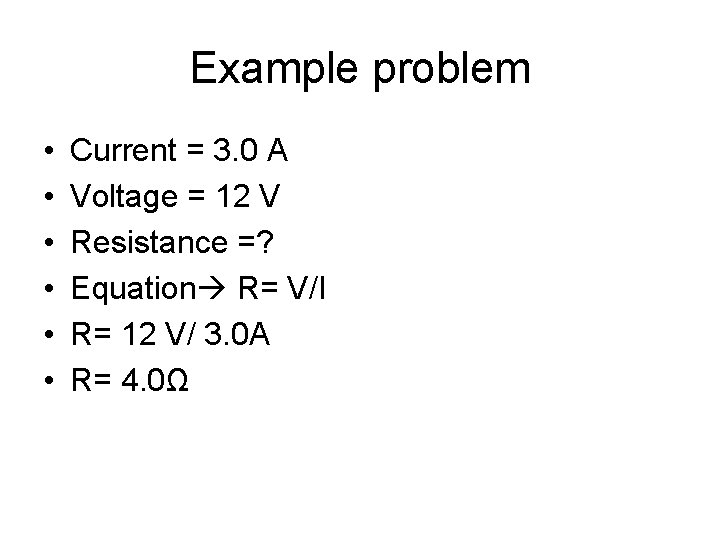
Example problem • • • Current = 3. 0 A Voltage = 12 V Resistance =? Equation R= V/I R= 12 V/ 3. 0 A R= 4. 0Ω
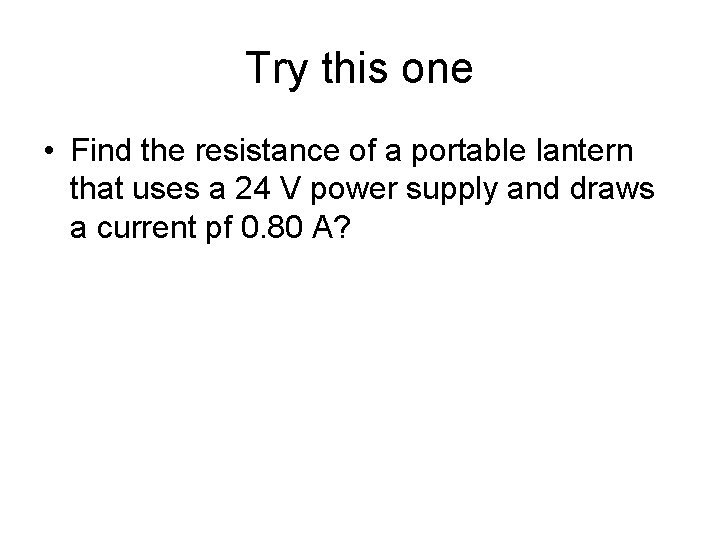
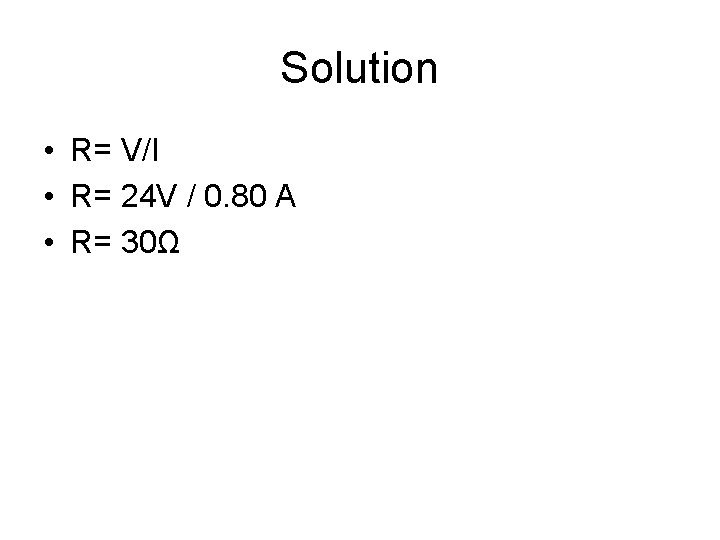
Try this one • Find the resistance of a portable lantern that uses a 24 V power supply and draws a current pf 0. 80 A?
Solution • R= V/I • R= 24 V / 0. 80 A • R= 30Ω
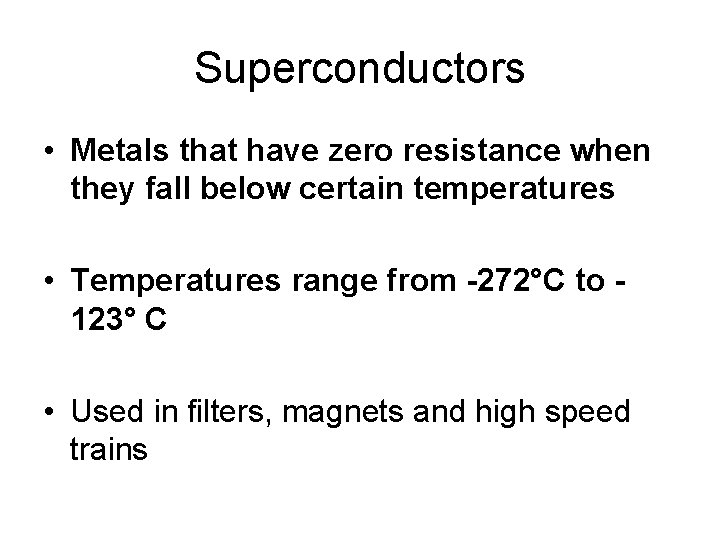
Superconductors • Metals that have zero resistance when they fall below certain temperatures • Temperatures range from -272°C to 123° C • Used in filters, magnets and high speed trains
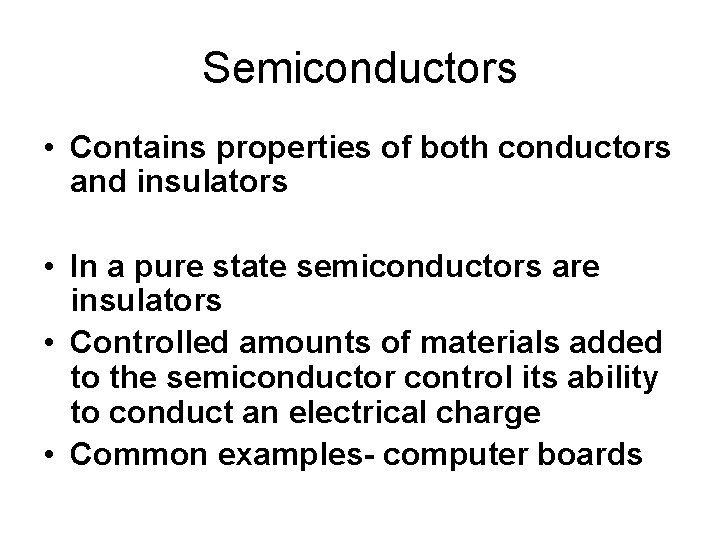
Semiconductors • Contains properties of both conductors and insulators • In a pure state semiconductors are insulators • Controlled amounts of materials added to the semiconductor control its ability to conduct an electrical charge • Common examples- computer boards
Circuits Section 3
Warm-up • Discuss amongst your group which circuit would conduct the most electricity: A parallel circuit or an open circuit
Electrical circuits • When we want to light a lightbulb with wires and a battery all the parts must be connected in order for electricity to flow • A set of electrical components connected such that they provide one or more complete paths for the movement of charges
Closed circuits • Circuits that provide a closed loop for electricity to flow around • Occurs when the wires are connected to the battery and the lightbulb in a closed loop
Open circuit • When one part of the circuit is missing the electricity can not flow • This type of circuit is called an open circuit
Switches • When applied to a circuit you can switch the circuit from open to closed • When the lights are on the circuit is closed when they are off the circuit is open.
Schematic designs • A graphical representation of a circuit that uses lines to represent wires and different symbols to represent components • Because schematic devices use standard symbols they can be read by people all over the world.
Series circuit • The components of a circuit that form a single path for current • Since there is only one path for the electricity to flow the time it takes to charge this item is the same
Parallel circuit • A circuit in which all of the components are connected to each other side by side • The current in each item doesn’t have to be the same. • Even if we remove a bulb from the circuit the other light bulb would light
Electrical Energy • The energy that is associated with charged particles because of their positions • Electric power: rate at which electric energy is used in a circuit
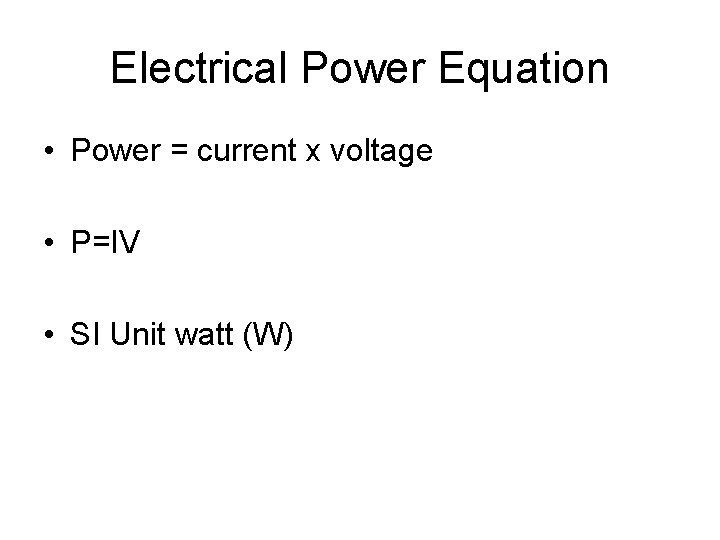
Electrical Power Equation • Power = current x voltage • P=IV • SI Unit watt (W)
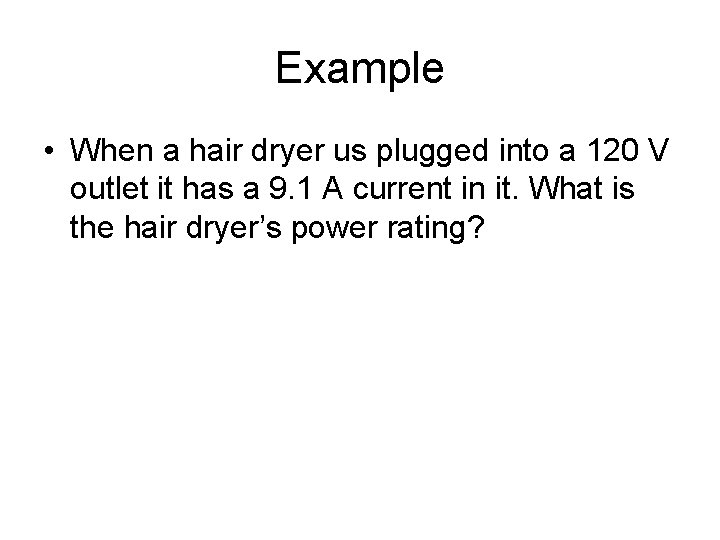
Example • When a hair dryer us plugged into a 120 V outlet it has a 9. 1 A current in it. What is the hair dryer’s power rating?
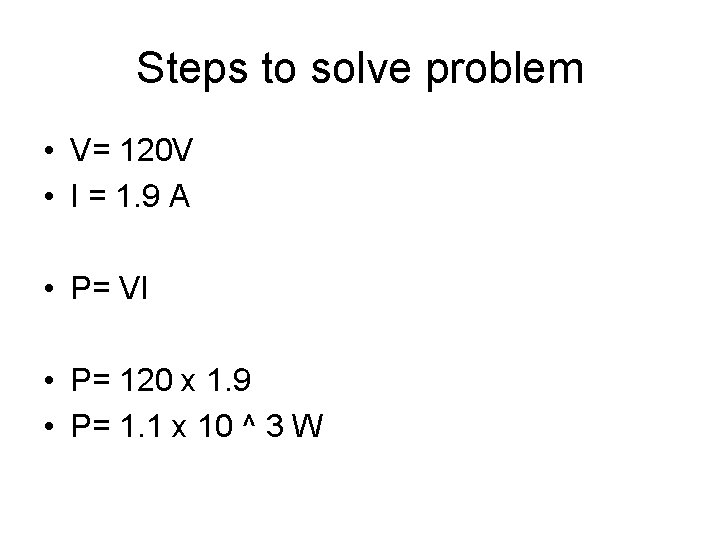
Steps to solve problem • V= 120 V • I = 1. 9 A • P= VI • P= 120 x 1. 9 • P= 1. 1 x 10 ^ 3 W
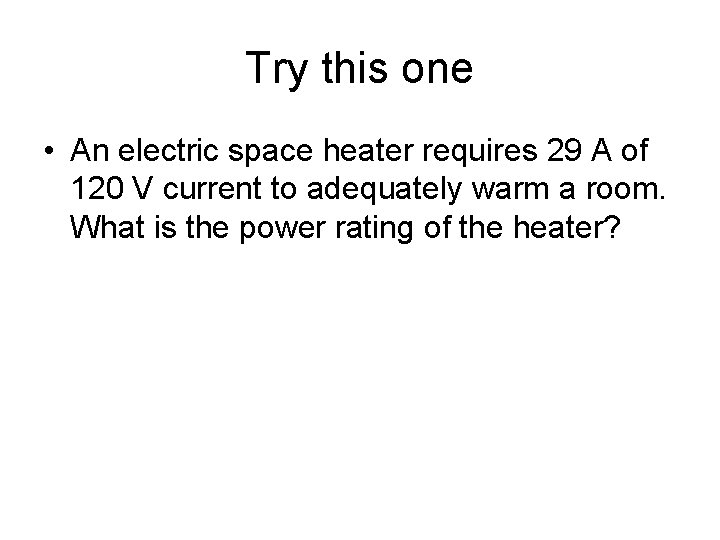
Try this one • An electric space heater requires 29 A of 120 V current to adequately warm a room. What is the power rating of the heater?
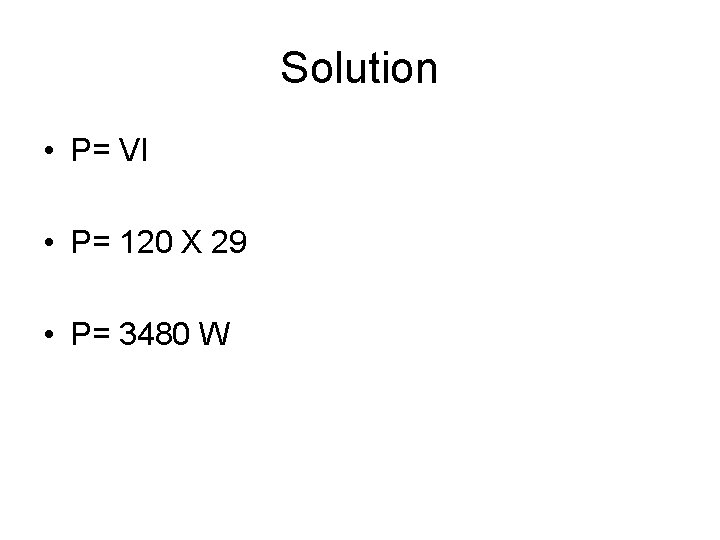
Solution • P= VI • P= 120 X 29 • P= 3480 W