
Section 17 B cell recognition and response of
Section 17 B cell recognition and response of antigens l. B cell response to T cell-dependent antigen l. B cell response to T cell-independent-antigen l. Rules of antibody production l. Mucosal immune response
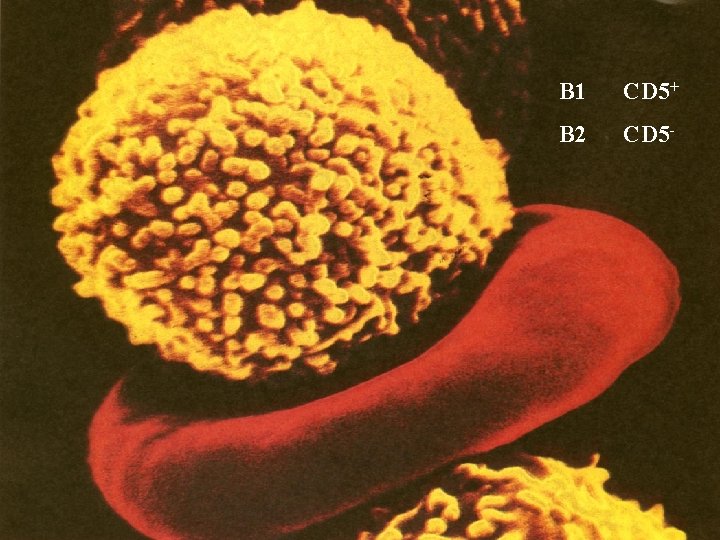
B 1 CD 5+ B 2 CD 5 -
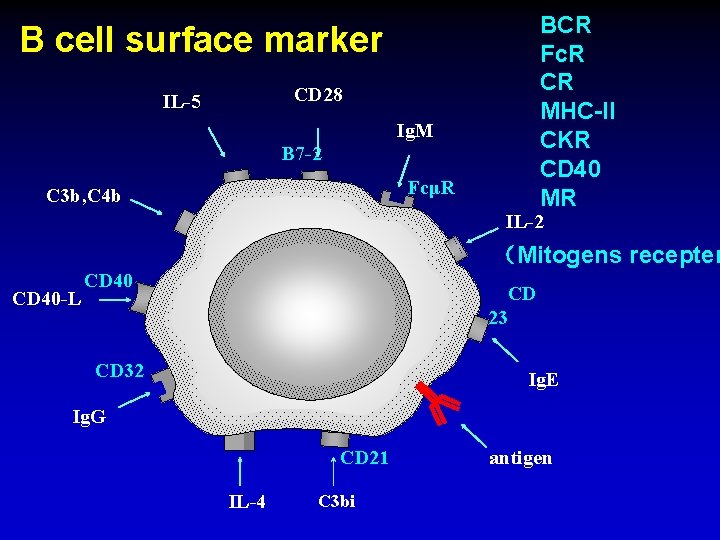
BCR Fc. R CR MHC-II CKR CD 40 MR B cell surface marker CD 28 IL-5 Ig. M B 7 -2 FcμR C 3 b, C 4 b IL-2 (Mitogens recepter CD 40 -L CD 40 CD 23 CD 32 Ig. E Ig. G CD 21 IL-4 C 3 bi antigen
Phytohemagglutinin PHA Lipopolysaccharide LPS Pokeweed mitogen PWM
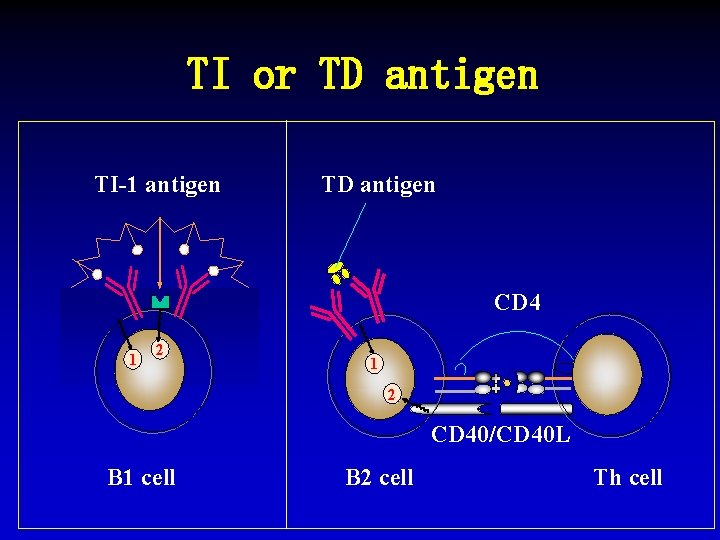
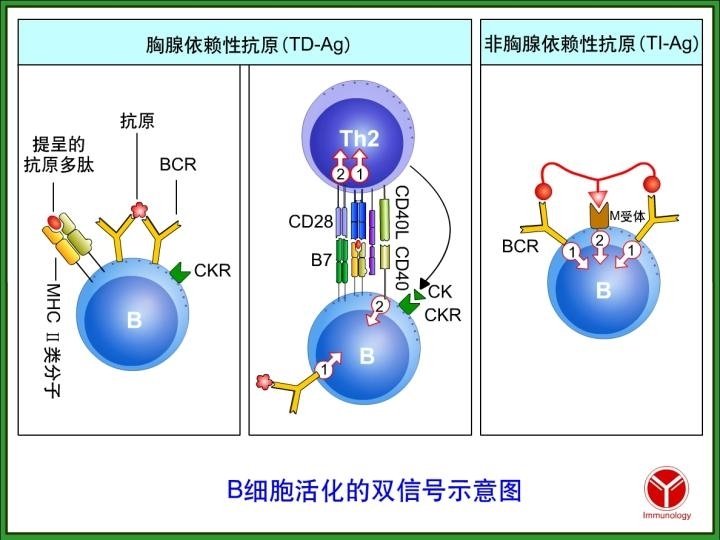
TI or TD antigen TI-1 antigen TD antigen CD 4 1 2 CD 40/CD 40 L B 1 cell B 2 cell Th cell

• • TI-Ag induced humoral responses TD-Ag induced humoral responese Effect of humoral immune responese Features of primary and secondary response • Regulation of humoral immune response • Theories of antibody formation
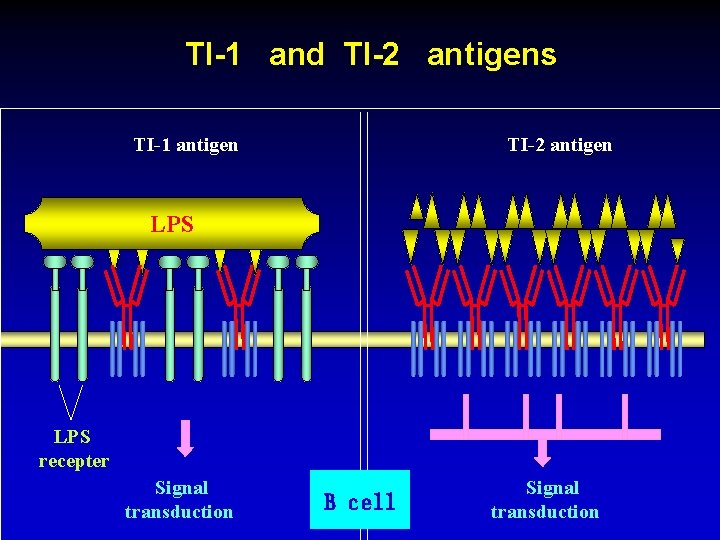
TI-1 and TI-2 antigens TI-1 antigen TI-2 antigen LPS recepter Signal transduction B cell Signal transduction
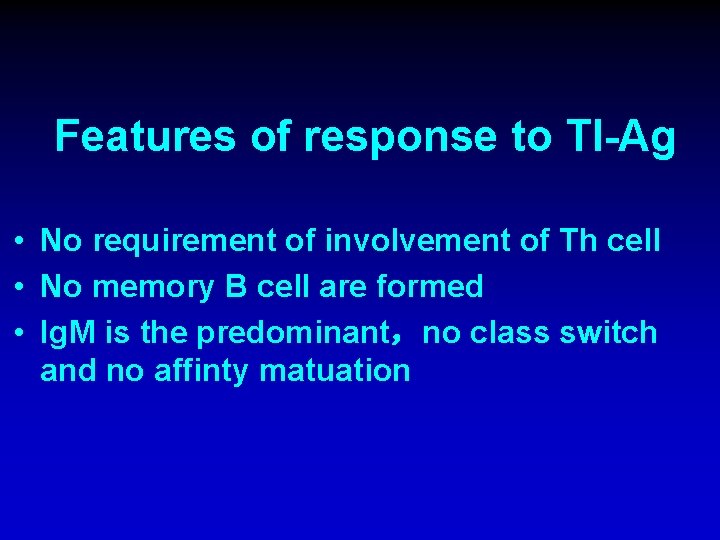
Features of response to TI-Ag • No requirement of involvement of Th cell • No memory B cell are formed • Ig. M is the predominant,no class switch and no affinty matuation

The humoral immune response to TI antigens Antibody concentration in serum, (Log ) primary secondary 100000 1000 Ig. M 100 10 1 0 0 7 14 21 days 28 35 42

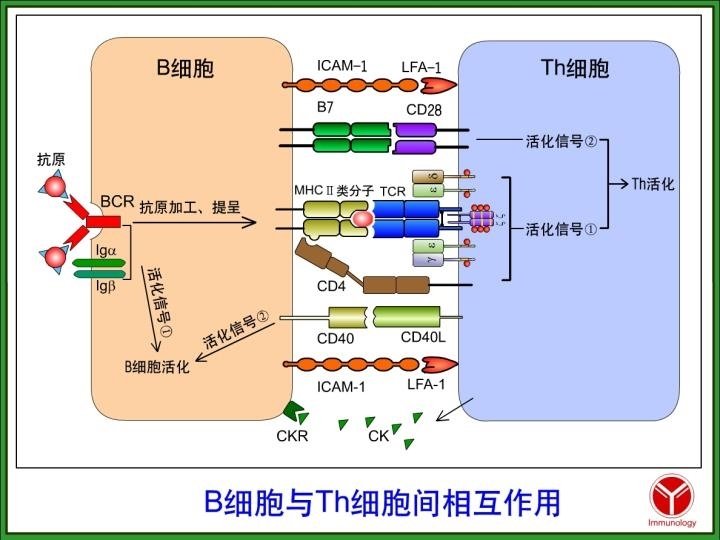
The humoral immune response to TD antigens Th cell activation Th 1 Bm B 7 CD 28 CD 4 MHC-II APC ICAM TCR Plasmacyte Th LFA-1 B secreting cytokins B Th 2 CD 40 L B CD 40 BCR B antigen B cell expansion
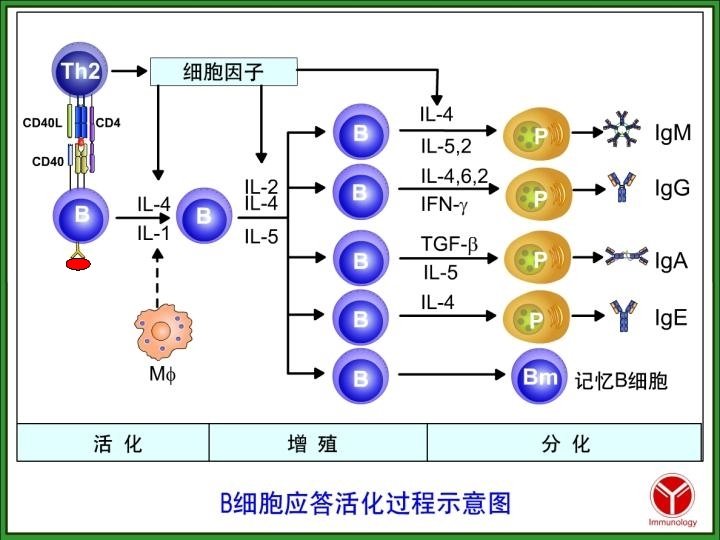

antibody class switching and affinity maturation Plasmacyte Ig. G 2 a or Ig. G 3 Activited B cell IFN- g TGF- β IL-2 IL-4 IL-5 Ig. A or Ig. G 2 b Ig. E IL-4 IL-2 IL-4 IL-5 Ig. M
Somatic hypermutation of Ig genes roles in Ab Affinity maturation)
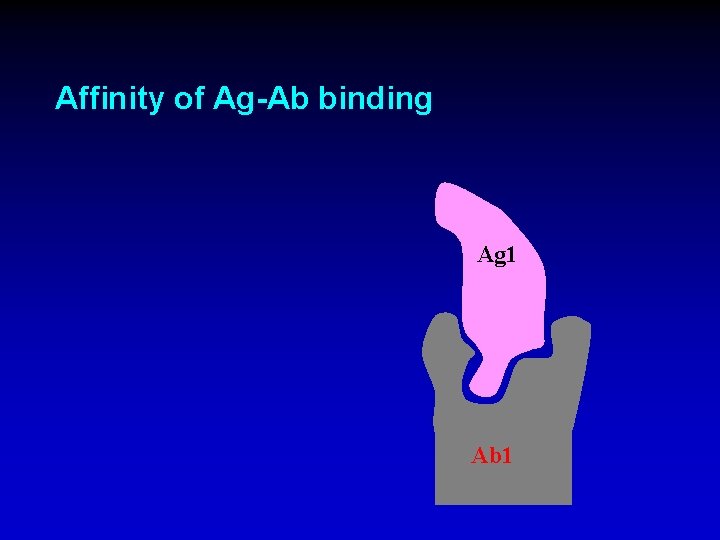
Affinity of Ag-Ab binding Ag 1 Ab 1

Avidity of Ag-Ab binding Ab 1 Ab 1

Non-covalent bonds essential for Ag-Ab binding antibody H –C –O – +H – = ionic bond O –N – – H Van der Waals forces hydrogen bond –C=O……………H –N – hydrophobic bond H 2 O antigen

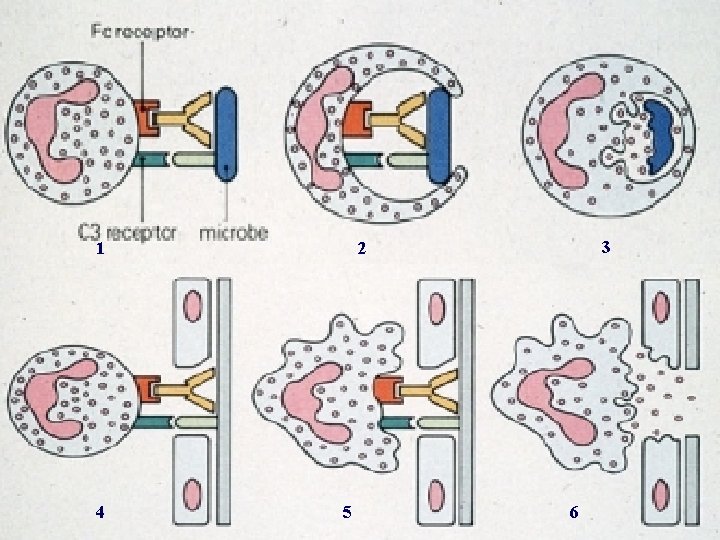
Effect of humoral immune response Pathway : • Neutralizing toxin & virus • fixation of complement • opsonization • mediating ADCC Effect : • preventing infections(extracellular) —anti-bacterial , anti-viral anti-toxic • mediating hypersensitivity I II, III • mediating autoimmunity
1 4 3 2 5 6
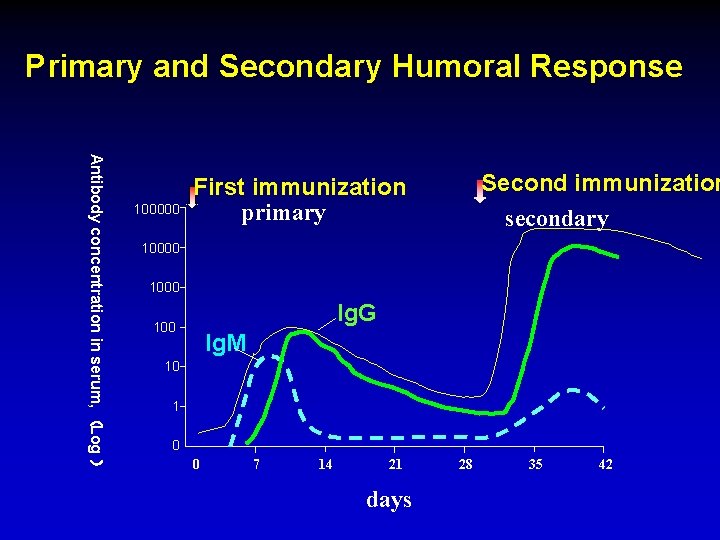
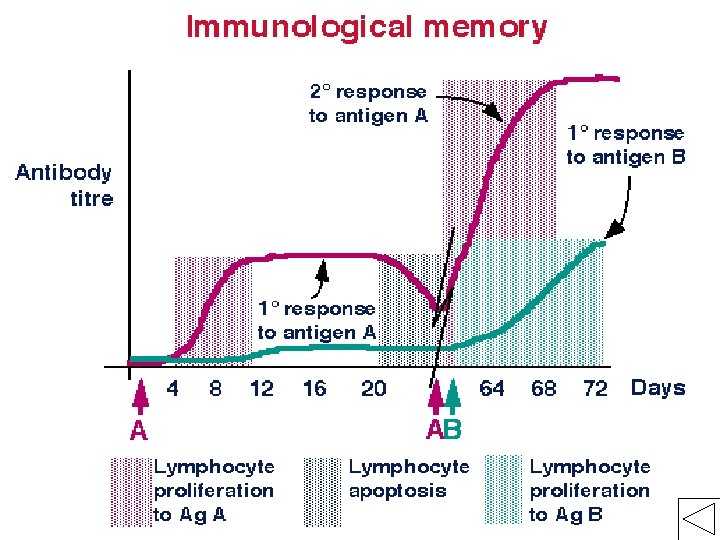
Primary and Secondary Humoral Response Antibody concentration in serum, (Log ) 100000 Second immunization secondary First immunization primary 10000 1000 Ig. G 100 Ig. M 10 1 0 0 7 14 21 days 28 35 42
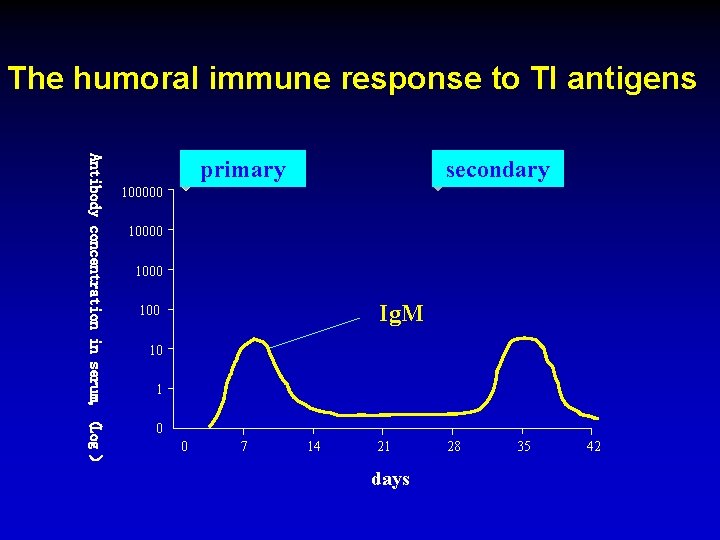
The humoral immune response to TI antigens Antibody concentration in serum, (Log ) primary secondary 100000 1000 Ig. M 100 10 1 0 0 7 14 21 days 28 35 42
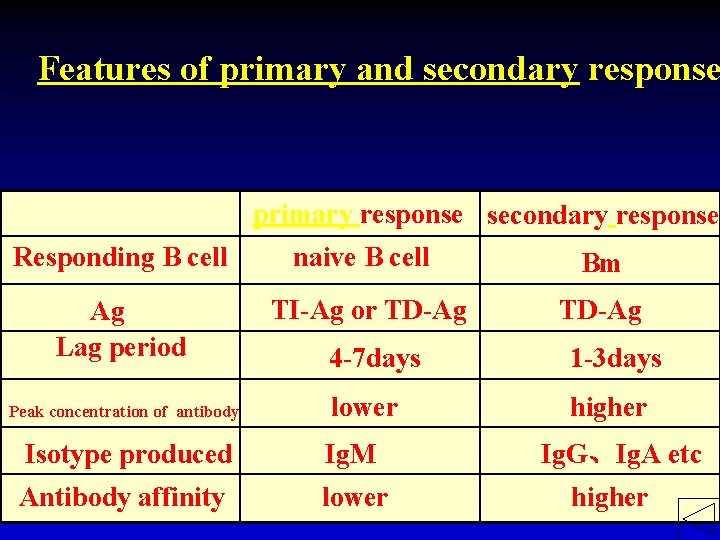
Features of primary and secondary response primary response secondary response Responding B cell naive B cell Bm Ag Lag period Peak concentration of antibody TI-Ag or TD-Ag 4 -7 days 1 -3 days lower higher Isotype produced Ig. M Antibody affinity lower Ig. G、Ig. A etc higher

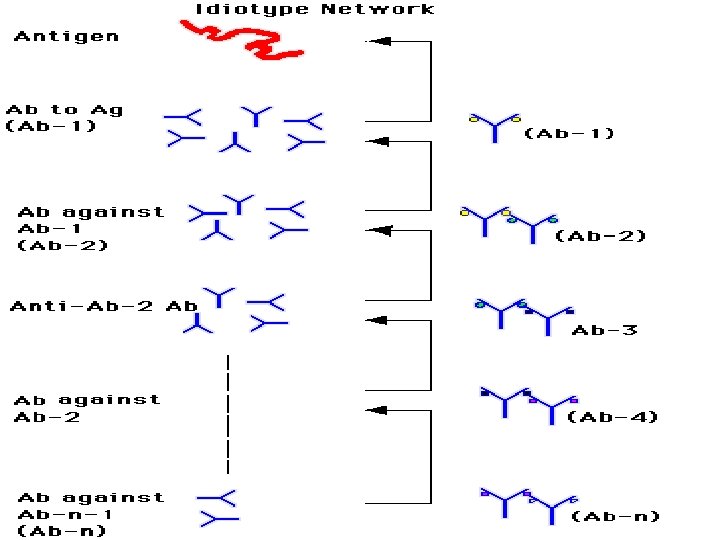
Regulation of humoral immune response
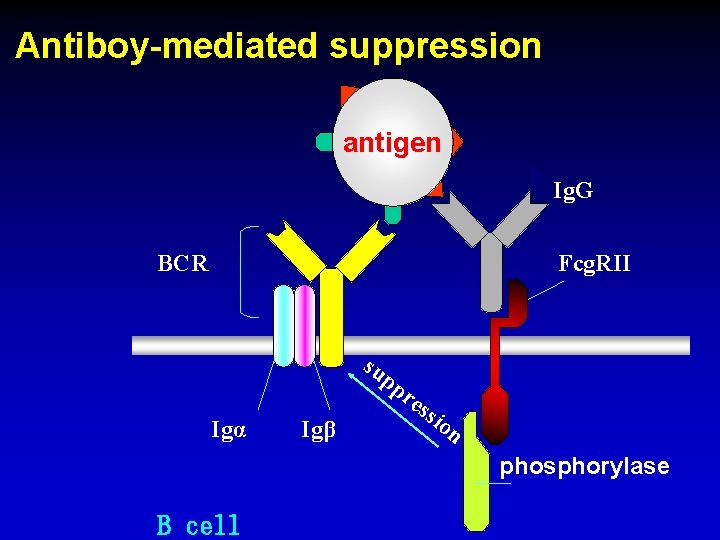
Antiboy-mediated suppression antigen Ig. G BCR Fcg. RII su pp Igα Igβ re ssi on phosphorylase B cell
Theories of Ab Formation Side chain theory Template theory Clonal selection theory

Side chain theory

Template theory Ab Ag

Clonal selection theory Frank Burnet 1900 --1990 Nobel Prize 1960
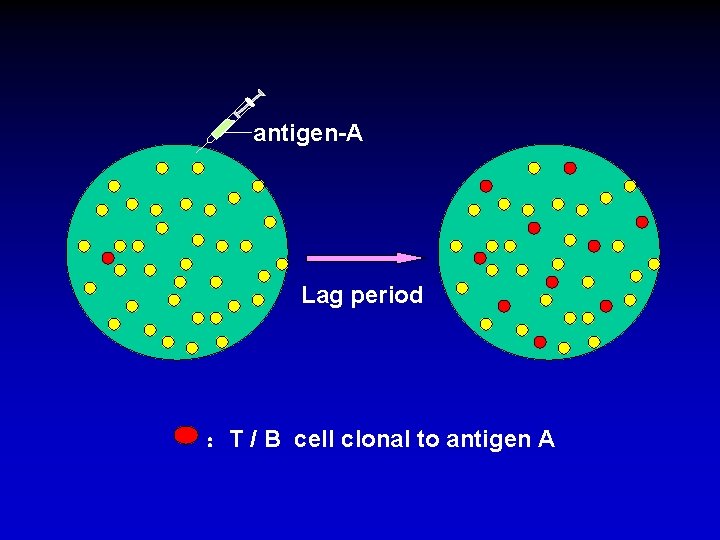
antigen-A Lag period :T / B cell clonal to antigen A

1 2 The Clonal Selection Theory 3 n
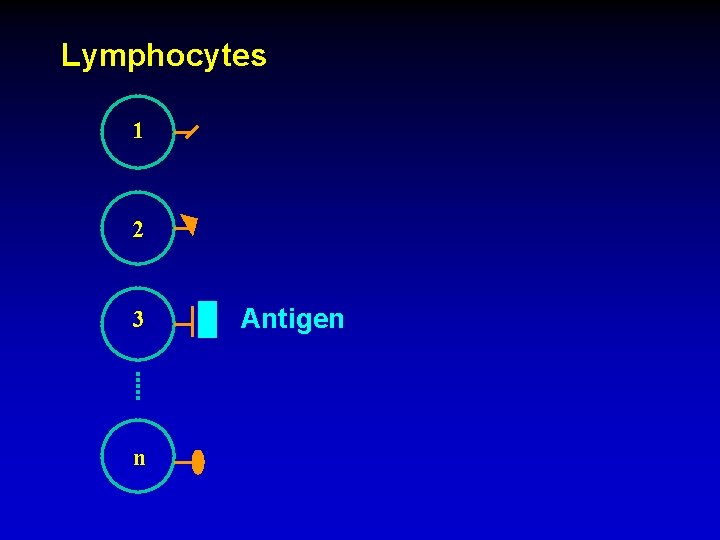
Lymphocytes 1 2 3 n Antigen
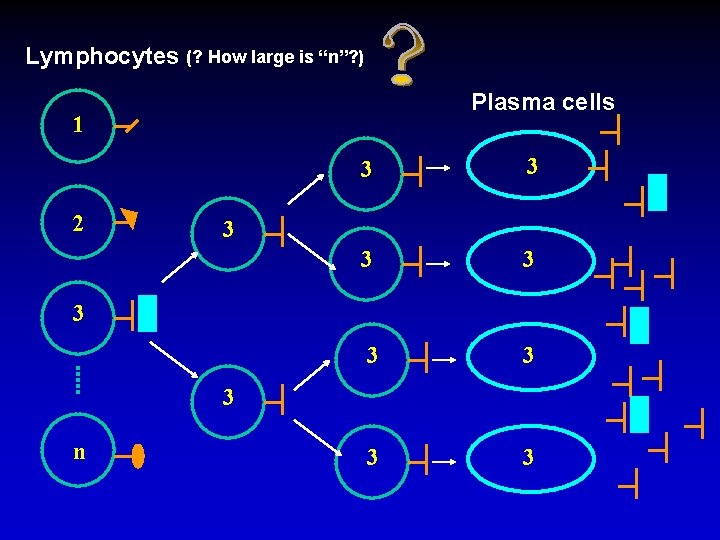
Lymphocytes (? How large is “n”? ) Plasma cells 1 2 3 3 3 n

1. Master the humoral immune response (the features of response to TI-Ag , the features of Interaction of the cells during the response ) 2. Master the principle of antibody formation( Comparison of primary and secondary response )

Thanks !
- Slides: 39