
Section 10 1 Meiosis functions in sexual reproduction



- Slides: 52
Section 10. 1 Meiosis functions in sexual reproduction
Objectives n Describe how homologous chromosomes are alike and how they differ. n Contrast haploid and diploid cells. n Summarize the process of meiosis
Key Terms n n n Meiosis Karyotype Homologous chromosome Sex chromosome Diploid • Gamete • Haploid • Fertilization • Zygote • tetrad
Two Methods of Reproduction Asexual – Offspring identical to the original cell or organism – Involves inheritance of all genes from one parent Sexual – Offspring similar to parents, but show variations in traits – Involves inheritance of unique sets of genes from two parents
Sexual reproduction Process in which genetic material from two parents combines and produces offspring that differ genetically from either parent. Leads to diversity in offspring.
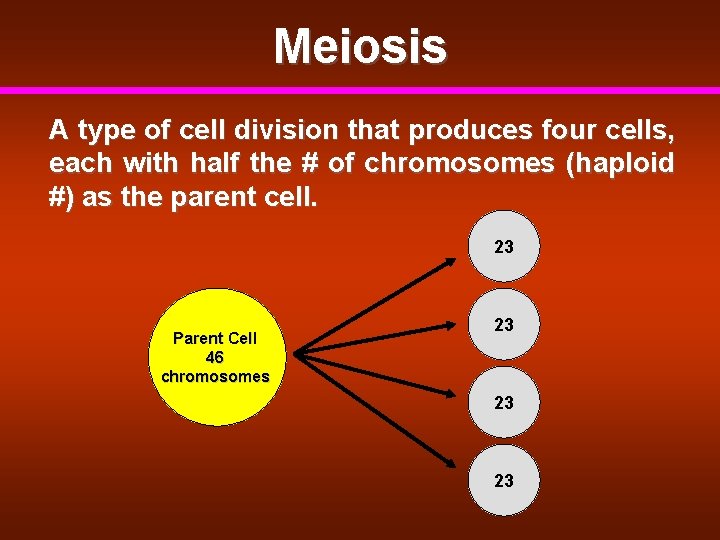
Meiosis A type of cell division that produces four cells, each with half the # of chromosomes (haploid #) as the parent cell. 23 Parent Cell 46 chromosomes 23 23 23
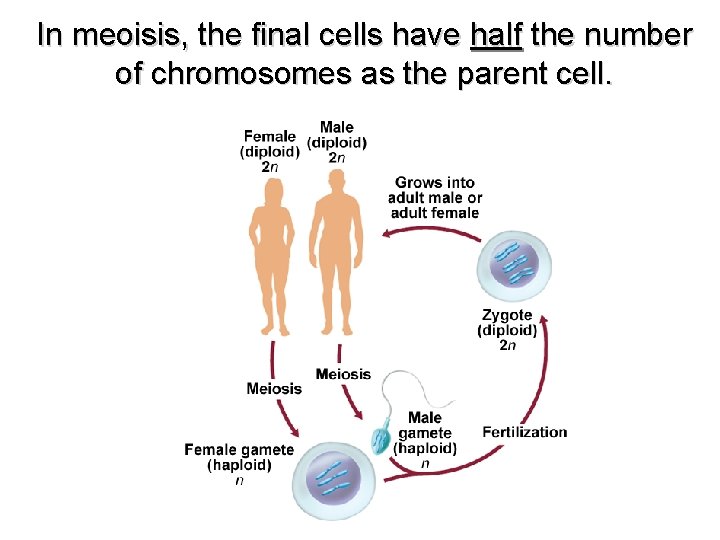
In meoisis, the final cells have half the number of chromosomes as the parent cell.
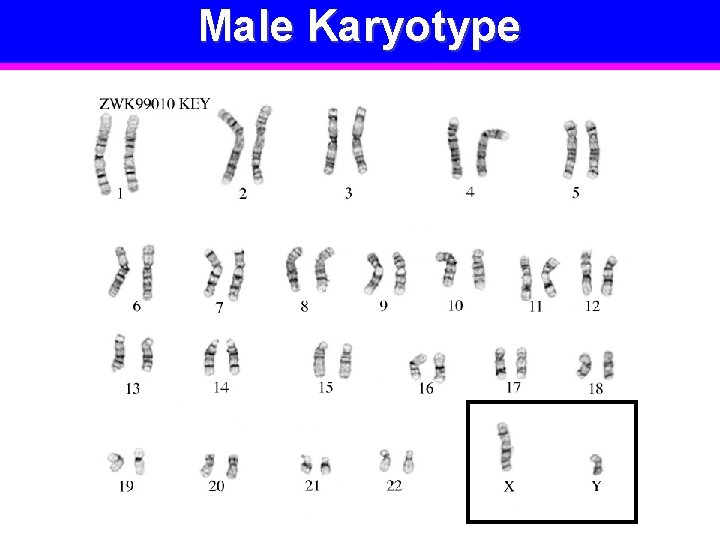
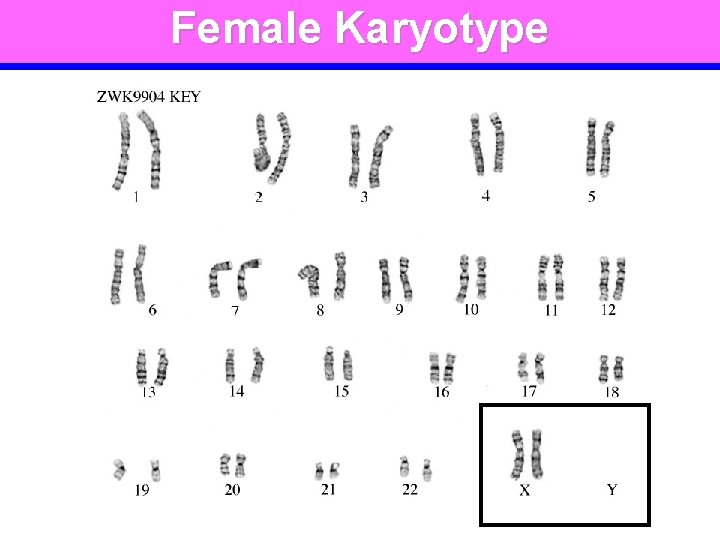
Humans have 46 Chromosomes (23 homologous pairs) • 1 chromosome of each pair is from your mother and 1 from your dad. • 22 are alike, whether male or female (autosomes) • The 23 rd chromosome is called the Sex Chromosome. It occurs as either X or Y. XY = male XX = female
Karyotype A display of the chromosomes of an individual.
Male Karyotype
Female Karyotype
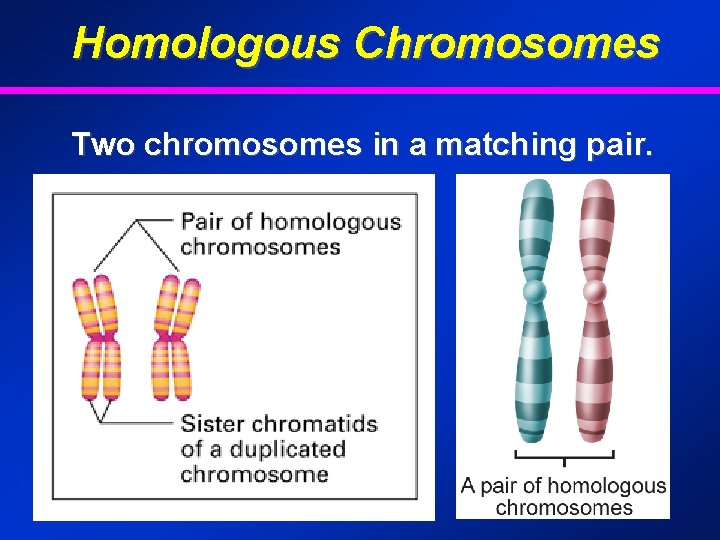
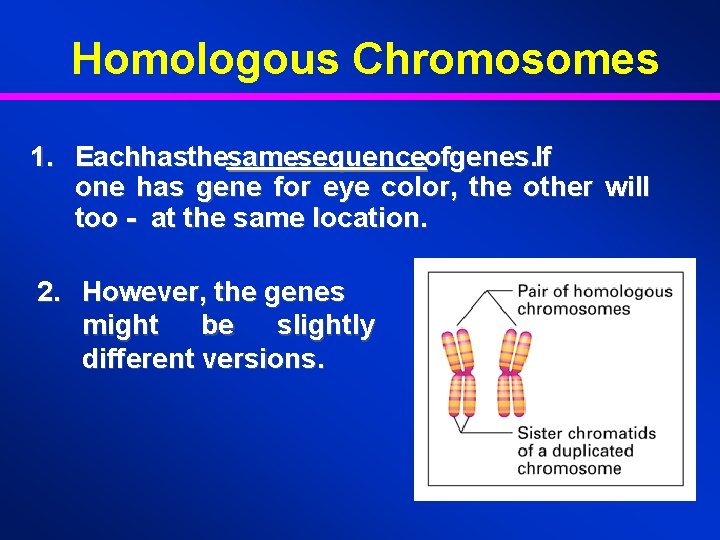
Homologous Chromosomes Two chromosomes in a matching pair.
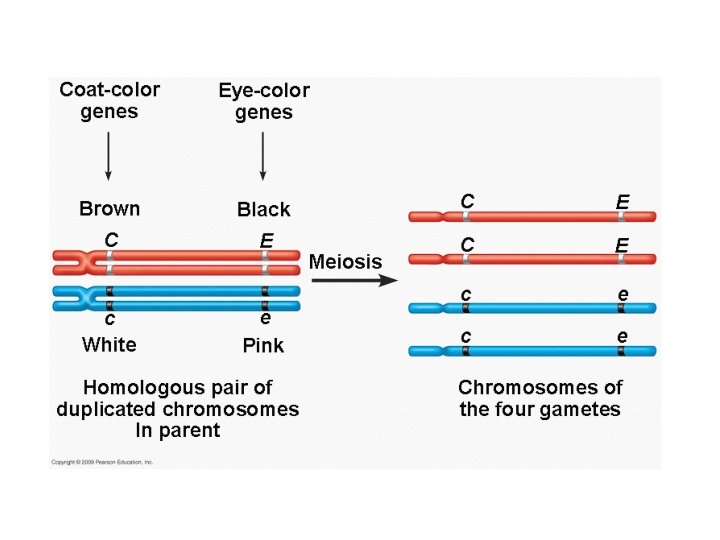
Homologous Chromosomes 1. Eachhasthesamesequenceofgenes. If one has gene for eye color, the other will too - at the same location. 2. However, the genes might be slightly different versions.
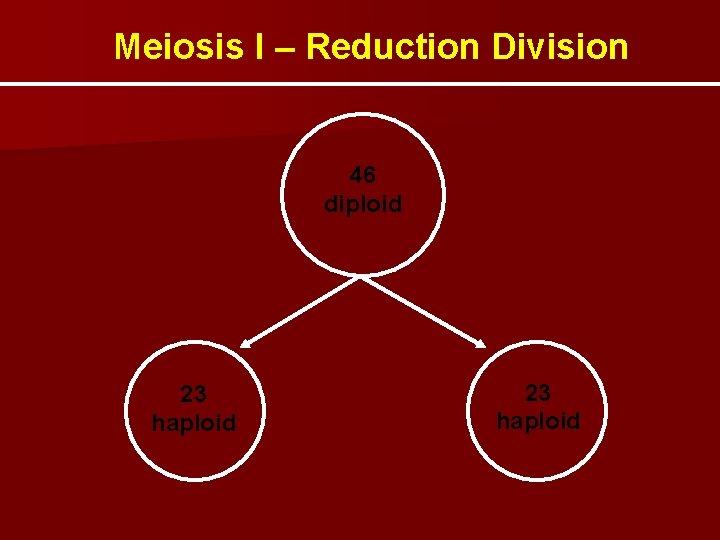
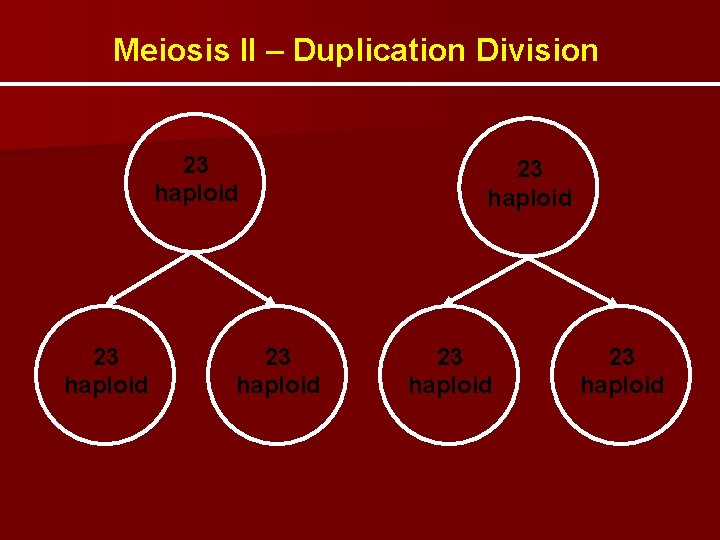
Meiosis has 2 phases (I and II) Meiosis I – Reduction division Meiosis II – Duplication division
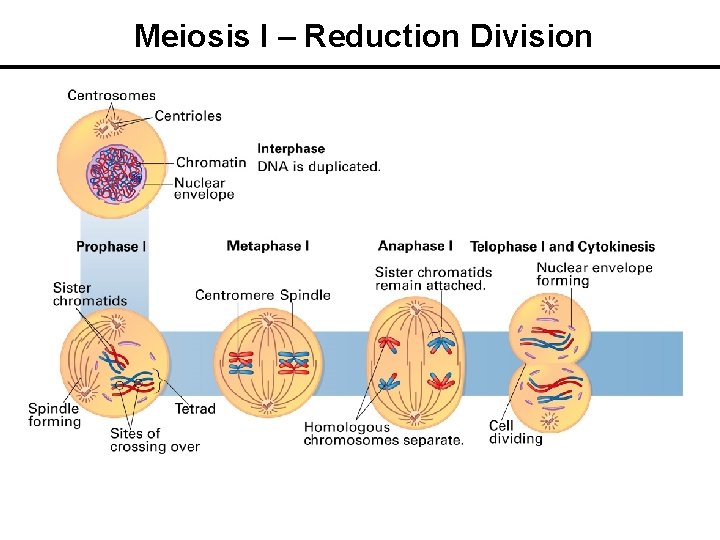
Phase names the same as mitosis 1 st Phase (Reduction Division) Prophase I n Metaphase I n Anaphase I n Telophase I n
Meiosis I – Reduction Division 46 diploid 23 haploid
Meiosis II – Duplication Division 23 haploid 23 haploid
Meiosis I – Reduction Division
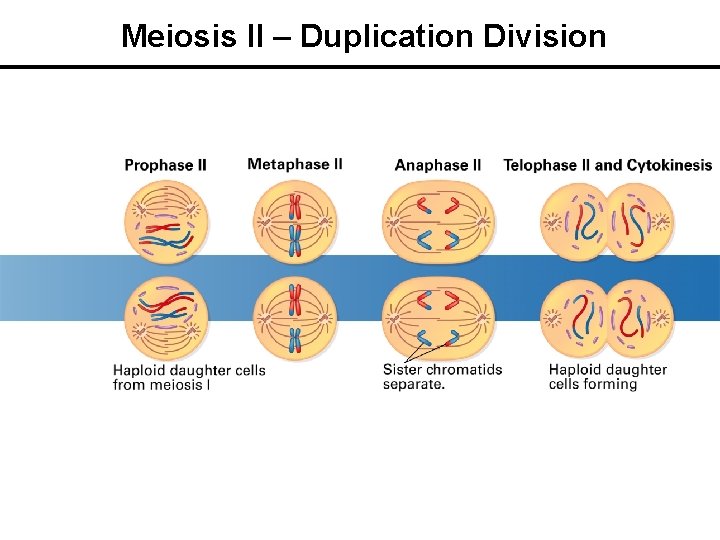
Meiosis II – Duplication Division
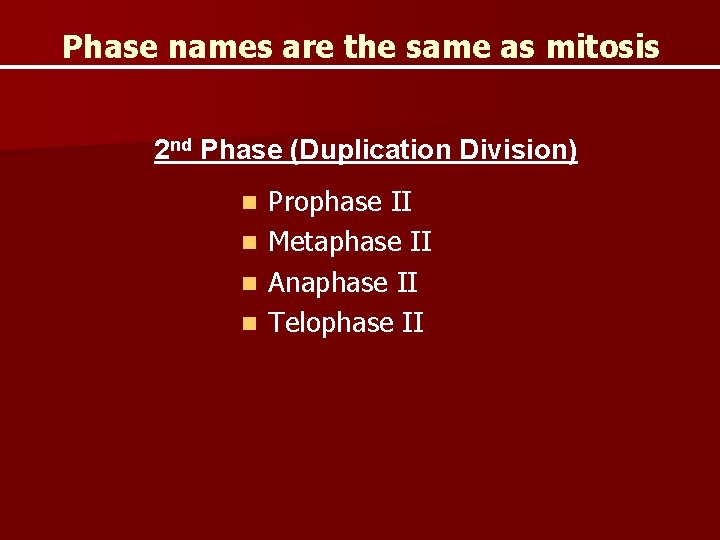
Phase names are the same as mitosis 2 nd Phase (Duplication Division) n n Prophase II Metaphase II Anaphase II Telophase II
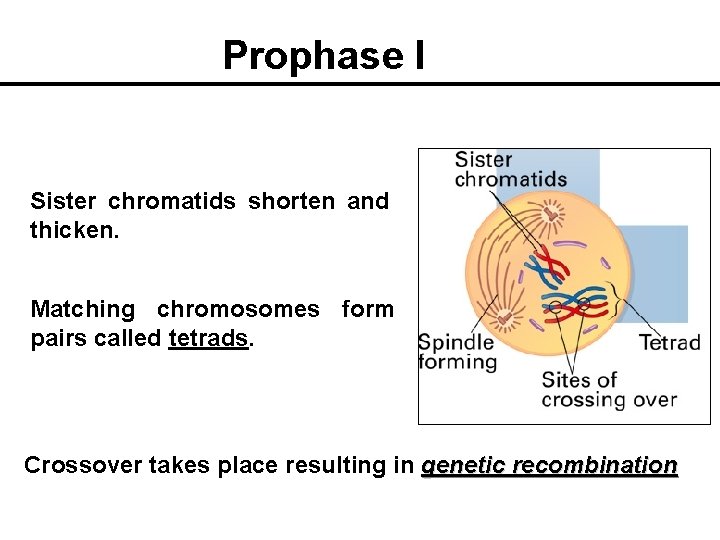
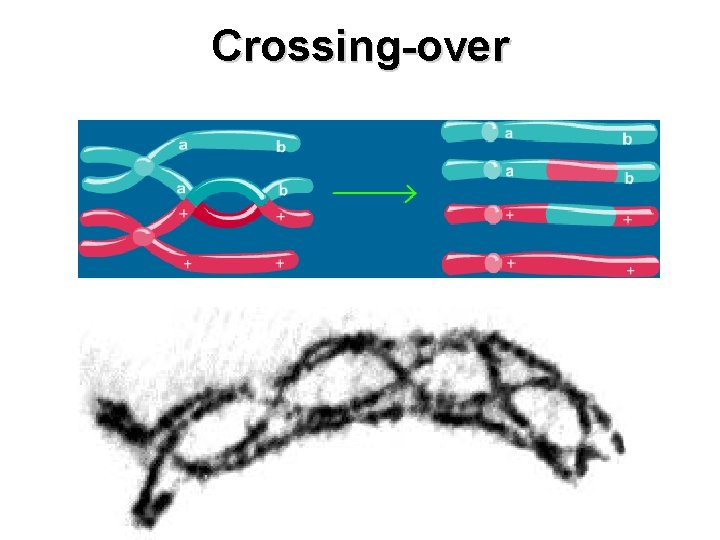
Prophase I Sister chromatids shorten and thicken. Matching chromosomes form pairs called tetrads. Crossover takes place resulting in genetic recombination
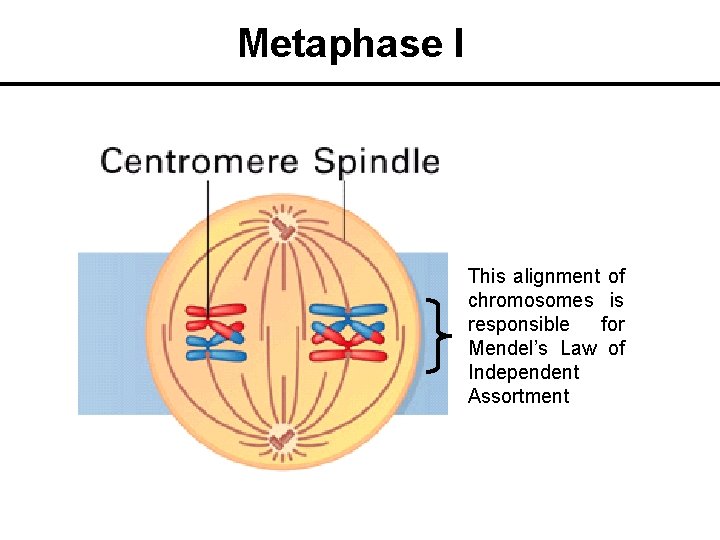
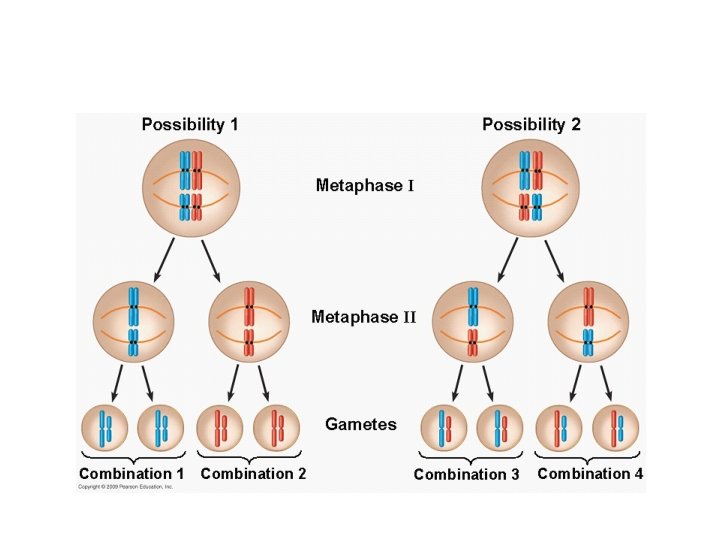
Metaphase I This alignment of chromosomes is responsible for Mendel’s Law of Independent Assortment
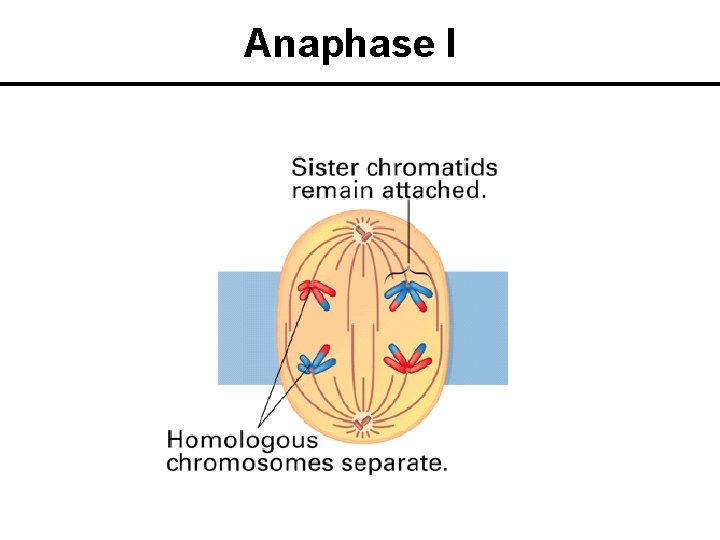
Anaphase I
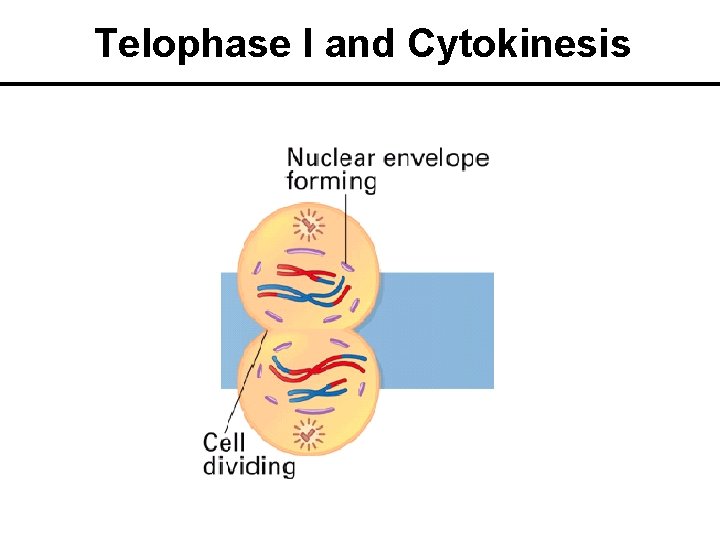
Telophase I and Cytokinesis
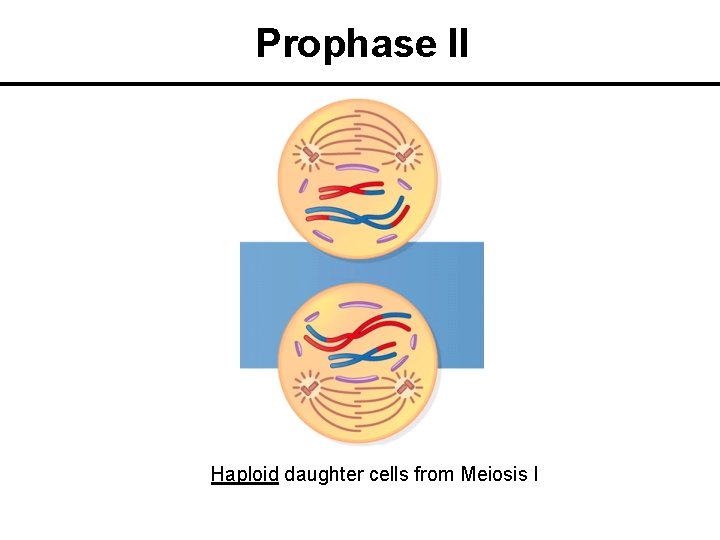
Prophase II Haploid daughter cells from Meiosis I
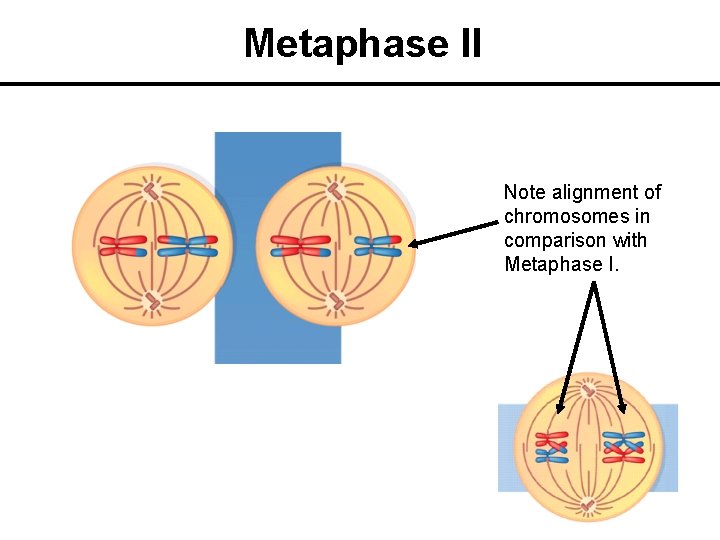
Metaphase II Note alignment of chromosomes in comparison with Metaphase I.
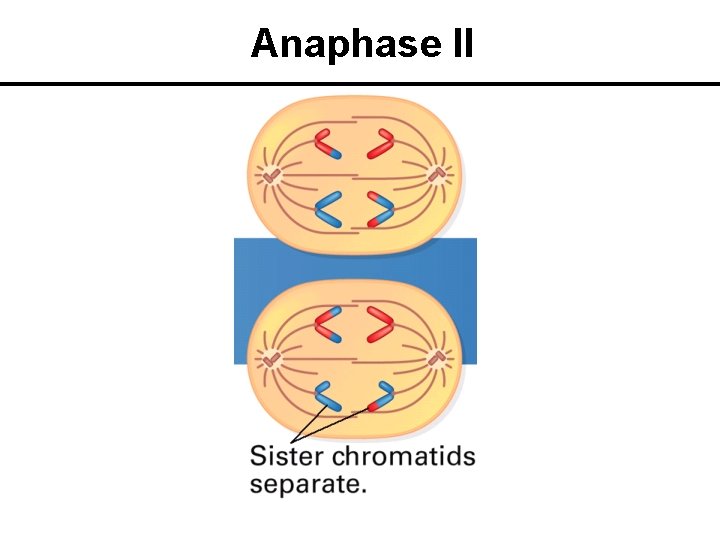
Anaphase II
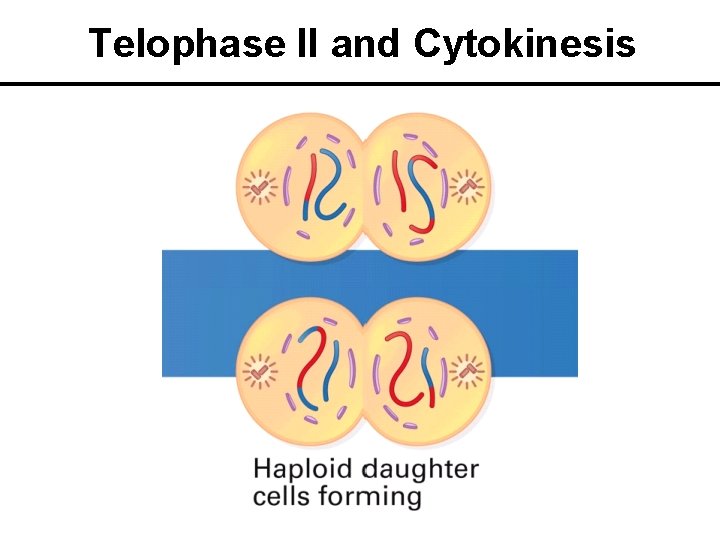
Telophase II and Cytokinesis
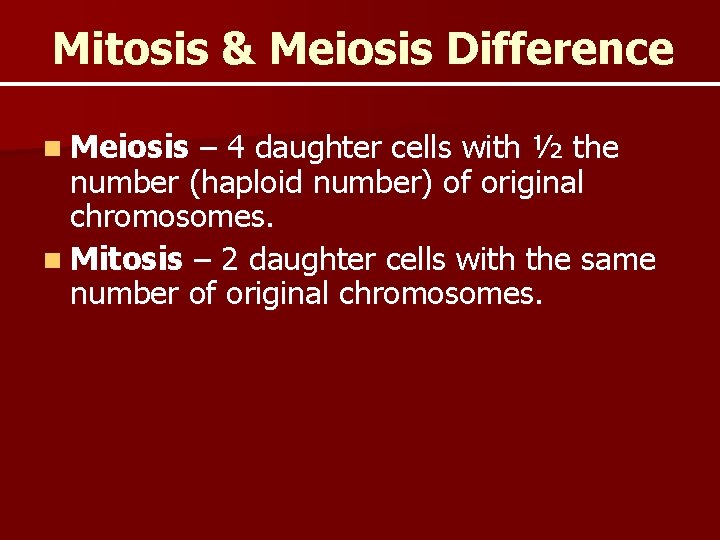
Mitosis & Meiosis Difference n Meiosis – 4 daughter cells with ½ the number (haploid number) of original chromosomes. n Mitosis – 2 daughter cells with the same number of original chromosomes.
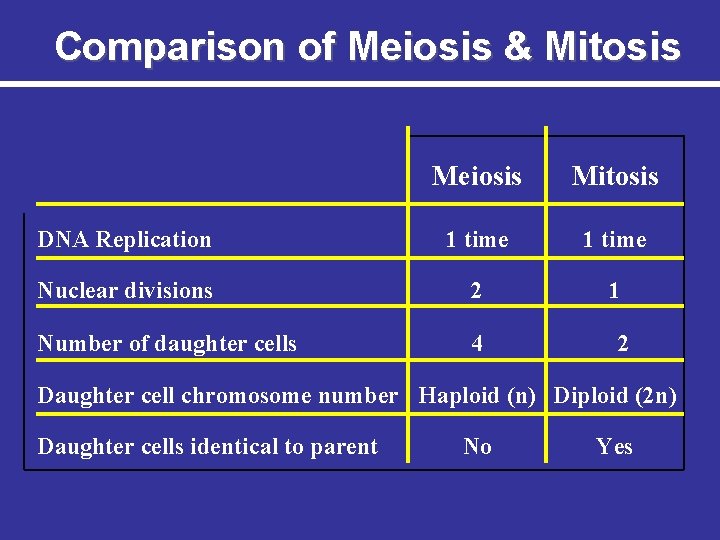
Comparison of Meiosis & Mitosis Meiosis Mitosis DNA Replication 1 time Nuclear divisions 2 1 Number of daughter cells 4 2 Daughter cell chromosome number Haploid (n) Diploid (2 n) Daughter cells identical to parent No Yes
Meiosis increases genetic variation
Objectives • Describe how chromosome assortment during meiosis contributes to genetic variation. • Explain how crossing over contributes to genetic variation. • Compare and contrast mitosis and meiosis.
Genetic Recombination Leads to Genetic Variability
Processes of Genetic Recombination 1. Assortment of chromosomes – at the 2. Crossing-over – During Prophase I 3. Fertilization – Combining chromosomes metaphase plate. from genetically different gametes.
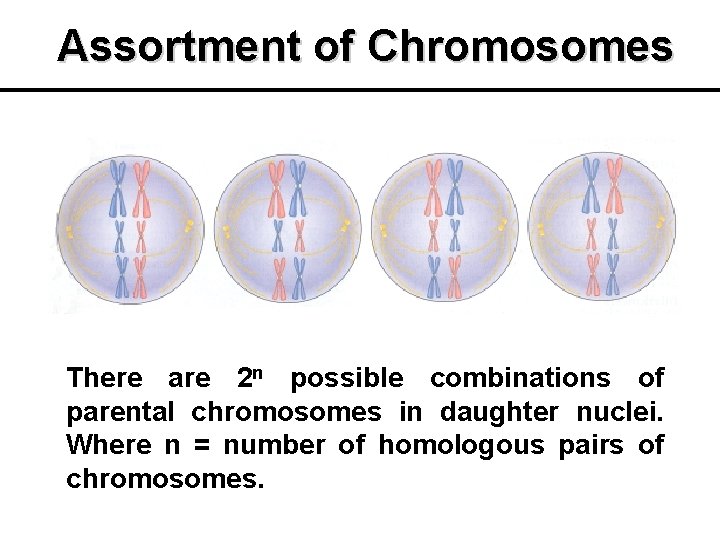
Assortment of Chromosomes There are 2 n possible combinations of parental chromosomes in daughter nuclei. Where n = number of homologous pairs of chromosomes.
Crossing-over
Fertilization l In humans, (223)2 different zygotes – over 70. 3 trillion! possible l If crossover occurs only once, then (423)2 4 octillion possible combinations. (27 0’s)
Sperm, Eggs, & Fertilization Testes - male organ that produces sperm Ovaries - female organ that produces eggs.
Asexual reproduction Process in which a single cell or set of cells produces offspring that inherit all their genetic material from one parent. Offspring are not diverse.
Types of Asexual Reproduction 1. Binary Fission 2. Budding 3. Gemmules (Internal Buds) 4. Fragmentation 5. Regeneration
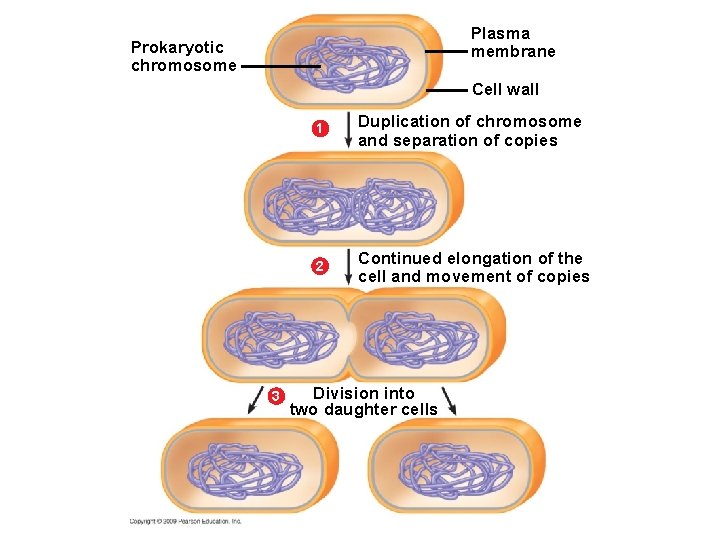
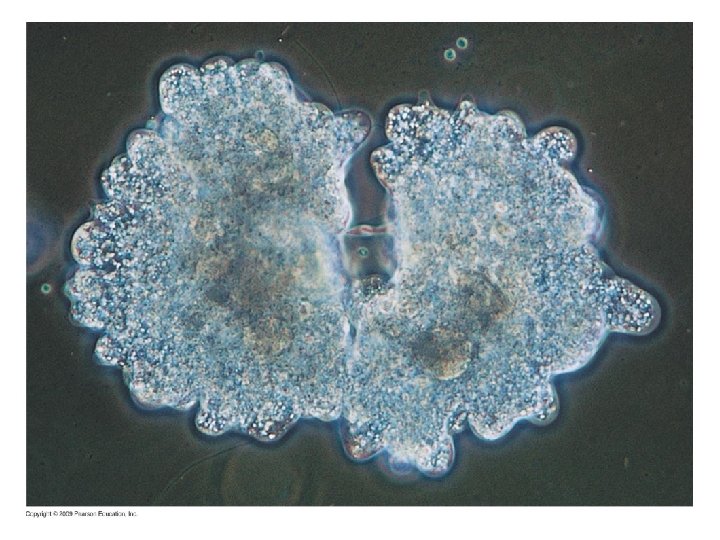
Binary Fission A type of asexual reproduction in which a prokaryote replicates DNA, and divides in half, producing two identical daughter cells.
Plasma membrane Prokaryotic chromosome Cell wall 3 1 Duplication of chromosome and separation of copies 2 Continued elongation of the cell and movement of copies Division into two daughter cells
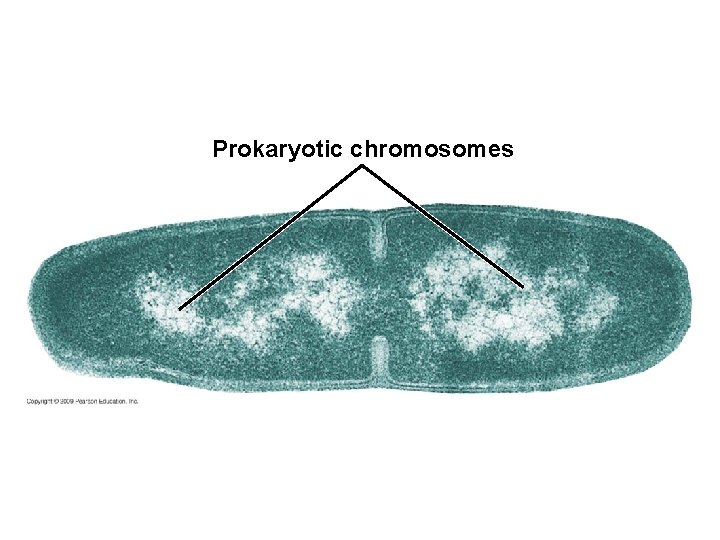
Prokaryotic chromosomes
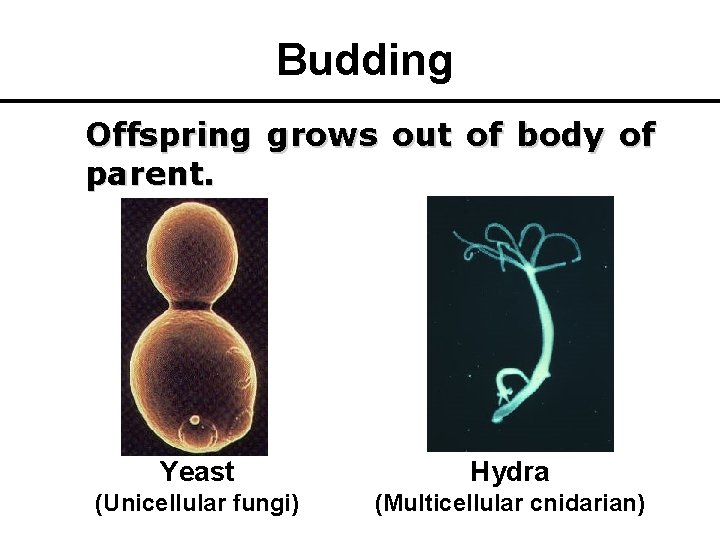
Budding Offspring grows out of body of parent. Yeast Hydra (Unicellular fungi) (Multicellular cnidarian)
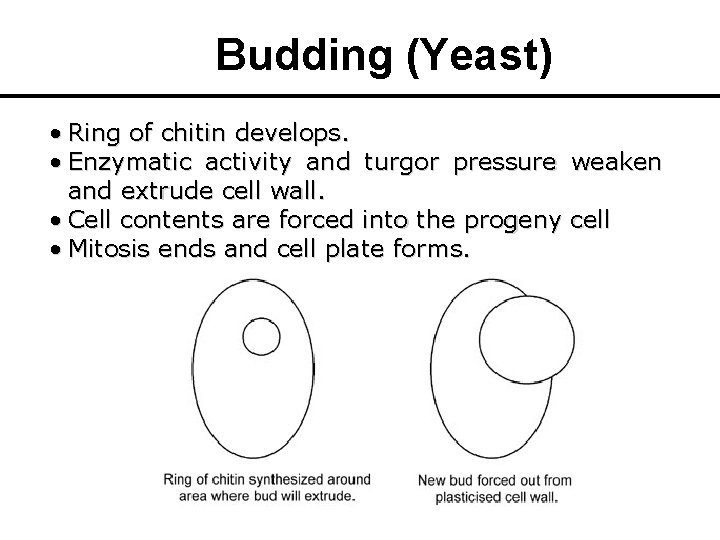
Budding (Yeast) • Ring of chitin develops. • Enzymatic activity and turgor pressure weaken and extrude cell wall. • Cell contents are forced into the progeny cell • Mitosis ends and cell plate forms.
Gemmules (Internal Buds) Parent releases a specialized mass of cells that can develop into offspring. Freshwater sponges exhibit this type of reproduction.
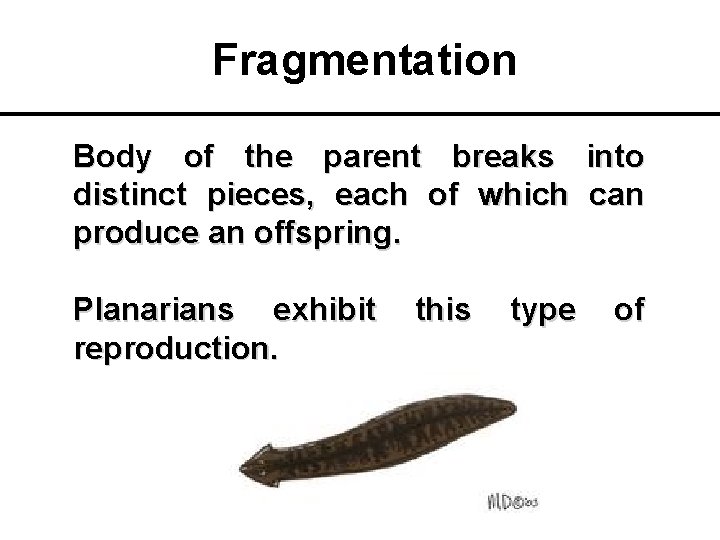
Fragmentation Body of the parent breaks into distinct pieces, each of which can produce an offspring. Planarians exhibit reproduction. this type of
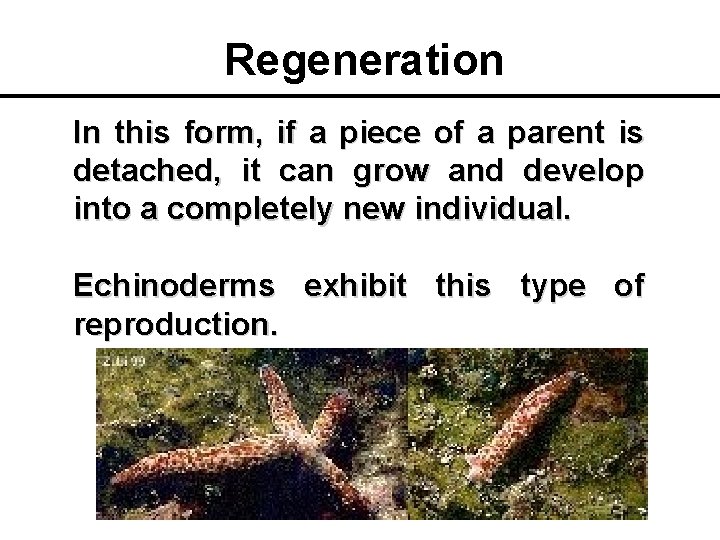
Regeneration In this form, if a piece of a parent is detached, it can grow and develop into a completely new individual. Echinoderms exhibit this type of reproduction.