
Secondary Compounds Medicinal Plants PBIO 006 Summer 2011
Secondary Compounds & Medicinal Plants PBIO 006, Summer 2011
Outline: • A brief history of medicinal plants • Plants in modern medicine • Foxglove (Digitalis purpurea) as a heart remedy • The fever bark tree (Cinchona ledgeriana) and quinine as a remedy for malaria • Willow bark (Salix spp. ) and aspirin • Plant-based cancer drugs • Other herbal remedies: Ephedra, St. Johnswort, and Ginkgo biloba
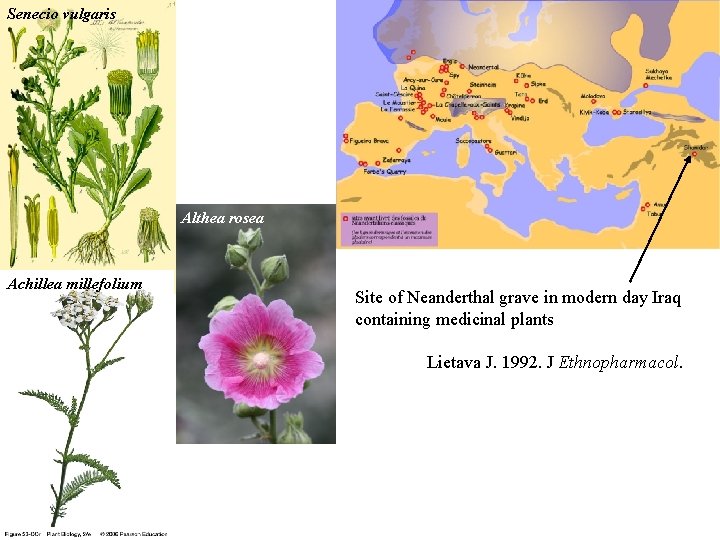
Senecio vulgaris Althea rosea Achillea millefolium Site of Neanderthal grave in modern day Iraq containing medicinal plants Lietava J. 1992. J Ethnopharmacol.
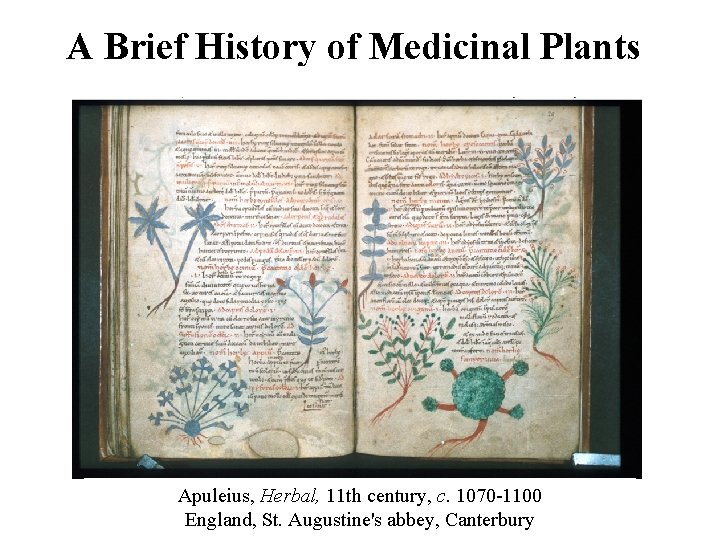
A Brief History of Medicinal Plants Apuleius, Herbal, 11 th century, c. 1070 -1100 England, St. Augustine's abbey, Canterbury
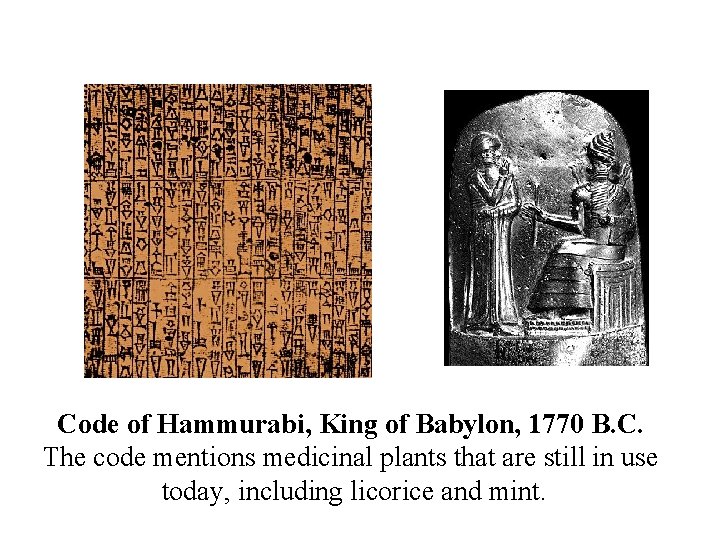
Code of Hammurabi, King of Babylon, 1770 B. C. The code mentions medicinal plants that are still in use today, including licorice and mint.
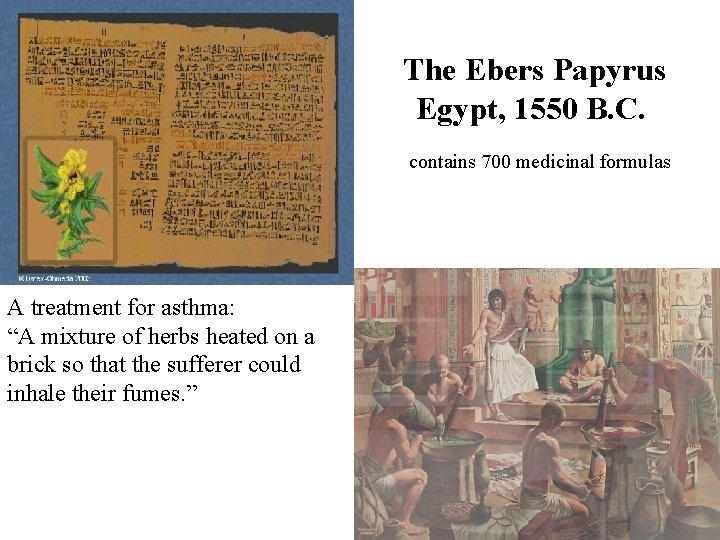
The Ebers Papyrus Egypt, 1550 B. C. contains 700 medicinal formulas A treatment for asthma: “A mixture of herbs heated on a brick so that the sufferer could inhale their fumes. ”
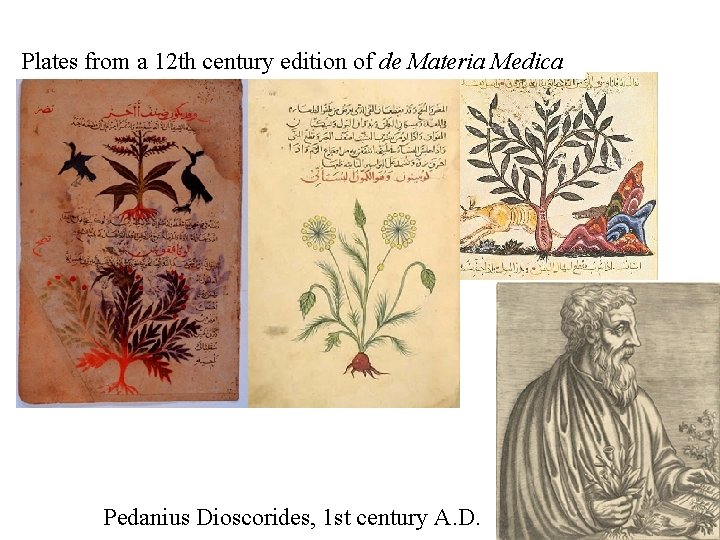
Plates from a 12 th century edition of de Materia Medica Pedanius Dioscorides, 1 st century A. D.
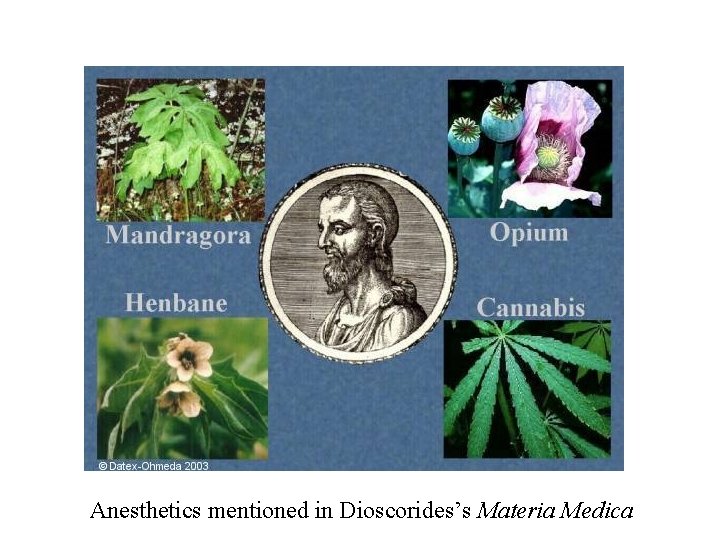
Anesthetics mentioned in Dioscorides’s Materia Medica
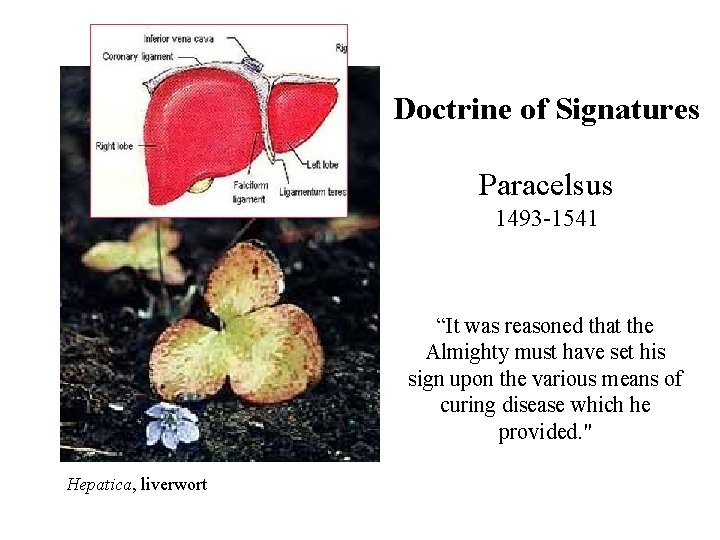
Doctrine of Signatures Paracelsus 1493 -1541 “It was reasoned that the Almighty must have set his sign upon the various means of curing disease which he provided. " Hepatica, liverwort
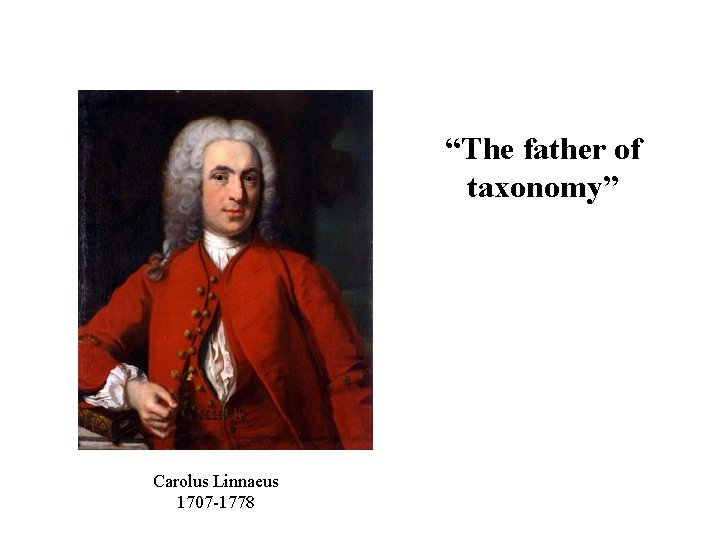
“The father of taxonomy” Carolus Linnaeus 1707 -1778
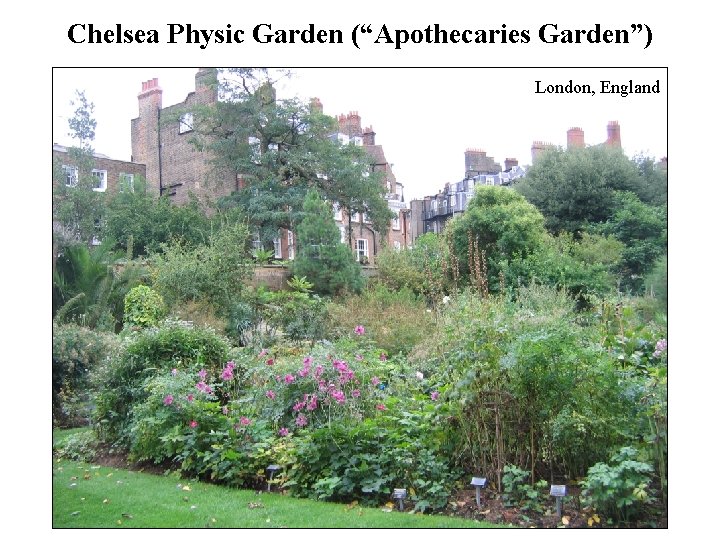
Chelsea Physic Garden (“Apothecaries Garden”) London, England
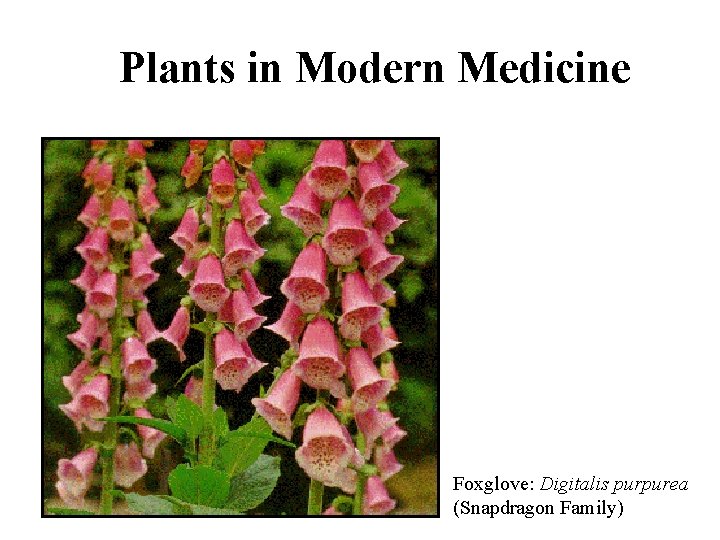
Plants in Modern Medicine Foxglove: Digitalis purpurea (Snapdragon Family)
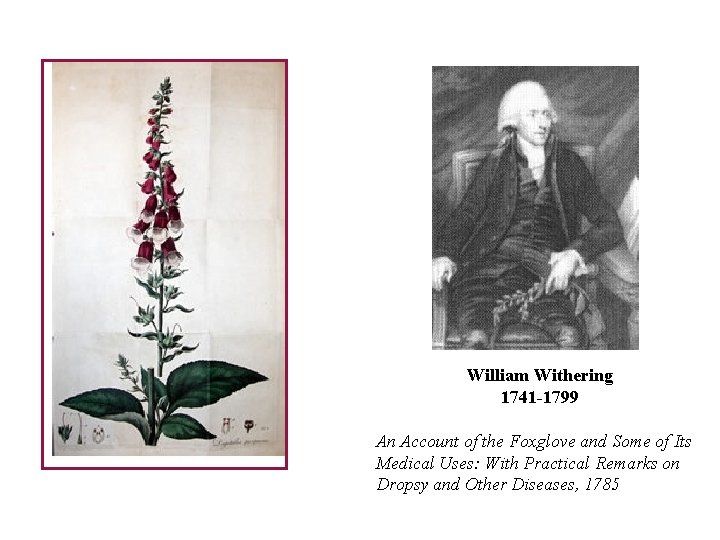
William Withering 1741 -1799 An Account of the Foxglove and Some of Its Medical Uses: With Practical Remarks on Dropsy and Other Diseases, 1785
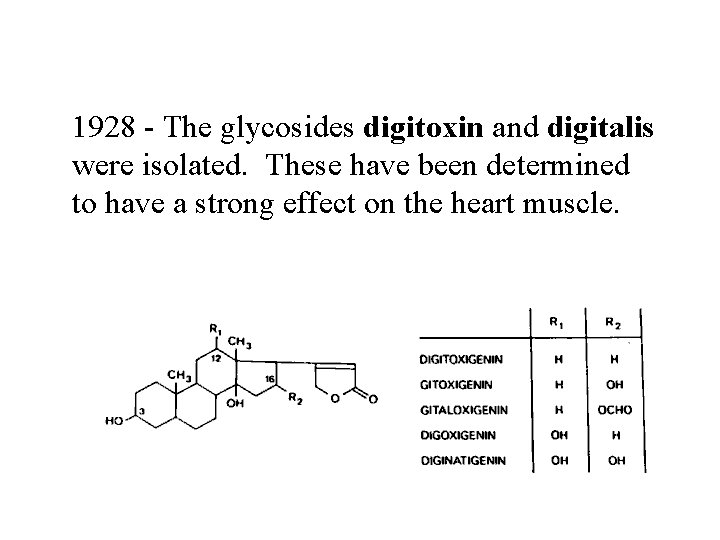
1928 - The glycosides digitoxin and digitalis were isolated. These have been determined to have a strong effect on the heart muscle.

Congestive Heart Failure
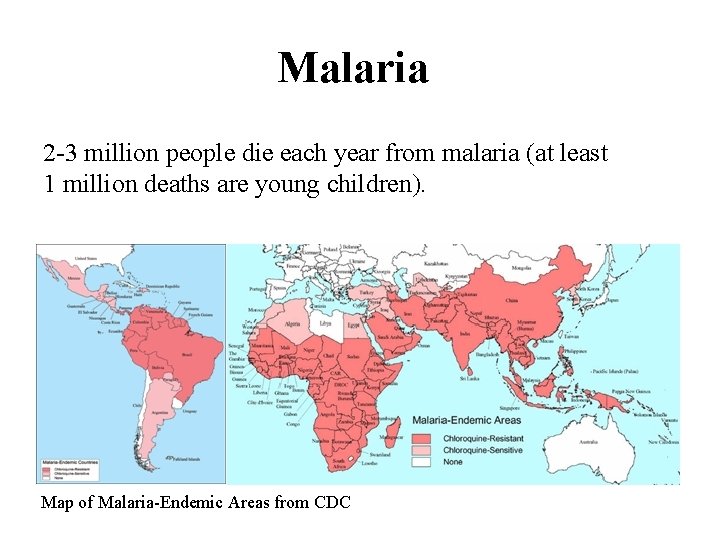
Malaria 2 -3 million people die each year from malaria (at least 1 million deaths are young children). Map of Malaria-Endemic Areas from CDC
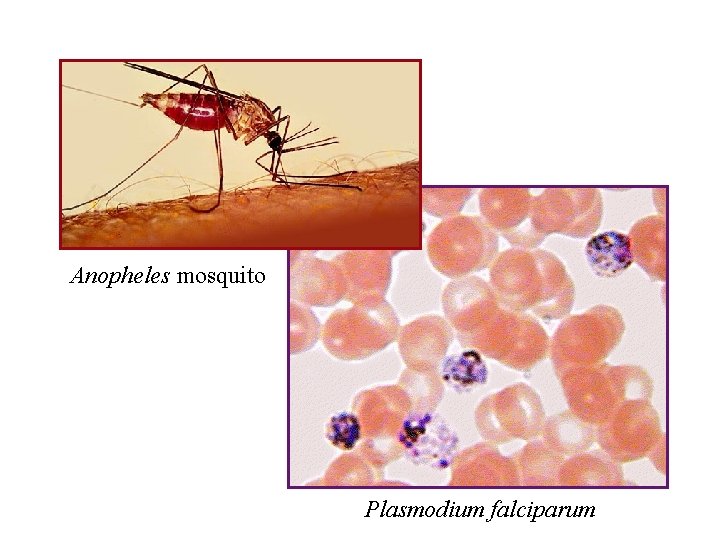
Anopheles mosquito Plasmodium falciparum
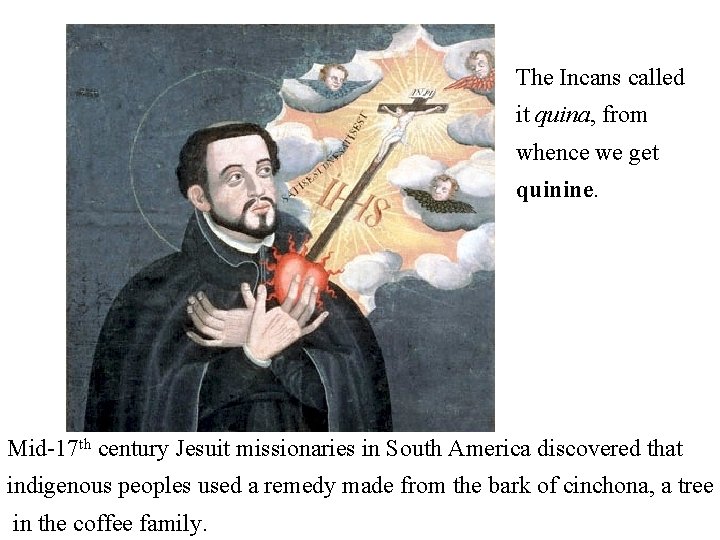
The Incans called it quina, from whence we get quinine. Mid-17 th century Jesuit missionaries in South America discovered that indigenous peoples used a remedy made from the bark of cinchona, a tree in the coffee family.
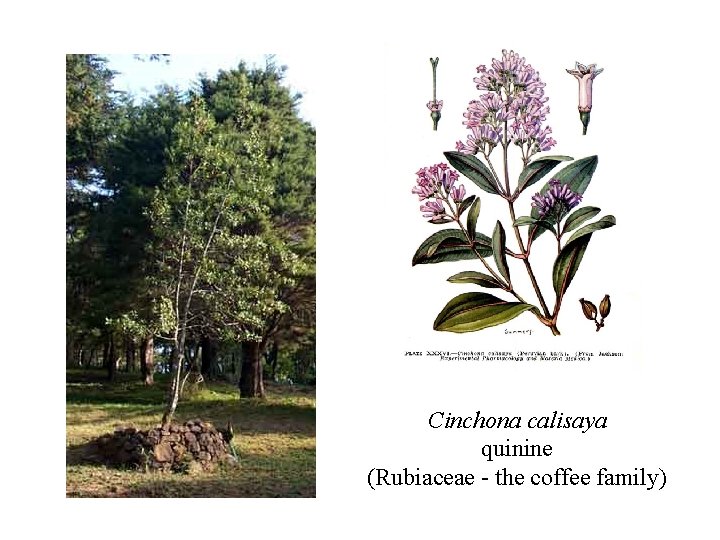
Cinchona calisaya quinine (Rubiaceae - the coffee family)
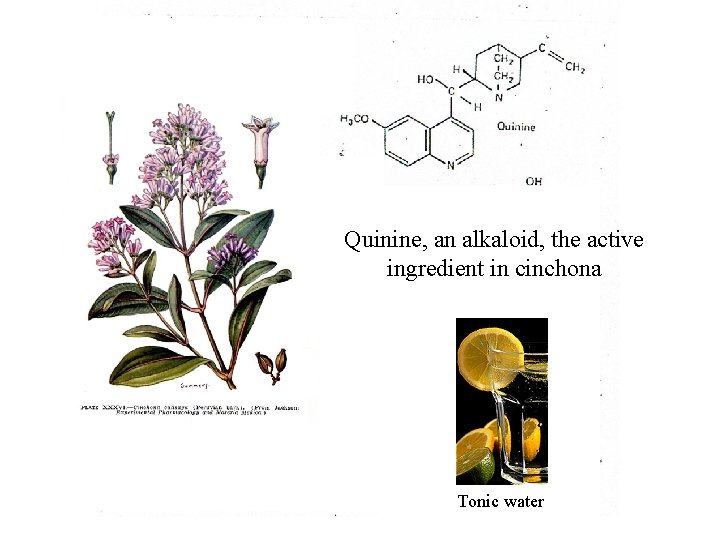
Quinine, an alkaloid, the active ingredient in cinchona Tonic water
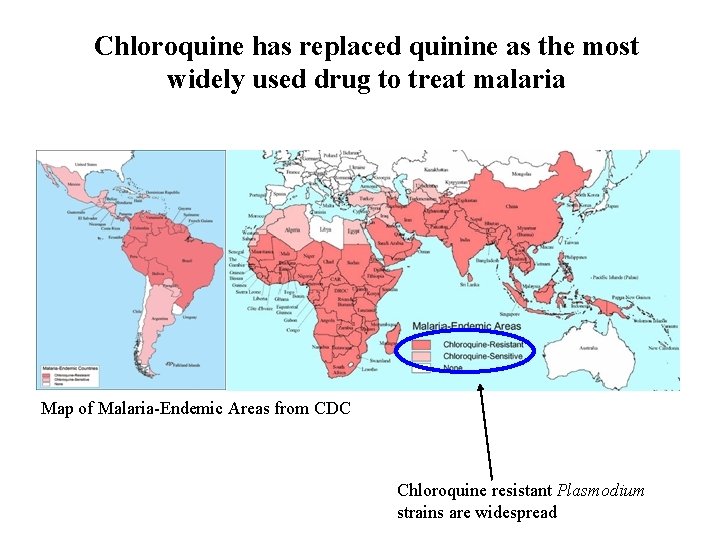
Chloroquine has replaced quinine as the most widely used drug to treat malaria Map of Malaria-Endemic Areas from CDC Chloroquine resistant Plasmodium strains are widespread
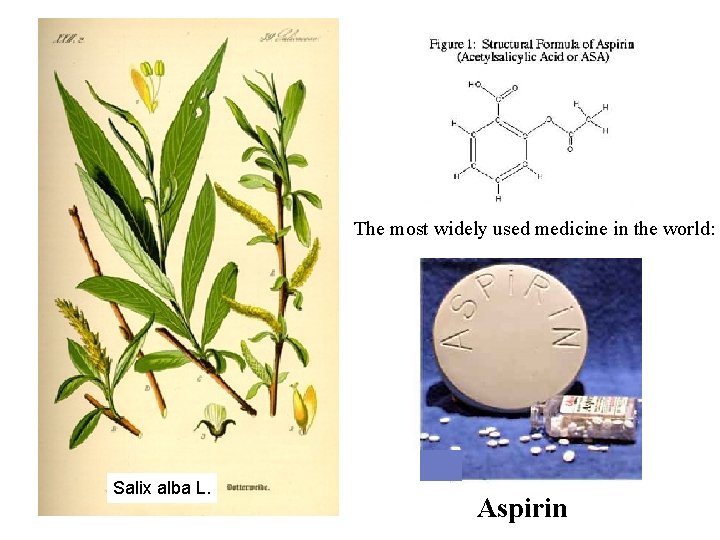
The most widely used medicine in the world: Salix alba L. Aspirin
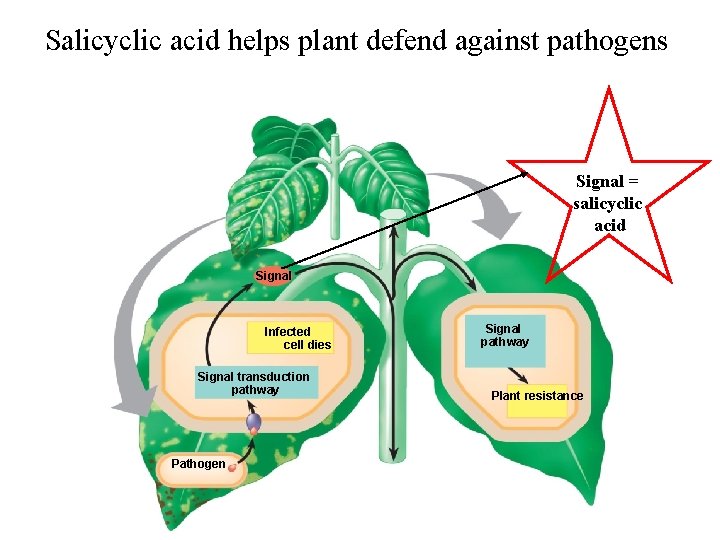
Salicyclic acid helps plant defend against pathogens Signal = salicyclic acid Signal Infected cell dies Signal transduction pathway Pathogen Signal pathway Plant resistance
iclicker. . . Malaria statistics are chilling: nearly 1 million people die from malaria each year in Africa alone, mostly children younger than 5 years old. Which of the following causes malaria? A. breathing air from swamps B. Anopheles mosquitoes C. Plasmodium protozoans D. living in tropical regions E. an airborne virus
iclicker. . . Malaria statistics are chilling: nearly 1 million people die from malaria each year in Africa alone, mostly children younger than 5 years old. Which of the following causes malaria? A. breathing air from swamps B. Anopheles mosquitoes (vector of Plasmodium) C. Plasmodium protozoans (cause of malaria) D. living in tropical regions E. an airborne virus
Plant-Based Cancer Drugs
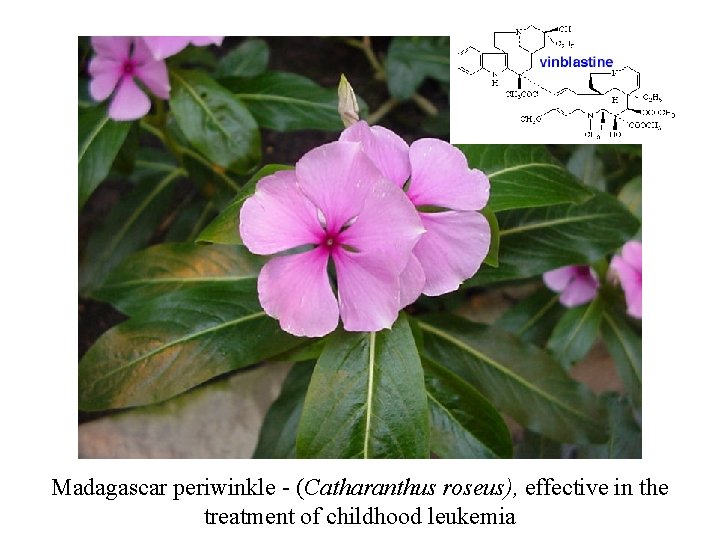
Madagascar periwinkle - (Catharanthus roseus), effective in the treatment of childhood leukemia
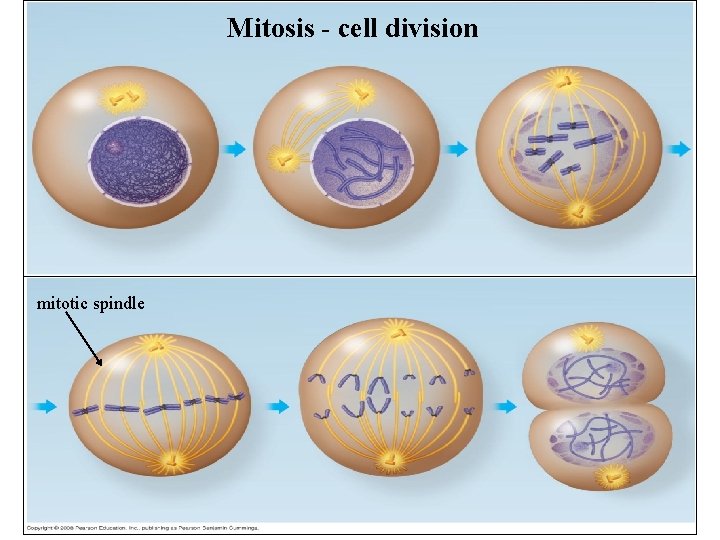
Mitosis - cell division mitotic spindle
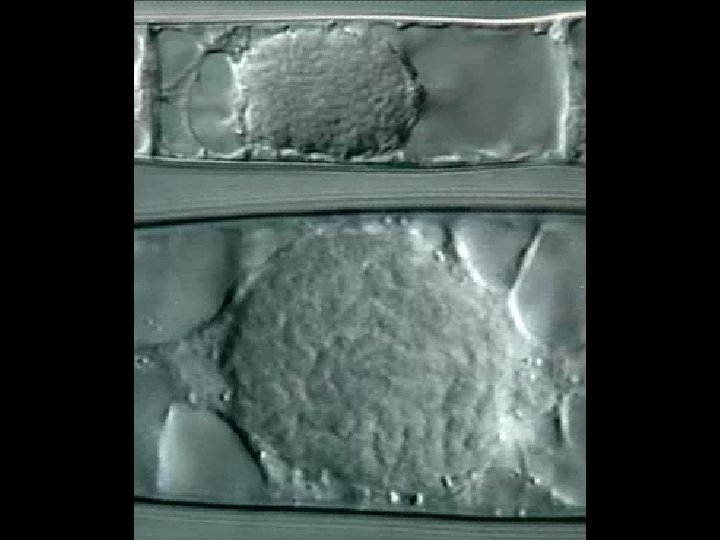
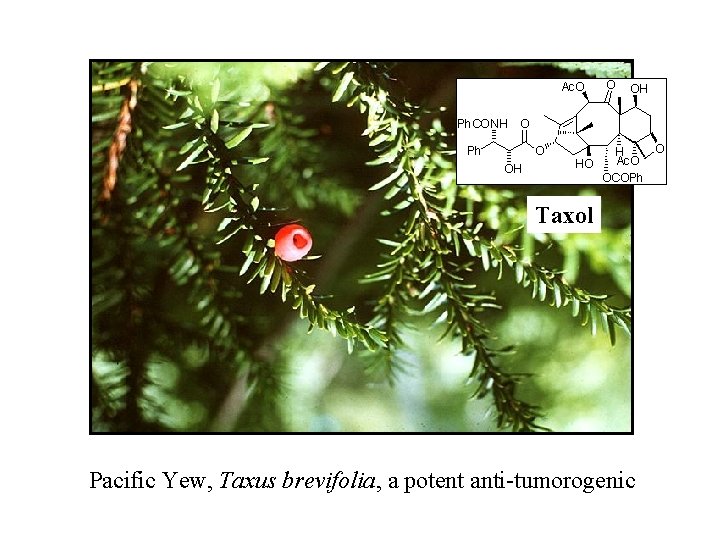
Taxol Pacific Yew, Taxus brevifolia, a potent anti-tumorogenic
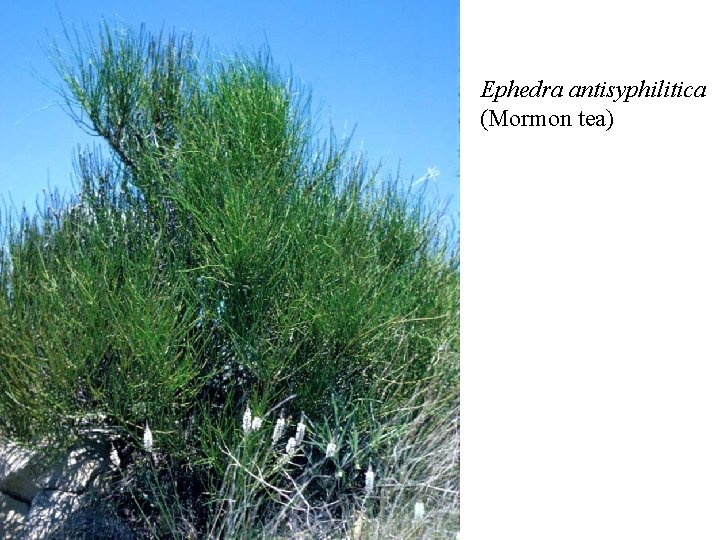
Ephedra antisyphilitica (Mormon tea)
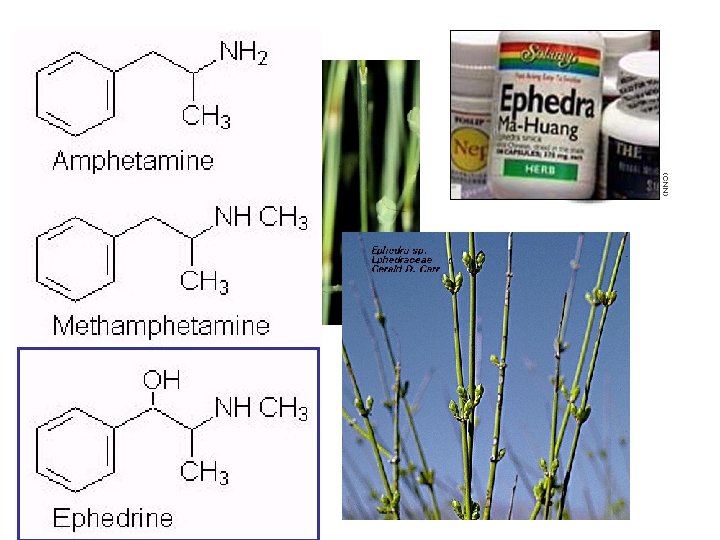
Ephedra, source of ephedra, or ma-huang
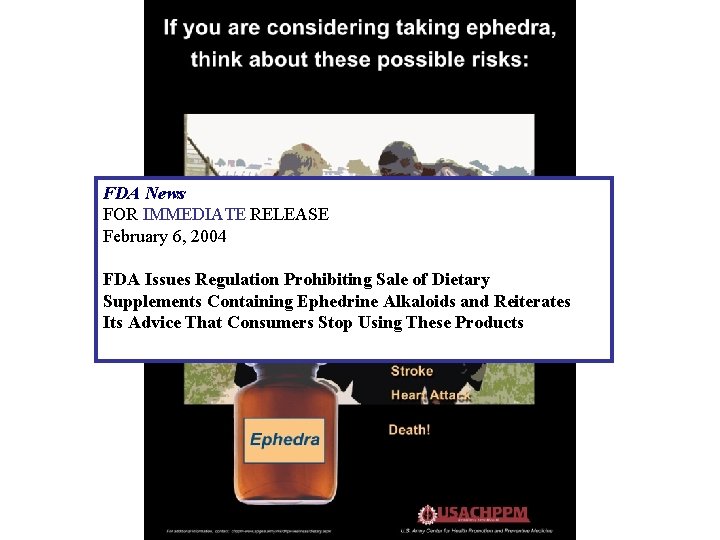
FDA News FOR IMMEDIATE RELEASE February 6, 2004 FDA Issues Regulation Prohibiting Sale of Dietary Supplements Containing Ephedrine Alkaloids and Reiterates Its Advice That Consumers Stop Using These Products
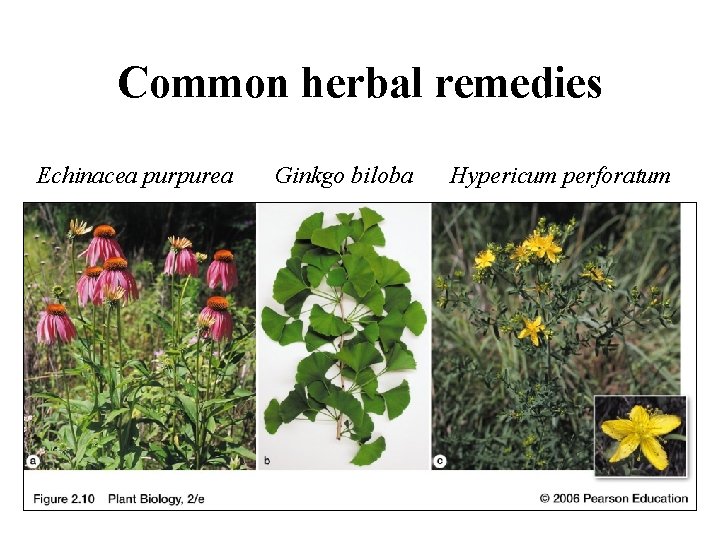
Common herbal remedies Echinacea purpurea Ginkgo biloba Hypericum perforatum
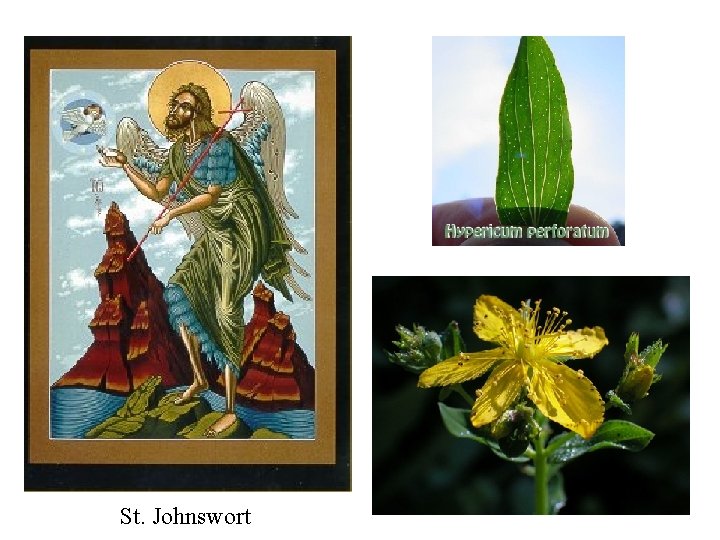
St. Johnswort
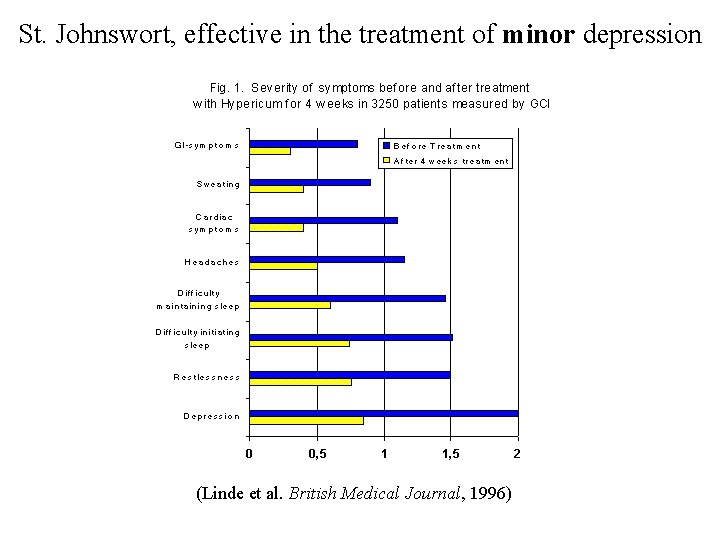
St. Johnswort, effective in the treatment of minor depression (Linde et al. British Medical Journal, 1996)
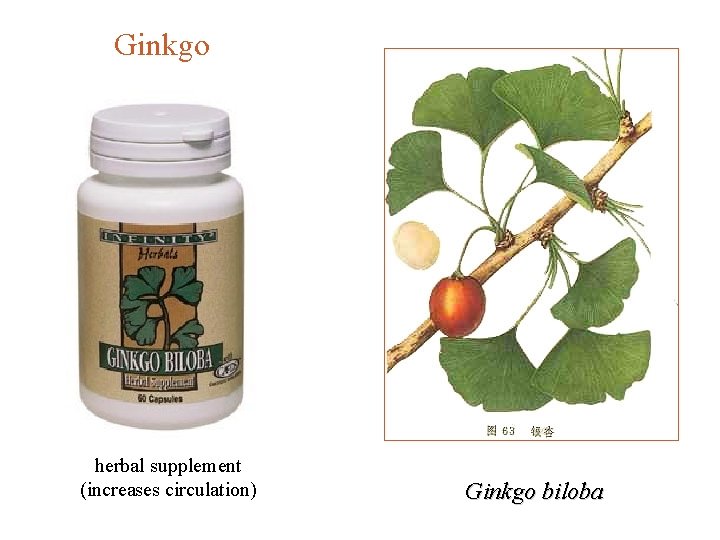
Ginkgo herbal supplement (increases circulation) Ginkgo biloba
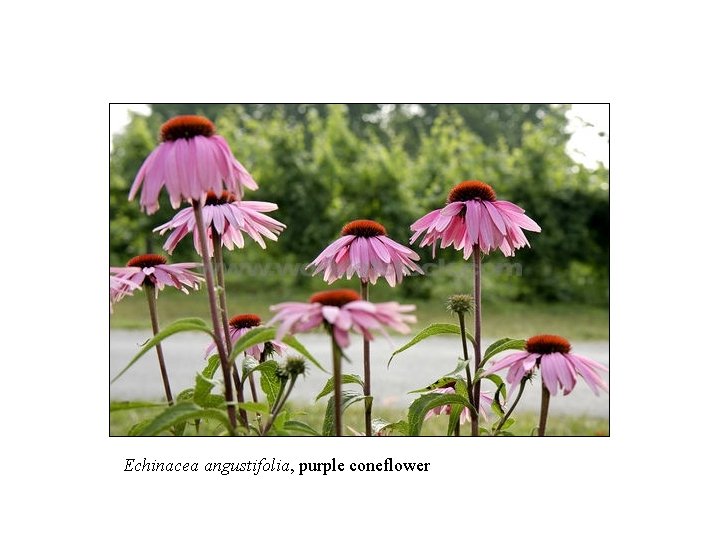
Echinacea angustifolia, purple coneflower
Lecture Review, Chap 19 • Give a brief history of medicinal plants, including examples major figures and texts. • What is a glycoside? How do digitalis and digitoxin, cardiac glycosides, work in the human body? What is the common and scientific name of plant source? • What is the vector of malaria transmission? What organism infects humans? How? What are the symptoms of malaria? • What is the source of quinine? How does it work to alleviate the symptoms of malaria? • What does the willow tree have to do with aspirin? Trace the history from willow bark tea to aspirin. How does salicyclic acid aid in a plant’s defense against pathogens? • What medicinal effects do St. Johnswort, Ginkgo biloba, and Echinacea have on humans? Why should St. Johnswort be taken with caution by those who are on prescription drugs?
- Slides: 39