
Screening and Prevention of Cardiovascular Disease in Diabetes
Screening and Prevention of Cardiovascular Disease in Diabetes Nathan D. Wong, Ph. D, FACC, FAHA Professor and Director Heart Disease Prevention Program Division of Cardiology University of California, Irvine Past President, American Society for Preventive Cardiology
Overview • • Is diabetes really a CHD risk equivalent? Why screen for subclinical cardiovascular disease (CVD) in diabetes? What is the evidence for atherosclerosis screening to improve CVD risk assessment? What is the evidence of benefit of individual and composite risk factor control in preventing CVD in diabetes?

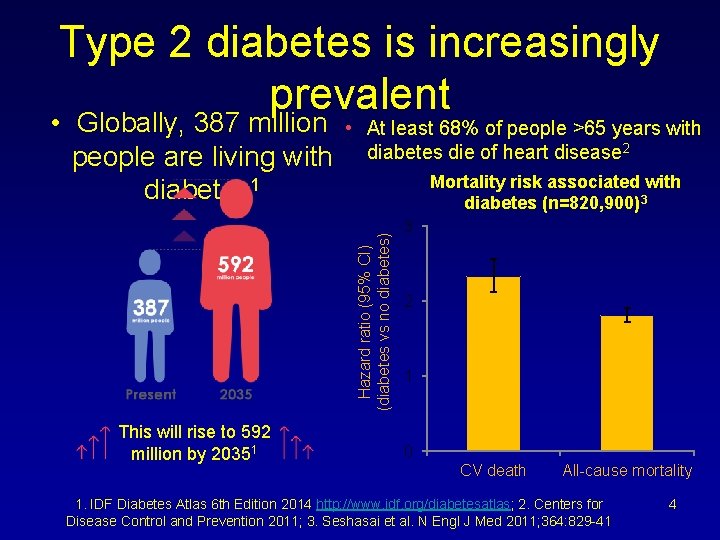
Type 2 diabetes is increasingly prevalent • At least 68% of people >65 years with diabetes die of heart disease 2 Mortality risk associated with diabetes (n=820, 900)3 Hazard ratio (95% CI) (diabetes vs no diabetes) • Globally, 387 million people are living with diabetes 1 This will rise to 592 million by 20351 3 2 1 0 CV death All-cause mortality 1. IDF Diabetes Atlas 6 th Edition 2014 http: //www. idf. org/diabetesatlas; 2. Centers for Disease Control and Prevention 2011; 3. Seshasai et al. N Engl J Med 2011; 364: 829 -41 4
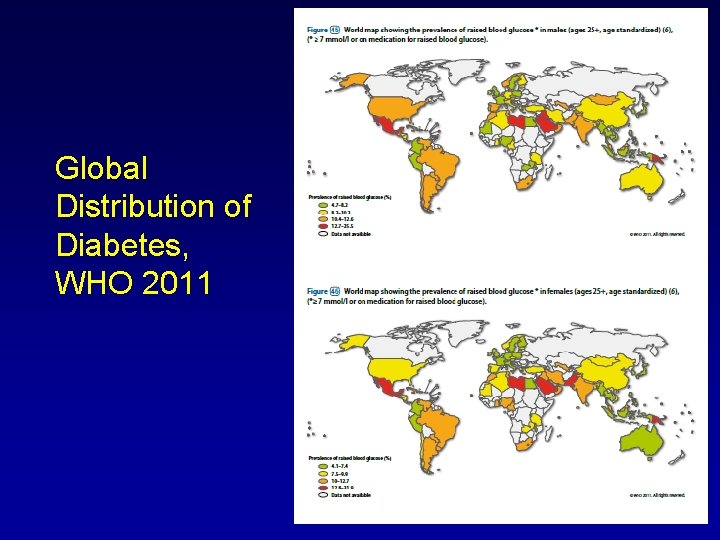
Global Distribution of Diabetes, WHO 2011
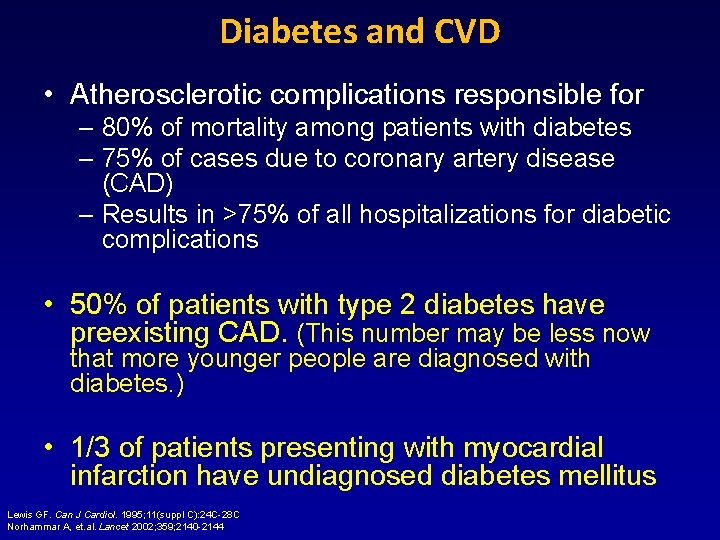
Diabetes and CVD • Atherosclerotic complications responsible for – 80% of mortality among patients with diabetes – 75% of cases due to coronary artery disease (CAD) – Results in >75% of all hospitalizations for diabetic complications • 50% of patients with type 2 diabetes have preexisting CAD. (This number may be less now that more younger people are diagnosed with diabetes. ) • 1/3 of patients presenting with myocardial infarction have undiagnosed diabetes mellitus Lewis GF. Can J Cardiol. 1995; 11(suppl C): 24 C-28 C Norhammar A, et. al. Lancet 2002; 359; 2140 -2144
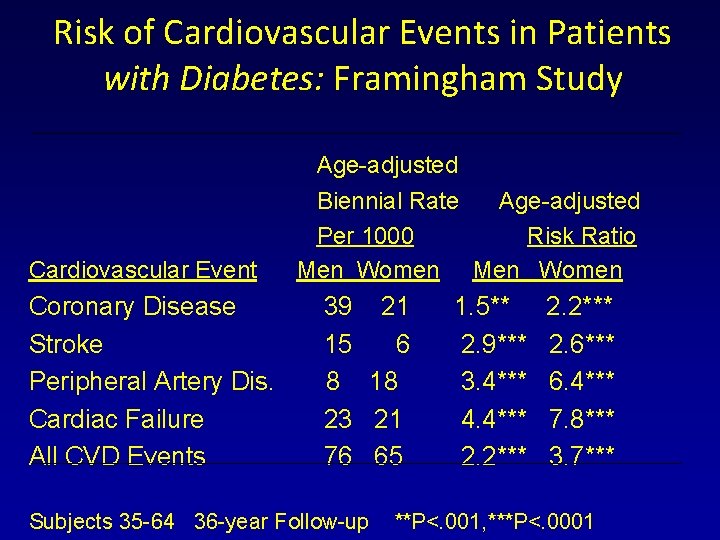
Risk of Cardiovascular Events in Patients with Diabetes: Framingham Study _________________________________ Age-adjusted Cardiovascular Event Biennial Rate Age-adjusted Per 1000 Risk Ratio Men Women Coronary Disease 39 21 1. 5** 2. 2*** Stroke 15 6 2. 9*** 2. 6*** Peripheral Artery Dis. 8 18 3. 4*** 6. 4*** Cardiac Failure 23 21 4. 4*** 7. 8*** _________________________________ All CVD Events 76 65 2. 2*** 3. 7*** Subjects 35 -64 36 -year Follow-up **P<. 001, ***P<. 0001
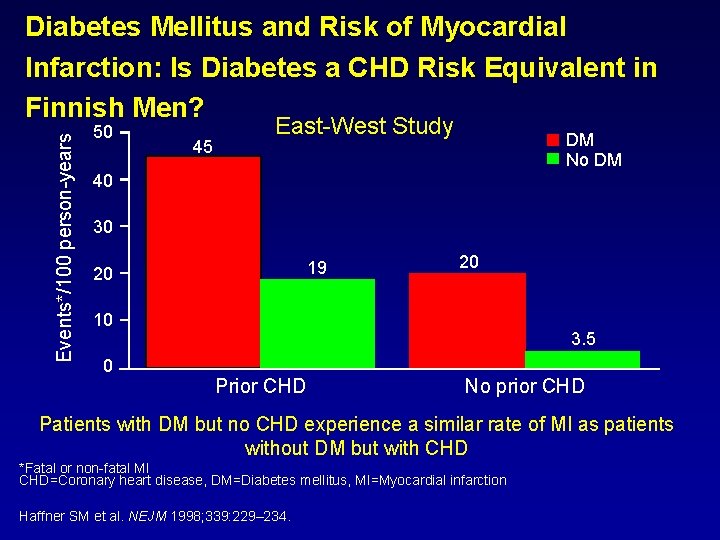
Events*/100 person-years Diabetes Mellitus and Risk of Myocardial Infarction: Is Diabetes a CHD Risk Equivalent in Finnish Men? 50 45 East-West Study DM No DM 40 30 19 20 20 10 0 3. 5 Prior CHD No prior CHD Patients with DM but no CHD experience a similar rate of MI as patients without DM but with CHD *Fatal or non-fatal MI CHD=Coronary heart disease, DM=Diabetes mellitus, MI=Myocardial infarction Haffner SM et al. NEJM 1998; 339: 229– 234.
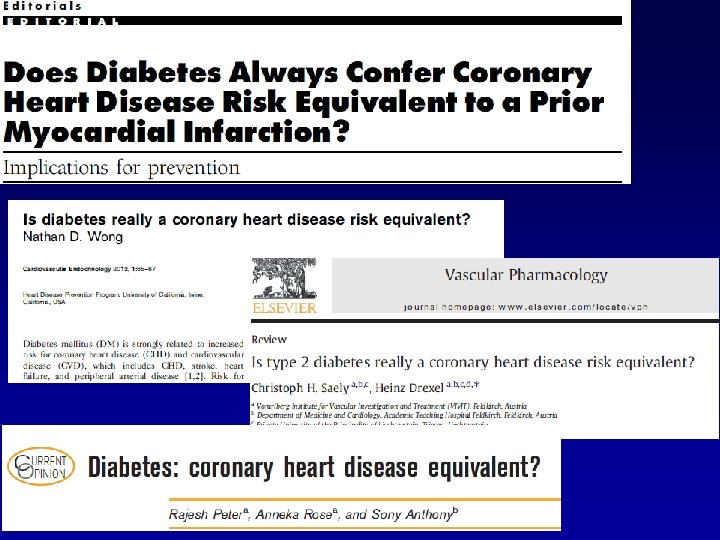

Is DM really a CHD Risk Equivalent? Meta-Analysis of 38, 578 subjects (Bulugahapitiya et al. Diabetic Med 2008) DM without prior MI has a 43% lower risk of developing total CHD events compared to those without DM with prior MI, suggesting DM is not a coronary risk equivalent.
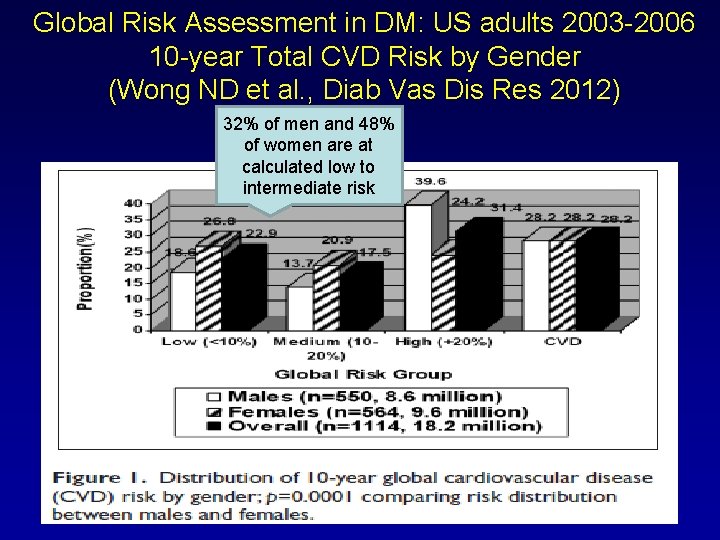
Global Risk Assessment in DM: US adults 2003 -2006 10 -year Total CVD Risk by Gender (Wong ND et al. , Diab Vas Dis Res 2012) 32% of men and 48% of women are at calculated low to intermediate risk

2013 Prevention Guidelines ASCVD Risk Estimator

ASCVD Risk Estimator • For those 20 -59 risk estimator provides lifetime risk estimate • This is intended to drive discussions of greater adherence to heart-healthy lifestyle • Part of risk discussion

UKPDS Risk Engine

The Detection Gap in CHD “Despite many available risk assessment approaches, a substantial gap remains in the detection of asymptomatic individuals who ultimately develop CHD” “The Framingham and European risk scores… emphasize the classic CHD risk factors…. is only moderately accurate for the prediction of short- and long-term risk of manifesting a major coronary artery event…” Pasternak and Abrams et al. 34 th Bethesda conf. JACC 2003; 41: 1855 -1917
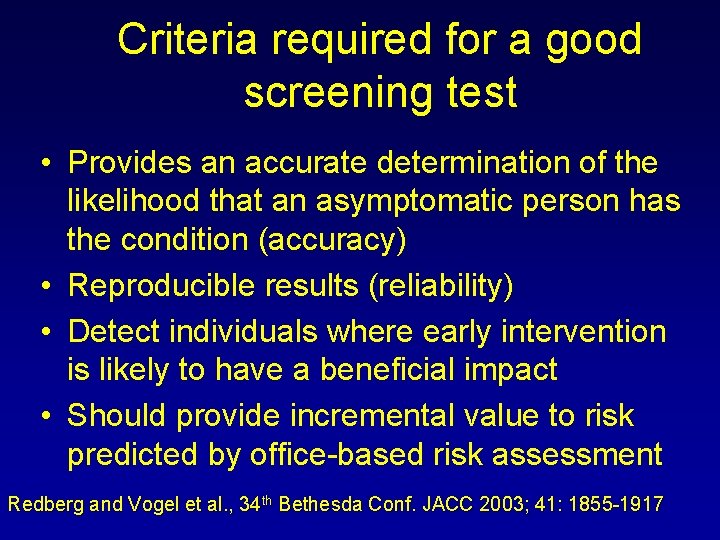
Criteria required for a good screening test • Provides an accurate determination of the likelihood that an asymptomatic person has the condition (accuracy) • Reproducible results (reliability) • Detect individuals where early intervention is likely to have a beneficial impact • Should provide incremental value to risk predicted by office-based risk assessment Redberg and Vogel et al. , 34 th Bethesda Conf. JACC 2003; 41: 1855 -1917
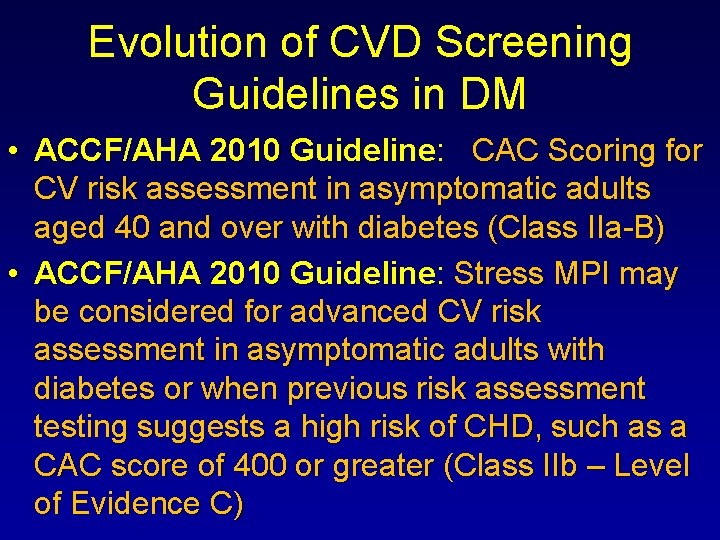
Evolution of CVD Screening Guidelines in DM • ACCF/AHA 2010 Guideline: CAC Scoring for CV risk assessment in asymptomatic adults aged 40 and over with diabetes (Class IIa-B) • ACCF/AHA 2010 Guideline: Stress MPI may be considered for advanced CV risk assessment in asymptomatic adults with diabetes or when previous risk assessment testing suggests a high risk of CHD, such as a CAC score of 400 or greater (Class IIb – Level of Evidence C)
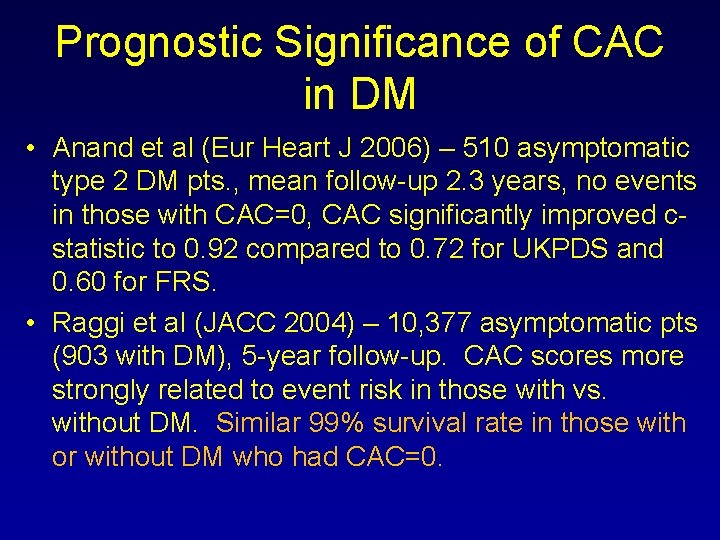
Prognostic Significance of CAC in DM • Anand et al (Eur Heart J 2006) – 510 asymptomatic type 2 DM pts. , mean follow-up 2. 3 years, no events in those with CAC=0, CAC significantly improved cstatistic to 0. 92 compared to 0. 72 for UKPDS and 0. 60 for FRS. • Raggi et al (JACC 2004) – 10, 377 asymptomatic pts (903 with DM), 5 -year follow-up. CAC scores more strongly related to event risk in those with vs. without DM. Similar 99% survival rate in those with or without DM who had CAC=0.
Multiethnic Study of Atherosclerosis • NIH multicenter prospective study of 6, 814 subjects aged 45 -84, Caucasian, Hispanic, African-American, and Chinese • Follow-up now is approximately 10 years • Standardized risk factor and follow-up for CVD events • Coronary calcium done at baseline (20002002) Exam 1 and repeated in subsets at Exams 2, 3, and 4. • Measures of carotid IMT also performed.
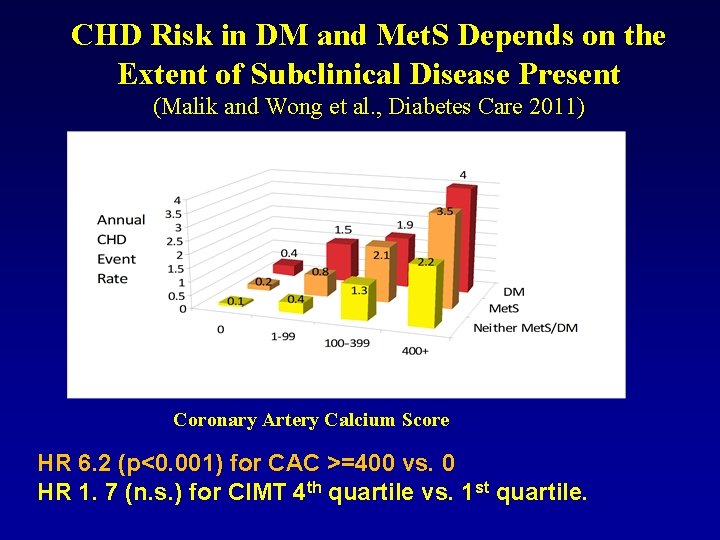
CHD Risk in DM and Met. S Depends on the Extent of Subclinical Disease Present (Malik and Wong et al. , Diabetes Care 2011) Coronary Heart Disease Coronary Artery Calcium Score HR 6. 2 (p<0. 001) for CAC >=400 vs. 0 HR 1. 7 (n. s. ) for CIMT 4 th quartile vs. 1 st quartile.

A Positive MPS in Met. S and DM Infrequent Unless Moderate Subclinical Atherosclerosis is Present (Wong ND et al. , Diabetes Care 2005; 28: 1445 -50 )
DIAD Randomized Clinical Trial of Stress MPI Screening (Young, Inzucchi et al. JAMA 2009) • Randomized NIH multicenter trial examining whether screening for myocardial ischemia using adenosinestress MPI in 1123 persons with type 2 DM and no symptoms of CAD. • Only 22% were positive for myocardial ischemia with only 6% have moderate or large defects • 5 -year 2. 9% cumulative event rate (0. 6% per year), much lower than expected Event rates similar in those screening (2. 7%) vs. not screened (3. 0%) (p=0. 73) (authors note the study only had 20% power to detect a 20% difference between groups)

DIAD Study (continued) • The authors conclude that screening for inducible ischemia in asymptomatic patients with T 2 DM cannot be advocated for 4 reasons: • The yield of significant inducible ischemia is very low • Overall cardiac event rates are low • Routine screening does not appear to affect overall outcome • Routine screening would be prohibitively expensive The much lower than expected event rates makes the study inconclusive in demonstrating the lack of efficacy of screening for subclinical CVD using MPI
Should we be using stress MPI to screen for CVD in all pts with DM? • Stress MPI is meant to identify short-term risk due to functional deficit, rather than long -term prognosis such as that identified by a test to quantify atherosclerotic burden such as coronary calcium • The radiation and costs are much higher for MPI as compared to coronary calcium, suggesting MPI might be best reserved for those DM at highest risk
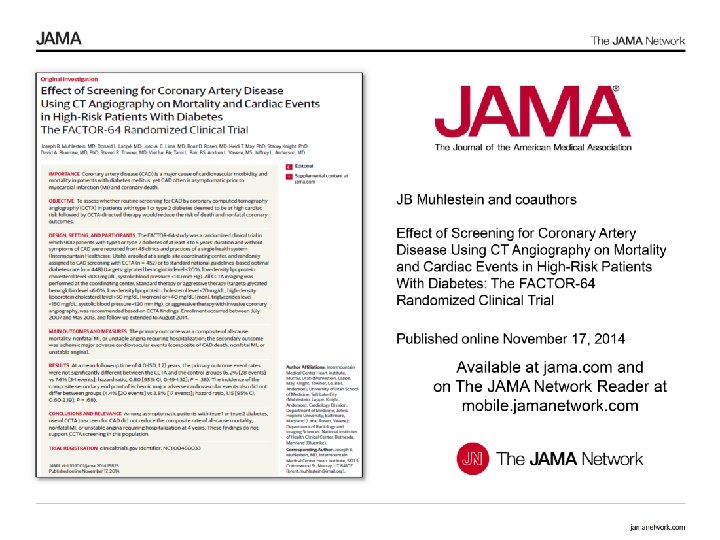
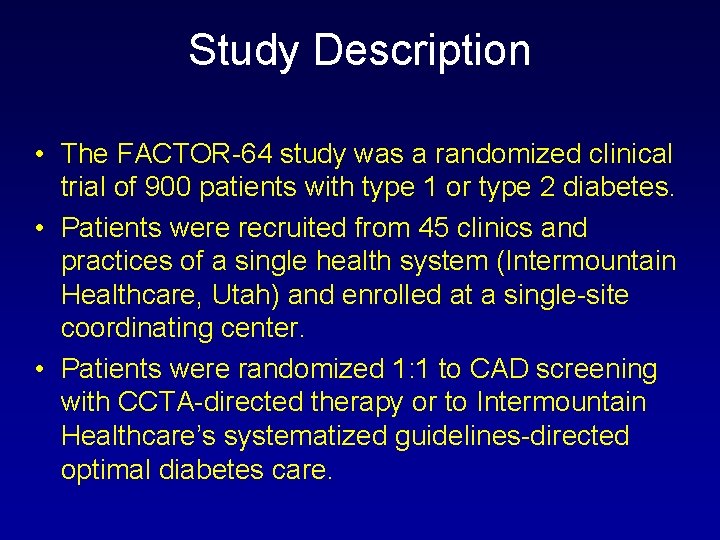
Study Description • The FACTOR-64 study was a randomized clinical trial of 900 patients with type 1 or type 2 diabetes. • Patients were recruited from 45 clinics and practices of a single health system (Intermountain Healthcare, Utah) and enrolled at a single-site coordinating center. • Patients were randomized 1: 1 to CAD screening with CCTA-directed therapy or to Intermountain Healthcare’s systematized guidelines-directed optimal diabetes care.
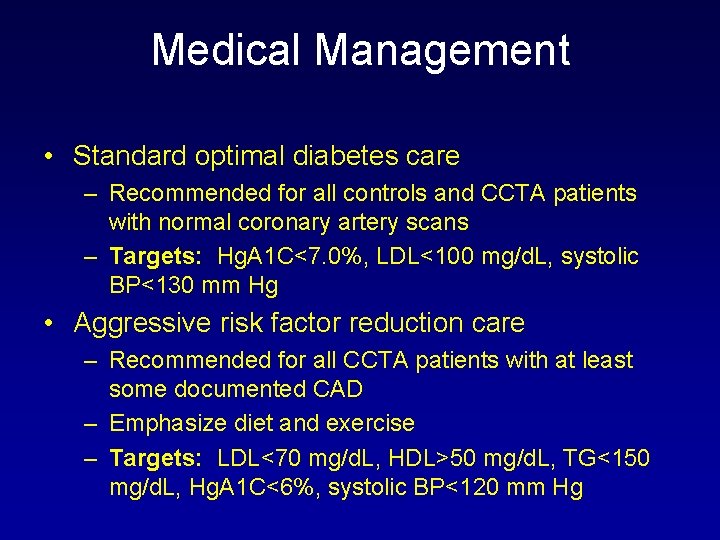
Medical Management • Standard optimal diabetes care – Recommended for all controls and CCTA patients with normal coronary artery scans – Targets: Hg. A 1 C<7. 0%, LDL<100 mg/d. L, systolic BP<130 mm Hg • Aggressive risk factor reduction care – Recommended for all CCTA patients with at least some documented CAD – Emphasize diet and exercise – Targets: LDL<70 mg/d. L, HDL>50 mg/d. L, TG<150 mg/d. L, Hg. A 1 C<6%, systolic BP<120 mm Hg
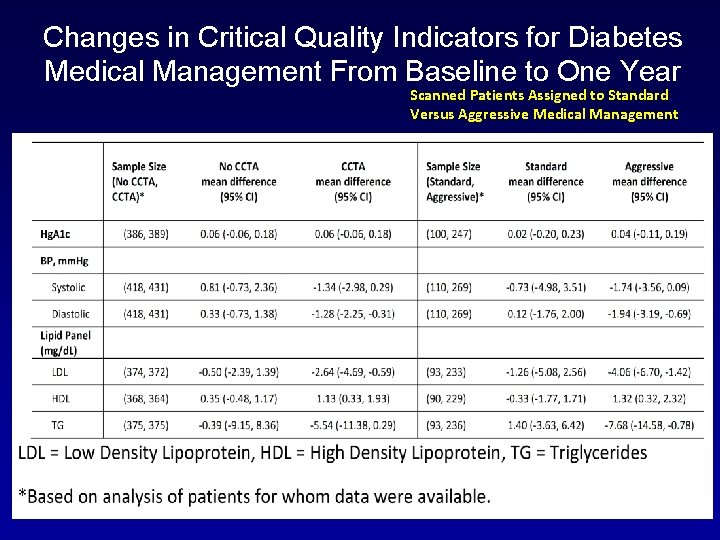
Changes in Critical Quality Indicators for Diabetes Medical Management From Baseline to One Year Scanned Patients Assigned to Standard Versus Aggressive Medical Management
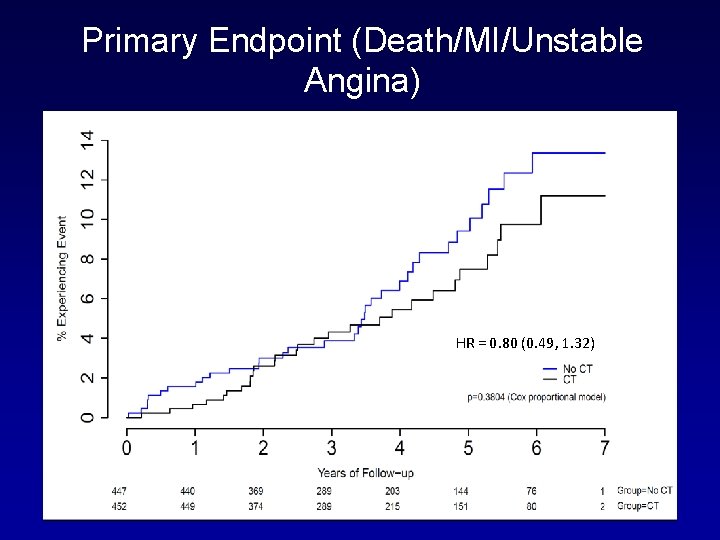
Primary Endpoint (Death/MI/Unstable Angina) HR = 0. 80 (0. 49, 1. 32)
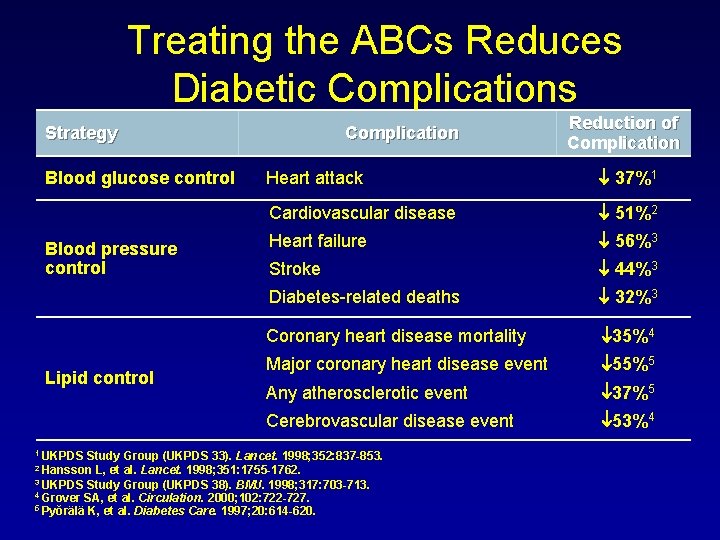
Treating the ABCs Reduces Diabetic Complications Strategy Complication Blood glucose control ▪ Heart attack Blood pressure control Lipid control 1 UKPDS 37%1 ▪ Cardiovascular disease 51%2 ▪ Heart failure 56%3 ▪ Stroke 44%3 ▪ Diabetes-related deaths 32%3 ▪ Coronary heart disease mortality 35%4 ▪ Major coronary heart disease event 55%5 ▪ Any atherosclerotic event 37%5 ▪ Cerebrovascular disease event 53%4 Study Group (UKPDS 33). Lancet. 1998; 352: 837 -853. L, et al. Lancet. 1998; 351: 1755 -1762. 3 UKPDS Study Group (UKPDS 38). BMJ. 1998; 317: 703 -713. 4 Grover SA, et al. Circulation. 2000; 102: 722 -727. 5 Pyŏrälä K, et al. Diabetes Care. 1997; 20: 614 -620. 2 Hansson Reduction of Complication
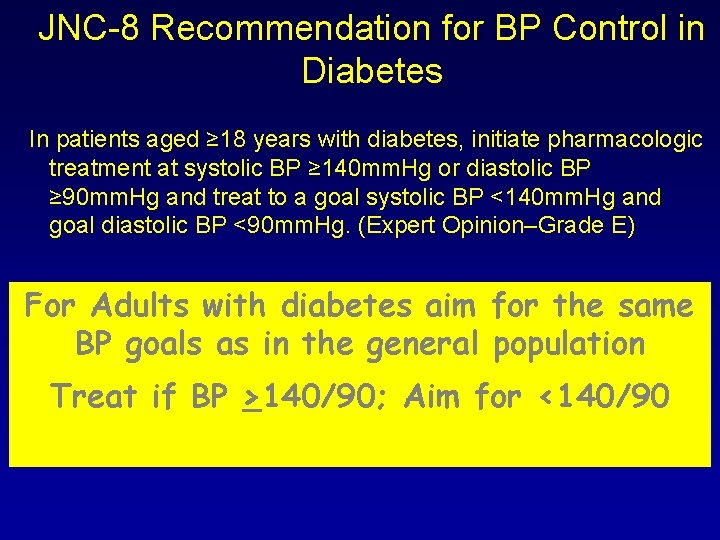
JNC-8 Recommendation for BP Control in Diabetes In patients aged ≥ 18 years with diabetes, initiate pharmacologic treatment at systolic BP ≥ 140 mm. Hg or diastolic BP ≥ 90 mm. Hg and treat to a goal systolic BP <140 mm. Hg and goal diastolic BP <90 mm. Hg. (Expert Opinion–Grade E) For Adults with diabetes aim for the same BP goals as in the general population Treat if BP >140/90; Aim for <140/90
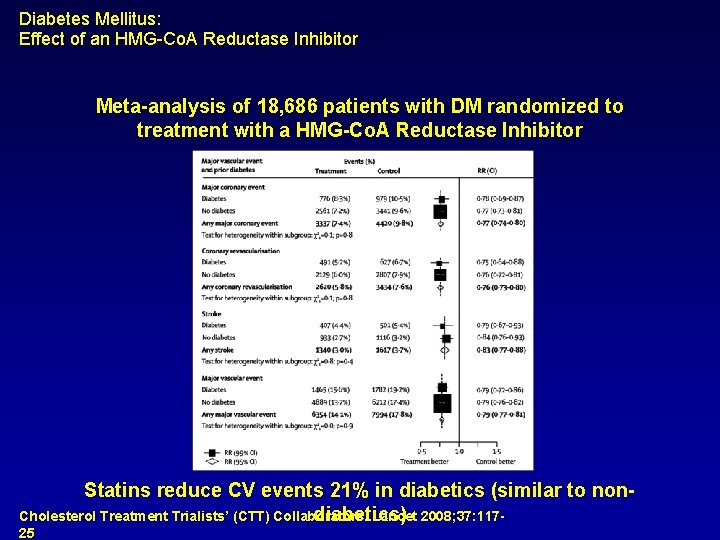
Diabetes Mellitus: Effect of an HMG-Co. A Reductase Inhibitor Meta-analysis of 18, 686 patients with DM randomized to treatment with a HMG-Co. A Reductase Inhibitor Statins reduce CV events 21% in diabetics (similar to nondiabetics) Cholesterol Treatment Trialists’ (CTT) Collaborators. Lancet 2008; 37: 11725
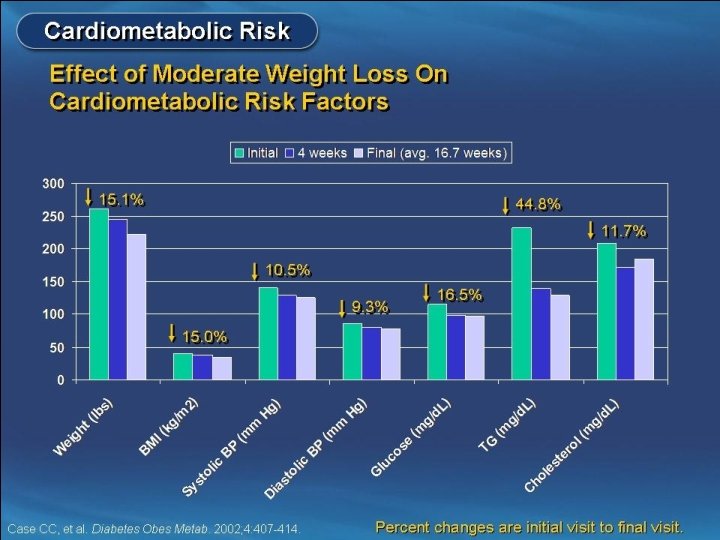
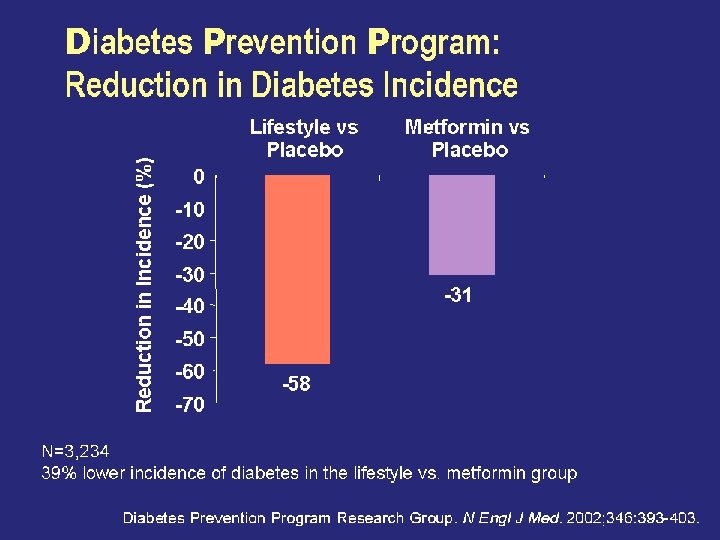
Diabetes Prevention Program: Reduction in Diabetes Incidence
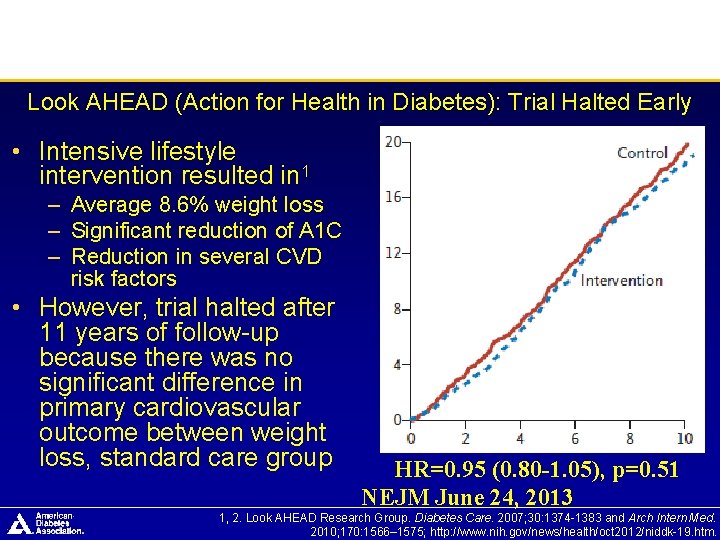
Look AHEAD (Action for Health in Diabetes): Trial Halted Early • Intensive lifestyle intervention resulted in 1 – Average 8. 6% weight loss – Significant reduction of A 1 C – Reduction in several CVD risk factors • However, trial halted after 11 years of follow-up because there was no significant difference in primary cardiovascular outcome between weight loss, standard care group HR=0. 95 (0. 80 -1. 05), p=0. 51 NEJM June 24, 2013 1, 2. Look AHEAD Research Group. Diabetes Care. 2007; 30: 1374 -1383 and Arch Intern Med. 2010; 170: 1566– 1575; http: //www. nih. gov/news/health/oct 2012/niddk-19. htm.
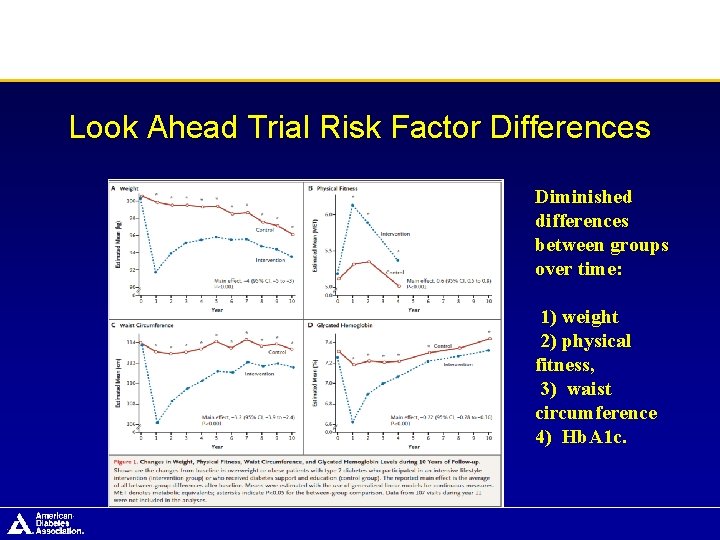
Look Ahead Trial Risk Factor Differences Diminished differences between groups over time: 1) weight 2) physical fitness, 3) waist circumference 4) Hb. A 1 c.
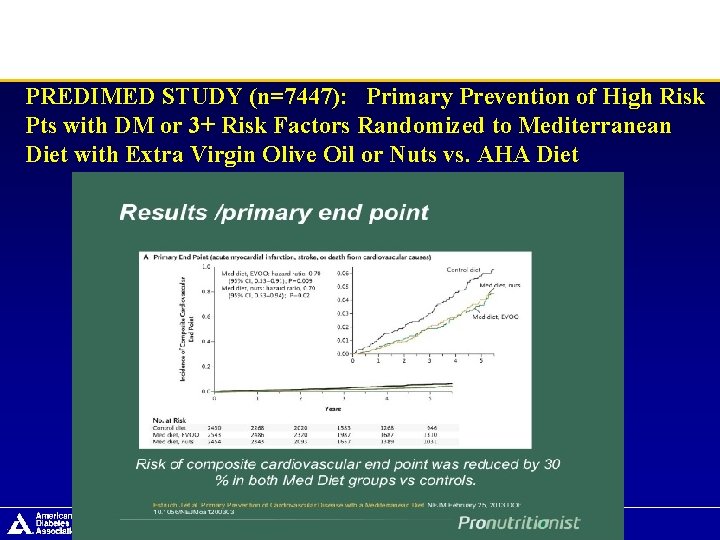
PREDIMED STUDY (n=7447): Primary Prevention of High Risk Pts with DM or 3+ Risk Factors Randomized to Mediterranean Diet with Extra Virgin Olive Oil or Nuts vs. AHA Diet
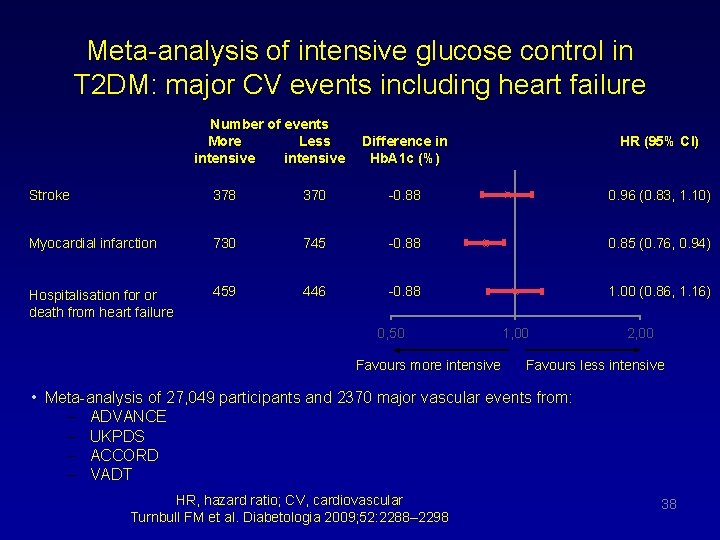
Meta-analysis of intensive glucose control in T 2 DM: major CV events including heart failure Number of events More Less intensive Difference in Hb. A 1 c (%) HR (95% CI) Stroke 378 370 -0. 88 0. 96 (0. 83, 1. 10) Myocardial infarction 730 745 -0. 88 0. 85 (0. 76, 0. 94) Hospitalisation for or death from heart failure 459 446 -0. 88 1. 00 (0. 86, 1. 16) 0, 50 Favours more intensive 1, 00 2, 00 Favours less intensive • Meta-analysis of 27, 049 participants and 2370 major vascular events from: – ADVANCE – UKPDS – ACCORD – VADT HR, hazard ratio; CV, cardiovascular Turnbull FM et al. Diabetologia 2009; 52: 2288– 2298 38
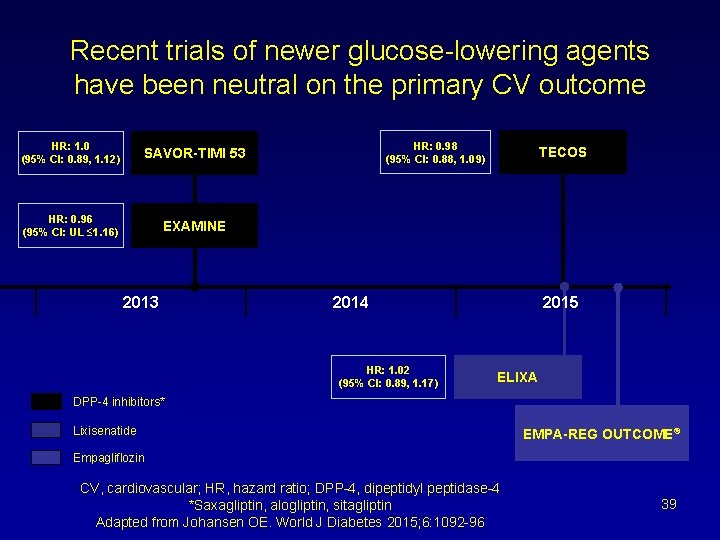
Recent trials of newer glucose-lowering agents have been neutral on the primary CV outcome HR: 1. 0 (95% CI: 0. 89, 1. 12) SAVOR-TIMI 53 HR: 0. 96 (95% CI: UL ≤ 1. 16) EXAMINE 2013 HR: 0. 98 (95% CI: 0. 88, 1. 09) TECOS 2014 HR: 1. 02 (95% CI: 0. 89, 1. 17) 2015 ELIXA DPP-4 inhibitors* Lixisenatide EMPA-REG OUTCOME® Empagliflozin CV, cardiovascular; HR, hazard ratio; DPP-4, dipeptidyl peptidase-4 *Saxagliptin, alogliptin, sitagliptin Adapted from Johansen OE. World J Diabetes 2015; 6: 1092 -96 39
Empagliflozin • Empagliflozin is a highly selective inhibitor of the sodium glucose cotransporter 2 (SGLT 2) in the kidney • Glucose reduction occurs by reducing renal glucose reabsorption and thus increasing urinary glucose excretion • In patients with type 2 diabetes, empagliflozin leads to 1: – Significant reductions in Hb. A 1 c – Weight loss – Reductions in blood pressure without increases in heart rate 1. Liakos A et al. Diabetes Obes Metab 2014; 16: 984 -93 40
EMPA-REG OUTCOME® • Randomised, double-blind, placebo-controlled CV outcomes trial • Objective To examine the long-term effects of empagliflozin versus placebo, in addition to standard of care, on CV morbidity and mortality in patients with type 2 diabetes and high risk of CV events CV, cardiovascular 41
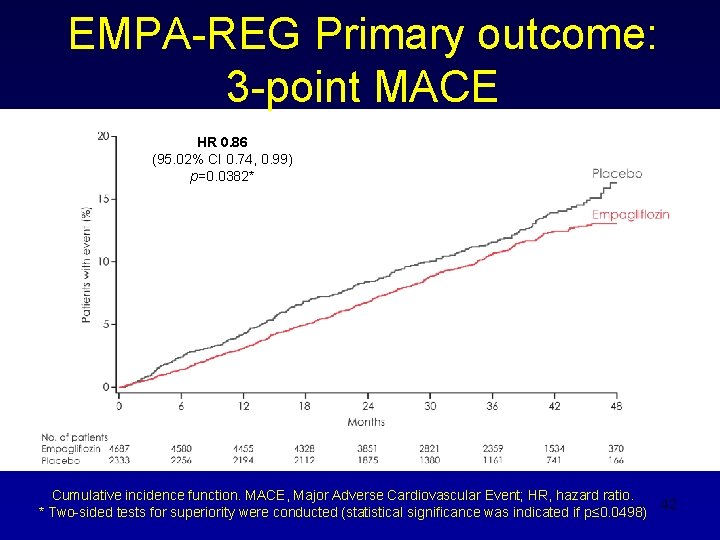
EMPA-REG Primary outcome: 3 -point MACE HR 0. 86 (95. 02% CI 0. 74, 0. 99) p=0. 0382* Cumulative incidence function. MACE, Major Adverse Cardiovascular Event; HR, hazard ratio. * Two-sided tests for superiority were conducted (statistical significance was indicated if p≤ 0. 0498) 42
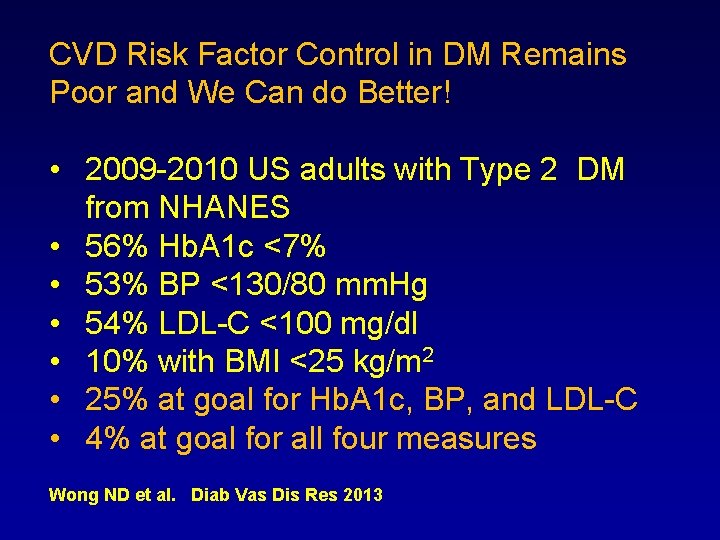
CVD Risk Factor Control in DM Remains Poor and We Can do Better! • 2009 -2010 US adults with Type 2 DM from NHANES • 56% Hb. A 1 c <7% • 53% BP <130/80 mm. Hg • 54% LDL-C <100 mg/dl • 10% with BMI <25 kg/m 2 • 25% at goal for Hb. A 1 c, BP, and LDL-C • 4% at goal for all four measures Wong ND et al. Diab Vas Dis Res 2013
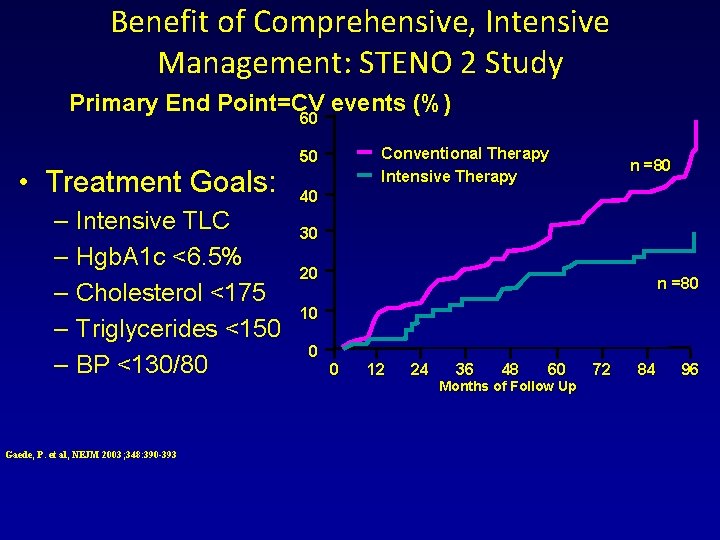
Benefit of Comprehensive, Intensive Management: STENO 2 Study Primary End Point=CV events (%) 60 • Treatment Goals: – – – Intensive TLC Hgb. A 1 c <6. 5% Cholesterol <175 Triglycerides <150 BP <130/80 Gaede, P. et al, NEJM 2003; 348: 390 -393 Conventional Therapy Intensive Therapy 50 n =80 40 30 20 n =80 10 0 0 12 24 36 48 60 Months of Follow Up 72 84 96
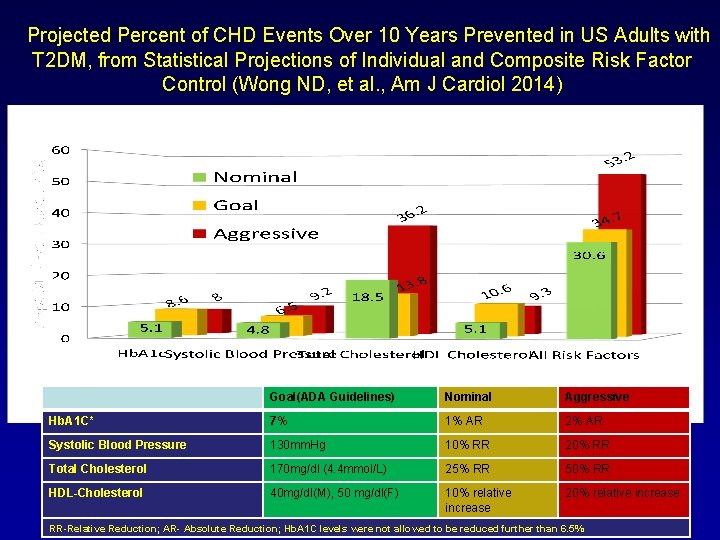
Projected Percent of CHD Events Over 10 Years Prevented in US Adults with T 2 DM, from Statistical Projections of Individual and Composite Risk Factor Control (Wong ND, et al. , Am J Cardiol 2014) Goal(ADA Guidelines) Nominal Aggressive Hb. A 1 C* 7% 1% AR 2% AR Systolic Blood Pressure 130 mm. Hg 10% RR 20% RR Total Cholesterol 170 mg/dl (4. 4 mmol/L) 25% RR 50% RR HDL-Cholesterol 40 mg/dl(M), 50 mg/dl(F) 10% relative increase 20% relative increase RR-Relative Reduction; AR- Absolute Reduction; Hb. A 1 C levels were not allowed to be reduced further than 6. 5%
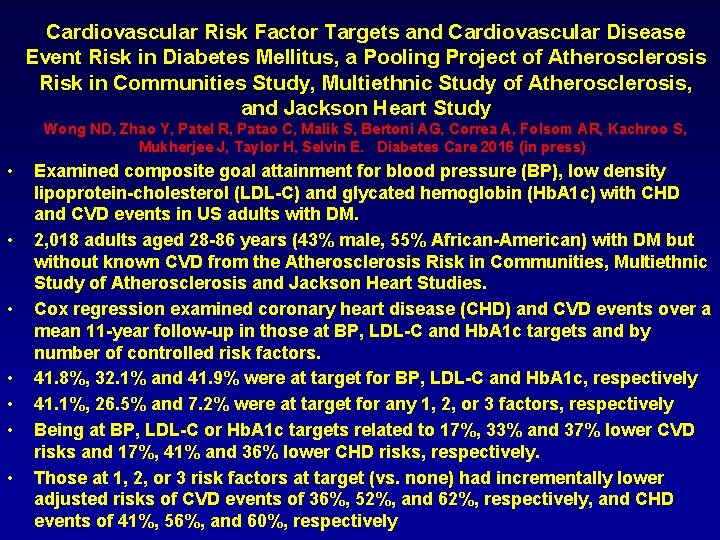
Cardiovascular Risk Factor Targets and Cardiovascular Disease Event Risk in Diabetes Mellitus, a Pooling Project of Atherosclerosis Risk in Communities Study, Multiethnic Study of Atherosclerosis, and Jackson Heart Study Wong ND, Zhao Y, Patel R, Patao C, Malik S, Bertoni AG, Correa A, Folsom AR, Kachroo S, Mukherjee J, Taylor H, Selvin E. Diabetes Care 2016 (in press) • • Examined composite goal attainment for blood pressure (BP), low density lipoprotein-cholesterol (LDL-C) and glycated hemoglobin (Hb. A 1 c) with CHD and CVD events in US adults with DM. 2, 018 adults aged 28 -86 years (43% male, 55% African-American) with DM but without known CVD from the Atherosclerosis Risk in Communities, Multiethnic Study of Atherosclerosis and Jackson Heart Studies. Cox regression examined coronary heart disease (CHD) and CVD events over a mean 11 -year follow-up in those at BP, LDL-C and Hb. A 1 c targets and by number of controlled risk factors. 41. 8%, 32. 1% and 41. 9% were at target for BP, LDL-C and Hb. A 1 c, respectively 41. 1%, 26. 5% and 7. 2% were at target for any 1, 2, or 3 factors, respectively Being at BP, LDL-C or Hb. A 1 c targets related to 17%, 33% and 37% lower CVD risks and 17%, 41% and 36% lower CHD risks, respectively. Those at 1, 2, or 3 risk factors at target (vs. none) had incrementally lower adjusted risks of CVD events of 36%, 52%, and 62%, respectively, and CHD events of 41%, 56%, and 60%, respectively
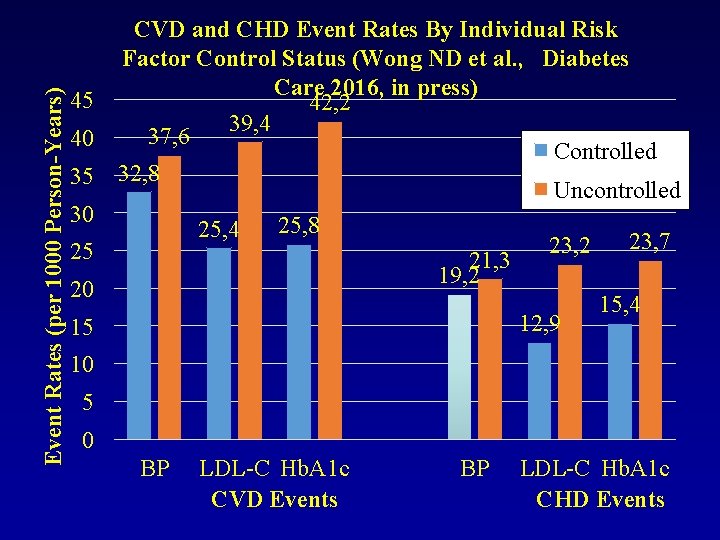
Event Rates (per 1000 Person-Years) 45 40 35 30 25 20 15 CVD and CHD Event Rates By Individual Risk Factor Control Status (Wong ND et al. , Diabetes Care 2016, in press) 42, 2 39, 4 37, 6 Controlled 32, 8 Uncontrolled 25, 8 25, 4 23, 7 23, 2 21, 3 19, 2 15, 4 12, 9 10 5 0 BP LDL-C Hb. A 1 c CVD Events BP LDL-C Hb. A 1 c CHD Events
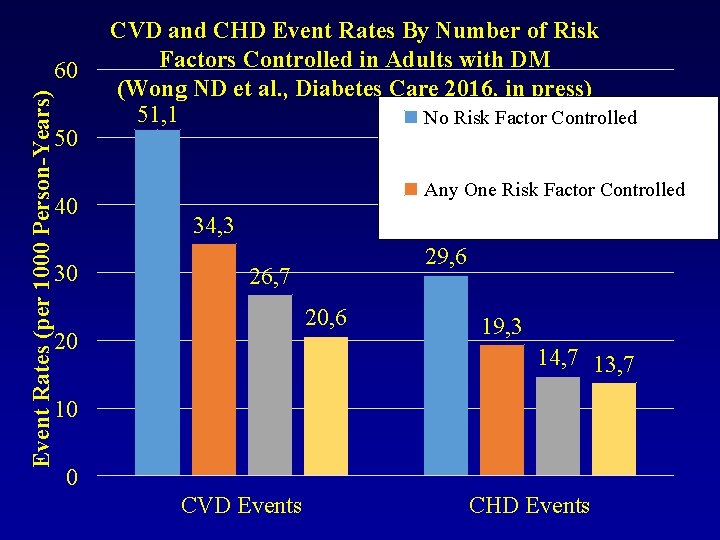
Event Rates (per 1000 Person-Years) 60 50 40 30 CVD and CHD Event Rates By Number of Risk Factors Controlled in Adults with DM (Wong ND et al. , Diabetes Care 2016, in press) 51, 1 No Risk Factor Controlled Any One Risk Factor Controlled 34, 3 29, 6 26, 7 20, 6 20 19, 3 14, 7 13, 7 10 0 CVD Events CHD Events
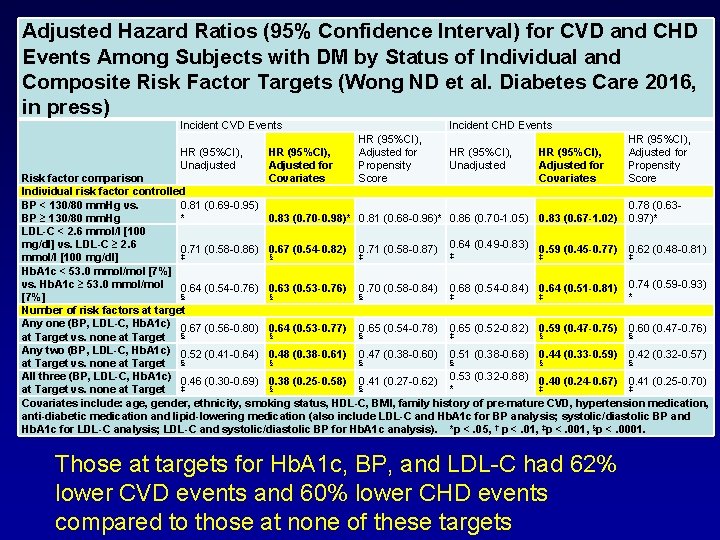
Adjusted Hazard Ratios (95% Confidence Interval) for CVD and CHD Events Among Subjects with DM by Status of Individual and Composite Risk Factor Targets (Wong ND et al. Diabetes Care 2016, in press) Incident CVD Events HR (95%CI), Unadjusted HR (95%CI), Adjusted for Covariates Incident CHD Events HR (95%CI), Adjusted for Propensity Score HR (95%CI), Unadjusted HR (95%CI), Adjusted for Covariates HR (95%CI), Adjusted for Propensity Score Risk factor comparison Individual risk factor controlled BP < 130/80 mm. Hg vs. 0. 81 (0. 69 -0. 95) 0. 78 (0. 63 BP ≥ 130/80 mm. Hg * 0. 83 (0. 70 -0. 98)* 0. 81 (0. 68 -0. 96)* 0. 86 (0. 70 -1. 05) 0. 83 (0. 67 -1. 02) 0. 97)* LDL-C < 2. 6 mmol/l [100 mg/dl] vs. LDL-C ≥ 2. 6 (0. 49 -0. 83) 0. 59 (0. 45 -0. 77) 0. 62 (0. 48 -0. 81) 0. 71 (0. 58 -0. 86) 0. 67 (0. 54 -0. 82) 0. 71 (0. 58 -0. 87) 0. 64 ‡ ‡ § ‡ ‡ ‡ mmol/l [100 mg/dl] Hb. A 1 c < 53. 0 mmol/mol [7%] vs. Hb. A 1 c ≥ 53. 0 mmol/mol 0. 64 (0. 54 -0. 76) 0. 63 (0. 53 -0. 76) 0. 70 (0. 58 -0. 84) 0. 68 (0. 54 -0. 84) 0. 64 (0. 51 -0. 81) 0. 74 (0. 59 -0. 93) § § § ‡ ‡ [7%] * Number of risk factors at target Any one (BP, LDL-C, Hb. A 1 c) 0. 67 (0. 56 -0. 80) 0. 64 (0. 53 -0. 77) 0. 65 (0. 54 -0. 78) 0. 65 (0. 52 -0. 82) 0. 59 (0. 47 -0. 75) 0. 60 (0. 47 -0. 76) § § ‡ § § at Target vs. none at Target § Any two (BP, LDL-C, Hb. A 1 c) 0. 52 (0. 41 -0. 64) 0. 48 (0. 38 -0. 61) 0. 47 (0. 38 -0. 60) 0. 51 (0. 38 -0. 68) 0. 44 (0. 33 -0. 59) 0. 42 (0. 32 -0. 57) § § § at Target vs. none at Target § All three (BP, LDL-C, Hb. A 1 c) 0. 46 (0. 30 -0. 69) 0. 38 (0. 25 -0. 58) 0. 41 (0. 27 -0. 62) 0. 53 (0. 32 -0. 88) 0. 40 (0. 24 -0. 67) 0. 41 (0. 25 -0. 70) § § ‡ ‡ at Target vs. none at Target ‡ * Covariates include: age, gender, ethnicity, smoking status, HDL-C, BMI, family history of pre-mature CVD, hypertension medication, anti-diabetic medication and lipid-lowering medication (also include LDL-C and Hb. A 1 c for BP analysis; systolic/diastolic BP and Hb. A 1 c for LDL-C analysis; LDL-C and systolic/diastolic BP for Hb. A 1 c analysis). *p <. 05, † p <. 01, ‡p <. 001, §p <. 0001. Those at targets for Hb. A 1 c, BP, and LDL-C had 62% lower CVD events and 60% lower CHD events compared to those at none of these targets
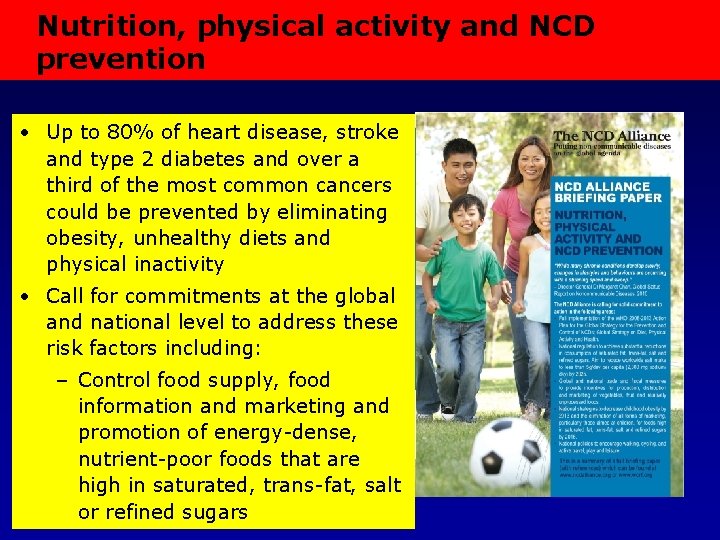
Nutrition, physical activity and NCD prevention • Up to 80% of heart disease, stroke and type 2 diabetes and over a third of the most common cancers could be prevented by eliminating obesity, unhealthy diets and physical inactivity • Call for commitments at the global and national level to address these risk factors including: – Control food supply, food information and marketing and promotion of energy-dense, nutrient-poor foods that are high in saturated, trans-fat, salt or refined sugars
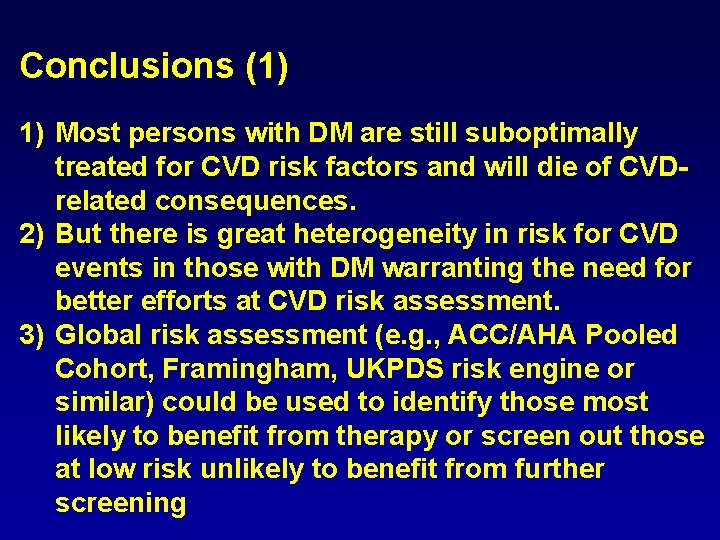
Conclusions (1) 1) Most persons with DM are still suboptimally treated for CVD risk factors and will die of CVDrelated consequences. 2) But there is great heterogeneity in risk for CVD events in those with DM warranting the need for better efforts at CVD risk assessment. 3) Global risk assessment (e. g. , ACC/AHA Pooled Cohort, Framingham, UKPDS risk engine or similar) could be used to identify those most likely to benefit from therapy or screen out those at low risk unlikely to benefit from further screening
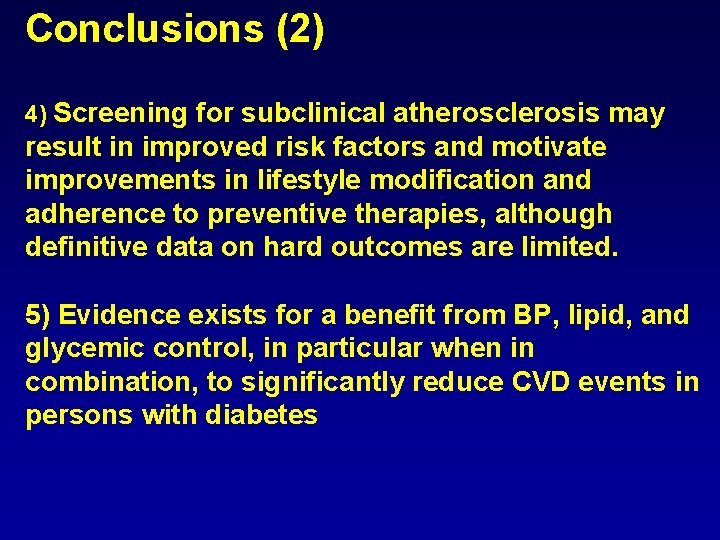
Conclusions (2) 4) Screening for subclinical atherosclerosis may result in improved risk factors and motivate improvements in lifestyle modification and adherence to preventive therapies, although definitive data on hard outcomes are limited. 5) Evidence exists for a benefit from BP, lipid, and glycemic control, in particular when in combination, to significantly reduce CVD events in persons with diabetes

Thank you for your attention American Society for Preventive Cardiology www. aspconline. org www. heart. uci. edu
- Slides: 53