
Screening And Diagnosis of Chronic Kidney Disease Dr

- Slides: 44
Screening And Diagnosis of Chronic Kidney Disease Dr Nazmul Kabir Qureshi Dr Faria Afsana MBBS MD FACE Consultant (Endocrinology) NHN, DAB MBBS DEM MD FACE Assistant Professor (Endocrinology) BIRDEM
CKD & Diabetes CKD has a specific clinical definition and may be caused by diabetes or by other diseases. A variety of forms of kidney disease can be seen in people with diabetes: • Diabetic nephropathy • Ischemic damage related to vascular disease and hypertension, • as well as other renal diseases that are unrelated to diabetes ADA 2018, J Nephropharmacol. 2014; 3(1): 15– 20.
Important to screen for CKD in people with diabetes • Early CKD detection and treatment of the underlying risk factors reduce the development of kidney failure by 30 -70%. • Half of the patients with macroalbuminuria will progress to ESRD within the next 10 years ADA 2018
Bangladesh: CKD in Diabetes • Diabetic nephropathy occurs in 20 -40% of patients with diabetes US/EU. • 63. 5%/ 64. 75% and 54. 5% cases had CKD stages 3 -5 according to MDRD, C-G and CKD-EPI equations respectively. • More common in females (p<0. 001) and in cases with long duration of diabetes (≥ 5 years; p=0. 007). • Significantly associated with hypertension (χ2=5. 2125, p =0. 02) and good control of diabetes (Hb. A 1 c <7%) as evidenced by higher proportion of CKD in them (73. 3%) compared to those with poor glycemic control (52. 1%). Rahim MA et al, IMC J Med Sci 2017; 11(1): 19 -24
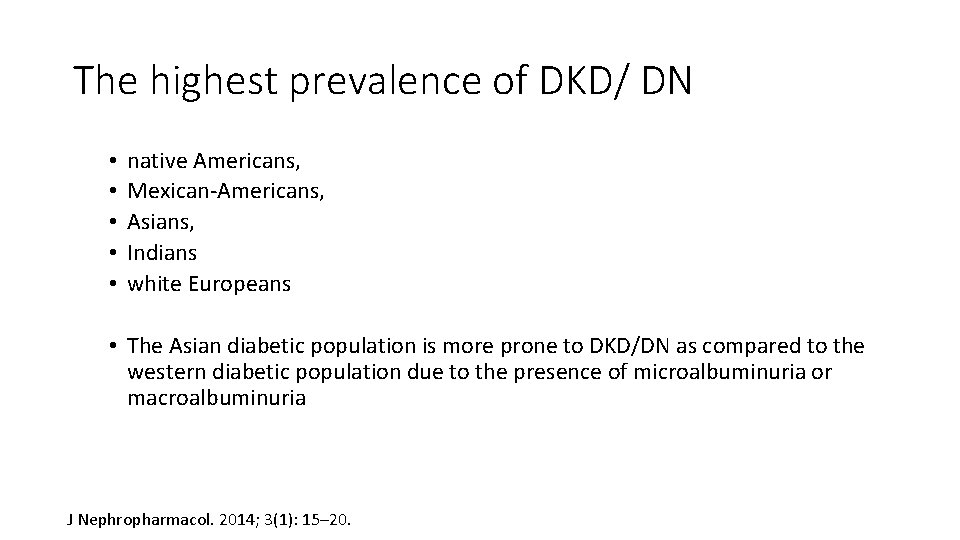
The highest prevalence of DKD/ DN • • • native Americans, Mexican-Americans, Asians, Indians white Europeans • The Asian diabetic population is more prone to DKD/DN as compared to the western diabetic population due to the presence of microalbuminuria or macroalbuminuria J Nephropharmacol. 2014; 3(1): 15– 20.
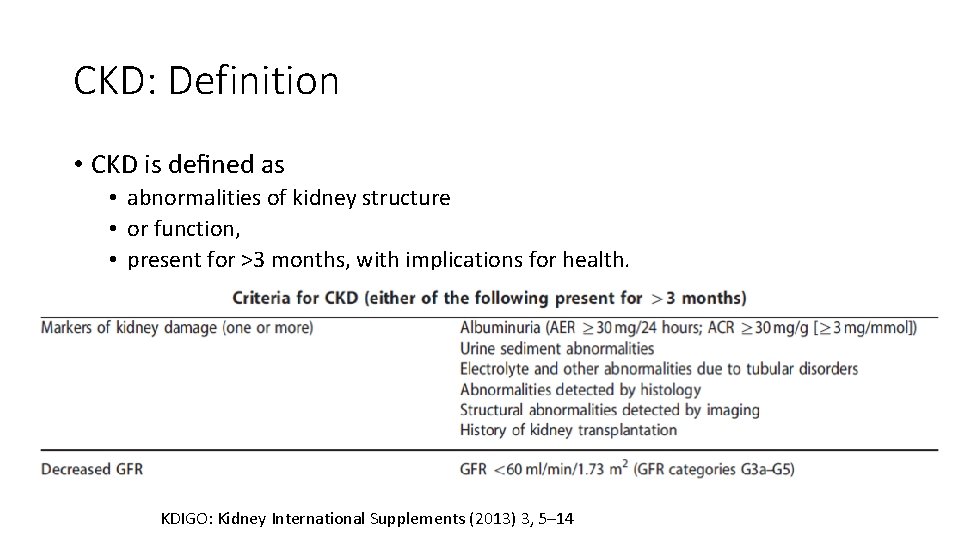
CKD: Definition • CKD is defined as • abnormalities of kidney structure • or function, • present for >3 months, with implications for health. KDIGO: Kidney International Supplements (2013) 3, 5– 14
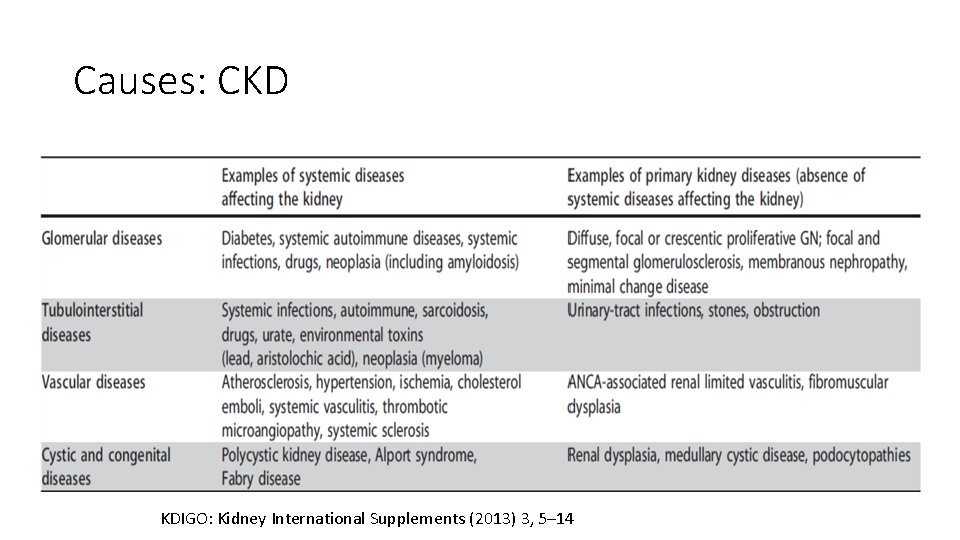
Causes: CKD KDIGO: Kidney International Supplements (2013) 3, 5– 14
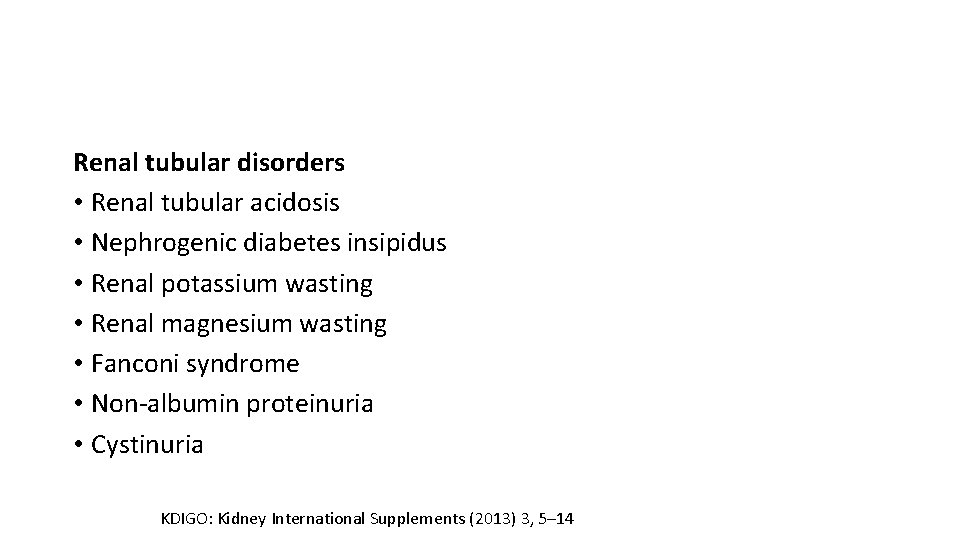
Renal tubular disorders • Renal tubular acidosis • Nephrogenic diabetes insipidus • Renal potassium wasting • Renal magnesium wasting • Fanconi syndrome • Non-albumin proteinuria • Cystinuria KDIGO: Kidney International Supplements (2013) 3, 5– 14
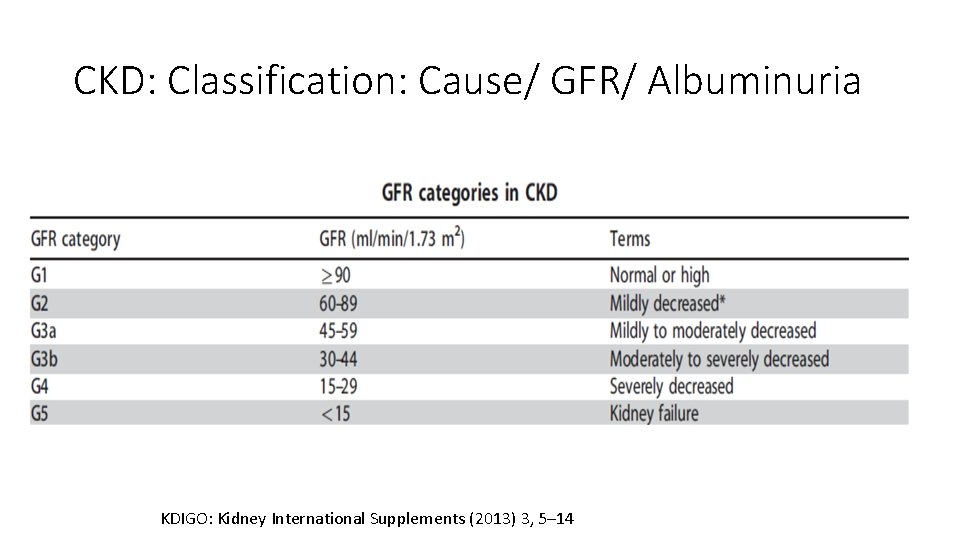
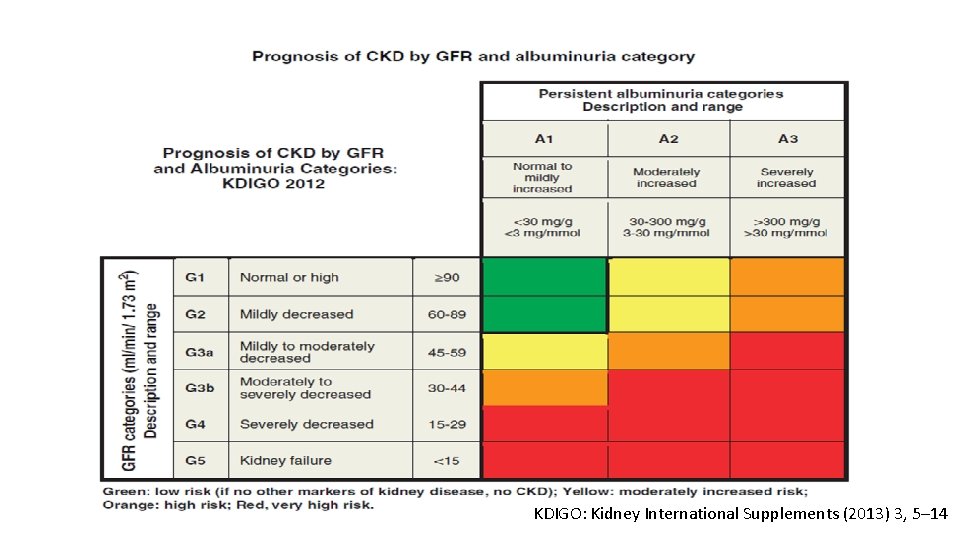
CKD: Classification: Cause/ GFR/ Albuminuria KDIGO: Kidney International Supplements (2013) 3, 5– 14
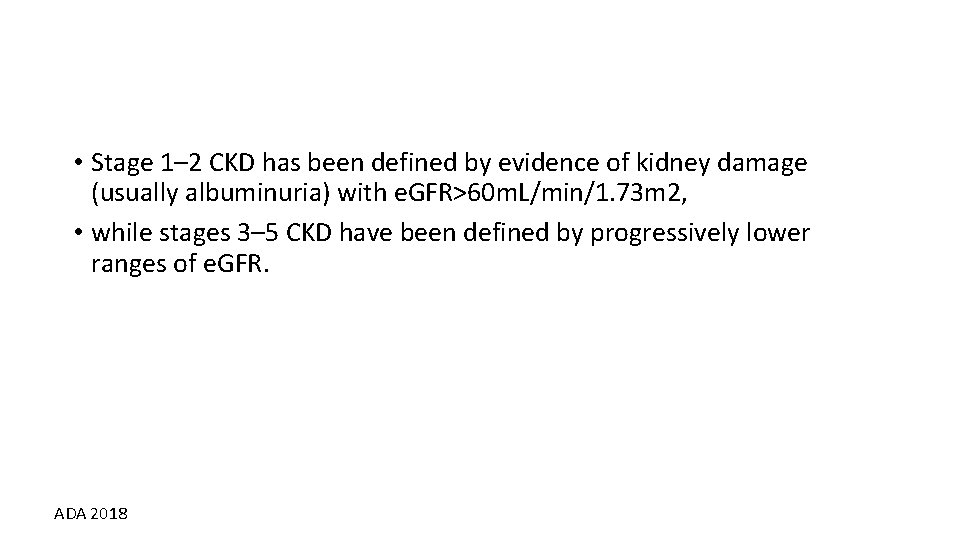
• Stage 1– 2 CKD has been defined by evidence of kidney damage (usually albuminuria) with e. GFR>60 m. L/min/1. 73 m 2, • while stages 3– 5 CKD have been defined by progressively lower ranges of e. GFR. ADA 2018
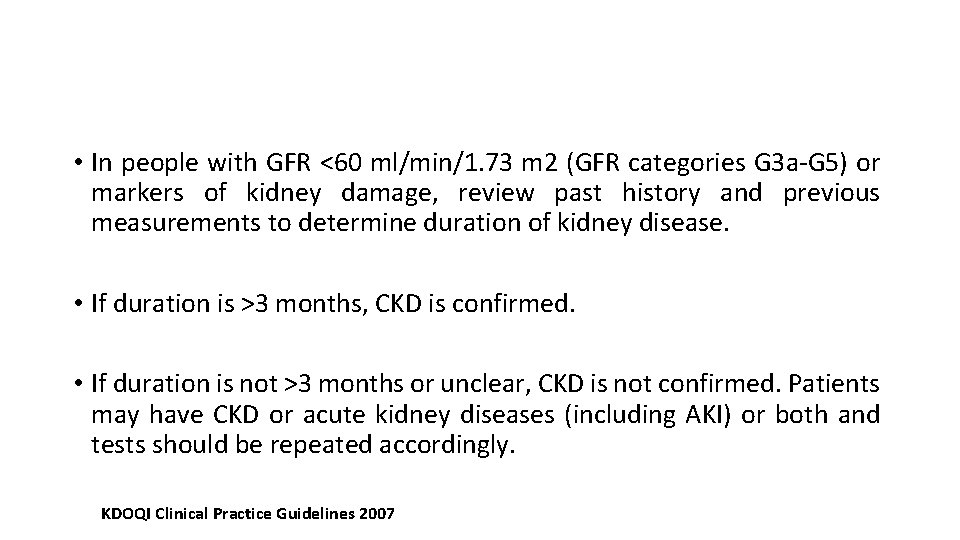
• In people with GFR <60 ml/min/1. 73 m 2 (GFR categories G 3 a-G 5) or markers of kidney damage, review past history and previous measurements to determine duration of kidney disease. • If duration is >3 months, CKD is confirmed. • If duration is not >3 months or unclear, CKD is not confirmed. Patients may have CKD or acute kidney diseases (including AKI) or both and tests should be repeated accordingly. KDOQI Clinical Practice Guidelines 2007
KDIGO: Kidney International Supplements (2013) 3, 5– 14
KDIGO: Kidney International Supplements (2013) 3, 5– 14
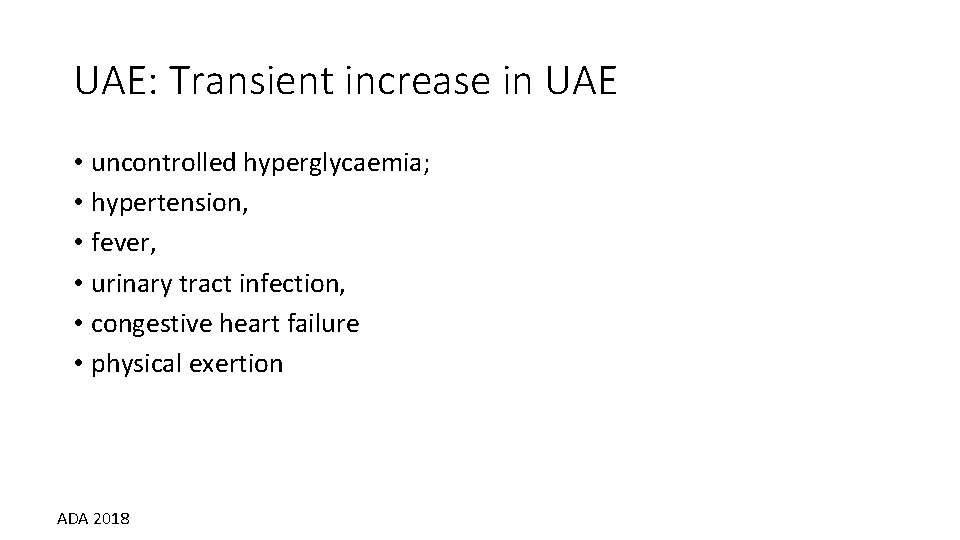
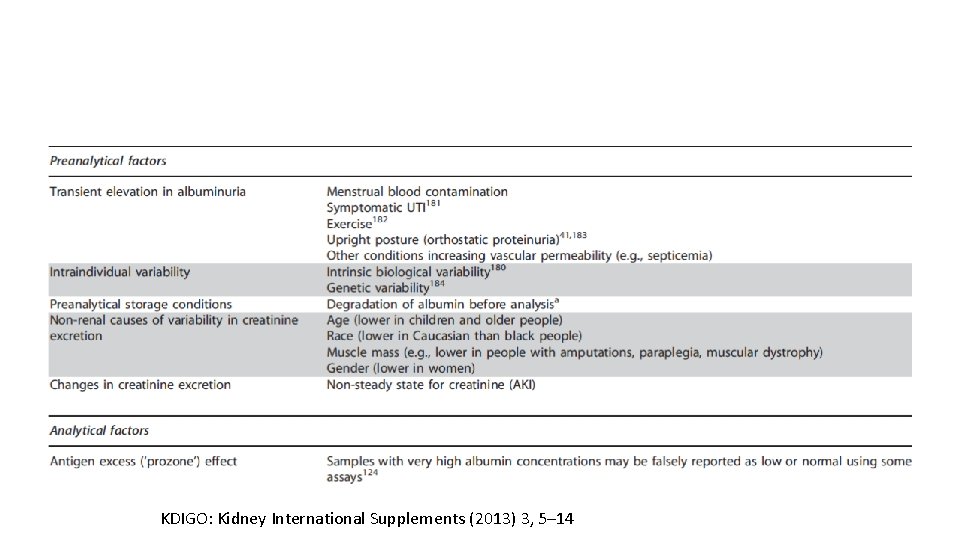
UAE: Transient increase in UAE • uncontrolled hyperglycaemia; • hypertension, • fever, • urinary tract infection, • congestive heart failure • physical exertion ADA 2018
KDIGO: Kidney International Supplements (2013) 3, 5– 14
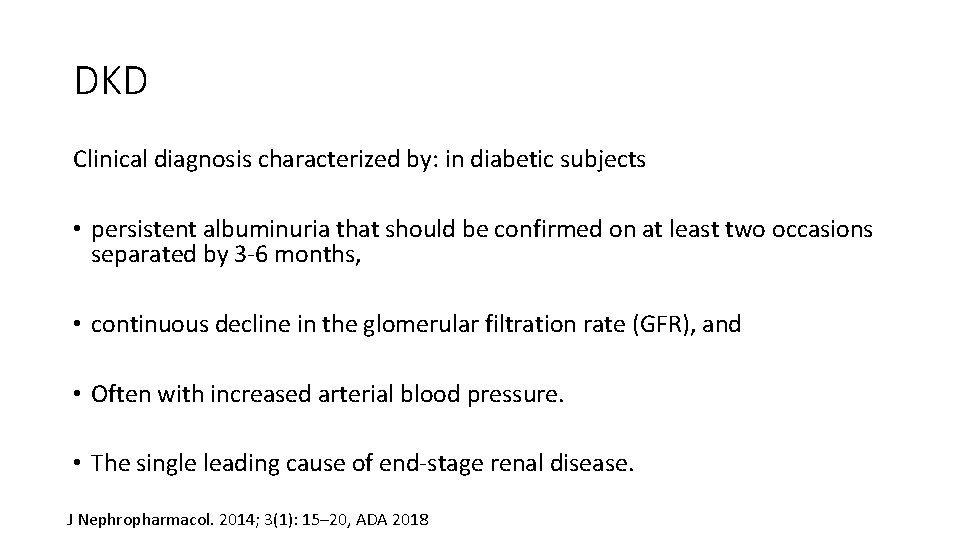
DKD Clinical diagnosis characterized by: in diabetic subjects • persistent albuminuria that should be confirmed on at least two occasions separated by 3 -6 months, • continuous decline in the glomerular filtration rate (GFR), and • Often with increased arterial blood pressure. • The single leading cause of end-stage renal disease. J Nephropharmacol. 2014; 3(1): 15– 20, ADA 2018
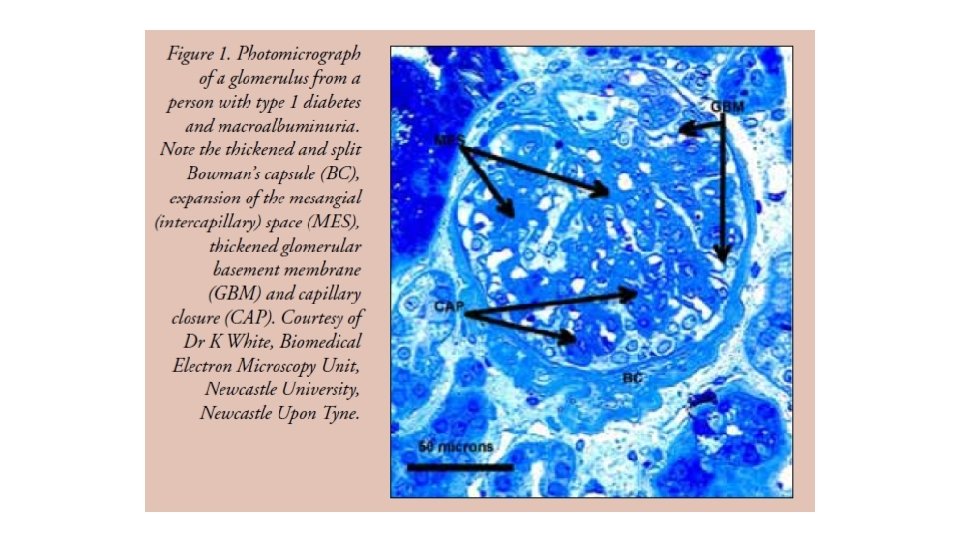
Pathophysiology of DN • Hyperglycaemia • Thickening of GBM • Glomerular hyper-filtration • Impaired endothelial integrity • Onset of microalbuminuria • Impairment of nitric oxide transport • Loss of afferent/efferent auto-regulatory control • Continued loss of glomerular filtration capabilities J Nephropharmacol. 2014; 3(1): 15– 20.
In most people with diabetes, CKD should be attributable to DKD in the presence of: (1)macroalbuminuria or (2)microalbuminuria plus retinopathy, (3)in people with type 1 diabetes, in the presence of microalbuminuria plus duration of diabetes longer than 10 years. Atypical clinical features should prompt evaluation for non-DKD. KDOQI Clinical Practice Guidelines 2007
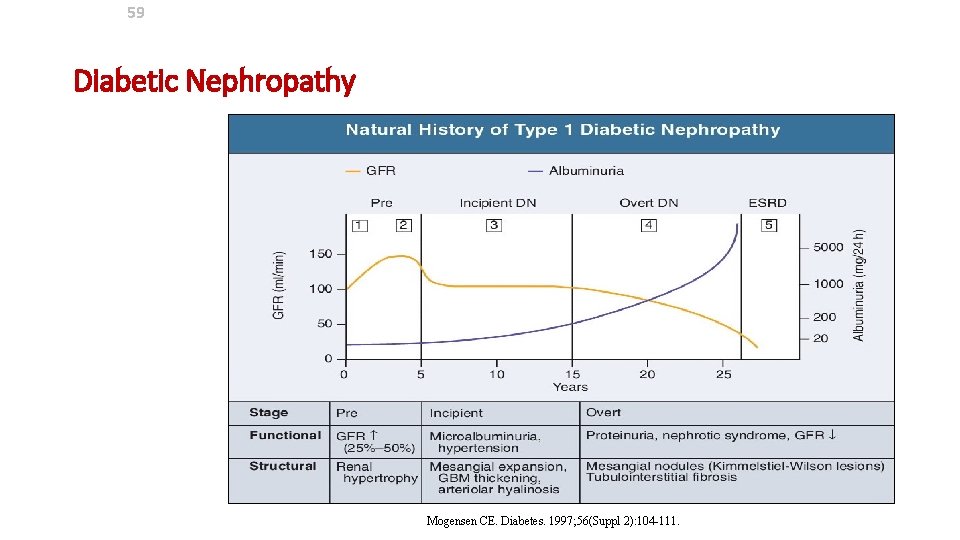
59 Diabetic Nephropathy Mogensen CE. Diabetes. 1997; 56(Suppl 2): 104 -111.
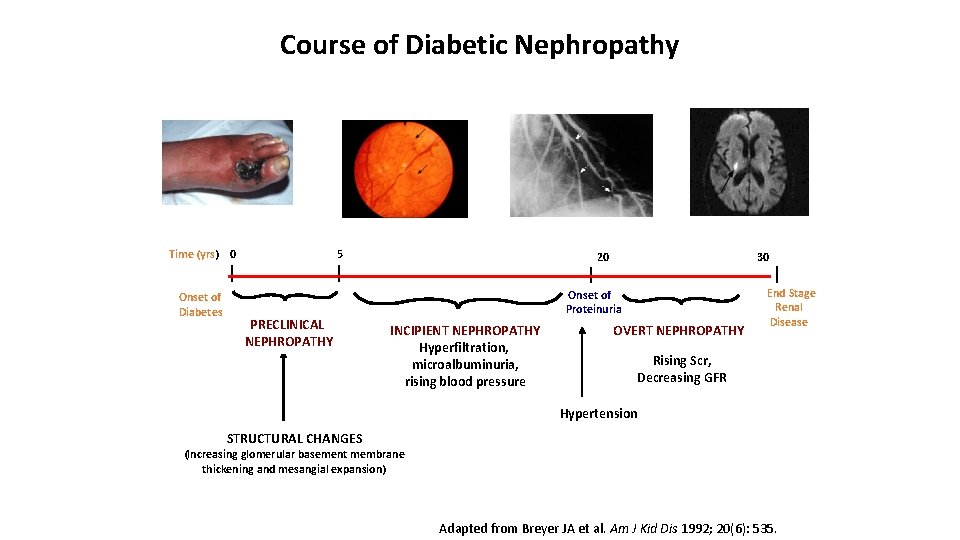
Course of Diabetic Nephropathy Time (yrs) 0 Onset of Diabetes 5 PRECLINICAL NEPHROPATHY 20 30 Onset of Proteinuria INCIPIENT NEPHROPATHY Hyperfiltration, microalbuminuria, rising blood pressure OVERT NEPHROPATHY End Stage Renal Disease Rising Scr, Decreasing GFR Hypertension STRUCTURAL CHANGES (Increasing glomerular basement membrane thickening and mesangial expansion) Adapted from Breyer JA et al. Am J Kid Dis 1992; 20(6): 535.
DM: other Causes of CKD • In the presence of any of the following circumstances: • • Absence of diabetic retinopathy; Rapidly decreasing GFR; Rapidly increasing proteinuria or nephrotic syndrome; Refractory hypertension; Presence of active urinary sediment; Signs or symptoms of other systemic disease; or >30% reduction in GFR within 2 -3 months after initiation of an ACE inhibitor or ARB. KDOQI Clinical Practice Guidelines 2007
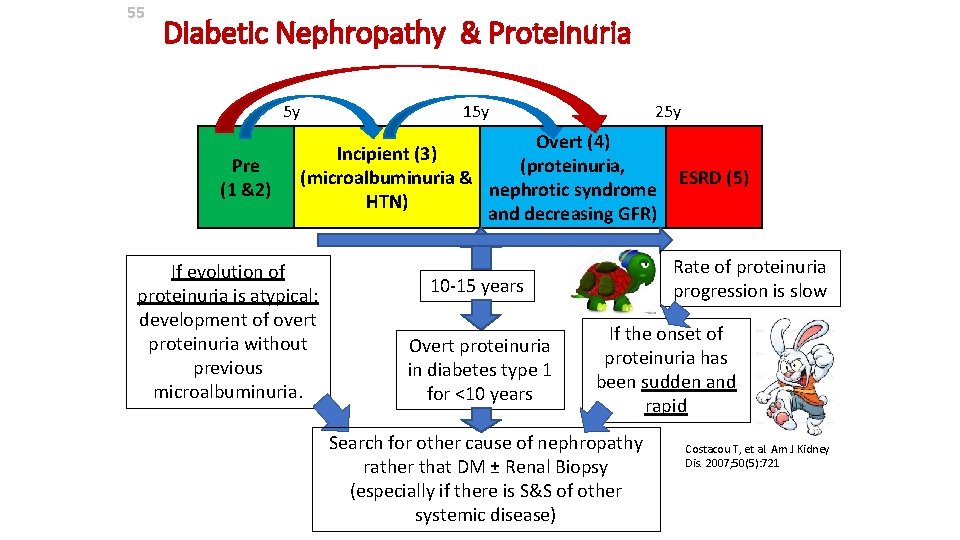
55 Diabetic Nephropathy & Proteinuria 5 y Pre (1 &2) 15 y 25 y Overt (4) Incipient (3) (proteinuria, (microalbuminuria & nephrotic syndrome HTN) and decreasing GFR) If evolution of proteinuria is atypical: development of overt proteinuria without previous microalbuminuria. Rate of proteinuria progression is slow 10 -15 years Overt proteinuria in diabetes type 1 for <10 years ESRD (5) If the onset of proteinuria has been sudden and rapid Search for other cause of nephropathy rather that DM ± Renal Biopsy (especially if there is S&S of other systemic disease) Costacou T, et al. Am J Kidney Dis. 2007; 50(5): 721
Course of DN (5 stages) Stage 1: At the onset/early years of diabetes. The growth of the kidney increases by several centimeters. GFR and urinary albumin excretion (UAE) have been increased. Stage 2: Typically lasts for 5 -15 years after diagnosis of diabetes: • GFR remains elevated due to hyperfiltration. • Kidneys remain hypertrophied and UAE rate stays normal. Stage 3: • Microalbuminuria is present. It occurs in 30 -50% of patients after diabetes onset, 80% overt nephropathy over 10 -15 years. • GFR remains elevated or returns to normal range • Blood pressure starts to rise in 60% of patients • Histological changes-progression is as seen in stage two. J Nephropharmacol. 2014; 3(1): 15– 20.
Stage 4: • Clinical nephropathy or overt nephropathy. • Formation of the Kimmelstiel-Wilson nodule (focal glomerular sclerosis) and macroproteinuria. • It can progress to nephrotic in 30% of patients or may decline in 80% depending on deterioration of GFR. Stage 5: As the GFR continues to decline, ESRD may develop. J Nephropharmacol. 2014; 3(1): 15– 20.
DKD: Typical Presentation • Long-standing duration of diabetes, retinopathy, albuminuria without hematuria, and gradually progressive kidney disease. • Signs of CKD may be present at diagnosis or without retinopathy in type 2 diabetes, and reduced e. GFR without albuminuria has been frequently reported in type 1 and type 2 diabetes. ADA 2018
52 DKD without Albuminuria Ischemic Nephropathy – • Without albuminuria • Renal ultrasound reveals small kidneys. • Raised Serum Cr after administration of ACE-i Jamine P. Dwyer et al. DEMAND study. Cardiorenal Med, 2012; 2: 1 -10
Evaluation of DKD • Evaluate the clinical context, including personal and family history, social and environmental factors, • Medications, • Physical examination KDOQI Clinical Practice Guidelines 2007 • Laboratory measures, imaging, and pathologic diagnosis to determine the causes of kidney disease.
Screening of DKD • Patients with diabetes should be screened annually for DKD. Initial screening should commence: • Type 1 diabetes: 5 years after the diagnosis • From diagnosis of type 2 diabetes. KDOQI Clinical Practice Guidelines 2007 • Screening should include: • urinary ACR in a spot urine sample. • serum creatinine and estimation of GFR.
e. GFR and Albuminuria: both Important • e. GFR and albuminuria are independent risk factors for progression to kidney failure. • Albuminuria is often detected long before the e. GFR drops below 60 m. L/min/1. 73 m 2, thus allowing for earlier CKD diagnosis and intervention. • Albuminuria is a risk factor for coronary heart disease (CHD). ADA 2014, Indian Health Service, Division of Diabetes Treatment and Prevention website resources on CKD
Albuminuria • 1) urine ACR • 2) urine protein-to-creatinine ratio (PCR); • 3) reagent strip urinalysis for total protein with automated reading; • 4) reagent strip urinalysis for total protein with manual reading. KDOQI Clinical Practice Guidelines 2007 • If significant non-albumin proteinuria is suspected, use assays for specific urine proteins : a 1 -microglobulin, monoclonal heavy or light chains, [‘‘Bence Jones’’ proteins].
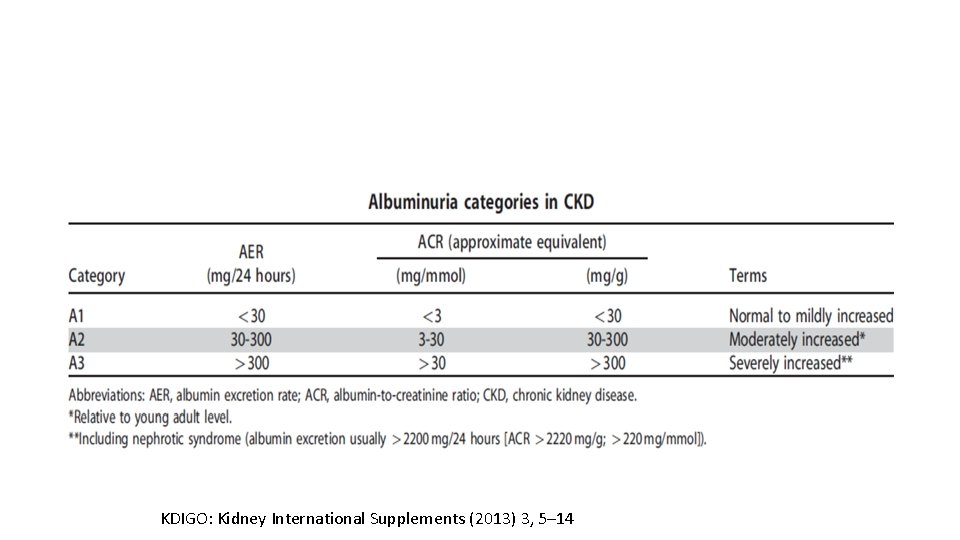
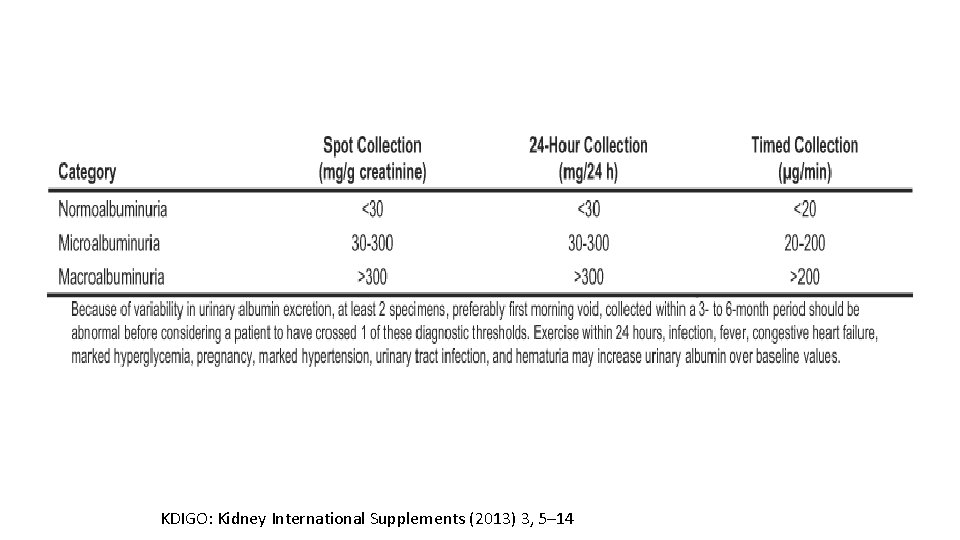
• An elevated ACR should be confirmed in the absence of urinary tract infection with 2 additional first-void specimens collected during the next 3 to 6 months. • Microalbuminuria is defined as an ACR between 30 -300 mg/g. • Macroalbuminuria is defined as an ACR > 300 mg/g. • 2 of 3 samples should fall within the microalbuminuric or macroalbuminuric range to confirm classification. KDOQI Clinical Practice Guidelines 2007
e. GFR • serum creatinine and a GFR estimating equation ADA 2018: KDOQI Clinical Practice Guidelines 2007 • 2009 CKD-EPI creatinine equation: Chronic Kidney Disease Epidemiology Collaboration: Preferred • MDRD • C-G • Schwartz equation: Children • e. GFR calculators are available from http: //www. nkdep. nih. gov.
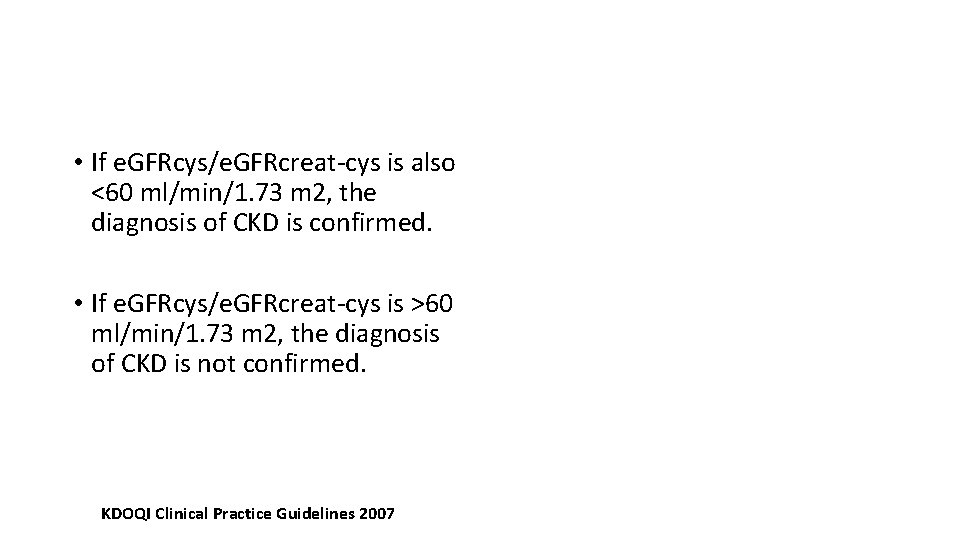
• If e. GFRcys/e. GFRcreat-cys is also <60 ml/min/1. 73 m 2, the diagnosis of CKD is confirmed. • If e. GFRcys/e. GFRcreat-cys is >60 ml/min/1. 73 m 2, the diagnosis of CKD is not confirmed. KDOQI Clinical Practice Guidelines 2007
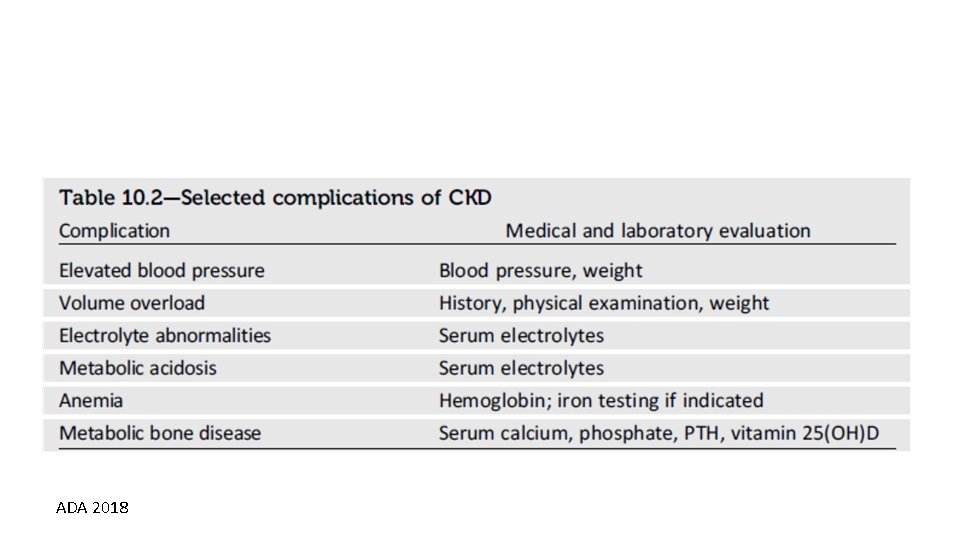
ADA 2018
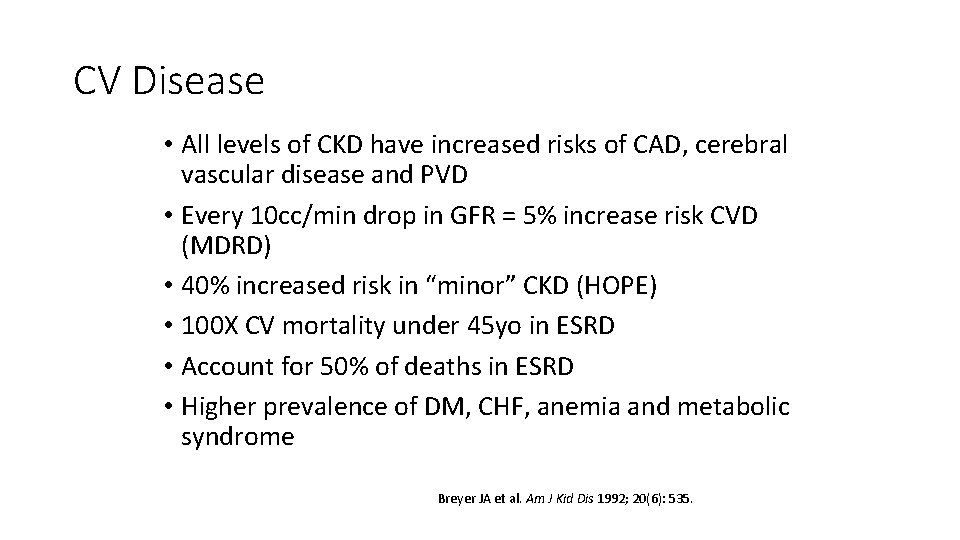
CV Disease • All levels of CKD have increased risks of CAD, cerebral vascular disease and PVD • Every 10 cc/min drop in GFR = 5% increase risk CVD (MDRD) • 40% increased risk in “minor” CKD (HOPE) • 100 X CV mortality under 45 yo in ESRD • Account for 50% of deaths in ESRD • Higher prevalence of DM, CHF, anemia and metabolic syndrome Breyer JA et al. Am J Kid Dis 1992; 20(6): 535.
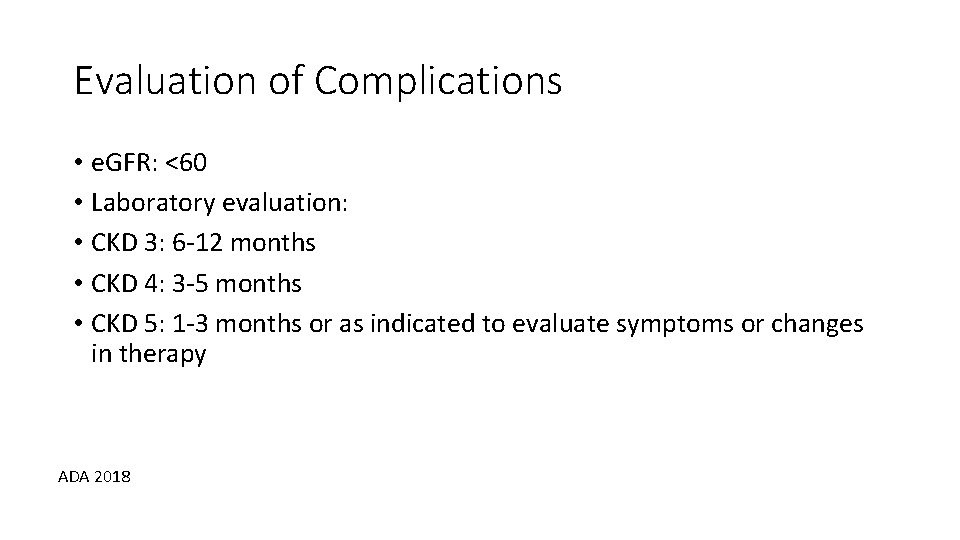
Evaluation of Complications • e. GFR: <60 • Laboratory evaluation: • CKD 3: 6 -12 months • CKD 4: 3 -5 months • CKD 5: 1 -3 months or as indicated to evaluate symptoms or changes in therapy ADA 2018
Screening PROGRESSION • e. GFR and albuminuria at least annually in people. • Assess GFR and albuminuria more often for individuals at higher risk of progression, and/or where measurement will impact therapeutic decisions • Recognize that small fluctuations in e. GFR are common and are not necessarily indicative of progression KDIGO: Kidney International Supplements (2013) 3, 5– 14
• CKD progression based on one of more of the following : • Decline in GFR category • 25% or greater drop in e. GFR from baseline. • Rapid progression is defined as a sustained decline in e. GFR of more than 5 ml/min/1. 73 m 2/yr and • Increasing number of serum creatinine • Factors associated with CKD progression • level of GFR, level of albuminuria, hyperglycemia, dyslipidemia, age, sex, race/ethnicity, elevated BP • smoking, obesity, history of cardiovascular disease, ongoing exposure to nephrotoxic agents, and others. KDIGO: Kidney International Supplements (2013) 3, 5– 14
REFERRAL TO SPECIALIST SERVICES • AKI or abrupt sustained fall in GFR; • GFR <30 ml/min/1. 73 m 2 (GFR categories G 4 -G 5)*; • a consistent finding of significant albuminuria (ACR >300 mg/g [>30 mg/mmol] or AER >300 mg/ • 24 hours, approximately equivalent to PCR >500 mg/g [>50 mg/mmol] or PER >500 mg/24 hours); • progression of CKD • urinary red cell casts, RBC >20 per high power field sustained and not readily explained; • CKD and hypertension refractory to treatment with 4 or more antihypertensive agents; • persistent abnormalities of serum potassium; • recurrent or extensive nephrolithiasis; KDIGO: Kidney International Supplements (2013) 3, 5– 14
Renal biopsy • A kidney biopsy may be required in some patients with diabetes and CKD to determine the underlying cause of the kidney disease. • Short-duration type 1 diabetes • Autoimmune disease • Mild or absent retinopathy • Red cell casts in urine • Significant and persistent proteinuria J Nephropharmacol. 2014; 3(1): 15– 20. KDOQI Clinical Practice Guidelines 2007
KDIGO: Kidney International Supplements (2013) 3, 5– 14
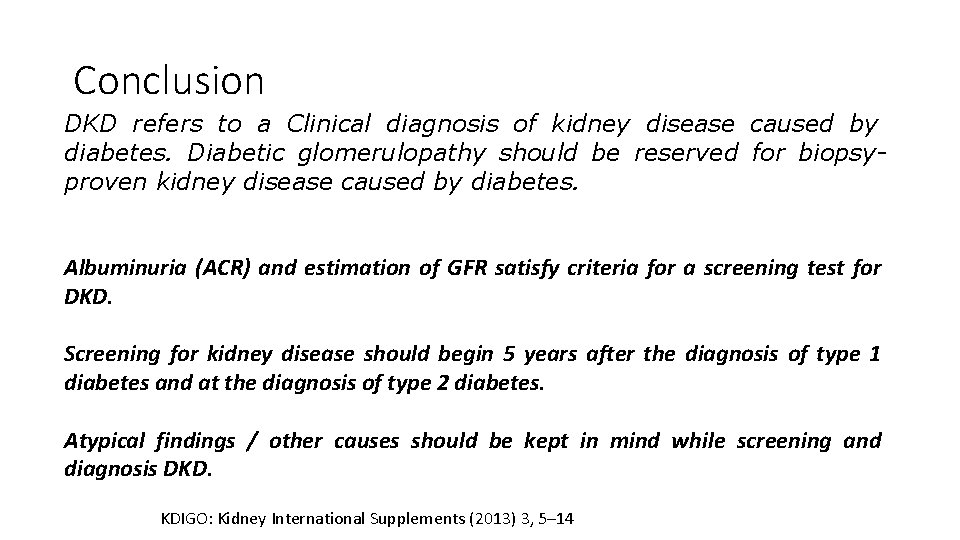
Conclusion DKD refers to a Clinical diagnosis of kidney disease caused by diabetes. Diabetic glomerulopathy should be reserved for biopsyproven kidney disease caused by diabetes. Albuminuria (ACR) and estimation of GFR satisfy criteria for a screening test for DKD. Screening for kidney disease should begin 5 years after the diagnosis of type 1 diabetes and at the diagnosis of type 2 diabetes. Atypical findings / other causes should be kept in mind while screening and diagnosis DKD. KDIGO: Kidney International Supplements (2013) 3, 5– 14