
Scoliosis is an abnormal lateral curvature of the
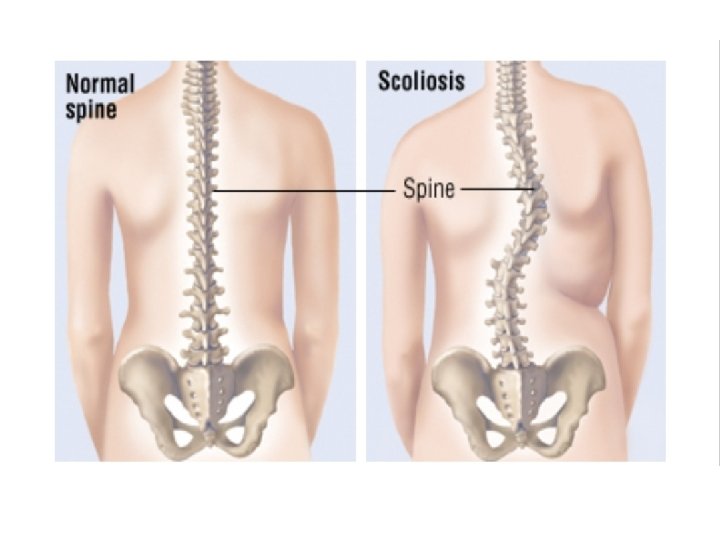
Scoliosis is an abnormal lateral curvature of the spine. It is most often diagnosed in childhood or early adolescence. The spine's normal curves occur at the cervical, thoracic and lumbar regions in the so-called “sagittal” plane. *A sideways curvature of the spine. Scoliosis occurs most often during the growth spurt just before puberty.
Risk factor The risk factors for scoliosis include: Age: Signs and symptoms often start during a growth spurt just before puberty. Gender: Females have a higher risk of scoliosis than males. Genetics: People with scoliosis often have a close relative with the condition.
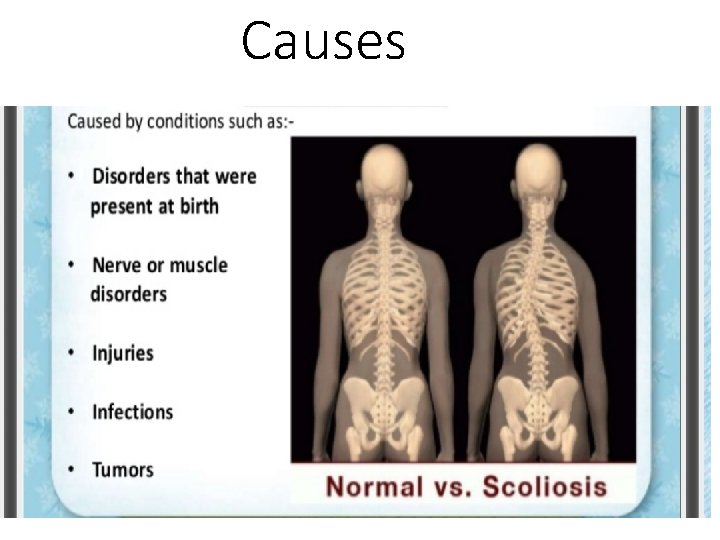
Causes
Symptoms in infants In infants, symptoms can include: a bulge on one side of the chest consistently lying with the body curved to one side in severe cases, problems with the heart and lungs, leading to shortness of breath and chest pain If an infant does not receive treatment for scoliosis, they will be more at risk of problems later in life, such as impaired heart and lung function.
Symptoms in adult the head may appear a bit off center the ribs on each side may be slightly different heights one hip may be more prominent than the other the clothes may not hang evenly one shoulder or shoulder blade may be higher than the other the person may lean to one side the legs may be slightly different lengths

Types
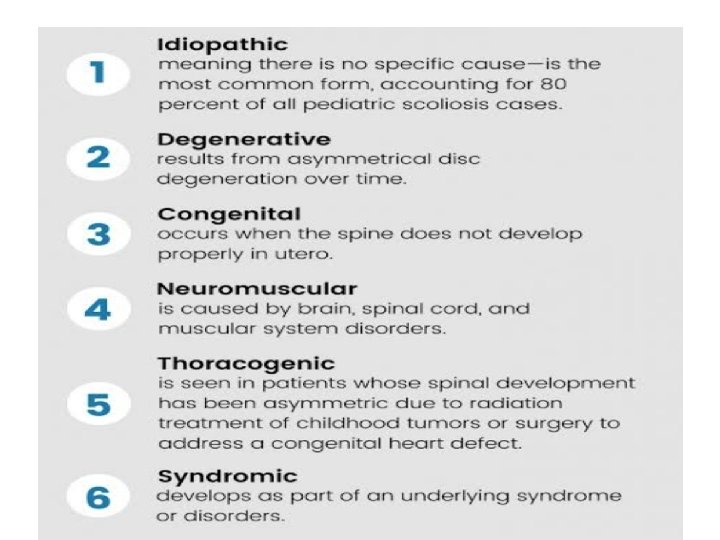
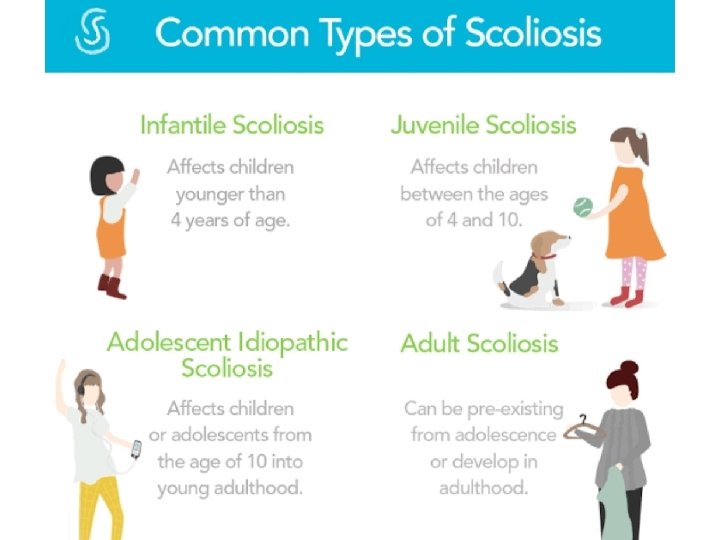
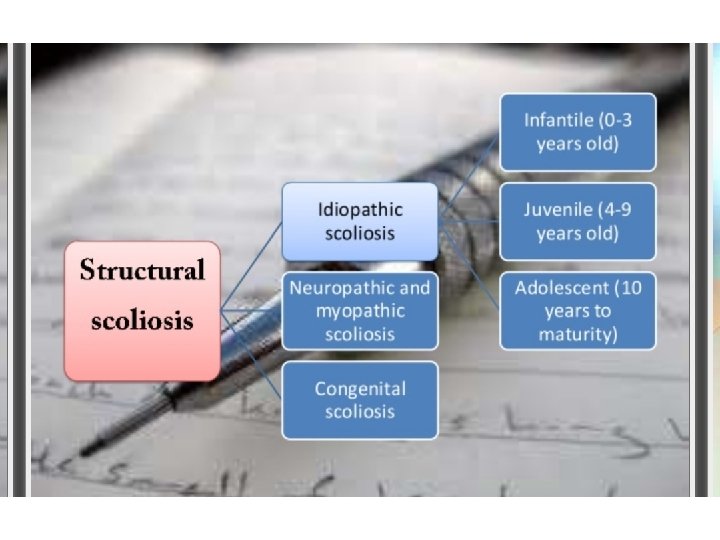
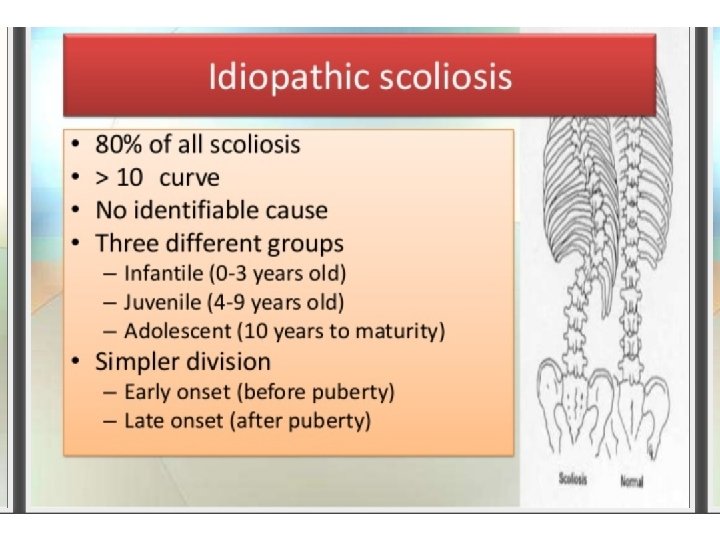
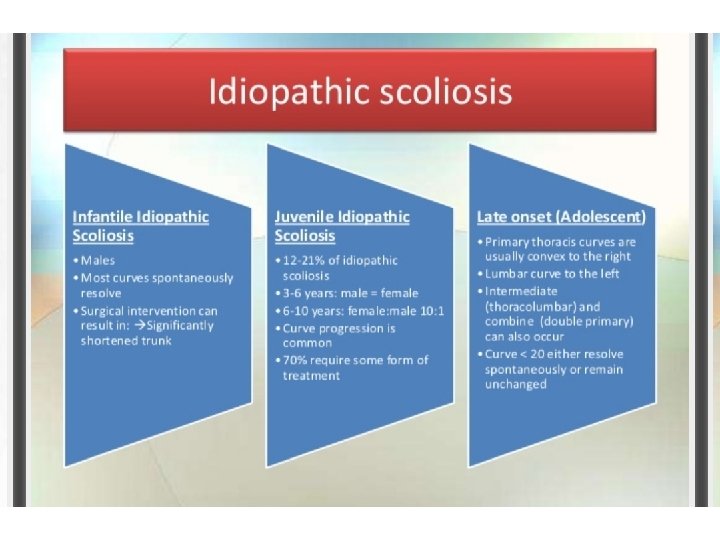
Medical management
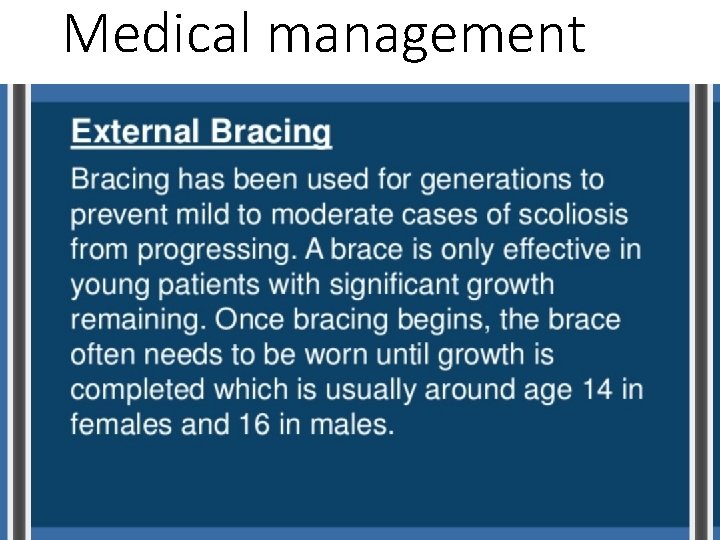
Thoracolumbosacral orthosis (TLSO) The TLSO is plastic, and its design means that it fits neatly around the body’s curves. It is not usually visible under clothing.
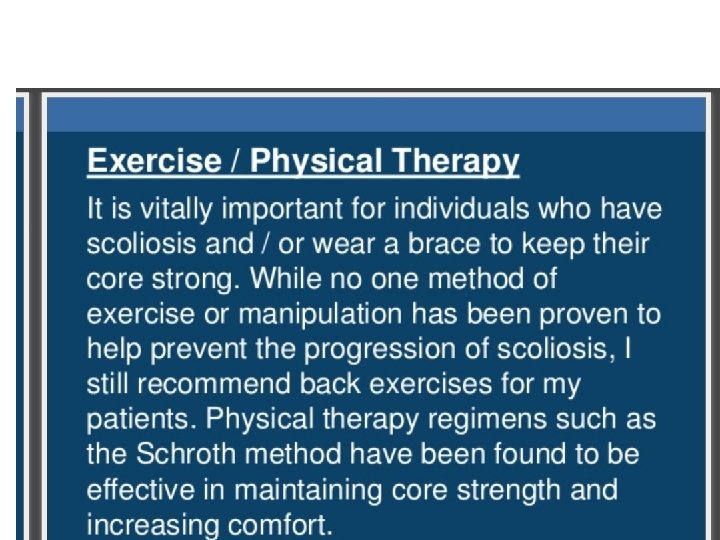
Chiropractic treatment Some people visit a chiropractor to relieve the pain and discomfort of scoliosis. Chiropractors manipulate the spine and provide alternative treatments. They maintain that realigning the spine will promote healing and well-being.
Role of nurse
- Slides: 23