
SCIENTIFIC METHOD MEASUREMENT S CHAPTER 2 1 2
- Slides: 16
SCIENTIFIC METHOD & MEASUREMENT S CHAPTER 2. 1 -2. 2 CHEMISTRY
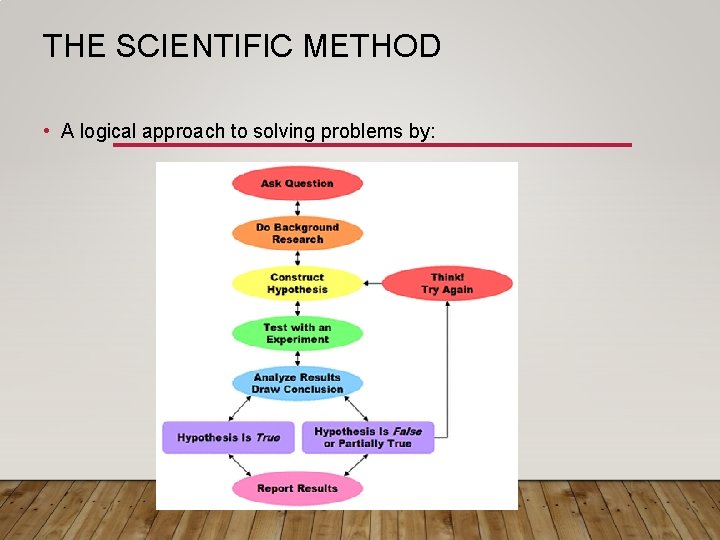
THE SCIENTIFIC METHOD • A logical approach to solving problems by:
STEPS IN THE SCIENTIFIC METHOD • It is not a single, fixed process. • Scientists may repeat steps many times before there is sufficient evidence to formulate a theory.
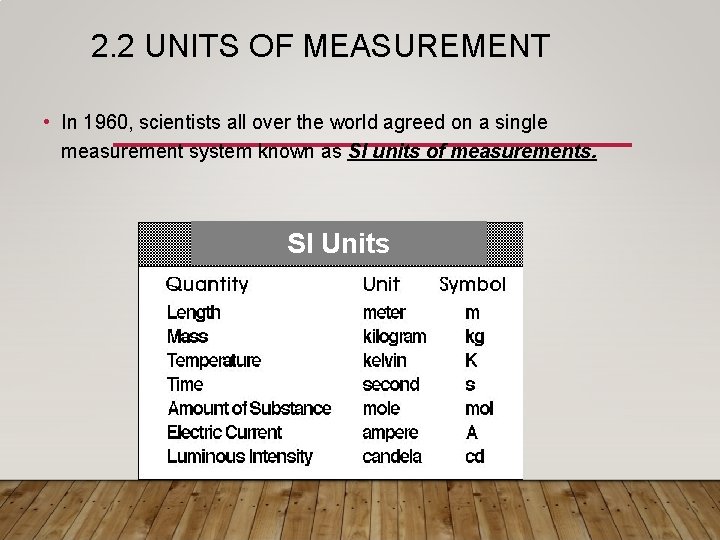
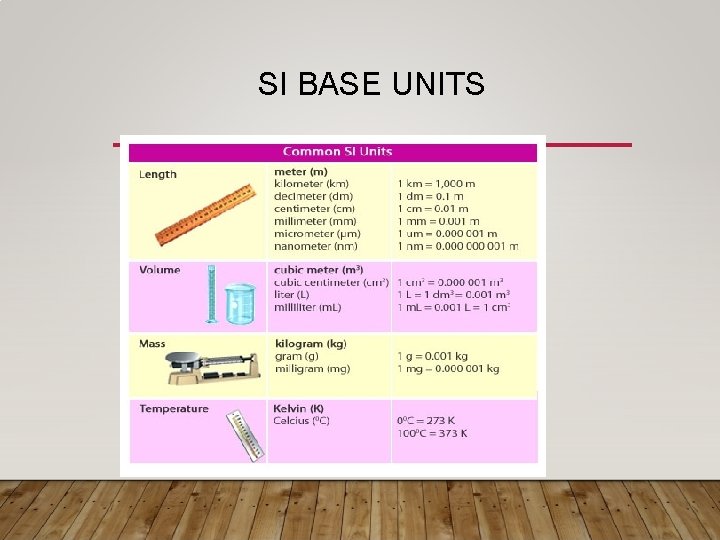
2. 2 UNITS OF MEASUREMENT • In 1960, scientists all over the world agreed on a single measurement system known as SI units of measurements. SI Units
SI BASE UNITS
METRIC PREFIXES • These are used to make the base unit larger or smaller.
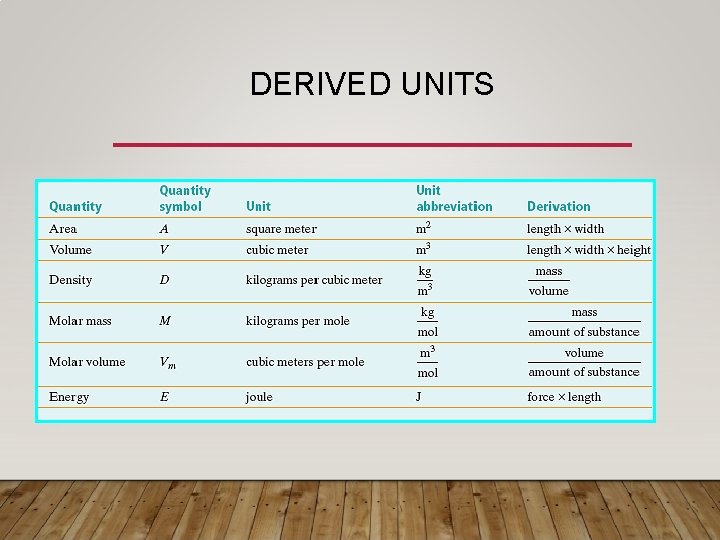
DERIVED UNITS
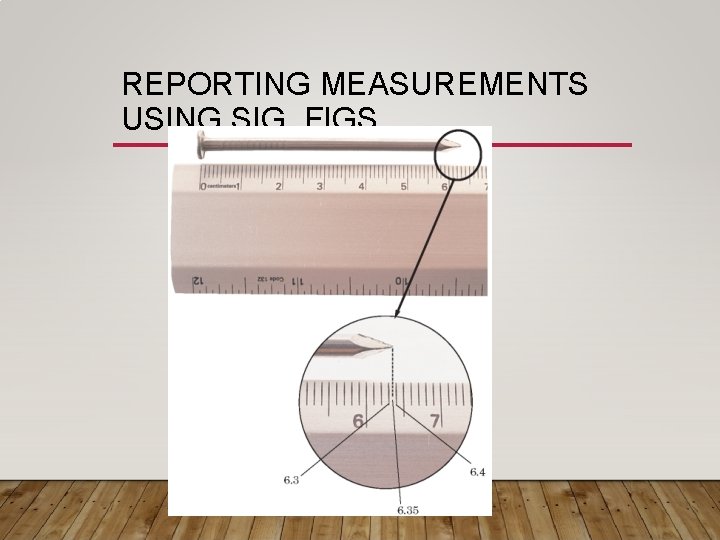
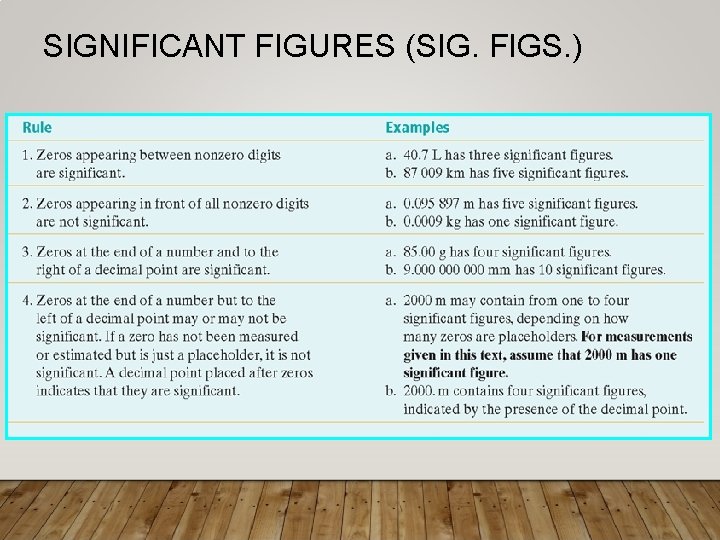
SIGNIFICANT FIGURES (SIG. FIGS. ) • Used to express the certainty of measurements. • Sig. figs. in a measurement consist of all the digits known with certainty plus one estimated final digit.
REPORTING MEASUREMENTS USING SIG. FIGS.
SIGNIFICANT FIGURES (SIG. FIGS. )
ACTIVITY • Let’s calculate the area of the post-it note • Round off your answers to the correct number of sig. figs
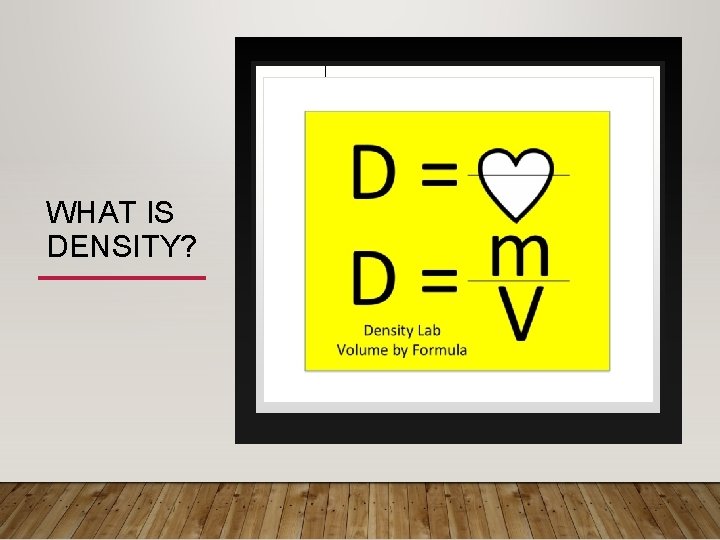
WHAT IS DENSITY?
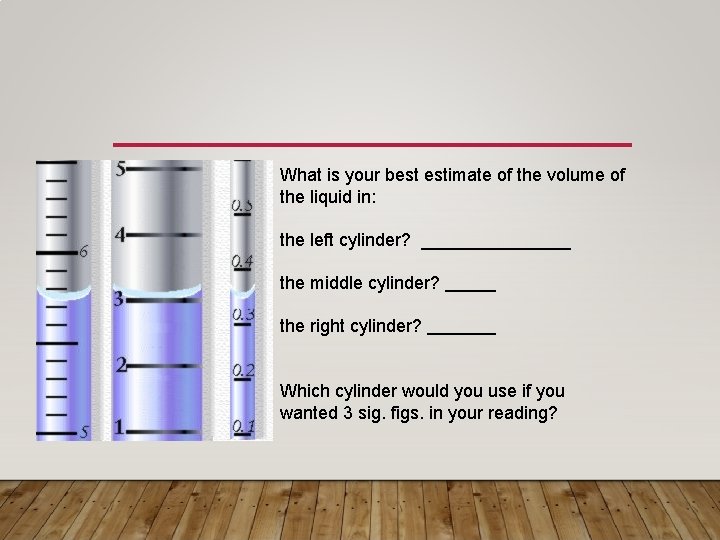
What is your best estimate of the volume of the liquid in: the left cylinder? ________ the middle cylinder? the right cylinder? Which cylinder would you use if you wanted 3 sig. figs. in your reading?
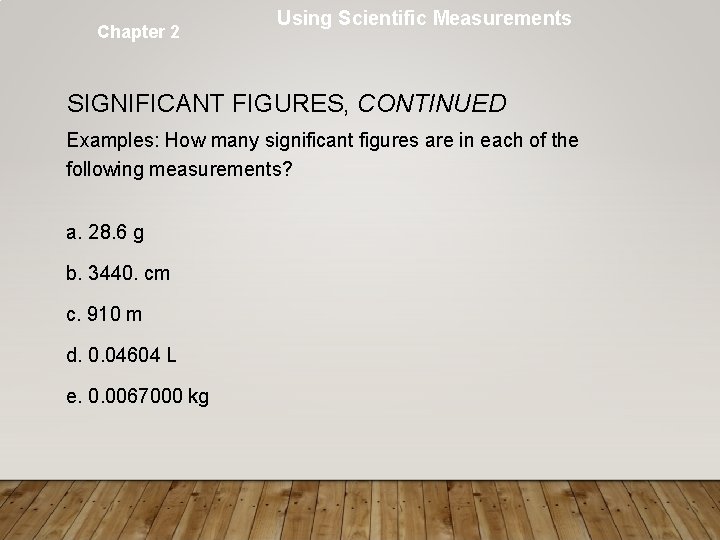
Chapter 2 Using Scientific Measurements SIGNIFICANT FIGURES, CONTINUED Examples: How many significant figures are in each of the following measurements? a. 28. 6 g b. 3440. cm c. 910 m d. 0. 04604 L e. 0. 0067000 kg
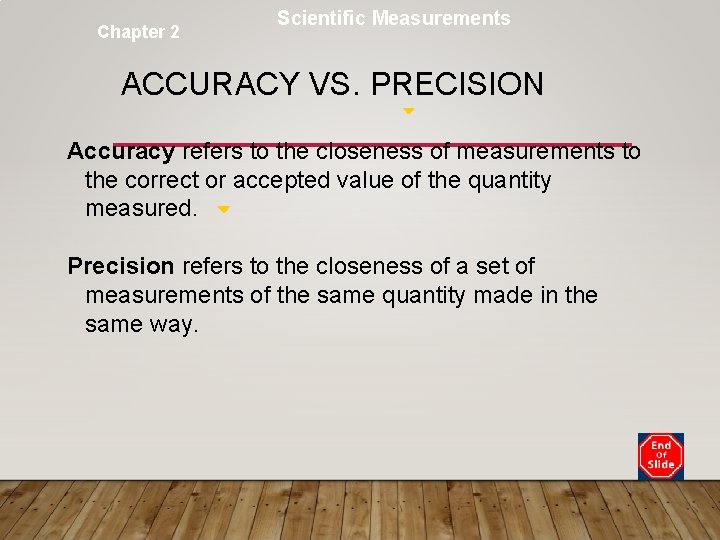
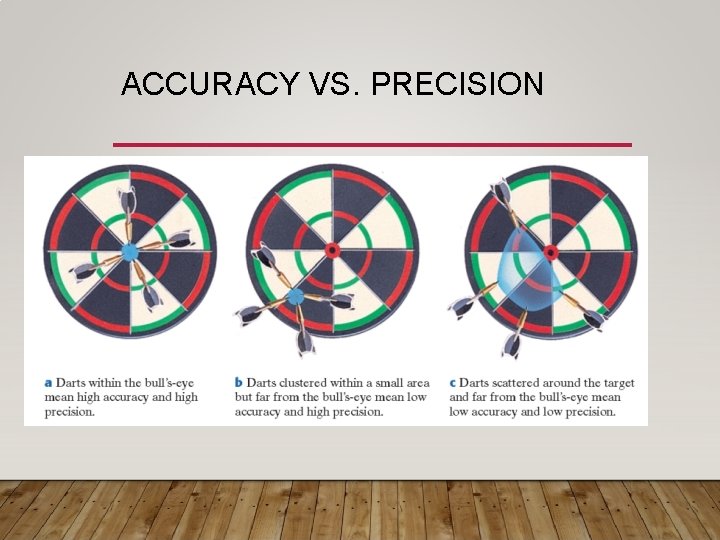
Chapter 2 Scientific Measurements ACCURACY VS. PRECISION Accuracy refers to the closeness of measurements to the correct or accepted value of the quantity measured. Precision refers to the closeness of a set of measurements of the same quantity made in the same way.
ACCURACY VS. PRECISION