
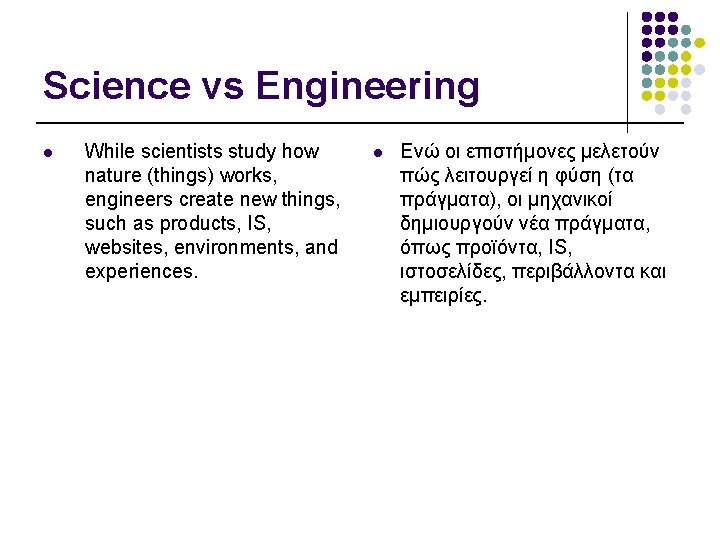
Science vs Engineering The scientists seeks to understand




- Slides: 31
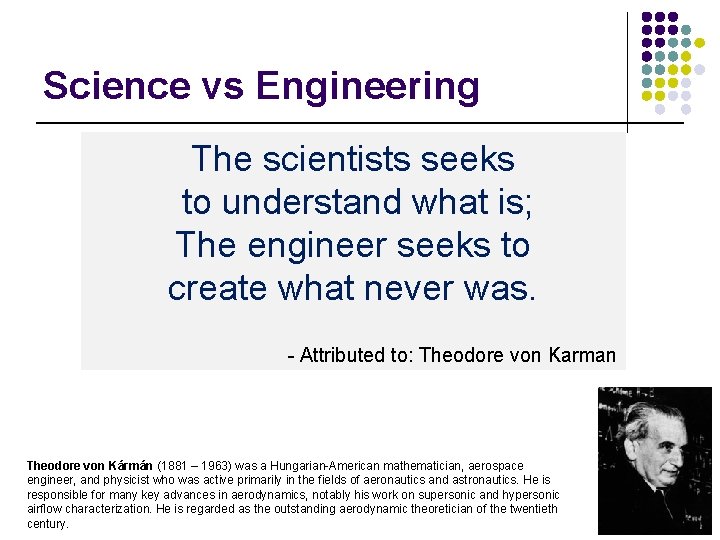
Science vs Engineering The scientists seeks to understand what is; The engineer seeks to create what never was. - Attributed to: Theodore von Karman Theodore von Kármán (1881 – 1963) was a Hungarian-American mathematician, aerospace engineer, and physicist who was active primarily in the fields of aeronautics and astronautics. He is responsible for many key advances in aerodynamics, notably his work on supersonic and hypersonic airflow characterization. He is regarded as the outstanding aerodynamic theoretician of the twentieth century.
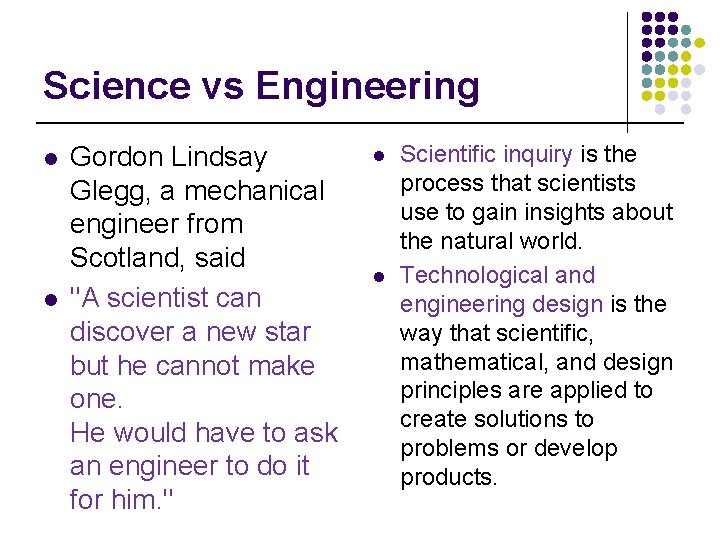
Science vs Engineering l l Gordon Lindsay Glegg, a mechanical engineer from Scotland, said ''A scientist can discover a new star but he cannot make one. He would have to ask an engineer to do it for him. '' l l Scientific inquiry is the process that scientists use to gain insights about the natural world. Technological and engineering design is the way that scientific, mathematical, and design principles are applied to create solutions to problems or develop products.
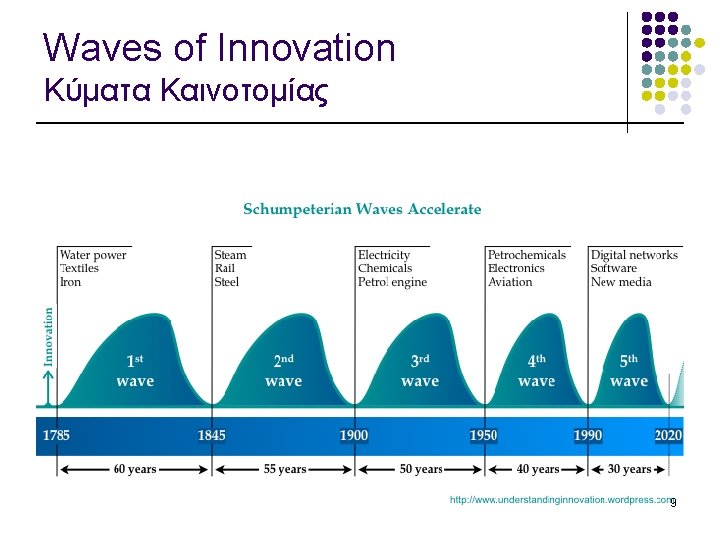
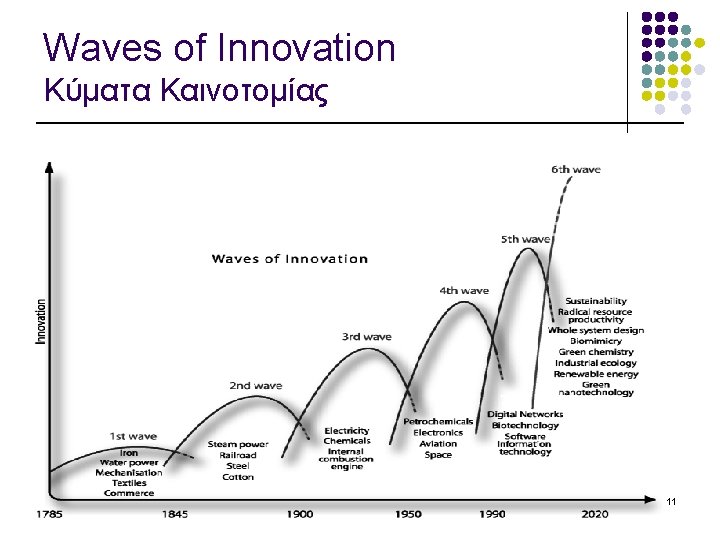
Waves of Innovation Κύματα Καινοτομίας 10
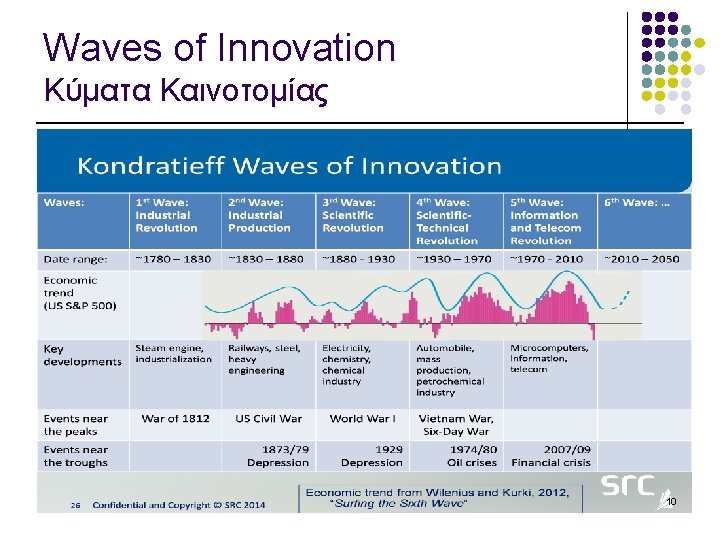
Waves of Innovation Κύματα Καινοτομίας 11
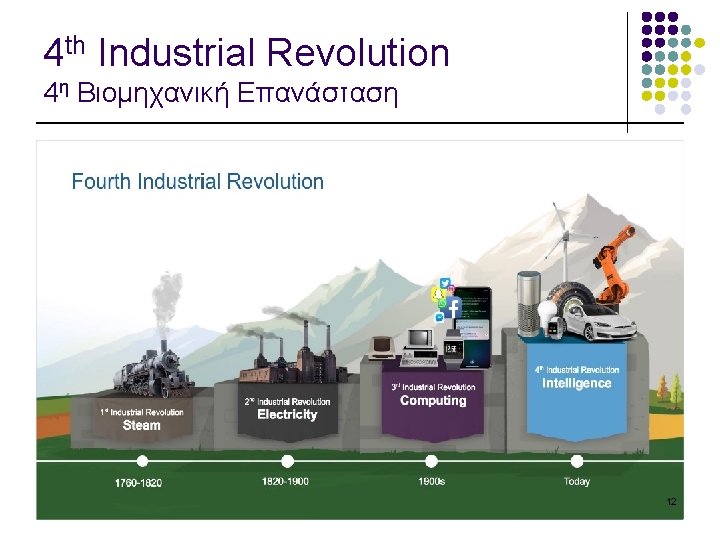
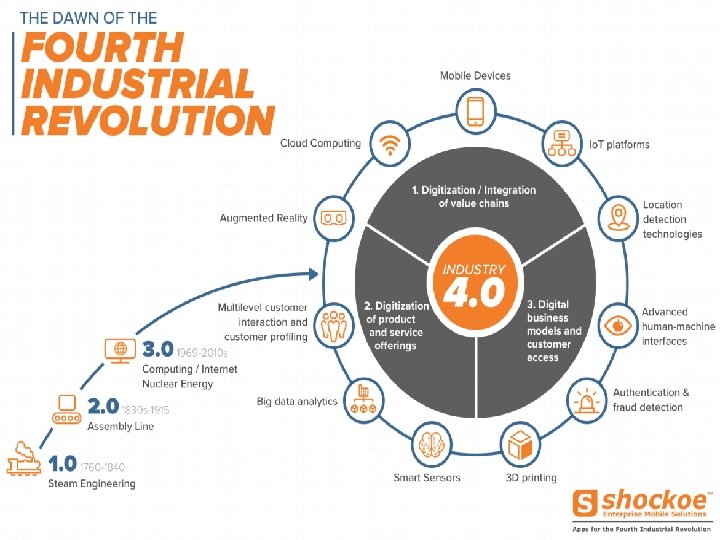
4 th Industrial Revolution 4η Βιομηχανική Επανάσταση 12
15
Μεγάλες προκλήσεις των Μηχανικών τον 21ο αιώνα l l National Academy for Engineering – Grant Challenges for Engineering http: //www. engineeringchallenges. org/default. aspx 17
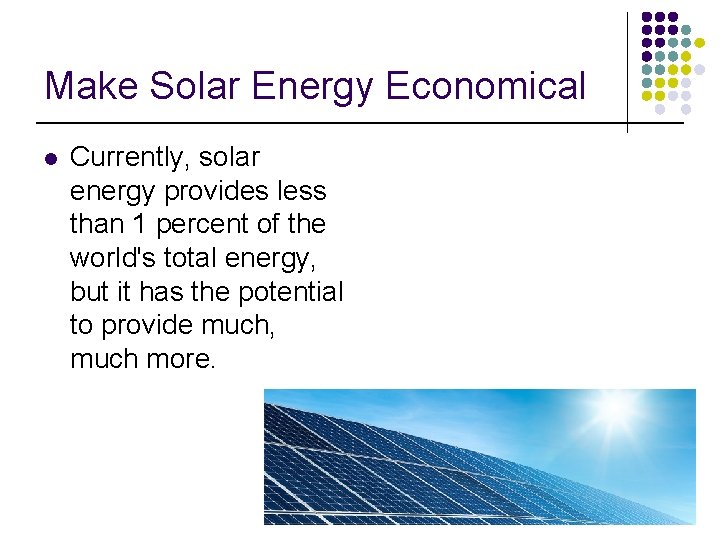
Make Solar Energy Economical l Currently, solar energy provides less than 1 percent of the world's total energy, but it has the potential to provide much, much more. 18
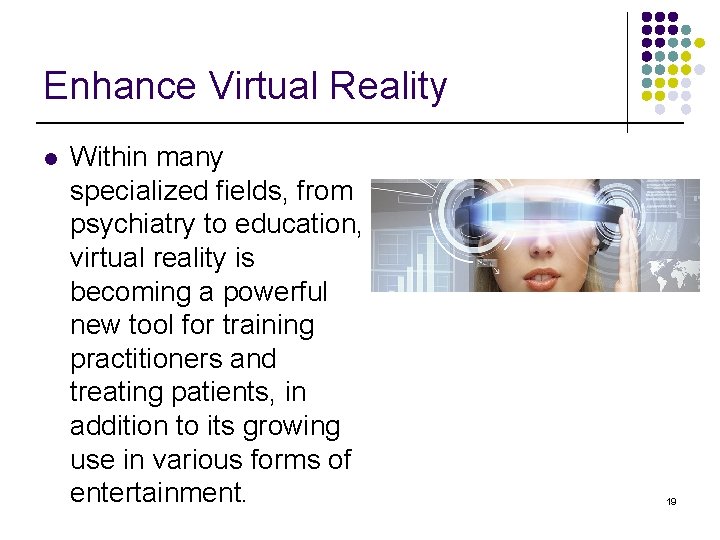
Enhance Virtual Reality l Within many specialized fields, from psychiatry to education, virtual reality is becoming a powerful new tool for training practitioners and treating patients, in addition to its growing use in various forms of entertainment. 19
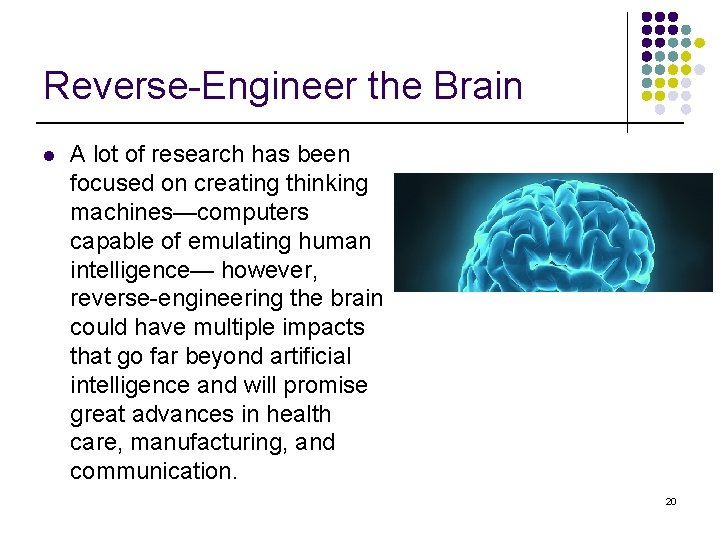
Reverse-Engineer the Brain l A lot of research has been focused on creating thinking machines—computers capable of emulating human intelligence— however, reverse-engineering the brain could have multiple impacts that go far beyond artificial intelligence and will promise great advances in health care, manufacturing, and communication. 20
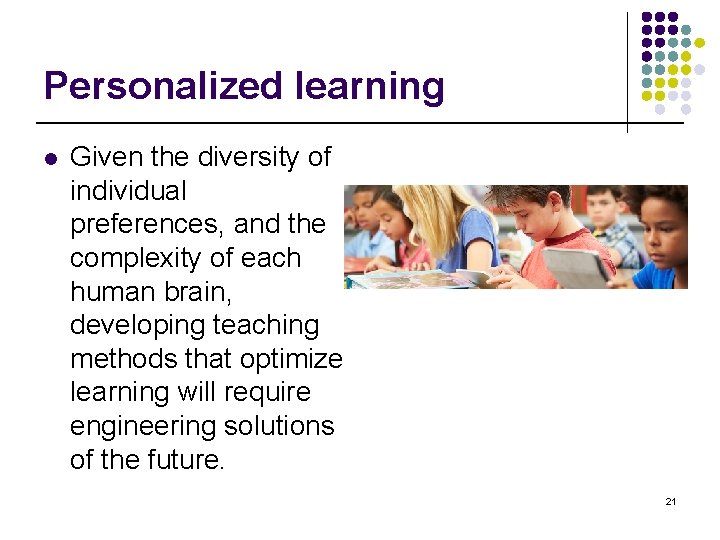
Personalized learning l Given the diversity of individual preferences, and the complexity of each human brain, developing teaching methods that optimize learning will require engineering solutions of the future. 21
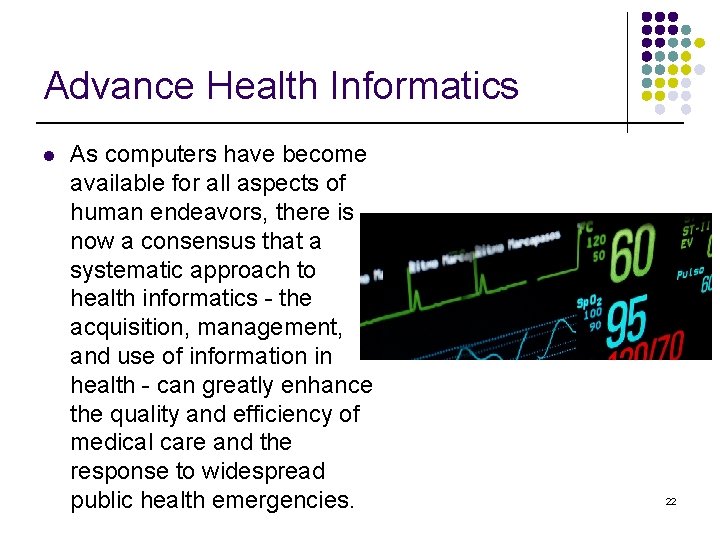
Advance Health Informatics l As computers have become available for all aspects of human endeavors, there is now a consensus that a systematic approach to health informatics - the acquisition, management, and use of information in health - can greatly enhance the quality and efficiency of medical care and the response to widespread public health emergencies. 22
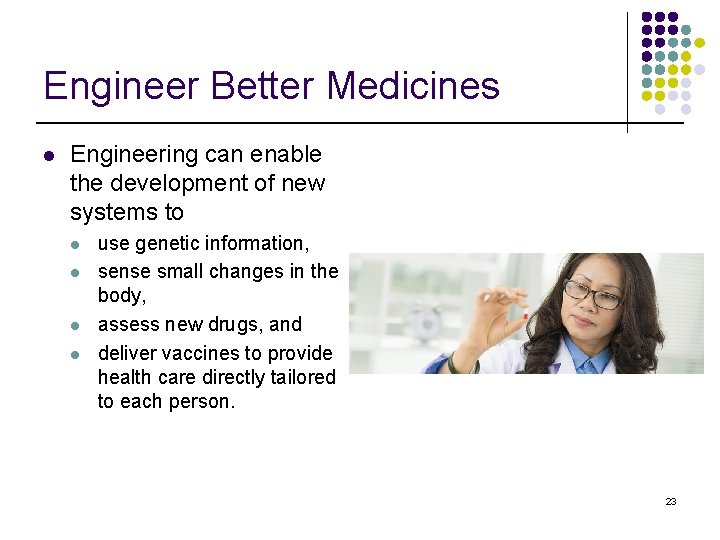
Engineer Better Medicines l Engineering can enable the development of new systems to l l use genetic information, sense small changes in the body, assess new drugs, and deliver vaccines to provide health care directly tailored to each person. 23
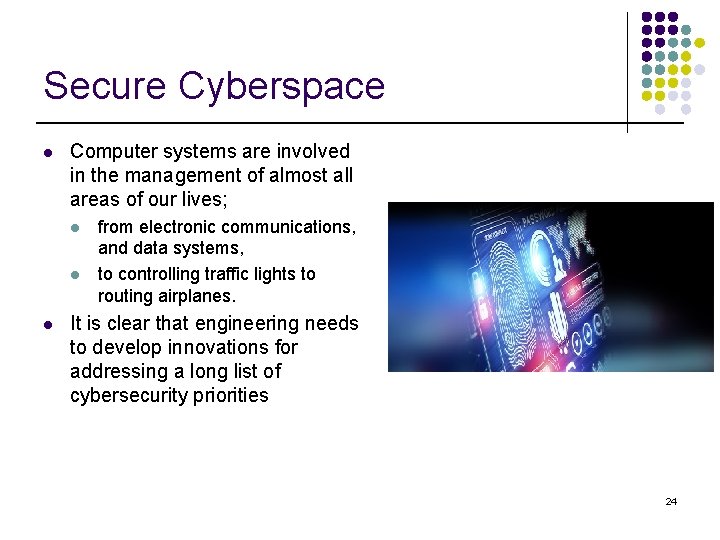
Secure Cyberspace l Computer systems are involved in the management of almost all areas of our lives; l l l from electronic communications, and data systems, to controlling traffic lights to routing airplanes. It is clear that engineering needs to develop innovations for addressing a long list of cybersecurity priorities 24
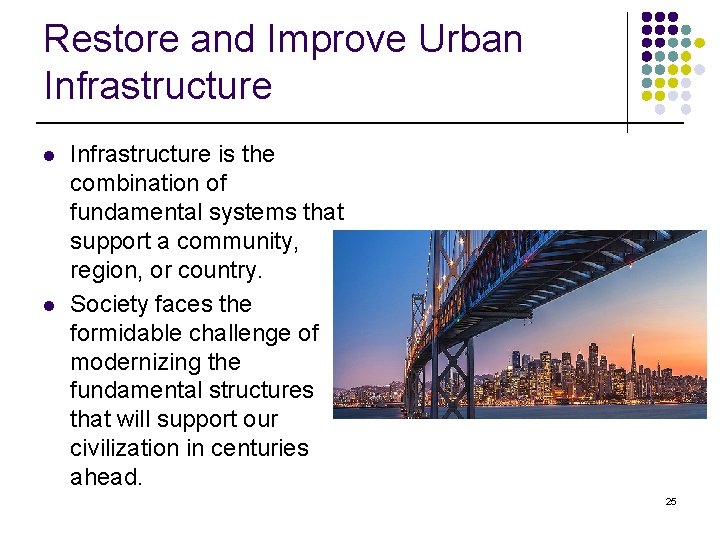
Restore and Improve Urban Infrastructure l l Infrastructure is the combination of fundamental systems that support a community, region, or country. Society faces the formidable challenge of modernizing the fundamental structures that will support our civilization in centuries ahead. 25
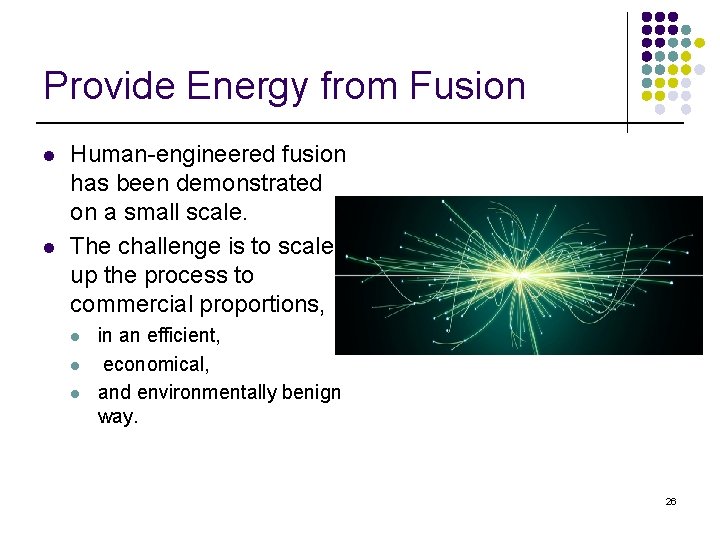
Provide Energy from Fusion l l Human-engineered fusion has been demonstrated on a small scale. The challenge is to scale up the process to commercial proportions, l l l in an efficient, economical, and environmentally benign way. 26
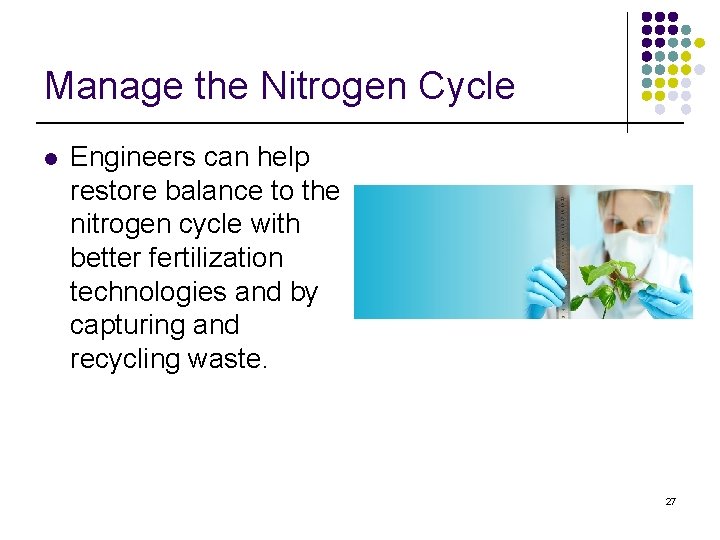
Manage the Nitrogen Cycle l Engineers can help restore balance to the nitrogen cycle with better fertilization technologies and by capturing and recycling waste. 27
Q&A 31