
Science Inquiry Questioning Strategies PES Science Staff Development


- Slides: 34
Science Inquiry & Questioning Strategies PES Science Staff Development – December/January 2013 A. Askew
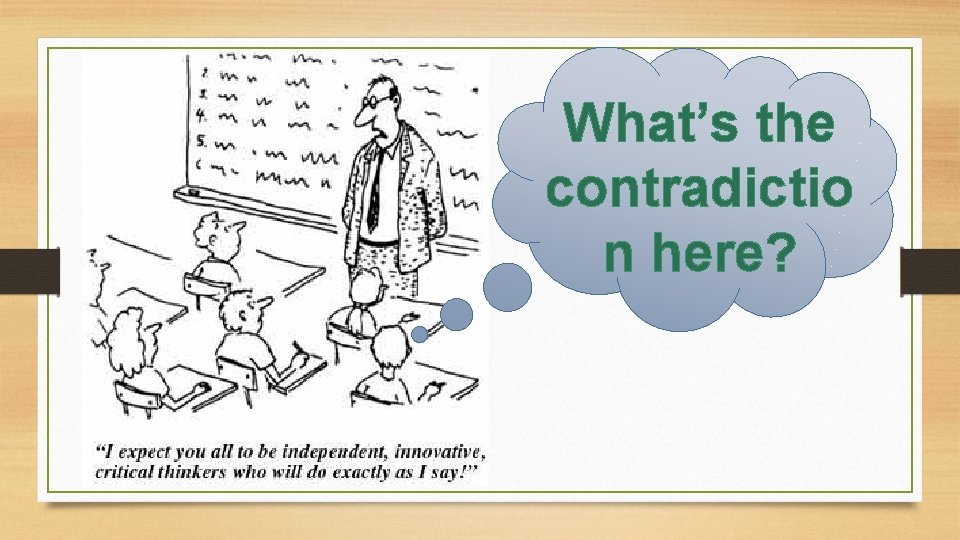
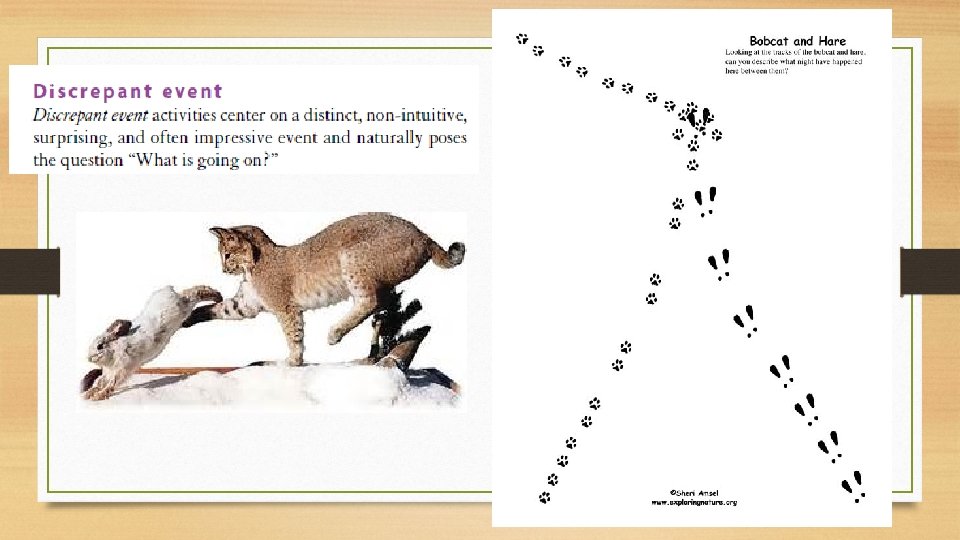
What’s the contradictio n here?
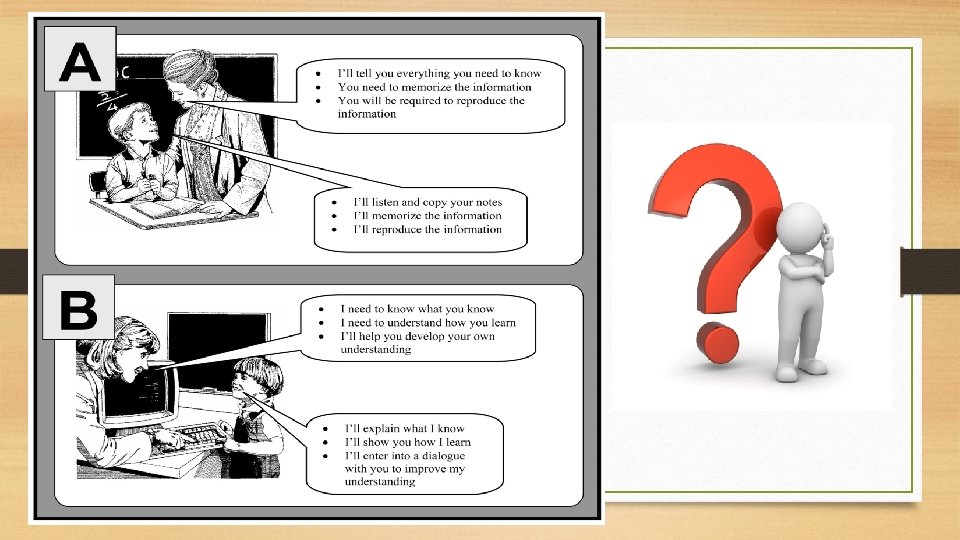
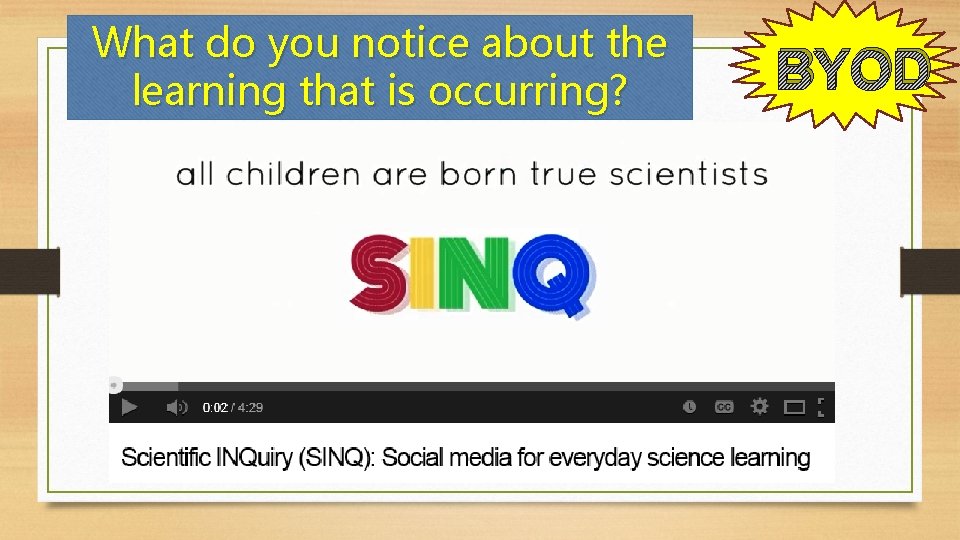
What do you notice about the learning that is occurring? BYOD
Inquiry: The Centerpiece of a Science Classroom 6
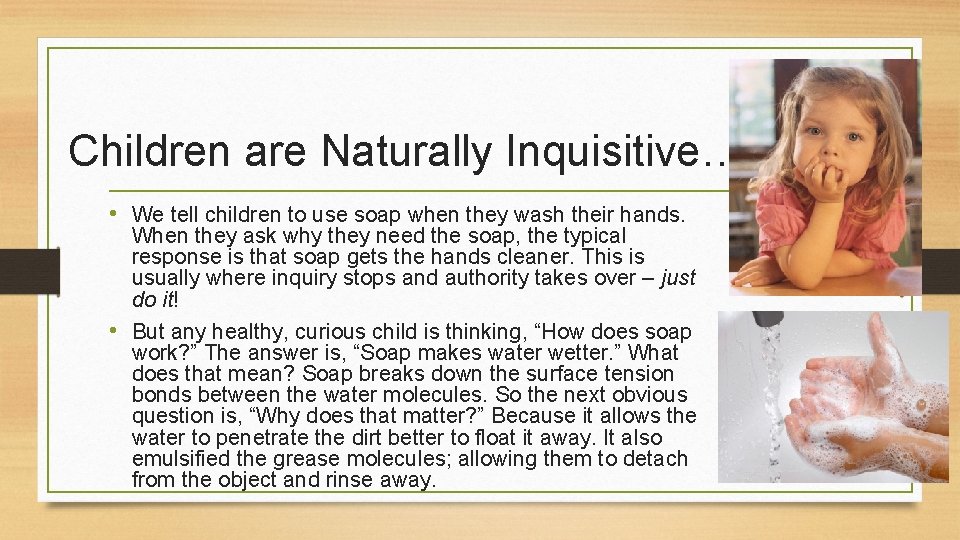
Children are Naturally Inquisitive… • We tell children to use soap when they wash their hands. When they ask why they need the soap, the typical response is that soap gets the hands cleaner. This is usually where inquiry stops and authority takes over – just do it! • But any healthy, curious child is thinking, “How does soap work? ” The answer is, “Soap makes water wetter. ” What does that mean? Soap breaks down the surface tension bonds between the water molecules. So the next obvious question is, “Why does that matter? ” Because it allows the water to penetrate the dirt better to float it away. It also emulsified the grease molecules; allowing them to detach from the object and rinse away.
Inquiry • “Inquiry implies involvement that leads to understanding. Furthermore, involvement in learning implies possessing skills and attitudes that permit you to seek resolutions to questions and issues while you construct new knowledge. ” • http: //www. thirteen. org/edonline/concept 2 class/inquiry/index. html
Testable Question • Testable questions generally begin with how can, does, what if, or which. • What will the surface of the Moon look like in a hundred years? Too complex! • How does the size of a meteorite affect the size of the crater it makes? This is testable because we can drop different size objects and measure the size of the crater. The testable variable is the different size objects.
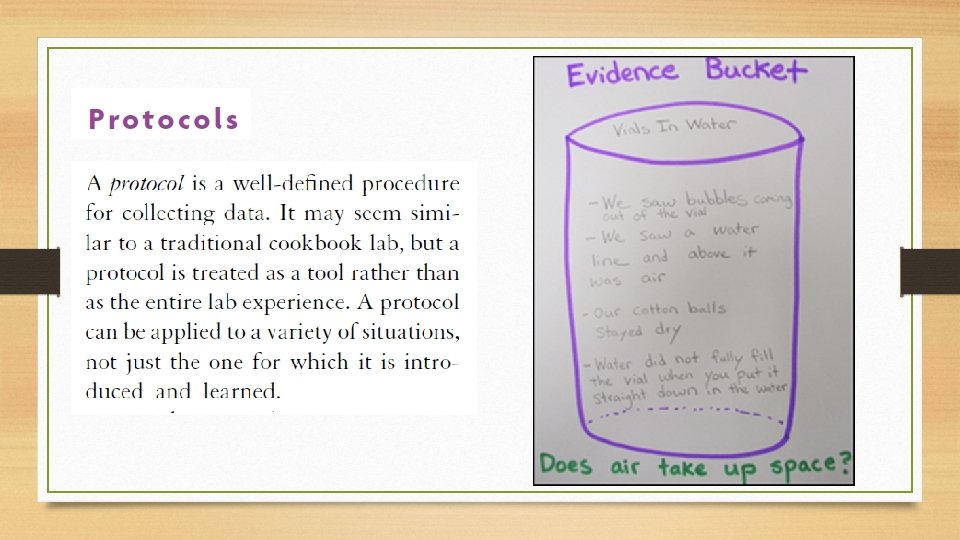
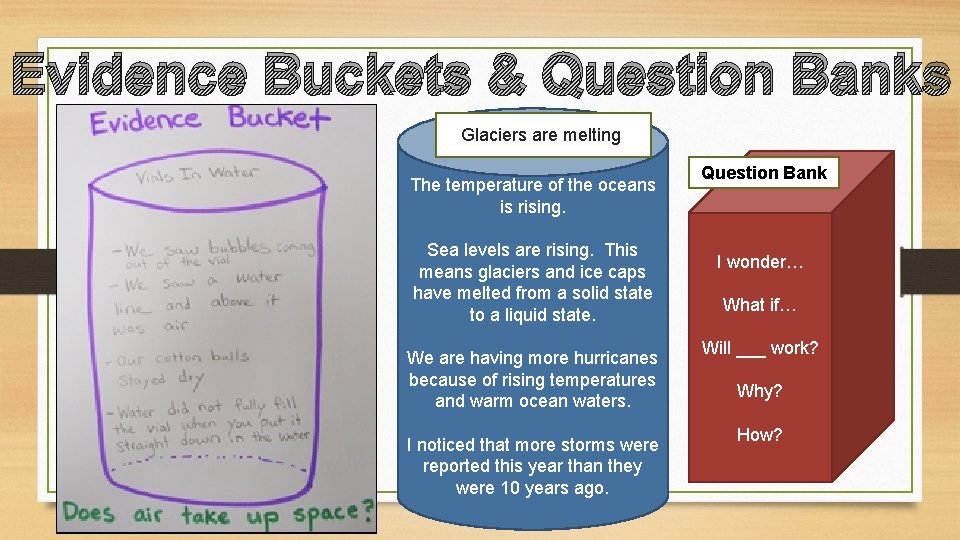
Evidence Buckets & Question Banks Glaciers are melting. The temperature of the oceans is rising. Sea levels are rising. This means glaciers and ice caps have melted from a solid state to a liquid state. We are having more hurricanes because of rising temperatures and warm ocean waters. I noticed that more storms were reported this year than they were 10 years ago. Question Bank I wonder… What if… Will ___ work? Why? How?
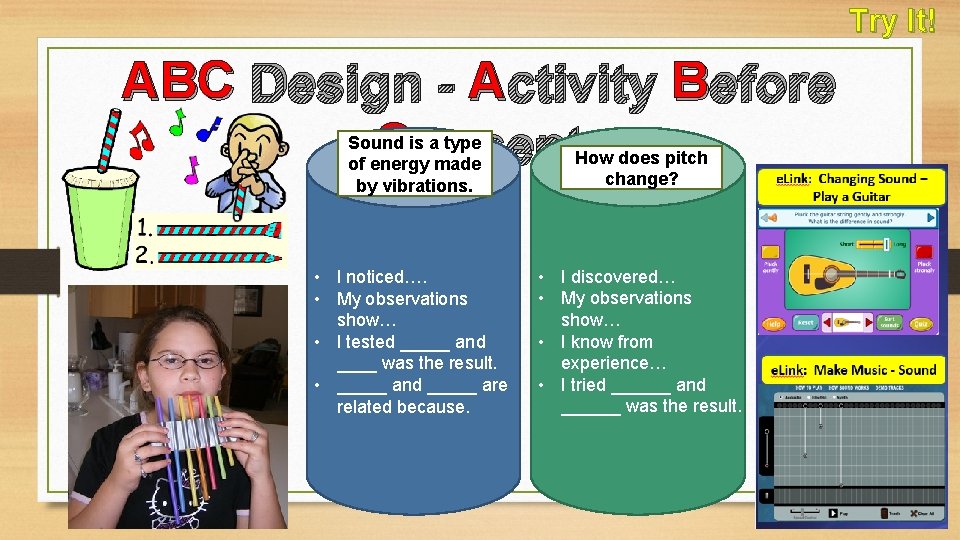
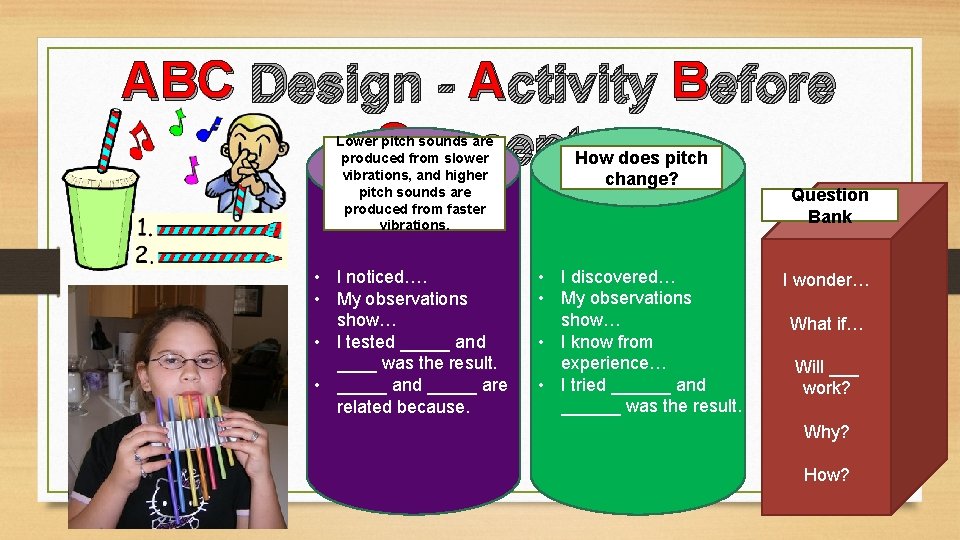
Try It! ABC Design - A ctivity B efore C oncept Sound is a type of energy made by vibrations. How does pitch change? • I noticed…. • My observations show… • I tested _____ and ____ was the result. • _____ and _____ are related because. • I discovered… • My observations show… • I know from experience… • I tried ______ and ______ was the result.
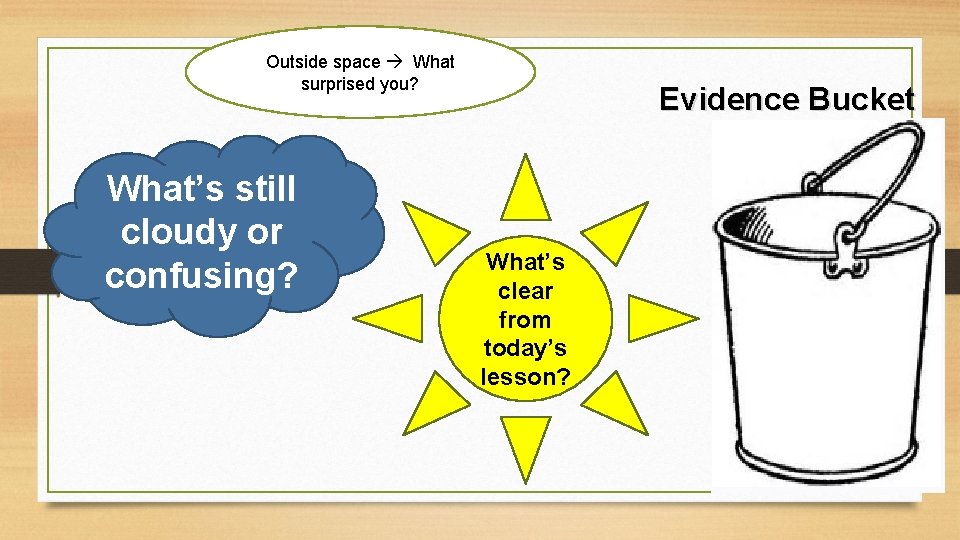
Outside space What surprised you? What’s still cloudy or confusing? Evidence Bucket What’s clear from today’s lesson?
ABC Design - A ctivity B efore C oncept Lower pitch sounds are produced from slower vibrations, and higher pitch sounds are produced from faster vibrations. • I noticed…. • My observations show… • I tested _____ and ____ was the result. • _____ and _____ are related because. How does pitch change? • I discovered… • My observations show… • I know from experience… • I tried ______ and ______ was the result. Question Bank I wonder… What if… Will ___ work? Why? How?
NSTA – The Science Teacher
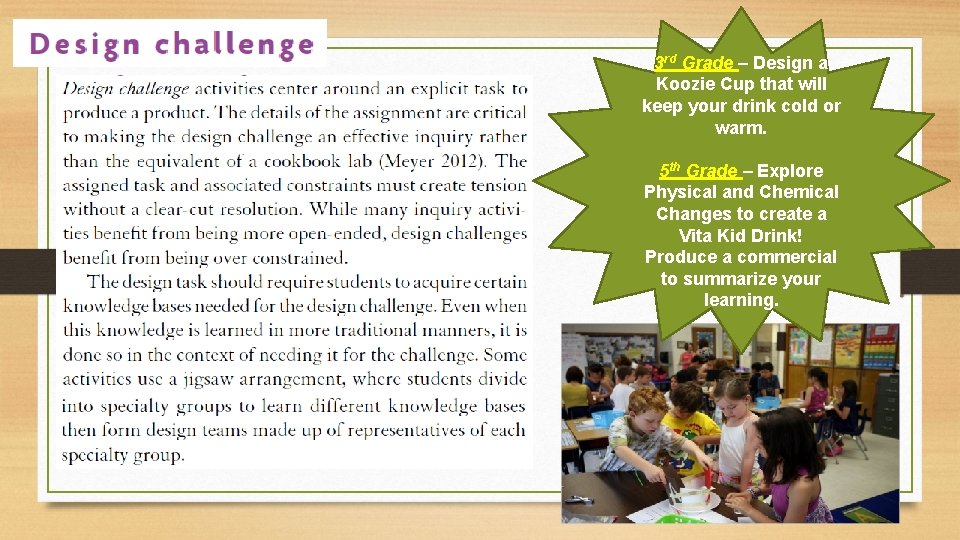
3 rd Grade – Design a Koozie Cup that will keep your drink cold or warm. 5 th Grade – Explore Physical and Chemical Changes to create a Vita Kid Drink! Produce a commercial to summarize your learning.
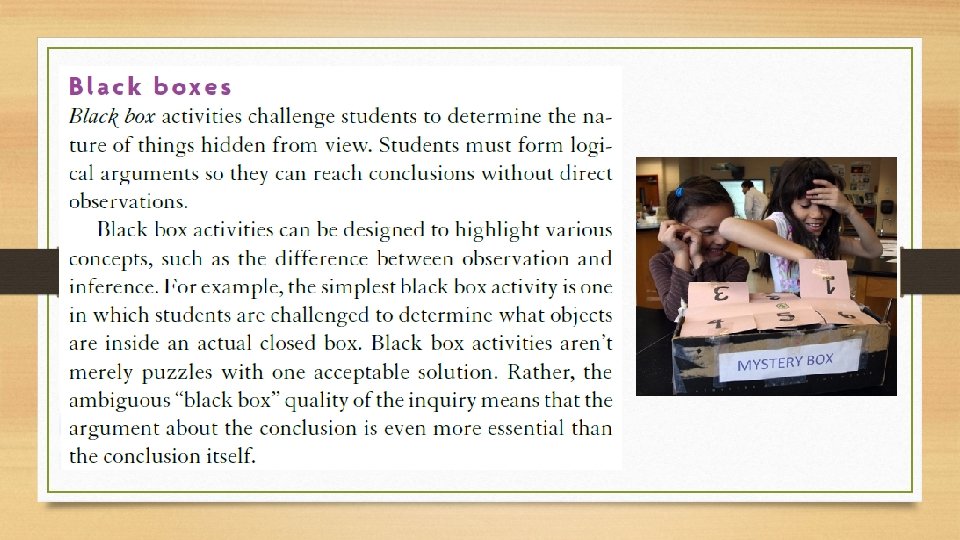
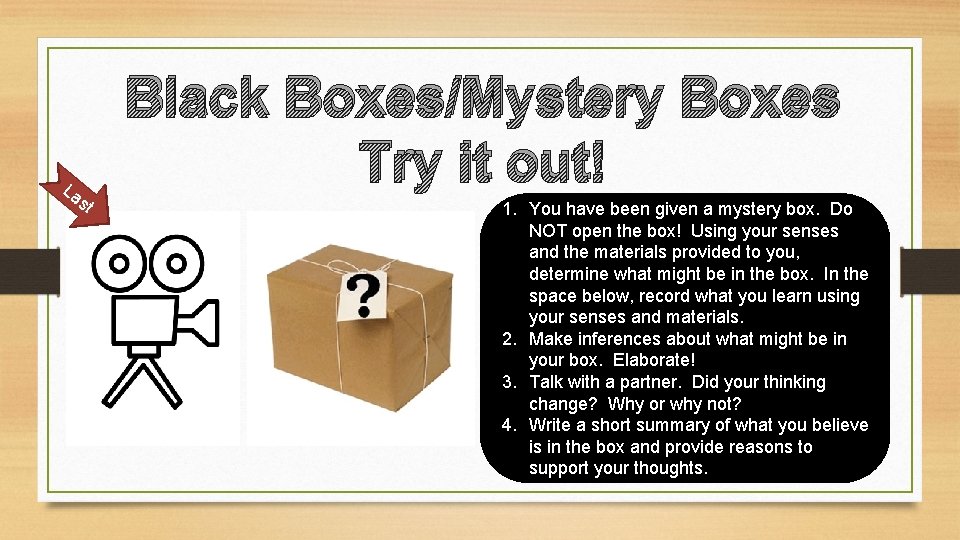
La st Black Boxes/Mystery Boxes Try it out! 1. You have been given a mystery box. Do NOT open the box! Using your senses and the materials provided to you, determine what might be in the box. In the space below, record what you learn using your senses and materials. 2. Make inferences about what might be in your box. Elaborate! 3. Talk with a partner. Did your thinking change? Why or why not? 4. Write a short summary of what you believe is in the box and provide reasons to support your thoughts.
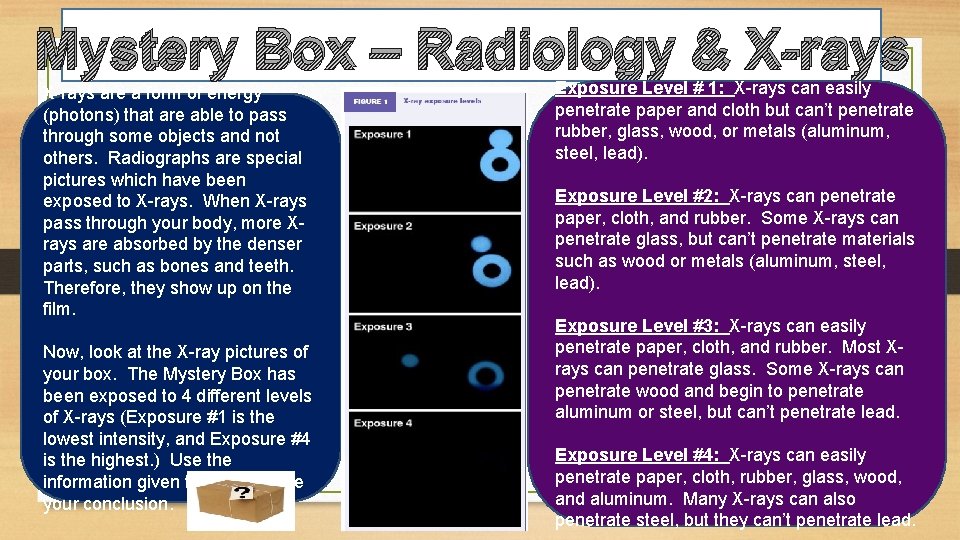
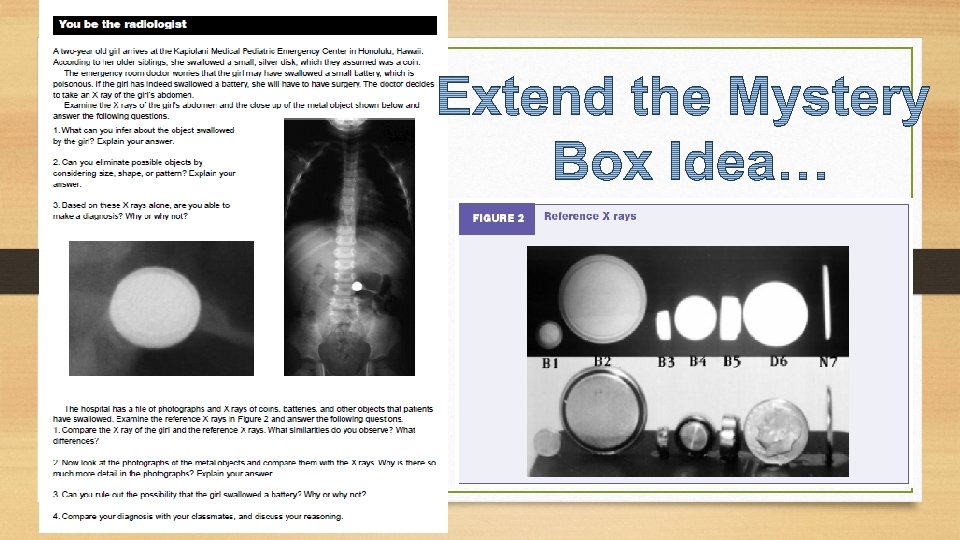
Mystery Box – Radiology & X-rays are a form of energy (photons) that are able to pass through some objects and not others. Radiographs are special pictures which have been exposed to X-rays. When X-rays pass through your body, more Xrays are absorbed by the denser parts, such as bones and teeth. Therefore, they show up on the film. Now, look at the X-ray pictures of your box. The Mystery Box has been exposed to 4 different levels of X-rays (Exposure #1 is the lowest intensity, and Exposure #4 is the highest. ) Use the information given to you to refine your conclusion. Exposure Level # 1: X-rays can easily penetrate paper and cloth but can’t penetrate rubber, glass, wood, or metals (aluminum, steel, lead). Exposure Level #2: X-rays can penetrate paper, cloth, and rubber. Some X-rays can penetrate glass, but can’t penetrate materials such as wood or metals (aluminum, steel, lead). Exposure Level #3: X-rays can easily penetrate paper, cloth, and rubber. Most Xrays can penetrate glass. Some X-rays can penetrate wood and begin to penetrate aluminum or steel, but can’t penetrate lead. Exposure Level #4: X-rays can easily penetrate paper, cloth, rubber, glass, wood, and aluminum. Many X-rays can also penetrate steel, but they can’t penetrate lead.
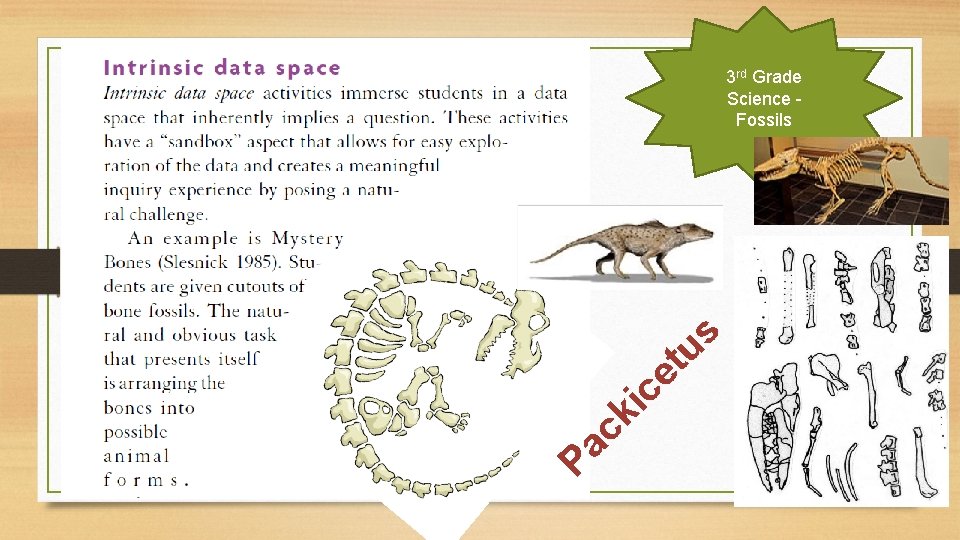
3 rd Grade Science Fossils t e s u c a P c i k
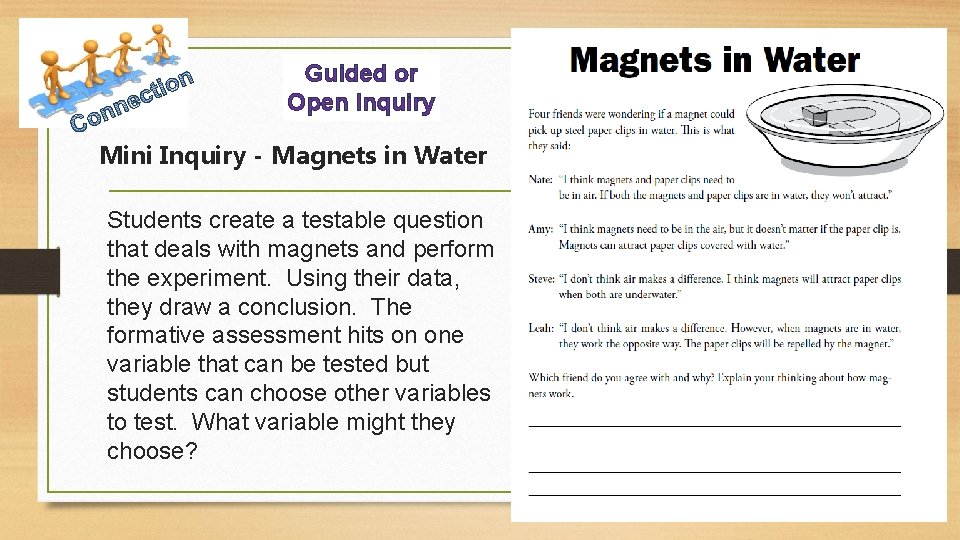
Guided or Open Inquiry Mini Inquiry - Magnets in Water Students create a testable question that deals with magnets and perform the experiment. Using their data, they draw a conclusion. The formative assessment hits on one variable that can be tested but students can choose other variables to test. What variable might they choose?
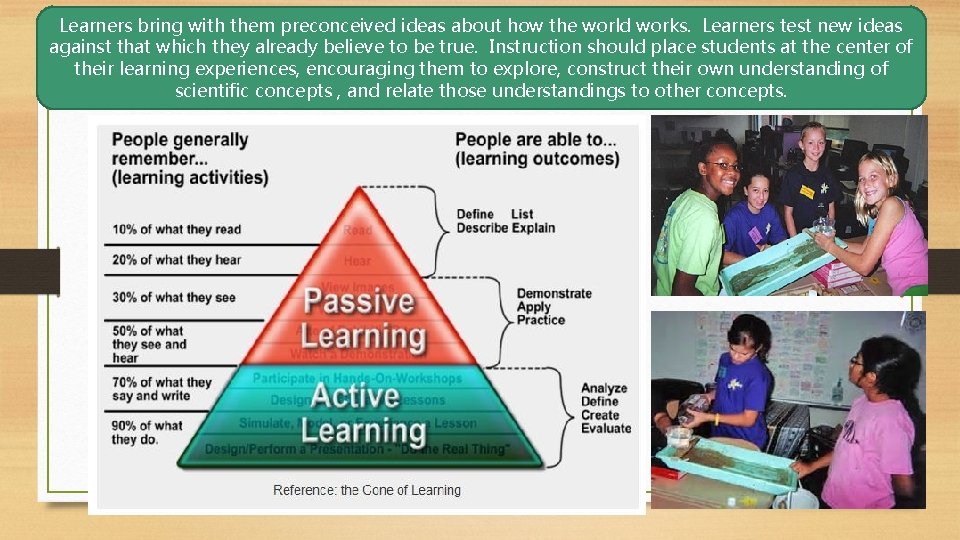
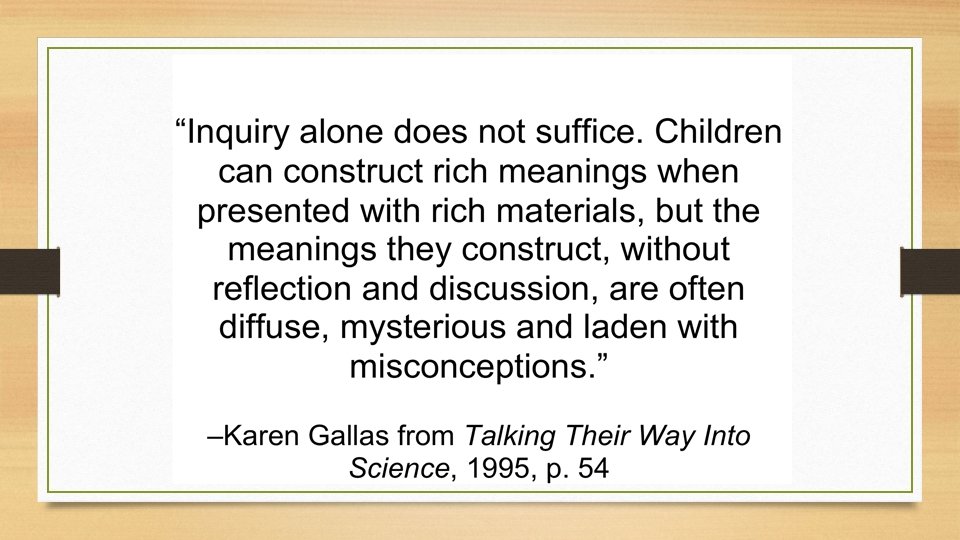
Learners bring with them preconceived ideas about how the world works. Learners test new ideas against that which they already believe to be true. Instruction should place students at the center of their learning experiences, encouraging them to explore, construct their own understanding of scientific concepts , and relate those understandings to other concepts.
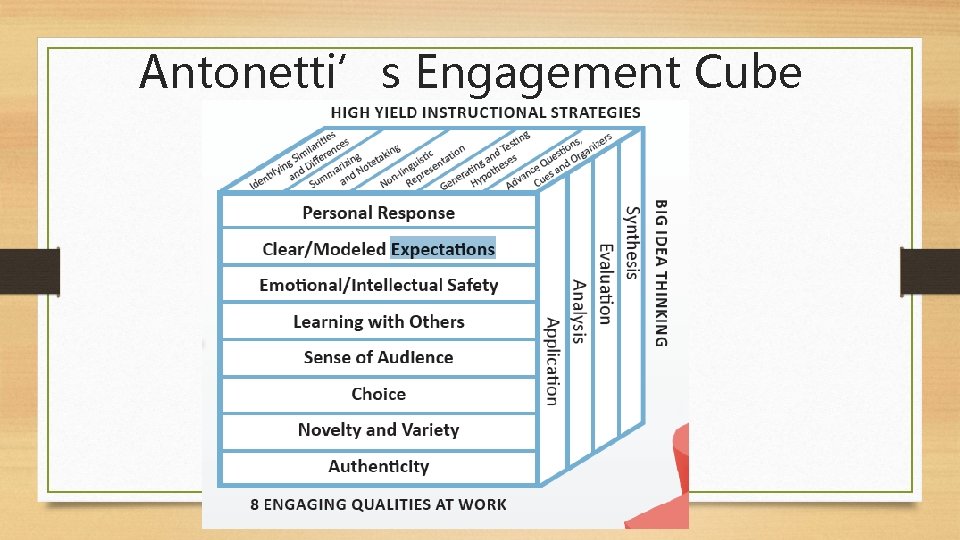
Antonetti’s Engagement Cube
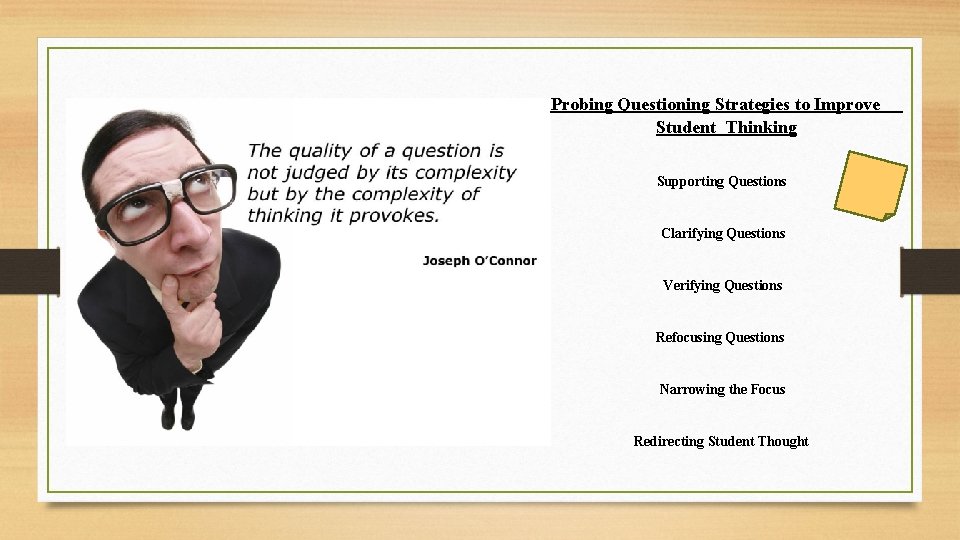
Probing Questioning Strategies to Improve Student Thinking Supporting Questions Clarifying Questions Verifying Questions Refocusing Questions Narrowing the Focus Redirecting Student Thought
Require Justification • After a student gives a response, ask a follow-up question that requires the student to provide rationale for his or her thinking. This is an essential component of questioning in the sciences because solutions must always be based on logic as opposed to opinion or feeling. Such questions could range from the simple “How did you come up with that? ” or “What made you decide to do it that way? ” to the more complex “What evidence supports your answer? ” It can also be useful to ask the learner to justify his or her response in writing. 2013) (A. Harris, Global Post,
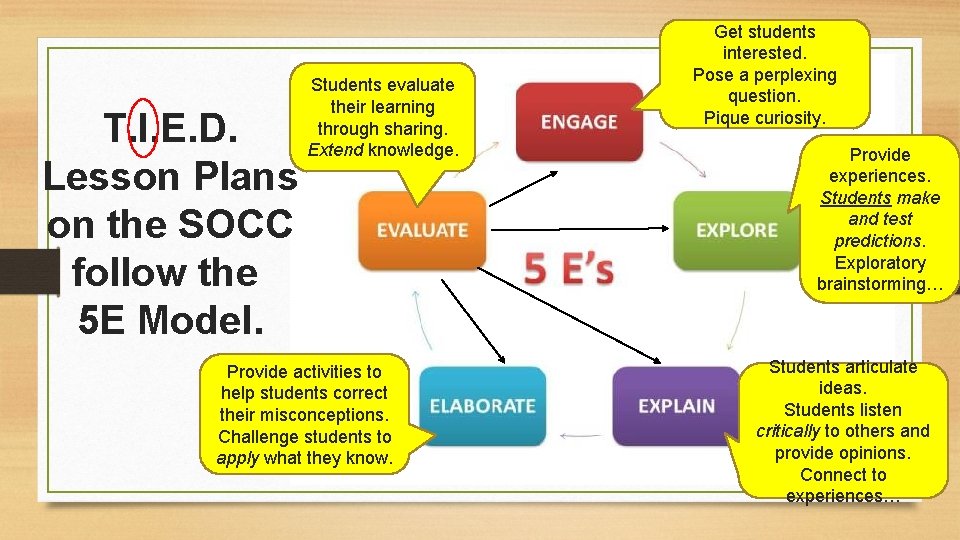
T. I. E. D. Lesson Plans on the SOCC follow the 5 E Model. Students evaluate their learning through sharing. Extend knowledge. Provide activities to help students correct their misconceptions. Challenge students to apply what they know. Get students interested. Pose a perplexing question. Pique curiosity. Provide experiences. Students make and test predictions. Exploratory brainstorming… Students articulate ideas. Students listen critically to others and provide opinions. Connect to experiences…
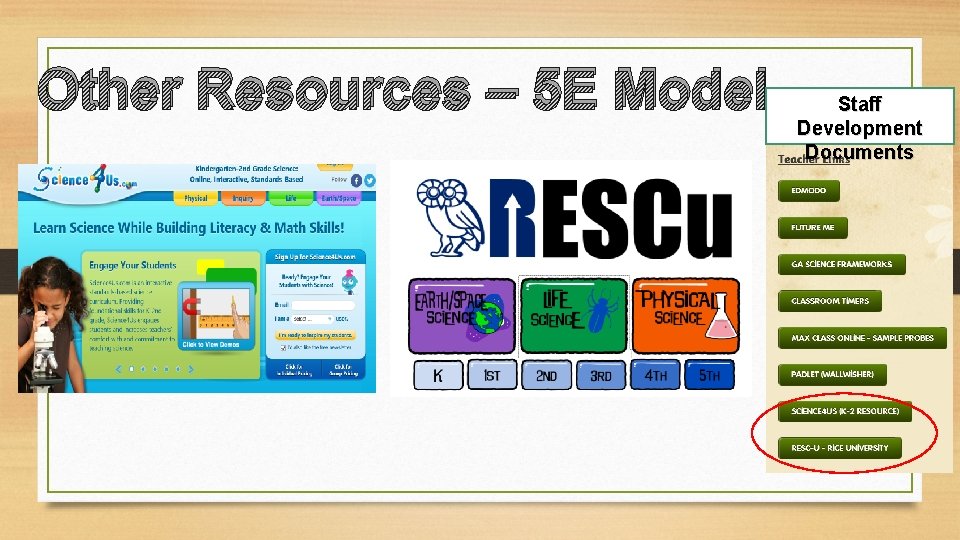
Other Resources – 5 E Model Staff Development Documents
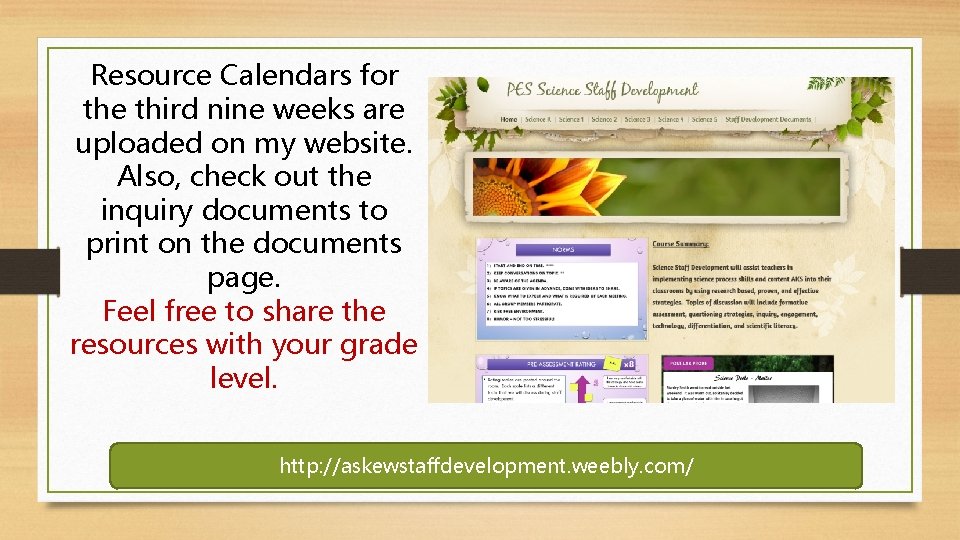
Resource Calendars for the third nine weeks are uploaded on my website. Also, check out the inquiry documents to print on the documents page. Feel free to share the resources with your grade level. http: //askewstaffdevelopment. weebly. com/
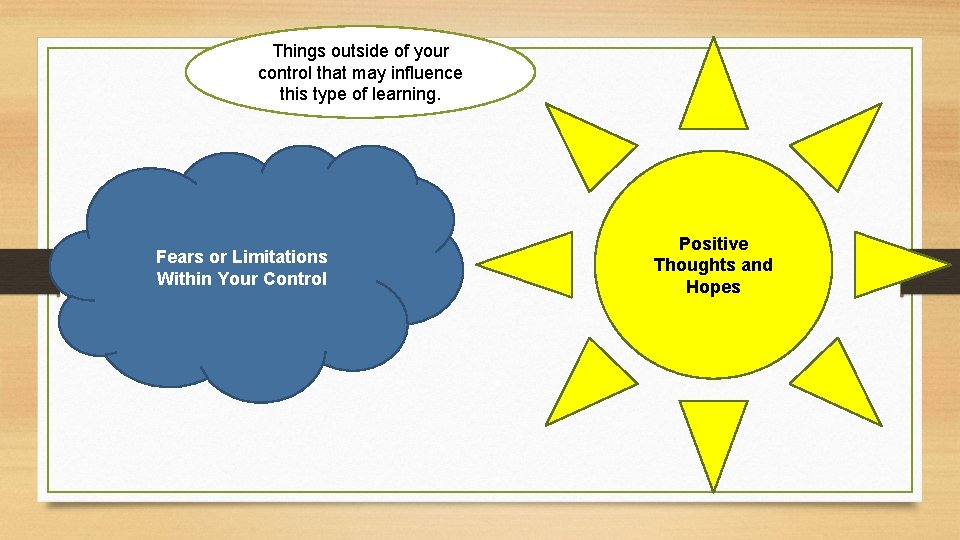
Things outside of your control that may influence this type of learning. Fears or Limitations Within Your Control Positive Thoughts and Hopes
Last but not least, please respond to the question that I’ve posted for you on Edmodo. How have your ideas about inquiry/questioning changed? How might you use this in your classroom? 3 more days!