
Science Forces Lesson 6 Monday 22 nd February

Science – Forces Lesson 6 Monday 22 nd February 2021
LO: Explore and design a mechanism. Success Criteria: Explain how different mechanisms work. Investigate a simple mechanism. Design a mechanism for a given purpose.

What is a mechanism? A mechanism makes our lives easier! Levers, Pulleys and Gears are all mechanisms. They work by changing the size or direction of a force.

Levers are the simplest type of mechanism. They are really good at lifting objects and can be used to make objects easier to lift.
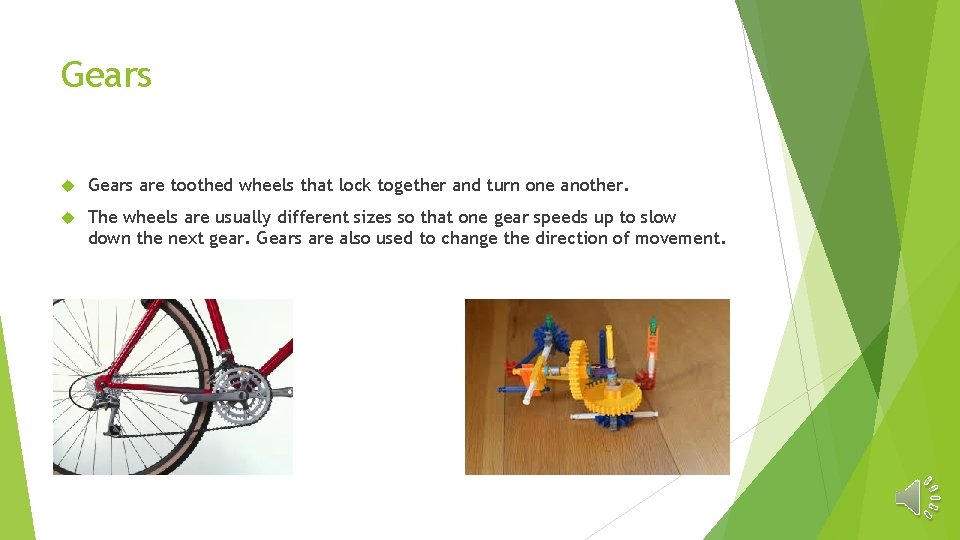
Gears are toothed wheels that lock together and turn one another. The wheels are usually different sizes so that one gear speeds up to slow down the next gear. Gears are also used to change the direction of movement.
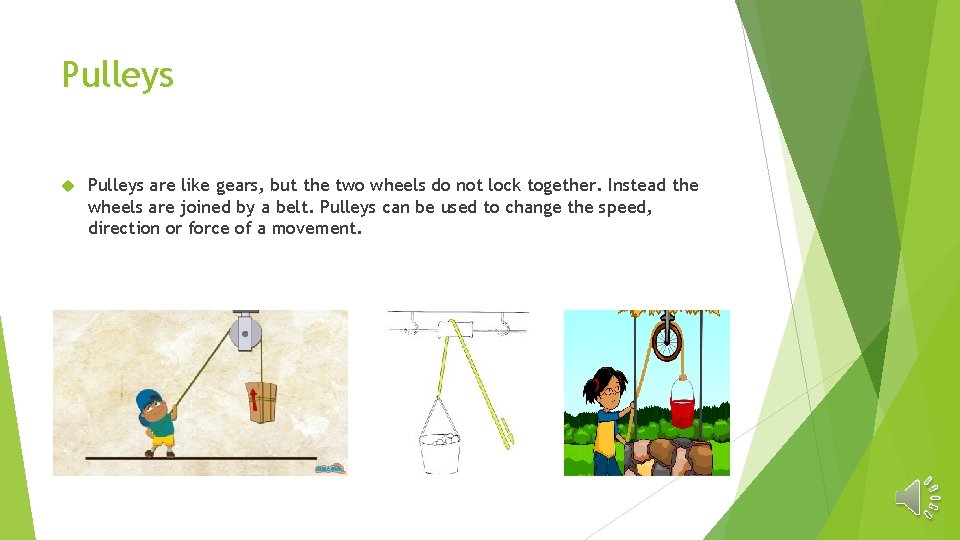
Pulleys are like gears, but the two wheels do not lock together. Instead the wheels are joined by a belt. Pulleys can be used to change the speed, direction or force of a movement.
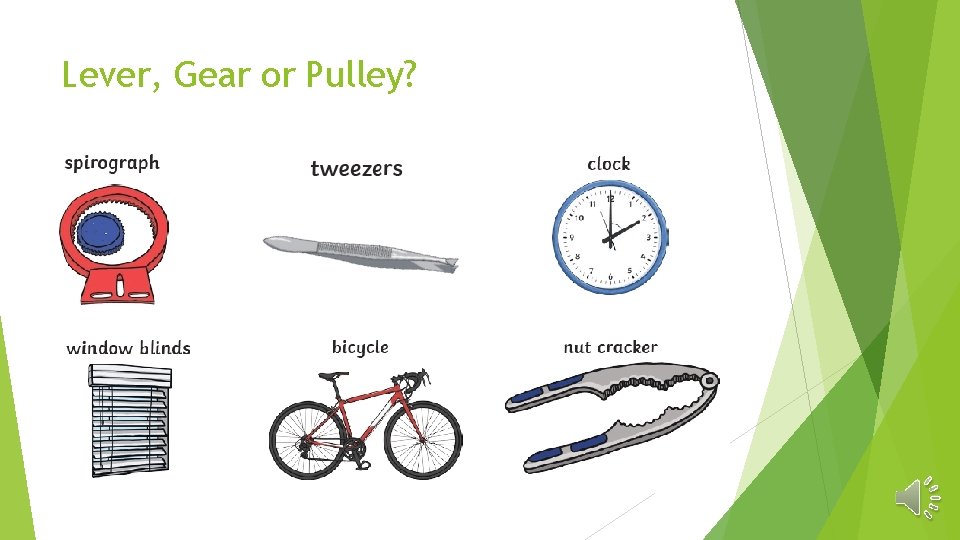
Lever, Gear or Pulley?
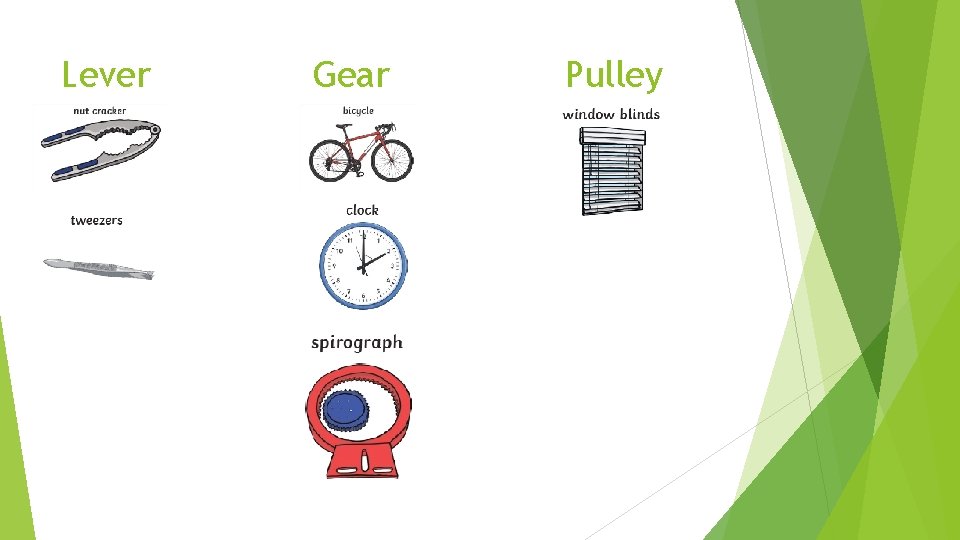
Lever Gear Pulley
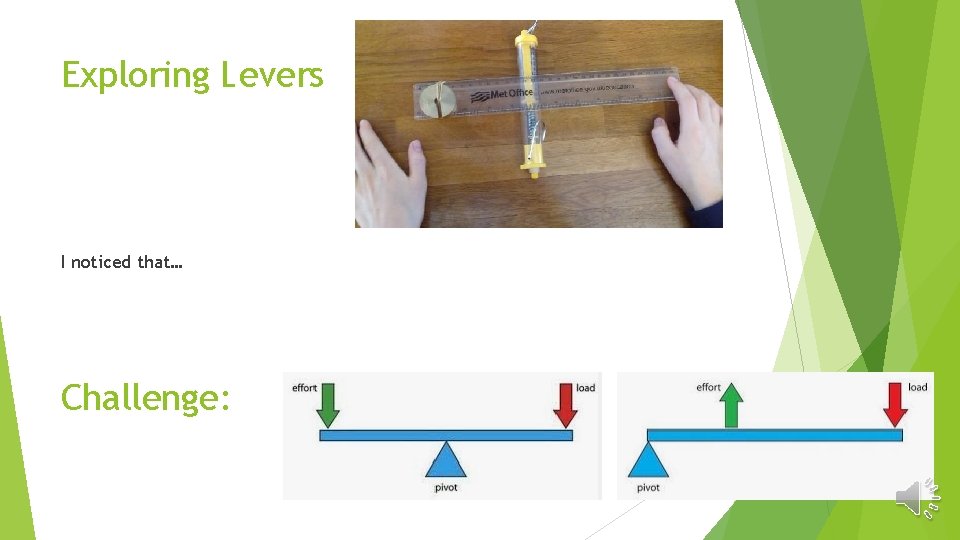
Exploring Levers I noticed that… Challenge:
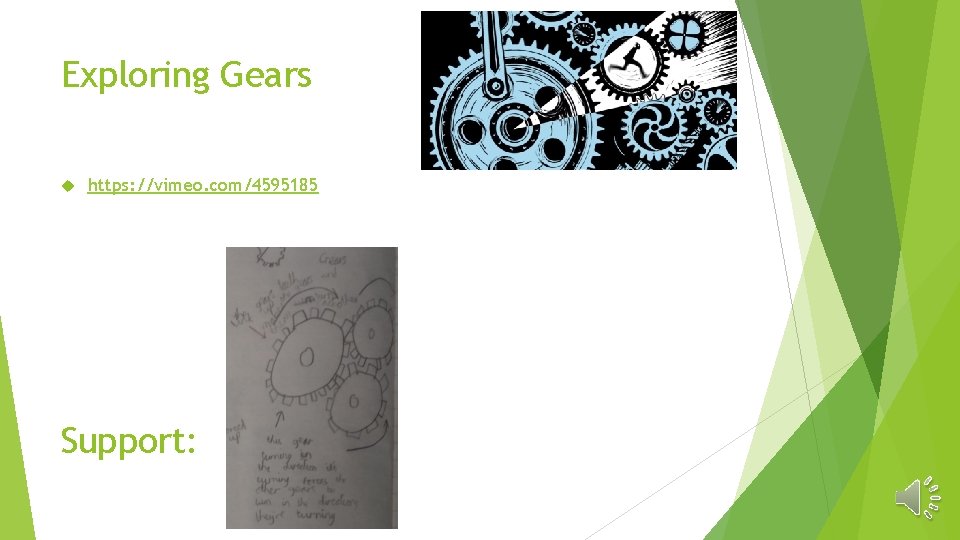
Exploring Gears https: //vimeo. com/4595185 Support:
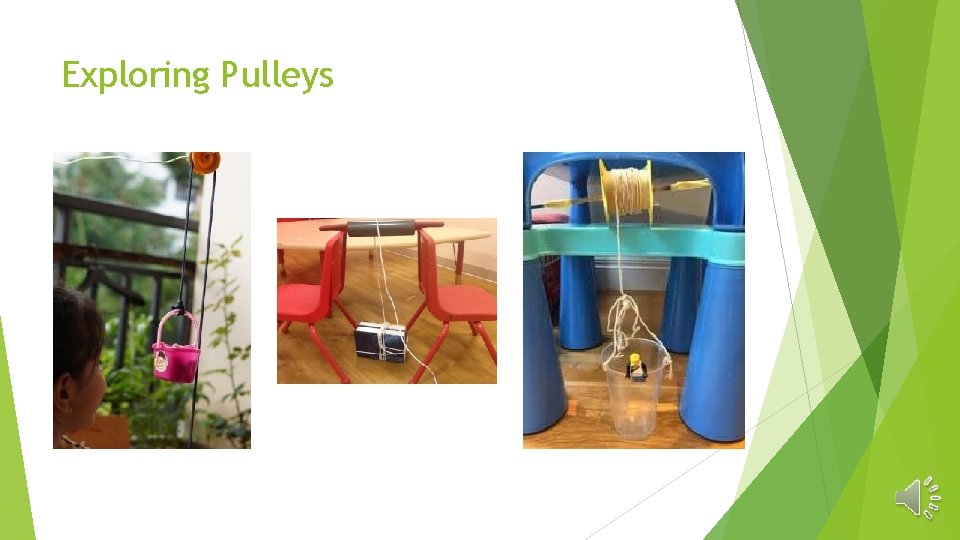
Exploring Pulleys
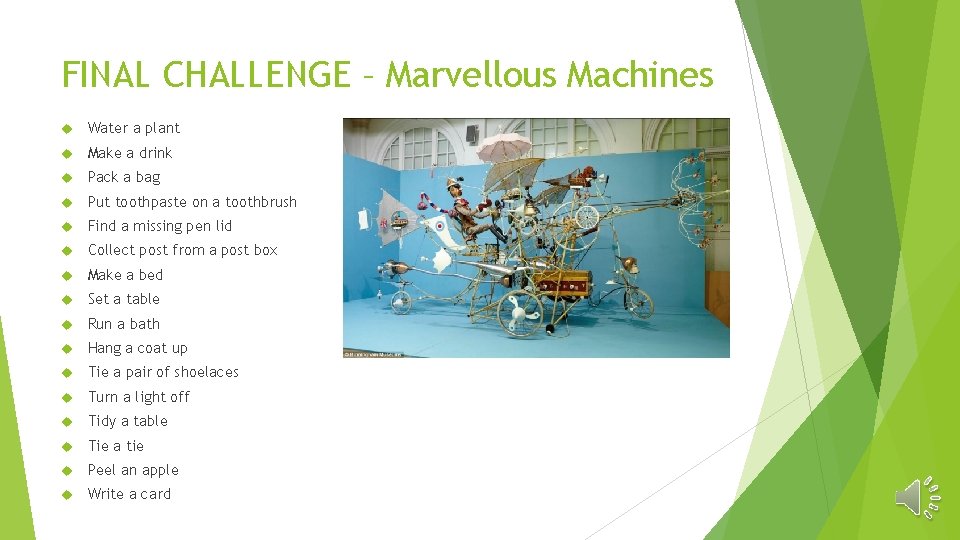
FINAL CHALLENGE – Marvellous Machines Water a plant Make a drink Pack a bag Put toothpaste on a toothbrush Find a missing pen lid Collect post from a post box Make a bed Set a table Run a bath Hang a coat up Tie a pair of shoelaces Turn a light off Tidy a table Tie a tie Peel an apple Write a card
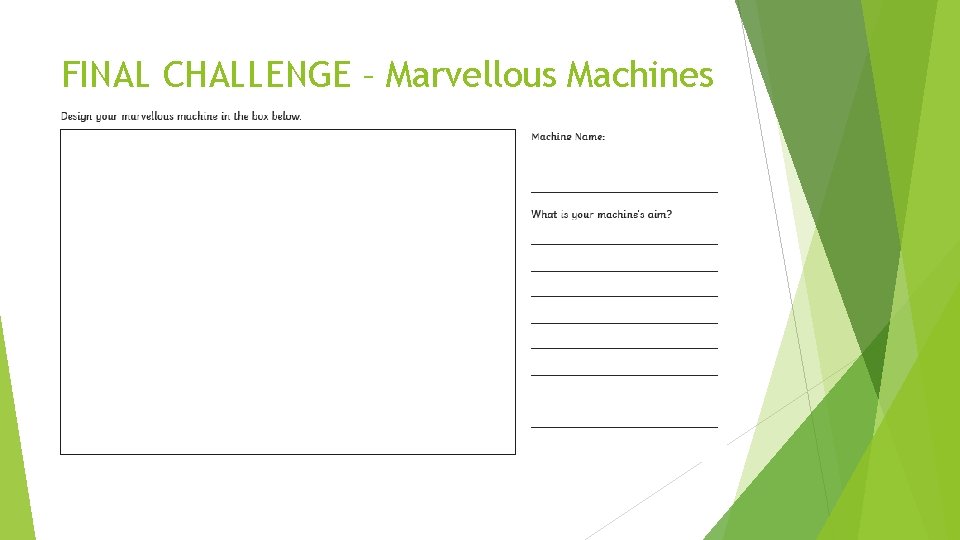
FINAL CHALLENGE – Marvellous Machines
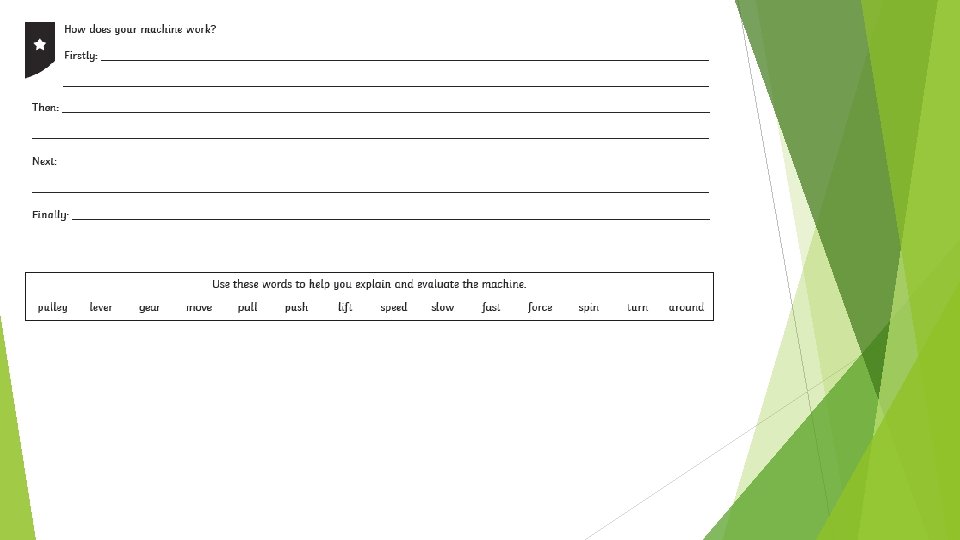
Plenary – Which mechanism? Hoisting a flag up a flagpole.
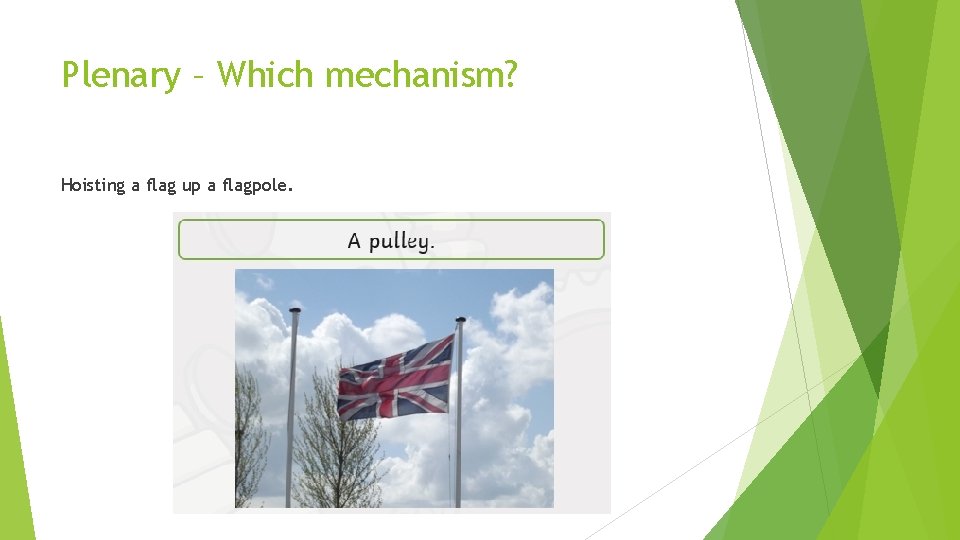
Plenary – Which mechanism? Hoisting a flag up a flagpole.
Plenary – Which mechanism? Making one wheel turn faster than another?
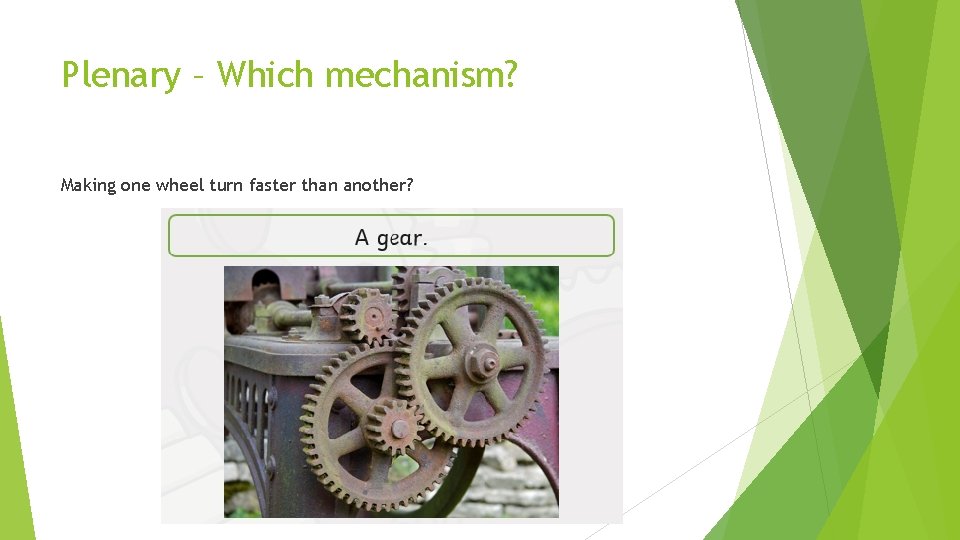
Plenary – Which mechanism? Making one wheel turn faster than another?
Plenary – Which mechanism? Making a heavy sack easier to lift.
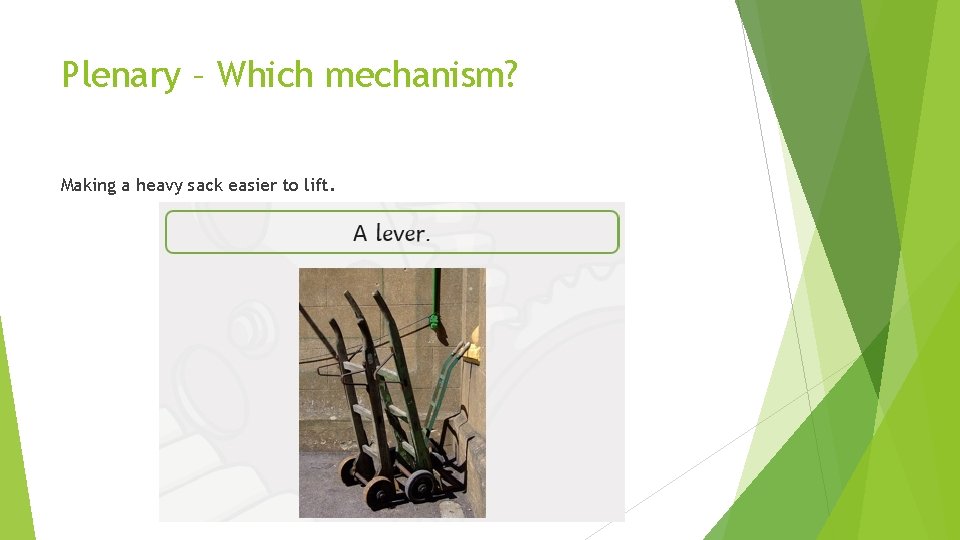
Plenary – Which mechanism? Making a heavy sack easier to lift.
Remote Learning Tracking Please click on the link below to let us know that you have accessed the lesson. https: //forms. office. com/Pages/Response. Page. aspx? id=e. CY 4 l. N 73 r 0 G 0 KV 1 r. DWITz Rh. TQ 2 IZqp. BOs. W 8 c. FVooo. F 9 UNVl. MS 1 d. CVkda. M 0 k 0 Wlh. FTE 9 WVFBTWEg 1 Ti 4 u
- Slides: 21