
Science Ethics Ideal Models from history Human subject
Science Ethics • • Ideal Models from history Human subject research Examples from SF

The Ideal Scientist: • Neutral observer, reporting on their findings without bias • Works past personality conflicts • Serves the greater good: increased knowledge
The Real Scientist • Human beings with all our flaws • Like all other fields, famous people are more likely to be outrageous • In some fields we have regulations to try and compensate for our human flaws
Science, including astronomy, is rife with conflicts
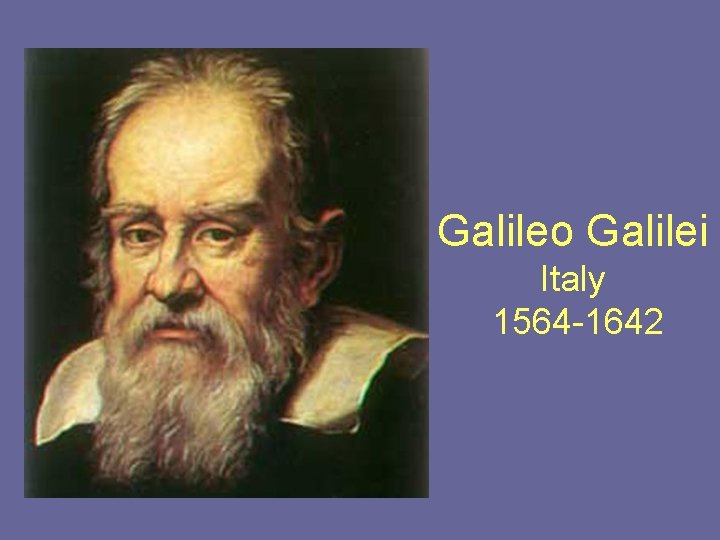
Galileo Galilei Italy 1564 -1642
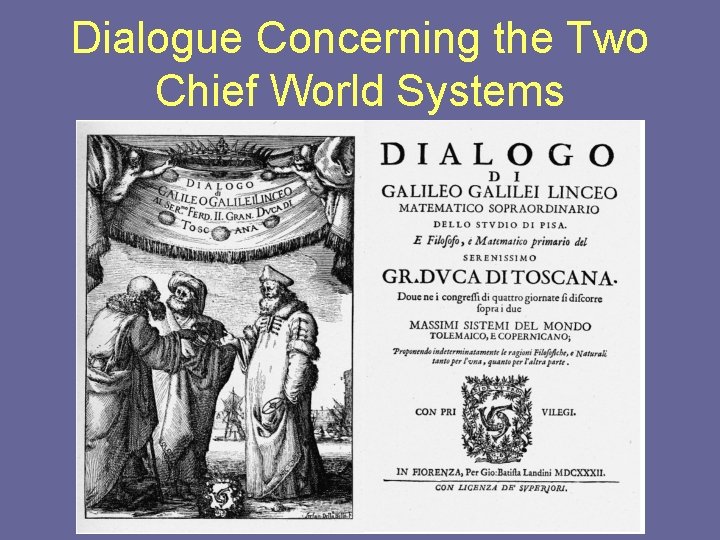
Dialogue Concerning the Two Chief World Systems
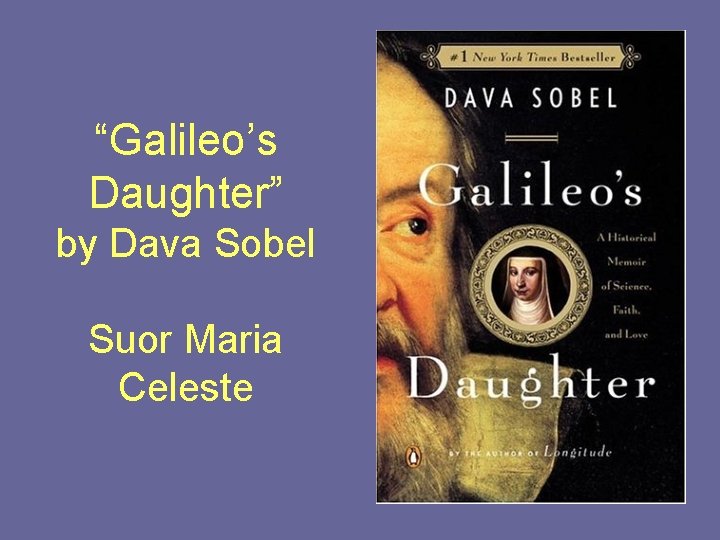
“Galileo’s Daughter” by Dava Sobel Suor Maria Celeste
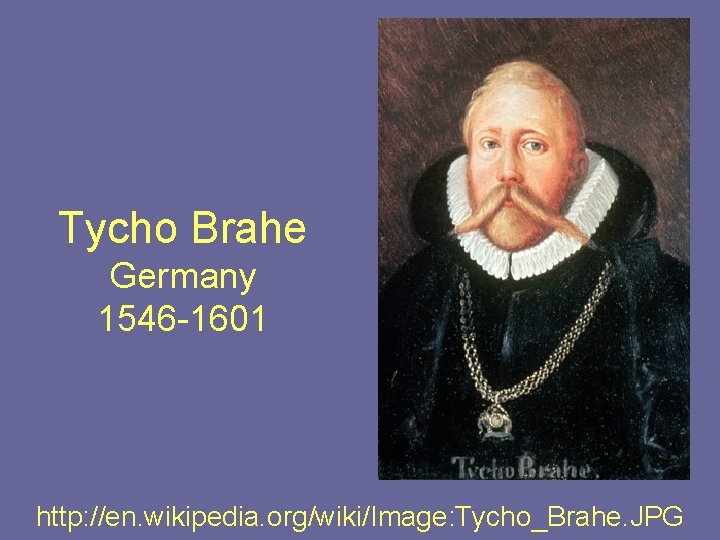
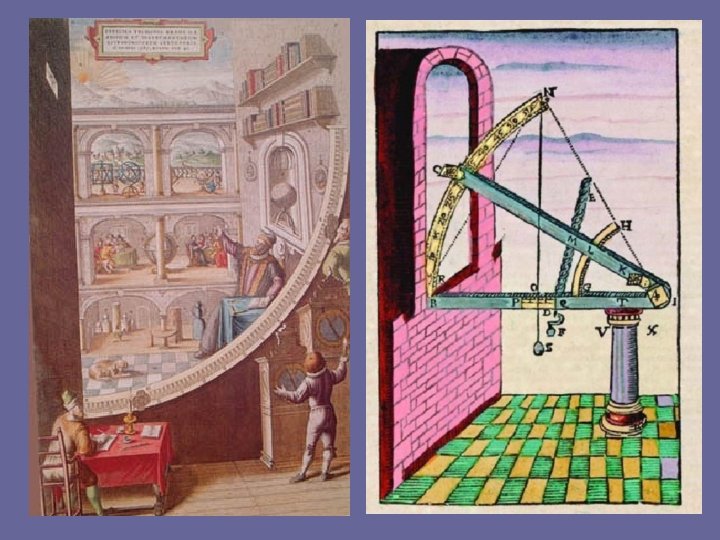
Tycho Brahe Germany 1546 -1601 http: //en. wikipedia. org/wiki/Image: Tycho_Brahe. JPG
Tycho Brahe = Geocentric Best measurements of planets
Tycho Brahe’s Elk or Moose
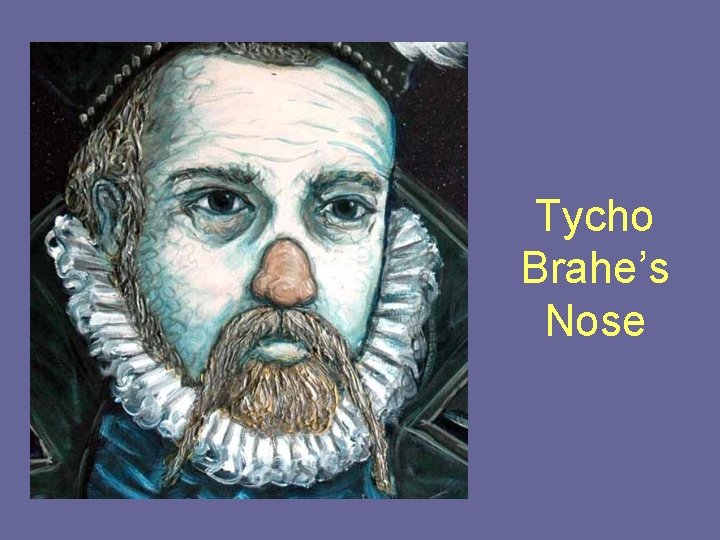
Tycho Brahe’s Nose
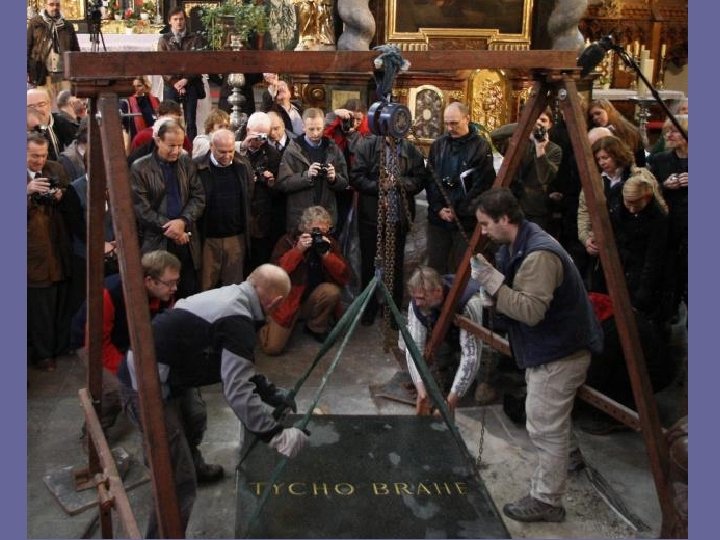
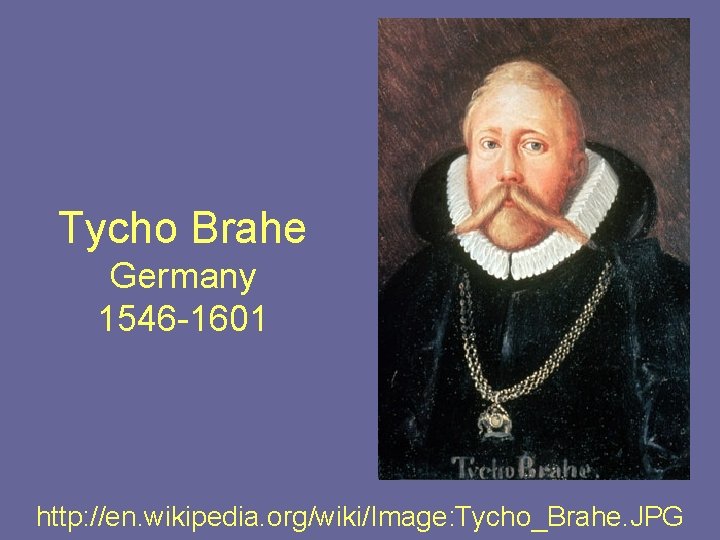
Tycho Brahe Germany 1546 -1601 http: //en. wikipedia. org/wiki/Image: Tycho_Brahe. JPG
Tycho Brahe = Geocentric Best measurements of planets
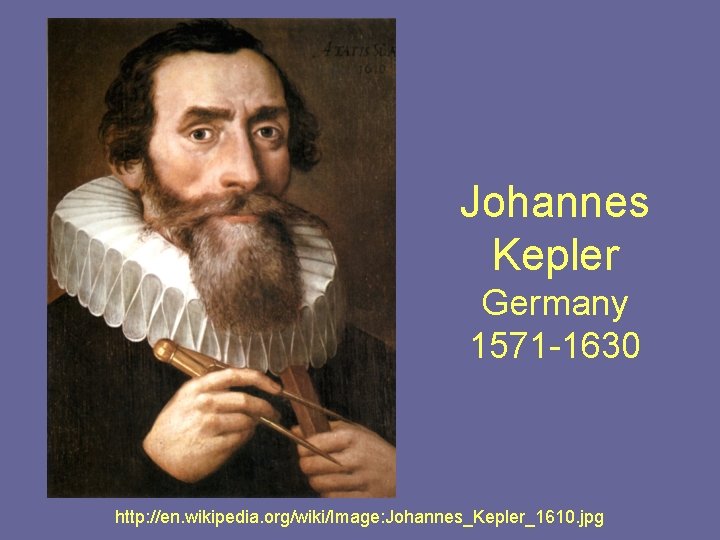
Johannes Kepler Germany 1571 -1630 http: //en. wikipedia. org/wiki/Image: Johannes_Kepler_1610. jpg
Kepler = Heliocentric Tycho Brahe’s student, used his data to support heliocentric
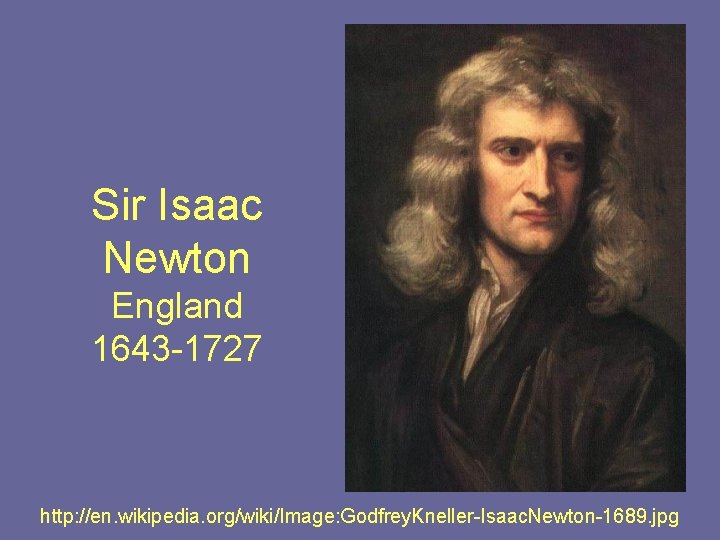
Sir Isaac Newton England 1643 -1727 http: //en. wikipedia. org/wiki/Image: Godfrey. Kneller-Isaac. Newton-1689. jpg
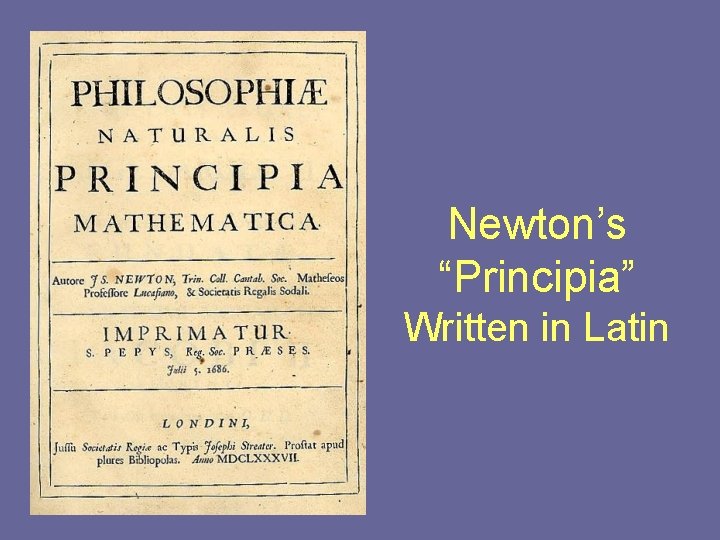
Newton’s “Principia” Written in Latin
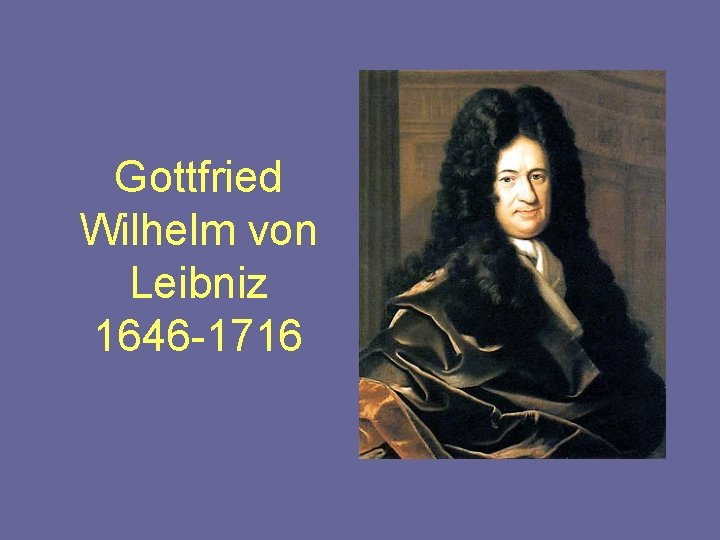
Gottfried Wilhelm von Leibniz 1646 -1716
Who invented Calculus? • Newton worked on it in 1666, but didn’t publish • Leibniz started his work in 1674 and published in 1684 • Newton’s Principia in 1687 used geometric calculus • Newton published fluxions in 1693 & 1704
Modern Calculus • Applications to physics from Newton • Notation from Leibniz • Debate exists over whether one copied the other • Current consensus is that they developed their work independently
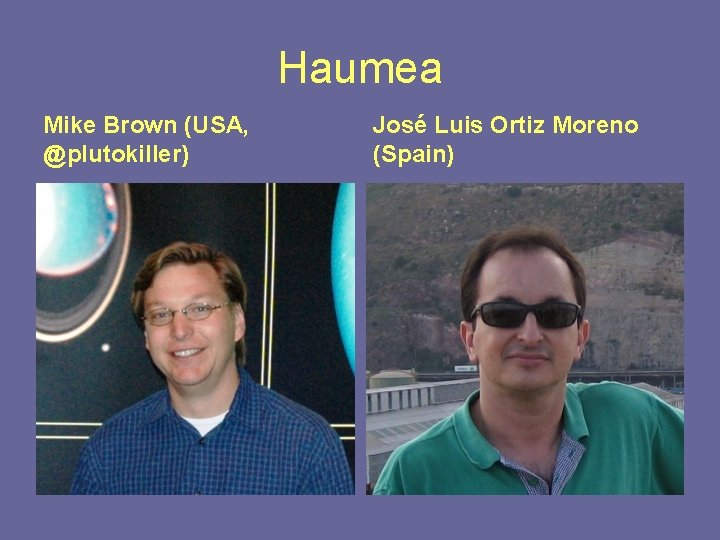
Haumea Mike Brown (USA, @plutokiller) José Luis Ortiz Moreno (Spain)
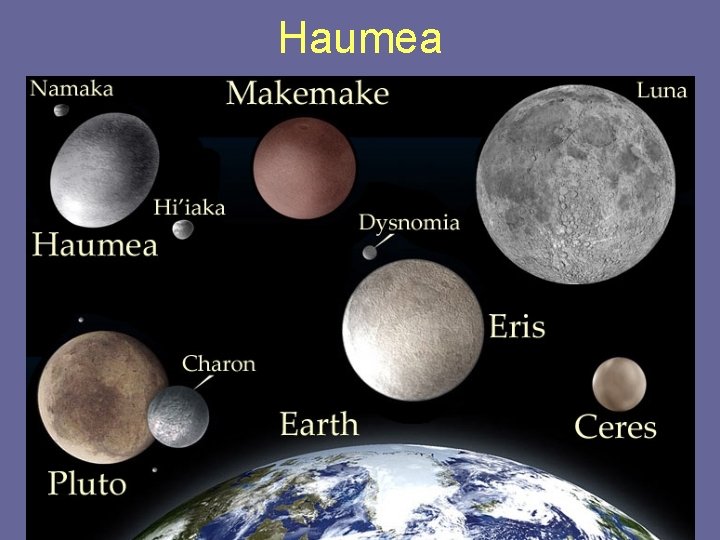
Haumea
What we know • 2003 Ortiz images include the object • 2004 Brown images include the object • 2005 – Brown announces he found a new object, but no details – Ortiz’s group accesses Brown’s observing logs (legal, but ethics unclear, depend on motive) – Ortiz announces his discovery with details
Final word? • International Astronomical Union (IAU) • Discovery date and provisionary name (2003 EL 61) from Ortiz observations • Name (Haumea) from Brown’s suggestion • Discoverer left blank
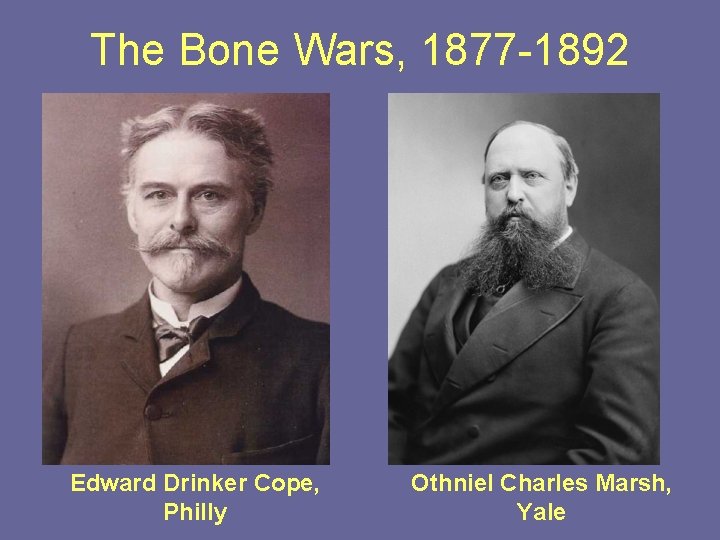
The Bone Wars, 1877 -1892 Edward Drinker Cope, Philly Othniel Charles Marsh, Yale
The Bone Wars, 1877 -1892 • Paid off each other’s workers to not tell their respective boss of finds • Misdirect bones to the other researcher • Even dynamited sites so the other couldn’t dig there! • Financially bankrupt, and socially ruined • Discovered 142 dinosaur species in Montana, Wyoming, and Colorado
So those were bad examples. What about a good one? Human Subject Research
Guiding Principles • Informed consent • Voluntary (no coercion) • Do no harm – Benefits must outweigh risk – Chance of harm and severity of harm – Benefits to self or others
Institutional Review Board (IRB) • Each institution (university, company, hospital, etc. ) has one • Approves, monitors, and reviews all research involving humans (and animals) – Similar bodies review new drugs and medical procedures • Conducts risk-benefit analysis
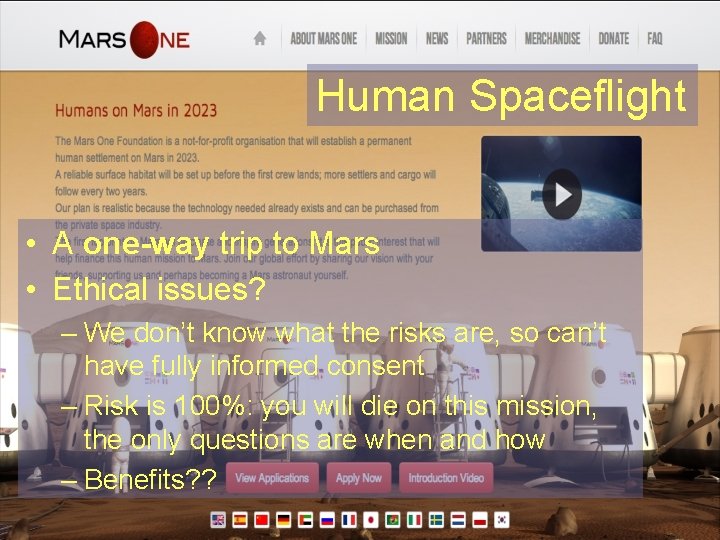
Human Spaceflight • A one-way trip to Mars • Ethical issues? – We don’t know what the risks are, so can’t have fully informed consent – Risk is 100%: you will die on this mission, the only questions are when and how – Benefits? ?
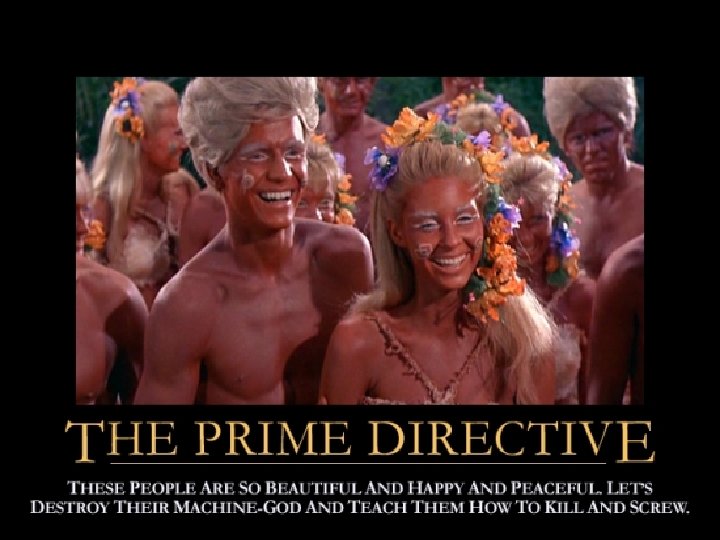
Sci-Fi Examples • Star Trek’s Prime Directive – No interference with other civilizations • Avatar (2009) – RDA is searching out “unobtainium” on Pandora, and doesn’t care about killing the native people
- Slides: 34