
Science 9 Unit 3 Biology Lesson 4 Meiosis
Science 9 Unit 3: Biology Lesson 4: Meiosis
Objectives By the end of the next two lessons you should be able to: l Describe the process of meiosis l Explain why meiosis is needed l Compare and contrast meiosis and mitosis
Types of Cells Body Cells (AKA Somatic) l Make up all body structures l In each cell there are 46 chromosomes l There are 23 pairs of chromosomes l One of each pair comes from each parent (i. e. 23 from mom and 23 from dad for a total of 46) Sex Cells (AKA Germ) l Make up gametes (egg and sperm only) l Contain 23 chromosomes l WHY?
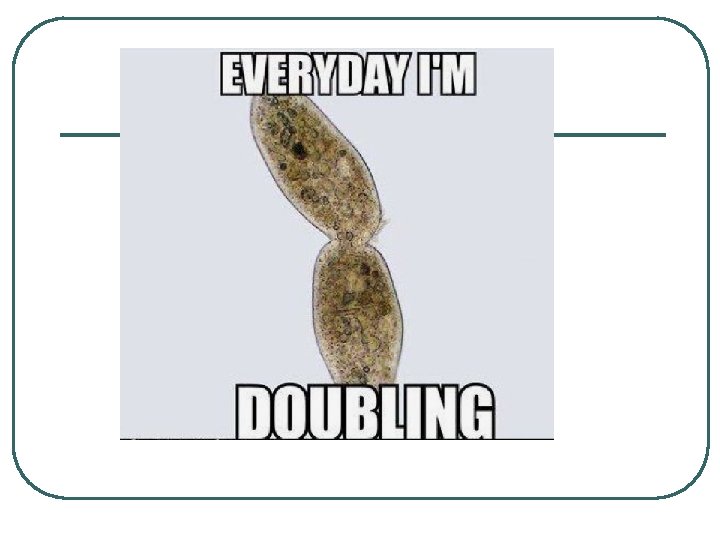
Cell Division l Both of these cells have to reproduce and divide but they do it in very different ways l Body Cell Division = mitosis (this is what we discussed last class) l Sex Cell Division = meiosis
Amoeba Sisters - Meiosis
Meiosis l l l AKA: Germ cell division Purpose: to produce gametes (i. e. sex cells: sperm and egg) Products: 4 haploid cells each genetically different this creates genetic variability
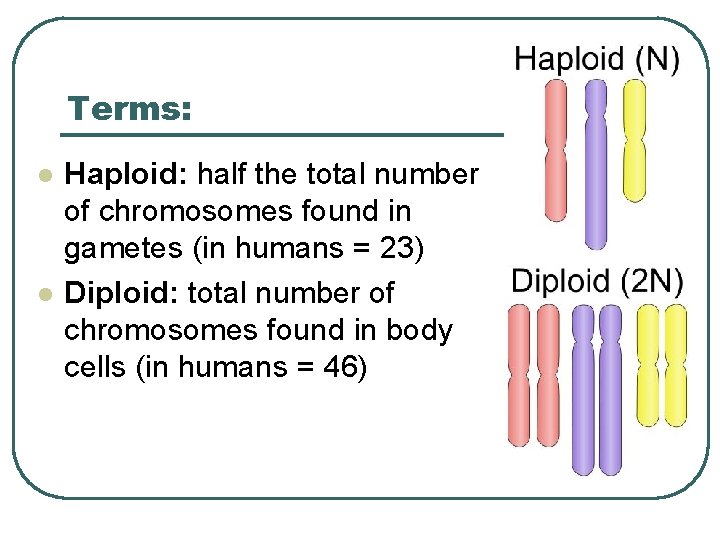
Terms: l l Haploid: half the total number of chromosomes found in gametes (in humans = 23) Diploid: total number of chromosomes found in body cells (in humans = 46)
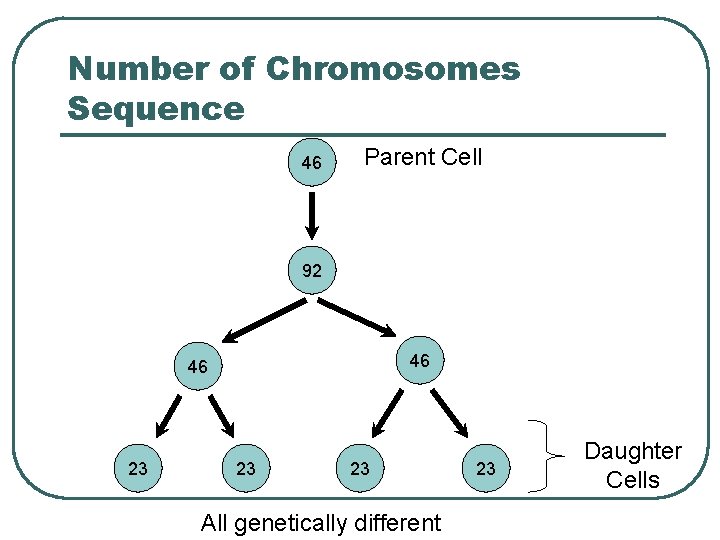
Number of Chromosomes Sequence 46 Parent Cell 92 46 46 23 23 23 All genetically different 23 Daughter Cells
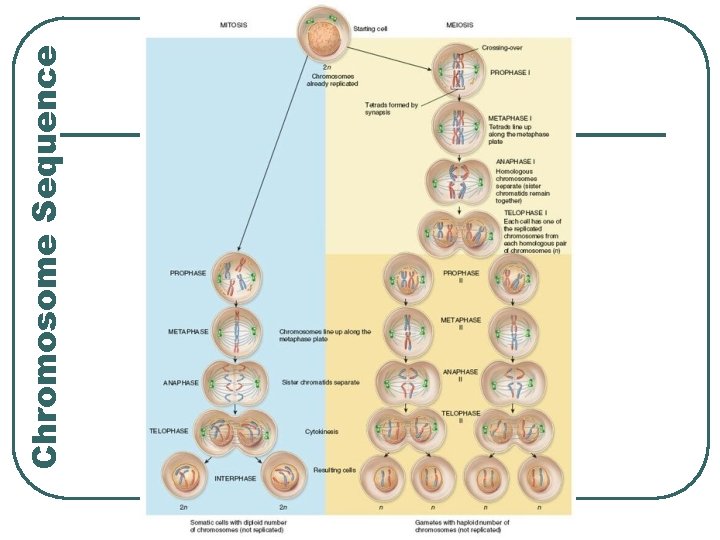
Chromosome Sequence
Terms – Round 2! l l Tetrad: 4 homologous chromosomes Homologous: similar; they carry the same genes (but are not identical) Template time!!
Metaphase I l The MOST IMPORTANT phase of meiosis because: • Independent assortment occurs • Crossing over occurs Both result in genetic variability!! variability
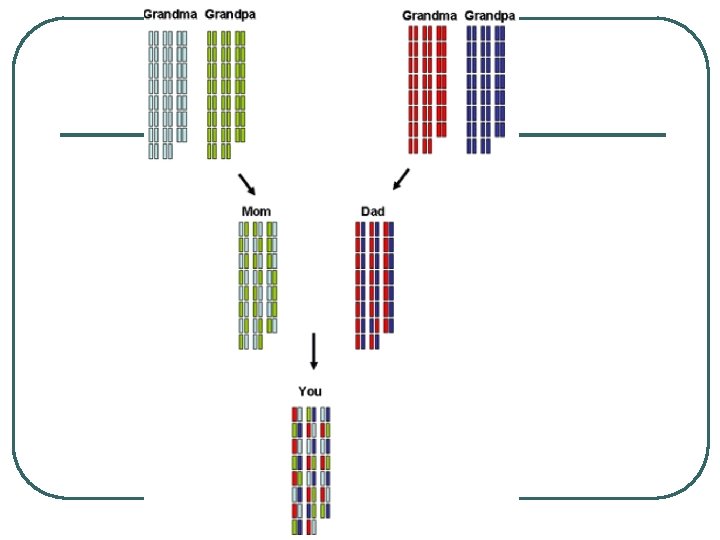
Independent Assortment l l l How the chromosomes arrange themselves along the metaphase plate # of different combinations of chromosomes in the gametes = 2 N (N = haploid number) So, in humans N = 23; so 223 = 8 million! There are 8 million possible combinations of chromosomes in our eggs and sperm (8 million possible offspring from each parent!!)
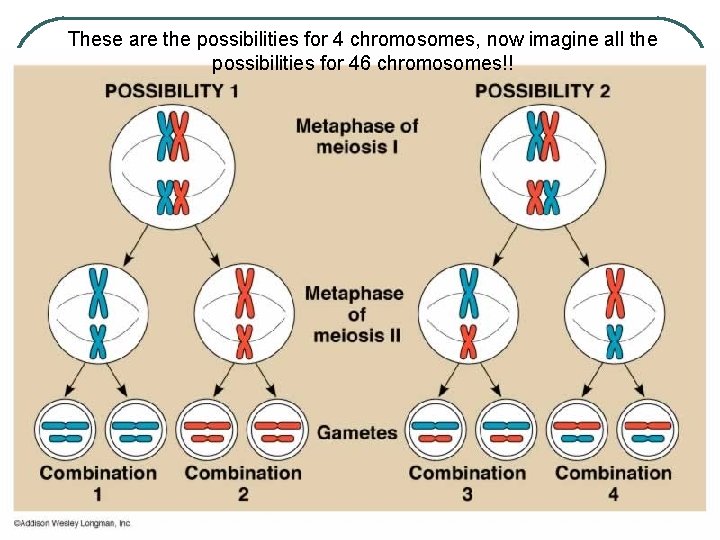
These are the possibilities for 4 chromosomes, now imagine all the possibilities for 46 chromosomes!!
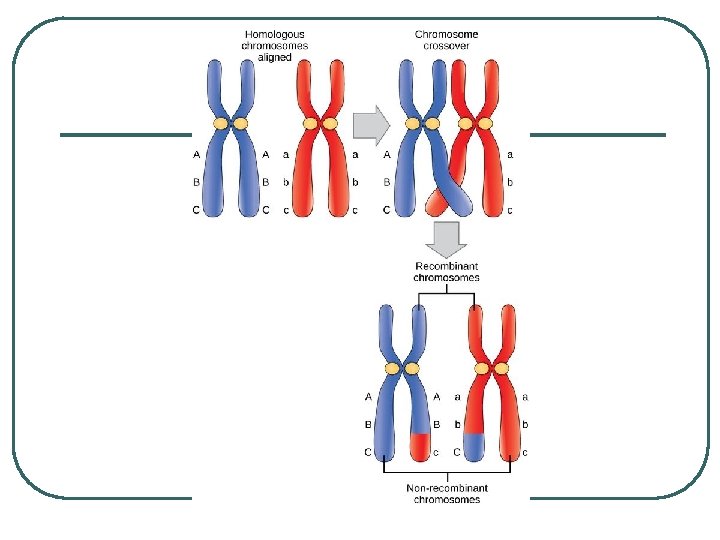
Crossing Over l l l When homologous chromosomes “swap” ends of their chromosomes Its completely random!! So can occur in any chromosome and with any amount of DNA Creates an infinite amount of genetic variability
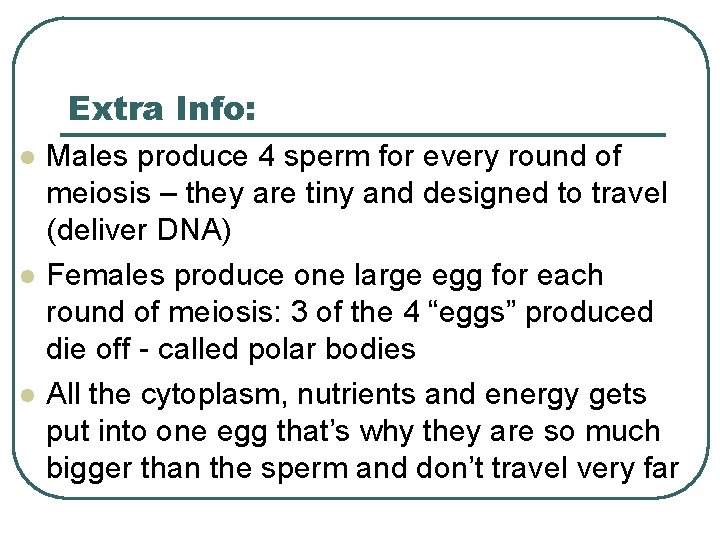
Extra Info: l l l Males produce 4 sperm for every round of meiosis – they are tiny and designed to travel (deliver DNA) Females produce one large egg for each round of meiosis: 3 of the 4 “eggs” produced die off - called polar bodies All the cytoplasm, nutrients and energy gets put into one egg that’s why they are so much bigger than the sperm and don’t travel very far
Crash Course - Meiosis
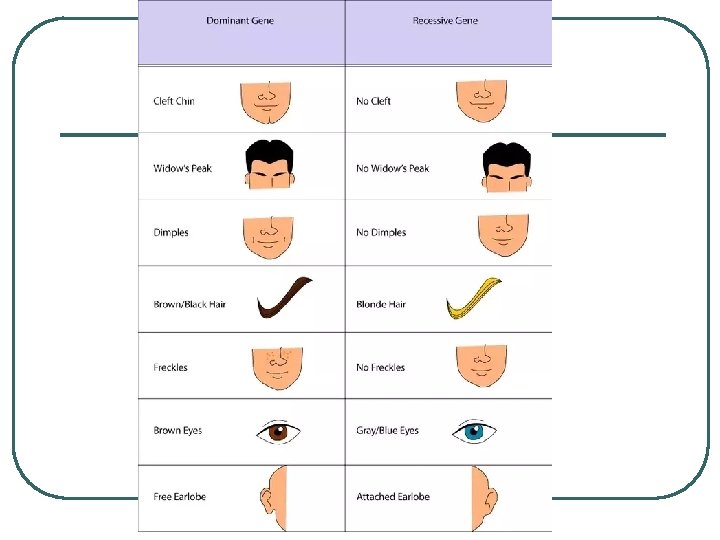
Stand up Modelling l l 16 student chromosomes 4 traits from chart 4 student centrioles 16 long pieces of yarn
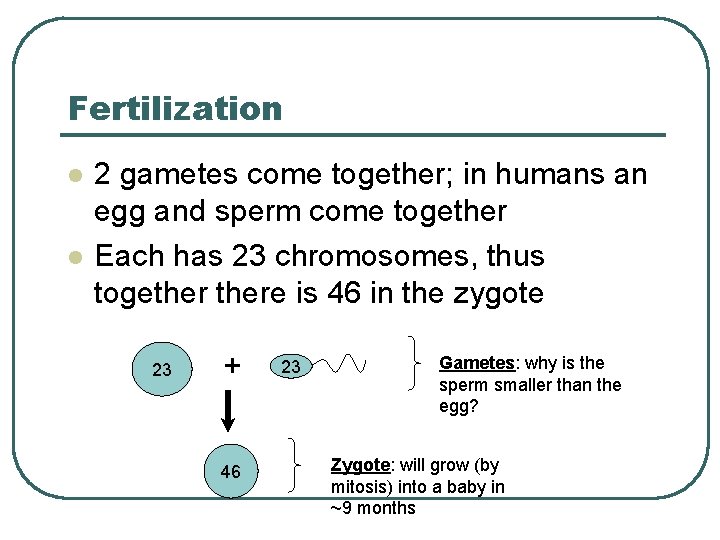
Fertilization l l 2 gametes come together; in humans an egg and sperm come together Each has 23 chromosomes, thus togethere is 46 in the zygote 23 + 46 23 Gametes: why is the sperm smaller than the egg? Zygote: will grow (by mitosis) into a baby in ~9 months
- Slides: 23