
School of Advanced Technologies in Medicine Tehran University

- Slides: 36
School of Advanced Technologies in Medicine Tehran University of Medical Sciences Bone Tissue Engineering & Regenerative Medicine The Approach to Save Lives Nasrin Lotfibakhshaiesh, MD, Ph. D Assistant Professor Department of Tissue Engineering School of Advanced Technologies in Medicine The 5 th International Congress on Recent Research Achievements in Medical Sciences 6 th October 2014
Outline Motivation Strontium containing bioactive glass coatings Characterisation (Glass powder/coated implants) • Glass design criteria Cell Culture studies • Glass synthesis • Bioactivity test Animal study
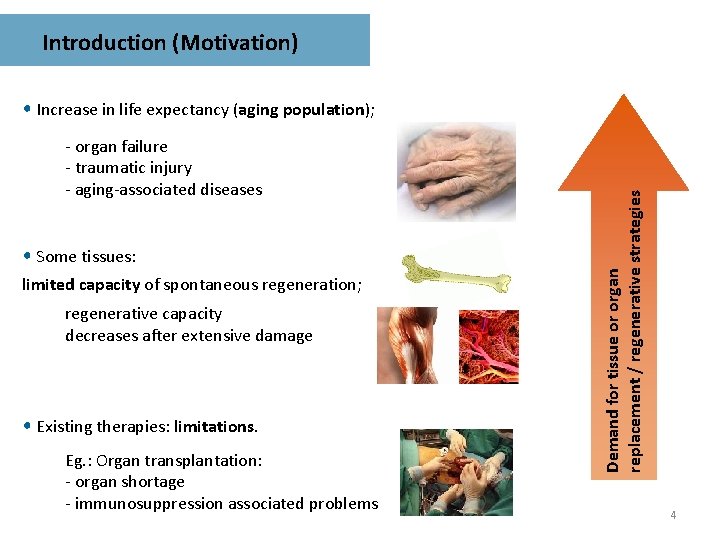
Introduction (Motivation) - organ failure - traumatic injury - aging-associated diseases • Some tissues: limited capacity of spontaneous regeneration; regenerative capacity decreases after extensive damage • Existing therapies: limitations. Eg. : Organ transplantation: - organ shortage - immunosuppression associated problems Demand for tissue or organ replacement / regenerative strategies • Increase in life expectancy (aging population); 4
Tissue Engineering (TE) üTE is an interdisciplinary field that applies the principles of engineering and the life sciences towards the development of biological substitutes that restore, maintain, or improve tissue function. Langer and J. Vacanti “Tissue Engineering”. Science, 260: 920 -6, 1993
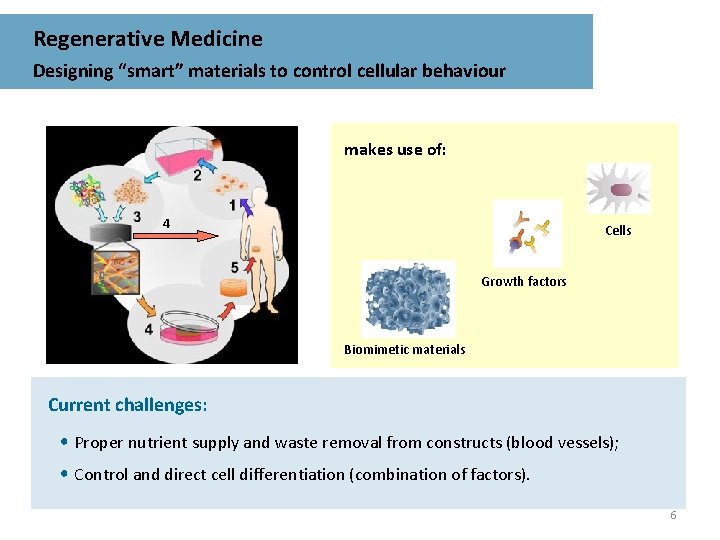
Regenerative Medicine Designing “smart” materials to control cellular behaviour makes use of: 4 Cells Growth factors Biomimetic materials Current challenges: • Proper nutrient supply and waste removal from constructs (blood vessels); • Control and direct cell differentiation (combination of factors). 6
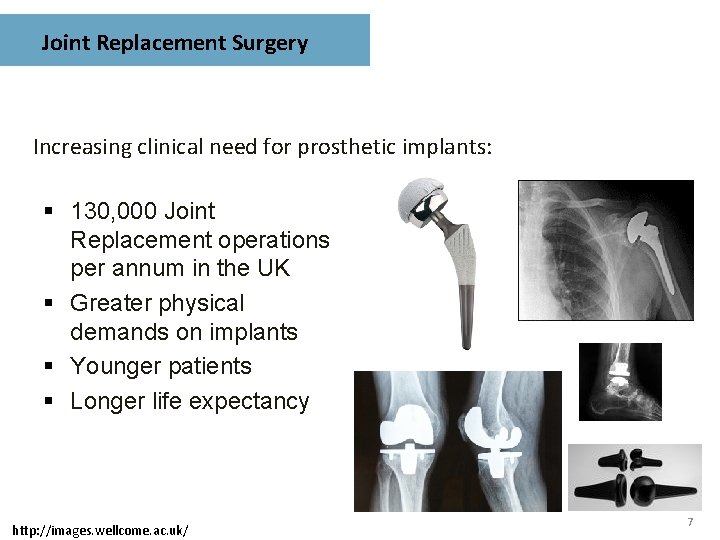
Joint Replacement Surgery Increasing clinical need for prosthetic implants: § 130, 000 Joint Replacement operations per annum in the UK § Greater physical demands on implants § Younger patients § Longer life expectancy http: //images. wellcome. ac. uk/ 7
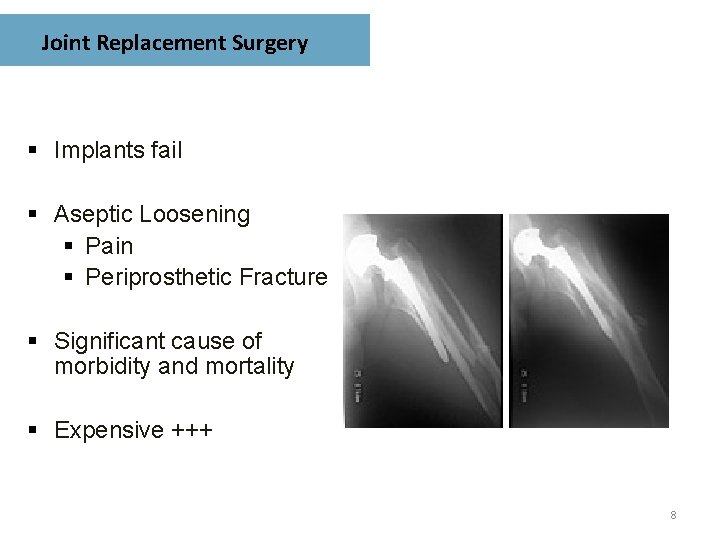
Joint Replacement Surgery § Implants fail § Aseptic Loosening § Pain § Periprosthetic Fracture § Significant cause of morbidity and mortality § Expensive +++ 8
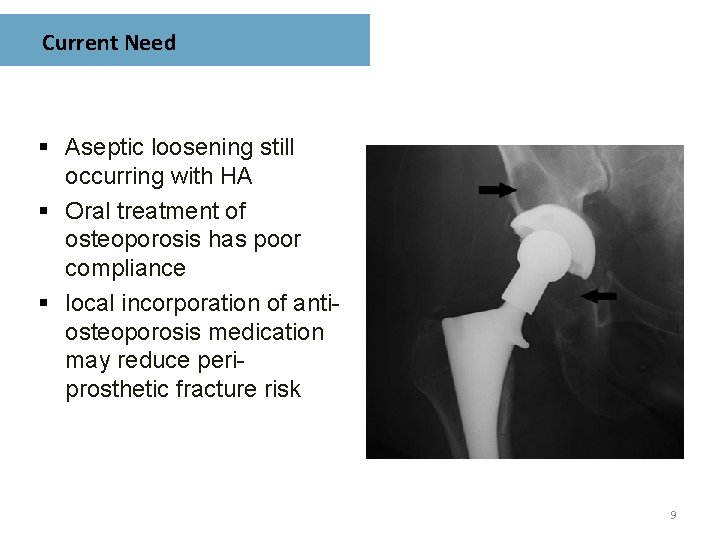
Current Need § Aseptic loosening still occurring with HA § Oral treatment of osteoporosis has poor compliance § local incorporation of antiosteoporosis medication may reduce periprosthetic fracture risk 9
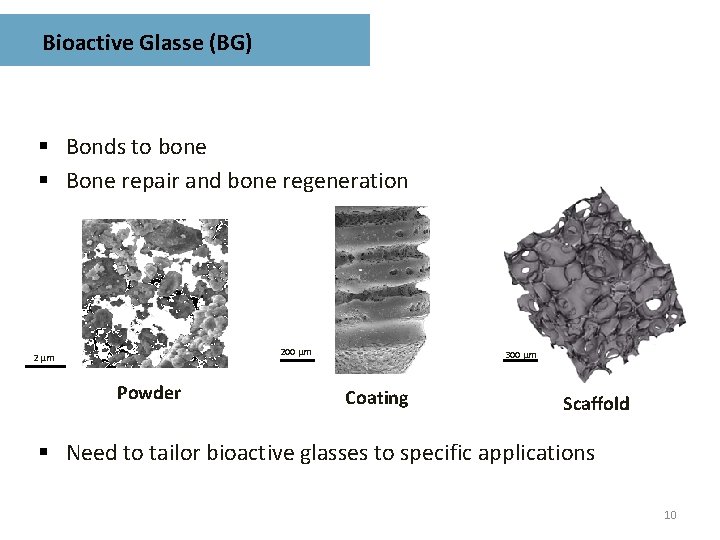
Bioactive Glasse (BG) § Bonds to bone § Bone repair and bone regeneration 200 µm 2 µm Powder 300 µm Coating Scaffold § Need to tailor bioactive glasses to specific applications 10
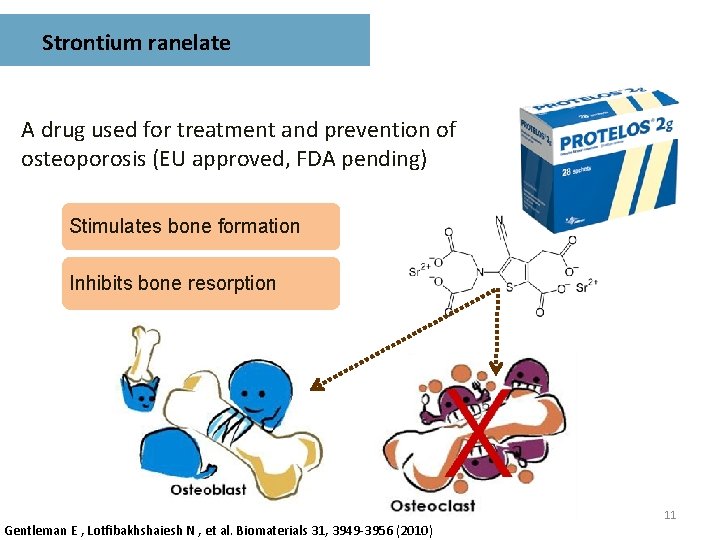
Strontium ranelate A drug used for treatment and prevention of osteoporosis (EU approved, FDA pending) Stimulates bone formation Inhibits bone resorption Gentleman E , Lotfibakhshaiesh N , et al. Biomaterials 31, 3949 -3956 (2010) 11
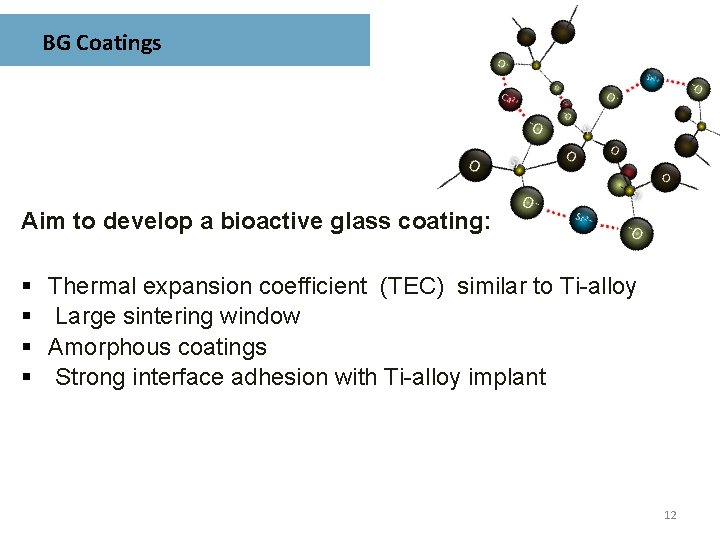
BG Coatings Aim to develop a bioactive glass coating: § § Thermal expansion coefficient (TEC) similar to Ti-alloy Large sintering window Amorphous coatings Strong interface adhesion with Ti-alloy implant 12
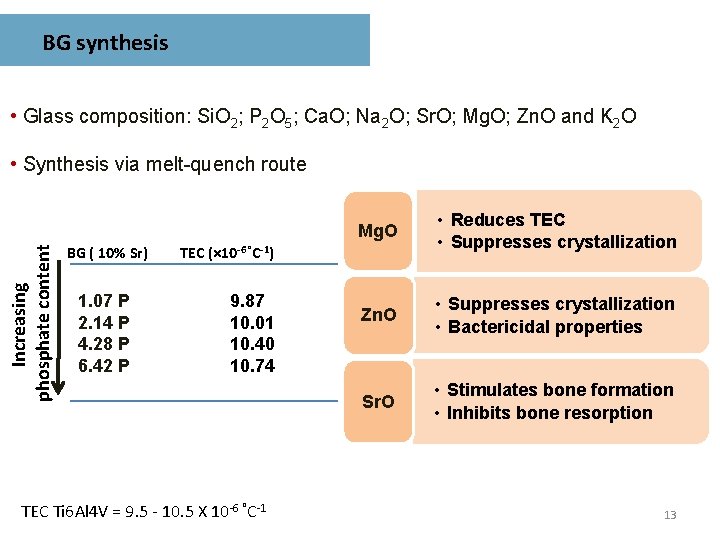
BG synthesis • Glass composition: Si. O 2; P 2 O 5; Ca. O; Na 2 O; Sr. O; Mg. O; Zn. O and K 2 O • Synthesis via melt-quench route Increasing phosphate content Mg. O BG ( 10% Sr) TEC (× 10 -6 °C-1) 1. 07 P 9. 87 Zn. O 2. 14 P 10. 01 4. 28 P 10. 40 6. 42 P 10. 74 TEC Ti 6 Al 4 V = 9. 5 - 10. 5 X 10 -6 °C-1 Sr. O • Reduces TEC • Suppresses crystallization • Bactericidal properties • Stimulates bone formation • Inhibits bone resorption 13
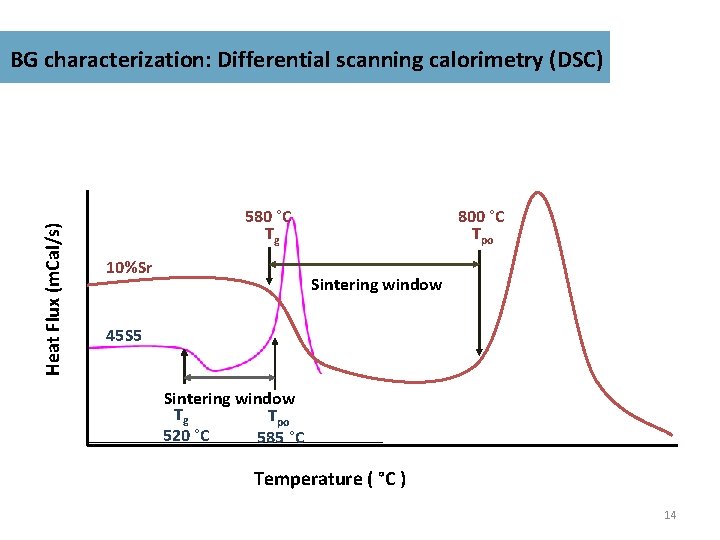
Heat Flux (m. Cal/s) BG characterization: Differential scanning calorimetry (DSC) 580 °C Tg 10%Sr 800 °C Tpo Sintering window 45 S 5 Sintering window Tg Tpo 520 °C 585 °C Temperature ( °C ) 14
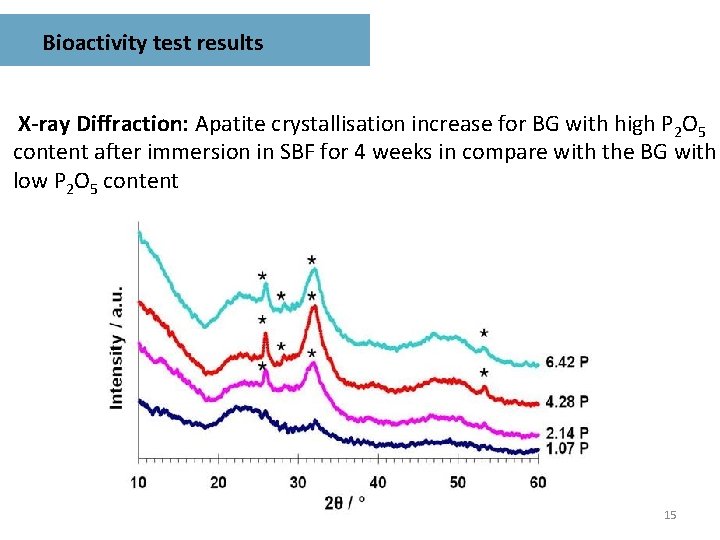
Bioactivity test results X-ray Diffraction: Apatite crystallisation increase for BG with high P 2 O 5 content after immersion in SBF for 4 weeks in compare with the BG with low P 2 O 5 content 15
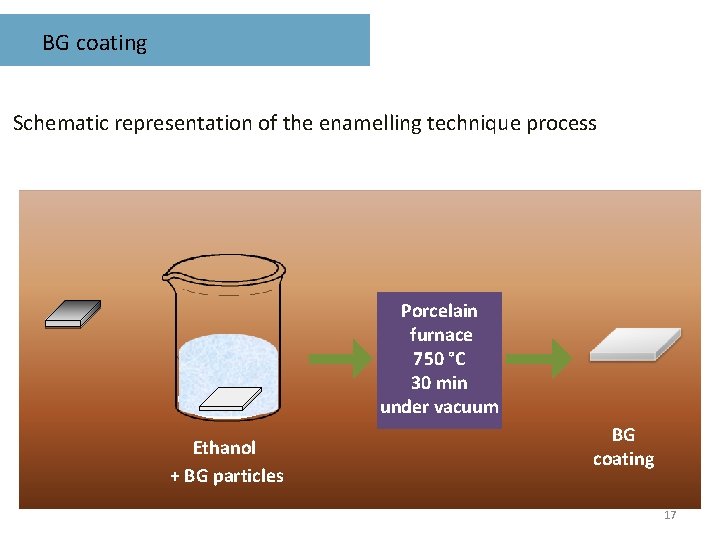
BG coating Schematic representation of the enamelling technique process Porcelain furnace 750 °C 30 min under vacuum Ethanol + BG particles BG coating 17
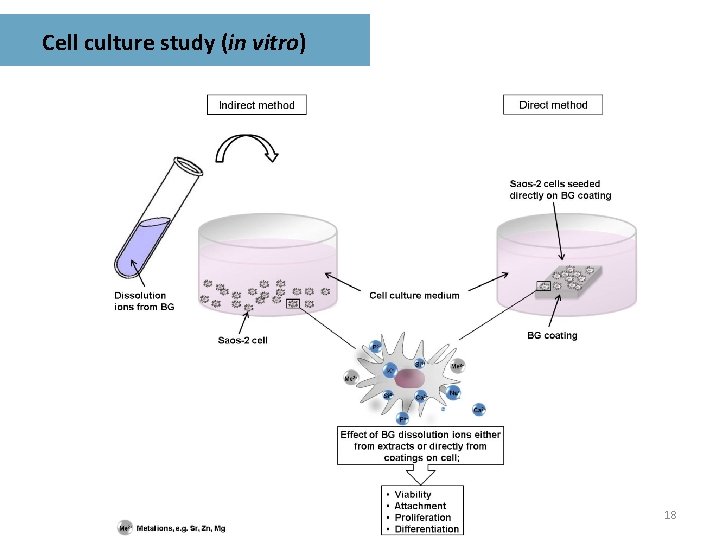
Cell culture study (in vitro) 18
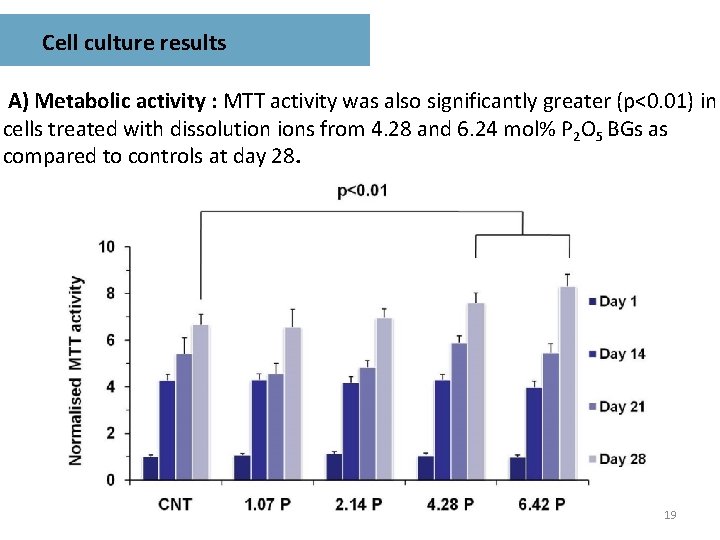
Cell culture results A) Metabolic activity : MTT activity was also significantly greater (p<0. 01) in cells treated with dissolution ions from 4. 28 and 6. 24 mol% P 2 O 5 BGs as compared to controls at day 28. 19
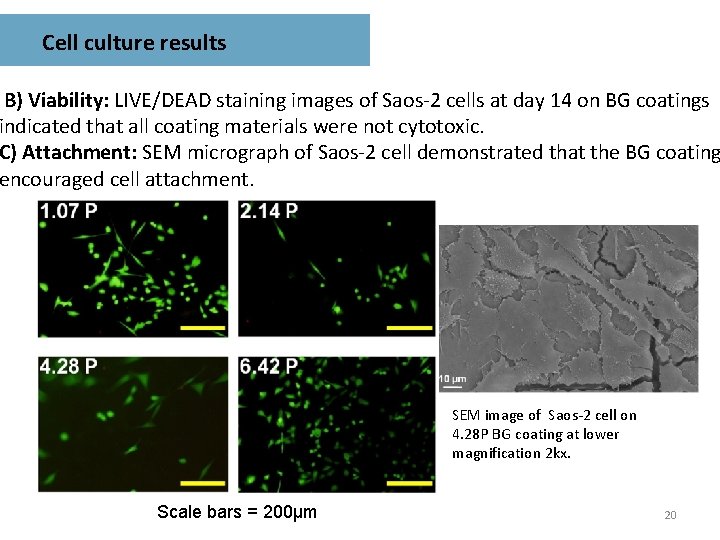
Cell culture results B) Viability: LIVE/DEAD staining images of Saos-2 cells at day 14 on BG coatings indicated that all coating materials were not cytotoxic. C) Attachment: SEM micrograph of Saos-2 cell demonstrated that the BG coating encouraged cell attachment. SEM image of Saos-2 cell on 4. 28 P BG coating at lower magnification 2 kx. Scale bars = 200µm 20
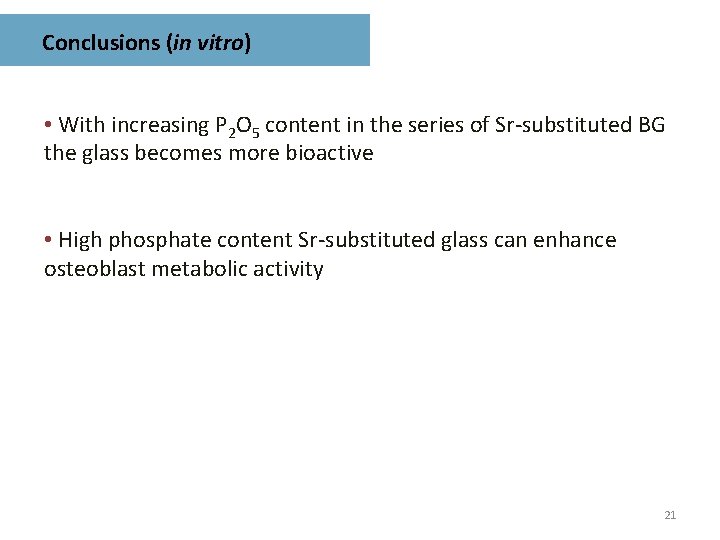
Conclusions (in vitro) • With increasing P 2 O 5 content in the series of Sr-substituted BG the glass becomes more bioactive • High phosphate content Sr-substituted glass can enhance osteoblast metabolic activity 21
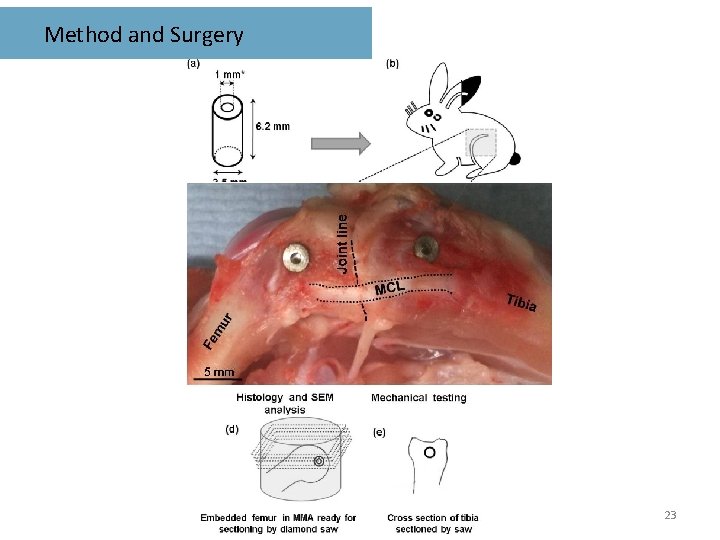
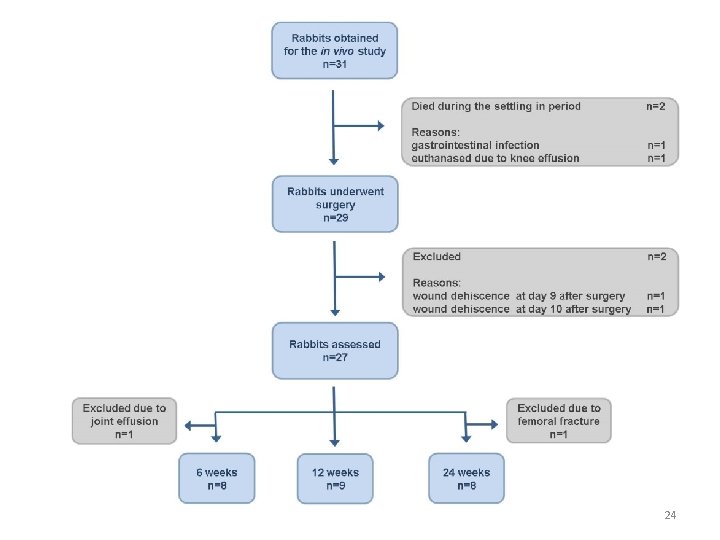
In vivo Study Aim: To compare the degree of osseointegration of a novel strontiumsubstituted BG coating with a commercial hydroxyapatite coating 22
Method and Surgery 23
24
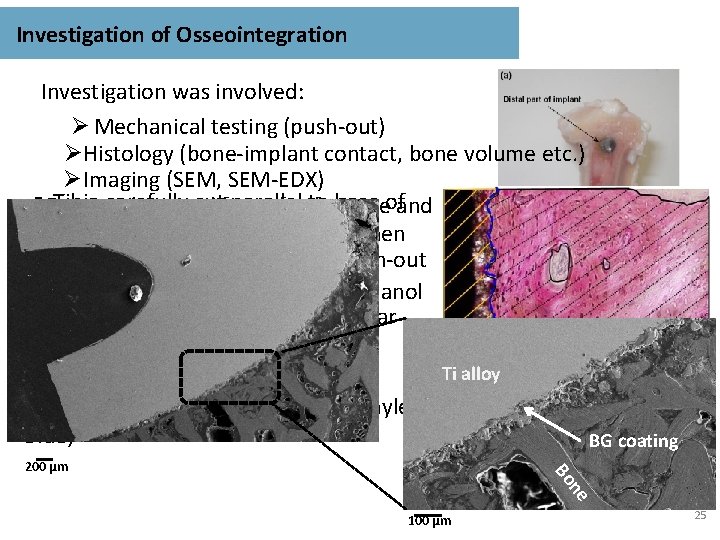
Investigation of Osseointegration Investigation was involved: Ø Mechanical testing (push-out) ØHistology (bone-implant contact, bone volume etc. ) ØImaging (SEM, SEM-EDX) Tibia carefully cutfree parallel to tissue base ofand §§ Femurs dissected of soft implant placed in 10% formalin for 1 week then § Screw-driven Instron used to push-out 70% ethanol implant dehydrated parallel to the long axisethanol § Samples in graded § Maximal forceinmeasured and shear and embedding resin stresssections value calculated § 15µm produced using a Ti alloy diamond saw § 3 stained (Acid Fuchsine and Methylene Blue) BG coating ne Bo 200 µm 100 µm 25
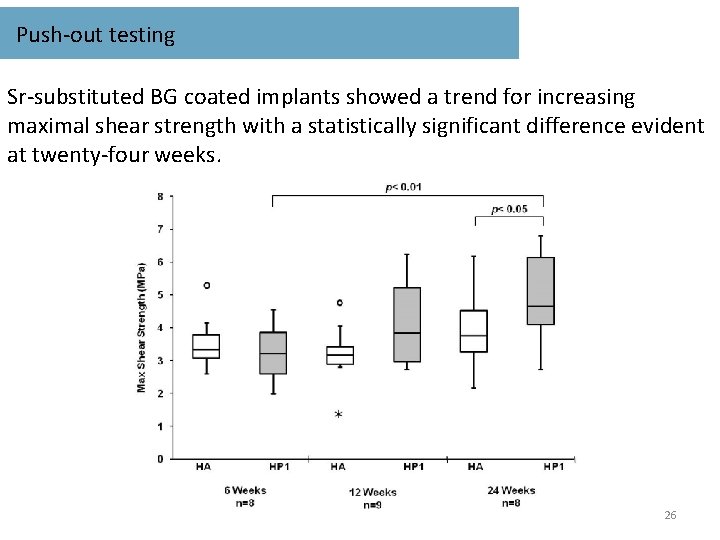
Push-out testing Sr-substituted BG coated implants showed a trend for increasing maximal shear strength with a statistically significant difference evident at twenty-four weeks. 26
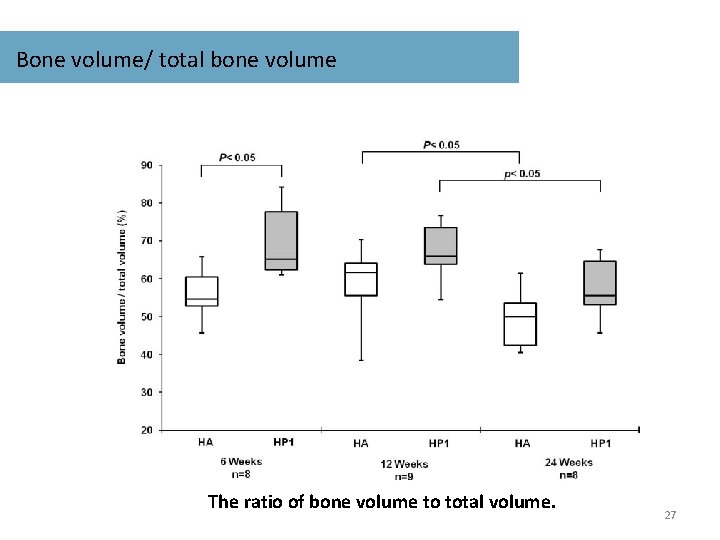
Bone volume/ total bone volume The ratio of bone volume to total volume. 27
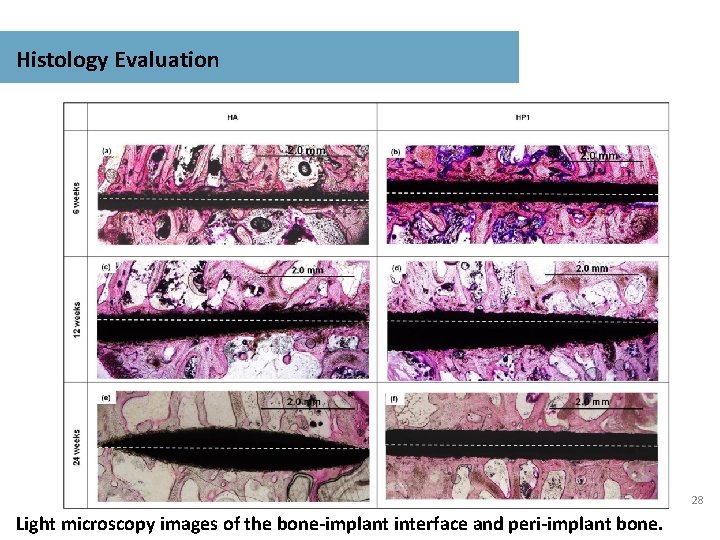
Histology Evaluation 28 Light microscopy images of the bone-implant interface and peri-implant bone.
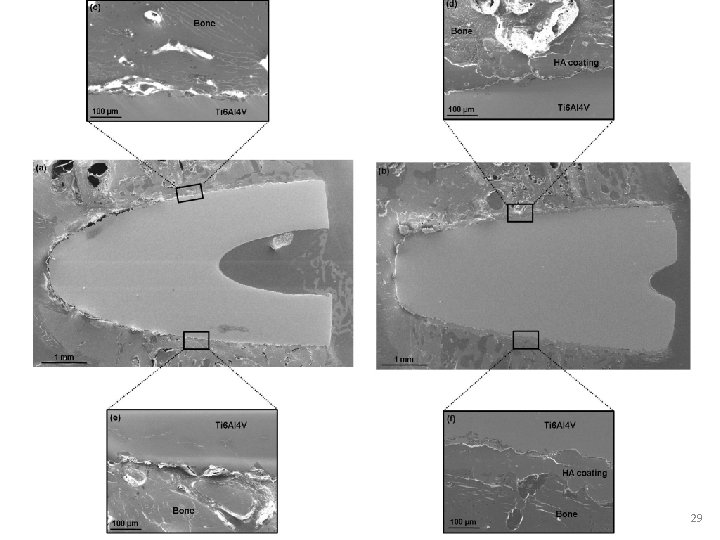
29
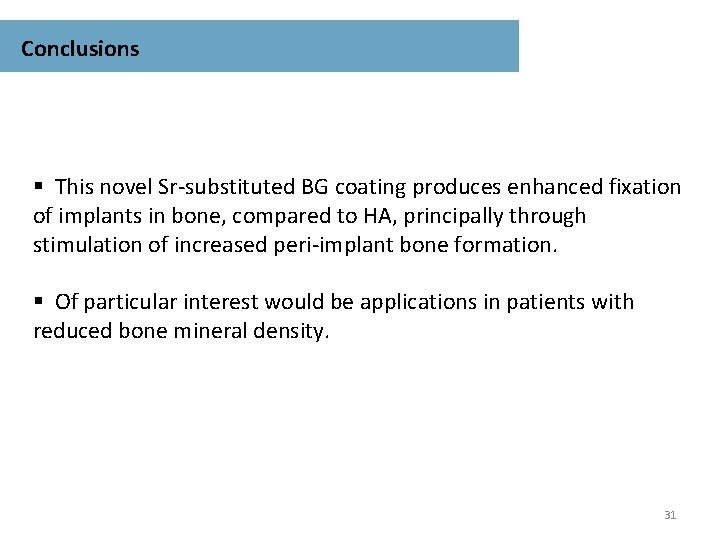
Conclusions § This novel Sr-substituted BG coating produces enhanced fixation of implants in bone, compared to HA, principally through stimulation of increased peri-implant bone formation. § Of particular interest would be applications in patients with reduced bone mineral density. 31
Thank you for your attention 32
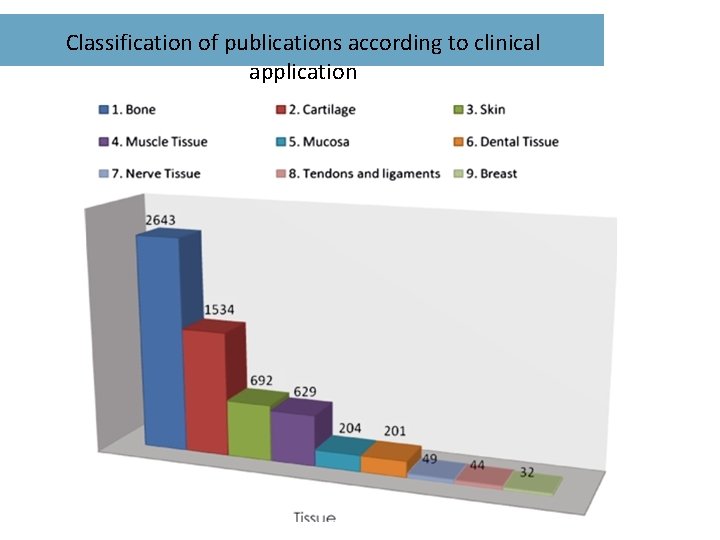
Classification of publications according to clinical application
Classification of publications according to clinical application 34
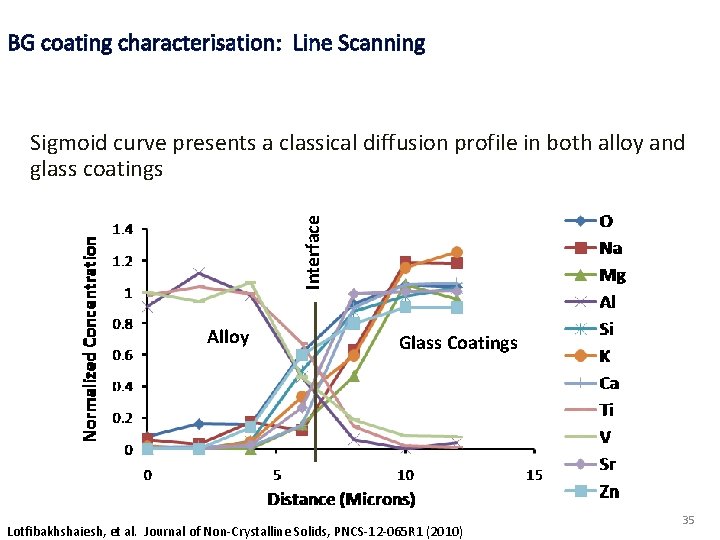
BG coating characterisation: Line Scanning Interface Sigmoid curve presents a classical diffusion profile in both alloy and glass coatings Alloy Glass Coatings Lotfibakhshaiesh, et al. Journal of Non-Crystalline Solids, PNCS-12 -065 R 1 (2010) 35
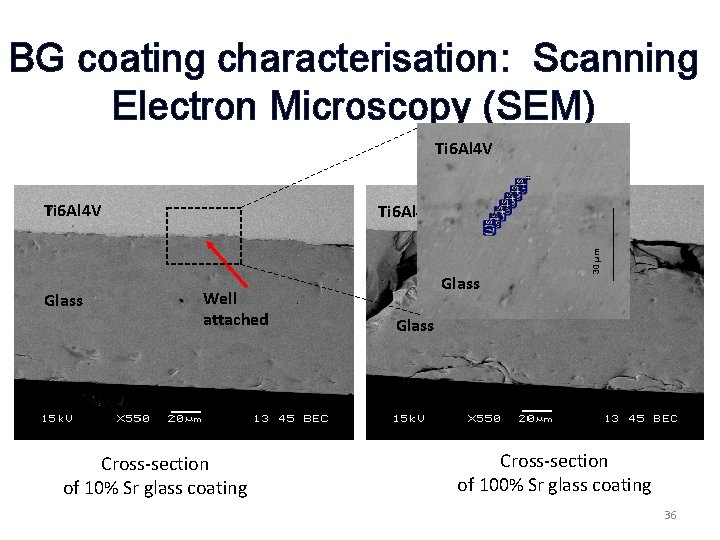
BG coating characterisation: Scanning Electron Microscopy (SEM) Ti 6 Al 4 V Glass Well attached Cross-section of 10% Sr glass coating Glass 30 µm Ti 6 Al 4 V Gap and cracks Cross-section of 100% Sr glass coating 36
37
38