
Scholar Communicator Hard Evidence on Socalled Soft Skills
- Slides: 31
Scholar Communicator Hard Evidence on So-called ‘Soft’ Skills Professional Lafleur A , Gagné M, Paquin V, Michaud-Couture C. How to Convince Clinicians that ‘Soft Skills’ Save Lives? Practical Tips to Use Clinical Studies to Teach Physicians’ Roles. Submitted to Med. Ed. Publish on May 2019 as supplementary slide kit. Design by Mr Muhamy Akbar Leader Clinical Studies Exemplifying the Impact of the Intrinsic Roles of Physicians on Patient Mortality, Morbidity, Readmission Rate or Compliance Health Advocate Collaborator "Soft skills are important but don’t save lives” …
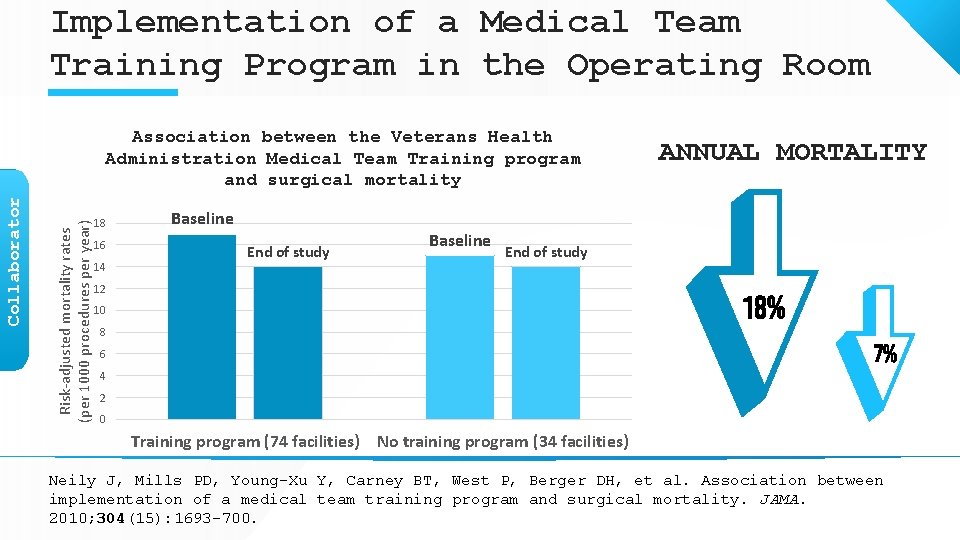
Implementation of a Medical Team Training Program in the Operating Room Risk-adjusted mortality rates (per 1000 procedures per year) Collaborator Association between the Veterans Health Administration Medical Team Training program and surgical mortality 18 16 14 Baseline End of study Baseline ANNUAL MORTALITY End of study 12 10 8 6 4 2 0 Training program (74 facilities) No training program (34 facilities) Neily J, Mills PD, Young-Xu Y, Carney BT, West P, Berger DH, et al. Association between implementation of a medical team training program and surgical mortality. JAMA. 2010; 304(15): 1693 -700.
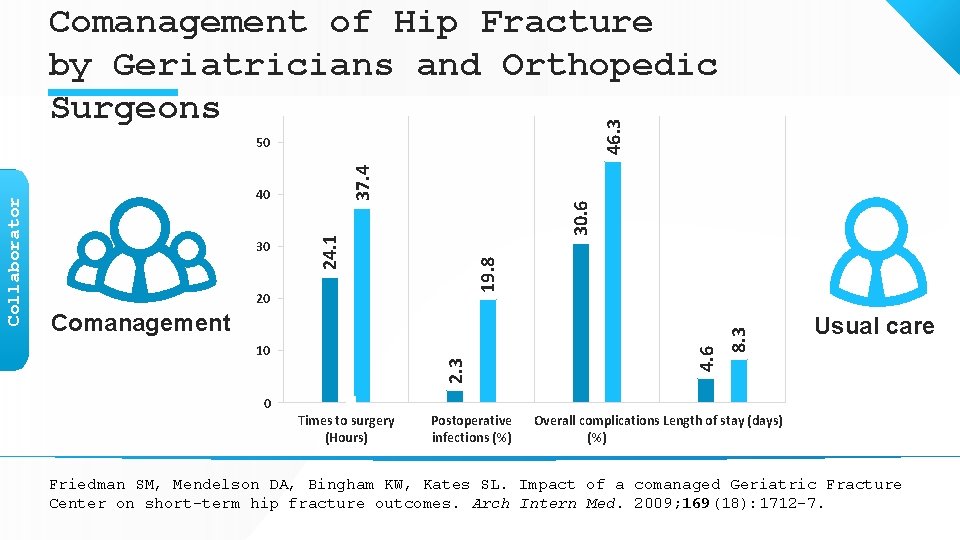
46. 3 Comanagement of Hip Fracture by Geriatricians and Orthopedic Surgeons 20 2. 3 10 4. 6 Comanagement 8. 3 19. 8 30 30. 6 37. 4 40 24. 1 Collaborator 50 Usual care 0 Times to surgery (Hours) Postoperative infections (%) Overall complications Length of stay (days) (%) Friedman SM, Mendelson DA, Bingham KW, Kates SL. Impact of a comanaged Geriatric Fracture Center on short-term hip fracture outcomes. Arch Intern Med. 2009; 169(18): 1712 -7.
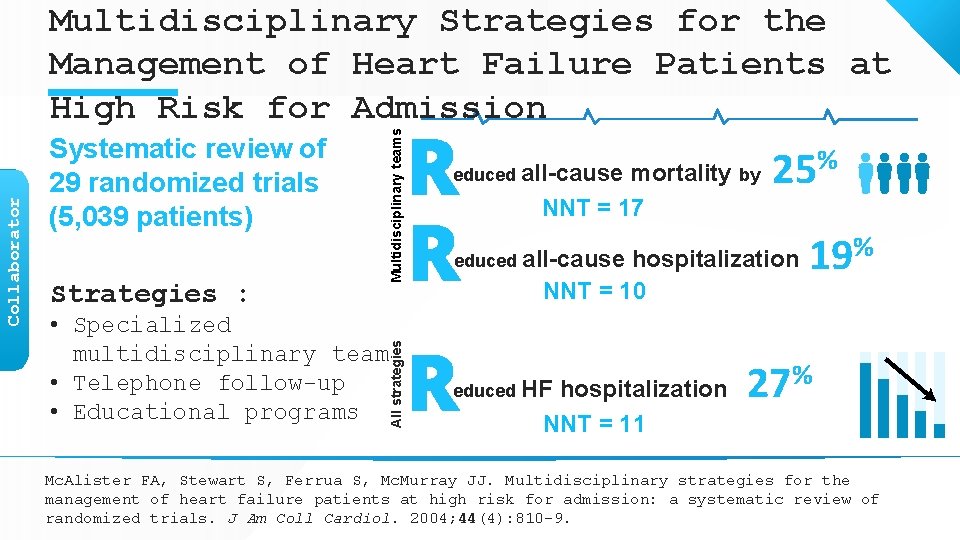
Strategies : Multidisciplinary teams Systematic review of 29 randomized trials (5, 039 patients) • Specialized multidisciplinary team • Telephone follow-up • Educational programs All strategies Collaborator Multidisciplinary Strategies for the Management of Heart Failure Patients at High Risk for Admission educed all-cause mortality by NNT = 17 educed all-cause 25% hospitalization NNT = 10 19% % educed HF hospitalization 27 NNT = 11 Mc. Alister FA, Stewart S, Ferrua S, Mc. Murray JJ. Multidisciplinary strategies for the management of heart failure patients at high risk for admission: a systematic review of randomized trials. J Am Coll Cardiol. 2004; 44(4): 810 -9.
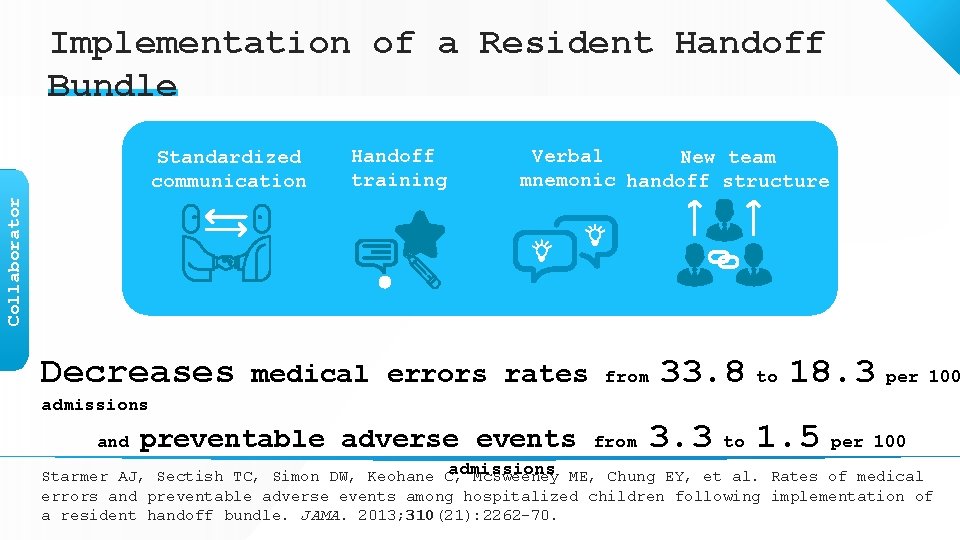
Implementation of a Resident Handoff Bundle Handoff training Verbal New team mnemonic handoff structure Collaborator Standardized communication Decreases medical errors rates from 33. 8 to 18. 3 per 100 admissions and preventable adverse events from 3. 3 to 1. 5 per 100 admissions Starmer AJ, Sectish TC, Simon DW, Keohane C, Mc. Sweeney ME, Chung EY, et al. Rates of medical errors and preventable adverse events among hospitalized children following implementation of a resident handoff bundle. JAMA. 2013; 310(21): 2262 -70.
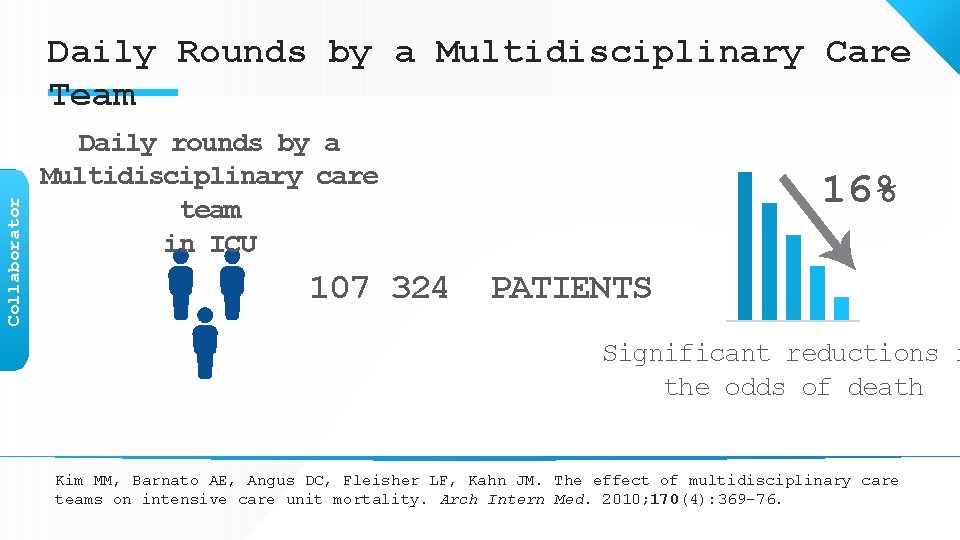
Collaborator Daily Rounds by a Multidisciplinary Care Team Daily rounds by a Multidisciplinary care team in ICU 16% 107 324 PATIENTS Significant reductions i the odds of death Kim MM, Barnato AE, Angus DC, Fleisher LF, Kahn JM. The effect of multidisciplinary care teams on intensive care unit mortality. Arch Intern Med. 2010; 170(4): 369 -76.
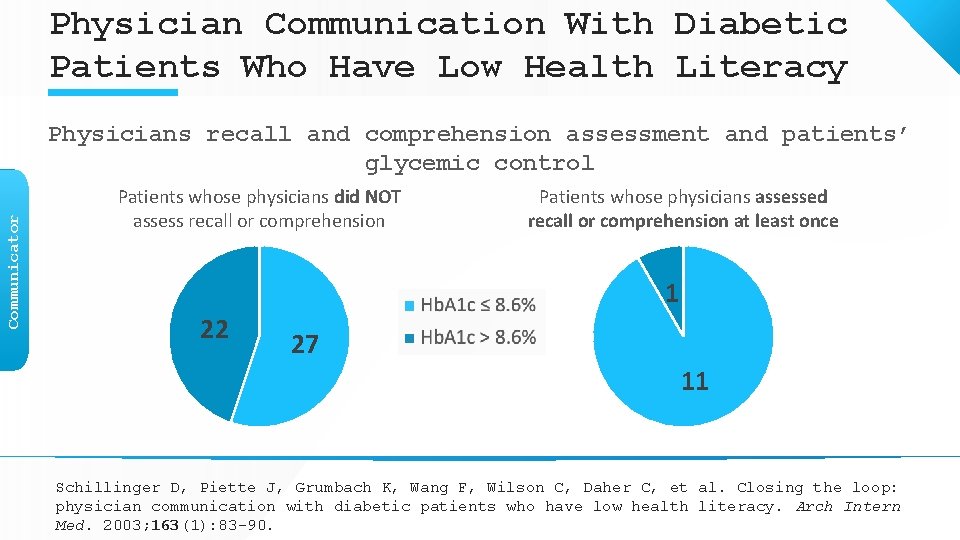
Physician Communication With Diabetic Patients Who Have Low Health Literacy Communicator Physicians recall and comprehension assessment and patients’ glycemic control Patients whose physicians did NOT assess recall or comprehension Patients whose physicians assessed recall or comprehension at least once 1 22 27 11 Schillinger D, Piette J, Grumbach K, Wang F, Wilson C, Daher C, et al. Closing the loop: physician communication with diabetic patients who have low health literacy. Arch Intern Med. 2003; 163(1): 83 -90.
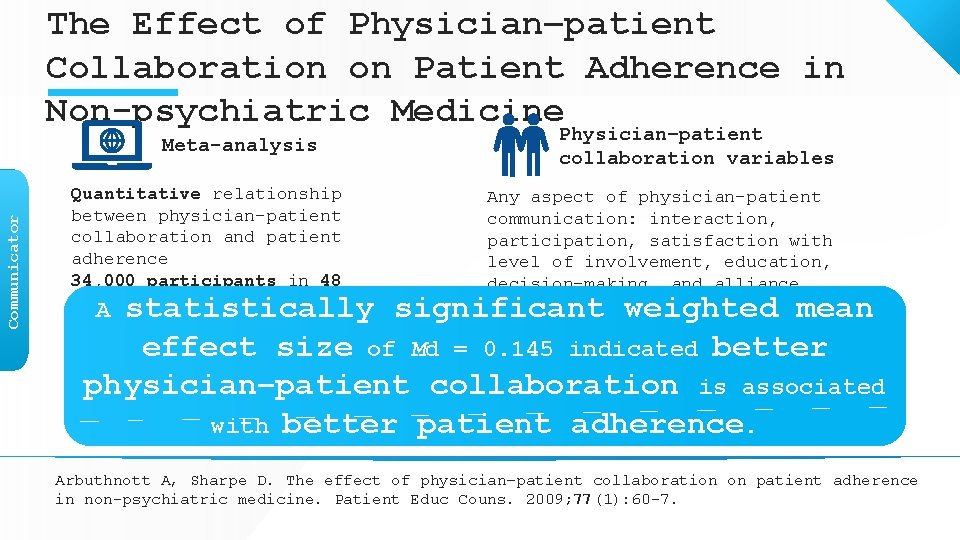
The Effect of Physician–patient Collaboration on Patient Adherence in Non-psychiatric Medicine Communicator Meta-analysis Quantitative relationship between physician–patient collaboration and patient adherence 34, 000 participants in 48 studies. Physician–patient collaboration variables Any aspect of physician–patient communication: interaction, participation, satisfaction with level of involvement, education, decision-making, and alliance. A statistically significant weighted mean effect size of Md = 0. 145 indicated better physician–patient collaboration is associated with better patient adherence. Arbuthnott A, Sharpe D. The effect of physician–patient collaboration on patient adherence in non-psychiatric medicine. Patient Educ Couns. 2009; 77(1): 60 -7.
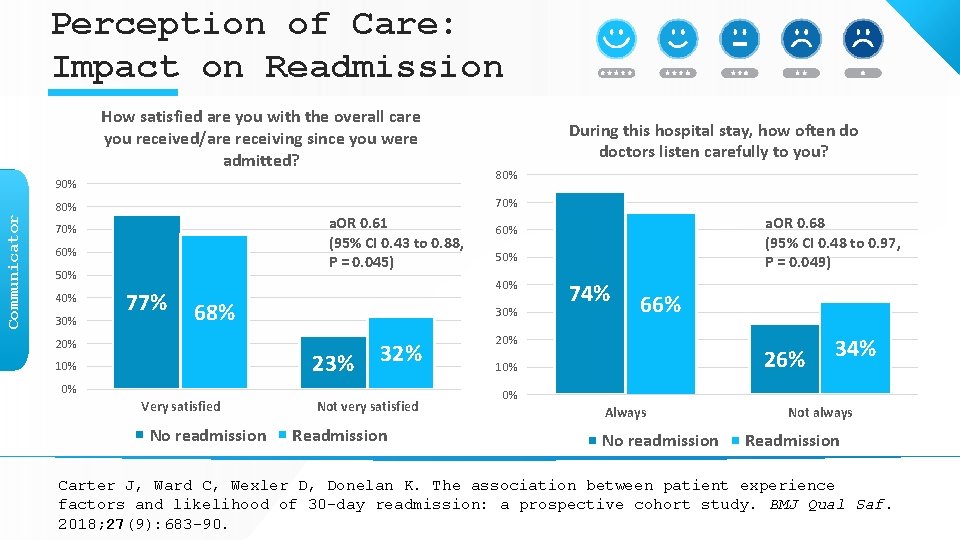
Perception of Care: Impact on Readmission How satisfied are you with the overall care you received/are receiving since you were admitted? 90% Communicator a. OR 0. 61 (95% CI 0. 43 to 0. 88, P = 0. 045) 70% 60% 50% 30% 80% 70% 80% 40% During this hospital stay, how often do doctors listen carefully to you? 77% 50% 40% 68% 20% 30% 23% 10% 32% 0% Very satisfied No readmission Not very satisfied Readmission a. OR 0. 68 (95% CI 0. 48 to 0. 97, P = 0. 049) 60% 74% 66% 20% 26% 10% 34% 0% Always No readmission Not always Readmission Carter J, Ward C, Wexler D, Donelan K. The association between patient experience factors and likelihood of 30 -day readmission: a prospective cohort study. BMJ Qual Saf. 2018; 27(9): 683 -90.
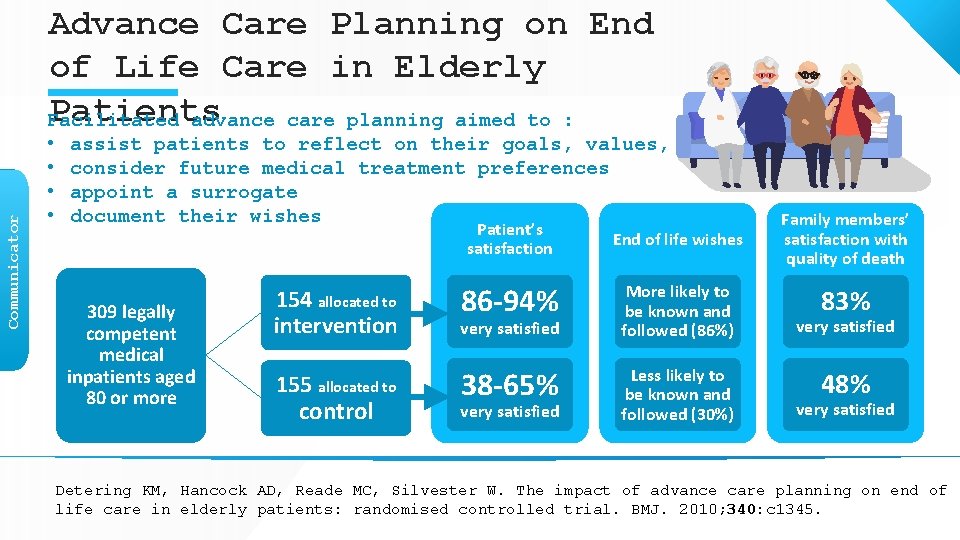
Communicator Advance Care Planning on End of Life Care in Elderly Patients Facilitated advance care planning aimed to : • • assist patients to reflect on their goals, values, and beliefs consider future medical treatment preferences appoint a surrogate document their wishes Family members’ Patient’s satisfaction 309 legally competent medical inpatients aged 80 or more 154 allocated to intervention 155 allocated to control End of life wishes satisfaction with quality of death 86 -94% More likely to be known and followed (86%) 83% 38 -65% Less likely to be known and followed (30%) very satisfied 48% very satisfied Detering KM, Hancock AD, Reade MC, Silvester W. The impact of advance care planning on end of life care in elderly patients: randomised controlled trial. BMJ. 2010; 340: c 1345.
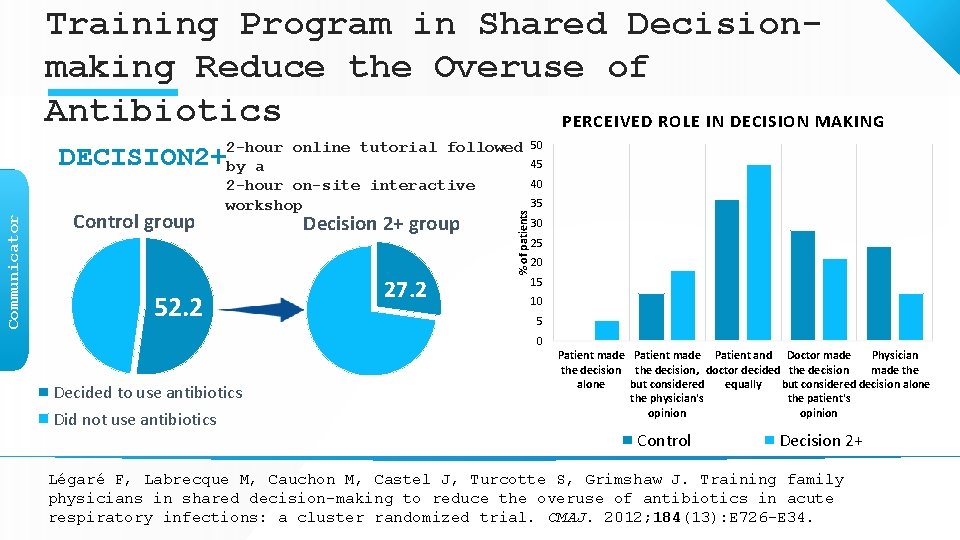
Training Program in Shared Decisionmaking Reduce the Overuse of Antibiotics PERCEIVED ROLE IN DECISION MAKING 2 -hour online tutorial followed 50 45 by a 40 2 -hour on-site interactive 35 workshop Control group 52. 2 Decision 2+ group 27. 2 % of patients Communicator DECISION 2+ 30 25 20 15 10 5 0 Decided to use antibiotics Did not use antibiotics Patient made Patient and Doctor made Physician the decision, doctor decided the decision made the alone but considered equally but considered decision alone the physician's the patient's opinion Control Decision 2+ Légaré F, Labrecque M, Cauchon M, Castel J, Turcotte S, Grimshaw J. Training family physicians in shared decision-making to reduce the overuse of antibiotics in acute respiratory infections: a cluster randomized trial. CMAJ. 2012; 184(13): E 726 -E 34.
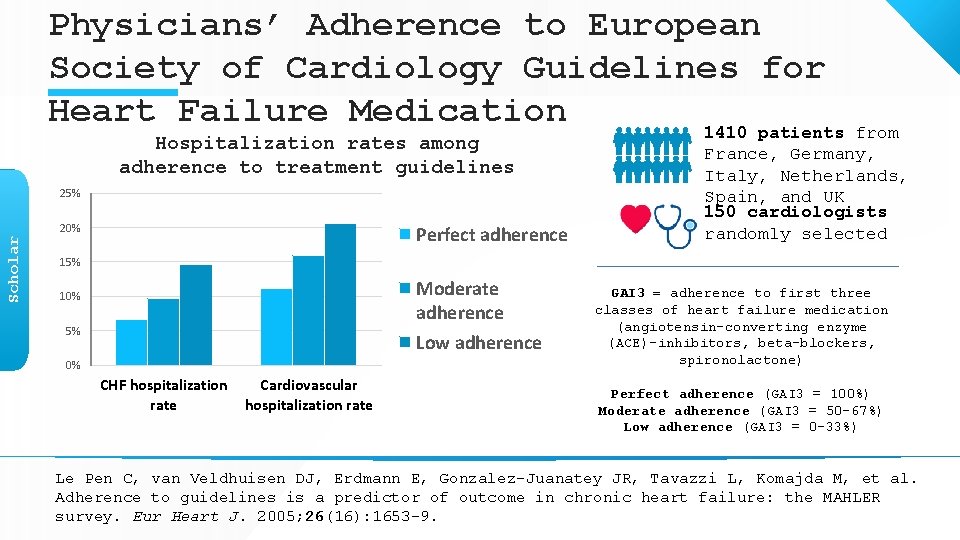
Physicians’ Adherence to European Society of Cardiology Guidelines for Heart Failure Medication 1410 patients from Hospitalization rates among adherence to treatment guidelines 25% Scholar 20% Perfect adherence France, Germany, Italy, Netherlands, Spain, and UK 150 cardiologists randomly selected 15% Moderate adherence Low adherence 10% 5% 0% CHF hospitalization Cardiovascular rate hospitalization rate GAI 3 = adherence to first three classes of heart failure medication (angiotensin-converting enzyme (ACE)-inhibitors, beta-blockers, spironolactone) Perfect adherence (GAI 3 = 100%) Moderate adherence (GAI 3 = 50– 67%) Low adherence (GAI 3 = 0– 33%) Le Pen C, van Veldhuisen DJ, Erdmann E, Gonzalez-Juanatey JR, Tavazzi L, Komajda M, et al. Adherence to guidelines is a predictor of outcome in chronic heart failure: the MAHLER survey. Eur Heart J. 2005; 26(16): 1653 -9.
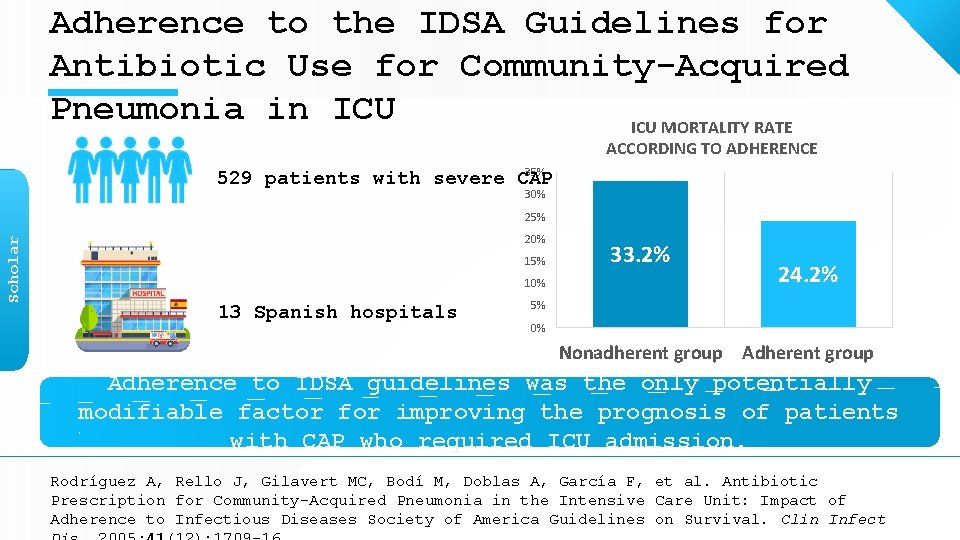
Adherence to the IDSA Guidelines for Antibiotic Use for Community-Acquired Pneumonia in ICU MORTALITY RATE ACCORDING TO ADHERENCE 35% 529 patients with severe CAP 30% Scholar 25% 20% 15% 10% 13 Spanish hospitals 33. 2% 24. 2% 5% 0% Nonadherent group Adherence to IDSA guidelines was the only potentially modifiable factor for improving the prognosis of patients with CAP who required ICU admission. Rodríguez A, Rello J, Gilavert MC, Bodí M, Doblas A, García F, et al. Antibiotic Prescription for Community-Acquired Pneumonia in the Intensive Care Unit: Impact of Adherence to Infectious Diseases Society of America Guidelines on Survival. Clin Infect
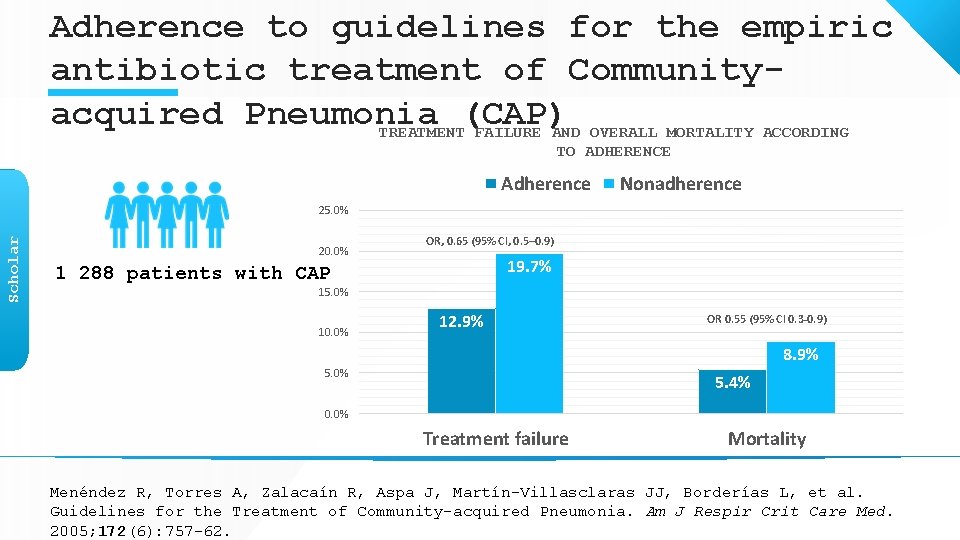
Adherence to guidelines for the empiric antibiotic treatment of Communityacquired Pneumonia (CAP) TREATMENT FAILURE AND OVERALL MORTALITY ACCORDING TO ADHERENCE Adherence Nonadherence Scholar 25. 0% 20. 0% OR, 0. 65 (95% CI, 0. 5– 0. 9) 19. 7% 1 288 patients with CAP 15. 0% 10. 0% 12. 9% OR 0. 55 (95% CI 0. 3 -0. 9) 8. 9% 5. 0% 5. 4% 0. 0% Treatment failure Mortality Menéndez R, Torres A, Zalacaín R, Aspa J, Martín-Villasclaras JJ, Borderías L, et al. Guidelines for the Treatment of Community-acquired Pneumonia. Am J Respir Crit Care Med. 2005; 172(6): 757 -62.
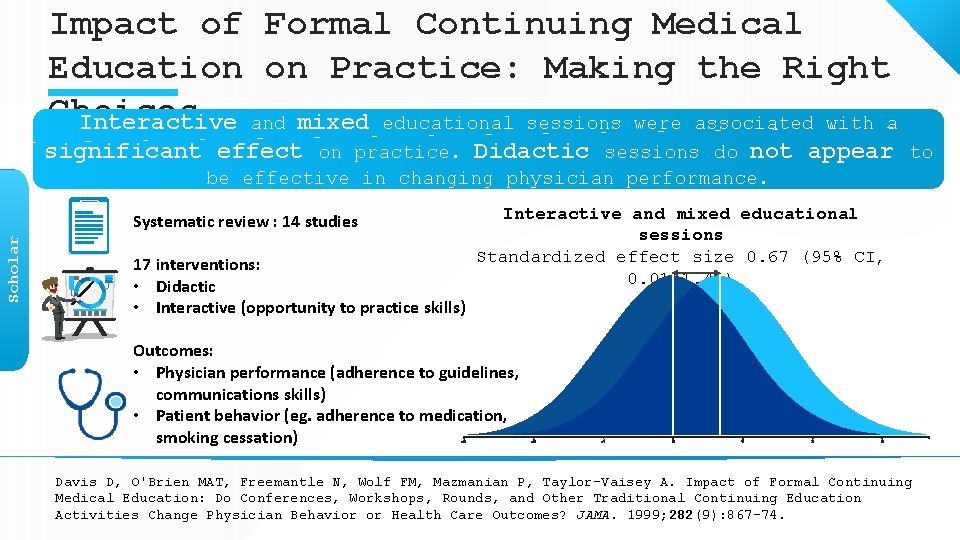
Impact of Formal Continuing Medical Education on Practice: Making the Right Choices Interactive and mixed educational sessions were associated with a significant effect on practice. Didactic sessions do not appear to be effective in changing physician performance. Scholar Systematic review : 14 studies 17 interventions: • Didactic • Interactive (opportunity to practice skills) Interactive and mixed educational sessions Standardized effect size 0. 67 (95% CI, 0. 01 -1. 45) Outcomes: • Physician performance (adherence to guidelines, communications skills) • Patient behavior (eg. adherence to medication, smoking cessation) Davis D, O'Brien MAT, Freemantle N, Wolf FM, Mazmanian P, Taylor-Vaisey A. Impact of Formal Continuing Medical Education: Do Conferences, Workshops, Rounds, and Other Traditional Continuing Education Activities Change Physician Behavior or Health Care Outcomes? JAMA. 1999; 282(9): 867 -74.
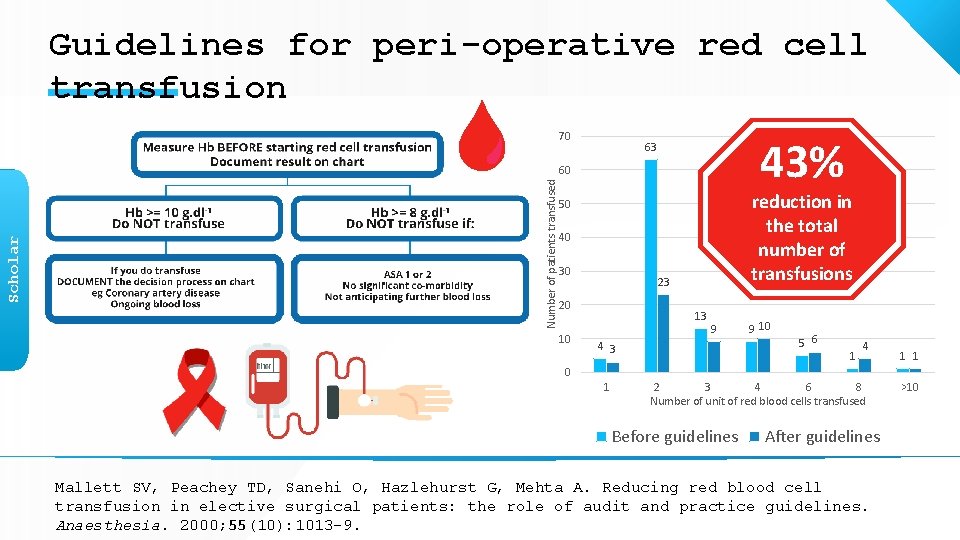
Guidelines for peri-operative red cell transfusion 70 43% 63 Number of patients transfused Scholar 60 reduction in the total number of transfusions 50 40 30 23 20 10 13 9 4 3 9 10 5 6 1 4 1 1 0 1 2 3 4 6 8 Number of unit of red blood cells transfused Before guidelines After guidelines Mallett SV, Peachey TD, Sanehi O, Hazlehurst G, Mehta A. Reducing red blood cell transfusion in elective surgical patients: the role of audit and practice guidelines. Anaesthesia. 2000; 55(10): 1013 -9. >10
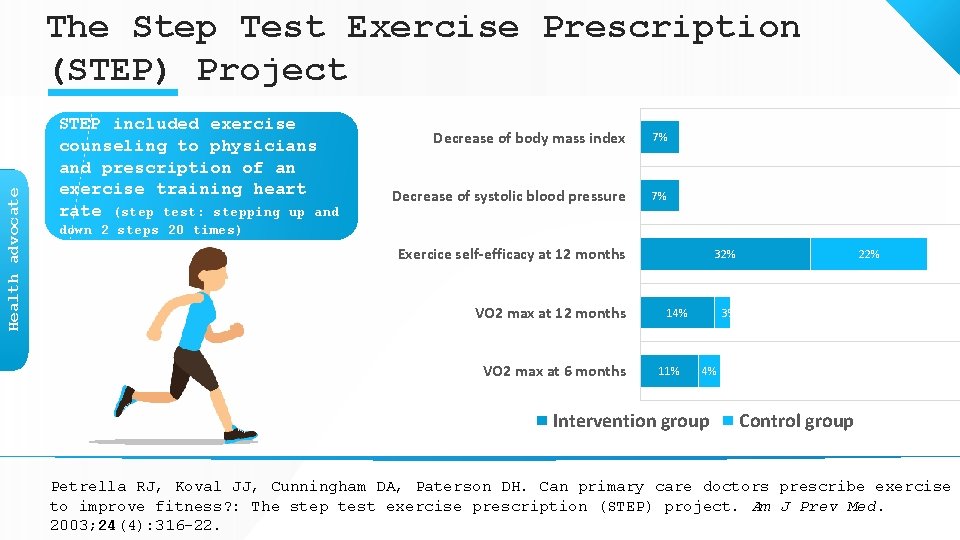
Health advocate The Step Test Exercise Prescription (STEP) Project STEP included exercise counseling to physicians and prescription of an exercise training heart rate (step test: stepping up and Decrease of body mass index 7% Decrease of systolic blood pressure 7% down 2 steps 20 times) Exercice self-efficacy at 12 months VO 2 max at 6 months 32% 14% 11% 22% 3% 4% Intervention group Control group Petrella RJ, Koval JJ, Cunningham DA, Paterson DH. Can primary care doctors prescribe exercise to improve fitness? : The step test exercise prescription (STEP) project. Am J Prev Med. 2003; 24(4): 316 -22.
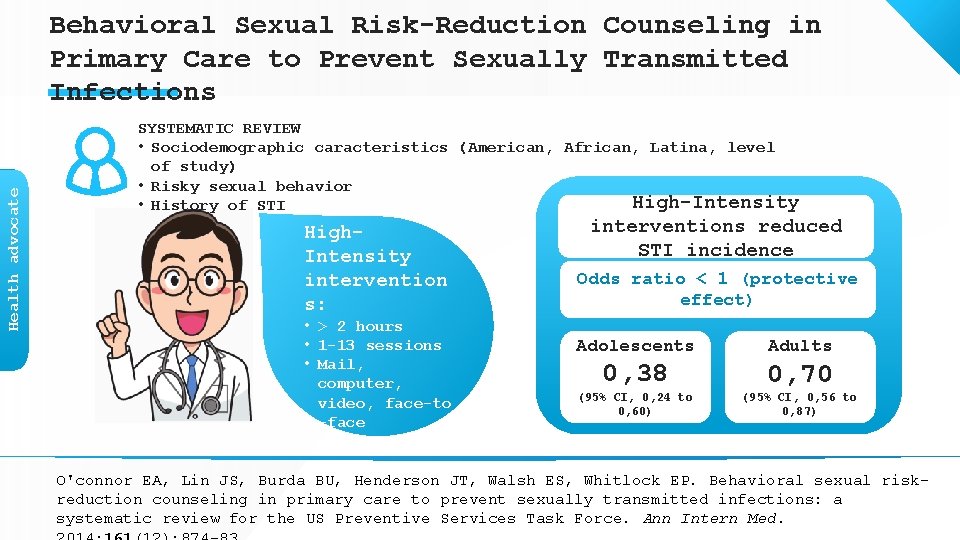
Health advocate Behavioral Sexual Risk-Reduction Counseling in Primary Care to Prevent Sexually Transmitted Infections SYSTEMATIC REVIEW • Sociodemographic caracteristics (American, African, Latina, level of study) • Risky sexual behavior High-Intensity • History of STI High. Intensity intervention s: • > 2 hours • 1 -13 sessions • Mail, computer, video, face-to -face interventions reduced STI incidence Odds ratio < 1 (protective effect) Adolescents Adults 0, 38 0, 70 (95% CI, 0, 24 to 0, 60) (95% CI, 0, 56 to 0, 87) O'connor EA, Lin JS, Burda BU, Henderson JT, Walsh ES, Whitlock EP. Behavioral sexual riskreduction counseling in primary care to prevent sexually transmitted infections: a systematic review for the US Preventive Services Task Force. Ann Intern Med.
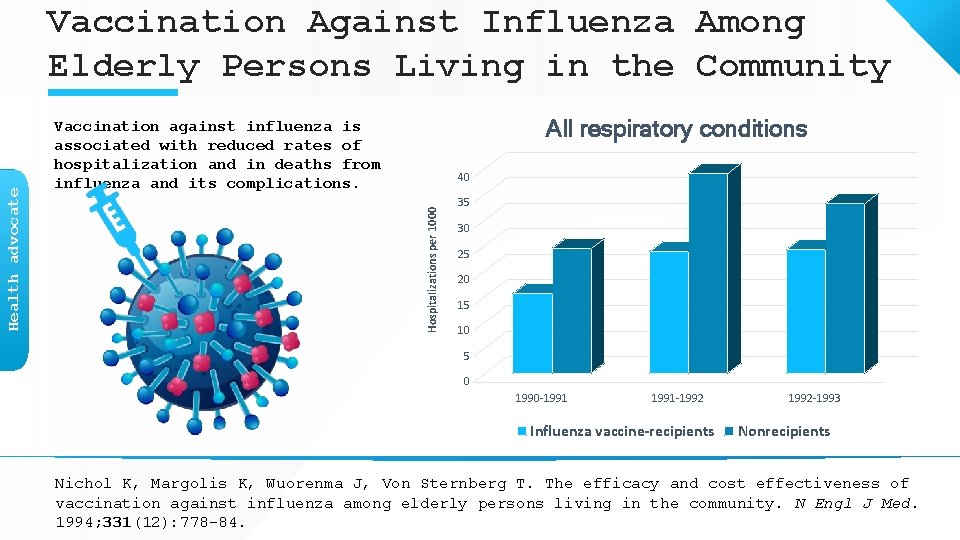
All respiratory conditions Vaccination against influenza is associated with reduced rates of hospitalization and in deaths from influenza and its complications. 40 Hospitalizations per 1000 Health advocate Vaccination Against Influenza Among Elderly Persons Living in the Community 35 30 25 20 15 10 5 0 1990 -1991 -1992 Influenza vaccine-recipients 1992 -1993 Nonrecipients Nichol K, Margolis K, Wuorenma J, Von Sternberg T. The efficacy and cost effectiveness of vaccination against influenza among elderly persons living in the community. N Engl J Med. 1994; 331(12): 778 -84.
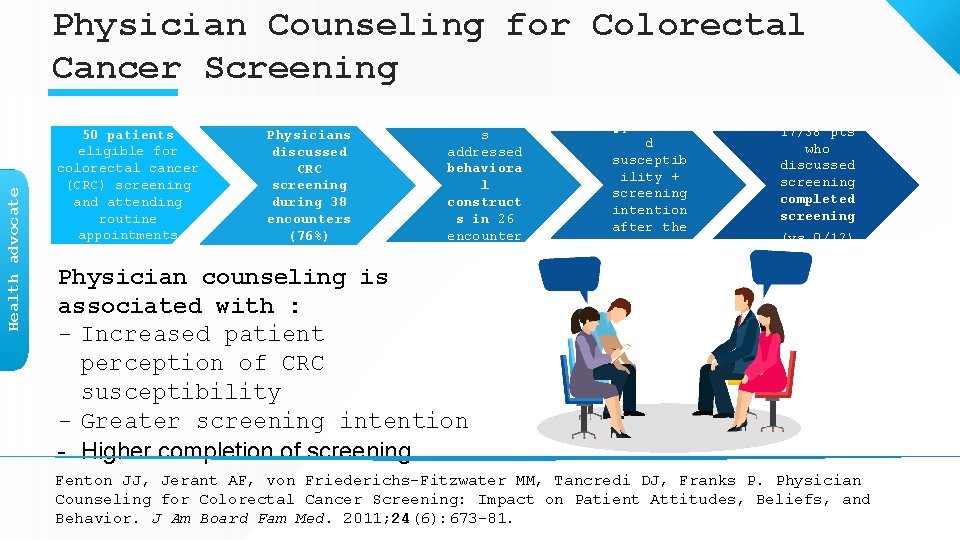
Health advocate Physician Counseling for Colorectal Cancer Screening 50 patients eligible for colorectal cancer (CRC) screening and attending routine appointments Physicians discussed CRC screening during 38 encounters (76%) Physician s addressed behaviora l construct s in 26 encounter s (52%) perceive d susceptib ility + screening intention after the visit 17/38 pts who discussed screening completed screening (vs 0/12) Physician counseling is associated with : - Increased patient perception of CRC susceptibility - Greater screening intention - Higher completion of screening Fenton JJ, Jerant AF, von Friederichs-Fitzwater MM, Tancredi DJ, Franks P. Physician Counseling for Colorectal Cancer Screening: Impact on Patient Attitudes, Beliefs, and Behavior. J Am Board Fam Med. 2011; 24(6): 673 -81.
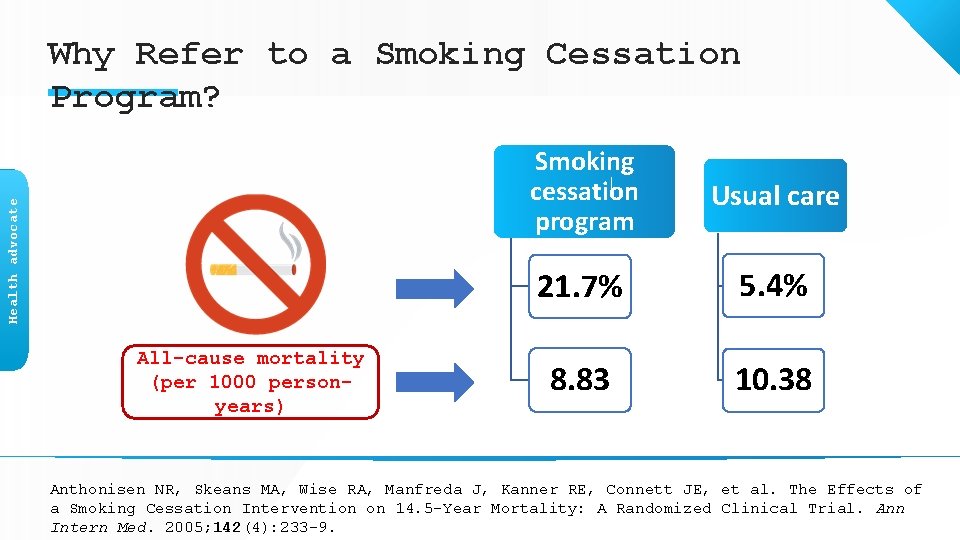
Health advocate Why Refer to a Smoking Cessation Program? All-cause mortality (per 1000 personyears) Smoking cessation program Usual care 21. 7% 5. 4% 8. 83 10. 38 Anthonisen NR, Skeans MA, Wise RA, Manfreda J, Kanner RE, Connett JE, et al. The Effects of a Smoking Cessation Intervention on 14. 5 -Year Mortality: A Randomized Clinical Trial. Ann Intern Med. 2005; 142(4): 233 -9.
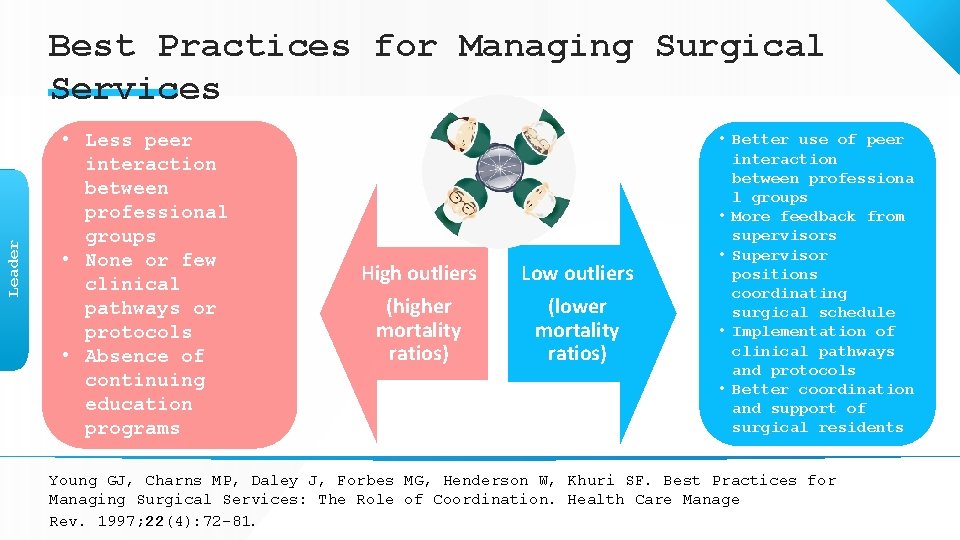
Leader Best Practices for Managing Surgical Services • Less peer interaction between professional groups • None or few clinical pathways or protocols • Absence of continuing education programs High outliers (higher mortality ratios) Low outliers (lower mortality ratios) • Better use of peer interaction between professiona l groups • More feedback from supervisors • Supervisor positions coordinating surgical schedule • Implementation of clinical pathways and protocols • Better coordination and support of surgical residents Young GJ, Charns MP, Daley J, Forbes MG, Henderson W, Khuri SF. Best Practices for Managing Surgical Services: The Role of Coordination. Health Care Manage Rev. 1997; 22(4): 72 -81.
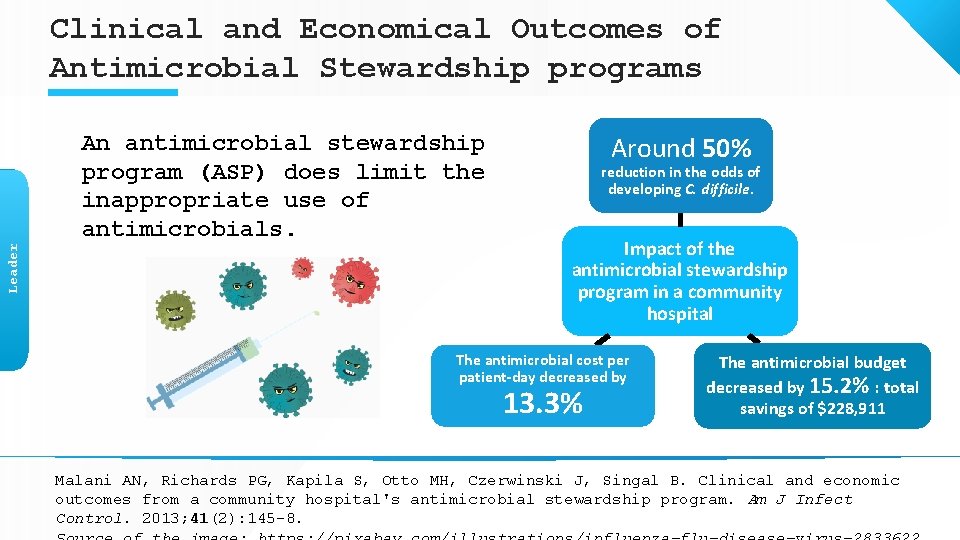
Leader Clinical and Economical Outcomes of Antimicrobial Stewardship programs An antimicrobial stewardship program (ASP) does limit the inappropriate use of antimicrobials. Around 50% reduction in the odds of developing C. difficile. Impact of the antimicrobial stewardship program in a community hospital The antimicrobial cost per patient-day decreased by 13. 3% The antimicrobial budget decreased by 15. 2% : total savings of $228, 911 Malani AN, Richards PG, Kapila S, Otto MH, Czerwinski J, Singal B. Clinical and economic outcomes from a community hospital's antimicrobial stewardship program. Am J Infect Control. 2013; 41(2): 145 -8.
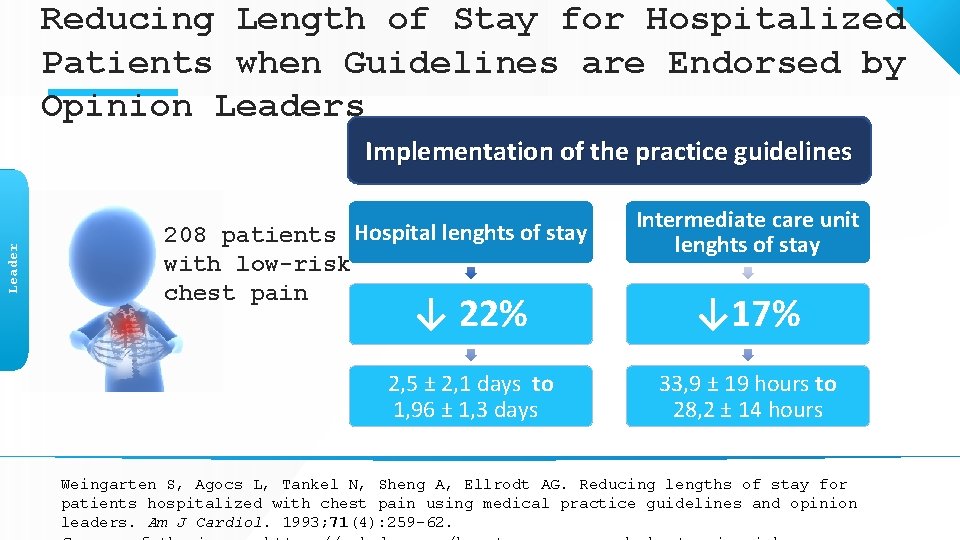
Reducing Length of Stay for Hospitalized Patients when Guidelines are Endorsed by Opinion Leaders Leader Implementation of the practice guidelines 208 patients Hospital lenghts of stay with low-risk chest pain Intermediate care unit lenghts of stay ↓ 22% ↓ 17% 2, 5 ± 2, 1 days to 1, 96 ± 1, 3 days 33, 9 ± 19 hours to 28, 2 ± 14 hours Weingarten S, Agocs L, Tankel N, Sheng A, Ellrodt AG. Reducing lengths of stay for patients hospitalized with chest pain using medical practice guidelines and opinion leaders. Am J Cardiol. 1993; 71(4): 259 -62.
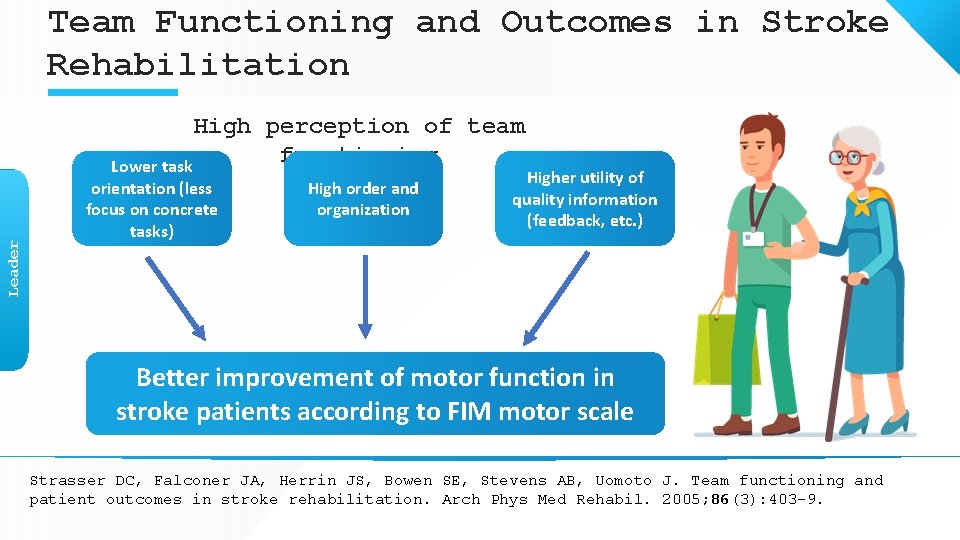
Team Functioning and Outcomes in Stroke Rehabilitation Leader High perception of team functioning Lower task orientation (less focus on concrete tasks) High order and organization Higher utility of quality information (feedback, etc. ) Better improvement of motor function in stroke patients according to FIM motor scale Strasser DC, Falconer JA, Herrin JS, Bowen SE, Stevens AB, Uomoto J. Team functioning and patient outcomes in stroke rehabilitation. Arch Phys Med Rehabil. 2005; 86(3): 403 -9.
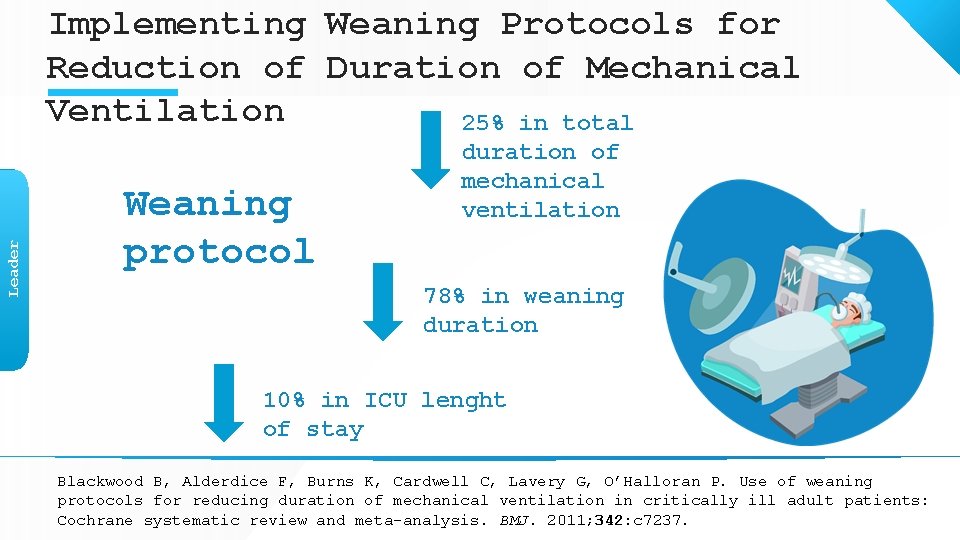
Leader Implementing Weaning Protocols for Reduction of Duration of Mechanical Ventilation 25% in total Weaning protocol duration of mechanical ventilation 78% in weaning duration 10% in ICU lenght of stay Blackwood B, Alderdice F, Burns K, Cardwell C, Lavery G, O’Halloran P. Use of weaning protocols for reducing duration of mechanical ventilation in critically ill adult patients: Cochrane systematic review and meta-analysis. BMJ. 2011; 342: c 7237.
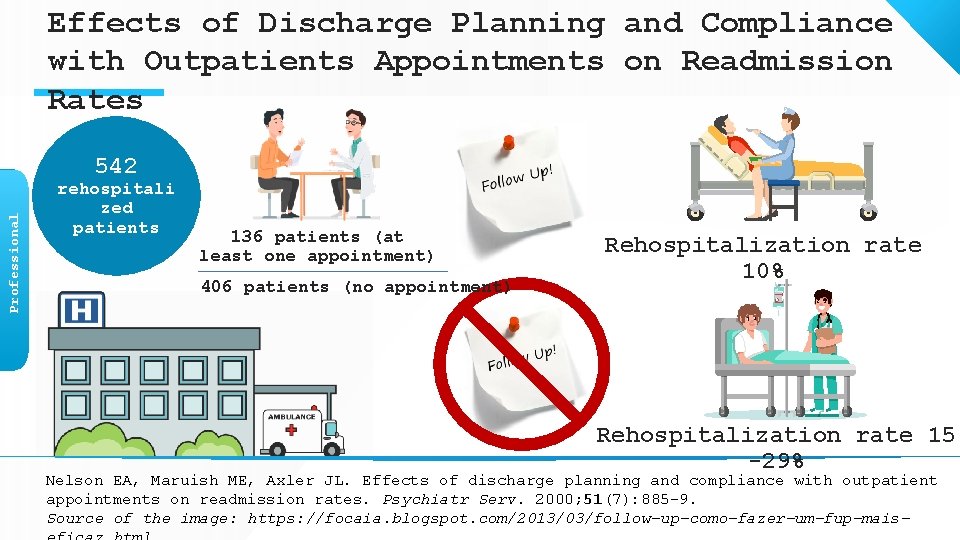
Effects of Discharge Planning and Compliance with Outpatients Appointments on Readmission Rates Professional 542 rehospitali zed patients 136 patients (at least one appointment) 406 patients (no appointment) Rehospitalization rate 10% Rehospitalization rate 15 -29% Nelson EA, Maruish ME, Axler JL. Effects of discharge planning and compliance with outpatient appointments on readmission rates. Psychiatr Serv. 2000; 51(7): 885 -9. Source of the image: https: //focaia. blogspot. com/2013/03/follow-up-como-fazer-um-fup-mais-
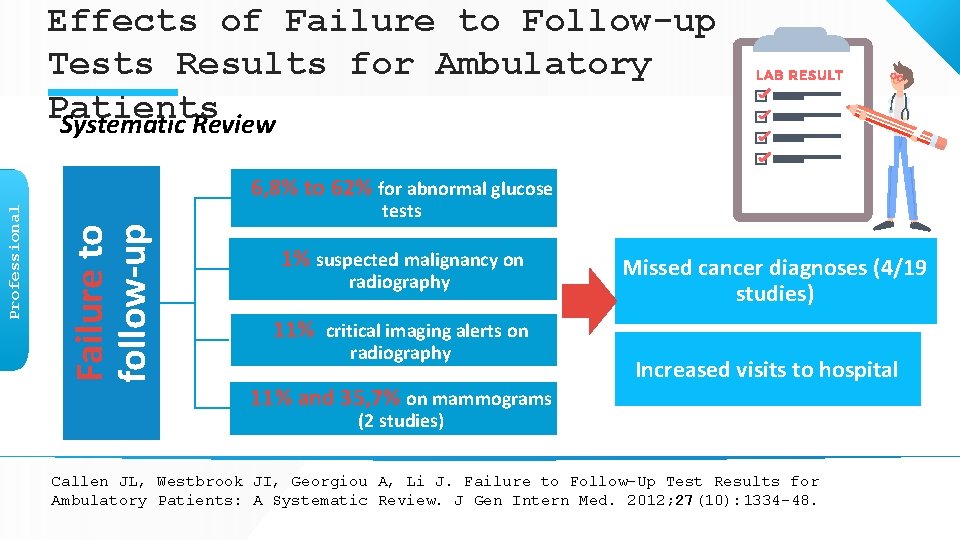
Effects of Failure to Follow-up Tests Results for Ambulatory Patients Systematic Review Failure to follow-up Professional 6, 8% to 62% for abnormal glucose tests 1% suspected malignancy on radiography [ Missed cancer diagnoses (4/19 studies) 11% critical imaging alerts on radiography 11% and 35, 7% on mammograms Increased visits to hospital (2 studies) Callen JL, Westbrook JI, Georgiou A, Li J. Failure to Follow-Up Test Results for Ambulatory Patients: A Systematic Review. J Gen Intern Med. 2012; 27(10): 1334 -48.
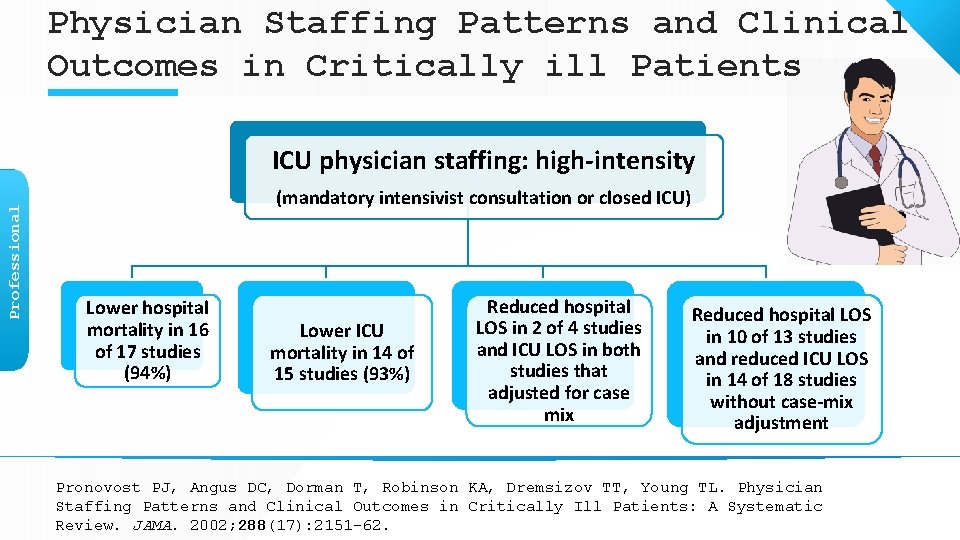
Physician Staffing Patterns and Clinical Outcomes in Critically ill Patients Professional ICU physician staffing: high-intensity (mandatory intensivist consultation or closed ICU) Lower hospital mortality in 16 of 17 studies (94%) Lower ICU mortality in 14 of 15 studies (93%) Reduced hospital LOS in 2 of 4 studies and ICU LOS in both studies that adjusted for case mix Reduced hospital LOS in 10 of 13 studies and reduced ICU LOS in 14 of 18 studies without case-mix adjustment Pronovost PJ, Angus DC, Dorman T, Robinson KA, Dremsizov TT, Young TL. Physician Staffing Patterns and Clinical Outcomes in Critically Ill Patients: A Systematic Review. JAMA. 2002; 288(17): 2151 -62.
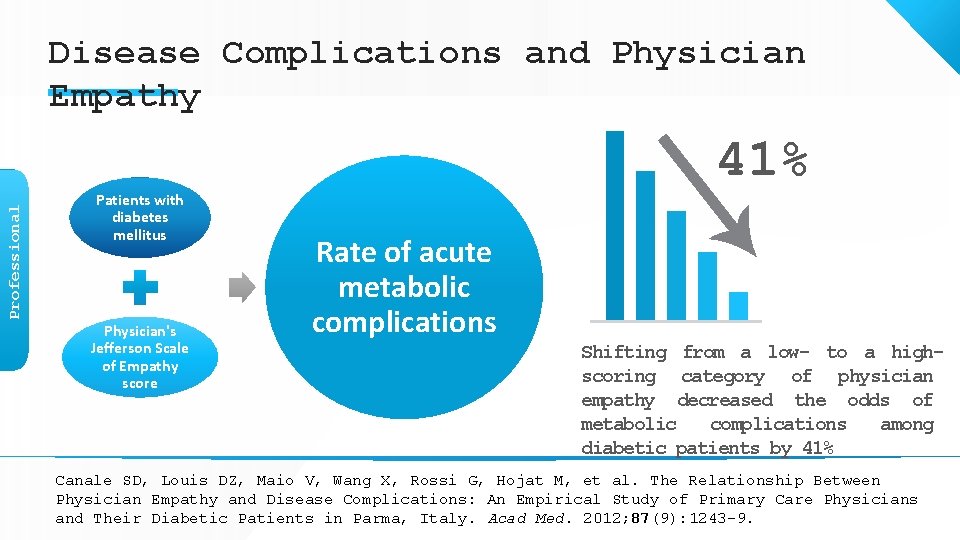
Professional Disease Complications and Physician Empathy Patients with diabetes mellitus Physician's Jefferson Scale of Empathy score 41% Rate of acute metabolic complications Shifting from a low- to a highscoring category of physician empathy decreased the odds of metabolic complications among diabetic patients by 41% Canale SD, Louis DZ, Maio V, Wang X, Rossi G, Hojat M, et al. The Relationship Between Physician Empathy and Disease Complications: An Empirical Study of Primary Care Physicians and Their Diabetic Patients in Parma, Italy. Acad Med. 2012; 87(9): 1243 -9.
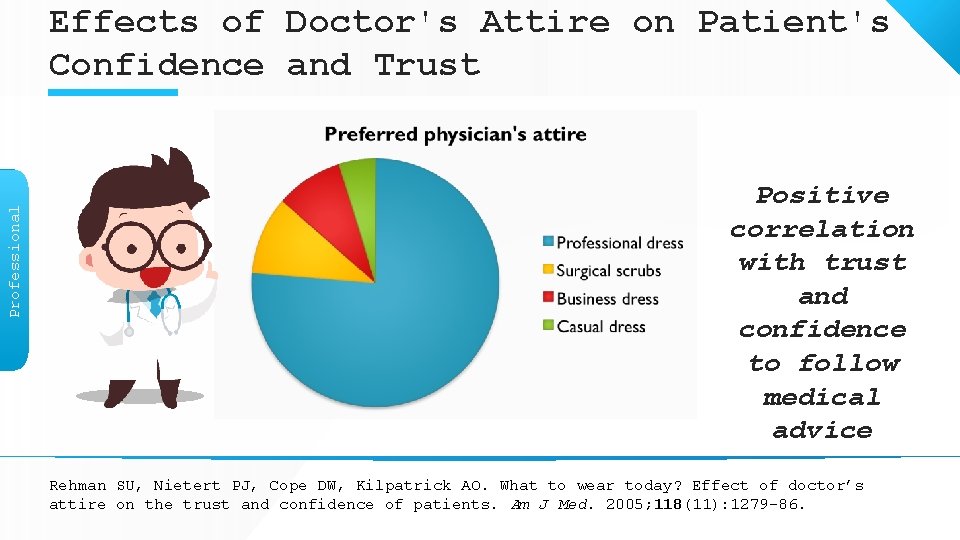
Professional Effects of Doctor's Attire on Patient's Confidence and Trust Positive correlation with trust and confidence to follow medical advice Rehman SU, Nietert PJ, Cope DW, Kilpatrick AO. What to wear today? Effect of doctor’s attire on the trust and confidence of patients. Am J Med. 2005; 118(11): 1279 -86.