
SCANNING ELECTRON MICROSCOP SEM SEM Components Scientific basis

SCANNING ELECTRON MICROSCOP (SEM)
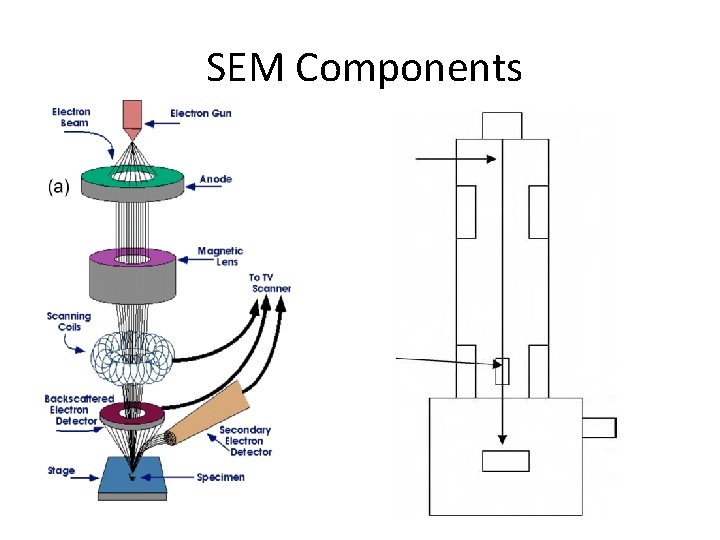
SEM Components

Scientific basis

Image video

Applications in archaeological field
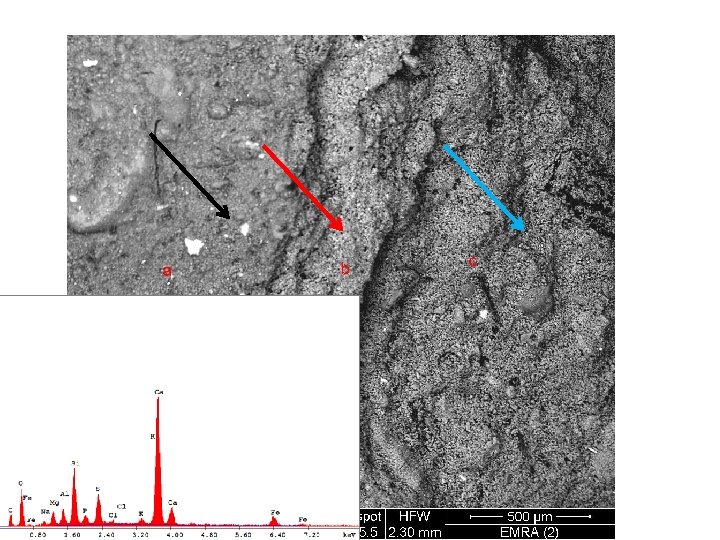
1 - Paintings • SEM can be used to identify inorganic pigment particles. • surface characteristics of paintings. • provide information about surface texture such as: • fine cracking, the nature of the relationship between the pigment and the binding medium at the surface
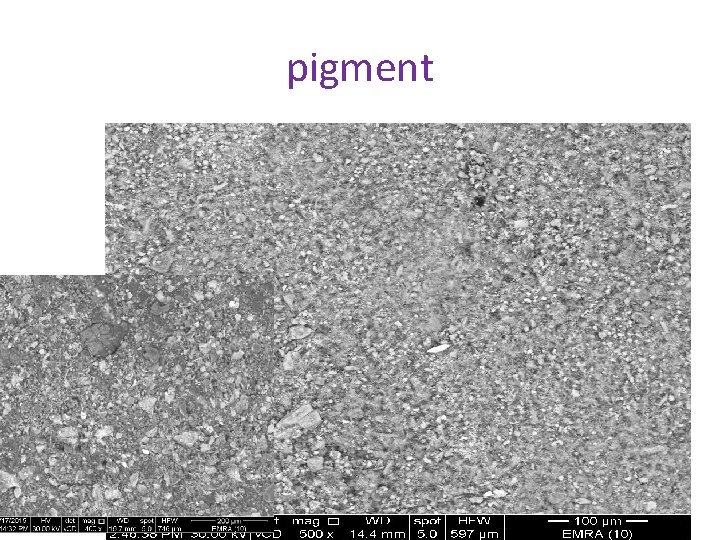
pigment
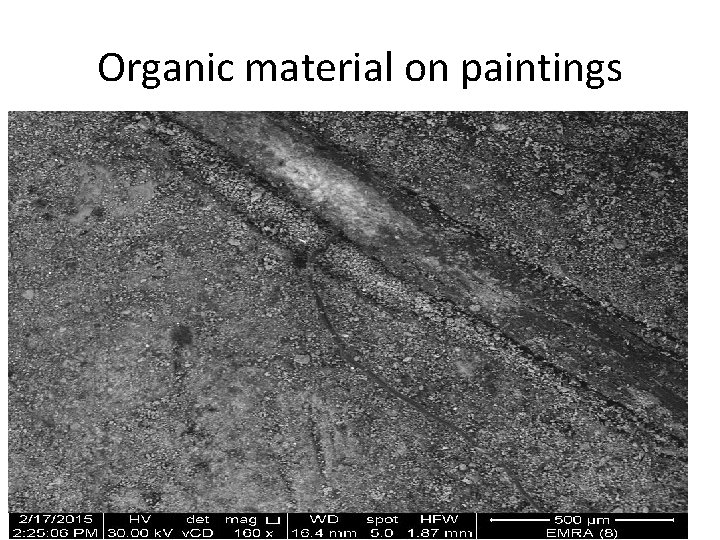
Organic material on paintings
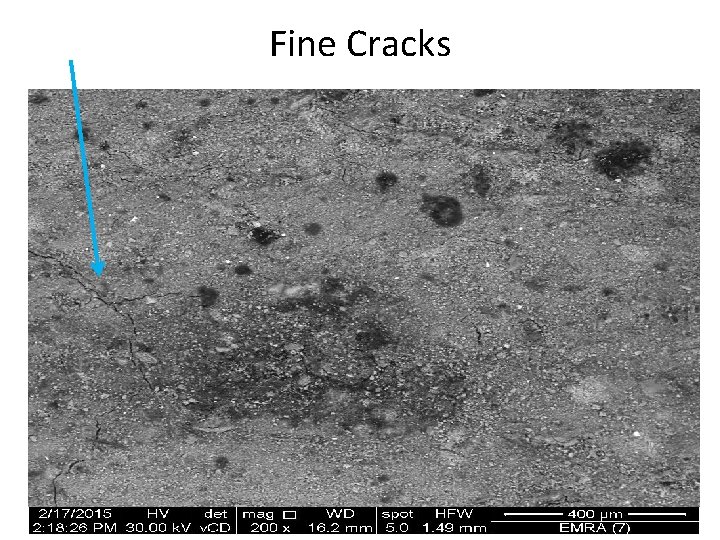
Fine Cracks
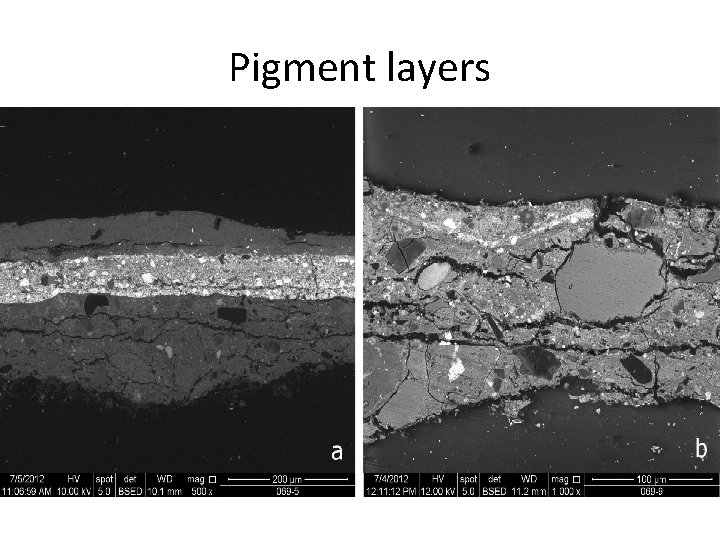
Pigment layers
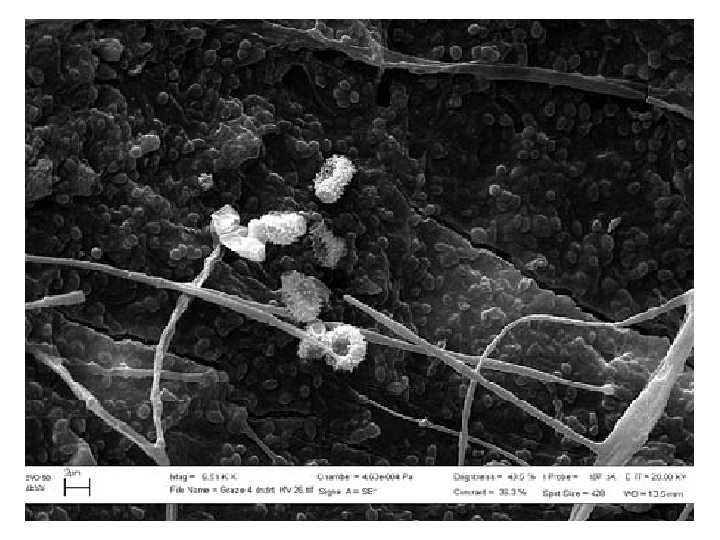
2 -Written Material • examine the materials used in heritage manuscripts. • Comparison studies ancient Vs Modern
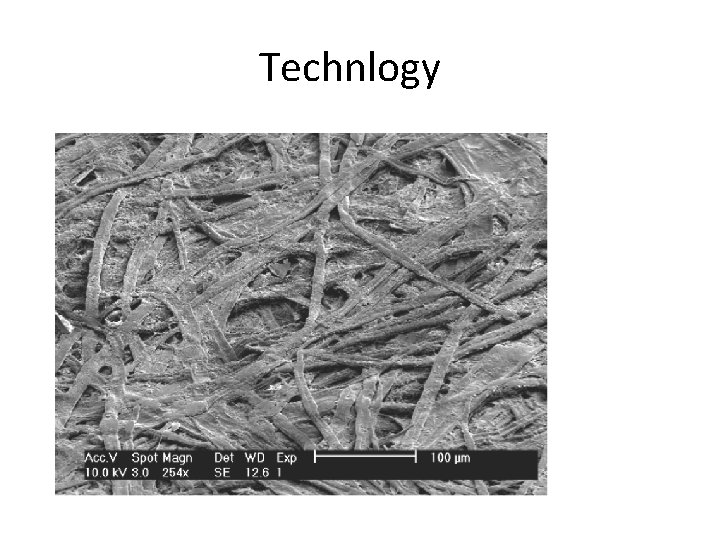
Technlogy
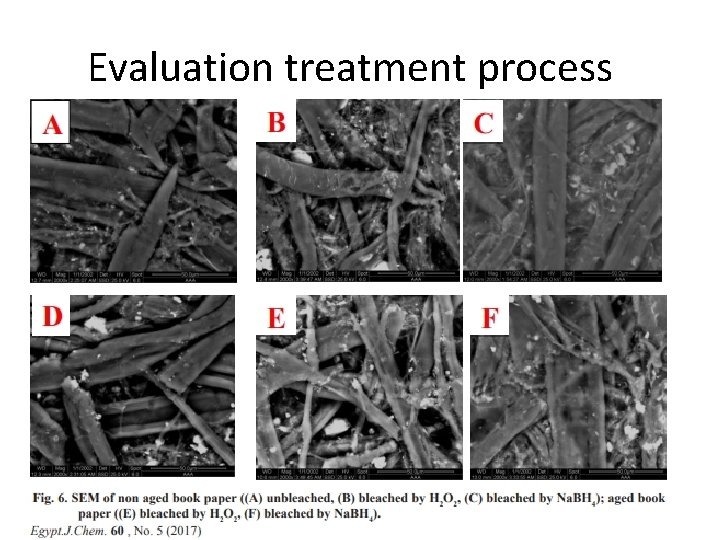
Evaluation treatment process
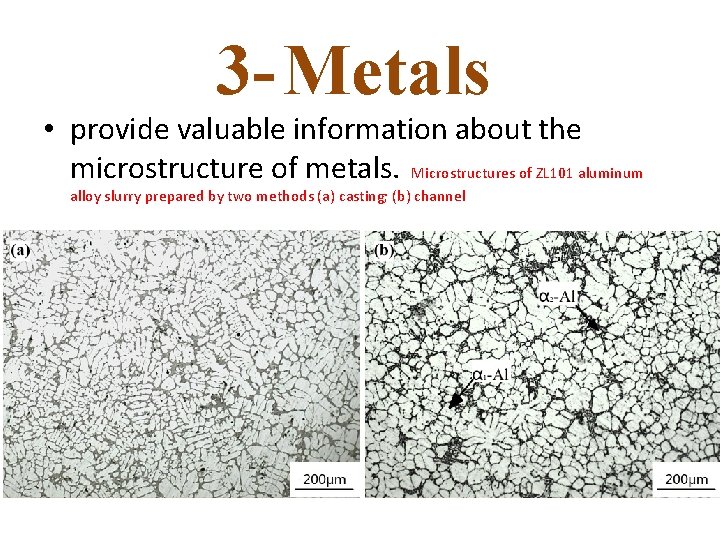
3 - Metals • provide valuable information about the microstructure of metals. Microstructures of ZL 101 aluminum alloy slurry prepared by two methods (a) casting; (b) channel
• The shape and size of the grains may assist in determining whether an object was cast into a mould or was worked by hammering and annealing. • identify corrosion products.
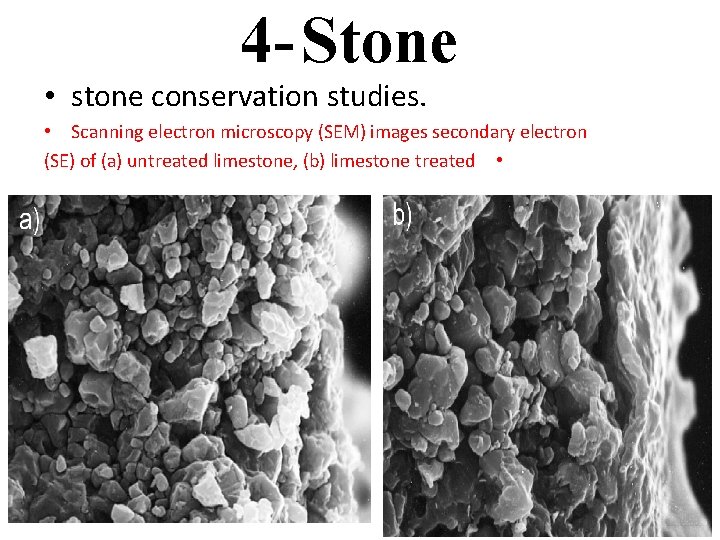
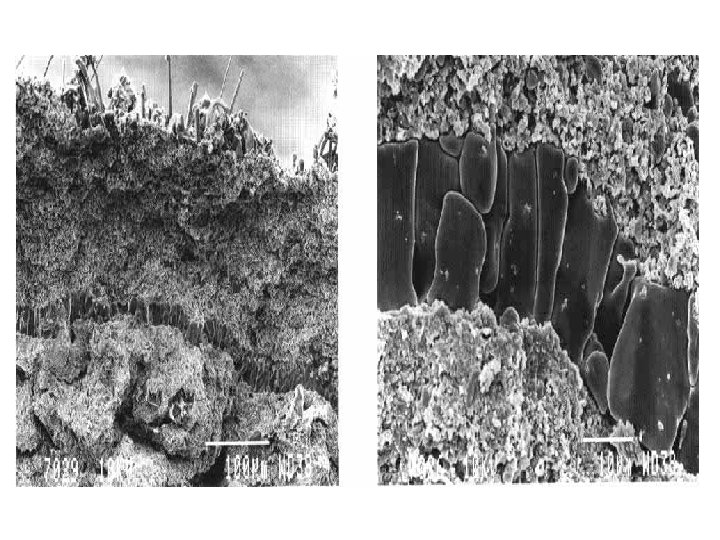
4 - Stone • stone conservation studies. • Scanning electron microscopy (SEM) images secondary electron (SE) of (a) untreated limestone, (b) limestone treated •
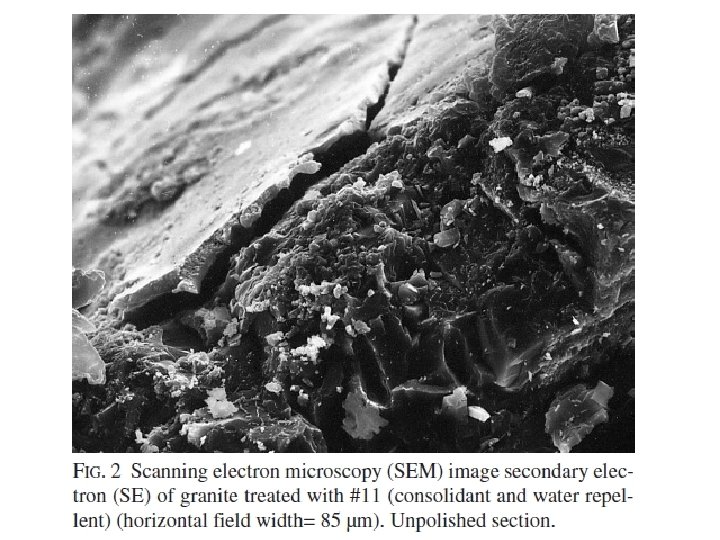
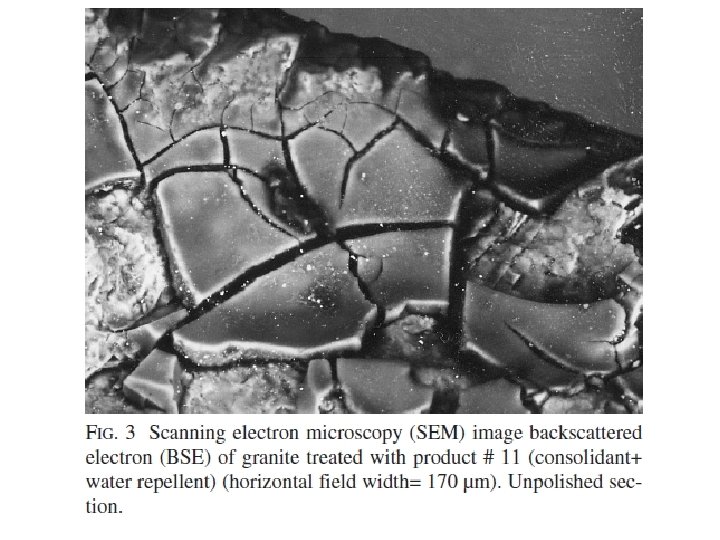
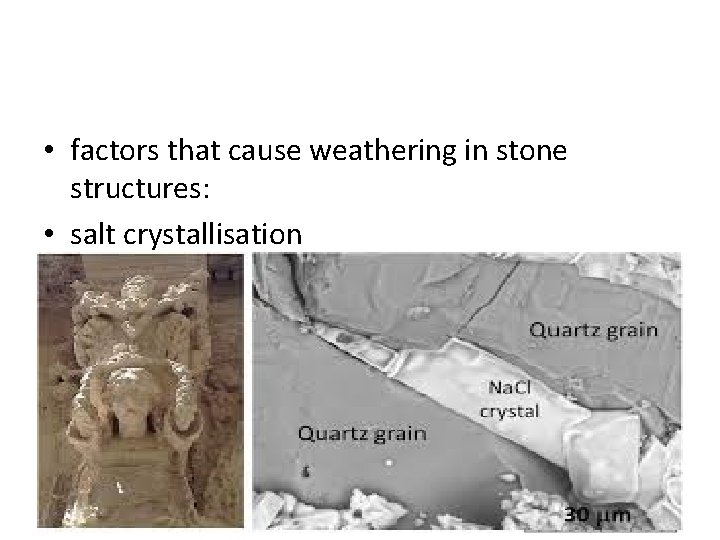
• factors that cause weathering in stone structures: • salt crystallisation
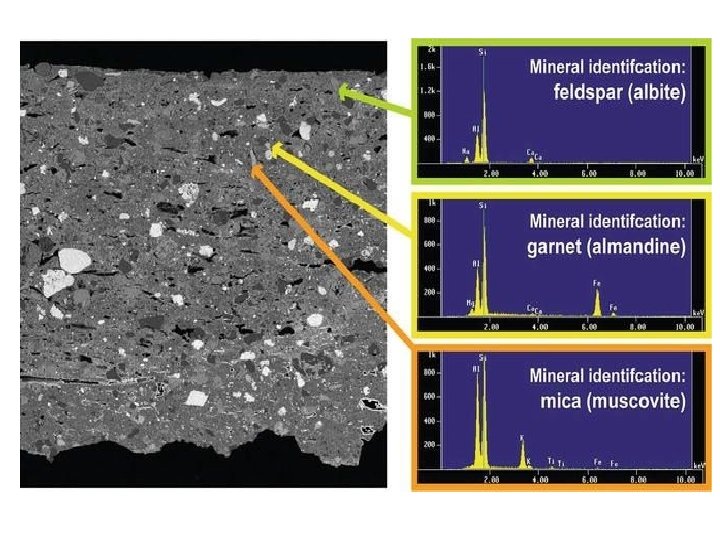
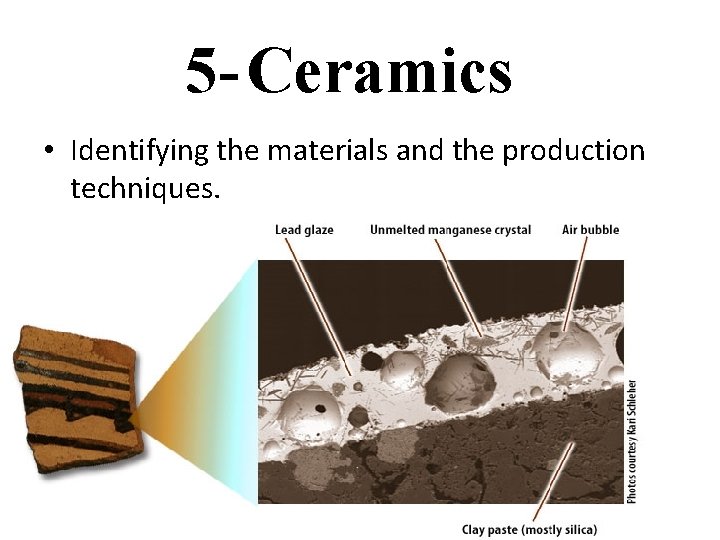
5 - Ceramics • Identifying the materials and the production techniques.
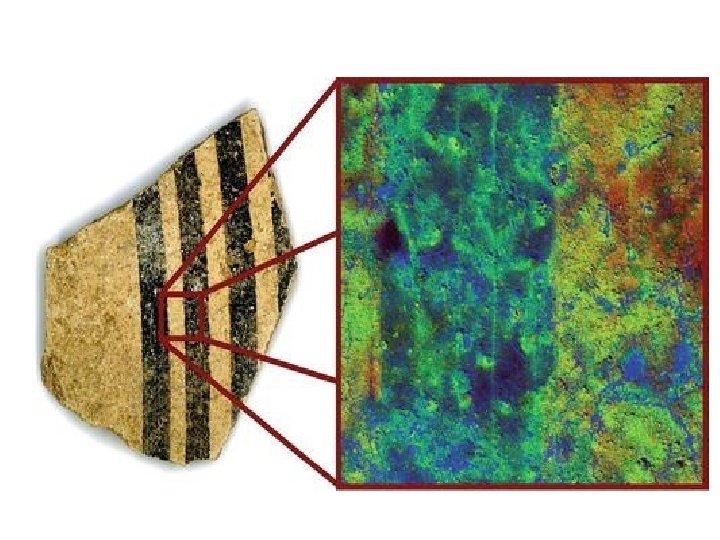
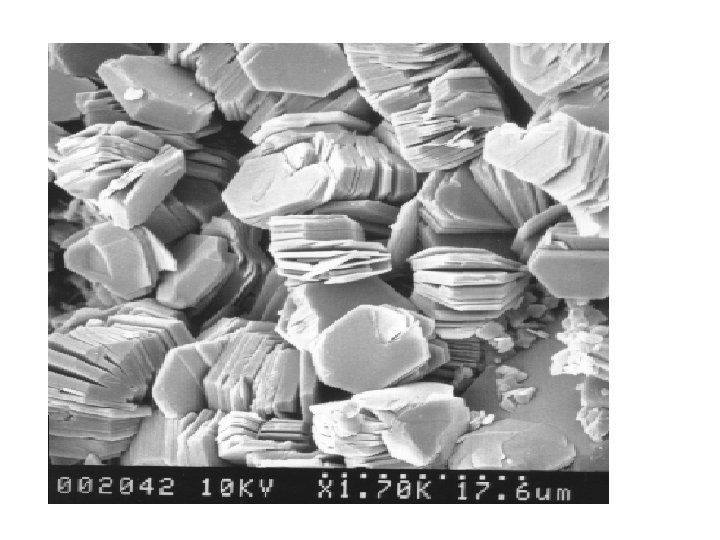
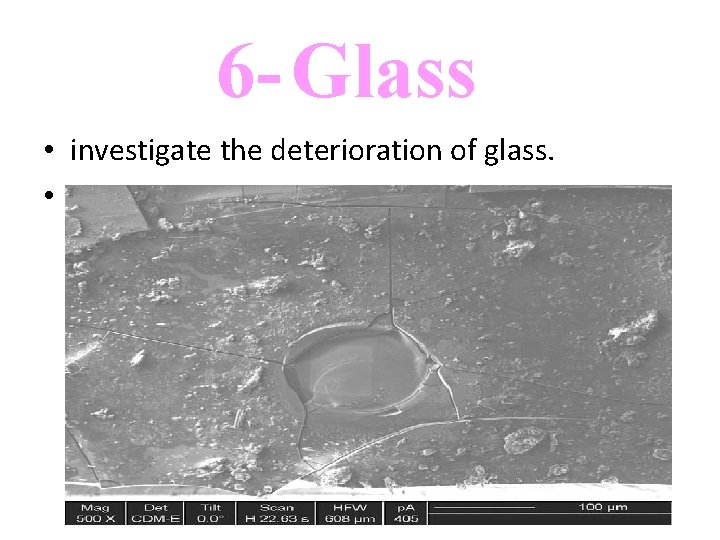
6 - Glass • investigate the deterioration of glass. •
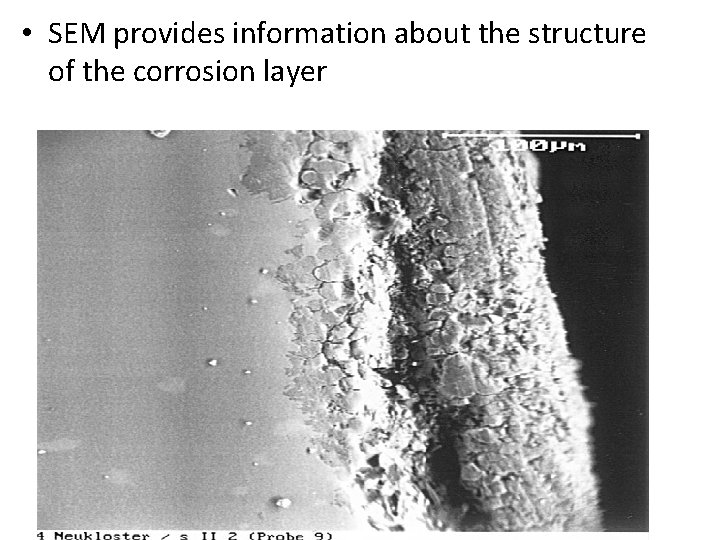
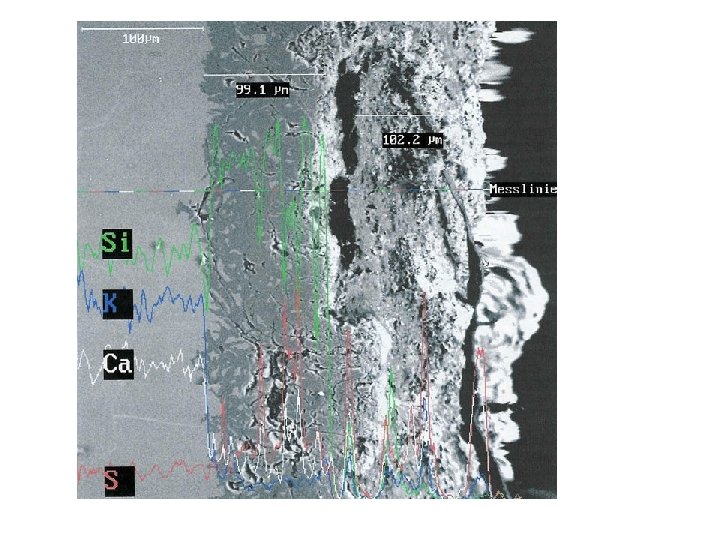
• SEM provides information about the structure of the corrosion layer
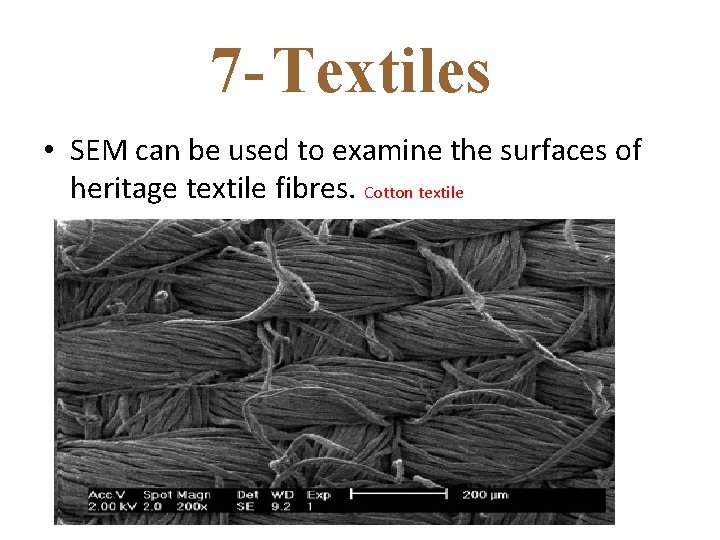
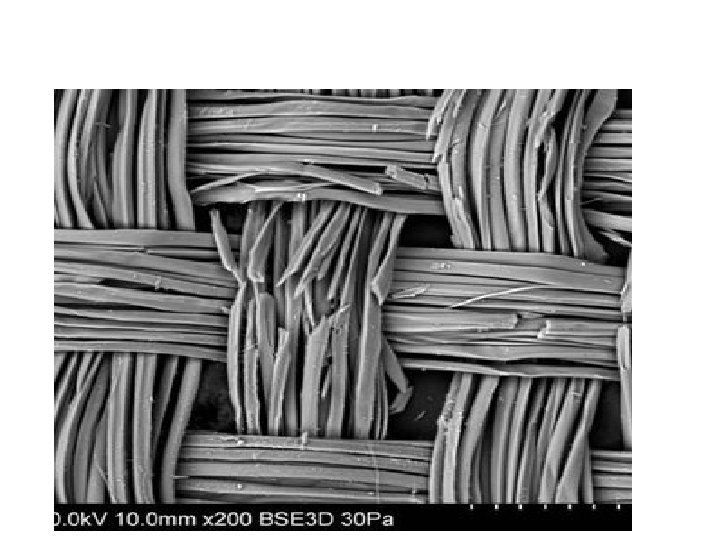
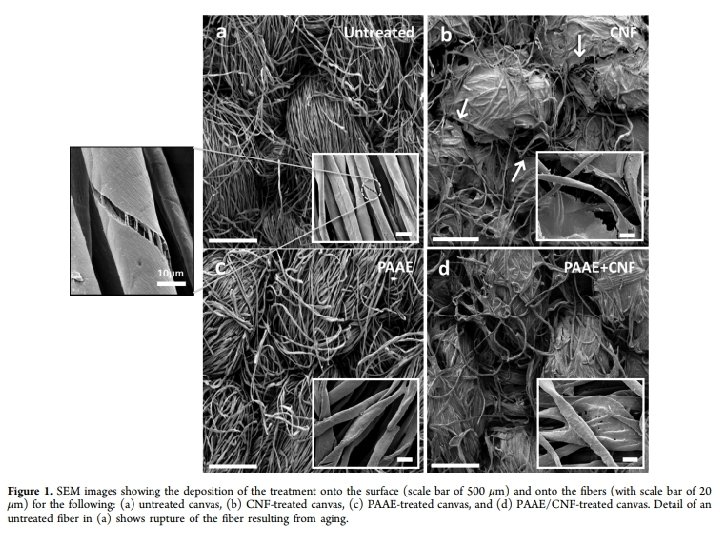
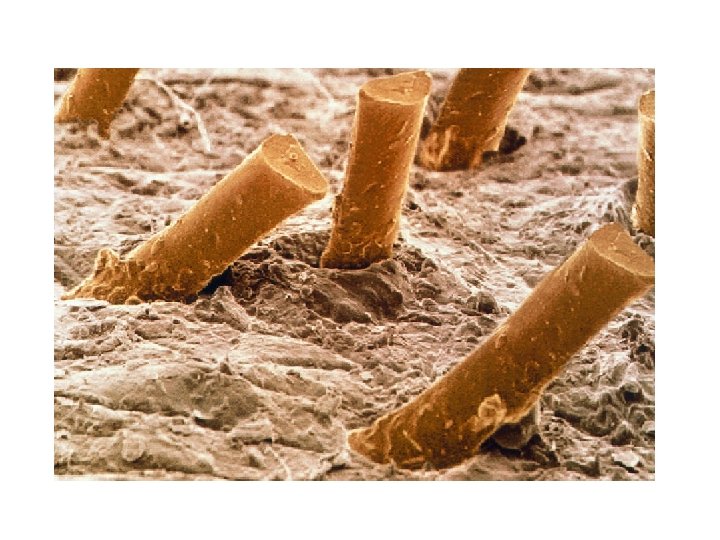
7 - Textiles • SEM can be used to examine the surfaces of heritage textile fibres. Cotton textile

- Slides: 42