
SCA Study Guide Balancing Rations Genetic and Reproduction
SCA Study Guide Balancing Rations, Genetic, and Reproduction
Balancing Rations
What is Roughage? Roughage is any feed that contains more than 18% crude fiber. Fiber can be broken down based on digestibility. Cell Contents : 100% Hemicellulose: 100% Cellulose: 50% Lignin: 0%
Classes of roughage Legumes- legumes are plants that take in Nitrogen from the air through nodules(or bumps) on the root. Ex. Alfalfa, soybean, and peanuts Nonlegumes- are plants that don’t take in any nitrogen. Ex. Corn silage, sorghum silage, and bluegrass
What are concentrates? Concentrates are feeds that contain less than 18% crude fiber when dry. Concentrates can be broken down into 2 categories: Protein Supplement Energy Feeds
What is tankage? Tankage is animal tissue, bones from slaughterhouses. Tankage can even be vegetable by -products that are cooked and dried.
Protein Supplements Protein supplements are feeds that contain 20% or more protein. They are important because they help to provide essential amino acids that an animal needs to function. Protein Supplements can be broken into 2 groups: Animal proteins and vegetable proteins
Energy Feeds Energy feeds are feeds that contain less than 20% protein. They also provide the animal a source of energy to help maintain bodily functions. Most grains are energy feeds. Wheat Barley Corn Oats
Genetics
What is Genetics The study of heredity, or the way traits of parents are passed on to their offspring. Not all differences are caused by genetics. Some differences may be caused by how the animal is raised and what environment they live in. It also producers to breed animals that are desirable for market.
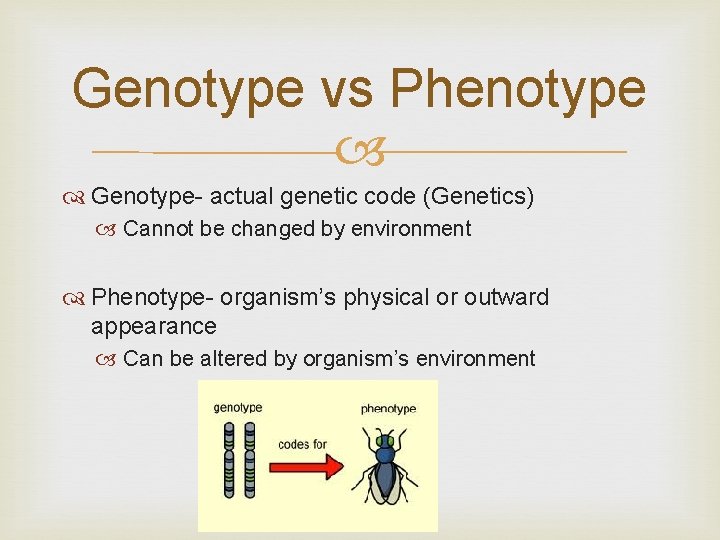
Genotype vs Phenotype Genotype- actual genetic code (Genetics) Cannot be changed by environment Phenotype- organism’s physical or outward appearance Can be altered by organism’s environment
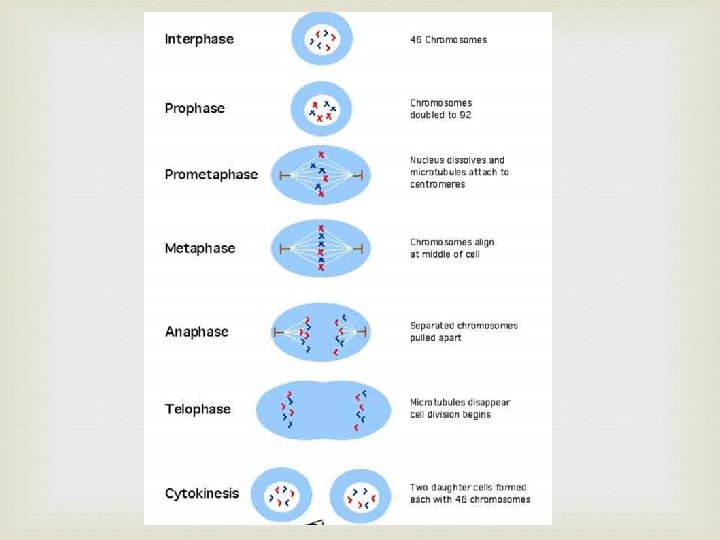
Mitosis Cell divides to make 2 cells Chromosomes occur in pairs in the nucleus The number of pairs of chromosomes is called the diploid.
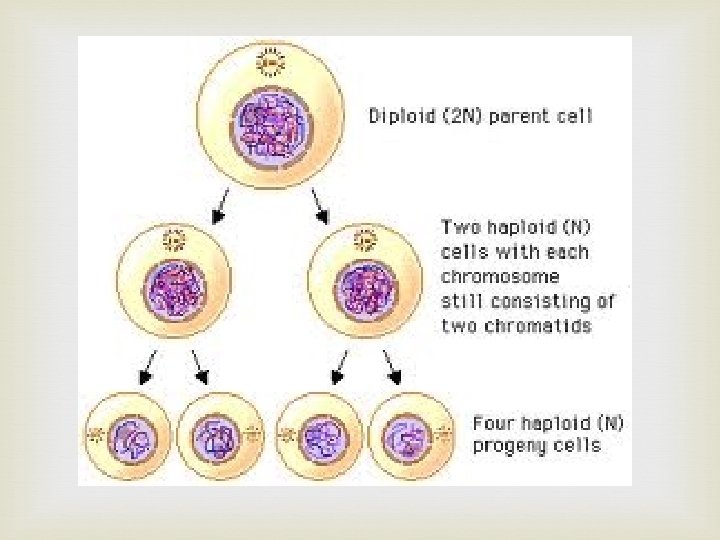
Meiosis Gamete cells contain a haploid number of chromosomes Number of chromosomes in a gamete (n) Zygote occurs when 2 gametes cells (haploid) unite to form one complete cell (diploid)
Traits Dominant traits- cover up or mask the alleles for recessive Co-dominance- both dominant and recessive genes are expressed In-complete Dominance-blending of the allele pair is expressed
Reproduction
What is Reproduction? It occurs when organisms multiply, or produce offspring. Sexual reproduction occurs when a female gamete and a male gamete unite. Asexual reproduction doesn’t involve gametes. (ex. Simple cell division) All common farm animals reproduce by sexual reproduction
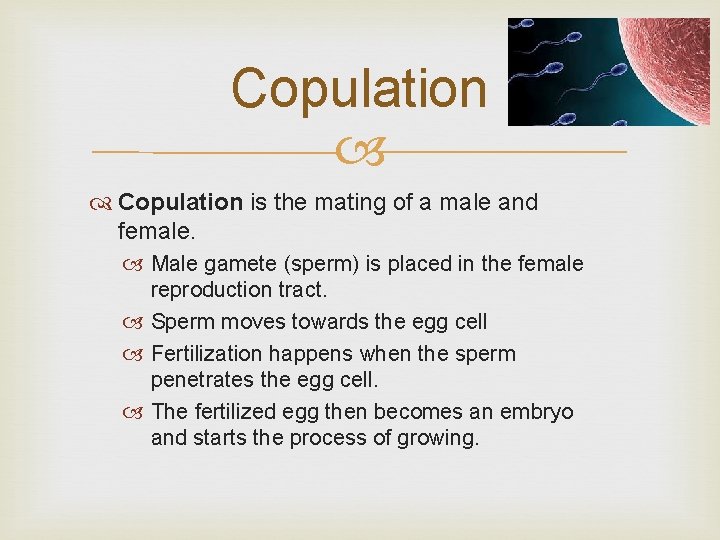
Copulation is the mating of a male and female. Male gamete (sperm) is placed in the female reproduction tract. Sperm moves towards the egg cell Fertilization happens when the sperm penetrates the egg cell. The fertilized egg then becomes an embryo and starts the process of growing.
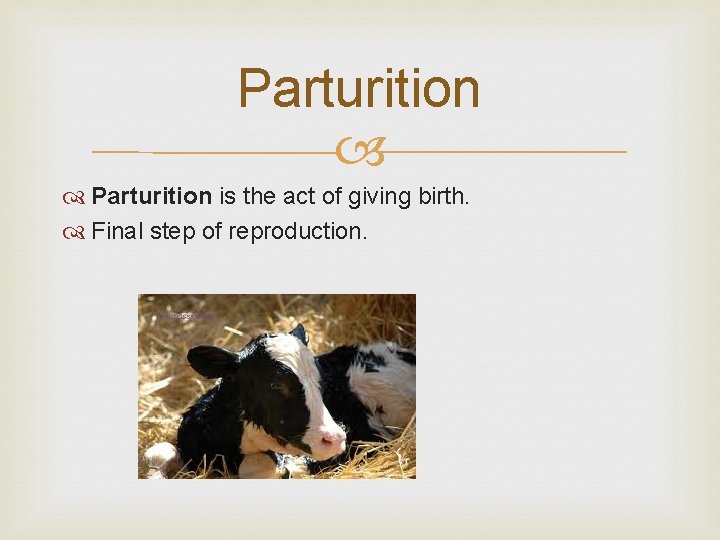
Parturition is the act of giving birth. Final step of reproduction.
Male Reproduction System Scrotum: is a saclike part of the male repro that contains the testicles and the epididymis The testicles are held in the abdominal cavity of the fetus. After the animal is born the testicles will descend into the scrotum. A muscle located in the scrotum allows the scrotum to come close to the body in cold temperatures. The muscle also relaxes in warm temperature allowing the scrotum to hang. Scrotum temperature is slightly below the temperature of the cow. This also spermatogenesis to occur.
Male Reproduction System Epididymis is a long coiled tube that store sperm cells. They are stored in the epididymis while the sperm is mature. Any sperm that has not been moved by ejaculation will be reabsorbed into the body.
Male Reproduction System Urethra is the a tube that carries urine out of the bladder. Found in both male and female mammals In the male mammal both sperm cells and urine pass through the urethra to the end of the penis. Urine is liquid waste that is collected in the bladder.
Male Reproduction System Vas Deferens is a tube that connects the epididymis to the urethra. Sperm cells move through the urethra. The vas deferens are located in a protective sheath called the spermatic cord.
- Slides: 24