
SBI 4 U Biochemistry Macromolecules 1 Carbohydrates Macromolecules
SBI 4 U - Biochemistry Macromolecules 1 Carbohydrates
Macromolecules • macromolecules are large molecules that are often composed of repeating sub-units • some of the biologically important macromolecules are: – carbohydrates – proteins -lipids -nucleic acids
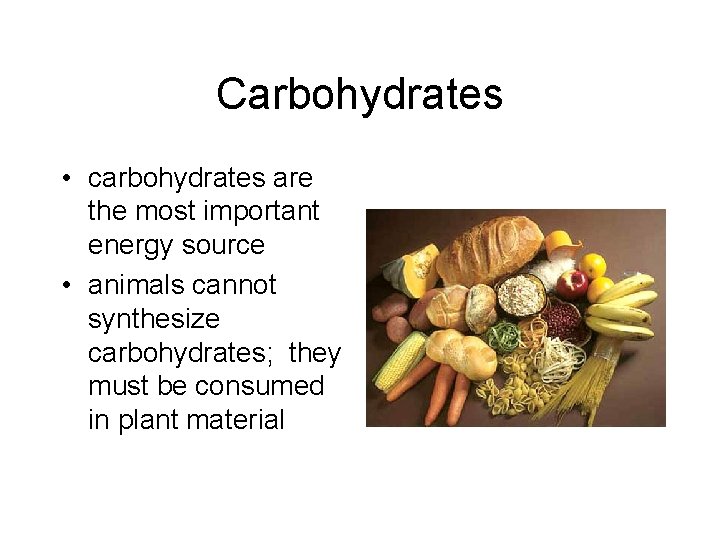
Carbohydrates • carbohydrates are the most important energy source • animals cannot synthesize carbohydrates; they must be consumed in plant material
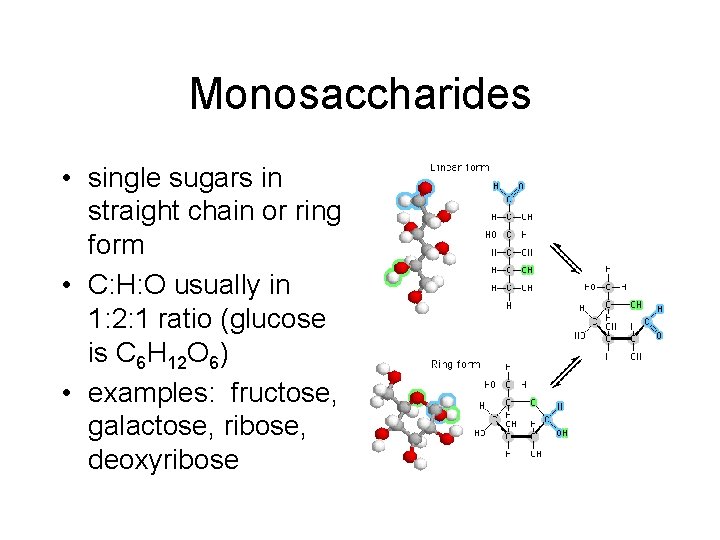
Monosaccharides • single sugars in straight chain or ring form • C: H: O usually in 1: 2: 1 ratio (glucose is C 6 H 12 O 6) • examples: fructose, galactose, ribose, deoxyribose
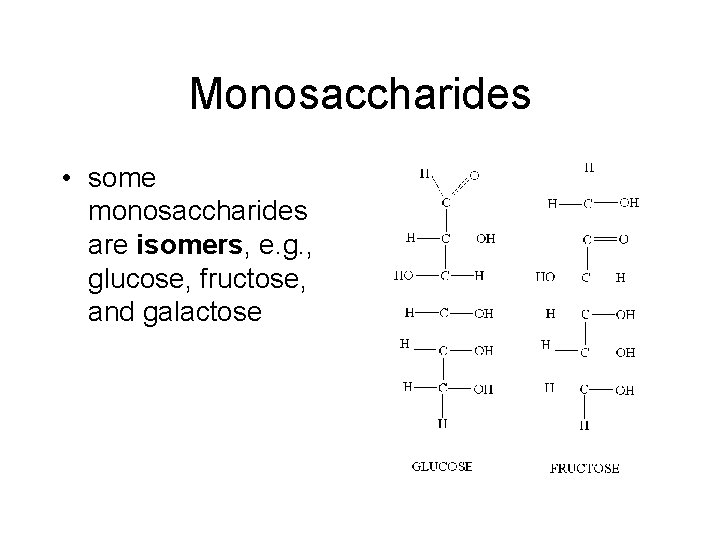
Monosaccharides • some monosaccharides are isomers, e. g. , glucose, fructose, and galactose
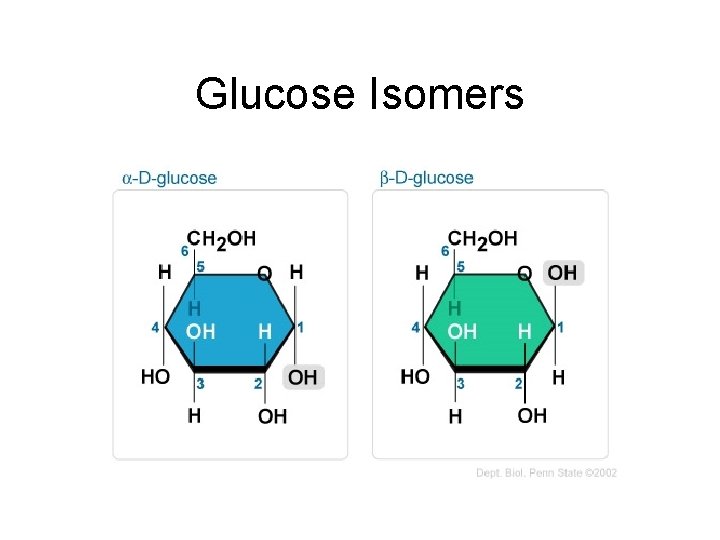
Glucose Isomers
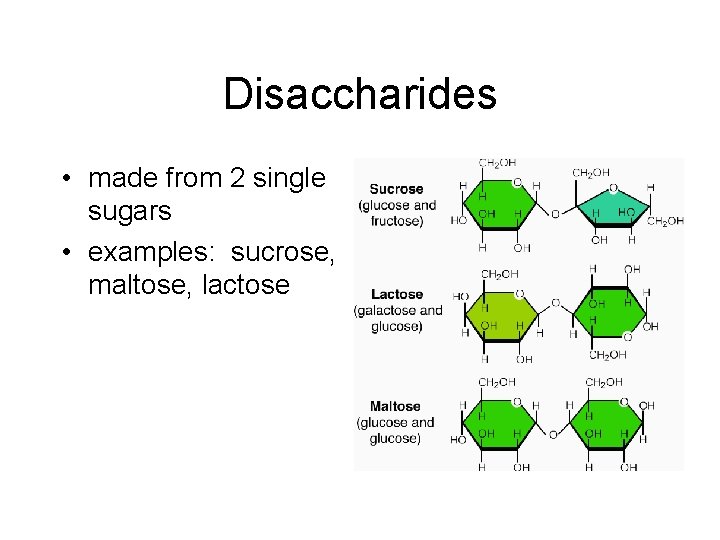
Disaccharides • made from 2 single sugars • examples: sucrose, maltose, lactose
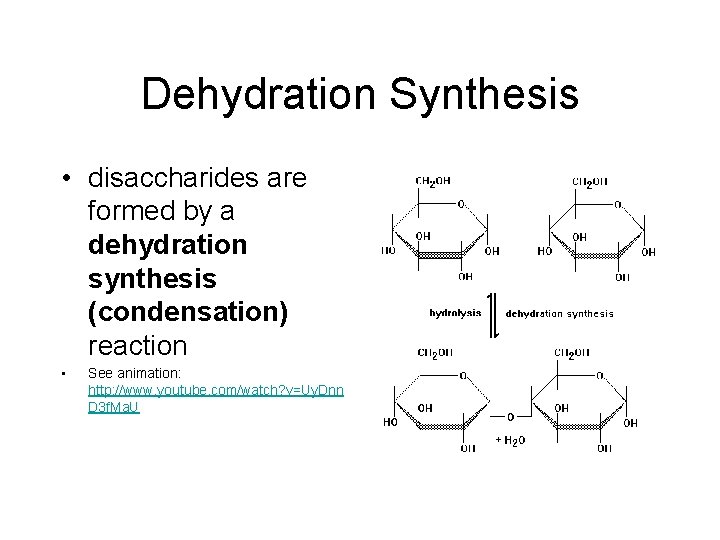
Dehydration Synthesis • disaccharides are formed by a dehydration synthesis (condensation) reaction • See animation: http: //www. youtube. com/watch? v=Uy. Dnn D 3 f. Ma. U
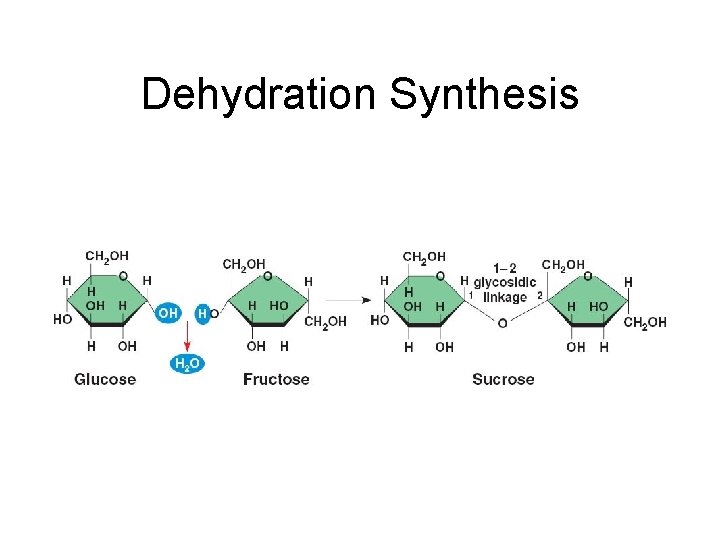
Dehydration Synthesis
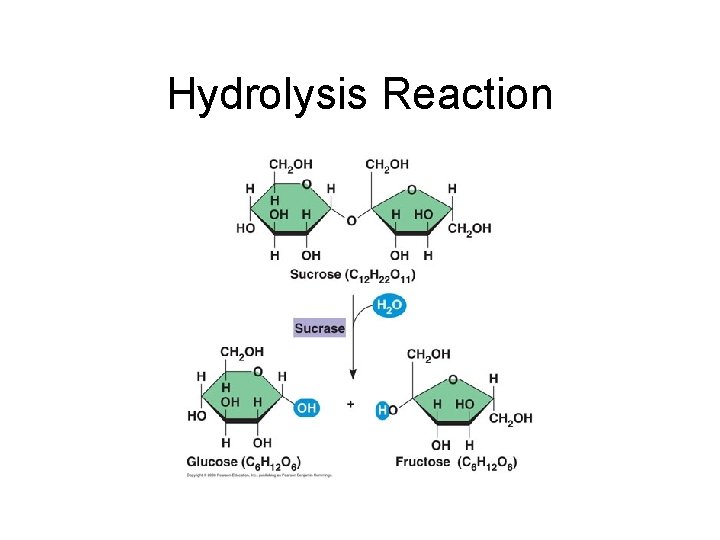
Hydrolysis Reaction
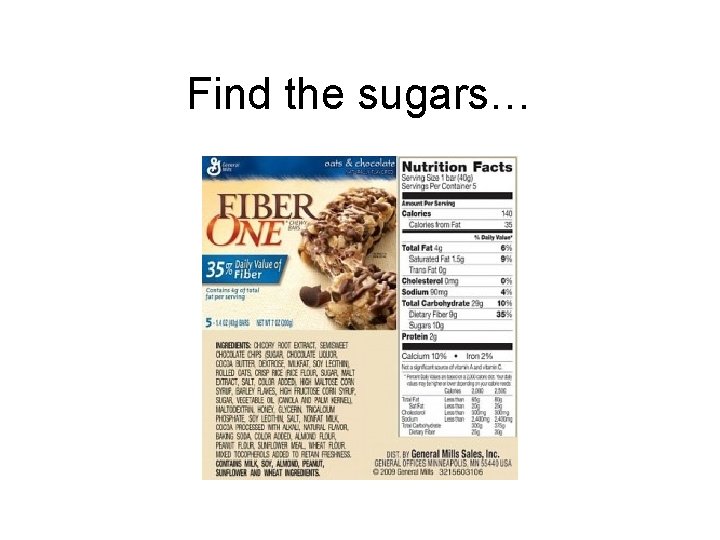
Find the sugars…
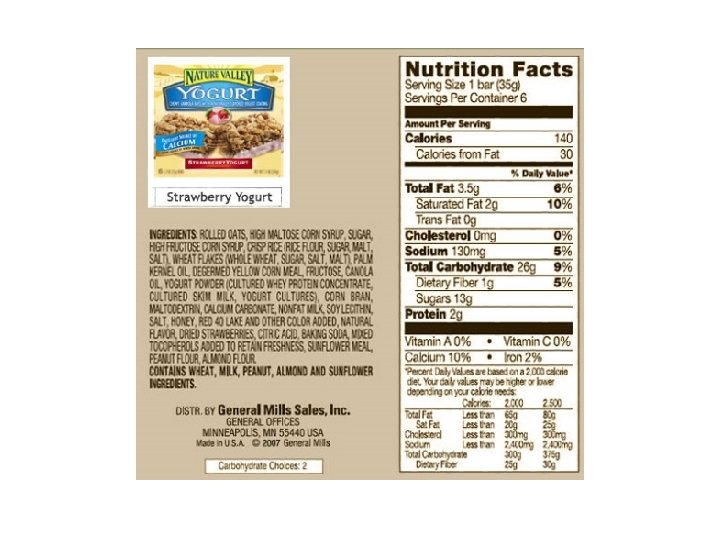
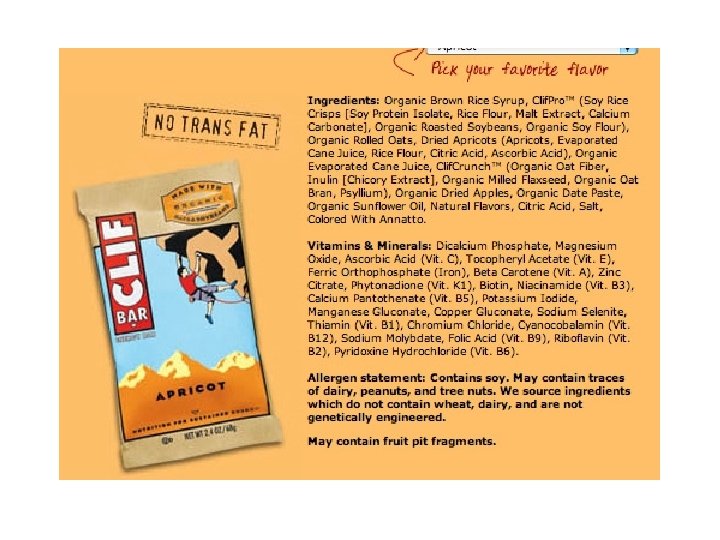
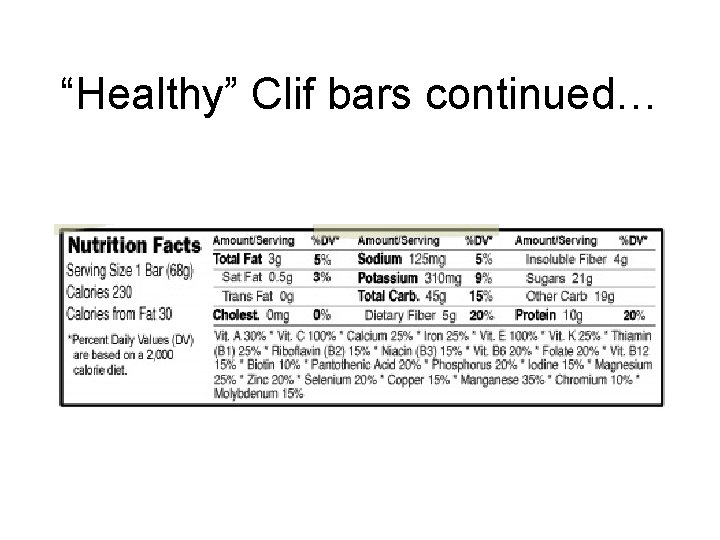
“Healthy” Clif bars continued…
Polysaccharides • oligosaccharides are shorter-chain sugars with 3 -10 single sugars • longer chain carbohydrates are called polysaccharides • examples: starch, cellulose, glycogen, chitin
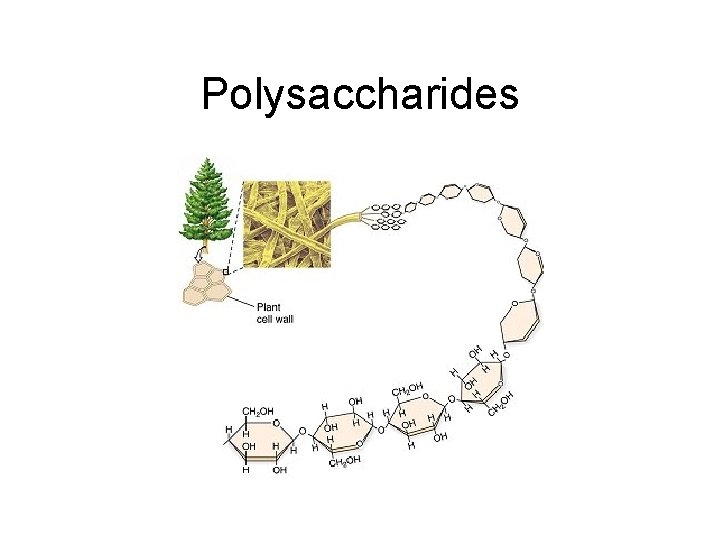
Polysaccharides
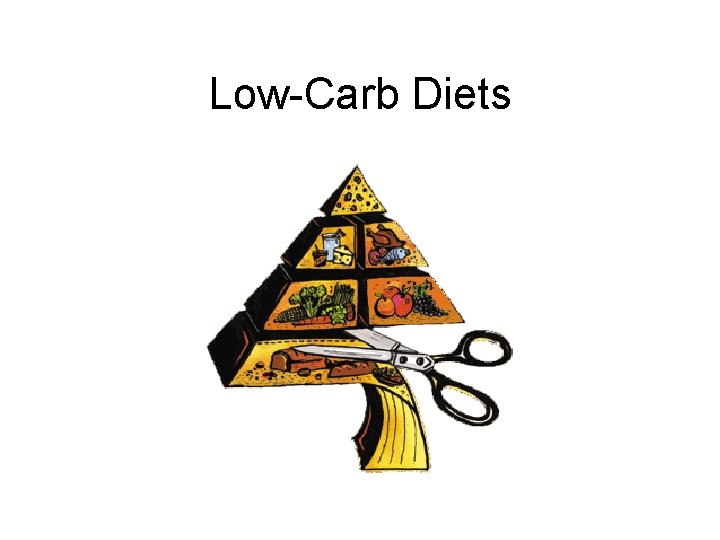
Low-Carb Diets
Low-Carb Diets • Names of popular low-carb-diets? • What kinds of foods are you allowed/not allowed to eat? • What are the benefits of the diet? • What are possible risks of the diet?
- Slides: 18