
SAN LORENZO LAGOON HOW DOES IT WORK 2016
- Slides: 42
SAN LORENZO LAGOON: HOW DOES IT WORK? 2016 State of the San Lorenzo River Symposium Dr. David Revell revellcoastal@gmail. com 5/21/2016
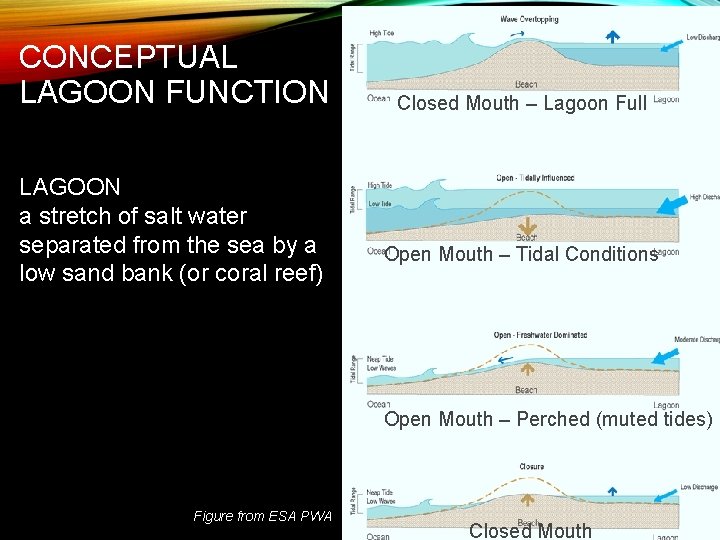
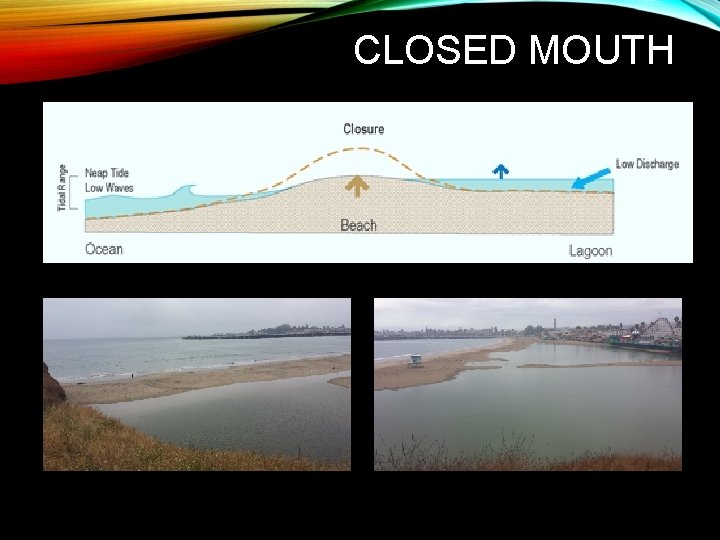
CONCEPTUAL LAGOON FUNCTION LAGOON a stretch of salt water separated from the sea by a low sand bank (or coral reef) Closed Mouth – Lagoon Full Open Mouth – Tidal Conditions Open Mouth – Perched (muted tides) Figure from ESA PWA Closed Mouth
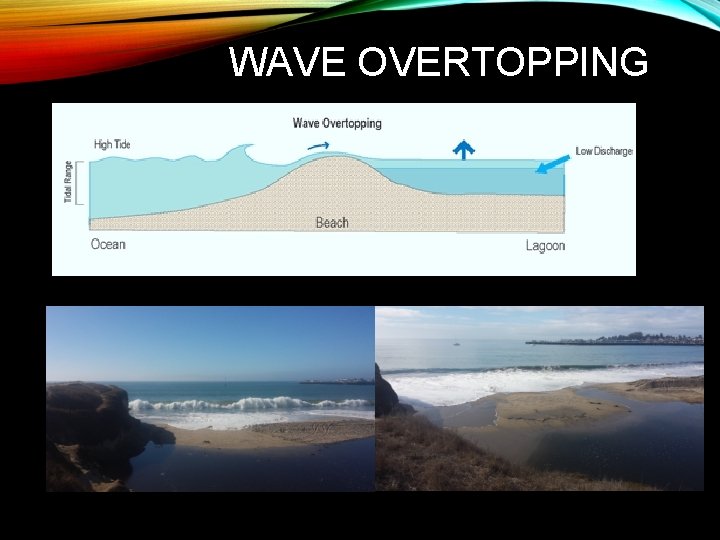
WAVE OVERTOPPING
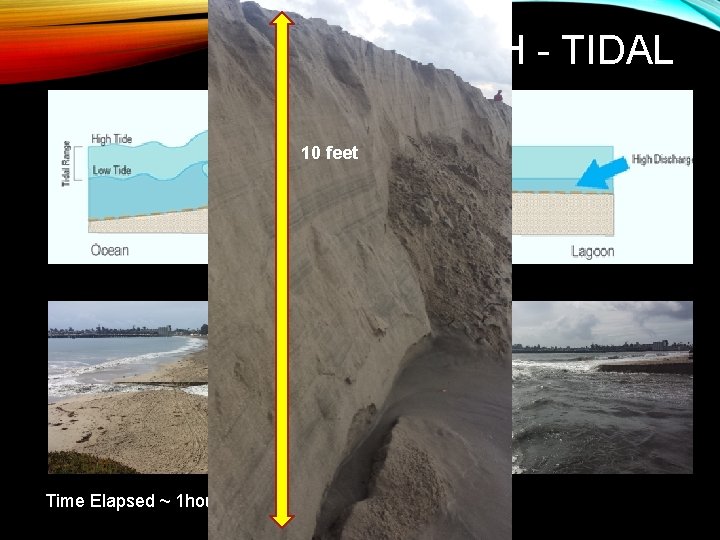
OPEN MOUTH - TIDAL 10 feet Time Elapsed ~ 1 hour
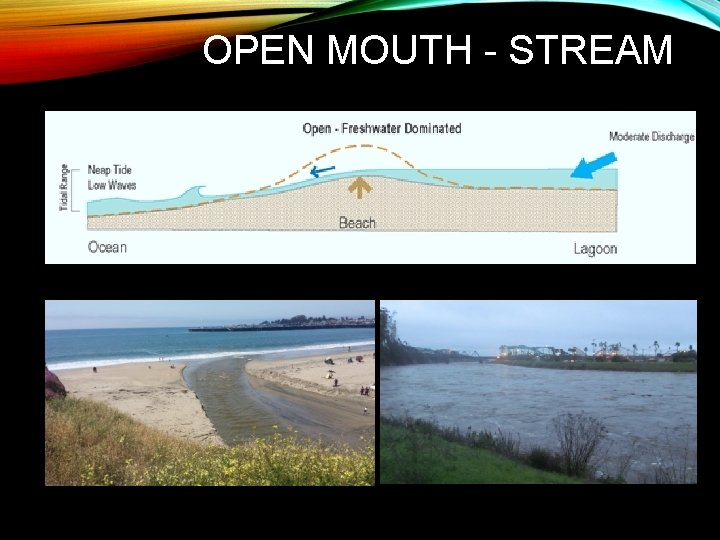
OPEN MOUTH - STREAM
CLOSED MOUTH
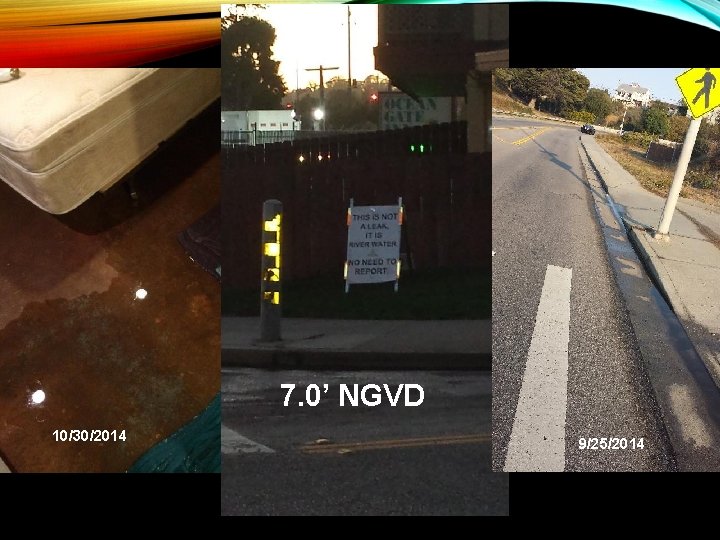
7. 0’ NGVD 10/30/2014 9/25/2014
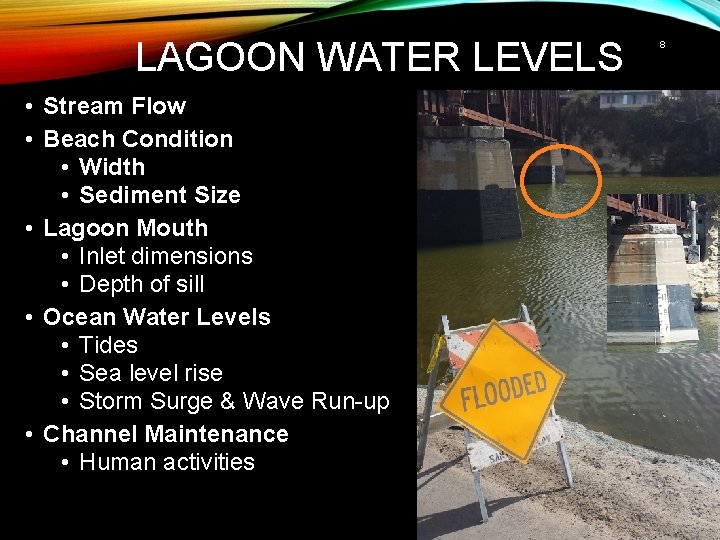
LAGOON WATER LEVELS • Stream Flow • Beach Condition • Width • Sediment Size • Lagoon Mouth • Inlet dimensions • Depth of sill • Ocean Water Levels • Tides • Sea level rise • Storm Surge & Wave Run-up • Channel Maintenance • Human activities 8
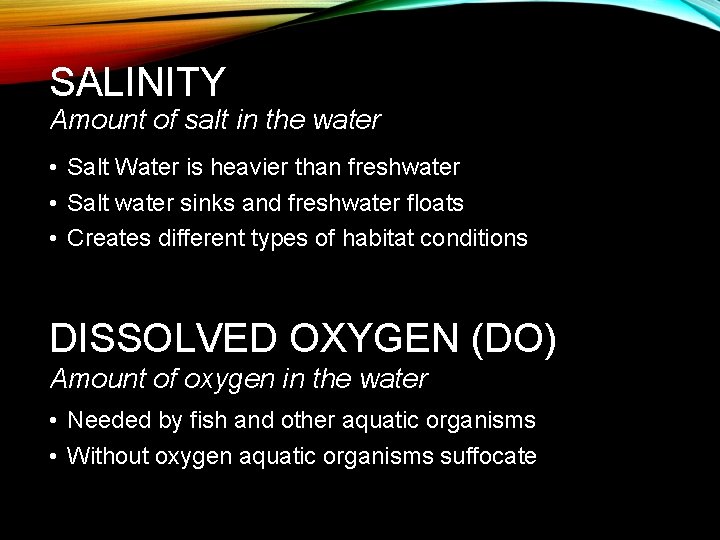
SALINITY Amount of salt in the water • Salt Water is heavier than freshwater • Salt water sinks and freshwater floats • Creates different types of habitat conditions DISSOLVED OXYGEN (DO) Amount of oxygen in the water • Needed by fish and other aquatic organisms • Without oxygen aquatic organisms suffocate
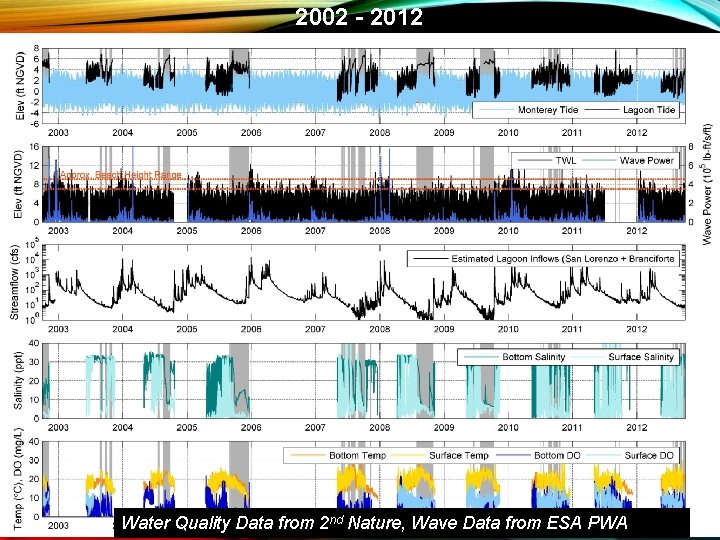
2002 - 2012 Water Quality Data from 2 nd Nature, Wave Data from ESA PWA
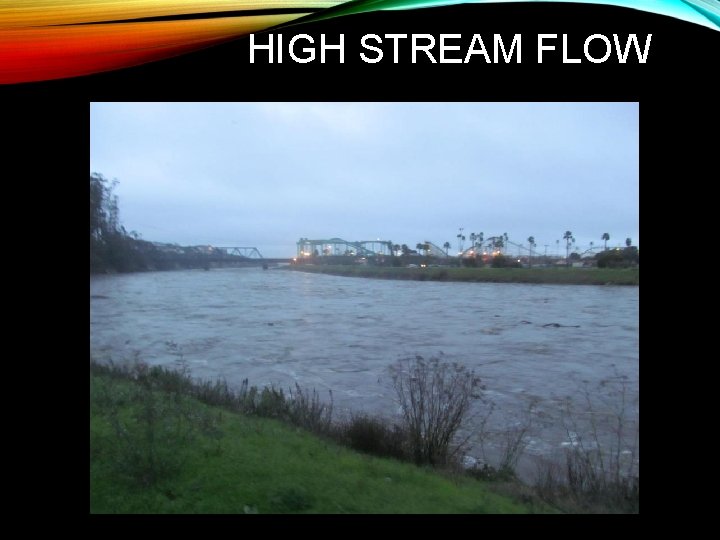
HIGH STREAM FLOW
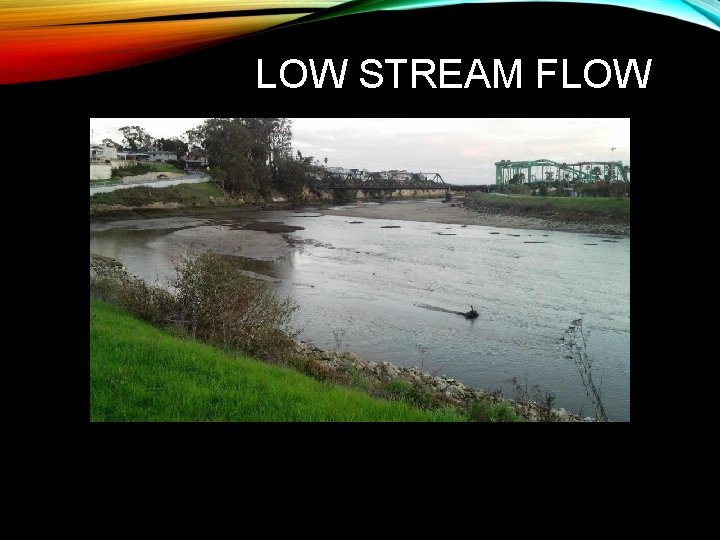
LOW STREAM FLOW
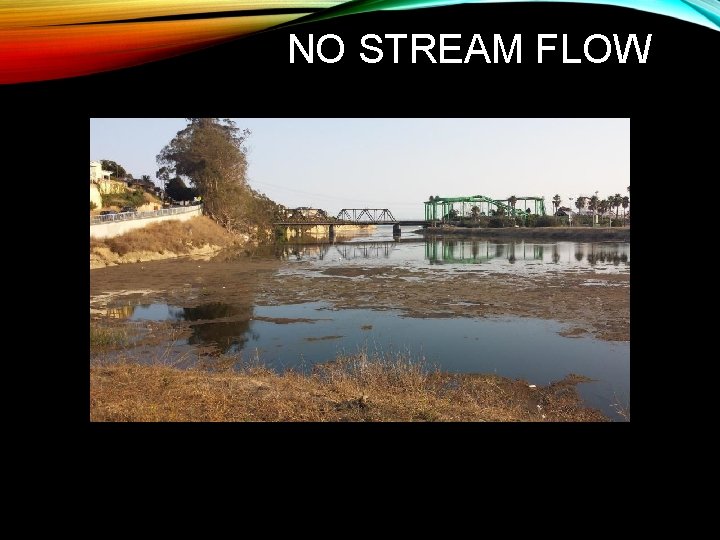
NO STREAM FLOW
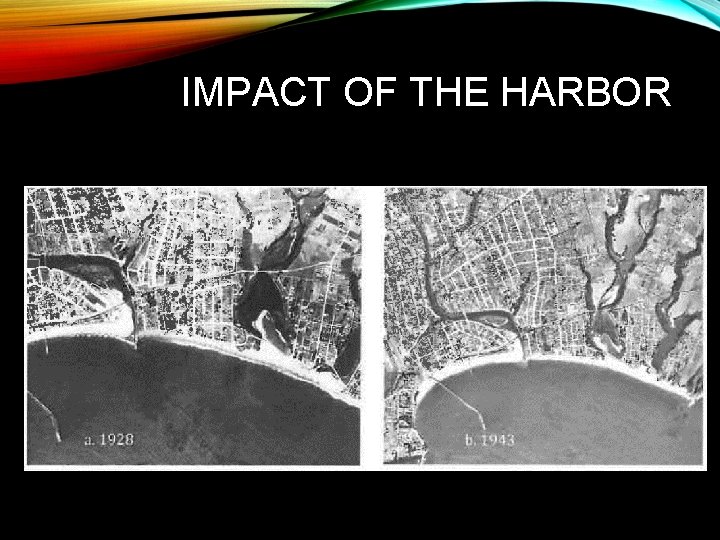
IMPACT OF THE HARBOR
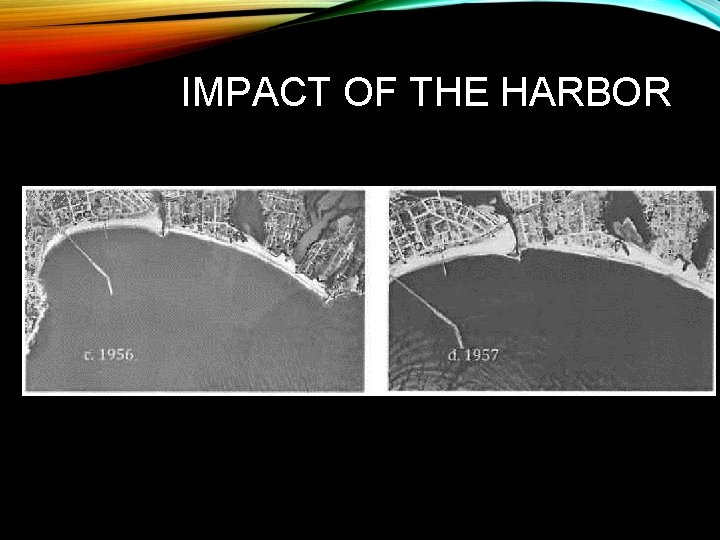
IMPACT OF THE HARBOR
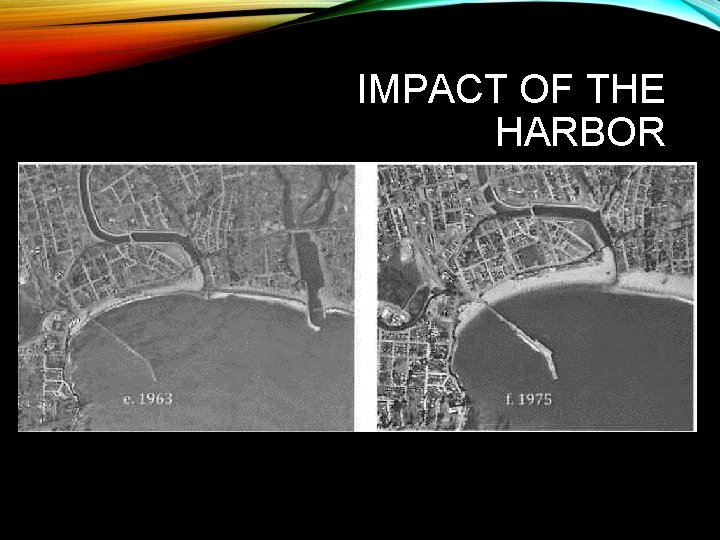
IMPACT OF THE HARBOR
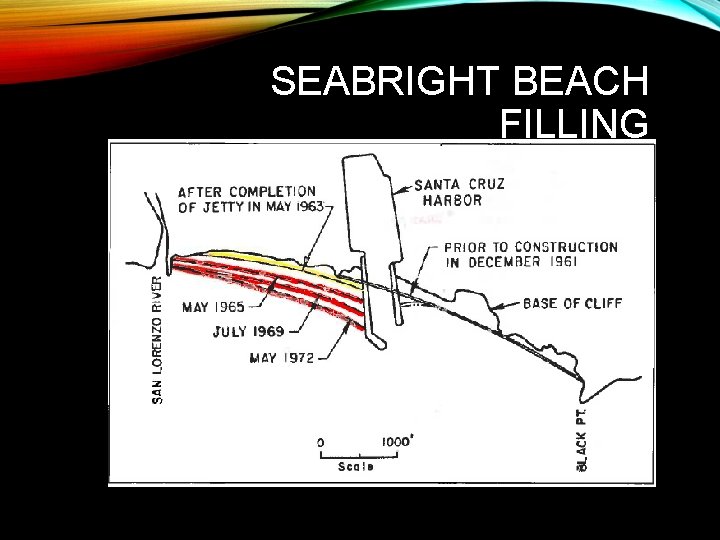
SEABRIGHT BEACH FILLING
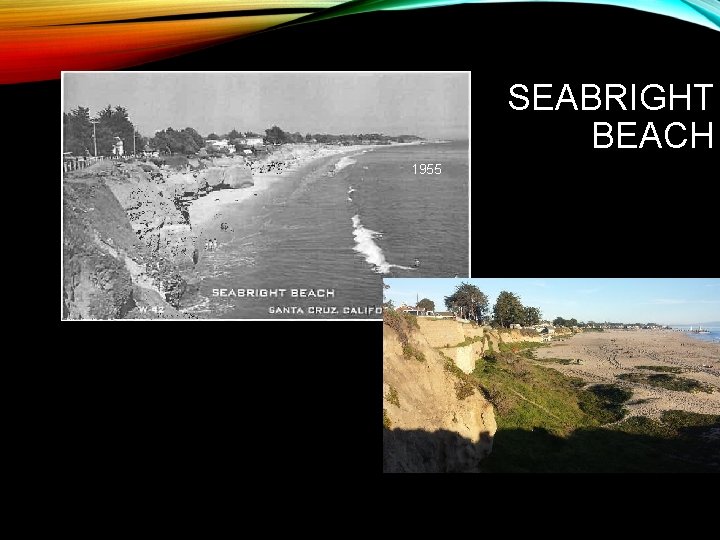
SEABRIGHT BEACH 1955
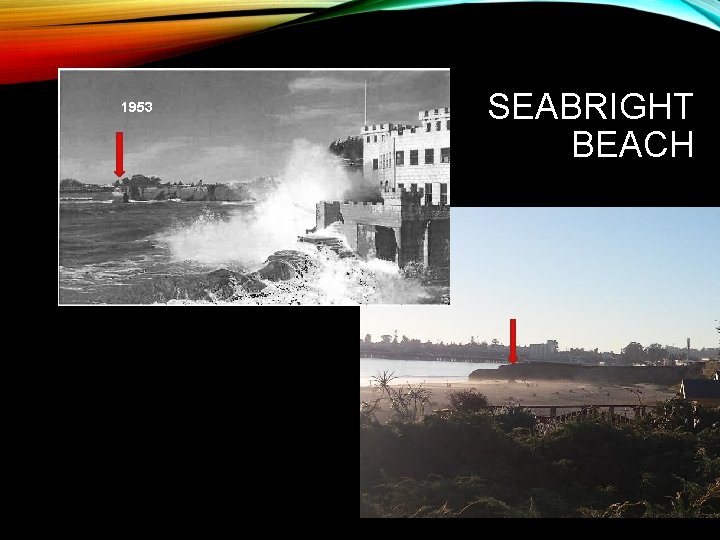
1953 SEABRIGHT BEACH
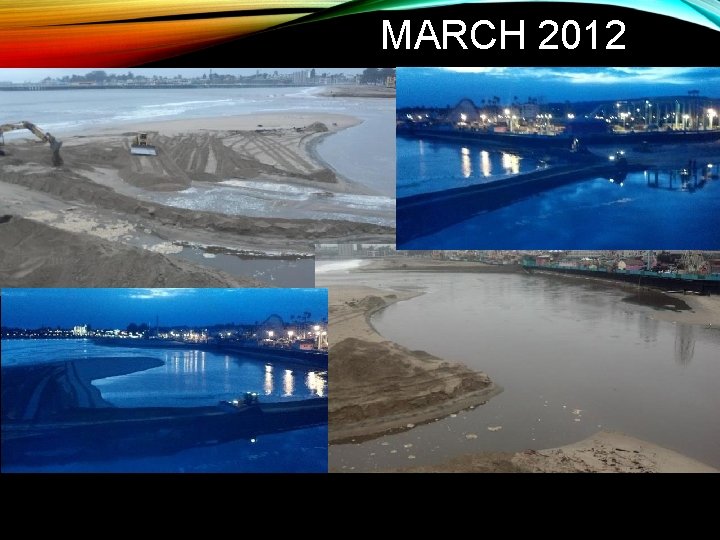
MARCH 2012
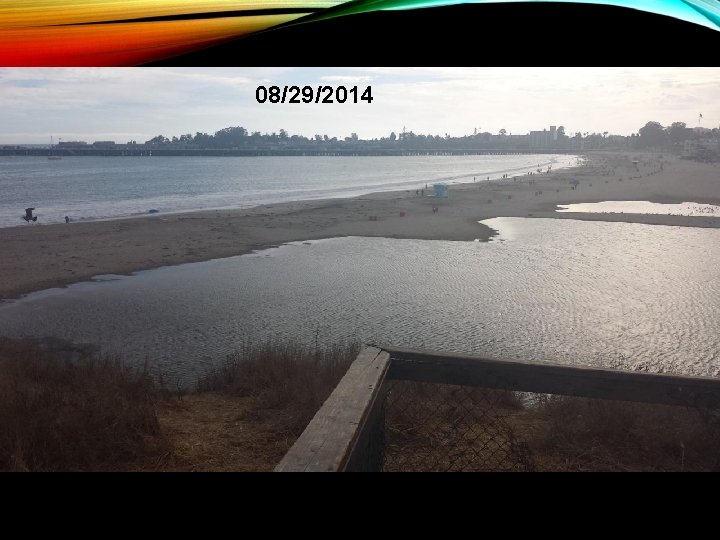
08/29/2014
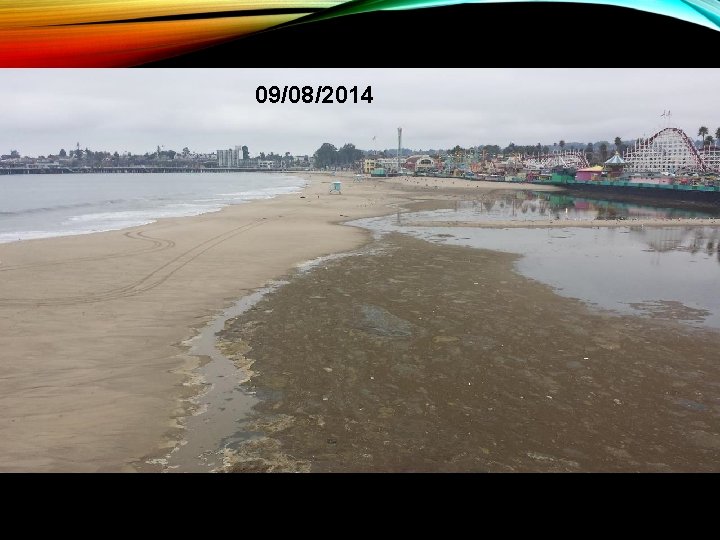
09/08/2014
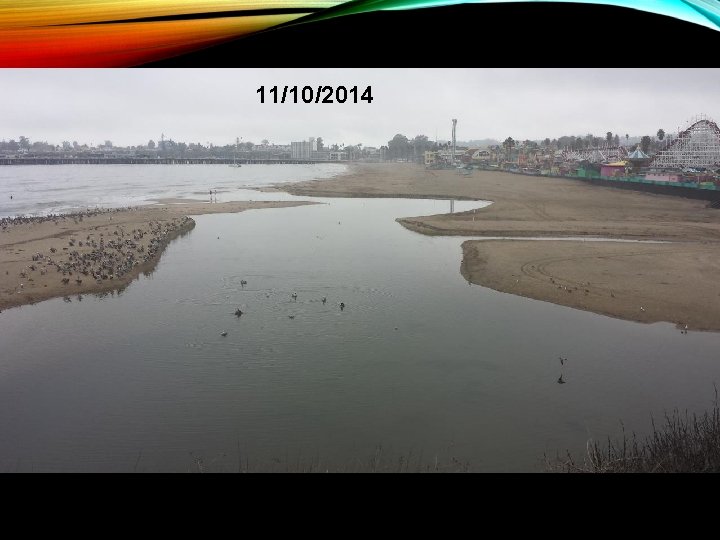
11/10/2014
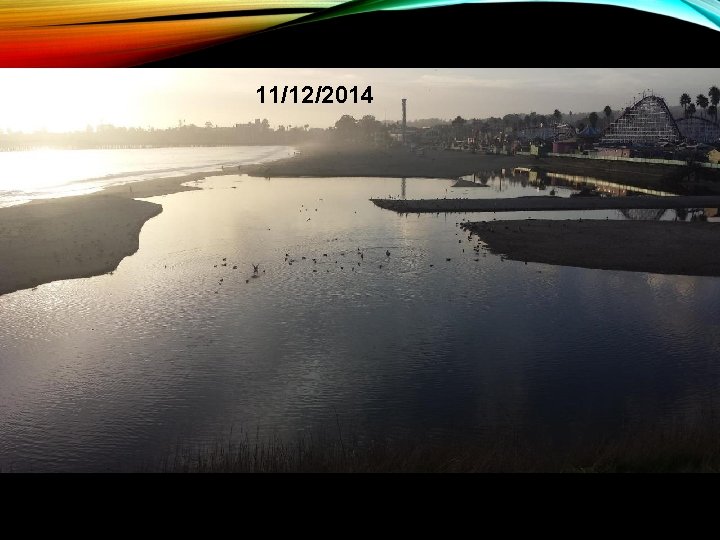
11/12/2014
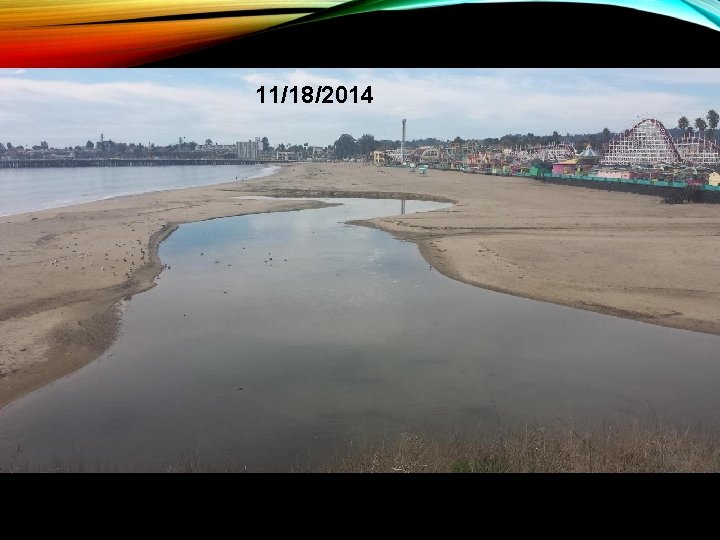
11/18/2014
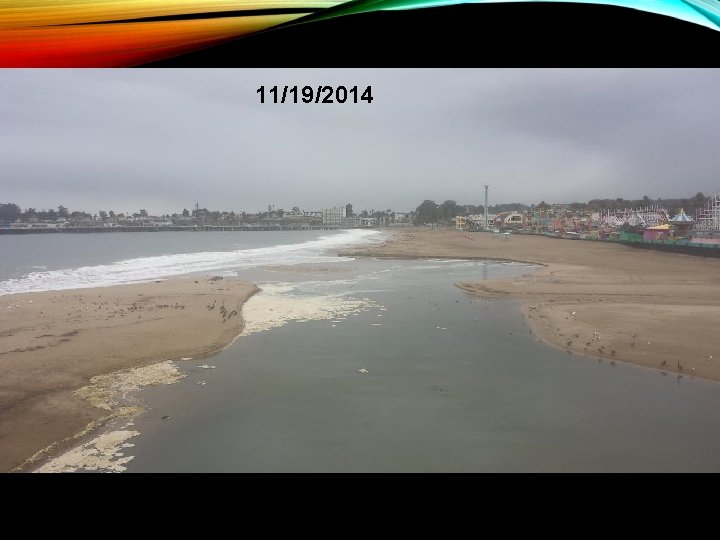
11/19/2014
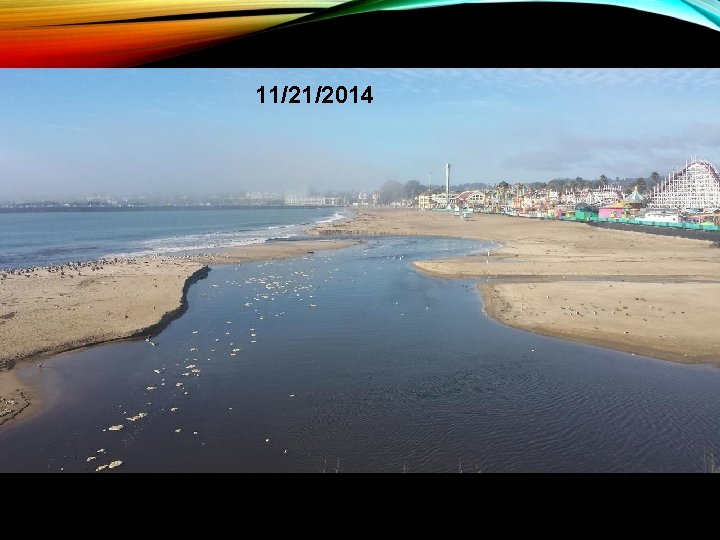
11/21/2014
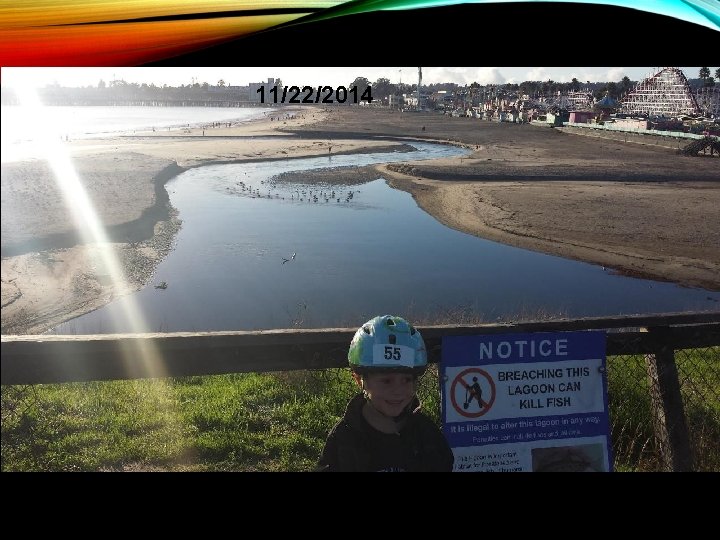
11/22/2014
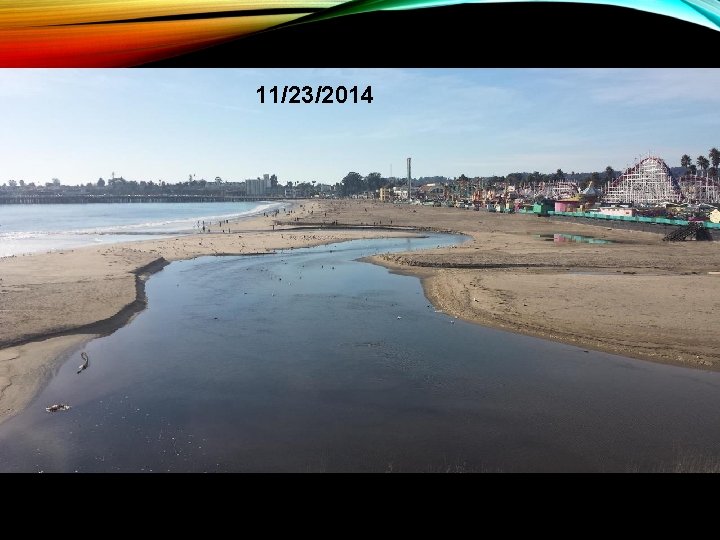
11/23/2014
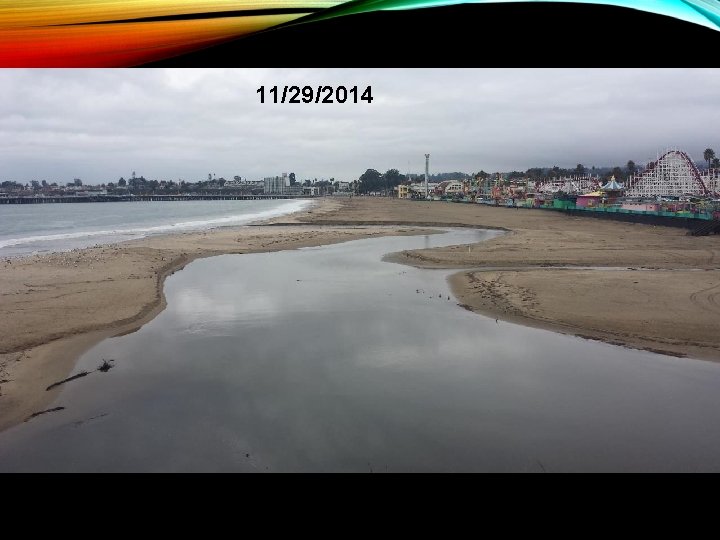
11/29/2014
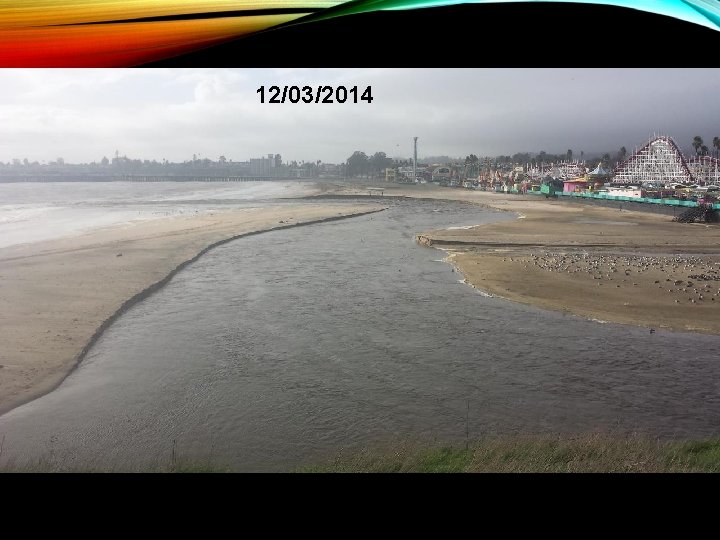
12/03/2014
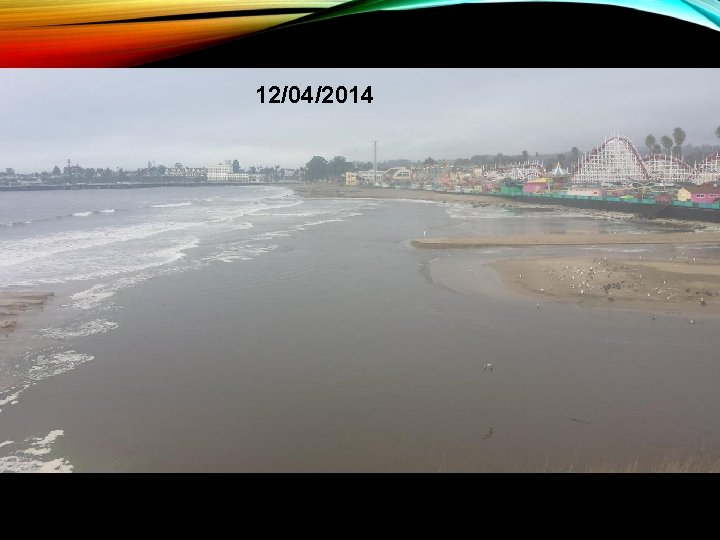
12/04/2014
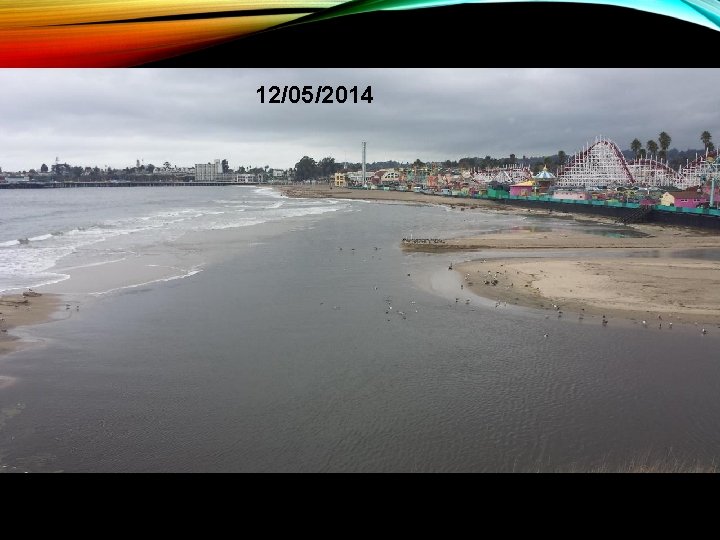
12/05/2014
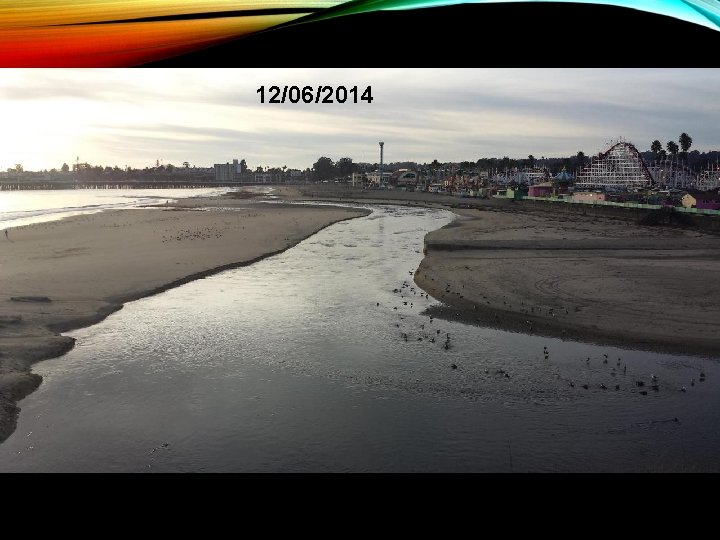
12/06/2014
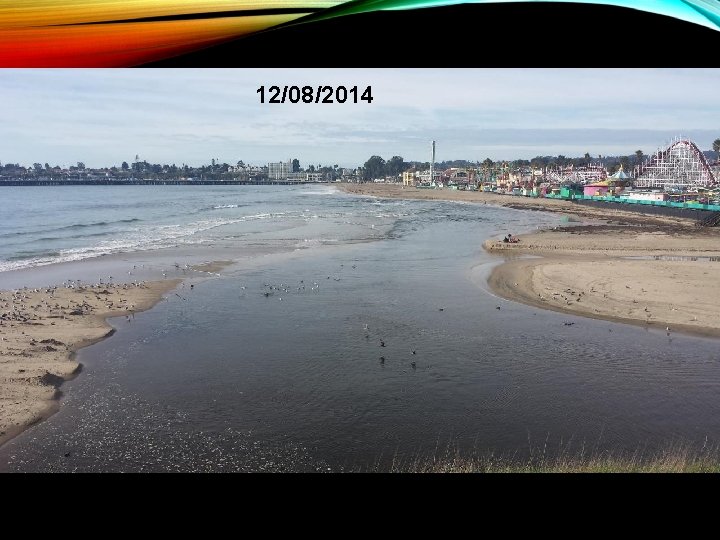
12/08/2014
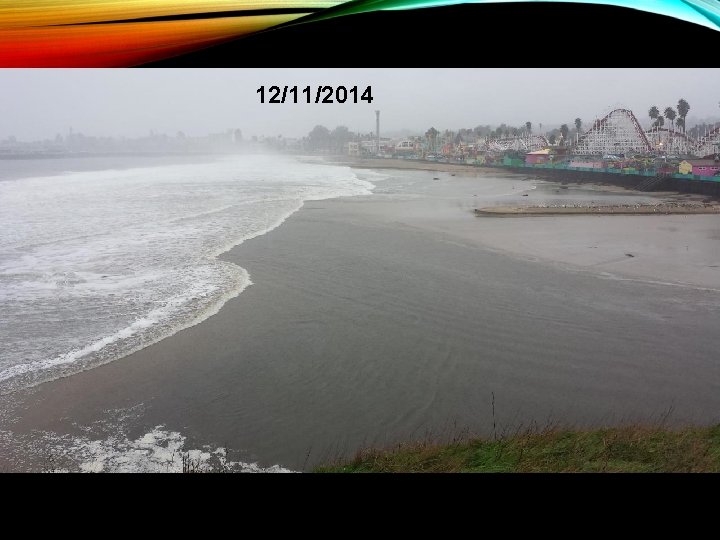
12/11/2014
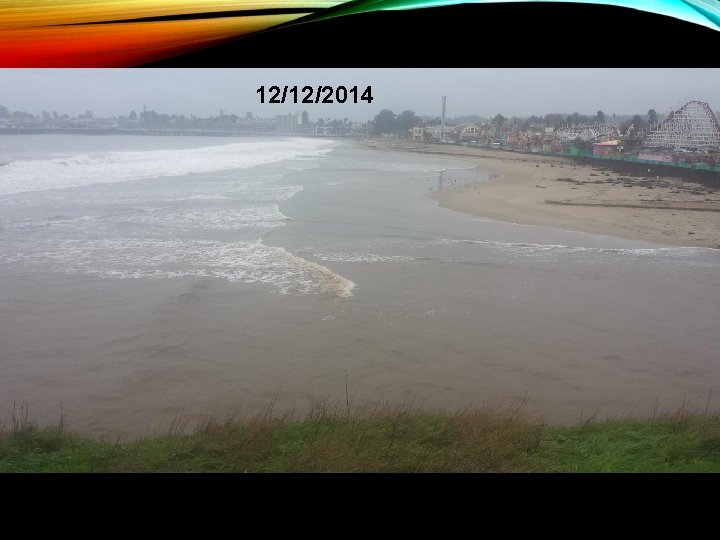
12/12/2014
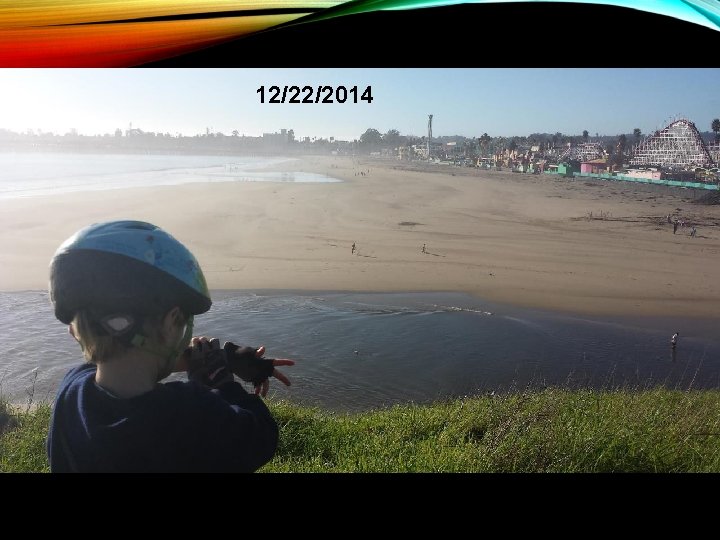
12/22/2014
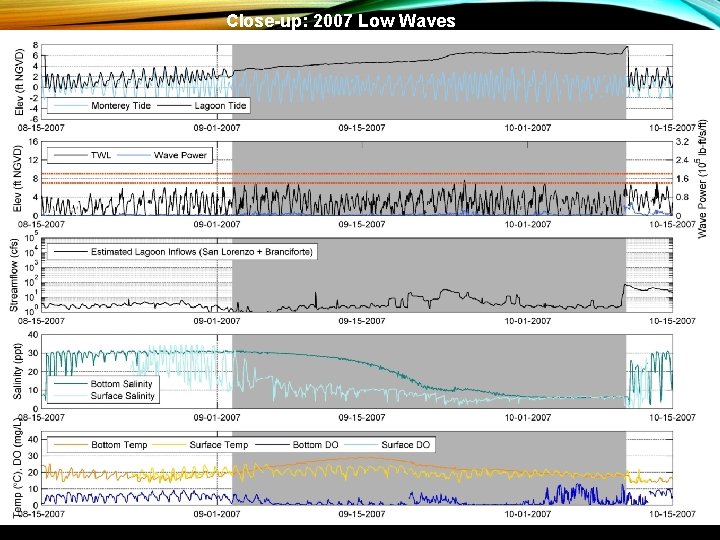
Close-up: 2007 Low Waves
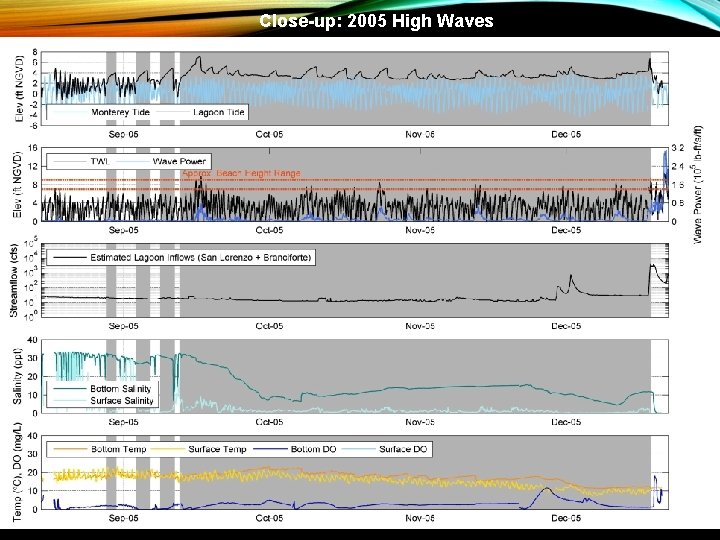
Close-up: 2005 High Waves
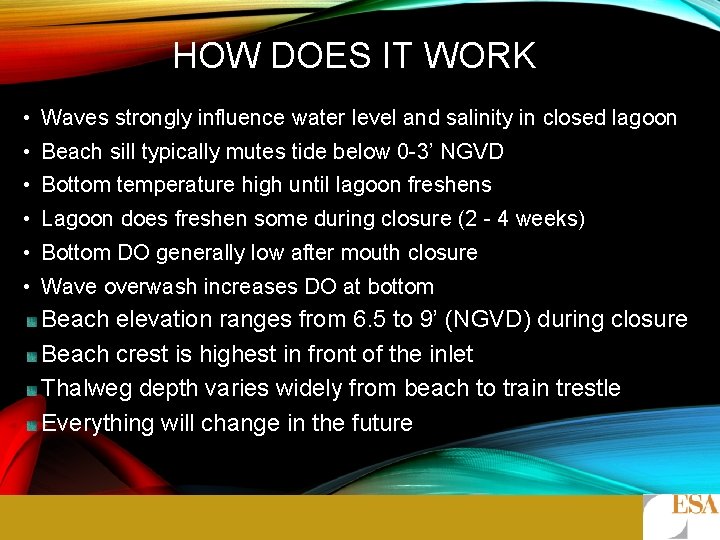
HOW DOES IT WORK • Waves strongly influence water level and salinity in closed lagoon • Beach sill typically mutes tide below 0 -3’ NGVD • Bottom temperature high until lagoon freshens • Lagoon does freshen some during closure (2 - 4 weeks) • Bottom DO generally low after mouth closure • Wave overwash increases DO at bottom Beach elevation ranges from 6. 5 to 9’ (NGVD) during closure Beach crest is highest in front of the inlet Thalweg depth varies widely from beach to train trestle Everything will change in the future
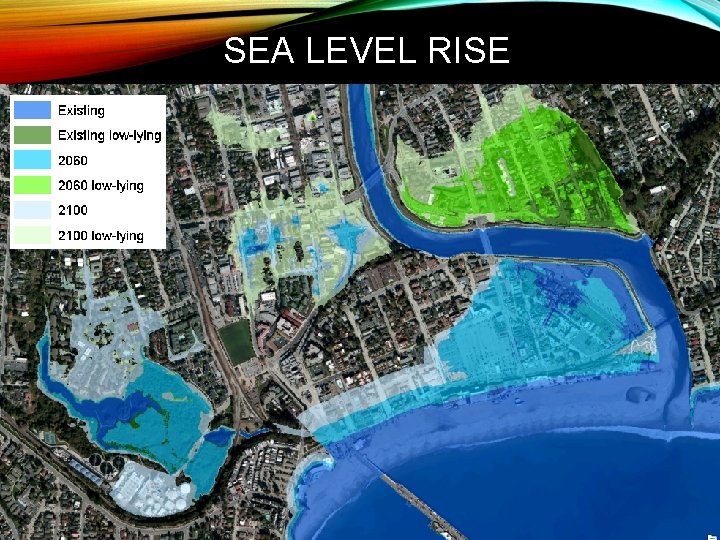
SEA LEVEL RISE