
SAMPEX PET ProtonElectron Telescope Light Isotope and Electron




- Slides: 20
SAMPEX PET (Proton/Electron Telescope) Light Isotope and Electron Data Mark Looper The Aerospace Corporation
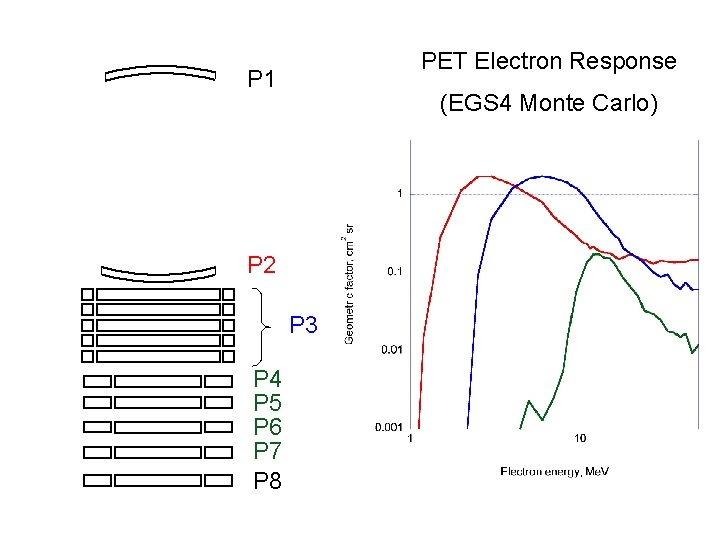
PET Electron Response P 1 (EGS 4 Monte Carlo) P 2 P 3 P 4 P 5 P 6 P 7 P 8
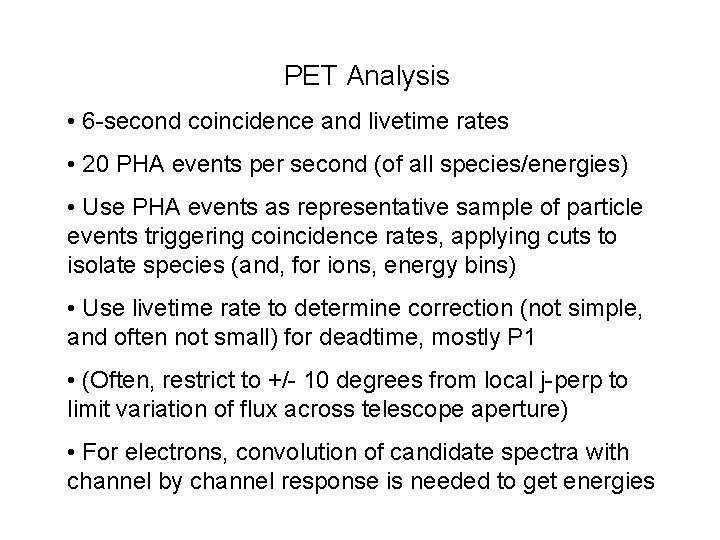
PET Analysis • 6 -second coincidence and livetime rates • 20 PHA events per second (of all species/energies) • Use PHA events as representative sample of particle events triggering coincidence rates, applying cuts to isolate species (and, for ions, energy bins) • Use livetime rate to determine correction (not simple, and often not small) for deadtime, mostly P 1 • (Often, restrict to +/- 10 degrees from local j-perp to limit variation of flux across telescope aperture) • For electrons, convolution of candidate spectra with channel by channel response is needed to get energies
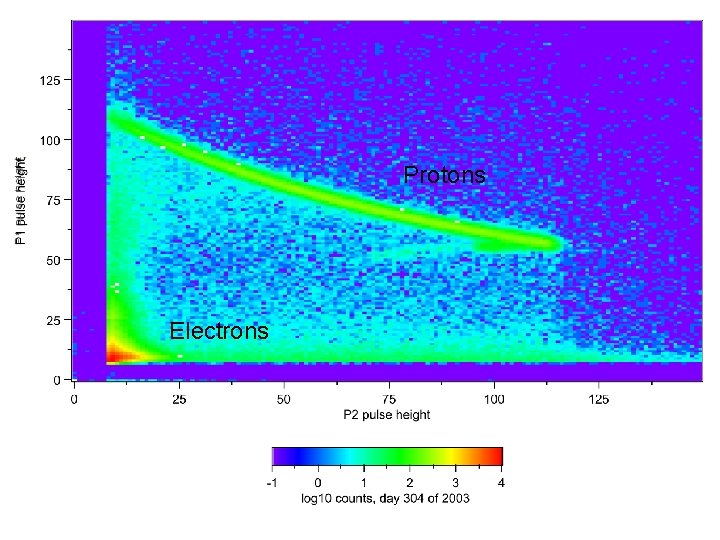
Protons Electrons
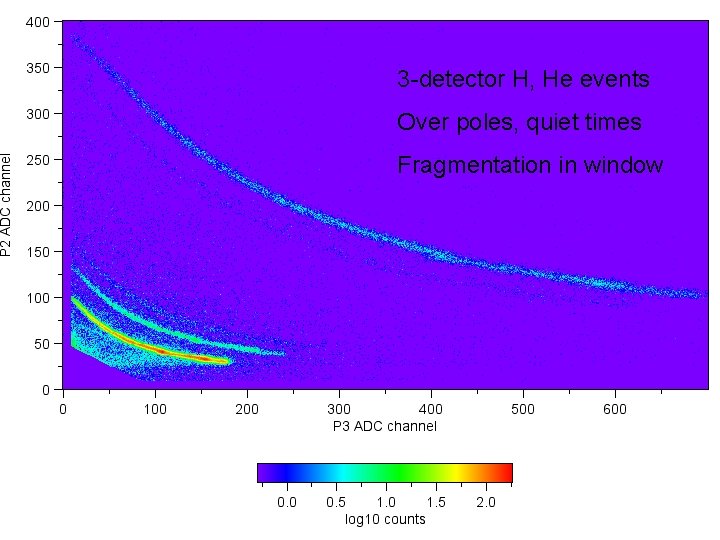
3 -detector H, He events Over poles, quiet times Fragmentation in window
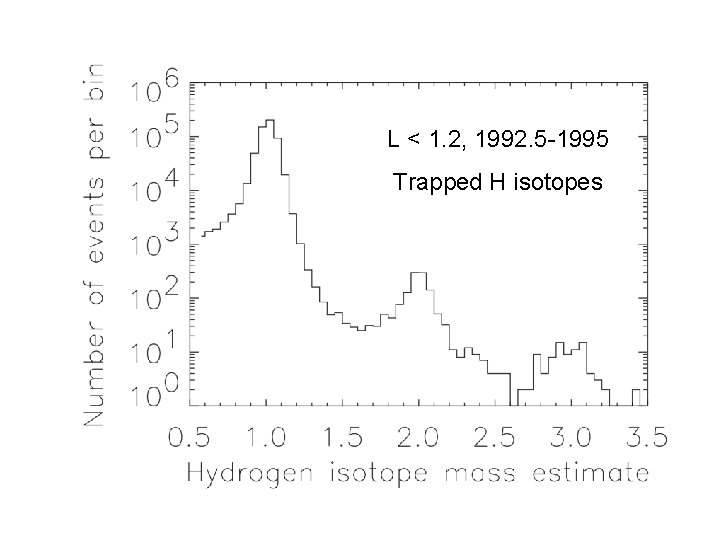
L < 1. 2, 1992. 5 -1995 Trapped H isotopes
Protons & electrons stopping in P 4 -P 7
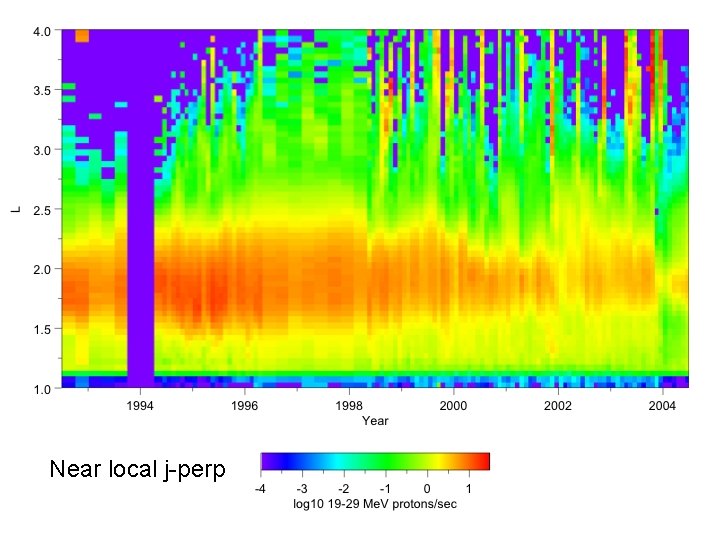
Near local j-perp
Near local j-perp
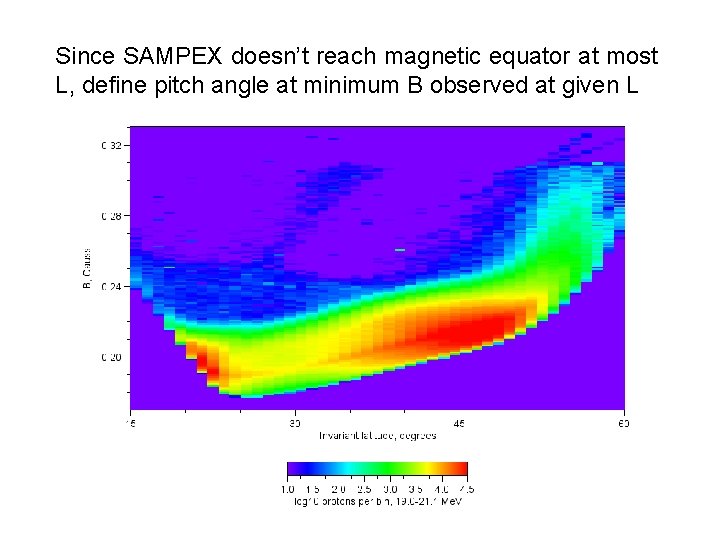
Since SAMPEX doesn’t reach magnetic equator at most L, define pitch angle at minimum B observed at given L
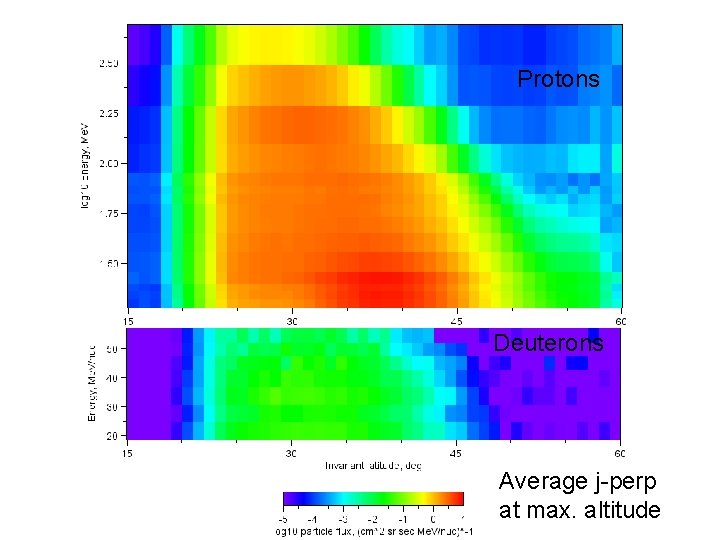
Protons Deuterons Average j-perp at max. altitude
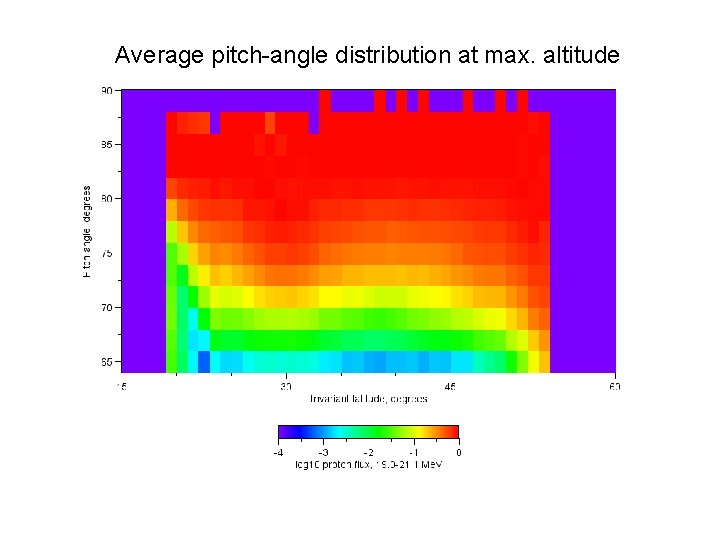
Average pitch-angle distribution at max. altitude
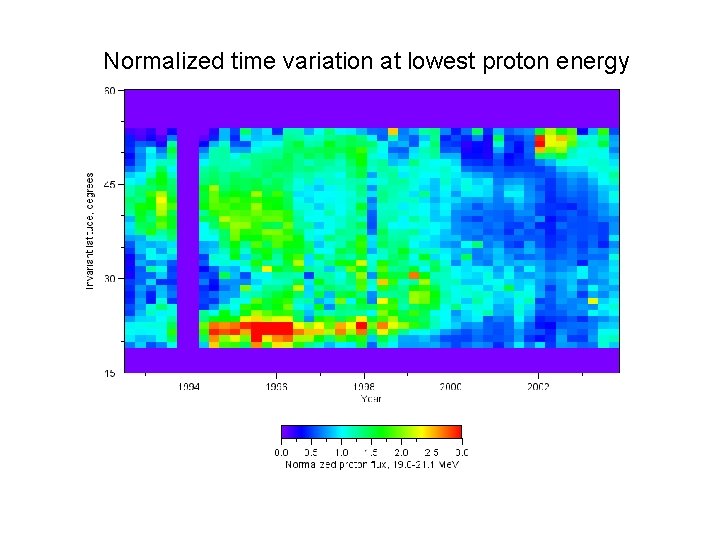
Normalized time variation at lowest proton energy
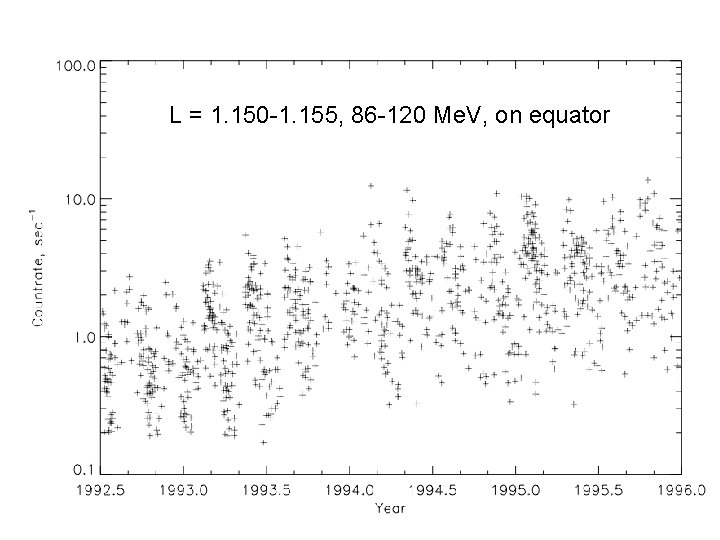
L = 1. 150 -1. 155, 86 -120 Me. V, on equator
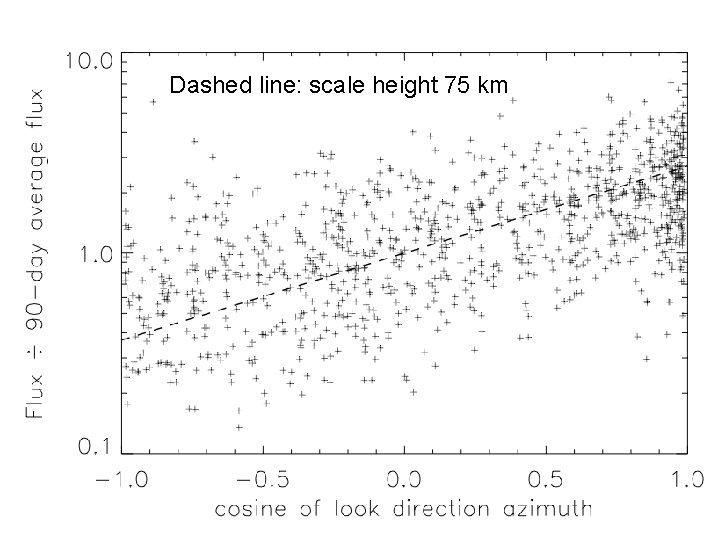
Dashed line: scale height 75 km
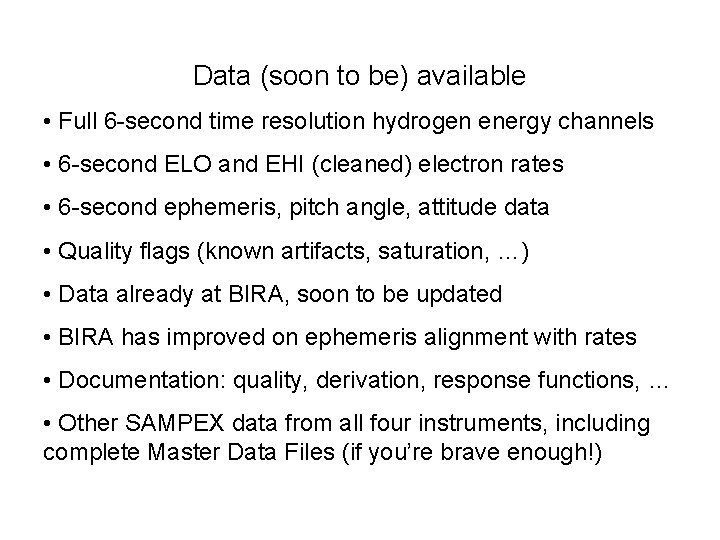
Data (soon to be) available • Full 6 -second time resolution hydrogen energy channels • 6 -second ELO and EHI (cleaned) electron rates • 6 -second ephemeris, pitch angle, attitude data • Quality flags (known artifacts, saturation, …) • Data already at BIRA, soon to be updated • BIRA has improved on ephemeris alignment with rates • Documentation: quality, derivation, response functions, … • Other SAMPEX data from all four instruments, including complete Master Data Files (if you’re brave enough!)