
SALT WATER LIFE ZONES COASTAL ZONE Supratidal mark
- Slides: 19
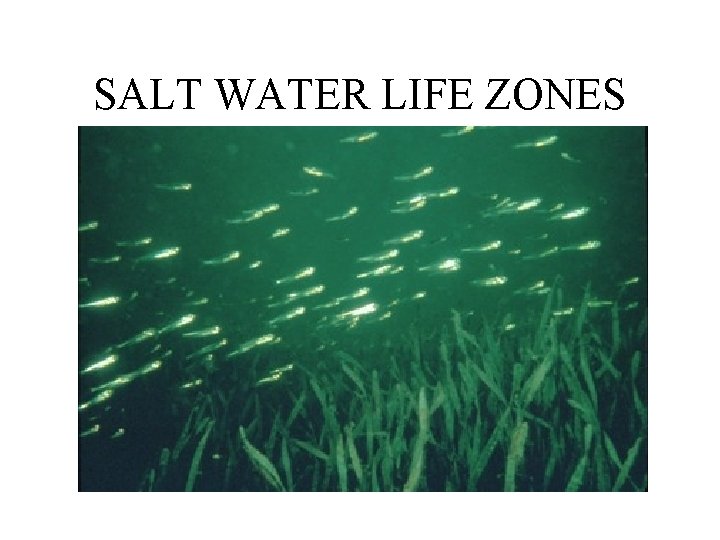
SALT WATER LIFE ZONES
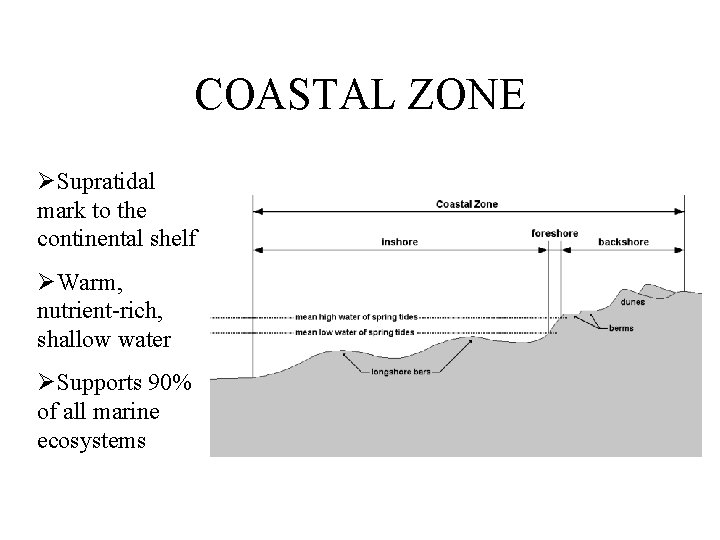
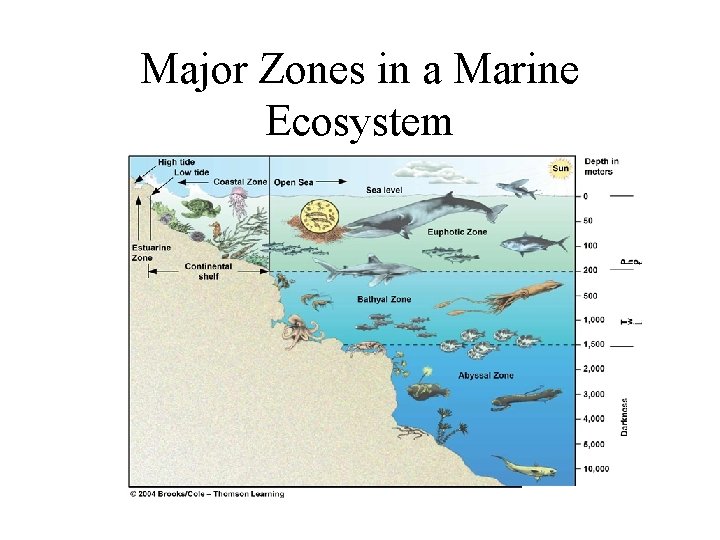
COASTAL ZONE ØSupratidal mark to the continental shelf ØWarm, nutrient-rich, shallow water ØSupports 90% of all marine ecosystems
TYPES OF SALT WATER LIFE ZONES ØEstuaries and Tidal ØCoastal Wetlands ØRocky Shores ØBarrier Islands ØCoral Reefs ØMangrove Swamps
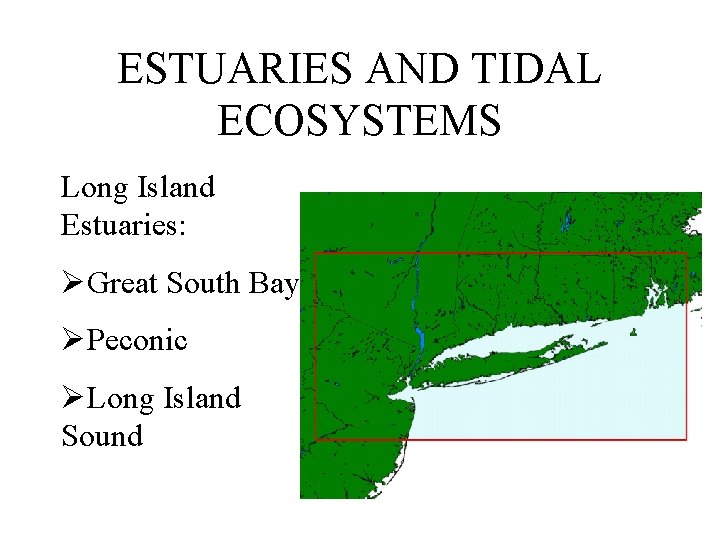
ESTUARIES AND TIDAL ECOSYSTEMS Long Island Estuaries: ØGreat South Bay ØPeconic ØLong Island Sound
WHAT IS AN ESTUARY? • "An estuary is a semi-enclosed coastal body of water that extends to the effective limit of tidal influence, within which sea water entering from one or more free connections with the open sea, or any other saline coastal body of water, is significantly diluted with fresh water derived from land drainage, and can sustain euryhaline biological species from either part or the whole of their life cycle. "(Perillo, 1995).
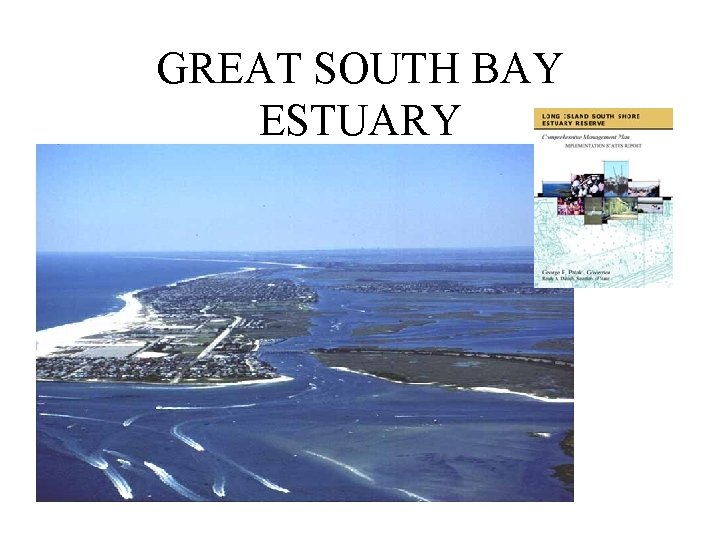
GREAT SOUTH BAY ESTUARY
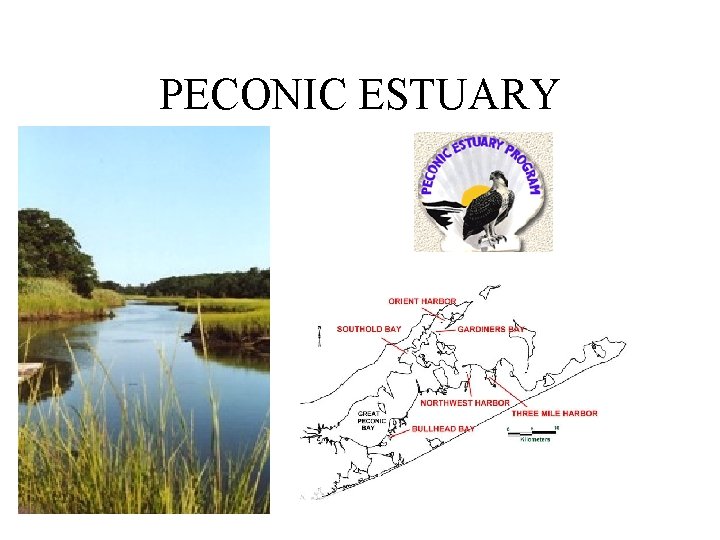
PECONIC ESTUARY
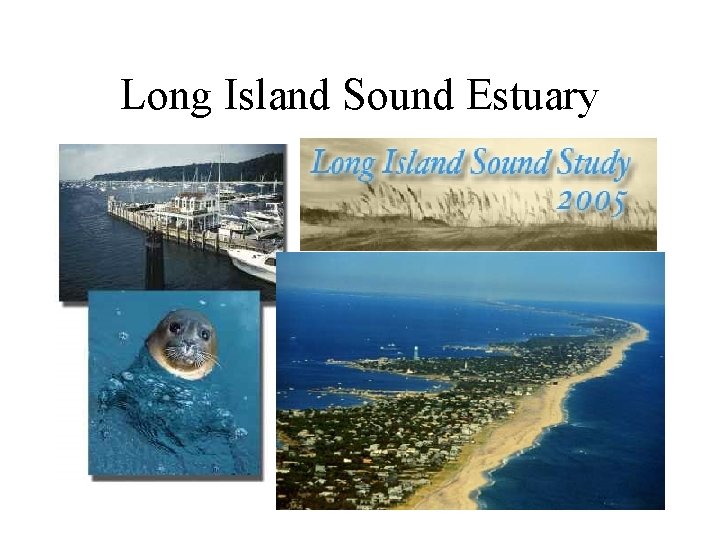
Long Island Sound Estuary
Major Zones in a Marine Ecosystem
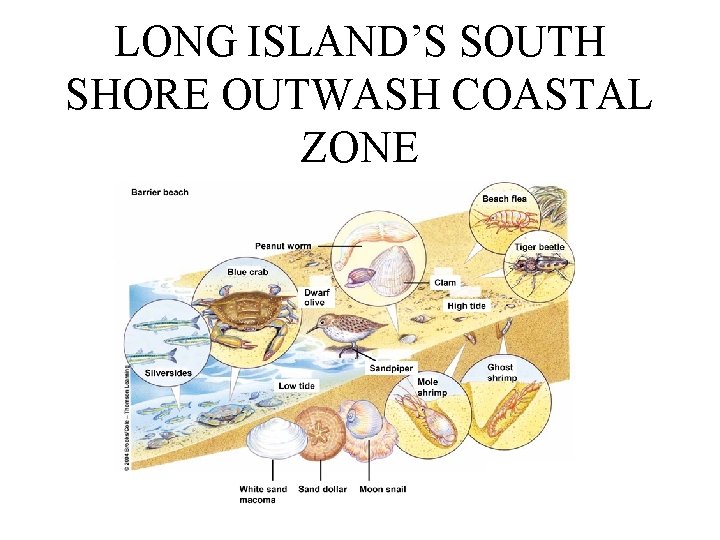
LONG ISLAND’S SOUTH SHORE OUTWASH COASTAL ZONE
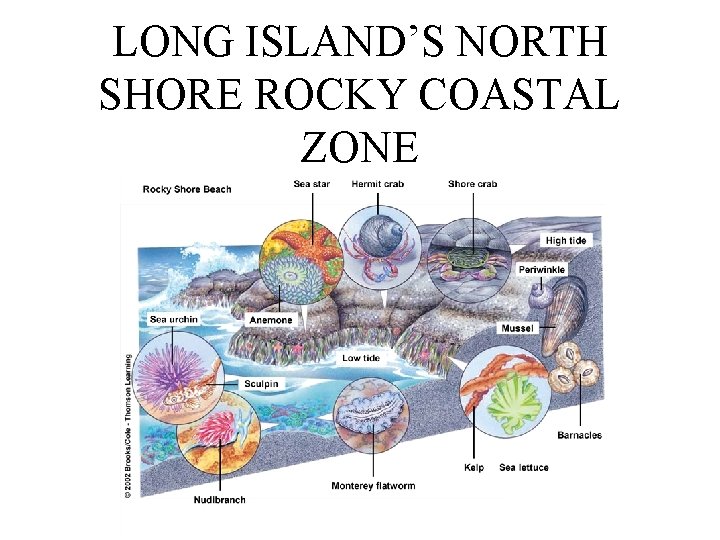
LONG ISLAND’S NORTH SHORE ROCKY COASTAL ZONE
COASTAL ZONE SALT MARSHES Ø Since 1900, the world has lost more than ½ of it’s coastal wetlands. Ø 75 % of the world population lives in the coastal zone (high tide – continental shelf) Ø Salt marshes and littoral zone support greatest net primary productivity for coastal environments. Ø Net primary productivity in the ocean is very low, BUT because it covers over 70% of Earth’s surface, COLLECTIVELY it makes the largest contribution to the Earth’s overall net primary productivity
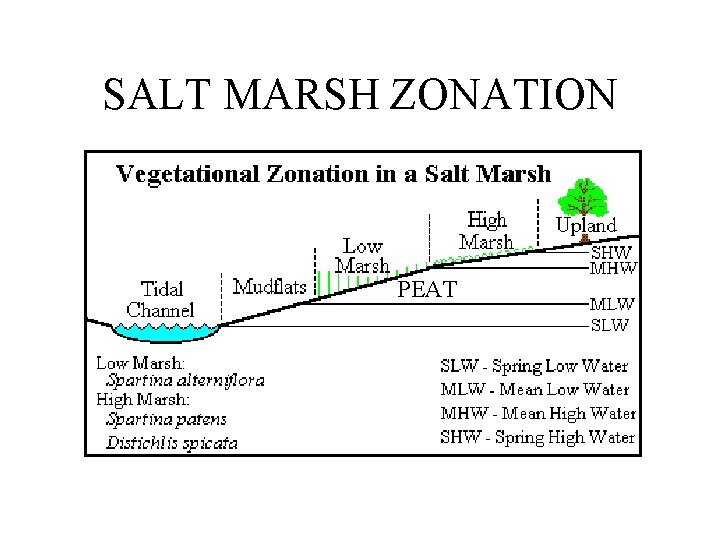
SALT MARSH ZONATION PEAT
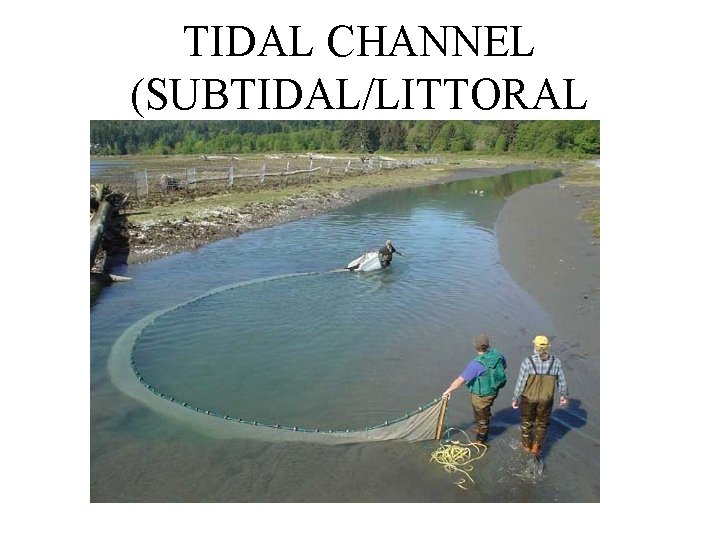
TIDAL CHANNEL (SUBTIDAL/LITTORAL ZONE)
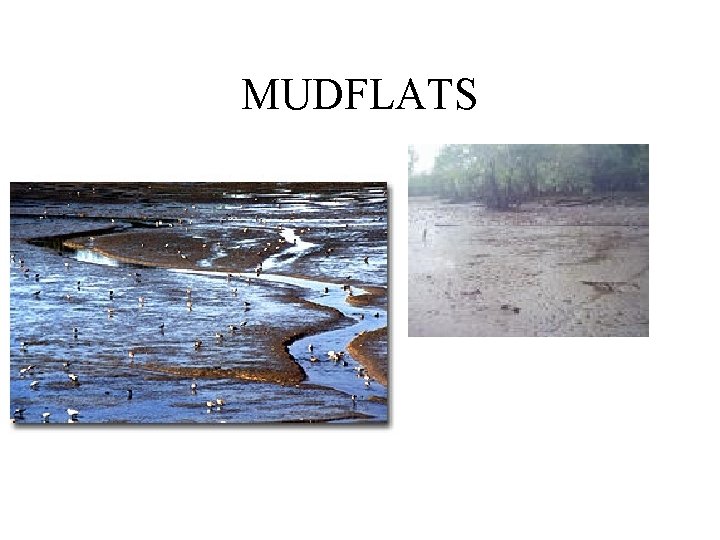
MUDFLATS
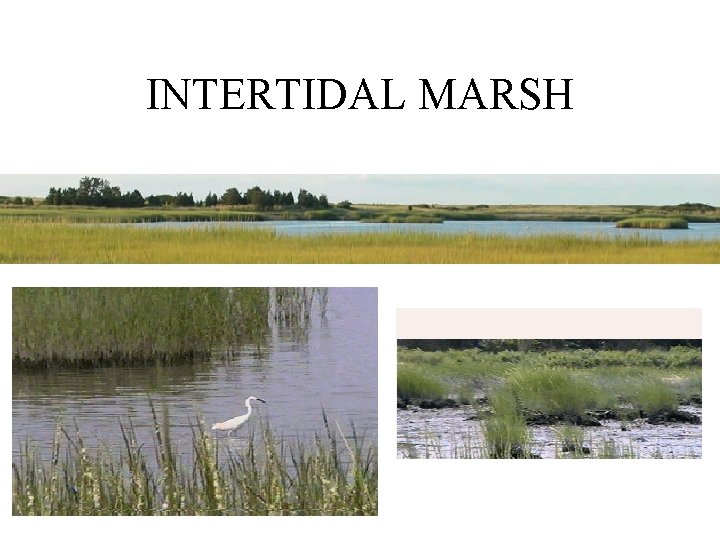
INTERTIDAL MARSH
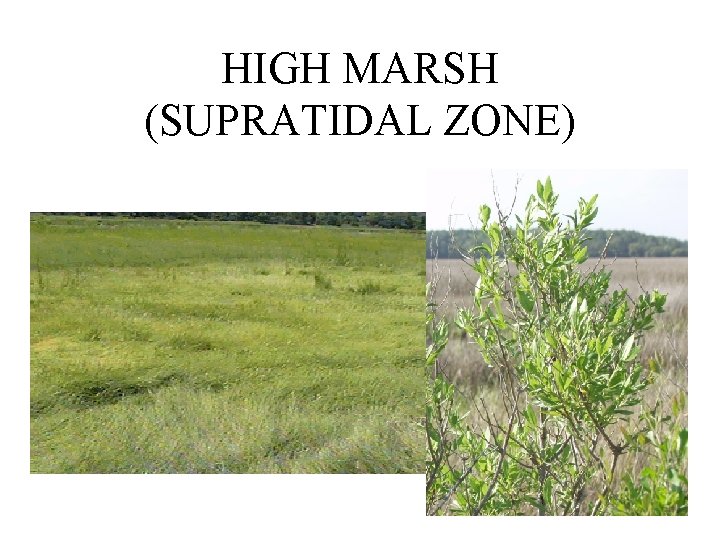
HIGH MARSH (SUPRATIDAL ZONE)
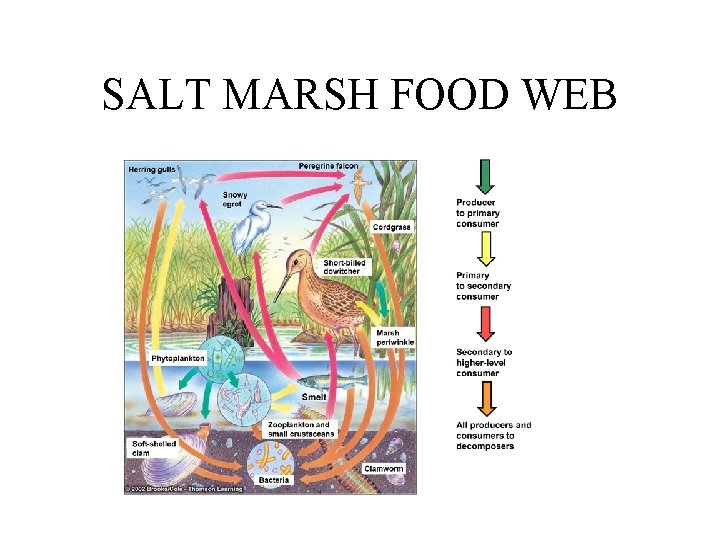
SALT MARSH FOOD WEB
Ten Ways to Protect Estuaries taken from the National Estuary Program • 1. Learn more about estuaries. • 2. Keep septic systems working properly. Pump your system every three years. • 3. Pave less. Hard surfaces hasten runoff and increase pollution and erosion. • 4. Adhere to "no-wake" zones when on your boat. Waves destroy shorelines and increase erosion. • 5. Think before you pour. Many hazardous products flow from household drains through sewage treatment plants and into coastal bodies of water. • 6. Fish respectfully. Follow "catch and release" practices and keep more fish alive. • 7. Create non-toxic pesticides. A bit of soap and water does the job and keeps harmful chemicals from ending up in nearby waterways. • 8. Use native plants. Garden and landscape with plants native to your area to reduce the need for watering and fertilizing. • 9. Respect habitat. Treat the homes of vital marine life with care. Habitat and survival go hand-in-hand. When habitat disappears, so do many plants and animals. • 10. Take action! Organize a stream or beach cleanup. Encourage your local newspaper to write a story, or ask an expert to speak at your community organization or local school.