
Salicylates plant hormones and painkillers Salicylic Acid Acetylsalicylic
- Slides: 24
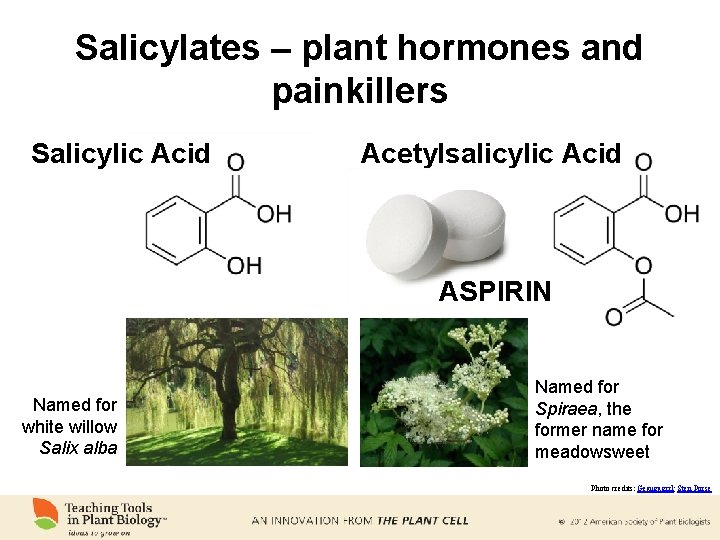
Salicylates – plant hormones and painkillers Salicylic Acid Acetylsalicylic Acid ASPIRIN Named for white willow Salix alba Named for Spiraea, the former name for meadowsweet Photo credits: Geaugagrrl; Sten Porse
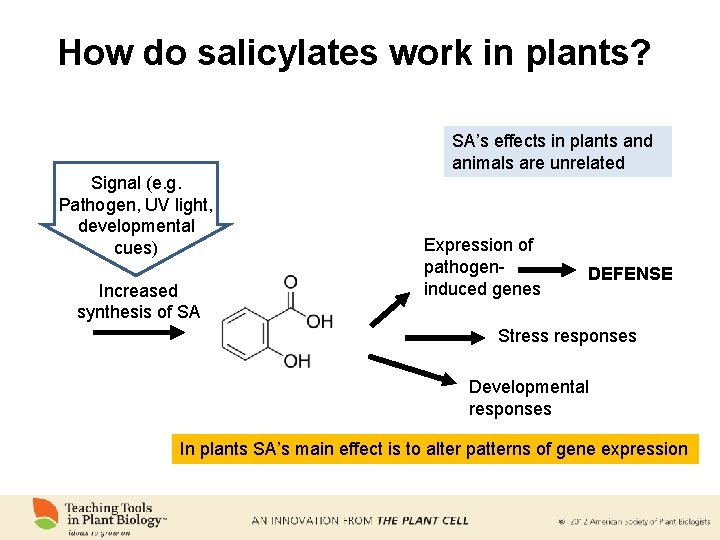
How do salicylates work in plants? SA’s effects in plants and animals are unrelated Signal (e. g. Pathogen, UV light, developmental cues) Increased synthesis of SA Expression of pathogeninduced genes DEFENSE Stress responses Developmental responses In plants SA’s main effect is to alter patterns of gene expression
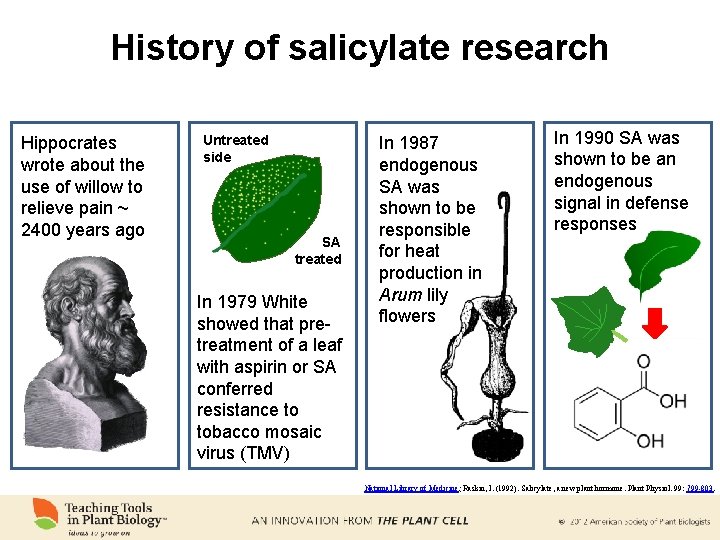
History of salicylate research Hippocrates wrote about the use of willow to relieve pain ~ 2400 years ago Untreated side SA treated In 1979 White showed that pretreatment of a leaf with aspirin or SA conferred resistance to tobacco mosaic virus (TMV) In 1987 endogenous SA was shown to be responsible for heat production in Arum lily flowers In 1990 SA was shown to be an endogenous signal in defense responses National Library of Medicine; Raskin, I. (1992). Salicylate, a new plant hormone. Plant Physiol. 99: 799 -803.
Lecture outline • Synthesis, conjugation and transport • Perception and signaling • Salicylates in whole-plant processes Image credit: Prof. Dr. Otto Wilhelm Thomé Flora von Deutschland, Österreich und der Schweiz 1885, Gera, Germany
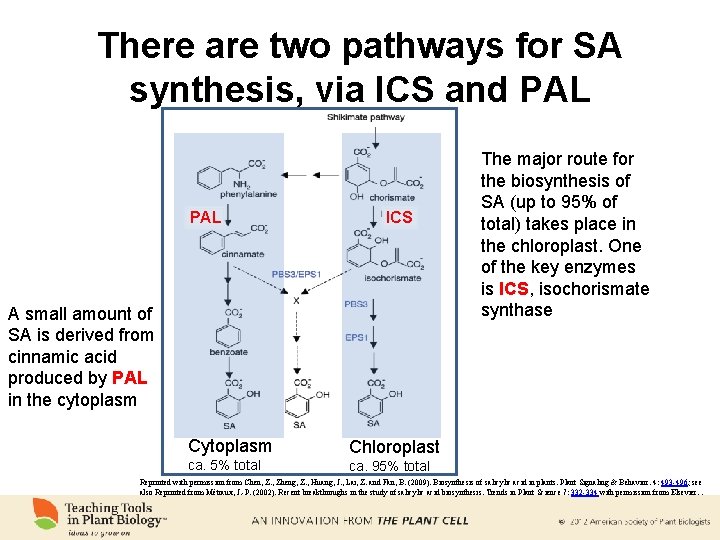
There are two pathways for SA synthesis, via ICS and PAL ICS A small amount of SA is derived from cinnamic acid produced by PAL in the cytoplasm Chloroplast ca. 5% total ca. 95% total The major route for the biosynthesis of SA (up to 95% of total) takes place in the chloroplast. One of the key enzymes is ICS, isochorismate synthase Reprinted with permission from Chen, Z. , Zheng, Z. , Huang, J. , Lai, Z. and Fan, B. (2009). Biosynthesis of salicylic acid in plants. Plant Signaling & Behavior. 4: 493 -496; see also Reprinted from Métraux, J. -P. (2002). Recent breakthroughs in the study of salicylic acid biosynthesis. Trends in Plant Science 7: 332 -334 with permission from Elsevier. .
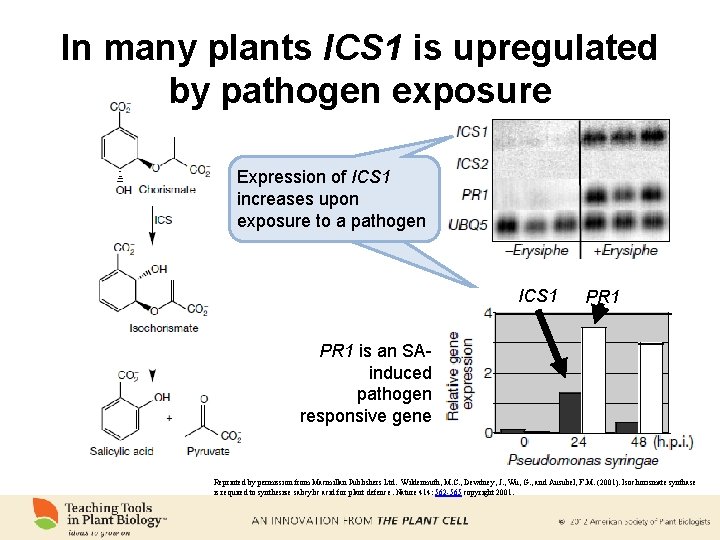
In many plants ICS 1 is upregulated by pathogen exposure Expression of ICS 1 increases upon exposure to a pathogen ICS 1 PR 1 is an SAinduced pathogen responsive gene Reprinted by permission from Macmillan Publishers Ltd. Wildermuth, M. C. , Dewdney, J. , Wu, G. , and Ausubel, F. M. (2001). Isochorismate synthase is required to synthesize salicylic acid for plant defence. Nature 414: 562 -565 copyright 2001.
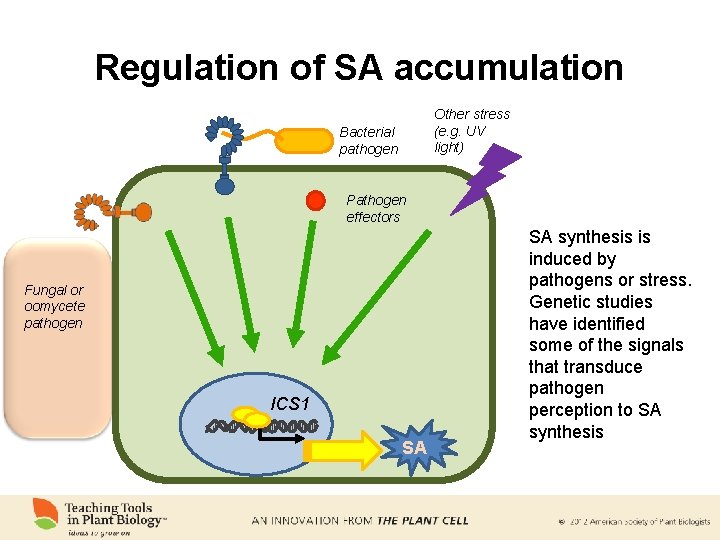
Regulation of SA accumulation Other stress (e. g. UV light) Bacterial pathogen Pathogen effectors Fungal or oomycete pathogen ICS 1 SA SA synthesis is induced by pathogens or stress. Genetic studies have identified some of the signals that transduce pathogen perception to SA synthesis
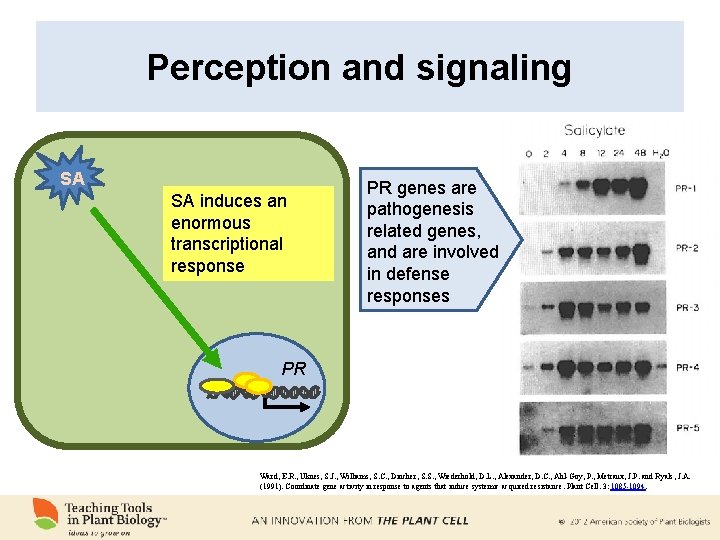
Perception and signaling SA SA induces an enormous transcriptional response PR genes are pathogenesis related genes, and are involved in defense responses PR Ward, E. R. , Uknes, S. J. , Williams, S. C. , Dincher, S. S. , Wiederhold, D. L. , Alexander, D. C. , Ahl-Goy, P. , Metraux, J. P. and Ryals, J. A. (1991). Coordinate gene activity in response to agents that induce systemic acquired resistance. Plant Cell. 3: 1085 -1094.
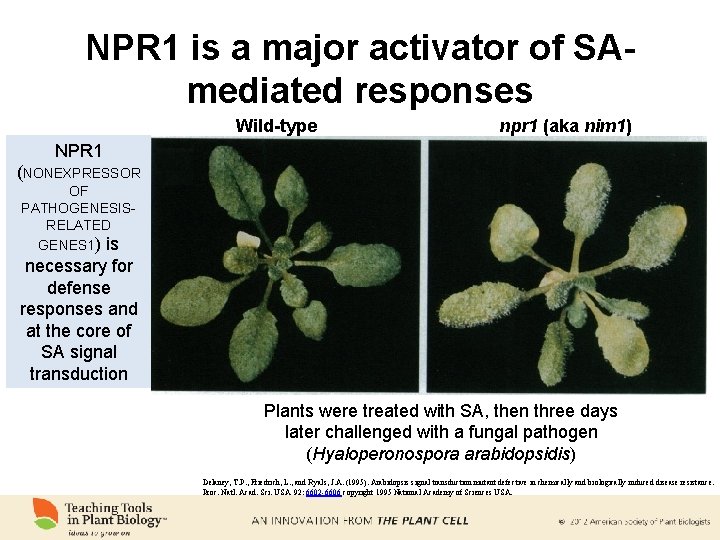
NPR 1 is a major activator of SAmediated responses Wild-type npr 1 (aka nim 1) NPR 1 (NONEXPRESSOR OF PATHOGENESISRELATED GENES 1) is necessary for defense responses and at the core of SA signal transduction Plants were treated with SA, then three days later challenged with a fungal pathogen (Hyaloperonospora arabidopsidis) Delaney, T. P. , Friedrich, L. , and Ryals, J. A. (1995). Arabidopsis signal transduction mutant defective in chemically and biologically induced disease resistance. Proc. Natl. Acad. Sci. USA 92: 6602 -6606 copyright 1995 National Academy of Sciences USA.
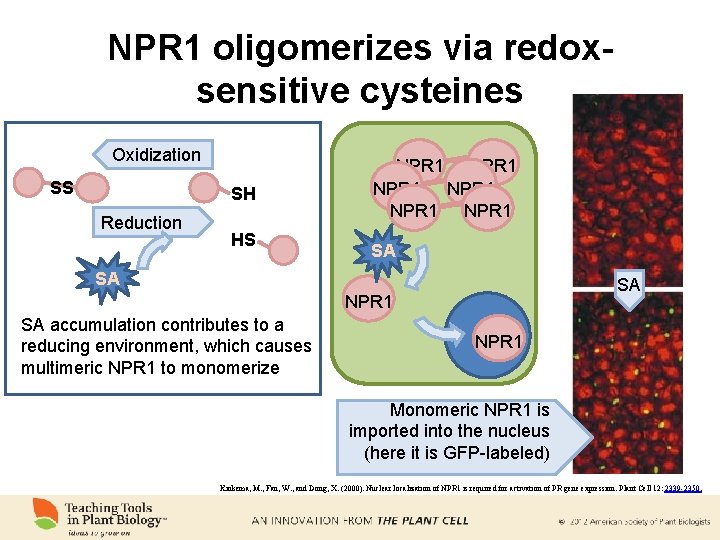
NPR 1 oligomerizes via redoxsensitive cysteines Oxidization SS SH Reduction HS NPR 1 NPR 1 SA SA SA NPR 1 SA accumulation contributes to a reducing environment, which causes multimeric NPR 1 to monomerize NPR 1 Monomeric NPR 1 is imported into the nucleus (here it is GFP-labeled) Kinkema, M. , Fan, W. , and Dong, X. (2000). Nuclear localization of NPR 1 is required for activation of PR gene expression. Plant Cell 12: 2339 -2350.
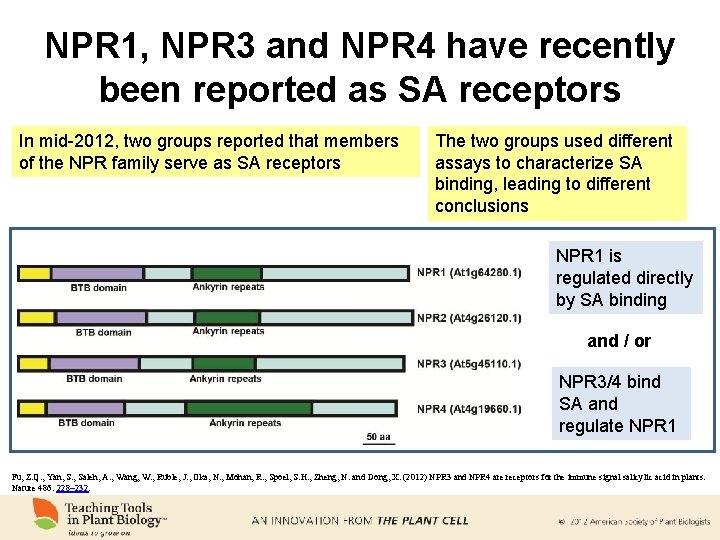
NPR 1, NPR 3 and NPR 4 have recently been reported as SA receptors In mid-2012, two groups reported that members of the NPR family serve as SA receptors The two groups used different assays to characterize SA binding, leading to different conclusions NPR 1 is regulated directly by SA binding and / or NPR 3/4 bind SA and regulate NPR 1 Fu, Z. Q. , Yan, S. , Saleh, A. , Wang, W. , Ruble, J. , Oka, N. , Mohan, R. , Spoel, S. H. , Zheng, N. and Dong, X. (2012) NPR 3 and NPR 4 are receptors for the immune signal salicylic acid in plants. Nature 486: 228– 232.
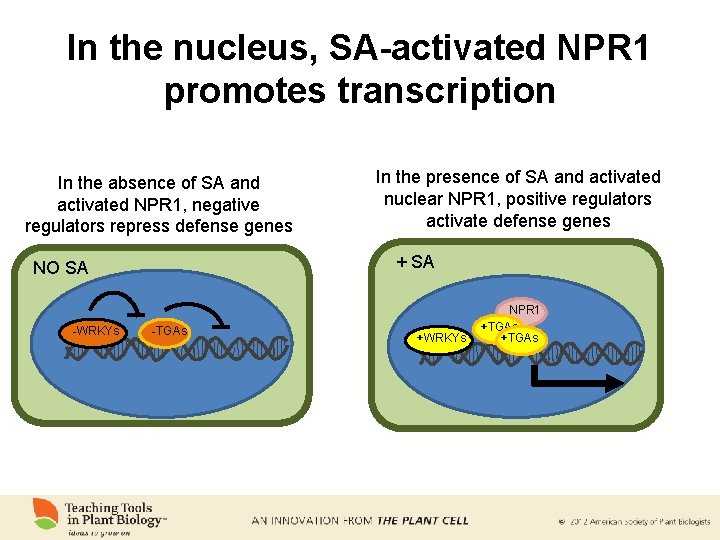
In the nucleus, SA-activated NPR 1 promotes transcription In the absence of SA and activated NPR 1, negative regulators repress defense genes + SA NO SA -WRKYs In the presence of SA and activated nuclear NPR 1, positive regulators activate defense genes -TGAs +WRKYs NPR 1 +TGAs
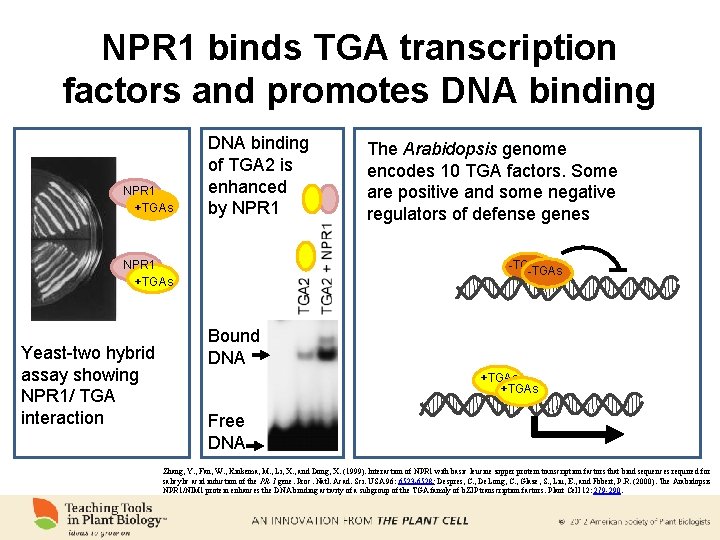
NPR 1 binds TGA transcription factors and promotes DNA binding NPR 1 +TGAs DNA binding of TGA 2 is enhanced by NPR 1 -TGAs NPR 1 +TGAs Yeast-two hybrid assay showing NPR 1/ TGA interaction The Arabidopsis genome encodes 10 TGA factors. Some are positive and some negative regulators of defense genes Bound DNA +TGAs Free DNA Zhang, Y. , Fan, W. , Kinkema, M. , Li, X. , and Dong, X. (1999). Interaction of NPR 1 with basic leucine zipper protein transcription factors that bind sequences required for salicylic acid induction of the PR-1 gene. Proc. Natl. Acad. Sci. USA 96: 6523 -6528; Despres, C. , De. Long, C. , Glaze, S. , Liu, E. , and Fobert, P. R. (2000). The Arabidopsis NPR 1/NIM 1 protein enhances the DNA binding activity of a subgroup of the TGA family of b. ZIP transcription factors. Plant Cell 12: 279 -290.
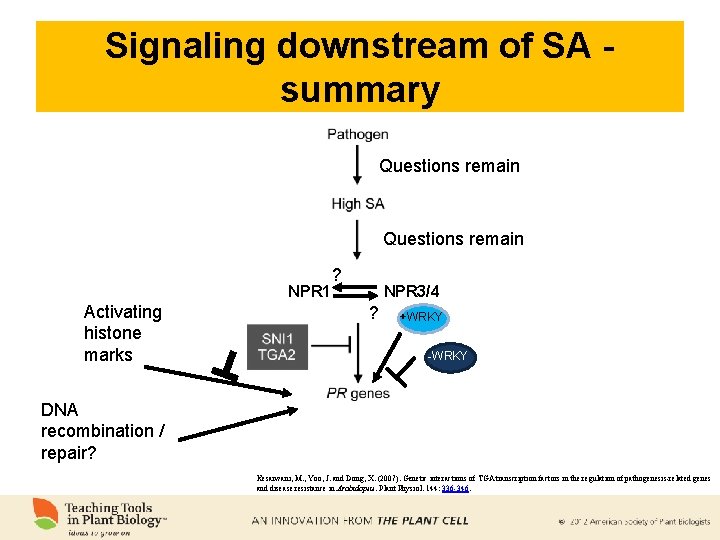
Signaling downstream of SA summary Questions remain NPR 1 Activating histone marks ? NPR 3/4 ? +WRKY -WRKY DNA recombination / repair? Kesarwani, M. , Yoo, J. and Dong, X. (2007). Genetic interactions of TGA transcription factors in the regulation of pathogenesis-related genes and disease resistance in Arabidopsis. Plant Physiol. 144: 336 -346.
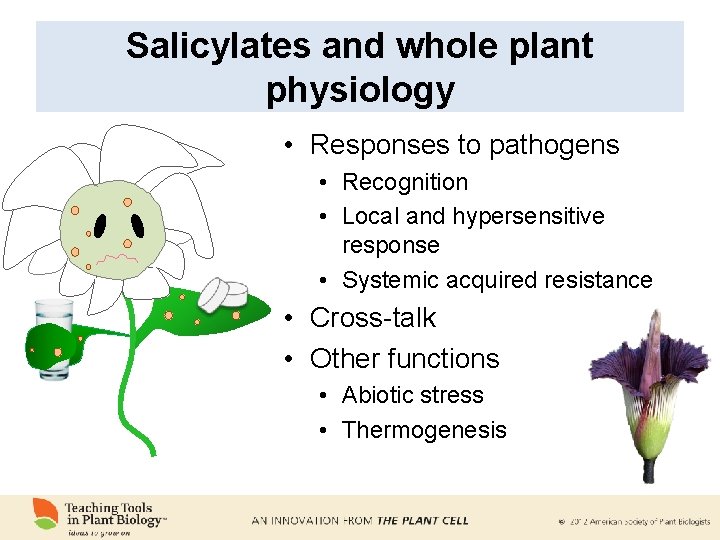
Salicylates and whole plant physiology • Responses to pathogens • Recognition • Local and hypersensitive response • Systemic acquired resistance • Cross-talk • Other functions • Abiotic stress • Thermogenesis
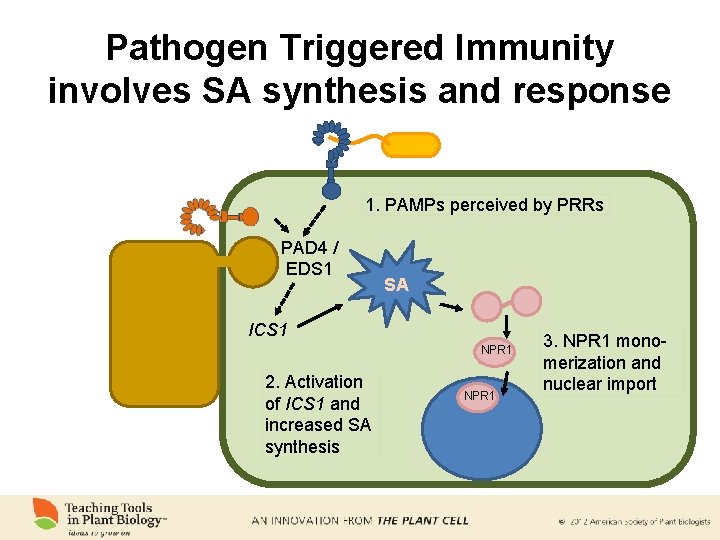
Pathogen Triggered Immunity involves SA synthesis and response 1. PAMPs perceived by PRRs PAD 4 / EDS 1 SA ICS 1 NPR 1 2. Activation of ICS 1 and increased SA synthesis NPR 1 3. NPR 1 monomerization and nuclear import
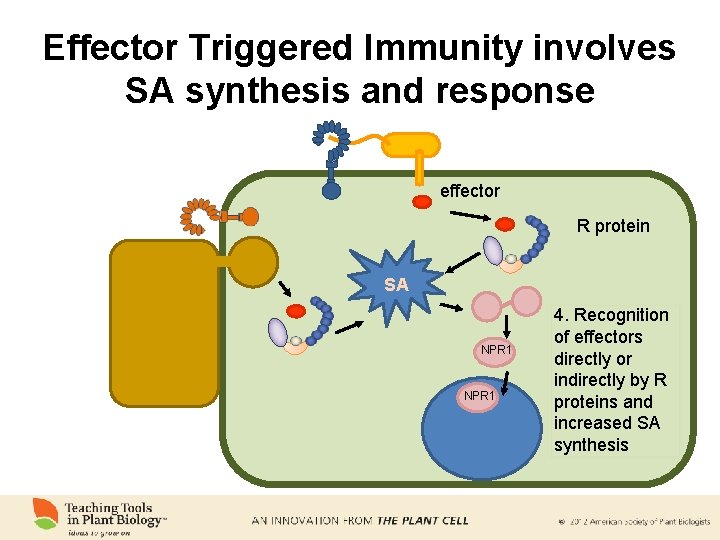
Effector Triggered Immunity involves SA synthesis and response effector R protein SA NPR 1 4. Recognition of effectors directly or indirectly by R proteins and increased SA synthesis
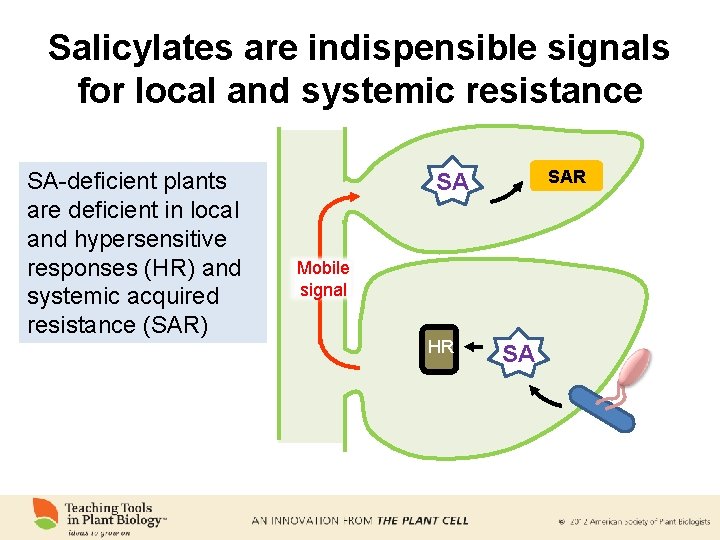
Salicylates are indispensible signals for local and systemic resistance SA-deficient plants are deficient in local and hypersensitive responses (HR) and systemic acquired resistance (SAR) SAR SA Mobile signal HR SA
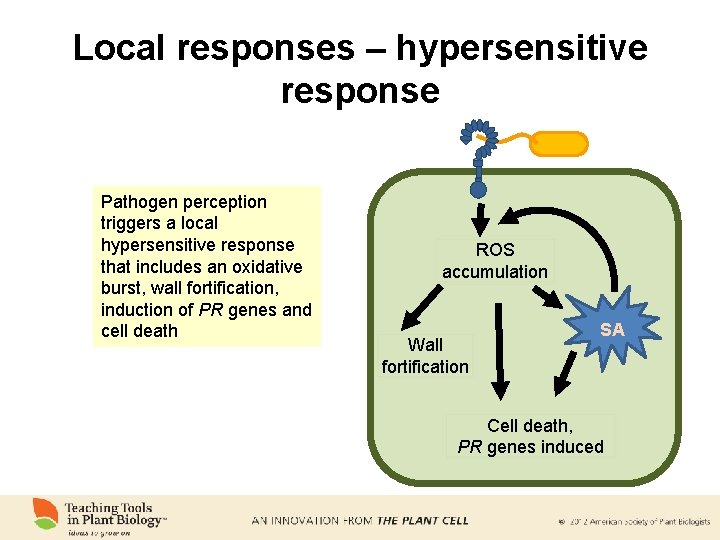
Local responses – hypersensitive response Pathogen perception triggers a local hypersensitive response that includes an oxidative burst, wall fortification, induction of PR genes and cell death ROS accumulation Wall fortification SA Cell death, PR genes induced
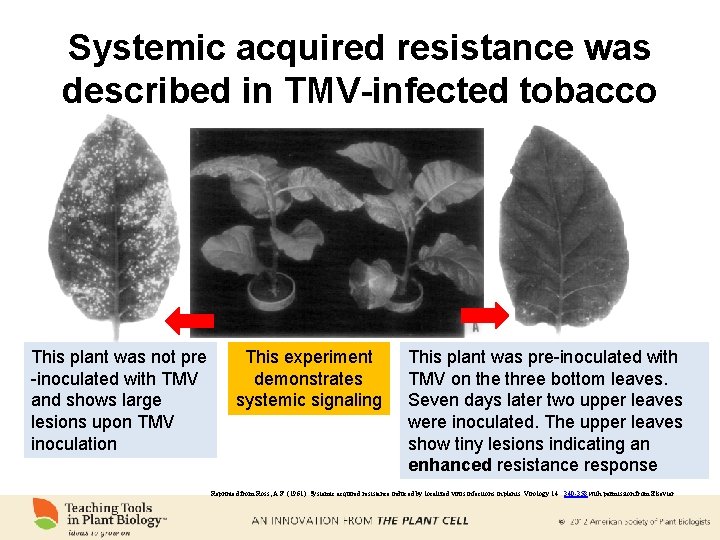
Systemic acquired resistance was described in TMV-infected tobacco This plant was not pre -inoculated with TMV and shows large lesions upon TMV inoculation This experiment demonstrates systemic signaling This plant was pre-inoculated with TMV on the three bottom leaves. Seven days later two upper leaves were inoculated. The upper leaves show tiny lesions indicating an enhanced resistance response Reprinted from Ross, A. F. (1961). Systemic acquired resistance induced by localized virus infections in plants. Virology 14: 340 -358 with permission from Elsevier.
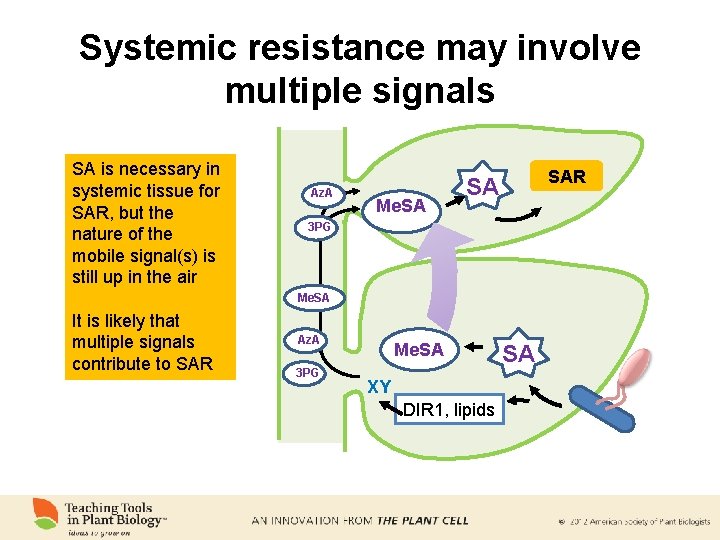
Systemic resistance may involve multiple signals SA is necessary in systemic tissue for SAR, but the nature of the mobile signal(s) is still up in the air Az. A Me. SA SAR SA 3 PG Me. SA It is likely that multiple signals contribute to SAR Az. A 3 PG Me. SA XY DIR 1, lipids SA
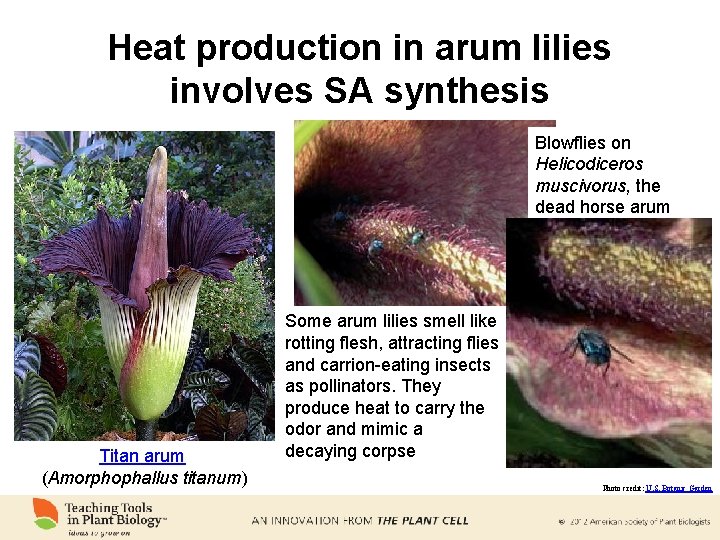
Heat production in arum lilies involves SA synthesis Blowflies on Helicodiceros muscivorus, the dead horse arum Titan arum (Amorphophallus titanum) Some arum lilies smell like rotting flesh, attracting flies and carrion-eating insects as pollinators. They produce heat to carry the odor and mimic a decaying corpse Photo credit: U. S. Botanic Garden
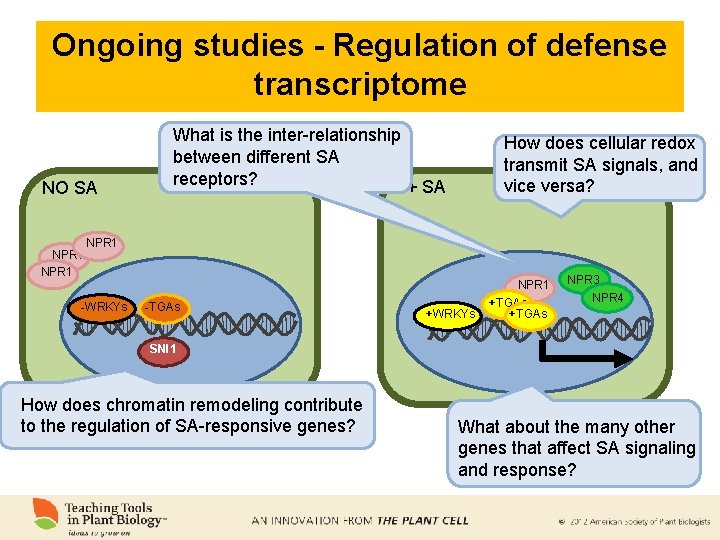
Ongoing studies - Regulation of defense transcriptome NO SA NPR 1 What is the inter-relationship between different SA receptors? + SA How does cellular redox transmit SA signals, and vice versa? NPR 1 -WRKYs -TGAs +WRKYs NPR 1 +TGAs NPR 3 NPR 4 SNI 1 How does chromatin remodeling contribute to the regulation of SA-responsive genes? What about the many other genes that affect SA signaling and response?
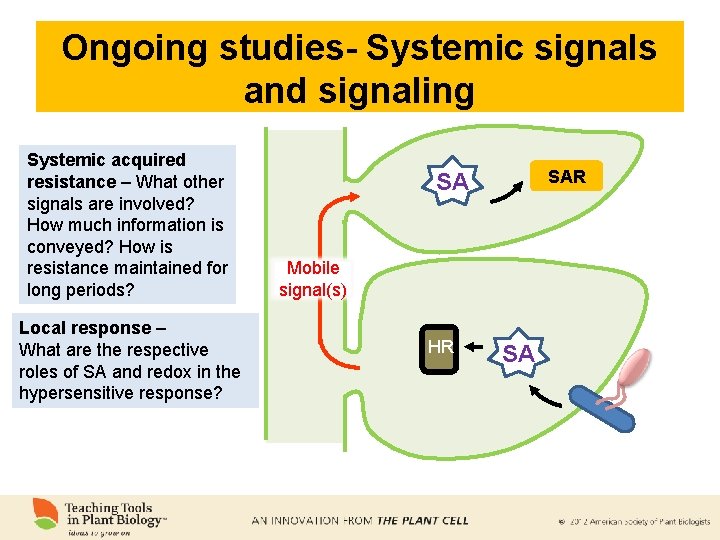
Ongoing studies- Systemic signals and signaling Systemic acquired resistance – What other signals are involved? How much information is conveyed? How is resistance maintained for long periods? Local response – What are the respective roles of SA and redox in the hypersensitive response? SAR SA Mobile signal(s) HR SA