
Safewards Model Refresher Introduction to Safewards Origins of
- Slides: 37
Safewards Model Refresher
Introduction to Safewards • Origins of Safewards • Key aims of Safewards • The heart of Safewards: conflict and containment • Overview of the model
Origins of the Safewards model Safewards origins • Nursing model • Developed by Len Bowers, UK • Research-based • Focus on conflict and containment (restrictive interventions) Evidence (Bowers) • Cross topic literature review • Model development • Cluster randomised controlled trial of model – 31 units, adequate power, significant results – Conflict 14. 6% decrease – Containment 23. 6% decrease
Key aims of the Safewards model “Positive and proactive care: Reducing the need for restrictive interventions” 1. Explain the relationship between conflict and containment 2. Identify opportunities where staff can intervene 3. Generate ideas for change that have the potential to reduce conflict and containment
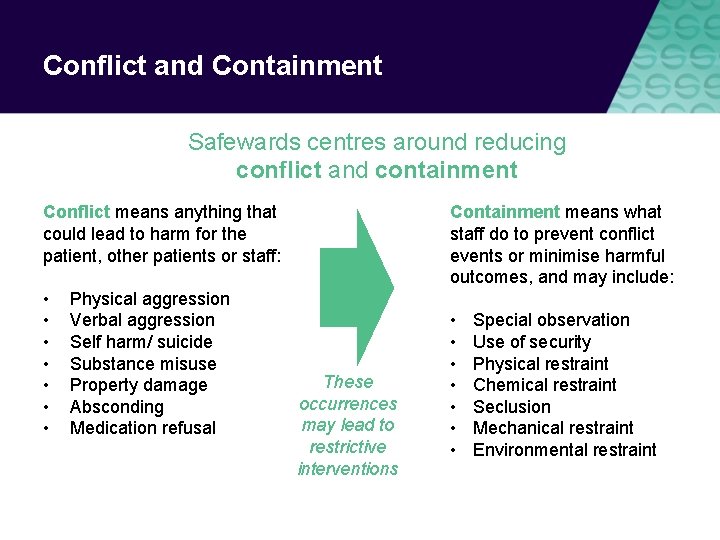
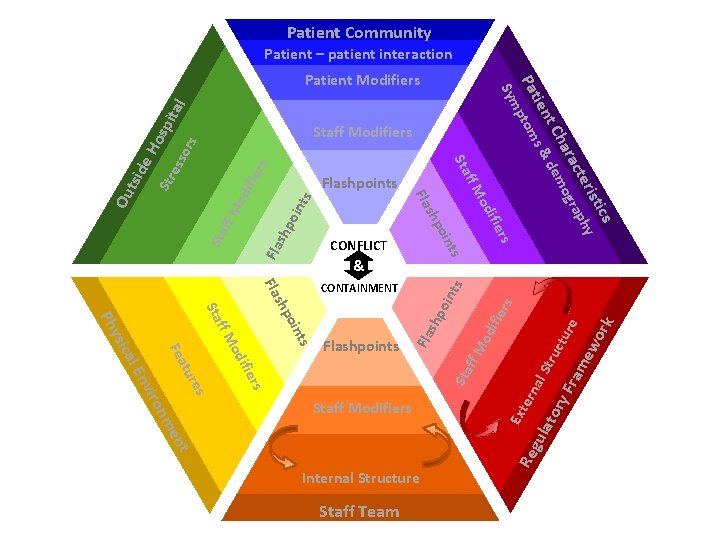
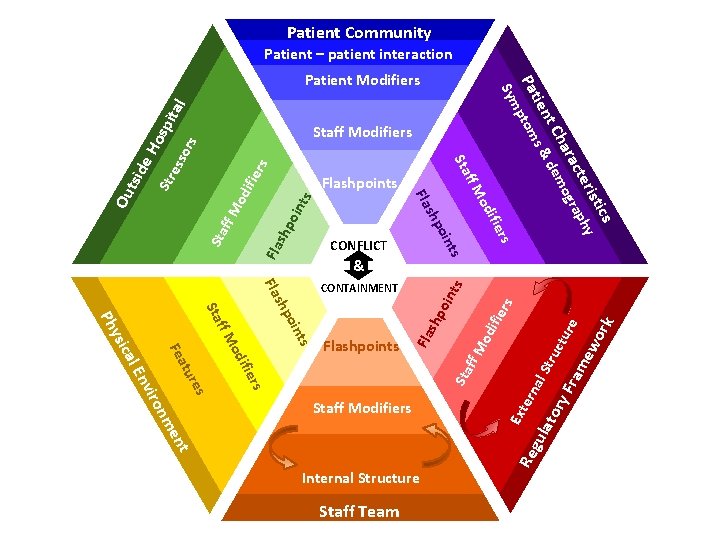
Conflict and Containment Safewards centres around reducing conflict and containment Containment means what staff do to prevent conflict events or minimise harmful outcomes, and may include: Conflict means anything that could lead to harm for the patient, other patients or staff: • • Physical aggression Verbal aggression Self harm/ suicide Substance misuse Property damage Absconding Medication refusal These occurrences may lead to restrictive interventions • • Special observation Use of security Physical restraint Chemical restraint Seclusion Mechanical restraint Environmental restraint
Conflict and Containment
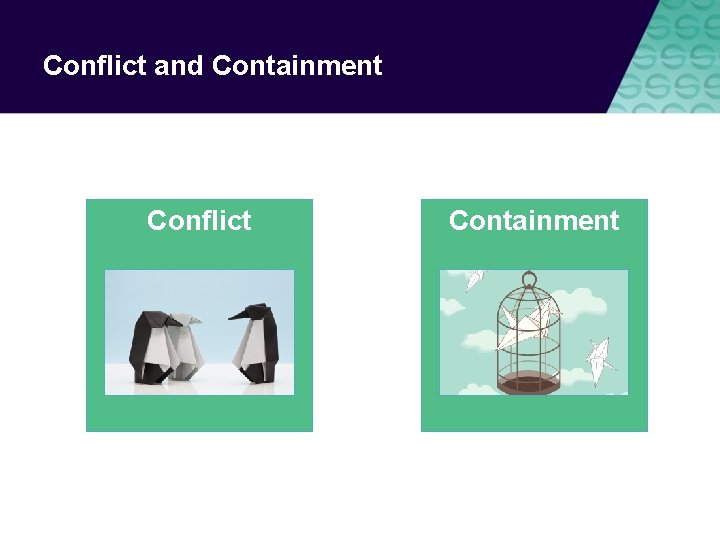
Conflict and Containment Conflict Containment
Task: What is it like on your unit? What contributes to conflict and containment on your unit? How does conflict and containment influence your unit?
Conflict and containment rates • Rates of conflict and containment vary locally and internationally (Bowers et al. , 2005 a, Nijman et al. , 2005) • Factors that can influence the frequency of conflict and containment: • social and physical locations of units • separation from a person’s normal residence • provision of 24/7 mental health care • mixed voluntary and legal coercion
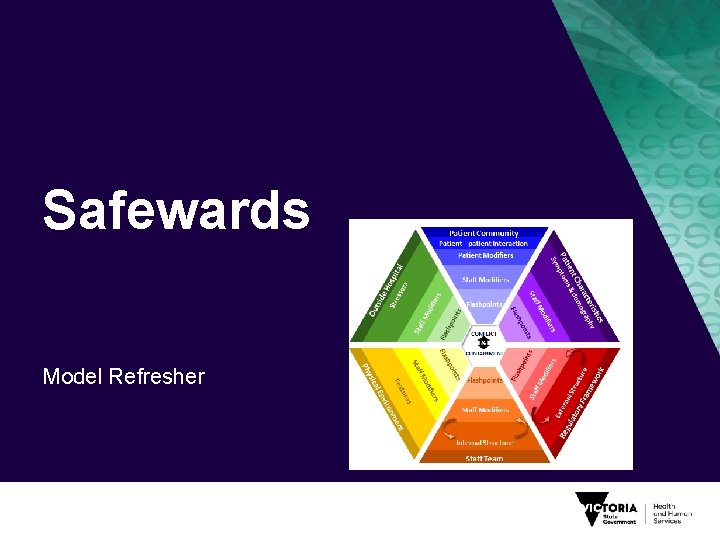
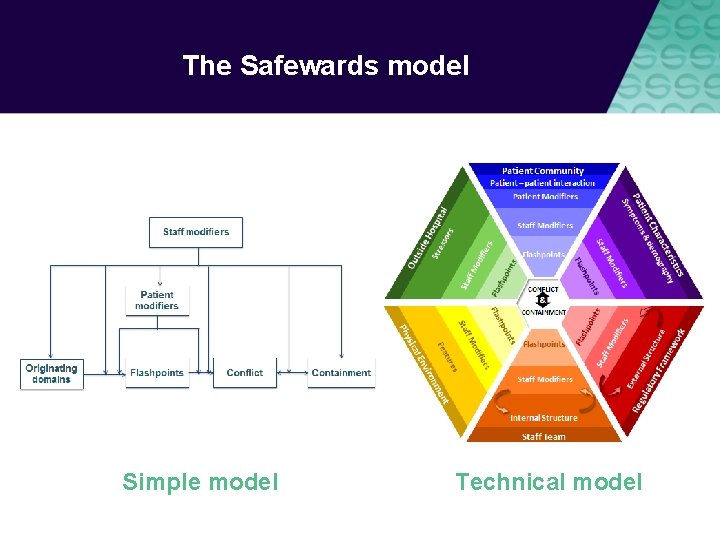
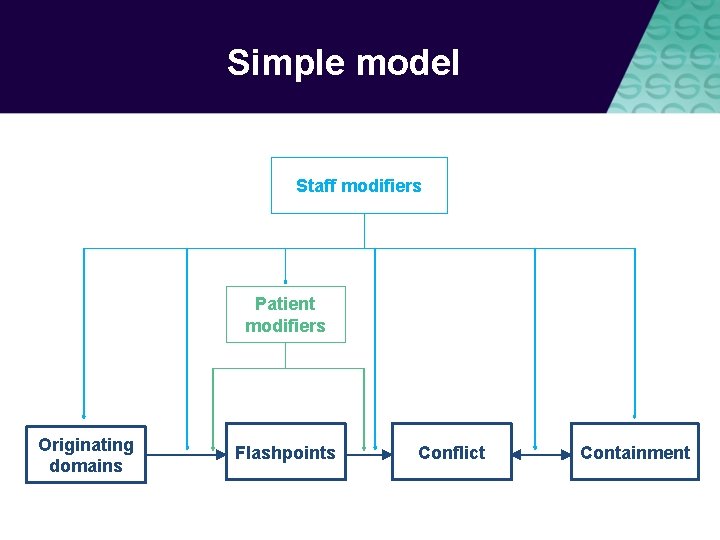
The Safewards model Simple model Technical model
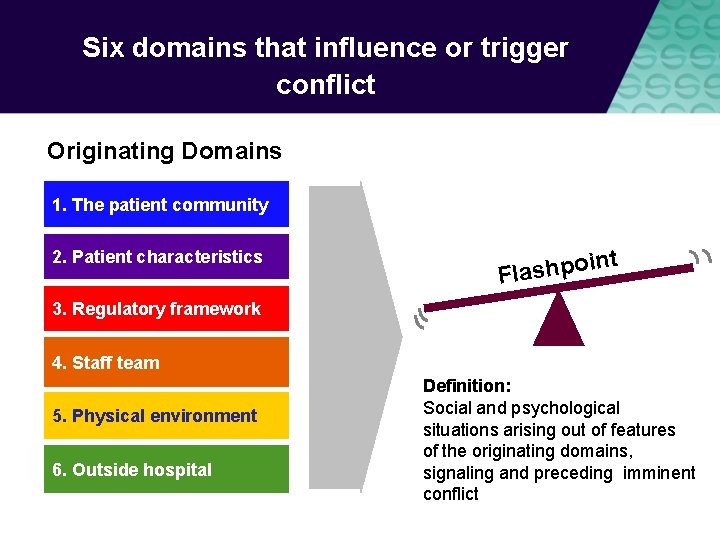
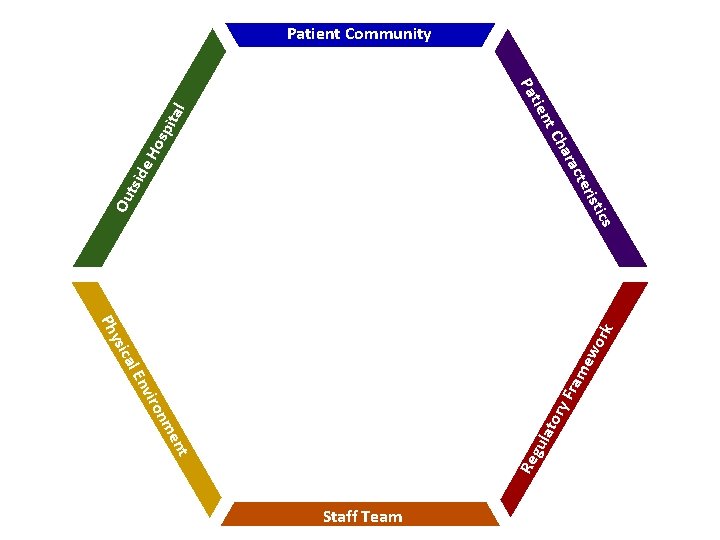
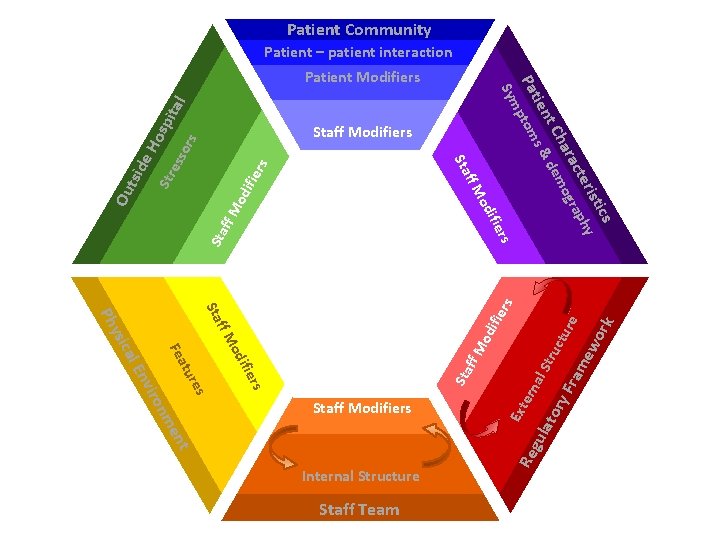
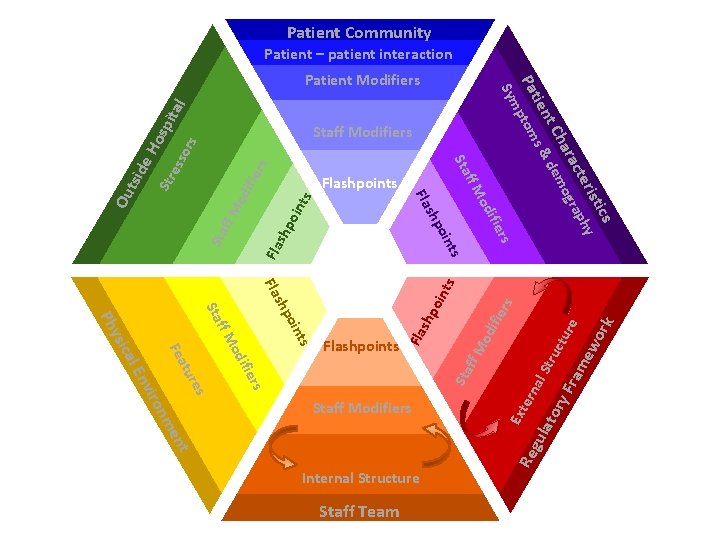
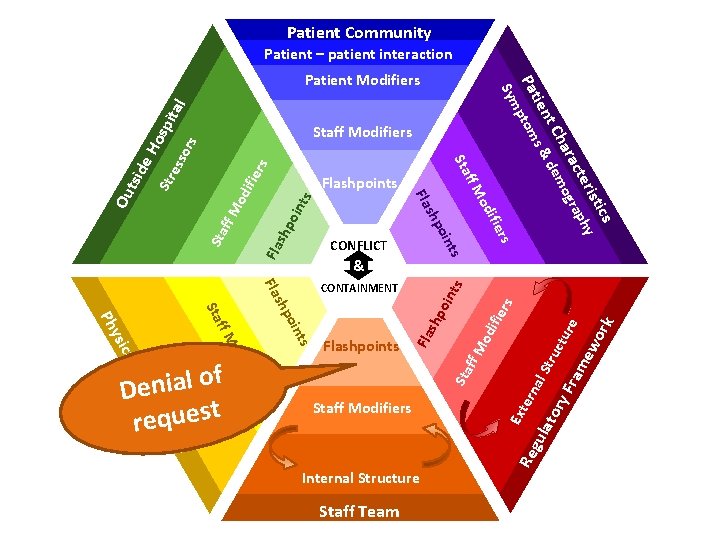
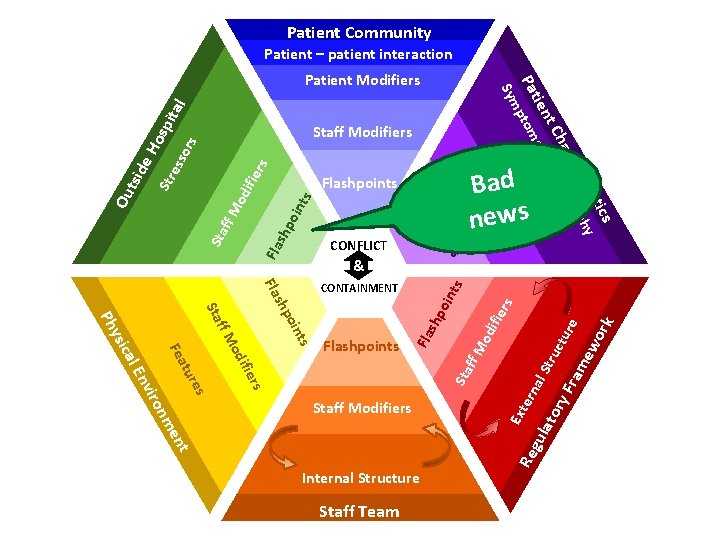
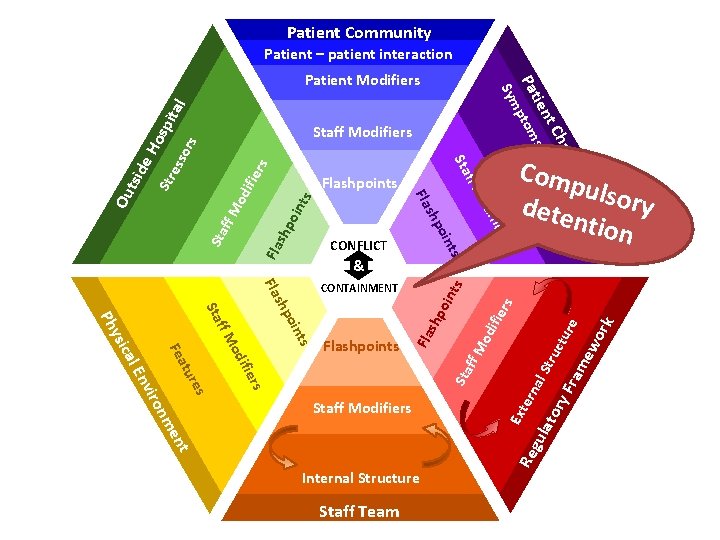
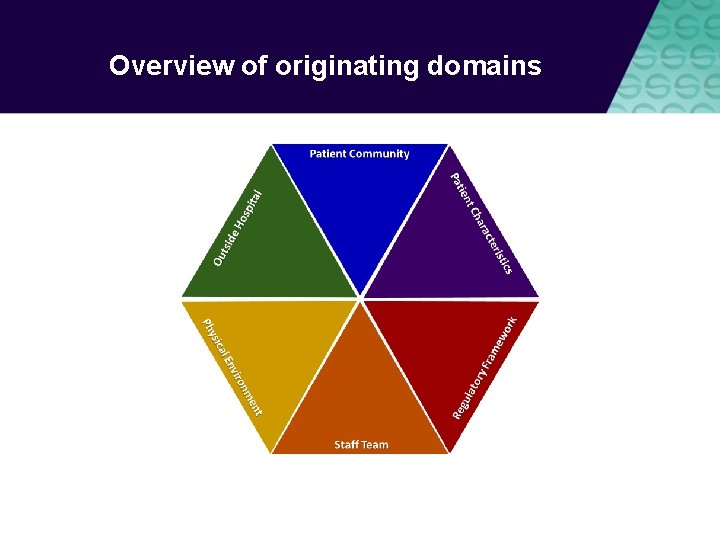
Six domains that influence or trigger conflict Originating Domains 1. The patient community 2. Patient characteristics t oin p h s a l F 3. Regulatory framework 4. Staff team 5. Physical environment 6. Outside hospital Definition: Social and psychological situations arising out of features of the originating domains, signaling and preceding imminent conflict
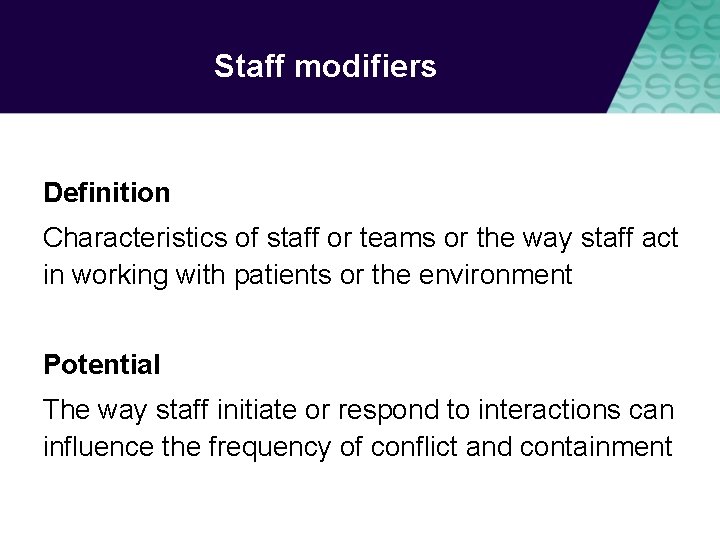
Staff modifiers Definition Characteristics of staff or teams or the way staff act in working with patients or the environment Potential The way staff initiate or respond to interactions can influence the frequency of conflict and containment
Staff can influence conflict and containment by: • Reducing or eradicating the originating conflict factors • Preventing flashpoints • Cutting the link between the flashpoint and conflict • Choosing not to use containment when it would be counterproductive • Ensuring that containment does not lead to further conflict
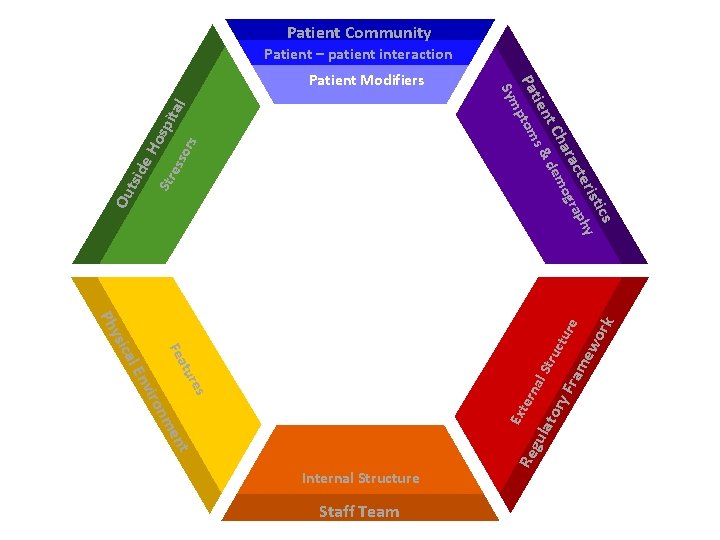
Patient modifiers Definition How patients respond and behave towards each other can influence the frequency of conflict and containment. Patients are susceptible to staff influence.
Patients can influence conflict and containment • Understanding and identifying possible flashpoints • Seeking assistance or using coping skills to avoid or minimise the impact of flashpoints • Cutting the link between flashpoint and conflict • Seeking advocacy to avoid containment
Patient modifiers When do patients have control over conflict? When do patients have control over containment? What influences whether or not patients have control?
Simple model Staff modifiers Patient modifiers Originating domains Flashpoints Conflict Containment
rk ew o ram ry F ato me on vir En nt gul ics cal ysi Ph Re rist tal osp i e. H cte ara Ch tsid nt tie Pa Ou Patient Community Staff Team
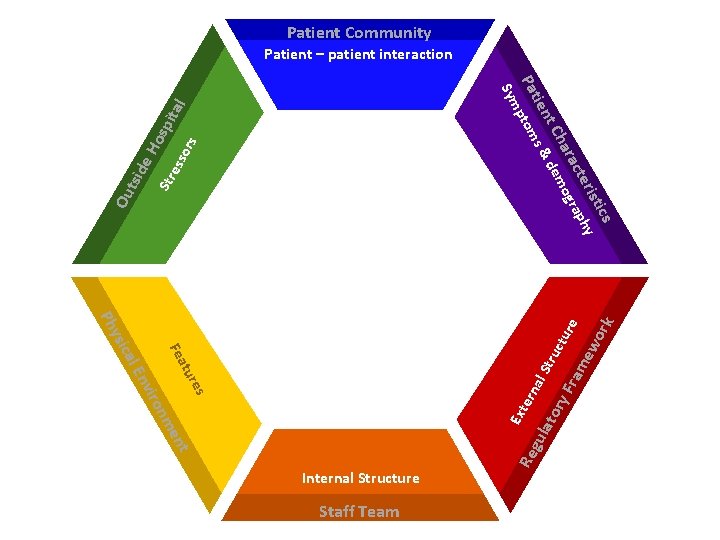
Patient Community Patient – patient interaction ics rist y cte aph ara ogr Ch em nt s & d tie Pa ptom ess ors Str Ou tsid e. H osp ita l Sym CONFLICT & CONTAINMENT ern es tur Ext m on vir En t gu en Staff Team Re cal Fea ysi al S lat tru ory ctu Fra r me e wo rk Ph Internal Structure
Patient Community Patient – patient interaction ita l Str ess ors e. H osp Ou tsid ics rist y cte aph ara ogr Ch em nt s & d tie Pa ptom Sym Patient Modifiers CONFLICT & CONTAINMENT ern es tur Ext m on vir En t gu en Staff Team Re cal Fea ysi al S lat tru ory ctu Fra r me e wo rk Ph Internal Structure
Patient Community Patient – patient interaction e. H osp ita l Sym rs Sta ff M ifie od od Str ff M ifie rs ess ors Staff Modifiers Sta Ou tsid ics rist y cte aph ara ogr Ch em nt s & d tie Pa ptom Patient Modifiers CONFLICT & Internal Structure Staff Team ew ork ctu re ram tor y. F Ext Re ern gu al S la nt me on Staff Modifiers tru od ifie rs Sta ifie od ff M es vir En tur Fea cal ysi Ph Sta rs CONTAINMENT
Patient Community Patient – patient interaction ita l ors rs ifie oin ts Internal Structure Staff Team ern Re nt gu Ext Sta rs ifie od al S lat tru ory ctu Fra r me e wo rk rs ts shp oin ts Fla oin shp od ifie od shp ts Fla rs oin Sta ff M ifie od shp Fla ff M Staff Modifiers me on vir es En tur Fea cal ysi Ph Flashpoints ff M ess Flashpoints ff M Str Sta e. H osp Staff Modifiers Fla Ou tsid ics rist y cte aph ara ogr Ch em nt s & d tie Pa ptom Sym Patient Modifiers
Patient Community Patient – patient interaction rs od ifie ff M Sta Fla shp oin ts ern ts oin gu nt Internal Structure Staff Team Re Sta ff M shp rs ifie od Ext rs ifie Str od ts ff M Staff Modifiers me on vir es En tur Fea cal ysi Ph Sta oin shp Fla CONTAINMENT al S lat tru ory ctu Fra r me e wo rk ita l ess ors Fla ts & Flashpoints rs oin shp ifie od ff M Flashpoints Fla Ou tsid Sta e. H osp Staff Modifiers CONFLICT ics rist y cte aph ara ogr Ch em nt s & d tie Pa ptom Sym Patient Modifiers
Patient Community Patient – patient interaction rs od ifie ff M Sta Fla shp oin ts ern ts oin gu nt Internal Structure Staff Team Re Sta ff M shp rs ifie od Ext rs ifie Str od ts ff M Staff Modifiers me on vir es En tur Fea cal ysi Ph Sta oin shp Fla CONTAINMENT al S lat tru ory ctu Fra r me e wo rk ita l ess ors Fla ts & Flashpoints rs oin shp ifie od ff M Flashpoints Fla Ou tsid Sta e. H osp Staff Modifiers CONFLICT ics rist y cte aph ara ogr Ch em nt s & d tie Pa ptom Sym Patient Modifiers
Patient Community Patient – patient interaction Sta ff M od ifie rs ts shp oin Fla ts ern ts oin shp gu nt Internal Structure Staff Team Re Sta ff M od oin shp es me on vir rs ifie od tur En Staff Modifiers Ext rs ifie CONTAINMENT al S lat tru ory ctu Fra r me e wo rk ita l ess Str Ou tsid ors Fla ts & Flashpoints rs oin shp ifie od Fla ff M Flashpoints Fla ff M Sta Fea cal ysi Ph f o l a i n De request Sta e. H osp Staff Modifiers CONFLICT ics rist y cte aph ara ogr Ch em nt s & d tie Pa ptom Sym Patient Modifiers
Patient Community Patient – patient interaction rs od ifie ff M Sta Fla shp oin ts ern ts oin shp rs gu nt Internal Structure Staff Team Re ifie od Ext rs ifie od Fla ts ts ff M Staff Modifiers me on vir es En tur Fea cal ysi Ph Sta oin shp Fla CONTAINMENT Flashpoints rs Sta ff M ifie od oin shp & al S lat tru ory ctu Fra r me e wo rk ita l ors ess Str Bad news ff M Flashpoints Fla Ou tsid Sta e. H osp Staff Modifiers CONFLICT ics rist y cte aph ara ogr Ch em nt s & d tie Pa ptom Sym Patient Modifiers
Patient Community Patient – patient interaction rs od ifie ff M Sta Fla shp oin ts ern ts oin gu nt Internal Structure Staff Team Re Sta ff M shp rs ifie od Ext rs ifie Str od ts ff M Staff Modifiers me on vir es En tur Fea cal ysi Ph Sta oin shp Fla CONTAINMENT Com pulso ry dete ntion al S lat tru ory ctu Fra r me e wo rk ita l ess ors Fla ts & Flashpoints rs oin shp ifie od ff M Flashpoints Fla Ou tsid Sta e. H osp Staff Modifiers CONFLICT ics rist y cte aph ara ogr Ch em nt s & d tie Pa ptom Sym Patient Modifiers
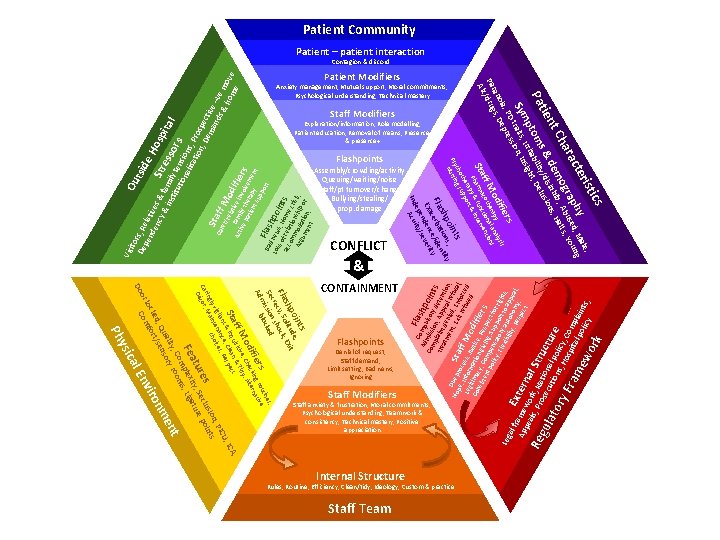
Explanation/information, Role modelling, Patient education, Removal of means, Presence & presence+ Staff Modifiers Denial of request, Staff demand, Limit setting, Bad news, Ignoring Flashpoints Staff anxiety & frustration, Moral commitments, Psychological understanding, Teamwork & consistency, Technical mastery, Positive appreciation Staff Modifiers A, , IC Rules, Routine, Efficiency, Clean/tidy, Ideology, Custom & practice Internal Structure Staff Team ics s s, ne c ti blo rs g rou tive ifie ckin erna od e, Che dy, Alt ff M isitiv & Ti Sta & inqu, Clean spect t oin de, shp litu Exit Fla ecy, Soshock, r Sec ission ked m Ad CONTAINMENT ork Anxiety management, Mutual support, Moral commitments, Psychological understanding, Technical mastery rist hy , Male, g cte p ed un ara ogra. , Abusall. s, Yo Ch em nhib s, H nt & d y/disi lusion tie Pa ptomsritabiliitght, De , Ir ns Symtraits sion, I s rs , PD re oia s, Dep an Par /drug Alc Patient Modifiers al f E r Ap ame xter pe wo n Re als, Prork, Natal Stru gul io s ato ecutionnal polcture ic s, ry Fra Hospitya, Comp la lp me w olicy ints, & sis ifie od erapy al analyns ff M coth ction entio Sta. Pharmya & fun& interv rap ort the upp cho g s ts Psy ursin N or al E sic t U Re ce ilan enan ices, PIC vig t n, cho gly Main sio nts rin Ca cor, es eclu poi Dé tur ity, S ture Fea plex , Liga om ooms , C t lity ory r en ua s , Q sen nm ked rt/ iro loc omfo nv C Do y Ph Leg Flashpoints Assembly/crowding/activity Queuing/waiting/noise Staff/pt turnover/change Bullying/stealing/ prop. damage oin s; y shp tion ntit Fla rba ide e c ce/ ty Exa nden everi s e ep ity/ Ind Acu CONFLICT C Fla Ad omp shp uls m o Co mp ission ory d ints l a tre int , App eten atm de ti e en nied al ref on, D t, E , En usa Ho ue p S t x pe l a it r f f , roc efu orce , Leg Infor ess, J f M sed d m o u Co itima atio stice dif nsi cy, n g , R ier ste e i nt Comp ving, spec s po licy ensa Supp t for , Fl tor ort righ exi y a bili uto to ap ts, p ty, n Re omy eal, spe , ct ie ctiv mil in e p y th volv rs ati era em en en t su py t pp F o l r Ba a t d n sh Los ew po s o s, H in acc f rela ome ts om tio cri Arg mod nship sis, um atio or en n, t Ou ito tsid De rs, Re pe e. H nd lative en osp cy s & f Str & i am ita e s nst i l itu ly ten sors tio na sions lisa tio , Pros n, De pecti ma ve Sta nd –ve Ca s& rer ff M /re ho move lat od me i F ve if a A Vis Patient Community Patient – patient interaction Contagion & discord
Overview of originating domains
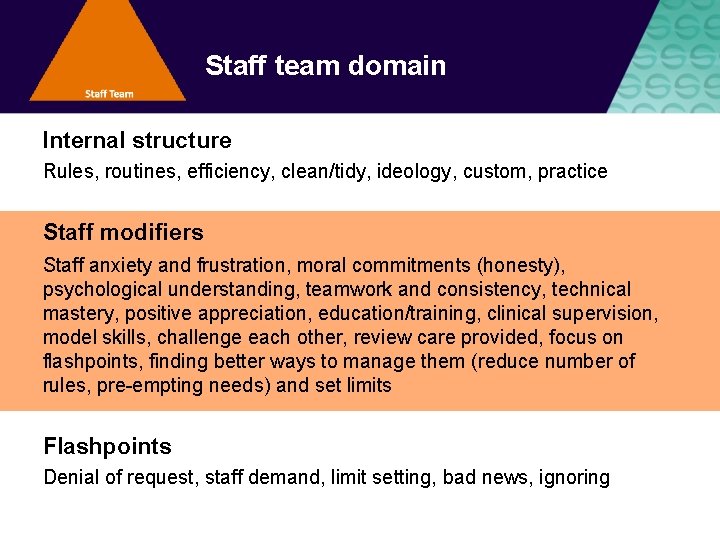
Staff team domain Internal structure Rules, routines, efficiency, clean/tidy, ideology, custom, practice Staff modifiers Staff anxiety and frustration, moral commitments (honesty), psychological understanding, teamwork and consistency, technical mastery, positive appreciation, education/training, clinical supervision, model skills, challenge each other, review care provided, focus on flashpoints, finding better ways to manage them (reduce number of rules, pre-empting needs) and set limits Flashpoints Denial of request, staff demand, limit setting, bad news, ignoring
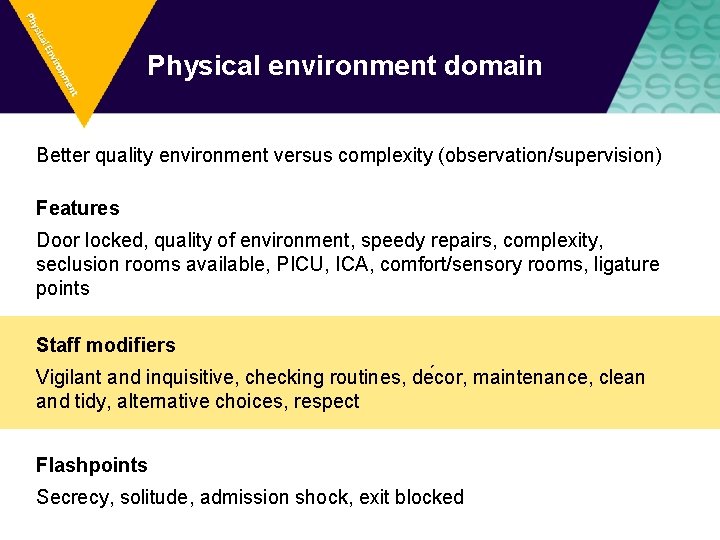
Physical environment domain Better quality environment versus complexity (observation/supervision) Features Door locked, quality of environment, speedy repairs, complexity, seclusion rooms available, PICU, ICA, comfort/sensory rooms, ligature points Staff modifiers Vigilant and inquisitive, checking routines, de cor, maintenance, clean and tidy, alternative choices, respect Flashpoints Secrecy, solitude, admission shock, exit blocked
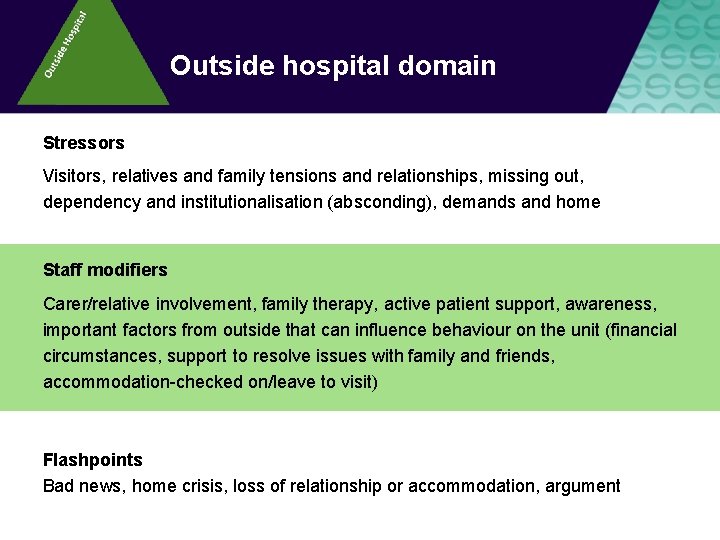
Outside hospital domain Stressors Visitors, relatives and family tensions and relationships, missing out, dependency and institutionalisation (absconding), demands and home Staff modifiers Carer/relative involvement, family therapy, active patient support, awareness, important factors from outside that can influence behaviour on the unit (financial circumstances, support to resolve issues with family and friends, accommodation-checked on/leave to visit) Flashpoints Bad news, home crisis, loss of relationship or accommodation, argument
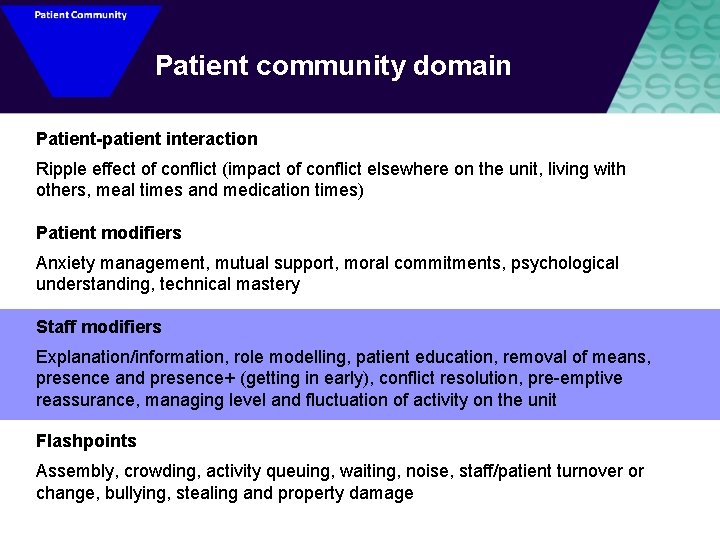
Patient community domain Patient-patient interaction Ripple effect of conflict (impact of conflict elsewhere on the unit, living with others, meal times and medication times) Patient modifiers Anxiety management, mutual support, moral commitments, psychological understanding, technical mastery Staff modifiers Explanation/information, role modelling, patient education, removal of means, presence and presence+ (getting in early), conflict resolution, pre-emptive reassurance, managing level and fluctuation of activity on the unit Flashpoints Assembly, crowding, activity queuing, waiting, noise, staff/patient turnover or change, bullying, stealing and property damage
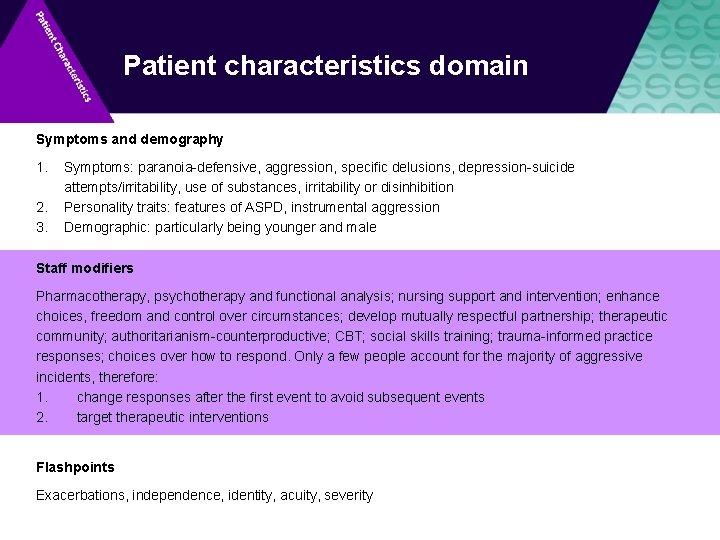
Patient characteristics domain Symptoms and demography 1. 2. 3. Symptoms: paranoia-defensive, aggression, specific delusions, depression-suicide attempts/irritability, use of substances, irritability or disinhibition Personality traits: features of ASPD, instrumental aggression Demographic: particularly being younger and male Staff modifiers Pharmacotherapy, psychotherapy and functional analysis; nursing support and intervention; enhance choices, freedom and control over circumstances; develop mutually respectful partnership; therapeutic community; authoritarianism-counterproductive; CBT; social skills training; trauma-informed practice responses; choices over how to respond. Only a few people account for the majority of aggressive incidents, therefore: 1. change responses after the first event to avoid subsequent events 2. target therapeutic interventions Flashpoints Exacerbations, independence, identity, acuity, severity
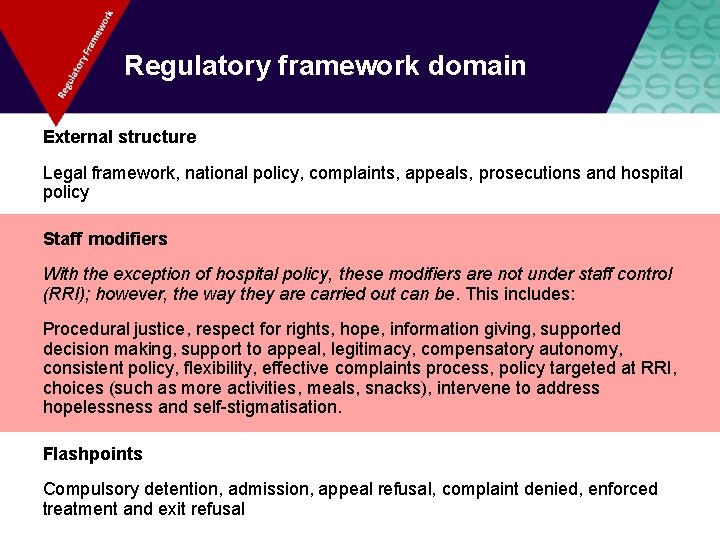
Regulatory framework domain External structure Legal framework, national policy, complaints, appeals, prosecutions and hospital policy Staff modifiers With the exception of hospital policy, these modifiers are not under staff control (RRI); however, the way they are carried out can be. This includes: Procedural justice, respect for rights, hope, information giving, supported decision making, support to appeal, legitimacy, compensatory autonomy, consistent policy, flexibility, effective complaints process, policy targeted at RRI, choices (such as more activities, meals, snacks), intervene to address hopelessness and self-stigmatisation. Flashpoints Compulsory detention, admission, appeal refusal, complaint denied, enforced treatment and exit refusal
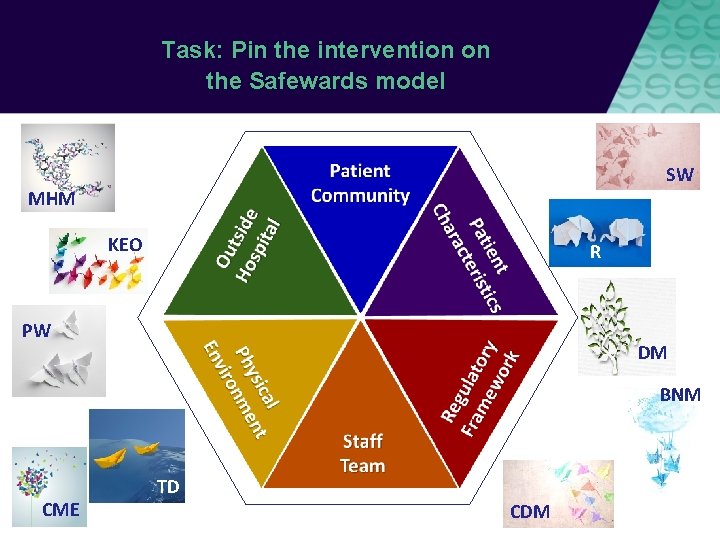
Task: Pin the intervention on the Safewards model SW MHM KEO R PW DM BNM CME TD CDM
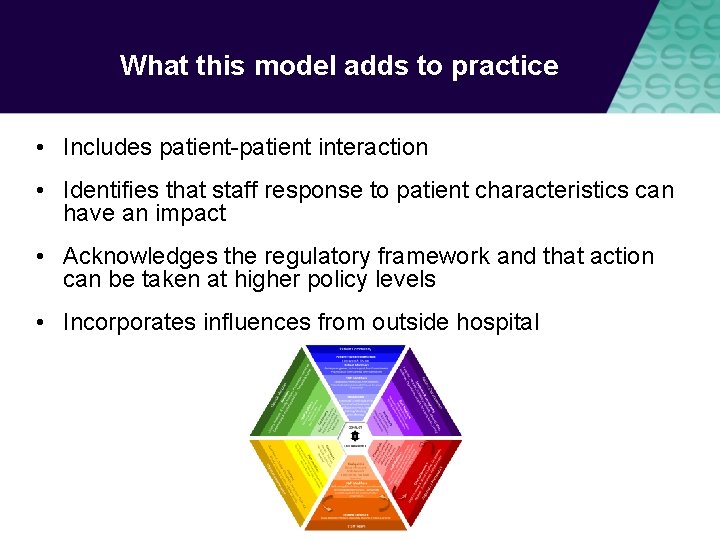
What this model adds to practice • Includes patient-patient interaction • Identifies that staff response to patient characteristics can have an impact • Acknowledges the regulatory framework and that action can be taken at higher policy levels • Incorporates influences from outside hospital