
Safeguarding a Good Life Sue Hobbs Safeguarding Adults
Safeguarding a Good Life Sue Hobbs - Safeguarding Adults Consultant Erika Butters - The Personal Advocacy and Safeguarding Adults Trust
Safeguarding a good life • Safeguarding framework – background and principles • How it will support disabled people to live the life they choose • Protecting and promoting the human rights of disabled people and adults at risk of abuse and neglect – Supported Decision Making • Factors that increase vulnerability • Who is at risk and in need of safeguarding support • The different types of abuse of disabled people • How to initiate safeguarding adults’ procedures when a disabled person is at risk of or experiencing compromised human rights, abuse and neglect.
Join at vevox. app Or search Vevox in the app store ID: 115 -318 -999 Join: vevox. app ID: 115 -318 -999
What learning outcome do you want to achieve most today? Choose two: 4
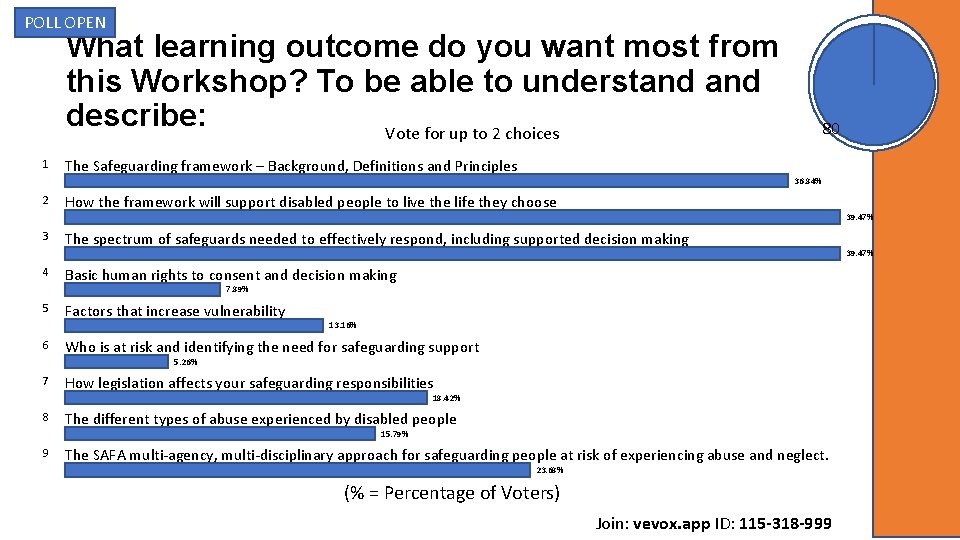
POLL OPEN What learning outcome do you want most from this Workshop? To be able to understand describe: Vote for up to 2 choices 1 2 3 4 The Safeguarding framework – Background, Definitions and Principles 80 36. 84% How the framework will support disabled people to live the life they choose 39. 47% The spectrum of safeguards needed to effectively respond, including supported decision making Basic human rights to consent and decision making 7. 89% 5 6 Factors that increase vulnerability 13. 16% Who is at risk and identifying the need for safeguarding support 5. 26% 7 How legislation affects your safeguarding responsibilities 18. 42% 8 The different types of abuse experienced by disabled people 15. 79% 9 The SAFA multi-agency, multi-disciplinary approach for safeguarding people at risk of experiencing abuse and neglect. 23. 68% (% = Percentage of Voters) Join: vevox. app ID: 115 -318 -999 39. 47%
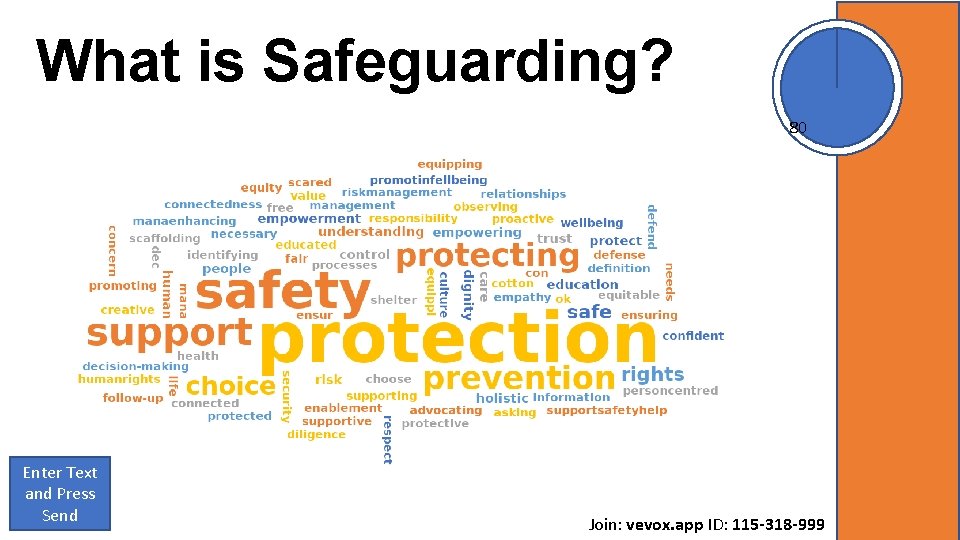
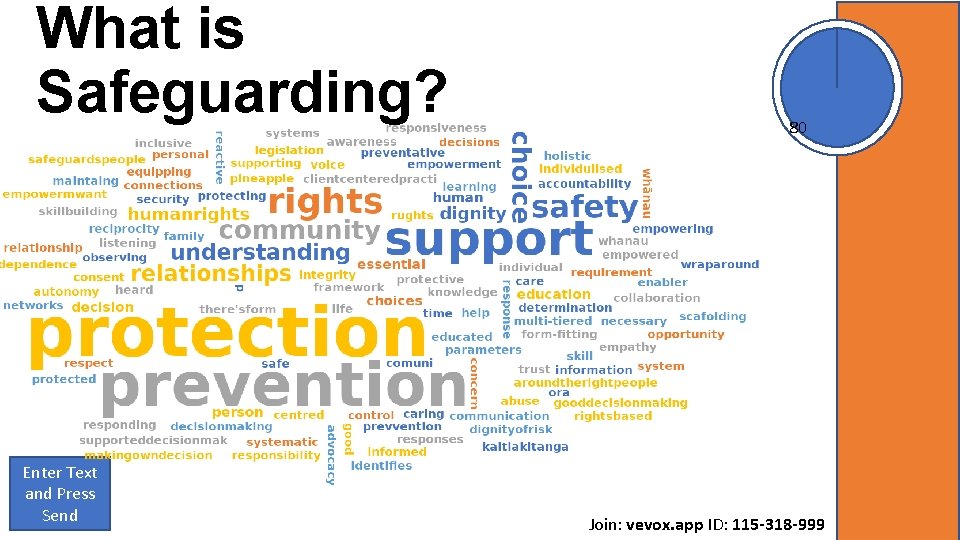
What is Safeguarding? 80 Enter Text and Press Send Join: vevox. app ID: 115 -318 -999
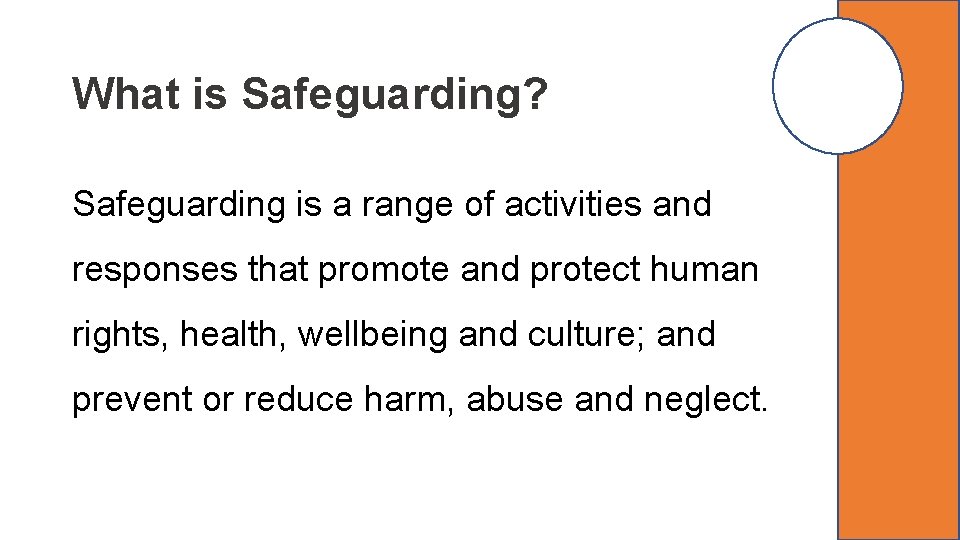
What is Safeguarding? Safeguarding is a range of activities and responses that promote and protect human rights, health, wellbeing and culture; and prevent or reduce harm, abuse and neglect.
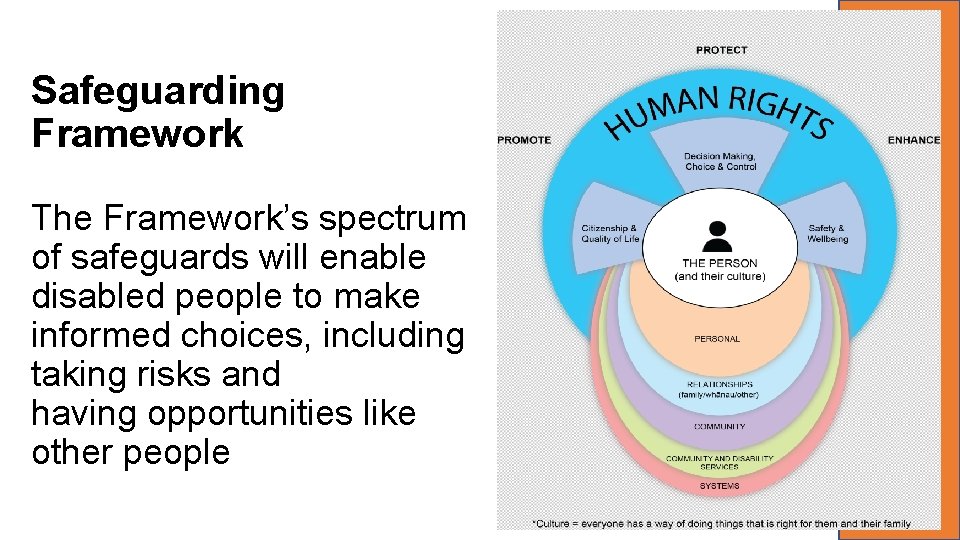
Safeguarding Framework The Framework’s spectrum of safeguards will enable disabled people to make informed choices, including taking risks and having opportunities like other people
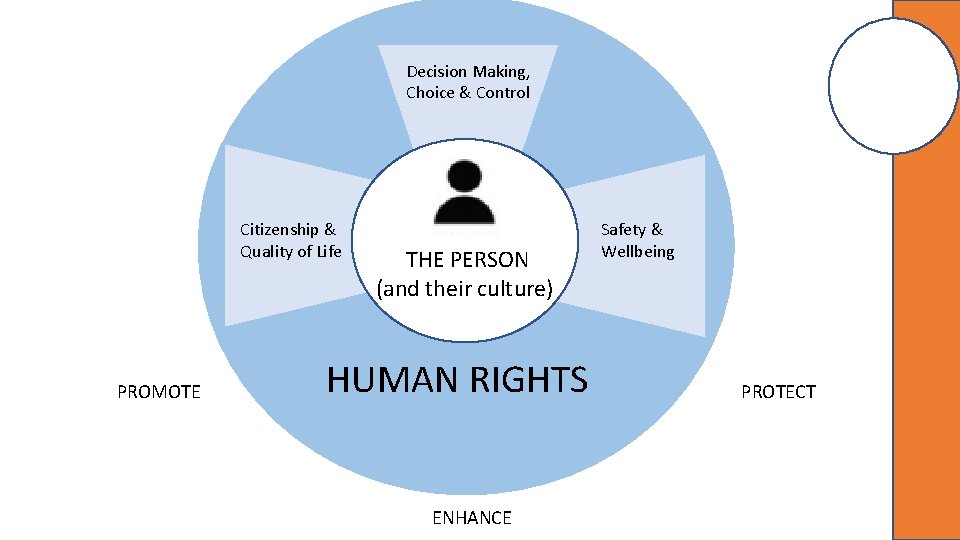
Decision Making, Choice & Control Citizenship & Quality of Life PROMOTE THE PERSON (and their culture) HUMAN RIGHTS ENHANCE Safety & Wellbeing PROTECT
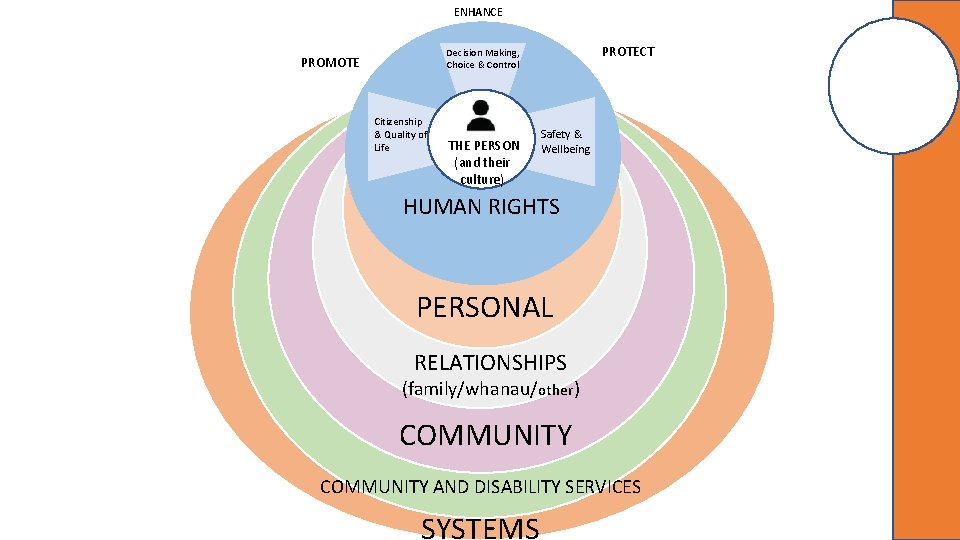
ENHANCE PROTECT Decision Making, Choice & Control PROMOTE Citizenship & Quality of Life THE PERSON (and their culture) Safety & Wellbeing HUMAN RIGHTS PERSONAL RELATIONSHIPS (family/whanau/other) COMMUNITY AND DISABILITY SERVICES SYSTEMS
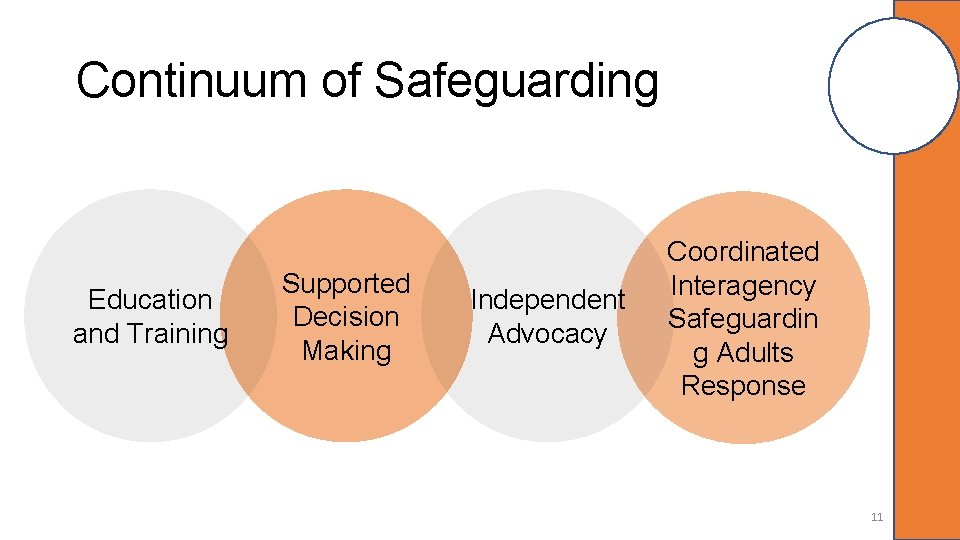
Continuum of Safeguarding Education and Training Supported Decision Making Independent Advocacy Coordinated Interagency Safeguardin g Adults Response 11
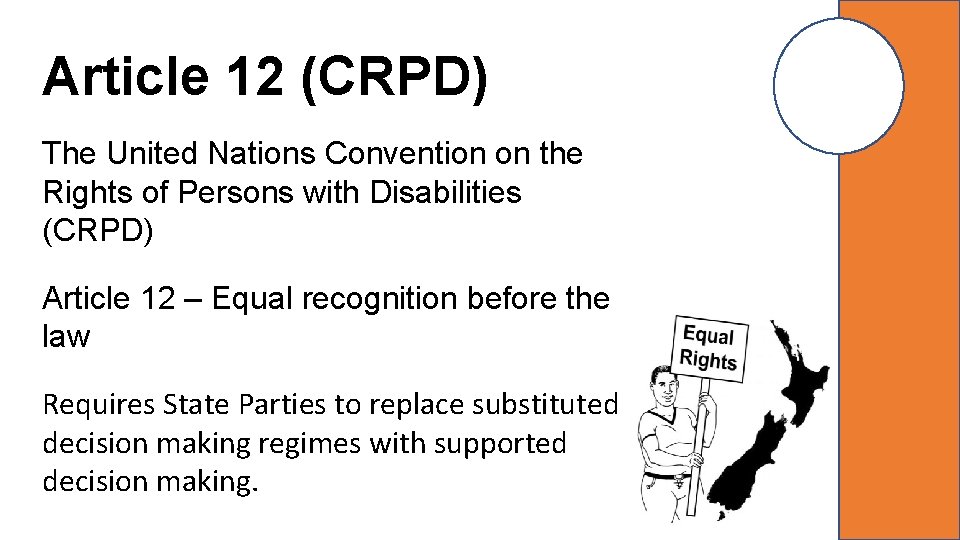
Article 12 (CRPD) The United Nations Convention on the Rights of Persons with Disabilities (CRPD) Article 12 – Equal recognition before the law Requires State Parties to replace substituted decision making regimes with supported decision making.

What is Supported Decision Making? Support that helps an individual with a decision making impairment make their own decisions, by using supporters to: (such as friends, family, advocates, professionals, and other people he/she trusts) • help understand the decision and choices • ask questions • receive information in a way he/she understands; and • communicate his/her own decisions to others.
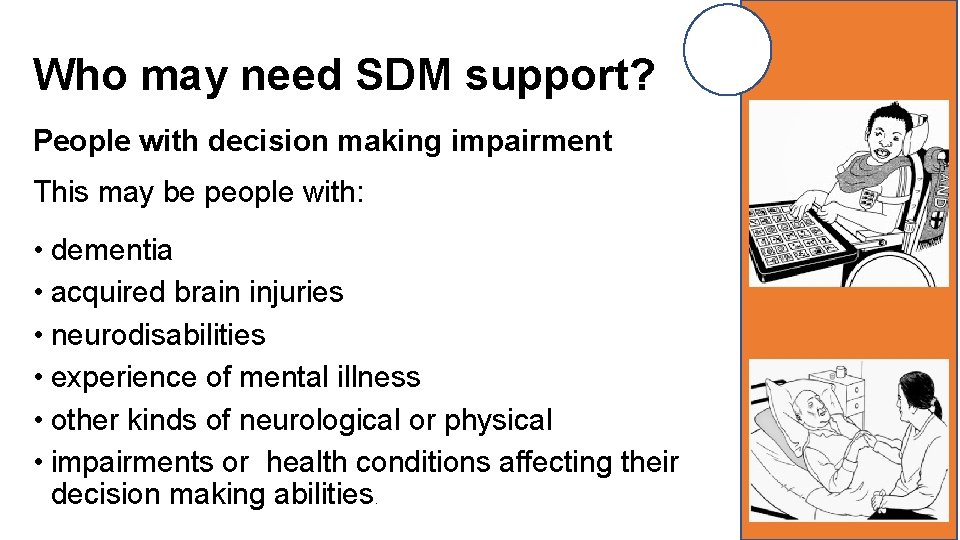
Who may need SDM support? People with decision making impairment This may be people with: • dementia • acquired brain injuries • neurodisabilities • experience of mental illness • other kinds of neurological or physical • impairments or health conditions affecting their decision making abilities.
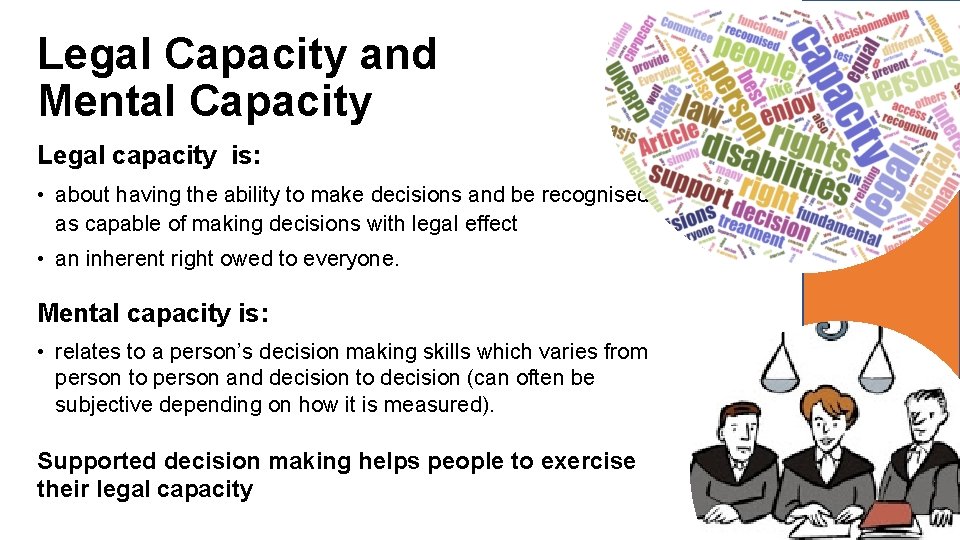
Legal Capacity and Mental Capacity Legal capacity is: • about having the ability to make decisions and be recognised as capable of making decisions with legal effect • an inherent right owed to everyone. Mental capacity is: • relates to a person’s decision making skills which varies from person to person and decision to decision (can often be subjective depending on how it is measured). Supported decision making helps people to exercise their legal capacity
Rethink Capacity and Assessments People may have “capacity” to: • Make some decisions but not others • Make decisions sometimes but not others • Make decisions if they get help understanding the decision to be made.
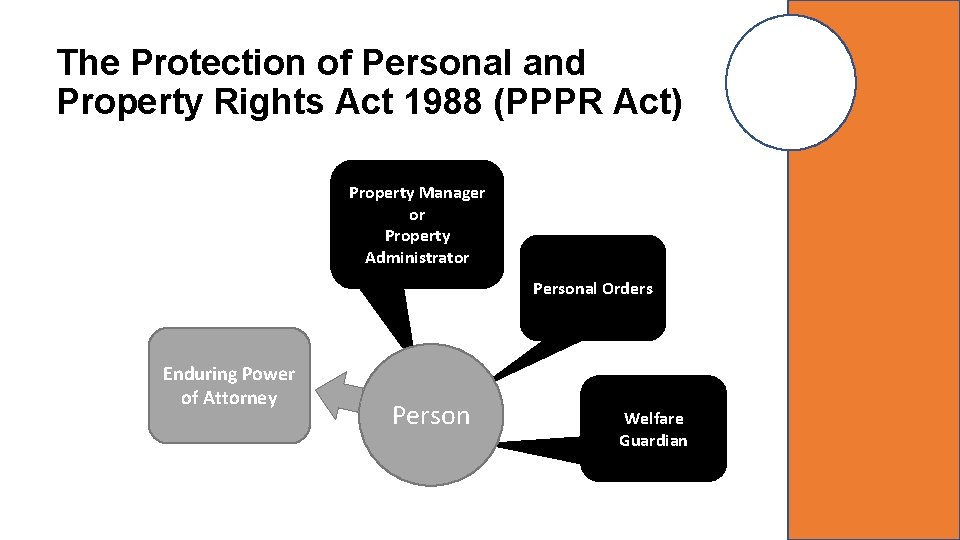
The Protection of Personal and Property Rights Act 1988 (PPPR Act) Property Manager or Property Administrator Personal Orders Enduring Power of Attorney Person Welfare Guardian
Supported Decision Making Steps
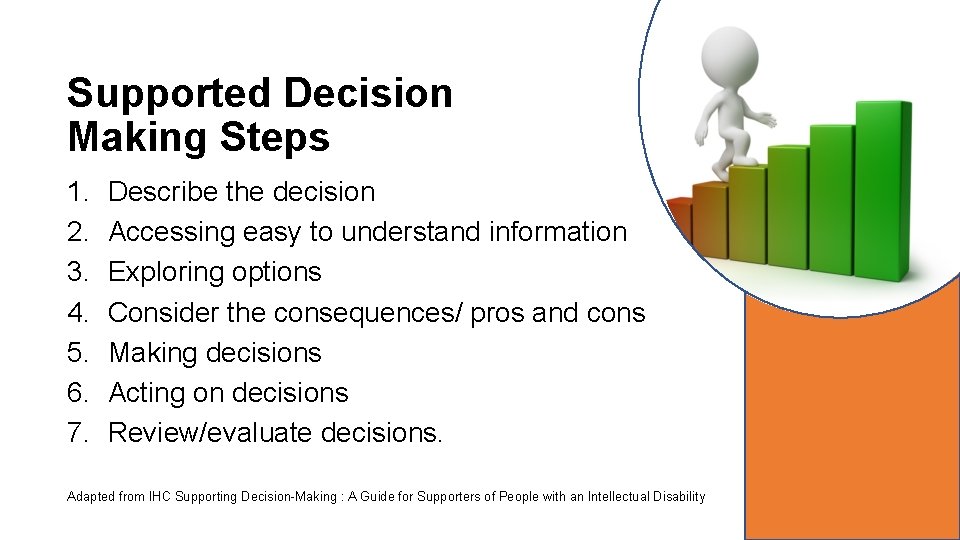
Supported Decision Making Steps 1. 2. 3. 4. 5. 6. 7. Describe the decision Accessing easy to understand information Exploring options Consider the consequences/ pros and cons Making decisions Acting on decisions Review/evaluate decisions. Adapted from IHC Supporting Decision-Making : A Guide for Supporters of People with an Intellectual Disability
Recognising vulnerability and being responsive to people’s needs Understand any limitations the person experiences in their: • ability to safeguard themselves • self-determination • ability to effectively ensure their rights, wishes, preferences and decisions are enacted • capacity to make themselves understood by others • capacity to make decisions about their lives and communicate decisions to others • capacity and likelihood, when their rights are compromised, of speaking up.
Who is a Vulnerable Adult / Adult at Risk? • Has care and/or support needs and • Is experiencing (or at risk of) harm, abuse and neglect and • Because of their care and/or support needs, is unable to protect her/himself against the harm, abuse or neglect (or risk of it)
Adults at Risk form an invisible community 22
Join at vevox. app Or search Vevox in the app store ID: 115 -318 -999 Join: vevox. app ID: 115 -318 -999
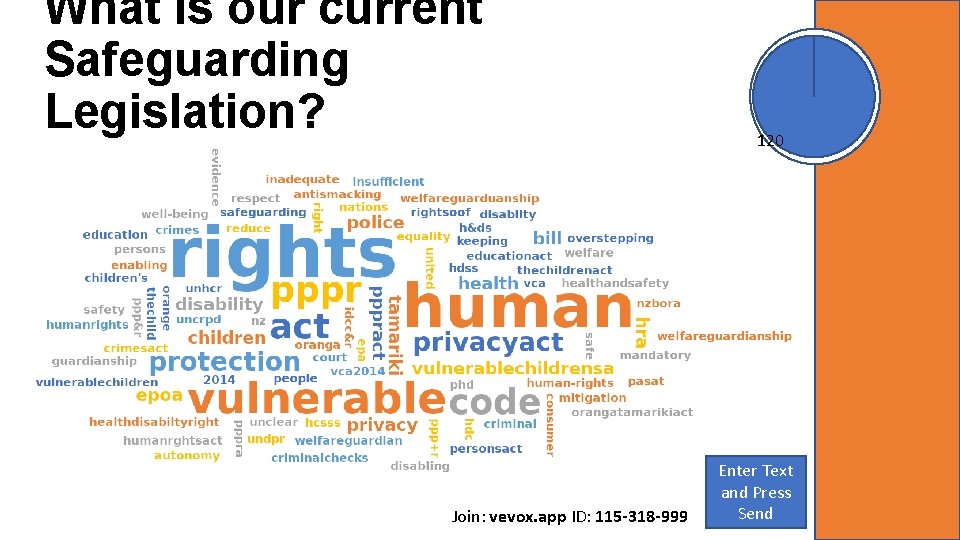
What is our current Safeguarding Legislation? Join: vevox. app ID: 115 -318 -999 120 Enter Text and Press Send
Abuse What are the different types of abuse experienced by disabled people and Adults at Risk?
Case Scenarios
Scenario questions: 1. 2. 3. 4. 5. 6. 7. 8. Is anyone not living their good life, and why? Are anyone’s rights being compromised? Is anyone ‘vulnerable’ in this situation and why? Are there any signs that could indicate that harm, abuse, neglect is happening? Is anyone experiencing/risk of abuse – what type of abuse? What are the strengths and protective factors? What safeguards need to be put in place to ensure the person is living the life they choose safe from harm? Is the person an adult at risk?
What is ‘Safeguarding Adults from Abuse’? SAFA is an integrated multi-agency and multidisciplinary approach to preventing, recognising and responding to harm, abuse and neglect of adults at risk. The Safeguarding Adults approach aims to provide a range of responses and activities that promote and protect the human rights, health, wellbeing and safety of an adult in need of safeguarding.
Safeguarding a Good Life • Safeguarding framework – background and principles • How the safeguarding framework will support disabled people to live the life they choose • Protecting and promoting the human rights of disabled people and adults at risk of abuse and neglect • Factors that increase vulnerability • Who is at risk and in need of safeguarding support • The different types of abuse of disabled people • How to initiate safeguarding adults’ procedures when a disabled person is at risk of or experiencing compromised human rights, abuse and neglect.
Join at vevox. app Or search Vevox in the app store ID: 115 -318 -999 Join: vevox. app ID: 115 -318 -999
What learning outcome do you feel you achieved the most? (Choose two):
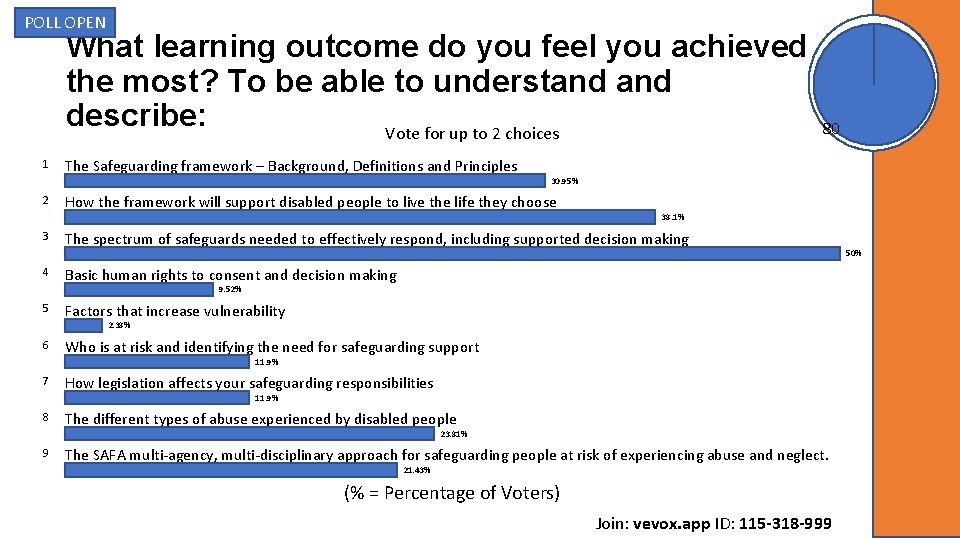
POLL OPEN What learning outcome do you feel you achieved the most? To be able to understand describe: Vote for up to 2 choices 1 2 3 4 The Safeguarding framework – Background, Definitions and Principles 80 30. 95% How the framework will support disabled people to live the life they choose 38. 1% The spectrum of safeguards needed to effectively respond, including supported decision making Basic human rights to consent and decision making 9. 52% 5 Factors that increase vulnerability 2. 38% 6 Who is at risk and identifying the need for safeguarding support 11. 9% 7 How legislation affects your safeguarding responsibilities 11. 9% 8 The different types of abuse experienced by disabled people 23. 81% 9 The SAFA multi-agency, multi-disciplinary approach for safeguarding people at risk of experiencing abuse and neglect. 21. 43% (% = Percentage of Voters) Join: vevox. app ID: 115 -318 -999 50%
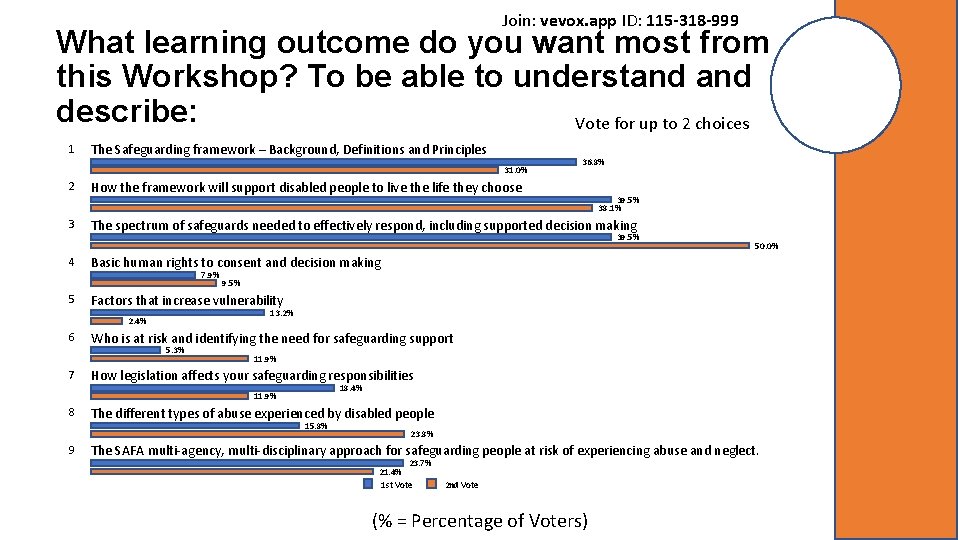
Join: vevox. app ID: 115 -318 -999 What learning outcome do you want most from this Workshop? To be able to understand describe: Vote for up to 2 choices 1 The Safeguarding framework – Background, Definitions and Principles 31. 0% 2 3 36. 8% How the framework will support disabled people to live the life they choose 39. 5% 38. 1% The spectrum of safeguards needed to effectively respond, including supported decision making 39. 5% 4 Basic human rights to consent and decision making 7. 9% 5 13. 2% Who is at risk and identifying the need for safeguarding support 5. 3% 7 9. 5% Factors that increase vulnerability 2. 4% 6 11. 9% How legislation affects your safeguarding responsibilities 18. 4% 11. 9% 8 The different types of abuse experienced by disabled people 15. 8% 9 50. 0% 23. 8% The SAFA multi-agency, multi-disciplinary approach for safeguarding people at risk of experiencing abuse and neglect. 23. 7% 21. 4% 1 st Vote 2 nd Vote (% = Percentage of Voters) 33
What is Safeguarding? Enter Text and Press Send 80 Join: vevox. app ID: 115 -318 -999
Thank You! Questions and evaluation
- Slides: 35