
Safavid Characteristics Like the architecture of the Ottomans
- Slides: 50
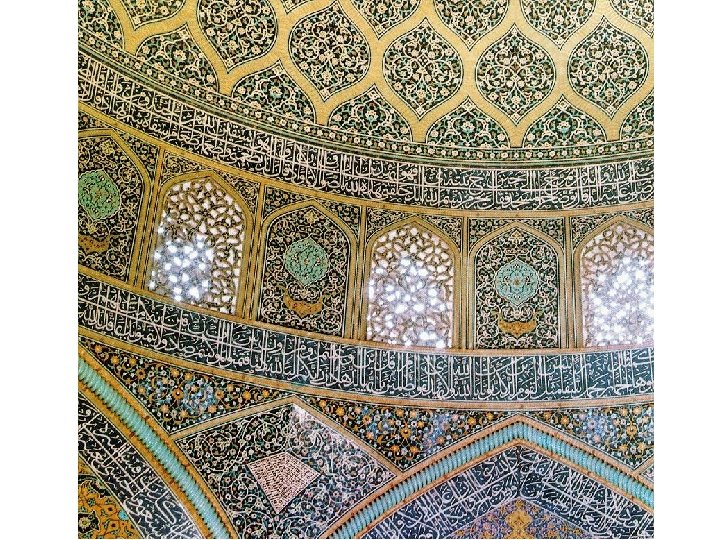
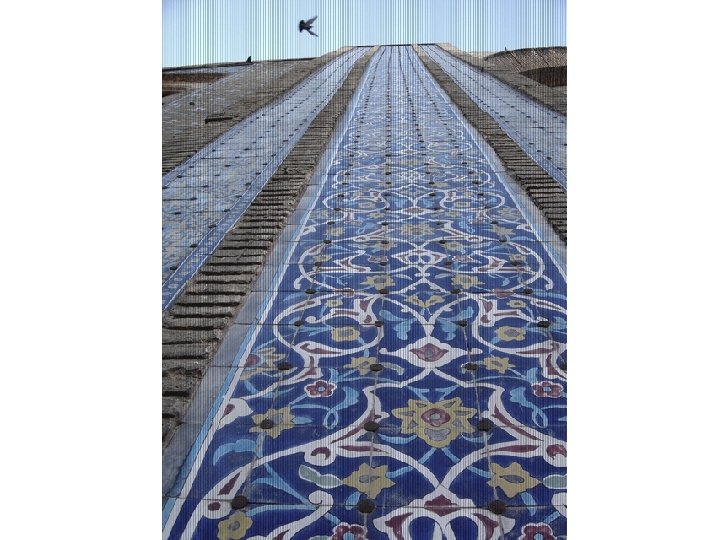
Safavid Characteristics Like the architecture of the Ottomans and the Mughals, the work of the Safavids is immediately recognizable. Certain features, although by no means universal, are typical. Among these are the following: • Courtyards with four iwans, each with a rectangular frame with elaborate designs • Intricate geometric and organic designs, often completely covering a dome or spread in columns or rows over large wall areas • Deep colors (especially blues, greens, yellows) and white • Tiers of muqarnas or stalactite vaulting • Slightly pointed rather than hemispherical domes. Very little Safavid architecture survives from the 16 th century. The 17 th century, however, offers some of the most famous and beautiful Islamic structures in the world.
• Safavid Architecture • Abbas - "initiated a new period in Persian architecture in which the rich, sensationally colored and imaginative details developed by his predecessors became unified into serene and meaningful ensembles of immense scale and grandeur. " • The large colorful domes and wall designs created during 'Abbas'
• • • Safavid Isfahan Shah 'Abbas moved his capital to Isfahan and initiated an extensive building program in that city. 'Abbas oversaw the development of a city plan, the centerpiece of which was a grand 'maidan' or plaza developed between 1590 and 1602. The maidan was nearly 1700 feet long and over 500 feet wide. Located around it were a multi-purpose royal building called the 'Ali Qapu, the Shah Mosque, the bazaar, the Lutfallah mosque, and other structures. The maidan was originally developed for "state ceremonies and sports. " In the second phase of development, however, "it was redeveloped for commercial purposes, with two stories of shops around the perimeter. The long modular facades, originally decorated with polychrome glazed tiles, are broken only by the monumental entrances to four buildings. "
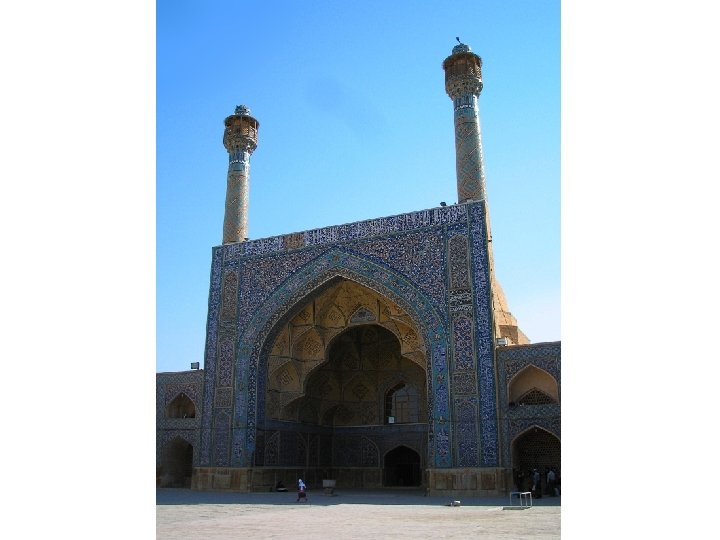
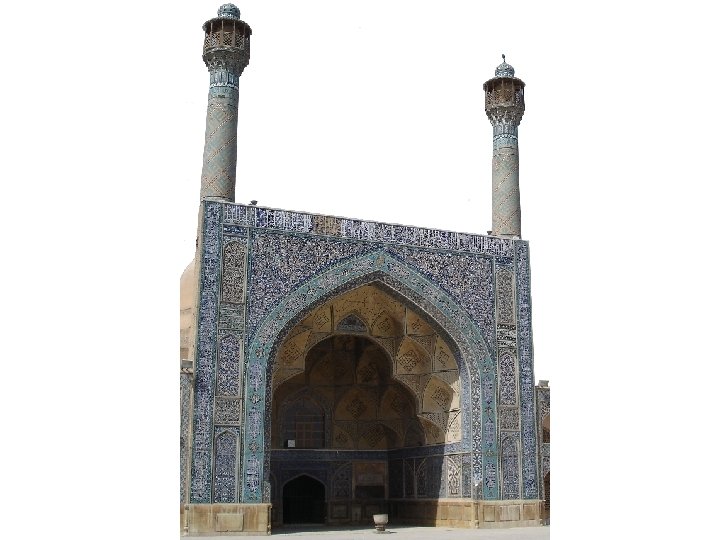
• • Safavid Isfahan One of the finest structures in Isfahan is the Masjid-i-shah or Shah Mosque complex, built between 1612 and 1638. "This monument represents the culmination of a thousand years of mosque building in Persia. " The entrance to the complex consists of a large arch and two minarets. Inside the arch are tiers of muqarnas. Around the outside are bands of intricate decoration and sacred inscriptions. The entrance leads from the maidan to the courtyard of the mosque itself - reoriented by about 45 degrees in order that the direction of prayer be toward Mecca. Perhaps the most striking aspects of the entire complex are its symmetry and color. Multi-colored mosaics, inscriptions, and both organic and geometric designs are used throughout. The great dome itself consists of a double shell (the outer shell being about 45 feet higher then the inner). It rises approximately 170 feet above the sanctuary, displaying gold ornamentation set in a deep blue background. "The ornamentation is wholly traditional, repeating the ancient Iranian motif of symbolic appeal for fertility and abundance. Almost the entire surface of the building is covered with enamel tile, depicting a vast display of floral wealth that is abstract and imaginative. "
• Safavid architecture is best known from the urban program completed in Isfahan. • The urban program initiated at this time consisted of an axial arrangement of new royal markets that linked the old city center to a new arrangement of markets, mosques, and the royal palace that opened onto a monumental and multifunctional rectangular space known as the maidan. • This new arrangement, and the aristocratic quarter of palaces and gardens that was developed west of the maidan behind the royal palace became Isfahan's new political and commercial center. • Safavid mosque architecture illustrates the Safavid continuation of earlier Timurid and Persian traditions of brick construction combined with glazed tile revetment and the use of formal elements like the pishtaq (monumental arched portal) and the four-iwan plan.
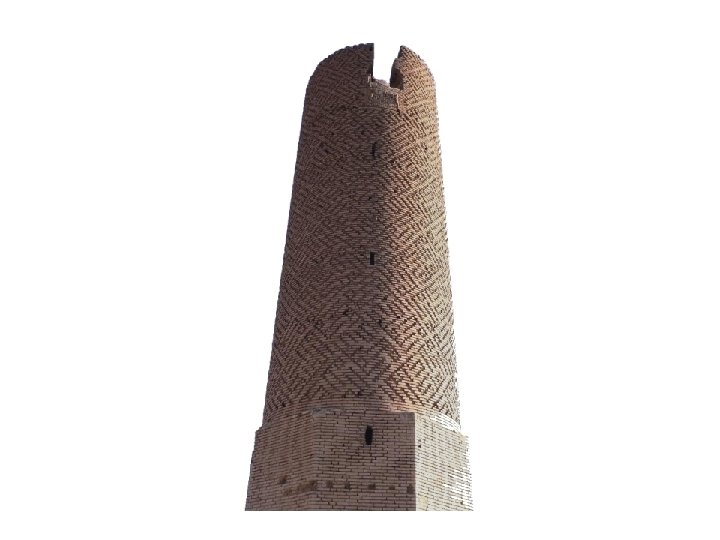
• • • Safavid Architecture During the Safavids, networks of caravansaries were constructed throughout the country to facilitate transportation and promote trade. The Safavid architecture effectively influenced other countries’ constructional activities. The emphasis on the greatness of buildings, started during the Timurids, continued to be a principle in many works. Radial symmetry was implemented in an official and splendid way. There was a prevalent tendency among architects to build recessed structures like niches or even entrances. The unexpected contradiction in scale or lighting created the mutual reactions between small and large or open and closed spaces. • Undoubtedly, color had a central role in the Safavid architecture. • • • Tiles, in comparison to the previous eras, covered vaster surfaces. Colors and decorations were the main concern of architects, not the structure. Safavid architecture was actually the climax of skill and experience of Iranian architects where traditional forms were easily used in awesome scales. Plenty of functional structures were also built like bridges, bazaars, bathhouses, water reservoirs, dams, pigeon towers and caravansaries. •
In architectural decoration great importance was given to calligraphy, which was transformed into an art of monumental inscriptions. Its chief exponent was Muhammad Riza-i-Imami who worked in Qum, Qazvin and above all, between 1673 and 1677 in Mashad. However, The death of Shah Abbas Iin 1629 marked the beginning of the end for the golden age of Safavid architecture. The Safavids none the less, left a massive imprint on the architectural history of Great Iran ("Iran-e-Bozorg"). In Isfahan, Shah Abbas’s chosen capital, a great cultural flowering saw the emergence of stunningly beautiful Islamic architecture, painting, carpet design, calligraphy, metalwork and exquisite silks. Adding parks, libraries and mosques to this already intoxicating cocktail of artistic development gave Persia one of the world’s most beautiful cities. Little wonder the people of Isfahan called their city Nisf-e-Jahan, translated as “half the world” meaning that visitors to the city would see half the world. The majority of the better samples of Safavid architectural mastery are to be found within Isfahan.
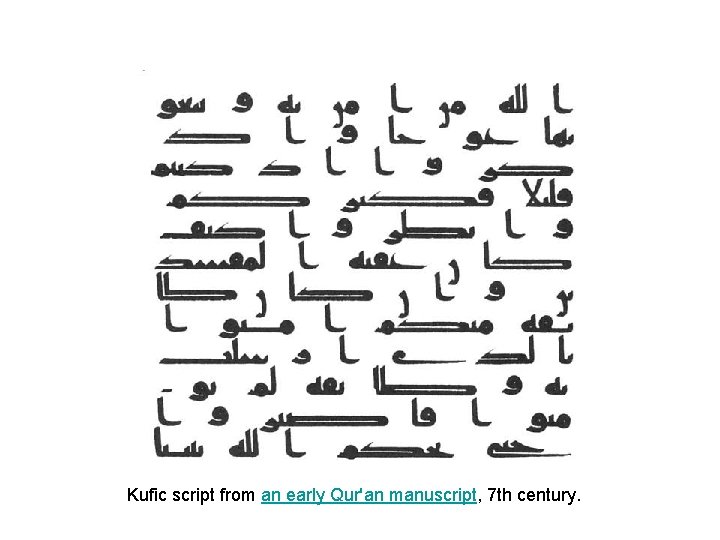
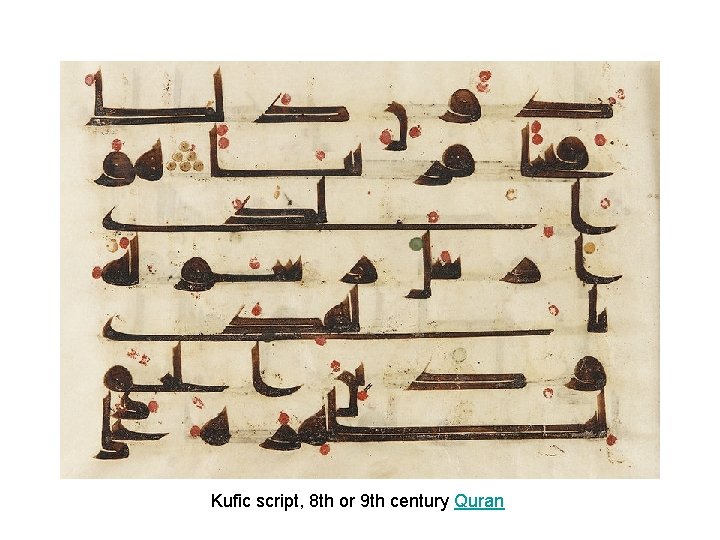
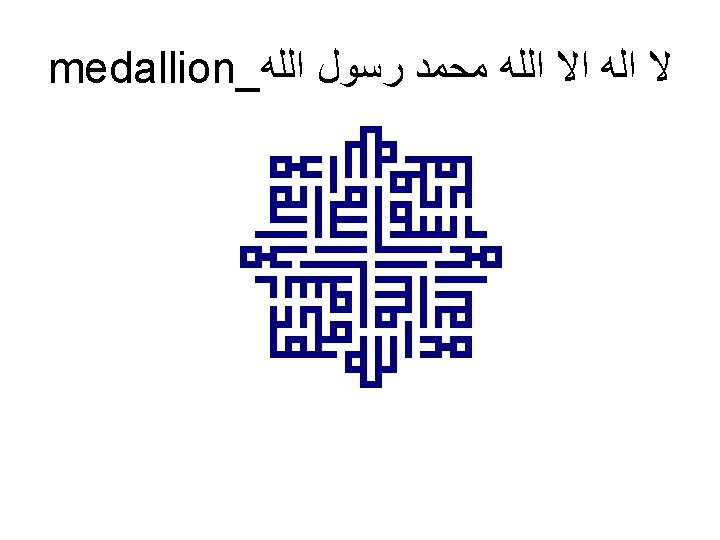
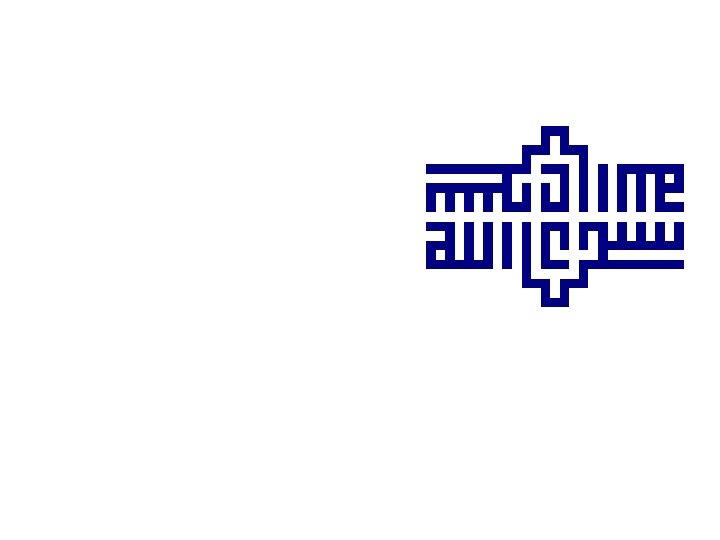
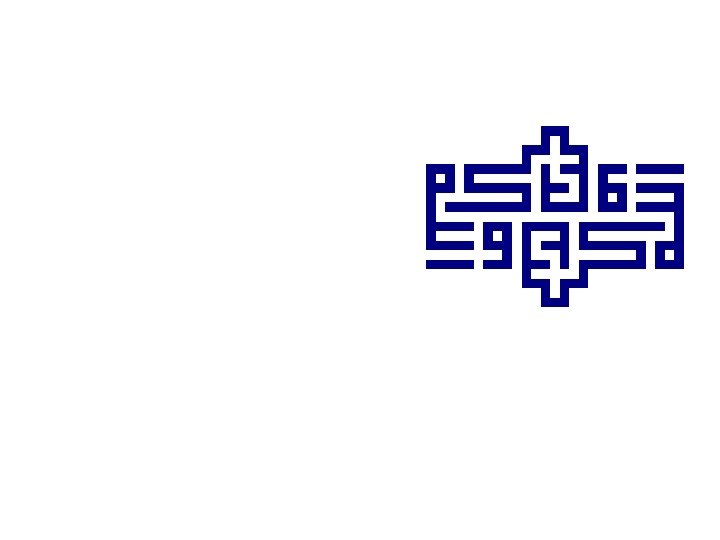
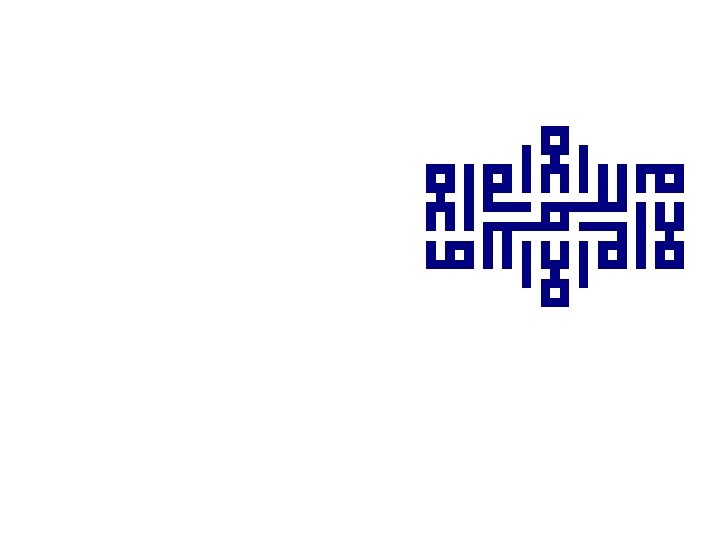
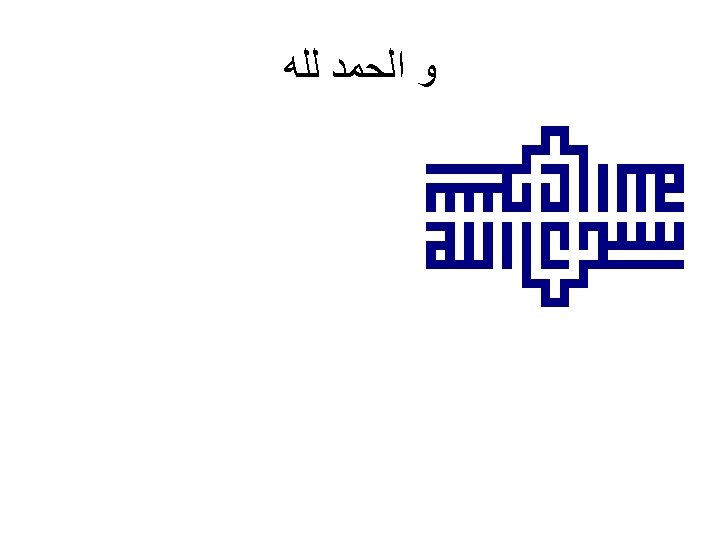
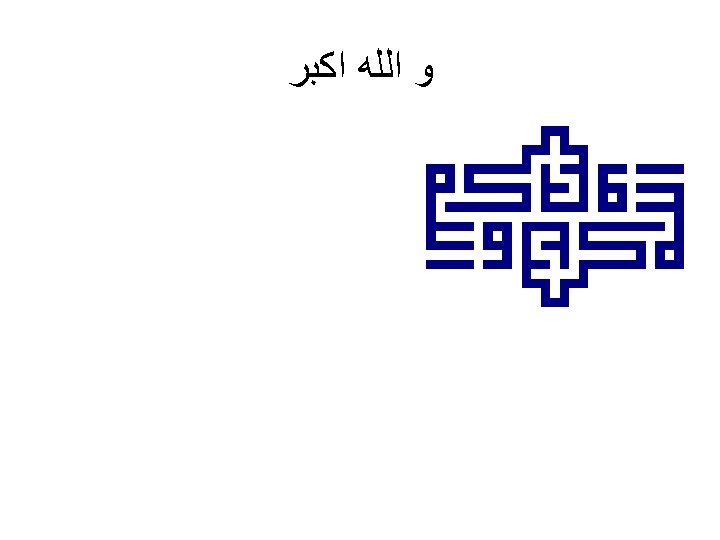
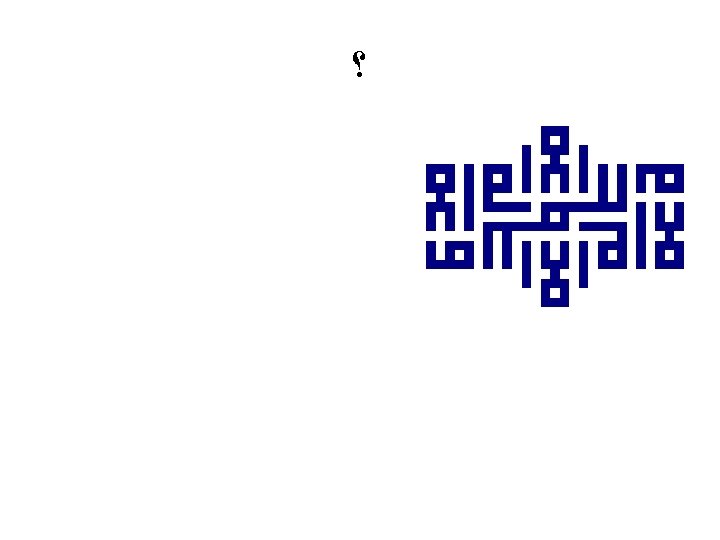
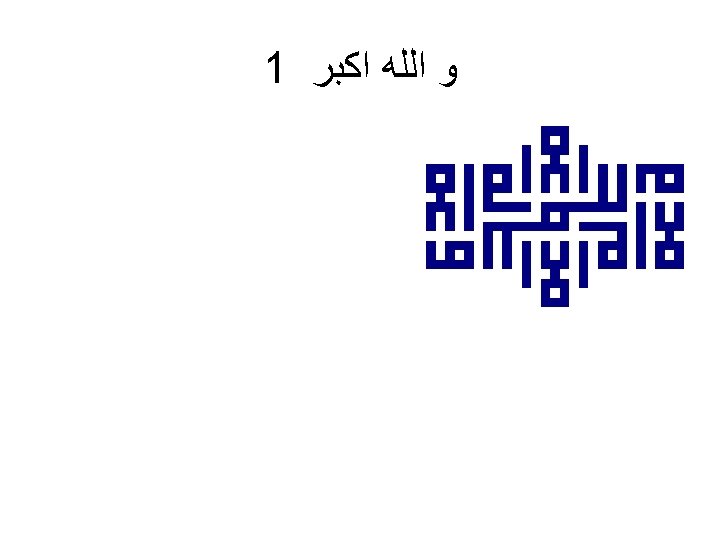
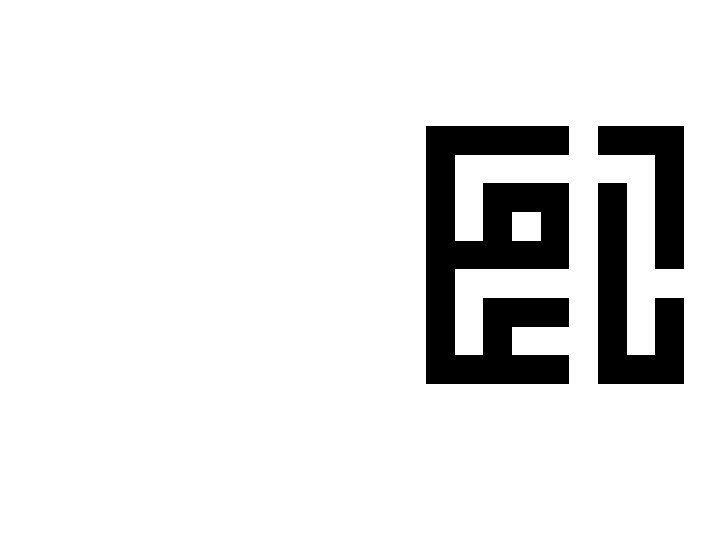
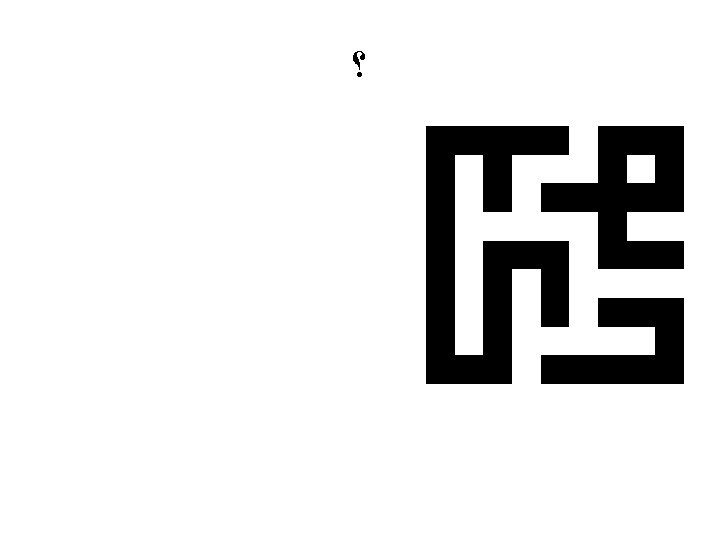
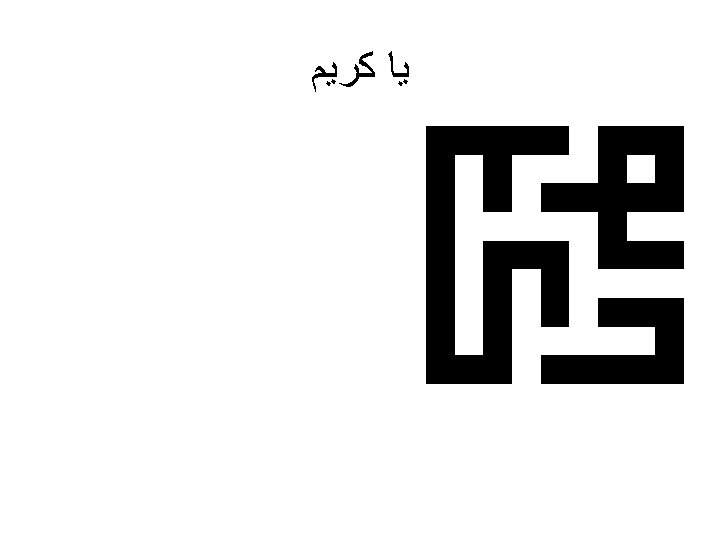
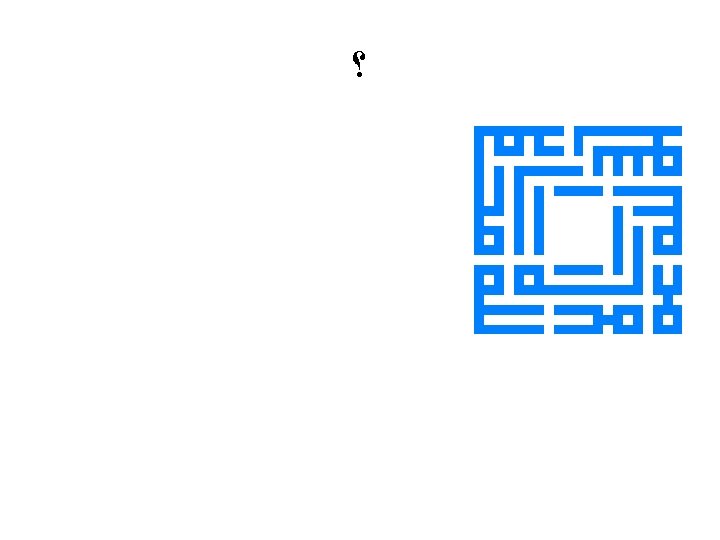
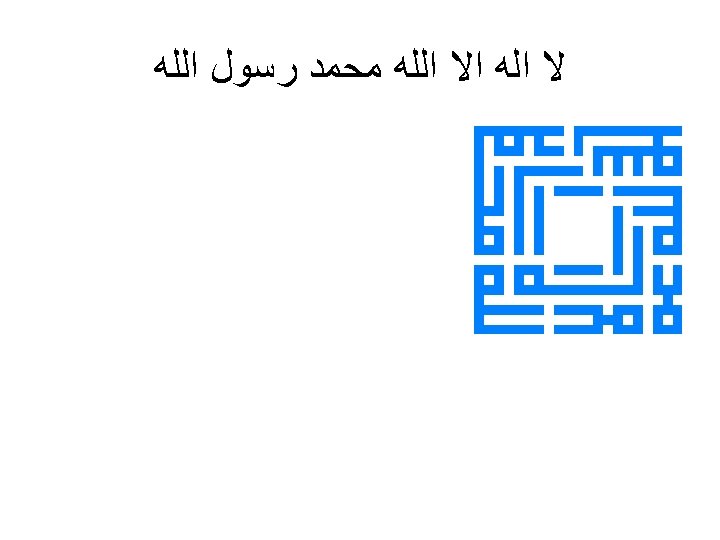
Kufic • It is the oldest calligraphic form of the various Arabic scripts. • Its name is derived from the city of Kufa. • It was in this script that the first copies of the Qur'an were written. • Kufic is a form of script consisting of straight lines and angles, often with elongated verticals and horizontals. • It originally did not have consonant pointing distinguishing, for example, b, t, and th. It is still employed in Islamic countries though it has undergone a number of alterations over the years and also displays regional differences.
Kufic script from an early Qur'an manuscript, 7 th century.
Kufic script, 8 th or 9 th century Quran
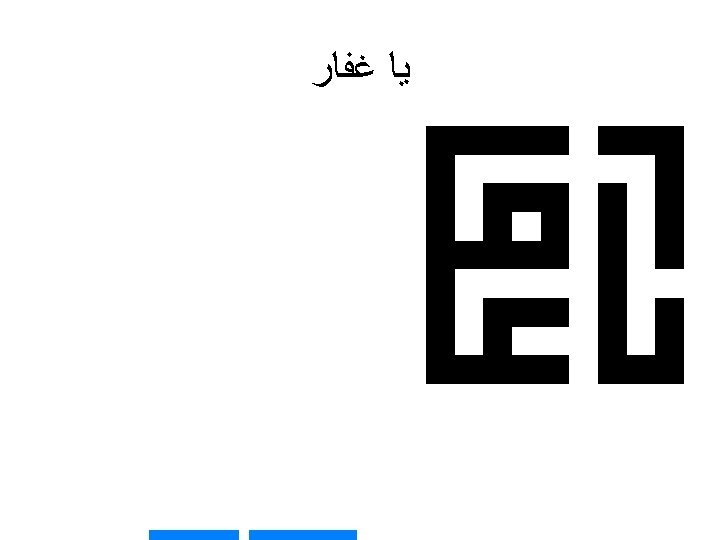
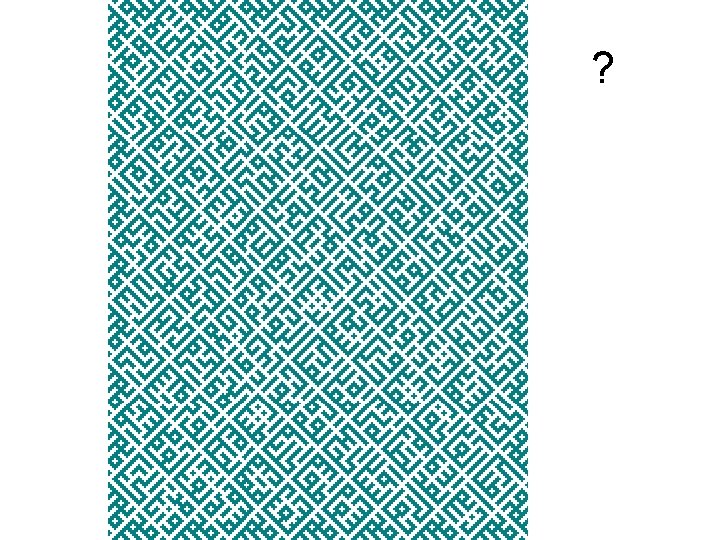
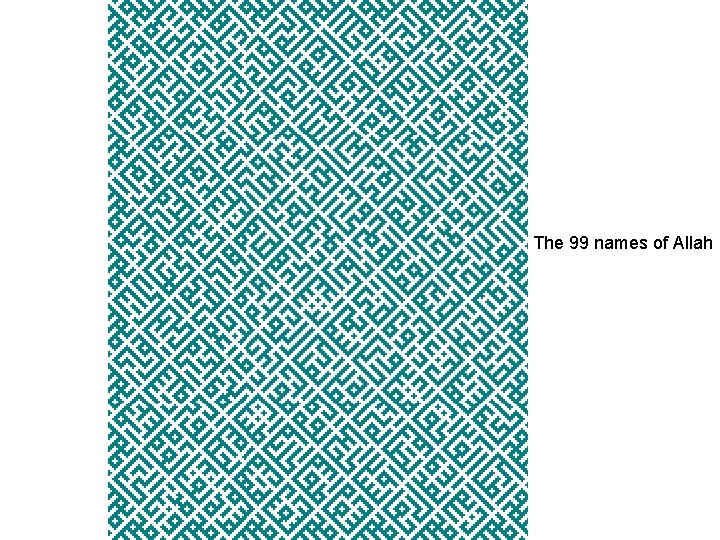
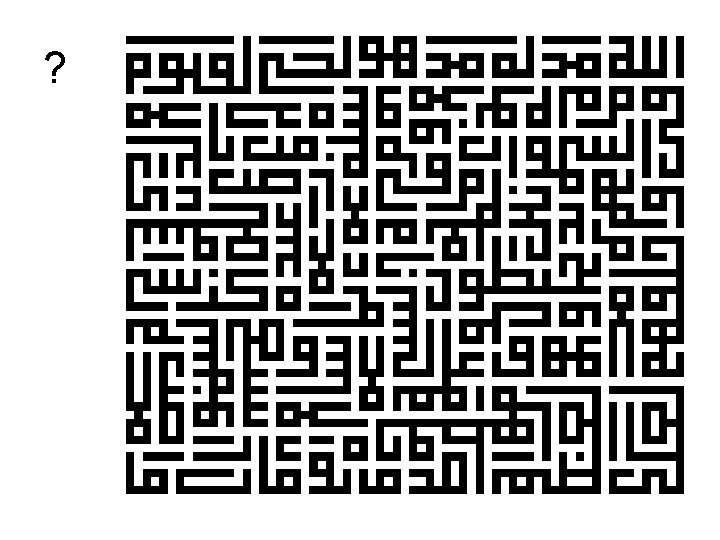
The 99 names of Allah
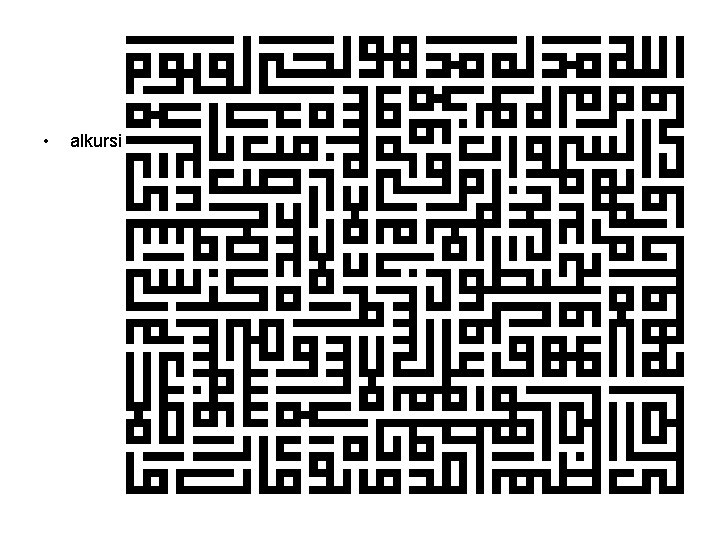
• alkursi
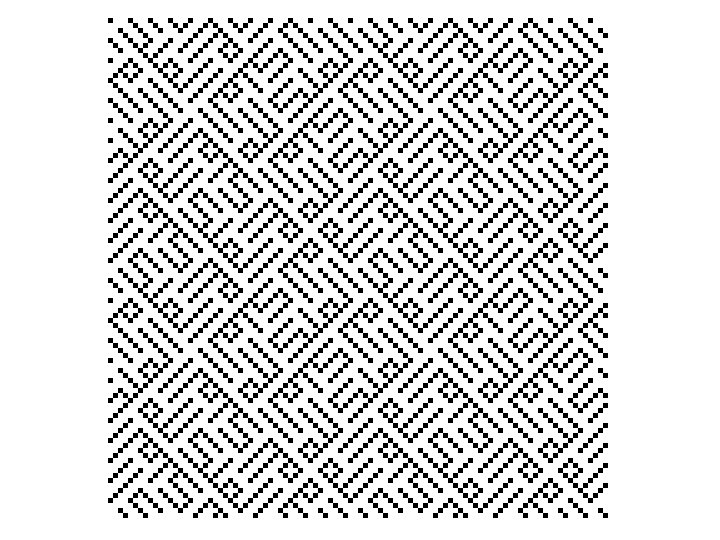
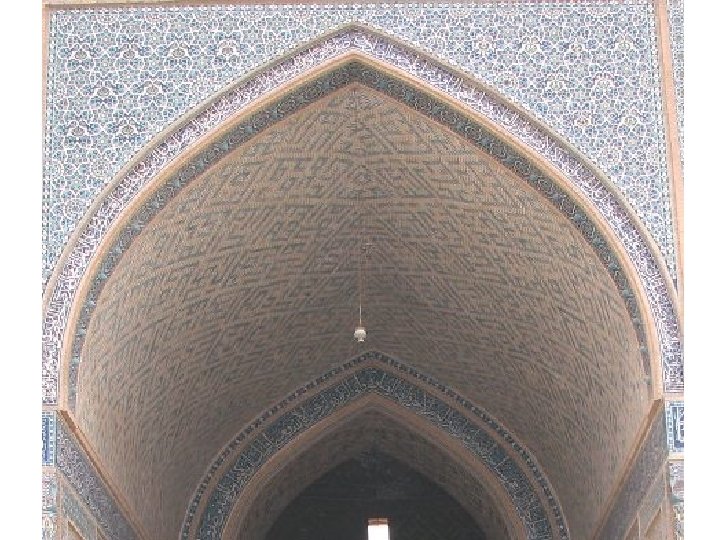
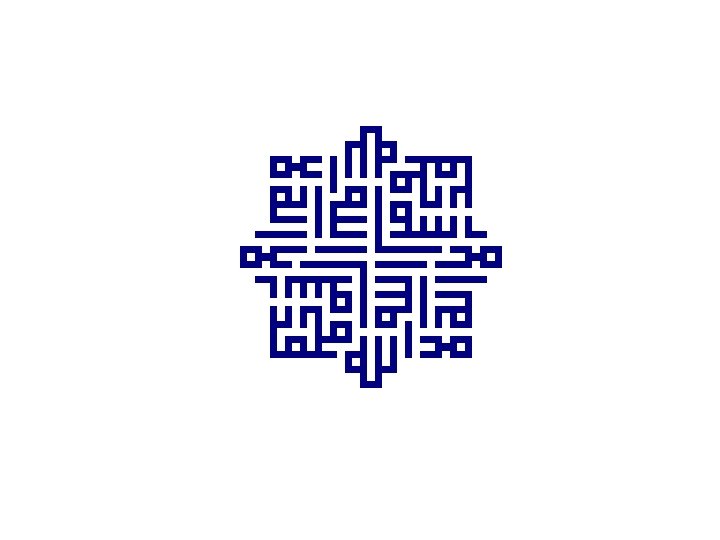
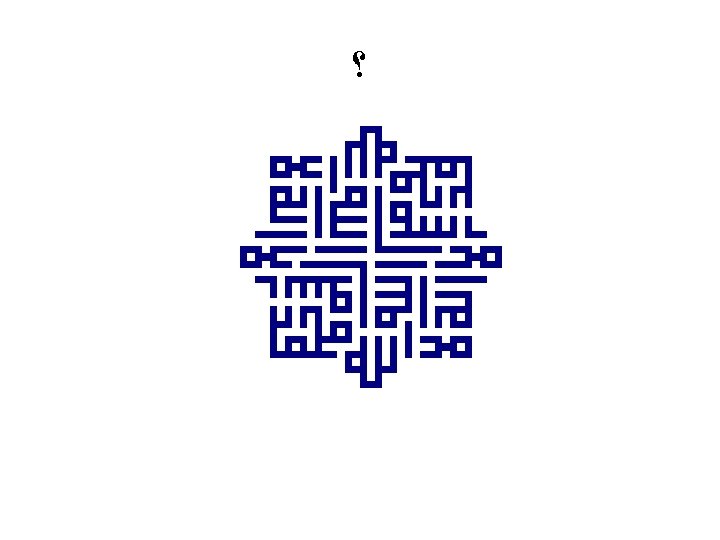
• http: //www. kufic. info/architecture/ansari. htm • http: //www. kufic. info/architecture. htm • The 99 names of Allah • The text on the iwan ceiling of the Friday mosque at Yazd represents a list of the 99 names of Allah. The list begins at the lower right corner and spirals left around the edge and in towards the middle, the end of the list thus in the center. A large part of the names are easily legible but others are more difficult, there are some errors, miss or alternative spellings
• • • Safavid Art in Iran (c. 1502 -1736) In the late 16 th century, the Safavid capital was established at Isfahan, in the heart of ancient Persia, where it became the centre of eastern Muslim art and culture for almost two centuries. Isfahan Safavid architecture is exemplified by the domed mosque of Shaykh Lutfullah (1603 -18) and the Great Mosque of Shah Abbas (1612 -20) (Masjid-i Shah). Advances in Safavid painting - including, brightly coloured stylized imagery as well as a highly realist style of figurative drawing - came predominantly from the schools of Tabriz, Herat, Bukhara and Kasvin. In the decorative arts, Safavid artists excelled in all areas of the book - like gilding, illumination, calligraphy and lacquer-painted leather bookbinding. Also in carpet-design, the Safavid period saw the replacement of Turkish abstract patterns by new floral and figurative designs. Also, advances were made in ceramic art, due in part to the influence of Chinese porcelain. Persian Safavid art is noted for its architecture, its decorative designwork (eg. knotted rugs, silk-weaving) and its figurative painting. The latter, in particular, gave rise to a richness and variety almost unparalleled in Islamic art, and led to the emergence of individual artists and the creation of personal styles.
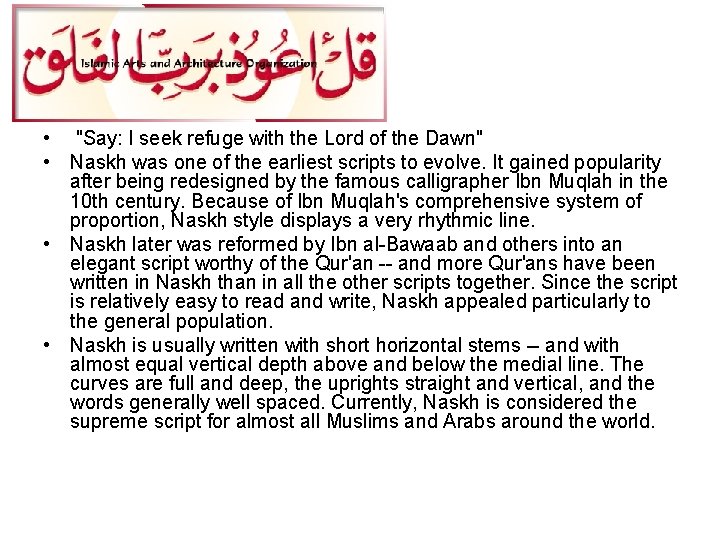
• "Say: I seek refuge with the Lord of the Dawn" • Naskh was one of the earliest scripts to evolve. It gained popularity after being redesigned by the famous calligrapher Ibn Muqlah in the 10 th century. Because of Ibn Muqlah's comprehensive system of proportion, Naskh style displays a very rhythmic line. • Naskh later was reformed by Ibn al-Bawaab and others into an elegant script worthy of the Qur'an -- and more Qur'ans have been written in Naskh than in all the other scripts together. Since the script is relatively easy to read and write, Naskh appealed particularly to the general population. • Naskh is usually written with short horizontal stems -- and with almost equal vertical depth above and below the medial line. The curves are full and deep, the uprights straight and vertical, and the words generally well spaced. Currently, Naskh is considered the supreme script for almost all Muslims and Arabs around the world.
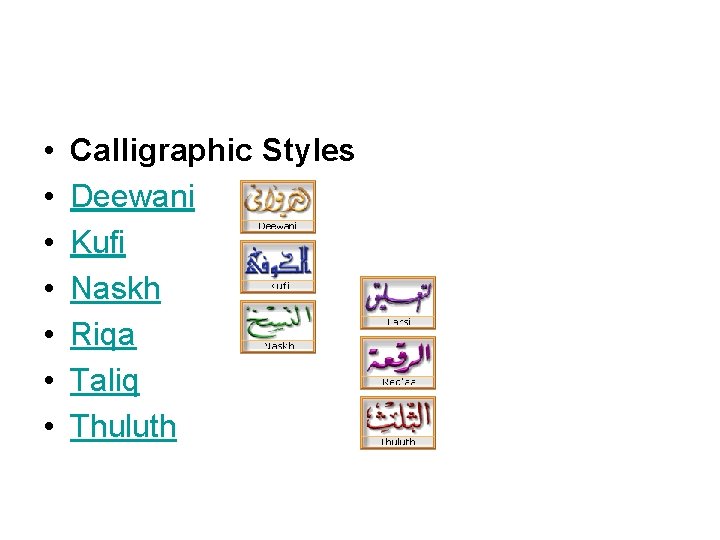
• • Calligraphic Styles Deewani Kufi Naskh Riqa Taliq Thuluth
• • Kufi was the dominant priestly script in early times. It was created after the establishment of the two Muslim cities of Basrah and Kufah in the second decade of the Islamic era (8 th century A. D. ). The script has specific proportional measurements, along with pronounced angularity and squareness. It became known as al-Khat al-Kufi (Kufi script). Kufi script had a profound effect on all Islamic calligraphy. In contrast to its low verticals, Kufi has horizontal lines that are extended. The script is considerably wider than it is high. This gives it a certain dynamic momentum. The script often is chosen for use on oblong surfaces. With its glorious Handasi (geometrical) construction, Kufi could be adapted to any space and material -- from silk squares to the architectural monuments left by Timur at Samarqand. Because Kufi script was not subjected to strict rules, calligraphers employing it had virtually a free hand in the conception and execution of its ornamental forms.
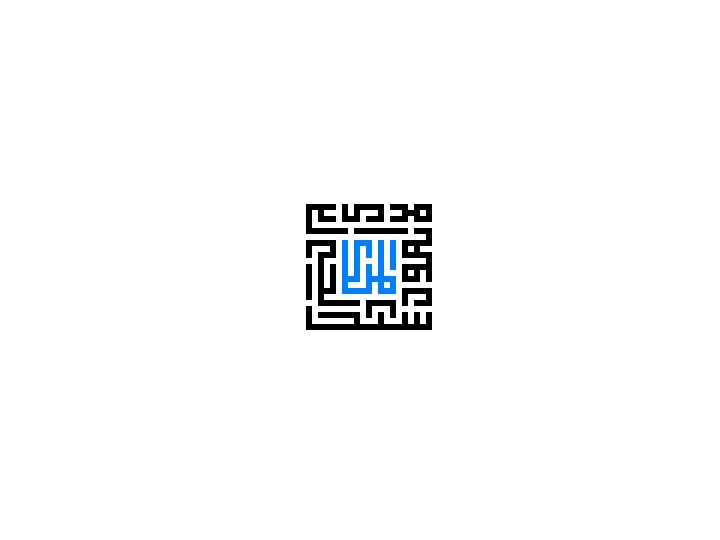
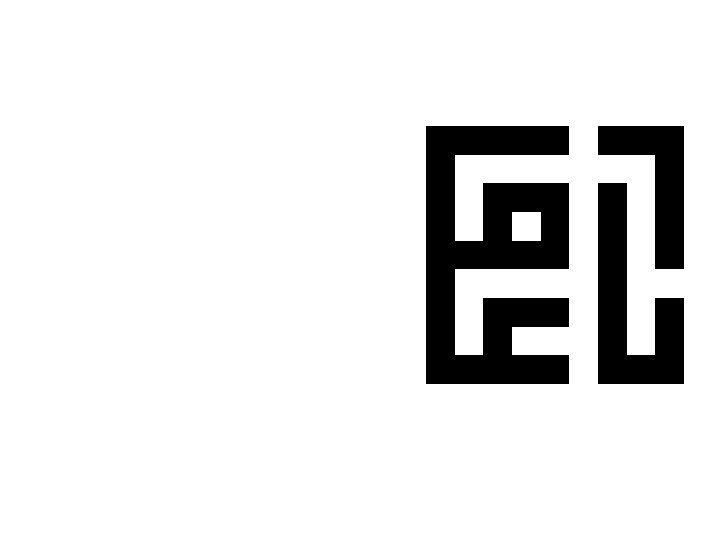
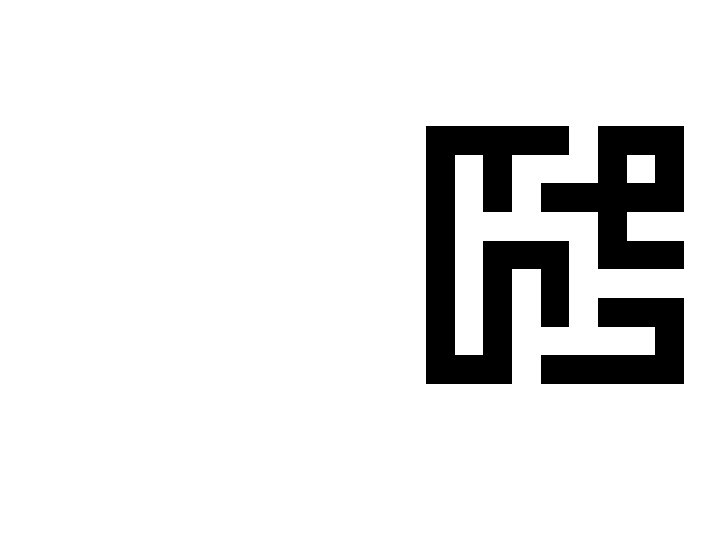
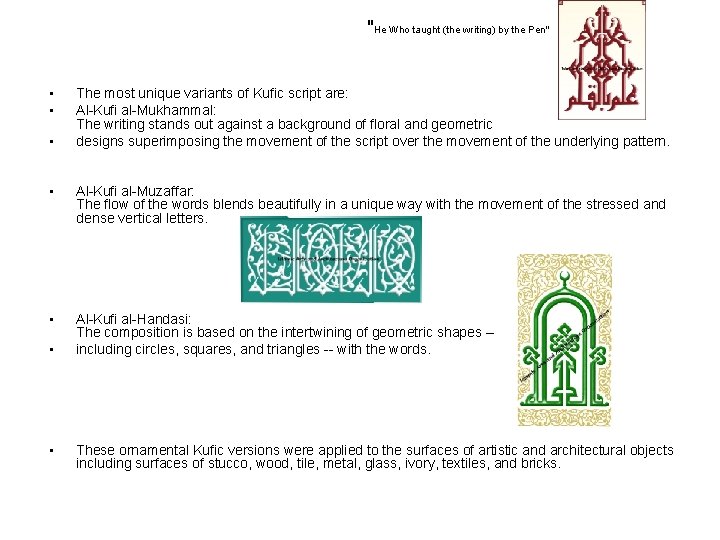
"He Who taught (the writing) by the Pen" • • • The most unique variants of Kufic script are: Al-Kufi al-Mukhammal: The writing stands out against a background of floral and geometric designs superimposing the movement of the script over the movement of the underlying pattern. • Al-Kufi al-Muzaffar: The flow of the words blends beautifully in a unique way with the movement of the stressed and dense vertical letters. • Al-Kufi al-Handasi: The composition is based on the intertwining of geometric shapes – including circles, squares, and triangles -- with the words. • • These ornamental Kufic versions were applied to the surfaces of artistic and architectural objects including surfaces of stucco, wood, tile, metal, glass, ivory, textiles, and bricks.