
Running your kaizen workshop How to use this
- Slides: 20
Running your kaizen workshop How to use this guide: Use this presentation as a starting point to run your own kaizen workshop. It will help you engage your team with why kaizen is important, save time in preparation and help improve your processes.
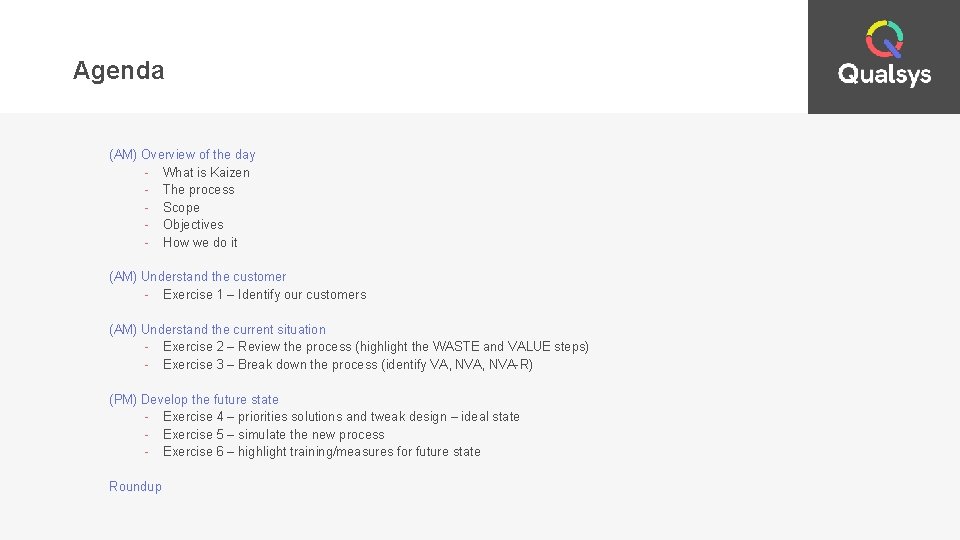
Agenda (AM) Overview of the day - What is Kaizen - The process - Scope - Objectives - How we do it (AM) Understand the customer - Exercise 1 – Identify our customers (AM) Understand the current situation - Exercise 2 – Review the process (highlight the WASTE and VALUE steps) - Exercise 3 – Break down the process (identify VA, NVA-R) (PM) Develop the future state - Exercise 4 – priorities solutions and tweak design – ideal state - Exercise 5 – simulate the new process - Exercise 6 – highlight training/measures for future state Roundup
It’s about improvement
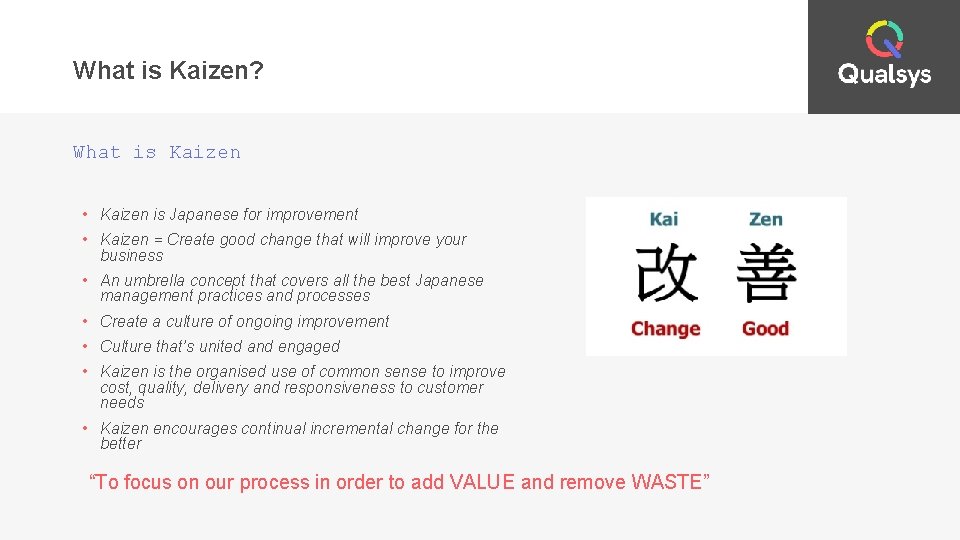
What is Kaizen? What is Kaizen • Kaizen is Japanese for improvement • Kaizen = Create good change that will improve your business • An umbrella concept that covers all the best Japanese management practices and processes • Create a culture of ongoing improvement • Culture that’s united and engaged • Kaizen is the organised use of common sense to improve cost, quality, delivery and responsiveness to customer needs • Kaizen encourages continual incremental change for the better “To focus on our process in order to add VALUE and remove WASTE”
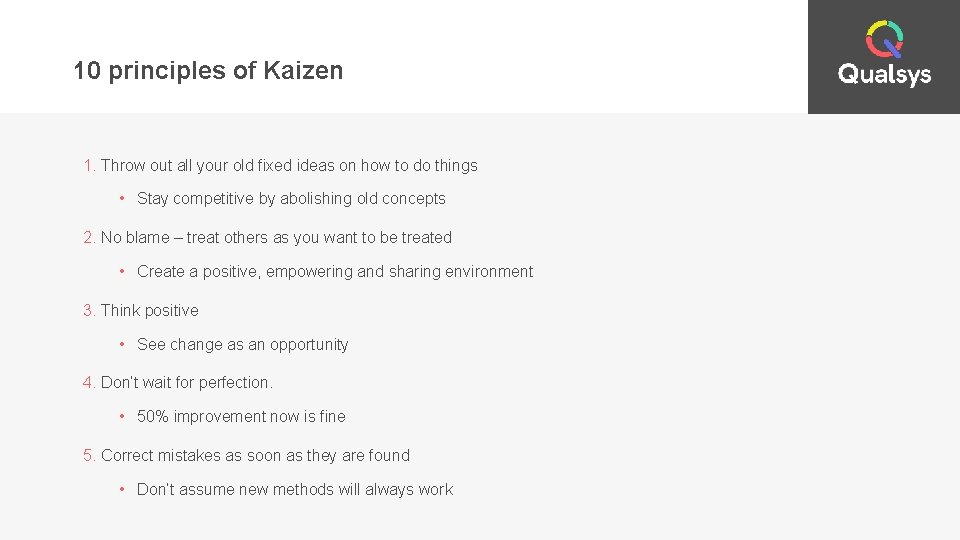
10 principles of Kaizen 1. Throw out all your old fixed ideas on how to do things • Stay competitive by abolishing old concepts 2. No blame – treat others as you want to be treated • Create a positive, empowering and sharing environment 3. Think positive • See change as an opportunity 4. Don’t wait for perfection. • 50% improvement now is fine 5. Correct mistakes as soon as they are found • Don’t assume new methods will always work
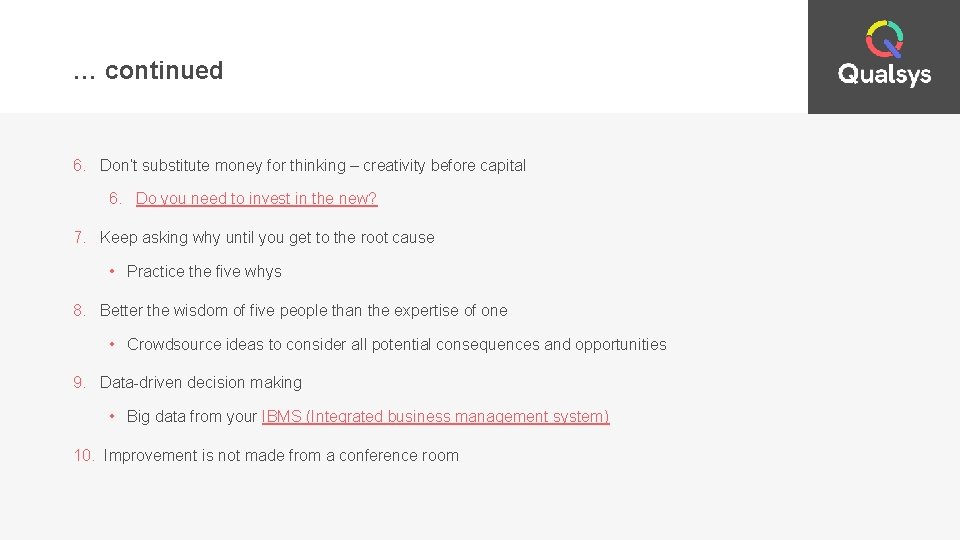
… continued 6. Don’t substitute money for thinking – creativity before capital 6. Do you need to invest in the new? 7. Keep asking why until you get to the root cause • Practice the five whys 8. Better the wisdom of five people than the expertise of one • Crowdsource ideas to consider all potential consequences and opportunities 9. Data-driven decision making • Big data from your IBMS (Integrated business management system) 10. Improvement is not made from a conference room
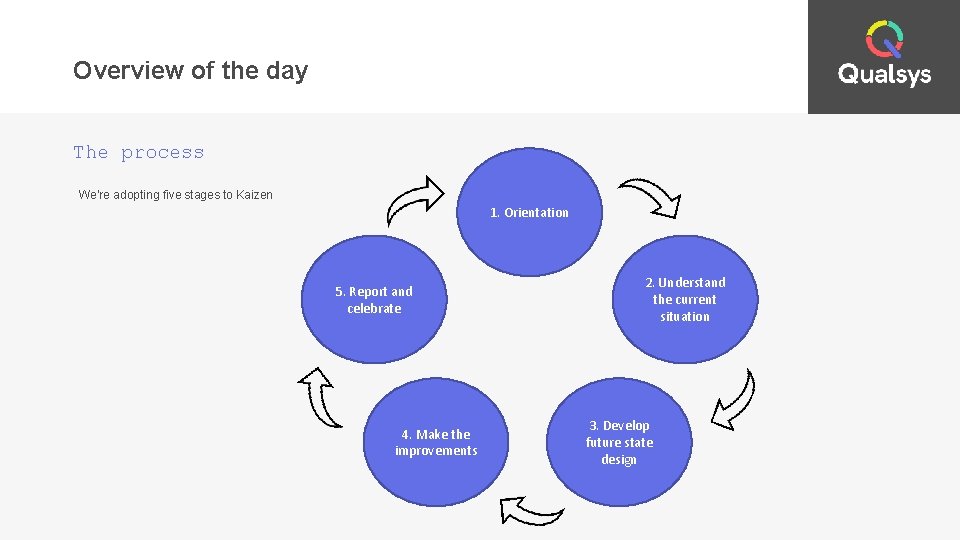
Overview of the day The process We’re adopting five stages to Kaizen 1. Orientation 5. Report and celebrate 4. Make the improvements 2. Understand the current situation 3. Develop future state design
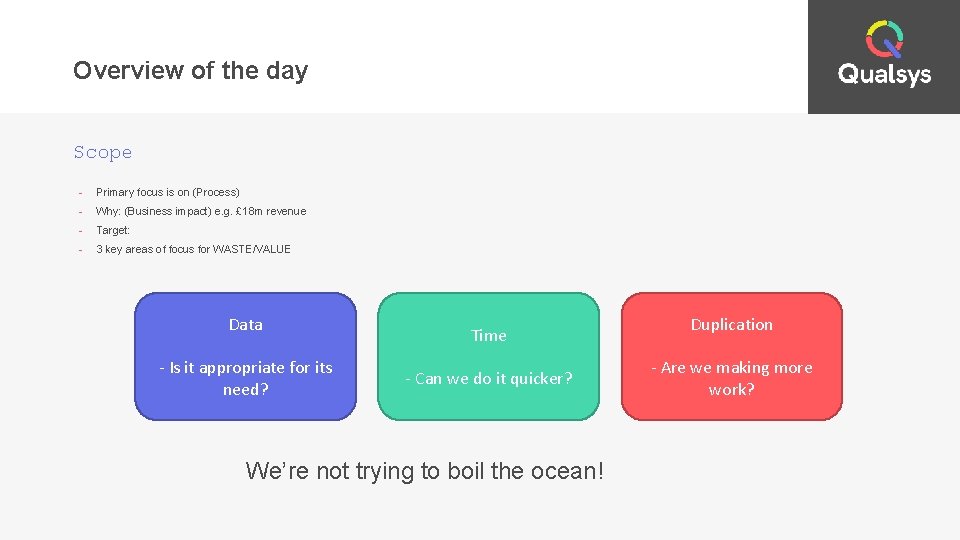
Overview of the day Scope - Primary focus is on (Process) - Why: (Business impact) e. g. £ 18 m revenue - Target: - 3 key areas of focus for WASTE/VALUE Data - Is it appropriate for its need? Time - Can we do it quicker? We’re not trying to boil the ocean! Duplication - Are we making more work?
To (Add your goal)
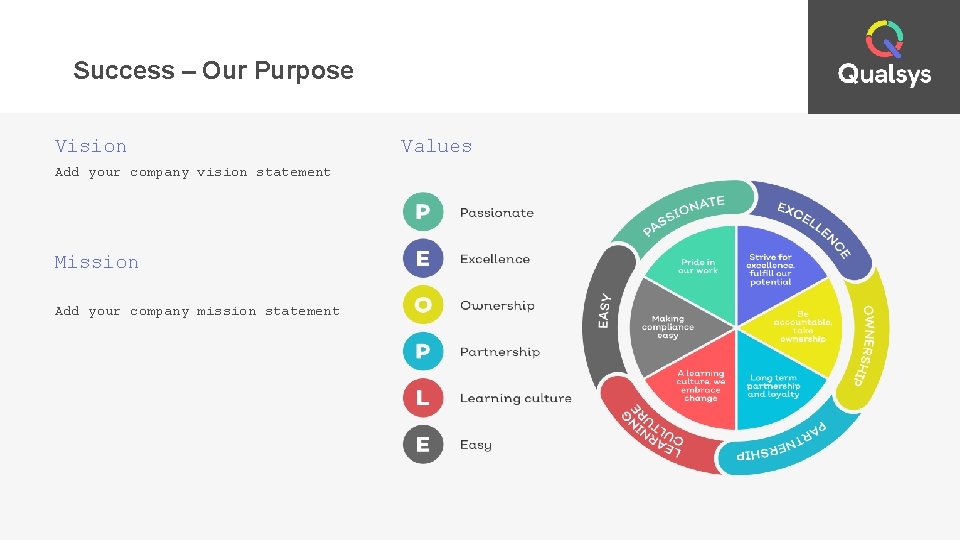
Success – Our Purpose Vision Add your company vision statement Mission Add your company mission statement Values
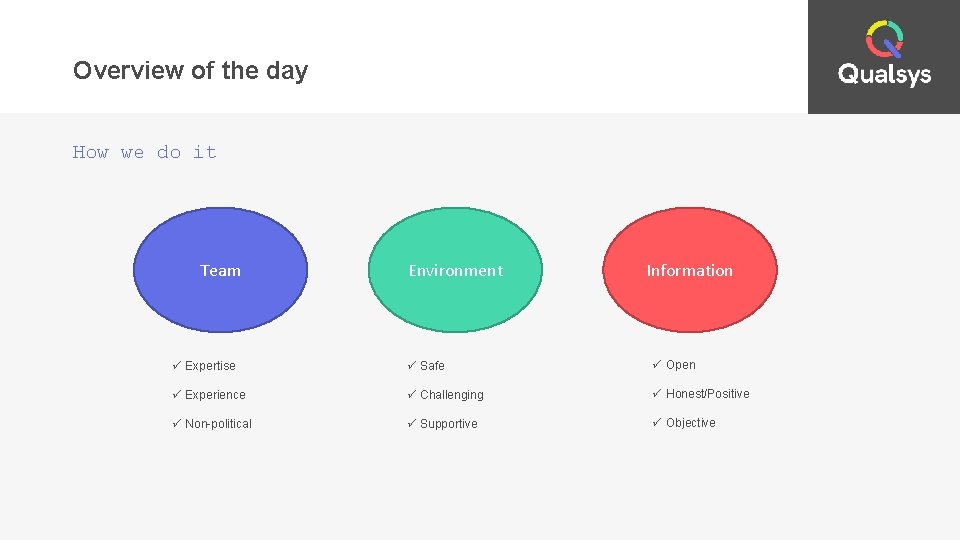
Overview of the day How we do it Team Environment Information ü Expertise ü Safe ü Open ü Experience ü Challenging ü Honest/Positive ü Non-political ü Supportive ü Objective
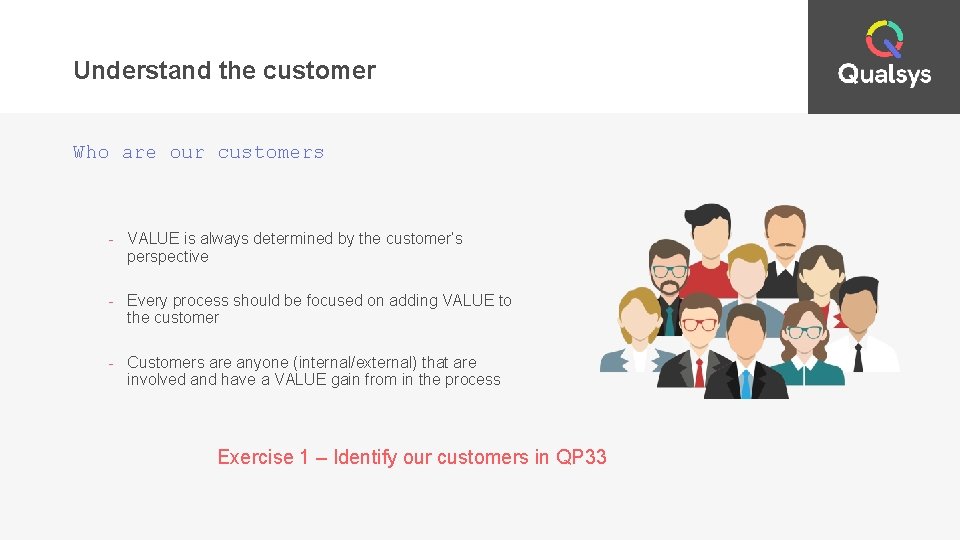
Understand the customer Who are our customers - VALUE is always determined by the customer’s perspective - Every process should be focused on adding VALUE to the customer - Customers are anyone (internal/external) that are involved and have a VALUE gain from in the process Exercise 1 – Identify our customers in QP 33
Understand the current situation Review the process - Understand all steps and dependencies of the process - Recognise the process for different customers - Anything that does not add VALUE is WASTE Exercise 2 –Review the process and highlight WASTE and key VALUE steps by customer
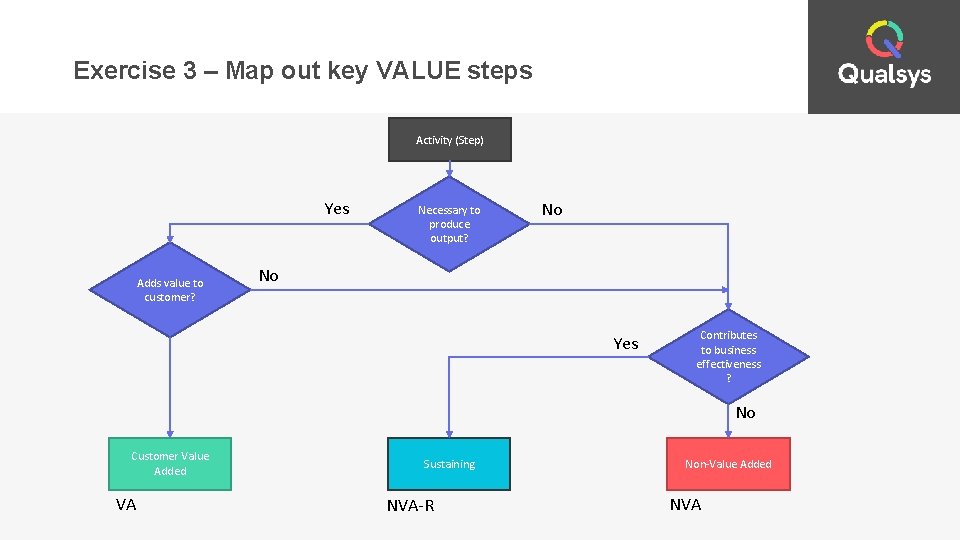
Understand the current situation Breakdown the process - Information is vital for building a robust and scalable process - Not all VALUE is equal - Some WASTE is necessary (legal, regulatory) Exercise 3 – Agree on and map out key Value steps
Exercise 3 – Map out key VALUE steps Activity (Step) Yes Adds value to customer? Necessary to produce output? No No Yes Contributes to business effectiveness ? No Customer Value Added VA Sustaining NVA-R Non-Value Added NVA
Develop the future state Priorities solutions and tweak design - Prioritising information is vital for building a robust process - What would the process look like in an ideal state? - Does it meet out objectives? Exercise 4 – Tweak, map out ideal state
Maybe next time ?
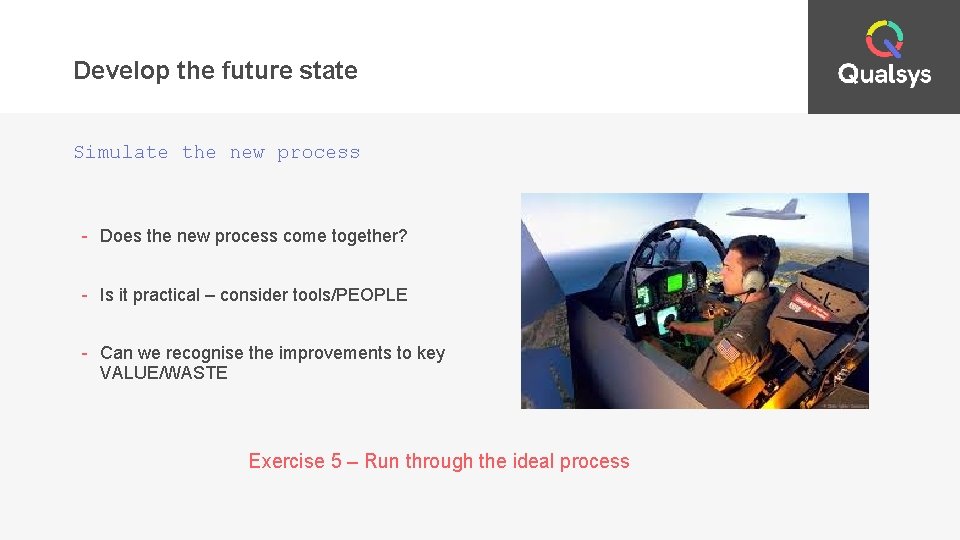
Develop the future state Simulate the new process - Does the new process come together? - Is it practical – consider tools/PEOPLE - Can we recognise the improvements to key VALUE/WASTE Exercise 5 – Run through the ideal process
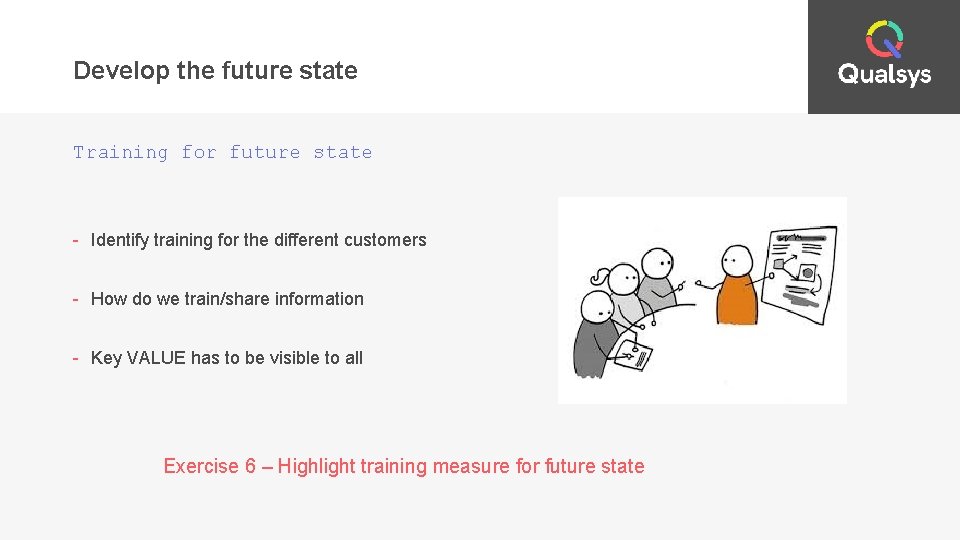
Develop the future state Training for future state - Identify training for the different customers - How do we train/share information - Key VALUE has to be visible to all Exercise 6 – Highlight training measure for future state
Thank you for your time Aizlewood’s Mill, Nursery Street, Sheffield S 3 8 GG +44 114 282 3338 info@qualsys. co. uk