
Rugby and Rosie by Robin Sas 1 Objective
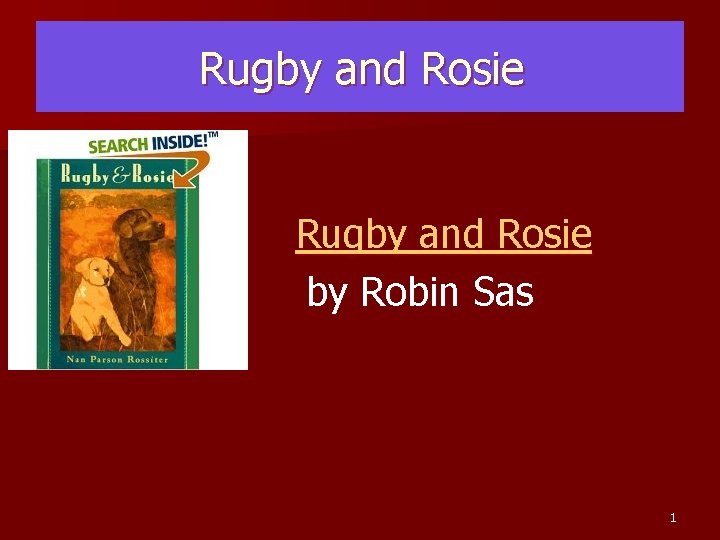
Rugby and Rosie by Robin Sas 1
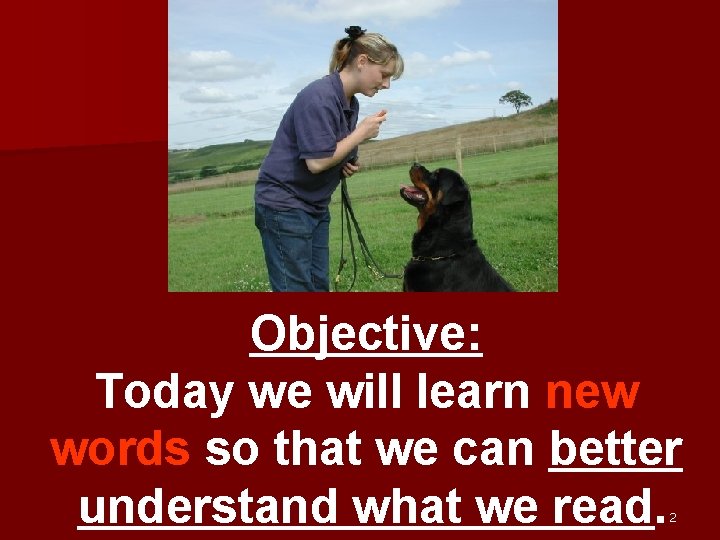
Objective: Today we will learn new words so that we can better understand what we read. 2
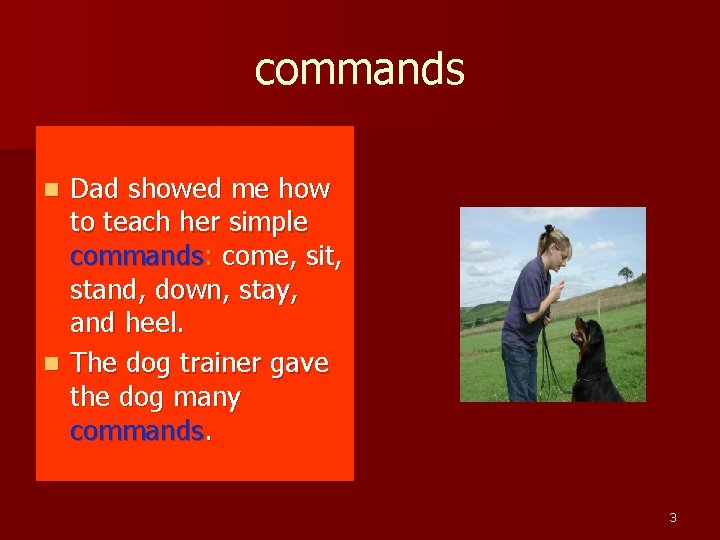
commands Dad showed me how to teach her simple commands: come, sit, stand, down, stay, and heel. n The dog trainer gave the dog many commands. n 3
Commands • Short, firm instructions • Synonyms: order, dictate, mandate • Antonyms: insecurity, • uncertainly, vagueness 4
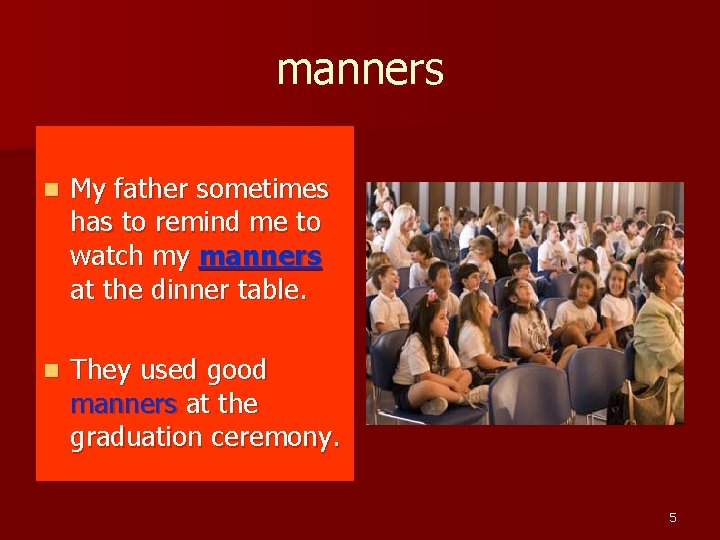
manners n My father sometimes has to remind me to watch my manners at the dinner table. n They used good manners at the graduation ceremony. 5
Manners • Habits of behavior • Synonyms: habit, style, custom Antonyms: uncivilized unmannerly 6
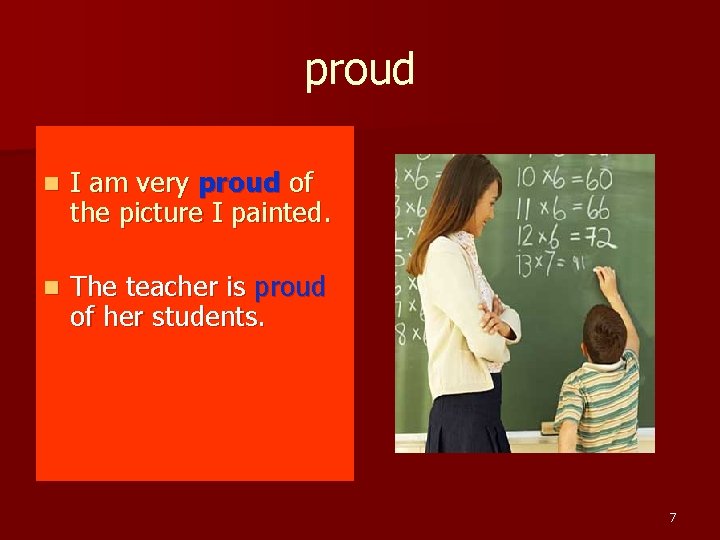
proud n I am very proud of the picture I painted. n The teacher is proud of her students. 7
Proud • Feeling very pleased with something • Synonyms: superior • Antonyms: meek, modest, humble 8
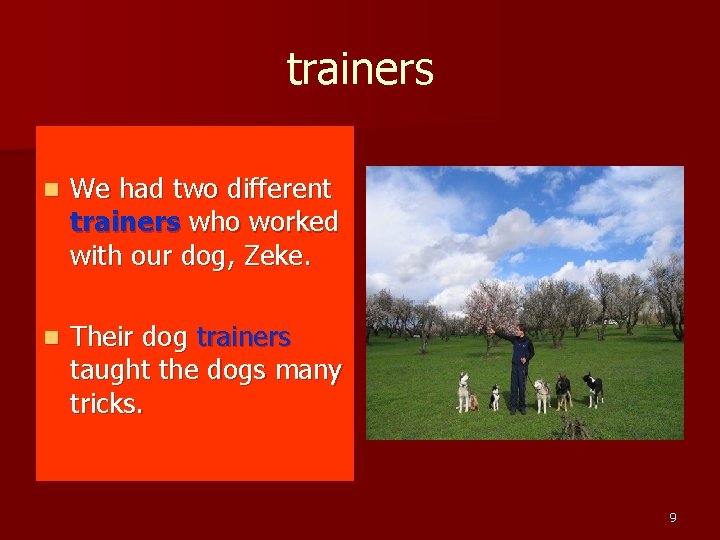
trainers n We had two different trainers who worked with our dog, Zeke. n Their dog trainers taught the dogs many tricks. 9
Trainers • Teacher, coach • Synonyms: teacher, coach 10
graduation n I went to my little sister’s kindergarten graduation last year. n After the graduation his family went out to dinner. 11
Graduation • Ceremony to mark the completion of a full course of study • Synonym: pass • Antonym: fail 12
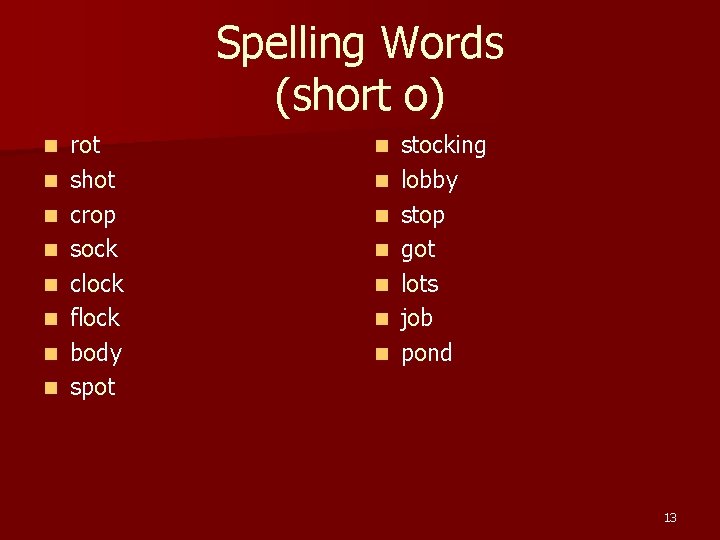
Spelling Words (short o) n n n n ro t shot crop sock clock flock body spot n n n n stocking lobby stop go t lots jo b pond 13
Day 1: Prior Knowledge Have any of you ever lived with a dog? Have you ever played with a dog? Do you know someone who has two dogs? Do they play together? How do people train dogs? How would you feel if you knew that your pet was going to help someone who really needed it? 14
Build Background • This story is a realistic fiction story is about the bonds that develop between people and pets living in the same home. . • The elements of realistic fiction are: • Characters behave as people do in real life. • The setting of the story is a real place or could be. • The events in the story could happen in real life. 15
Preview and Prepare • Let’s browse through the story looking for any clues, problems, and wonderings you might have about the story. Selection Vocabulary 16
Student Observation Clues Problems Rugby is a Labrador Dog. Is Rosie a dog Too? Wonderings How do Rugby and Rosie meet? 17
First Read pages 64 -70 • We are going to read our selection using these comprehension strategies: • Making connections • Asking questions • Predicting 18
My Prediction What Happened 19
Language Arts Verb Phrase • A verb phrase is one or more helping verbs followed by the main verb. Helping verbs help the main verb express an action or state of being. • Example: She has won the race. • Helping verb + main verb • She could have won the race. • Two helping verbs + main verb 20
Language Arts Verb Phrases workbook pages 37 -38 • Example: • I am going to eat a sandwich for lunch. • Am going to eat is the verb phrase. Eat is the main verb; am and going are the helping verbs. • Practice: Marjorie told Thomas he could borrow her book. • Could borrow is the verb phrase; borrow is the main verb; could is the helping 21 verb.
Objectives: Day 2 • You will: – Develop fluency reading words and sentences. 22
Day 2 Word knowledge • • • eagerly tightly friendly wiggly squiggly Licked trotted wagged turned moped chasing racing pleasing leaving having Know knew make made think thought run tell throw drink hang buy spend wasn’t he’d didn’t wouldn’t couldn’t she’s • pond job lots got stop • Choose two words and make them into a sentence, cross out words • Example: He wasn’t chasing the cat. 23
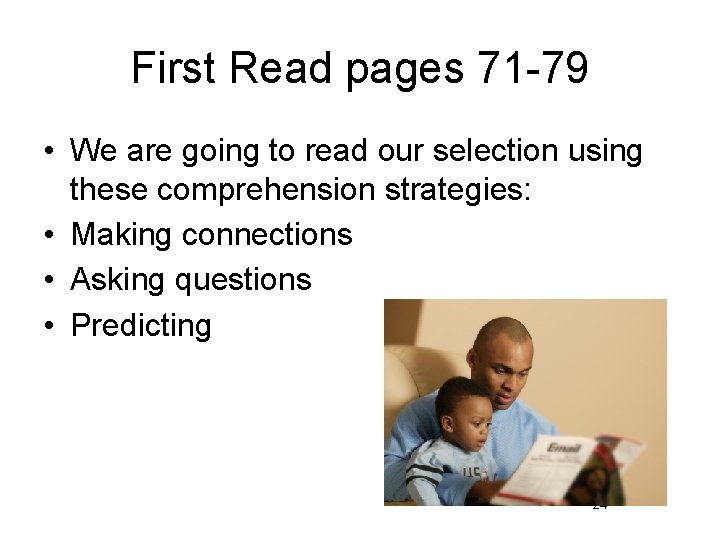
First Read pages 71 -79 • We are going to read our selection using these comprehension strategies: • Making connections • Asking questions • Predicting 24
My Prediction What Happened 25
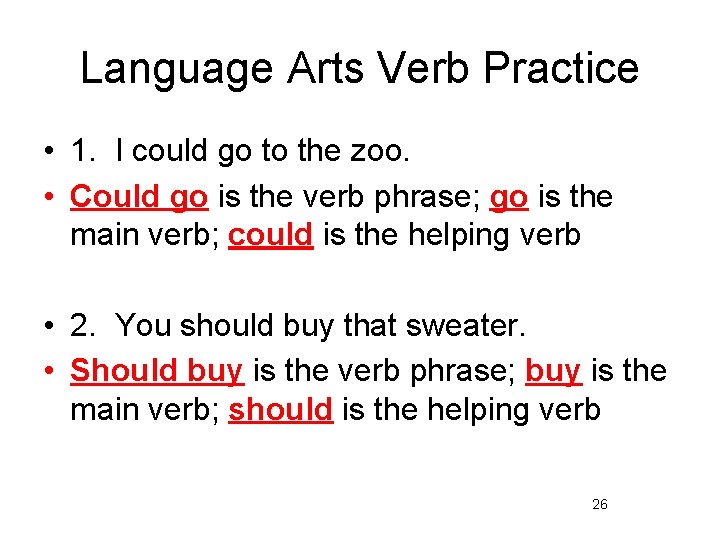
Language Arts Verb Practice • 1. I could go to the zoo. • Could go is the verb phrase; go is the main verb; could is the helping verb • 2. You should buy that sweater. • Should buy is the verb phrase; buy is the main verb; should is the helping verb 26
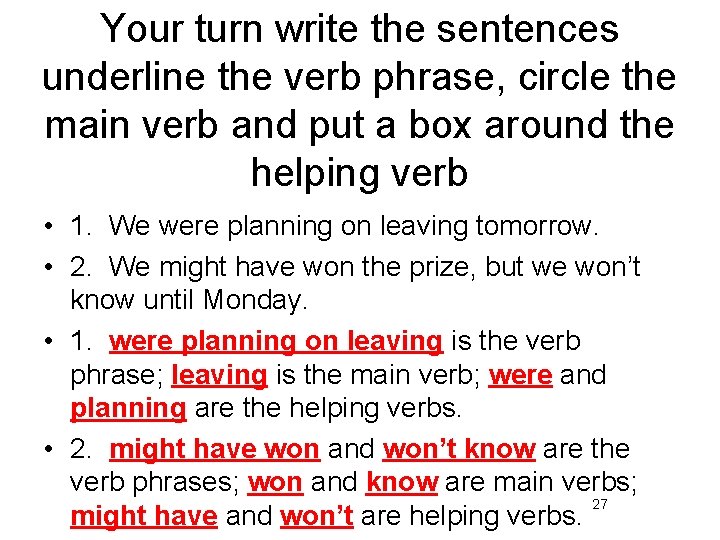
Your turn write the sentences underline the verb phrase, circle the main verb and put a box around the helping verb • 1. We were planning on leaving tomorrow. • 2. We might have won the prize, but we won’t know until Monday. • 1. were planning on leaving is the verb phrase; leaving is the main verb; were and planning are the helping verbs. • 2. might have won and won’t know are the verb phrases; won and know are main verbs; 27 might have and won’t are helping verbs.
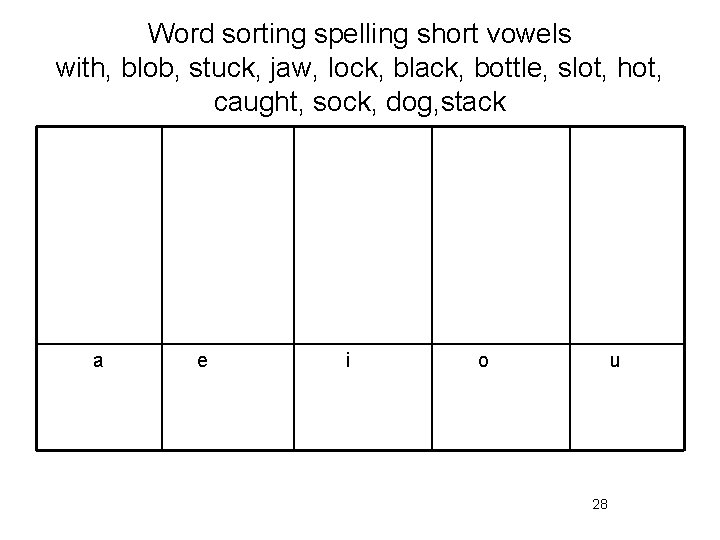
Word sorting spelling short vowels with, blob, stuck, jaw, lock, black, bottle, slot, hot, caught, sock, dog, stack a e i o u 28
Objectives: Day 3 • You will: – Develop fluency reading words and sentences. – Review the spelling pattern of the short o sound – Use comprehension strategies such cause and effect as they read the story the second time. – Review long e vowel sounds 29
Day 3 Phonics and Fluency • • even cedar secret lean eager clear eve compete athlete Rugby funny city family meet sleep greet degree brief grief chief What do these have n common? Long e sound What letters make this sound? E, ea, e_e, _y, ee, _ie_ 30
• • Jean wants a puppy for her birthday. She will eat only one piece of cake. Circle the spelling of long e in the sentences. Jean=ea, puppy=_y, she=e, eat=ea, piece=ie. • Sometimes the three of us went swimming in a nearby pond. • Circle the spelling of long e in the sentences. • Three=ee, nearby=ea 31
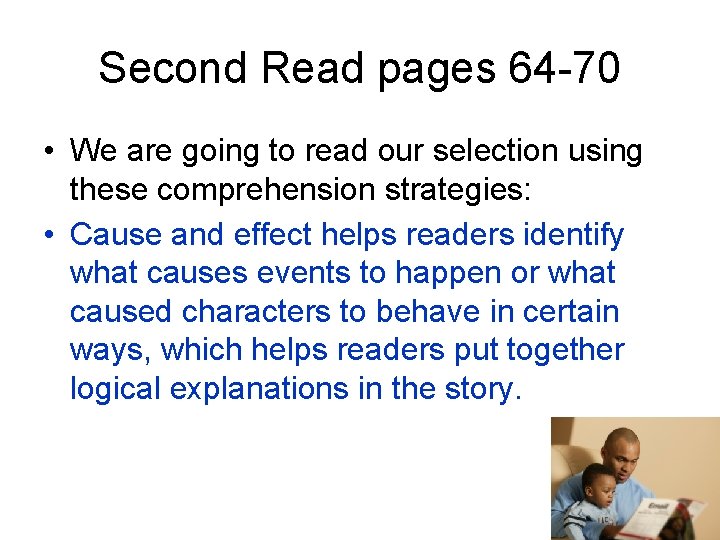
Second Read pages 64 -70 • We are going to read our selection using these comprehension strategies: • Cause and effect helps readers identify what causes events to happen or what caused characters to behave in certain ways, which helps readers put together logical explanations in the story. 32
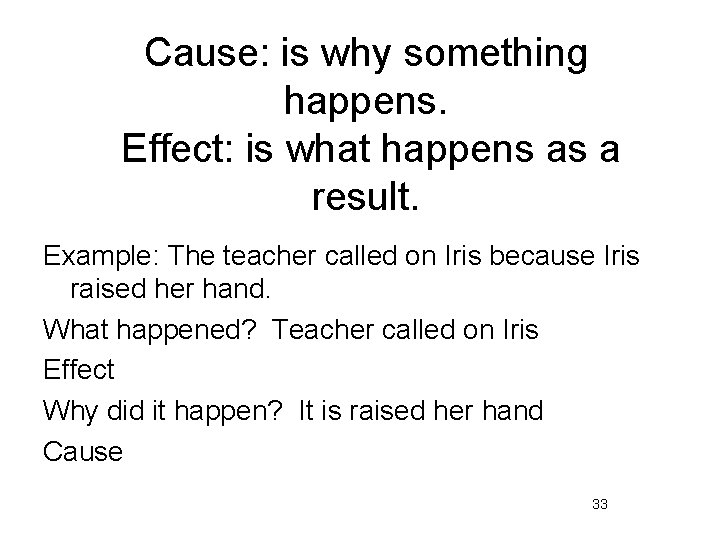
Cause: is why something happens. Effect: is what happens as a result. Example: The teacher called on Iris because Iris raised her hand. What happened? Teacher called on Iris Effect Why did it happen? It is raised her hand Cause 33
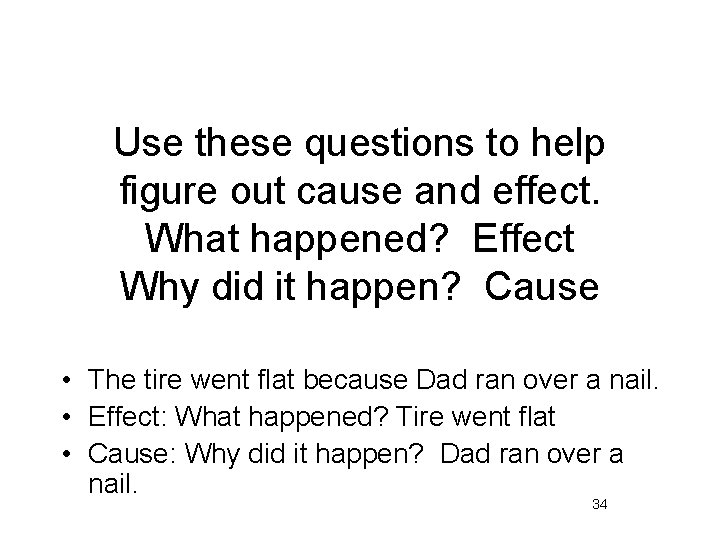
Use these questions to help figure out cause and effect. What happened? Effect Why did it happen? Cause • The tire went flat because Dad ran over a nail. • Effect: What happened? Tire went flat • Cause: Why did it happen? Dad ran over a nail. 34
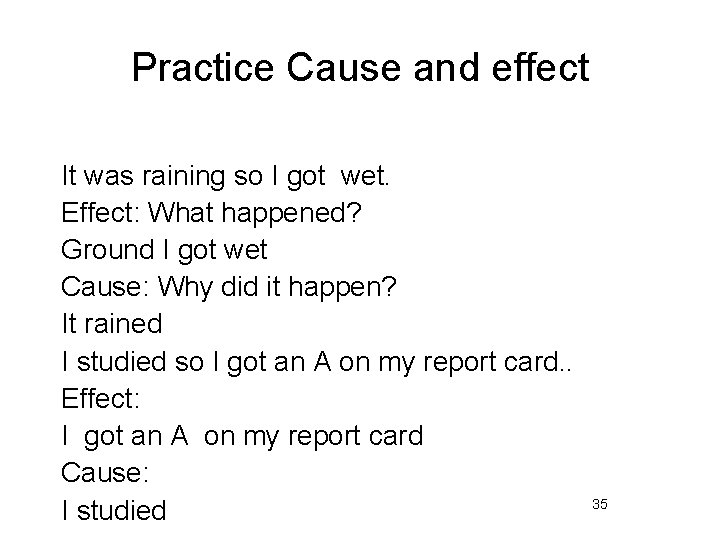
Practice Cause and effect It was raining so I got wet. Effect: What happened? Ground I got wet Cause: Why did it happen? It rained I studied so I got an A on my report card. . Effect: I got an A on my report card Cause: I studied 35
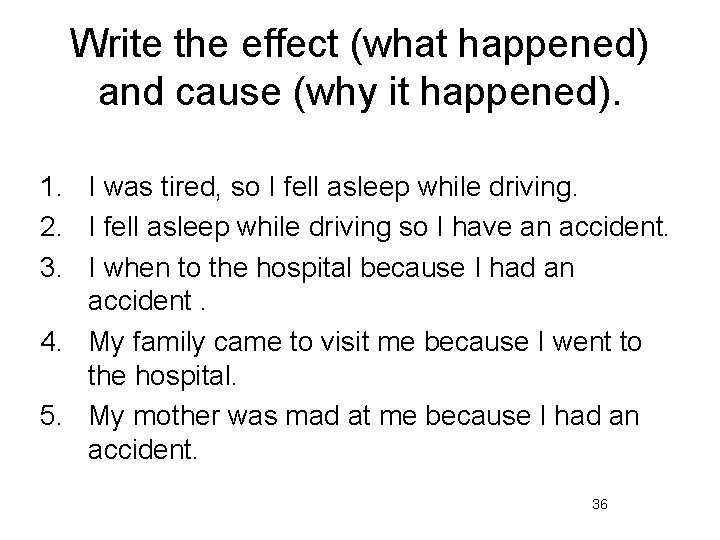
Write the effect (what happened) and cause (why it happened). 1. I was tired, so I fell asleep while driving. 2. I fell asleep while driving so I have an accident. 3. I when to the hospital because I had an accident. 4. My family came to visit me because I went to the hospital. 5. My mother was mad at me because I had an accident. 36
Objectives: Day 4 • You will: – Develop fluency reading words and sentences. – Review the spelling pattern of the short o sound – Use comprehension strategies such cause and effect as they read the story the second time. – Review long e vowel sounds 37
Dictation line 1: ________ line 2: ________ Challenge Word: __________ Sentence: _____________________________ 38
Second Read pages 71 -79 • We are going to read our selection using these comprehension strategies: • Cause and effect helps readers identify what causes events to happen or what caused characters to behave in certain ways, which helps readers put together logical explanations in the story. 39
Checking Comprehension • 1. Rubgy and his boy are best friends. What happens to their friendship when Rosie comes to live with the family? • Rugby doesn’t want to share his boy with Rosie, but once he gets to know the puppy, all three become best friends. 40
• Rosie left the family after only a year to learn how to be a guide dog. Why did the boy in the story sometimes wish that Rosie wasn’t doing well with her trainers? • The boy knew that Rosie was being trained for a job, but he still missed her and wanted her to live with him. 41
• Why did the boy have mixed feelings about Rosie leaving? • He wanted Rosie to help someone who needed her, but he know he would miss her. • How can you tell the boy has learned to accept Rosie’s new life? • He is excited about the new puppy they are keeping. 42
• How do the characters in this selection show friendship? • The boy and Rugby are friends because they play together; and the boy is careful with Rugby’s feelings. Rugby and Rosie are friends too because they play together and keep each other company. Rugby misses her when she leaves. 43
Alphabetical Order Rules • 1. When words start with different letters, use the first letter of each word to put the words in ABC order. • Example: buddy friend pal • 2. When the words start with the same first letter, use the next letter that is different in each word to put the words in ABC order. • Example: soggy spoiled stoop 44
• 3. If the first word of a title is a, an, or the, do not use that word. Instead, se the first letter of the second word. • Example: “The Boy Who Didn’t Believe in Spring” • “A Cloak for the Dreamer” • “The Tree House” 45
• 4. When you look up or list names, use the first letter of the person’s last name. • Ann Cameron • Peter Burg • Lois Lowry • Practice with these words: patient, manners, graduation • Workbook pages 33 -34 46
Sentence Variety Put sentences that are the same ideas together. • A am a teacher. I teach third grade. I love to teach. We learn new things. I enjoy my student. • Can you think of different ways to make these sentences more interesting. 47
Sentence Variety You change the sentences to more interesting sentences. • 1. I love cake. I love soda. I love candy. • 2. I woke up early. I jumped out of bed. I was excited. I was going to the circus. It would be great. • 1. I love cake, soda, and candy. • 2. This morning I woke up early and jumped out of bed. I was excited because today was the day I was going to the circus. It would be great. • Workbook pages 39 -40 48

Day 5… General Review and test time 49
- Slides: 49