
ROS Generation and Cell Death H 2 O

- Slides: 33
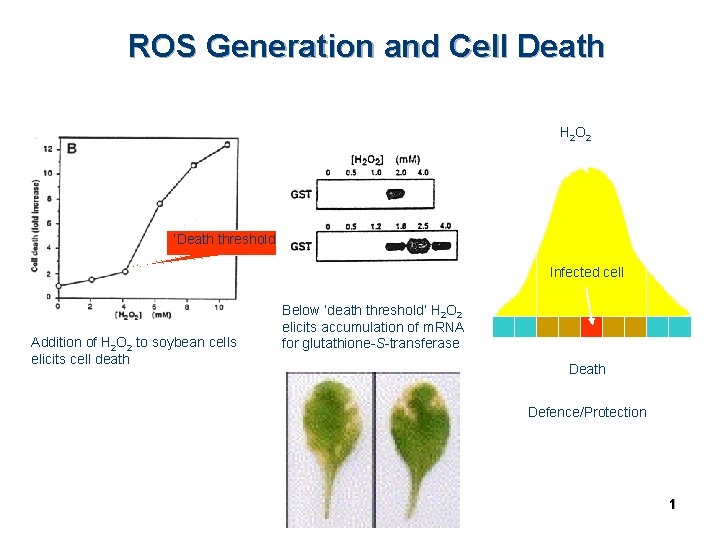
ROS Generation and Cell Death H 2 O 2 ‘Death threshold’ Infected cell Addition of H 2 O 2 to soybean cells elicits cell death Below ‘death threshold’ H 2 O 2 elicits accumulation of m. RNA for glutathione-S-transferase Death Defence/Protection 1
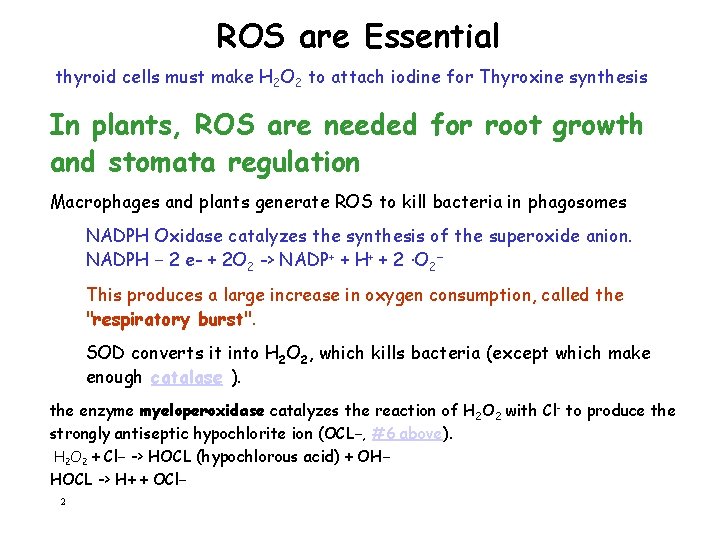
ROS are Essential thyroid cells must make H 2 O 2 to attach iodine for Thyroxine synthesis In plants, ROS are needed for root growth and stomata regulation Macrophages and plants generate ROS to kill bacteria in phagosomes NADPH Oxidase catalyzes the synthesis of the superoxide anion. NADPH − 2 e- + 2 O 2 -> NADP+ + H+ + 2. O 2− This produces a large increase in oxygen consumption, called the "respiratory burst". SOD converts it into H 2 O 2, which kills bacteria (except which make enough catalase ). the enzyme myeloperoxidase catalyzes the reaction of H 2 O 2 with Cl- to produce the strongly antiseptic hypochlorite ion (OCL−, #6 above). H 2 O 2 + Cl− -> HOCL (hypochlorous acid) + OH− HOCL -> H+ + OCl− 2
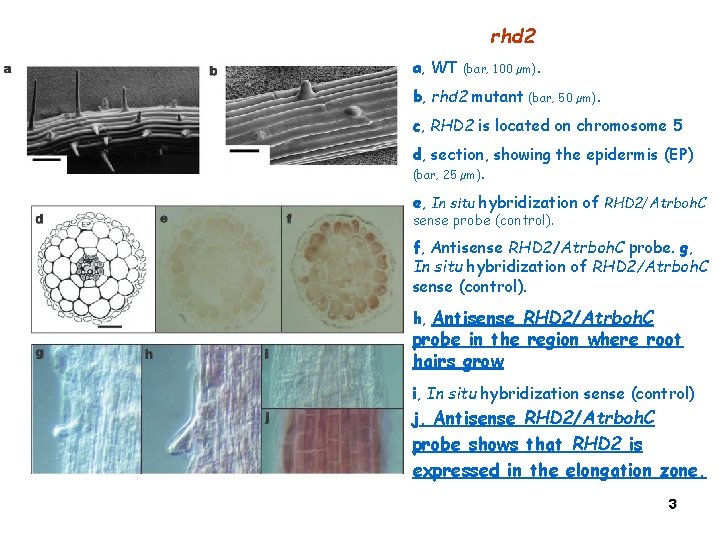
rhd 2 a, WT (bar, 100 µm). b, rhd 2 mutant (bar, 50 µm). c, RHD 2 is located on chromosome 5 d, section, showing the epidermis (EP) (bar, 25 µm). e, In situ hybridization of RHD 2/Atrboh. C sense probe (control). f, Antisense RHD 2/Atrboh. C probe. g, In situ hybridization of RHD 2/Atrboh. C sense (control). h, Antisense RHD 2/Atrboh. C probe in the region where root hairs grow i, In situ hybridization sense (control) j, Antisense RHD 2/Atrboh. C probe shows that RHD 2 is expressed in the elongation zone. 3
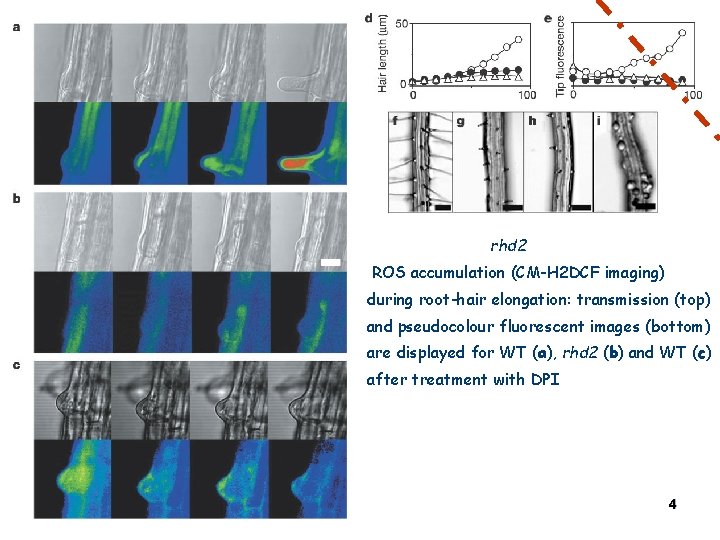
rhd 2 ROS accumulation (CM-H 2 DCF imaging) during root-hair elongation: transmission (top) and pseudocolour fluorescent images (bottom) are displayed for WT (a), rhd 2 (b) and WT (c) after treatment with DPI 4
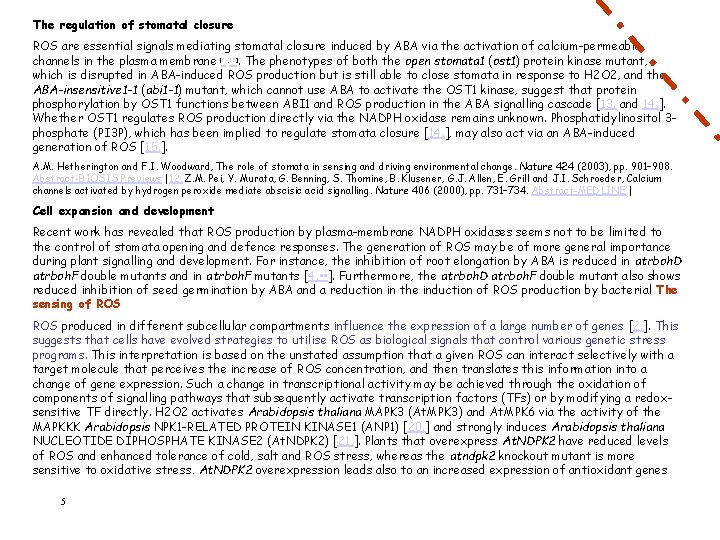
The regulation of stomatal closure ROS are essential signals mediating stomatal closure induced by ABA via the activation of calcium-permeable channels in the plasma membrane [2. ; 12. ]. The phenotypes of both the open stomata 1 (ost 1) protein kinase mutant, which is disrupted in ABA-induced ROS production but is still able to close stomata in response to H 2 O 2, and the ABA-insensitive 1 -1 (abi 1 -1) mutant, which cannot use ABA to activate the OST 1 kinase, suggest that protein phosphorylation by OST 1 functions between ABI 1 and ROS production in the ABA signalling cascade [13. and 14. ]. Whether OST 1 regulates ROS production directly via the NADPH oxidase remains unknown. Phosphatidylinositol 3 phosphate (PI 3 P), which has been implied to regulate stomata closure [14. ], may also act via an ABA-induced generation of ROS [15. ]. A. M. Hetherington and F. I. Woodward, The role of stomata in sensing and driving environmental change. Nature 424 (2003), pp. 901– 908. Abstract-BIOSIS Previews |12. Z. M. Pei, Y. Murata, G. Benning, S. Thomine, B. Klusener, G. J. Allen, E. Grill and J. I. Schroeder, Calcium channels activated by hydrogen peroxide mediate abscisic acid signalling. Nature 406 (2000), pp. 731– 734. Abstract-MEDLINE | Cell expansion and development Recent work has revealed that ROS production by plasma-membrane NADPH oxidases seems not to be limited to the control of stomata opening and defence responses. The generation of ROS may be of more general importance during plant signalling and development. For instance, the inhibition of root elongation by ABA is reduced in atrboh. D atrboh. F double mutants and in atrboh. F mutants [4. • • ]. Furthermore, the atrboh. D atrboh. F double mutant also shows reduced inhibition of seed germination by ABA and a reduction in the induction of ROS production by bacterial The sensing of ROS produced in different subcellular compartments influence the expression of a large number of genes [2. ]. This suggests that cells have evolved strategies to utilise ROS as biological signals that control various genetic stress programs. This interpretation is based on the unstated assumption that a given ROS can interact selectively with a target molecule that perceives the increase of ROS concentration, and then translates this information into a change of gene expression. Such a change in transcriptional activity may be achieved through the oxidation of components of signalling pathways that subsequently activate transcription factors (TFs) or by modifying a redoxsensitive TF directly. H 2 O 2 activates Arabidopsis thaliana MAPK 3 (At. MPK 3) and At. MPK 6 via the activity of the MAPKKK Arabidopsis NPK 1 -RELATED PROTEIN KINASE 1 (ANP 1) [20. ] and strongly induces Arabidopsis thaliana NUCLEOTIDE DIPHOSPHATE KINASE 2 (At. NDPK 2) [21. ]. Plants that overexpress At. NDPK 2 have reduced levels of ROS and enhanced tolerance of cold, salt and ROS stress, whereas the atndpk 2 knockout mutant is more sensitive to oxidative stress. At. NDPK 2 overexpression leads also to an increased expression of antioxidant genes 5
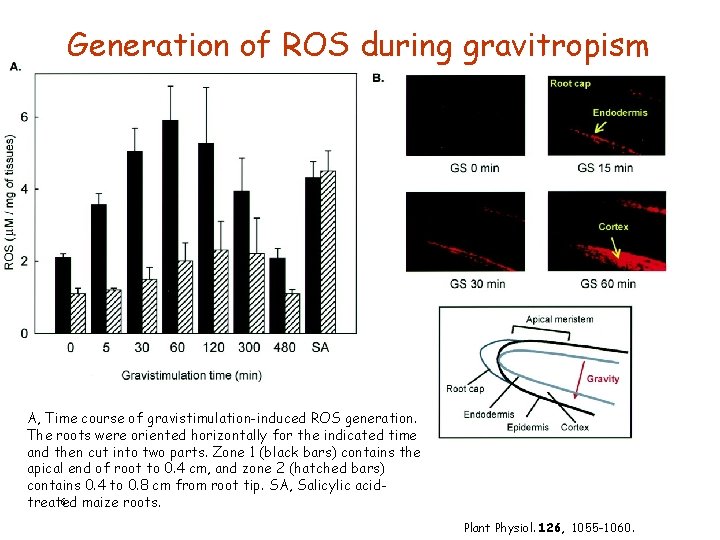
Generation of ROS during gravitropism A, Time course of gravistimulation-induced ROS generation. The roots were oriented horizontally for the indicated time and then cut into two parts. Zone 1 (black bars) contains the apical end of root to 0. 4 cm, and zone 2 (hatched bars) contains 0. 4 to 0. 8 cm from root tip. SA, Salicylic acid 6 treated maize roots. Plant Physiol. 126, 1055 -1060.
Auxin-induced ROS generation A, Agar blocks were incubated in IAA and then placed on the indicated region. Effect of asymmetric application of H 2 O 2 on root curvature pretreatment with NAC 7 suppressed the gravitropic curvature B, Transient generation of ROS by auxin. Intracellular ROS generation in protoplast by flow cytometry. Shaded area is control fluorescence. Protoplasts incubated with IAA for 5 min (thin line), 10 min (thick line), 20 min (dashed line), or 30 min (dot line). C, Effect of NPA on ROS-induced gravitropism.
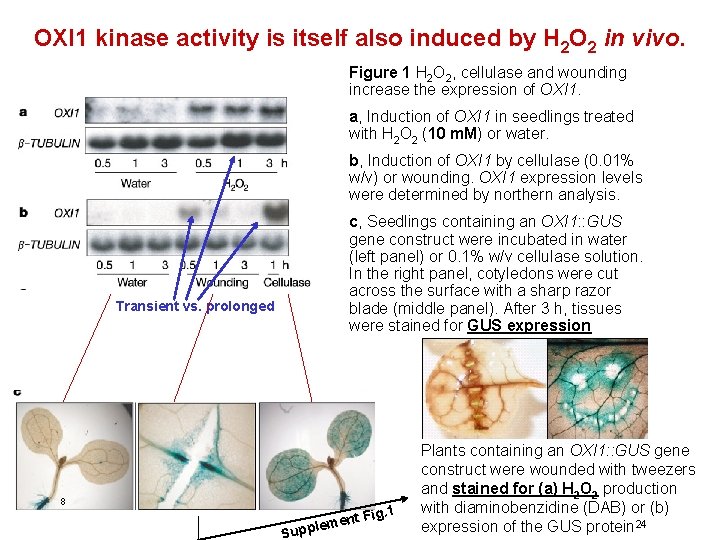
OXI 1 kinase activity is itself also induced by H 2 O 2 in vivo. Figure 1 H 2 O 2, cellulase and wounding increase the expression of OXI 1. a, Induction of OXI 1 in seedlings treated with H 2 O 2 (10 m. M) or water. b, Induction of OXI 1 by cellulase (0. 01% w/v) or wounding. OXI 1 expression levels were determined by northern analysis. Transient vs. prolonged 8 c, Seedlings containing an OXI 1: : GUS gene construct were incubated in water (left panel) or 0. 1% w/v cellulase solution. In the right panel, cotyledons were cut across the surface with a sharp razor blade (middle panel). After 3 h, tissues were stained for GUS expression . 1 nt Fig e m e l Supp Plants containing an OXI 1: : GUS gene construct were wounded with tweezers and stained for (a) H 2 O 2 production with diaminobenzidine (DAB) or (b) expression of the GUS protein 24
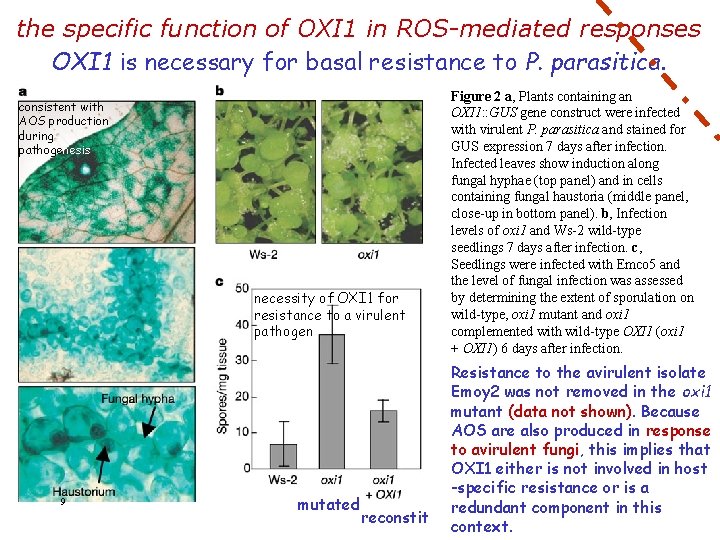
the specific function of OXI 1 in ROS-mediated responses OXI 1 is necessary for basal resistance to P. parasitica. consistent with AOS production during pathogenesis necessity of OXI 1 for resistance to a virulent pathogen 9 mutated reconstit Figure 2 a, Plants containing an OXI 1: : GUS gene construct were infected with virulent P. parasitica and stained for GUS expression 7 days after infection. Infected leaves show induction along fungal hyphae (top panel) and in cells containing fungal haustoria (middle panel, close-up in bottom panel). b, Infection levels of oxi 1 and Ws-2 wild-type seedlings 7 days after infection. c, Seedlings were infected with Emco 5 and the level of fungal infection was assessed by determining the extent of sporulation on wild-type, oxi 1 mutant and oxi 1 complemented with wild-type OXI 1 (oxi 1 + OXI 1) 6 days after infection. Resistance to the avirulent isolate Emoy 2 was not removed in the oxi 1 mutant (data not shown). Because AOS are also produced in response to avirulent fungi, this implies that OXI 1 either is not involved in host -specific resistance or is a redundant component in this context.
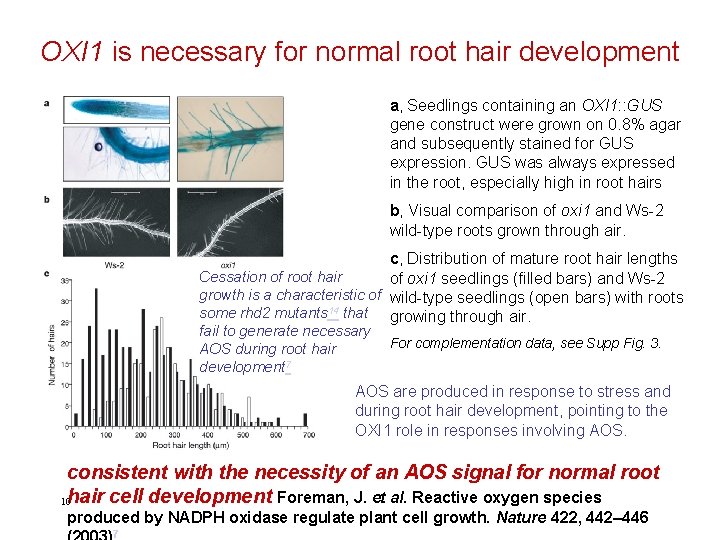
OXI 1 is necessary for normal root hair development a, Seedlings containing an OXI 1: : GUS gene construct were grown on 0. 8% agar and subsequently stained for GUS expression. GUS was always expressed in the root, especially high in root hairs b, Visual comparison of oxi 1 and Ws-2 wild-type roots grown through air. c, Distribution of mature root hair lengths Cessation of root hair of oxi 1 seedlings (filled bars) and Ws-2 growth is a characteristic of wild-type seedlings (open bars) with roots some rhd 2 mutants 14 that growing through air. fail to generate necessary AOS during root hair development 7 For complementation data, see Supp Fig. 3. AOS are produced in response to stress and during root hair development, pointing to the OXI 1 role in responses involving AOS. consistent with the necessity of an AOS signal for normal root 10 hair cell development Foreman, J. et al. Reactive oxygen species produced by NADPH oxidase regulate plant cell growth. Nature 422, 442– 446 7
The Approach Differential display of kinases that are induced (i. e. transcriptional control) by oxidative stress by using degenerate primers complementary to sequences conserved between protein kinases: one gene was named OXI 1, for OXIDATIVE SIGNAL-INDUCIBLE 1. 11
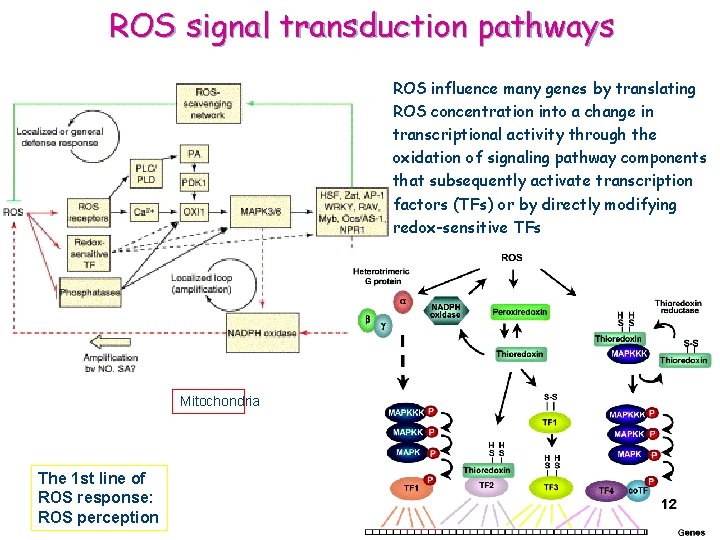
ROS signal transduction pathways ROS influence many genes by translating ROS concentration into a change in transcriptional activity through the oxidation of signaling pathway components that subsequently activate transcription factors (TFs) or by directly modifying redox-sensitive TFs Mitochondria The 1 st line of ROS response: ROS perception 12
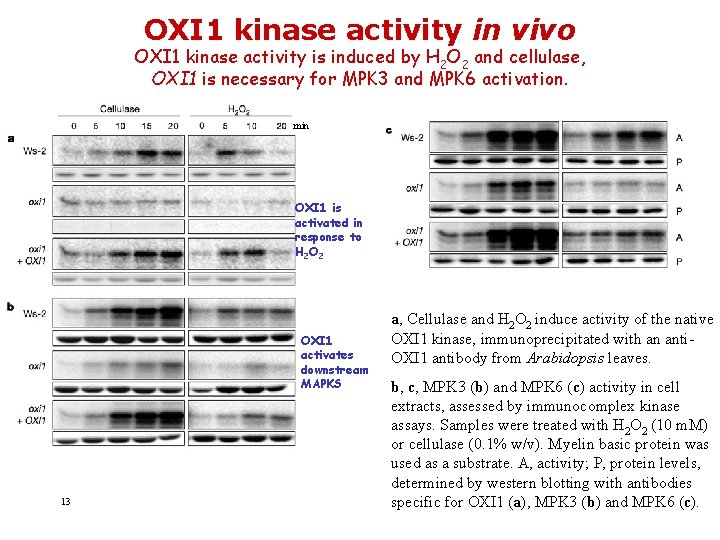
OXI 1 kinase activity in vivo OXI 1 kinase activity is induced by H 2 O 2 and cellulase, OXI 1 is necessary for MPK 3 and MPK 6 activation. min OXI 1 is activated in response to H 2 O 2 OXI 1 activates downstream MAPKS 13 a, Cellulase and H 2 O 2 induce activity of the native OXI 1 kinase, immunoprecipitated with an anti. OXI 1 antibody from Arabidopsis leaves. b, c, MPK 3 (b) and MPK 6 (c) activity in cell extracts, assessed by immunocomplex kinase assays. Samples were treated with H 2 O 2 (10 m. M) or cellulase (0. 1% w/v). Myelin basic protein was used as a substrate. A, activity; P, protein levels, determined by western blotting with antibodies specific for OXI 1 (a), MPK 3 (b) and MPK 6 (c).
further conclusions Downstream (indirect) targets of OXI 1 are likely to include MPK 3 and MPK 6, because OXI 1 is required for full activation of these kinases. OXI 1 gene expression is also induced by cold, by osmotic stress and by heat (data not shown). It is therefore possible that OXI 1 is involved in many more AOS-dependent processes and might act as a universal mediator of oxidative bursts and stresses in Arabidopsis. However, …. 14
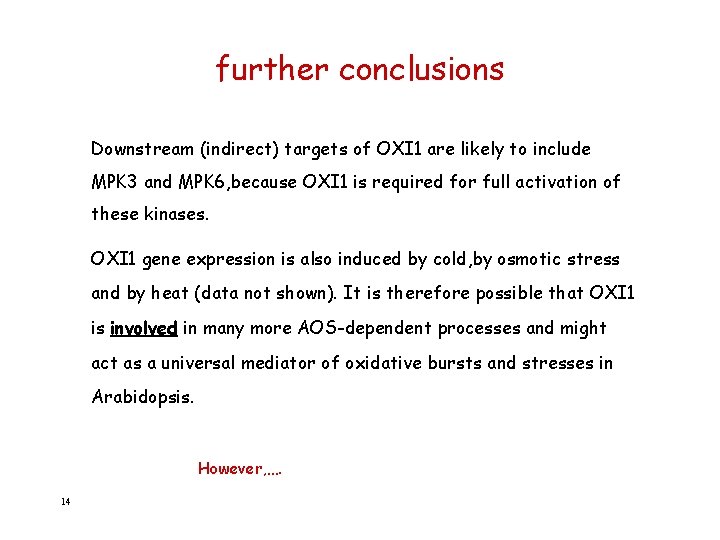
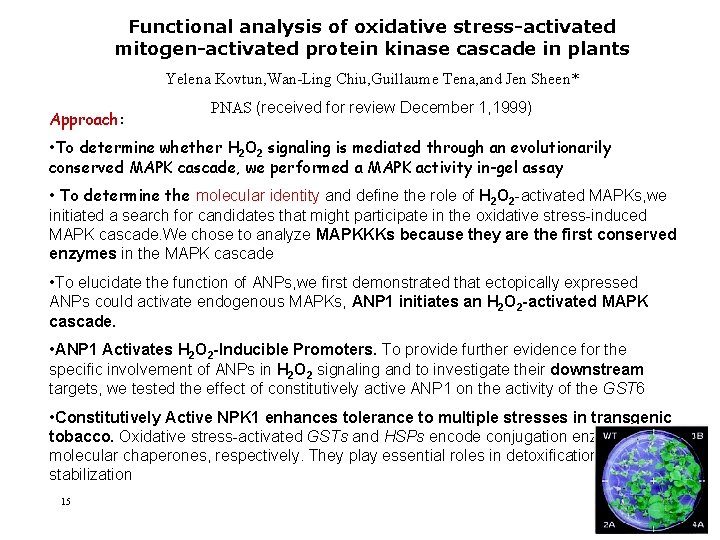
Functional analysis of oxidative stress-activated mitogen-activated protein kinase cascade in plants Yelena Kovtun, Wan-Ling Chiu, Guillaume Tena, and Jen Sheen* Approach: PNAS (received for review December 1, 1999) • To determine whether H 2 O 2 signaling is mediated through an evolutionarily conserved MAPK cascade, we performed a MAPK activity in-gel assay • To determine the molecular identity and define the role of H 2 O 2 -activated MAPKs, we initiated a search for candidates that might participate in the oxidative stress-induced MAPK cascade. We chose to analyze MAPKKKs because they are the first conserved enzymes in the MAPK cascade • To elucidate the function of ANPs, we first demonstrated that ectopically expressed ANPs could activate endogenous MAPKs, ANP 1 initiates an H 2 O 2 -activated MAPK cascade. • ANP 1 Activates H 2 O 2 -Inducible Promoters. To provide further evidence for the specific involvement of ANPs in H 2 O 2 signaling and to investigate their downstream targets, we tested the effect of constitutively active ANP 1 on the activity of the GST 6 • Constitutively Active NPK 1 enhances tolerance to multiple stresses in transgenic tobacco. Oxidative stress-activated GSTs and HSPs encode conjugation enzymes and molecular chaperones, respectively. They play essential roles in detoxification and stabilization 15
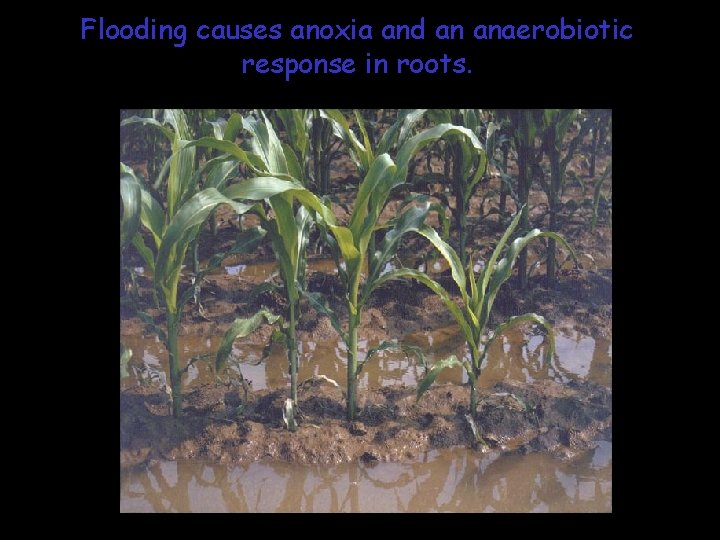
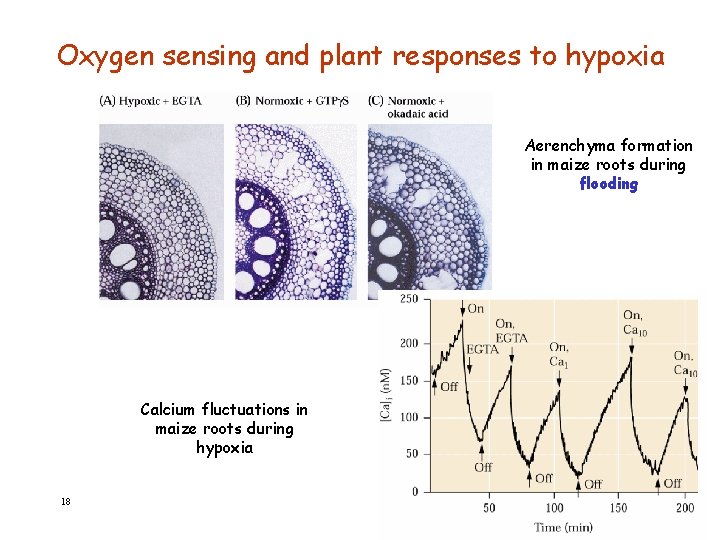
Flooding causes anoxia and an anaerobiotic response in roots. 16
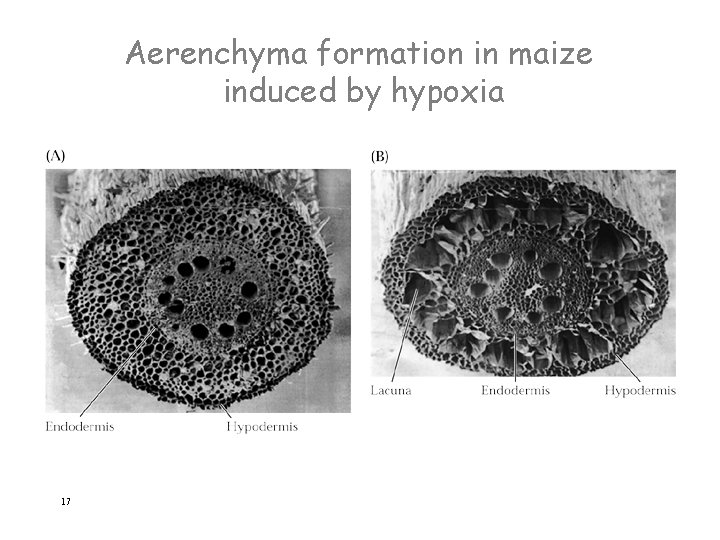
Aerenchyma formation in maize induced by hypoxia 17
Oxygen sensing and plant responses to hypoxia Aerenchyma formation in maize roots during flooding Calcium fluctuations in maize roots during hypoxia 18
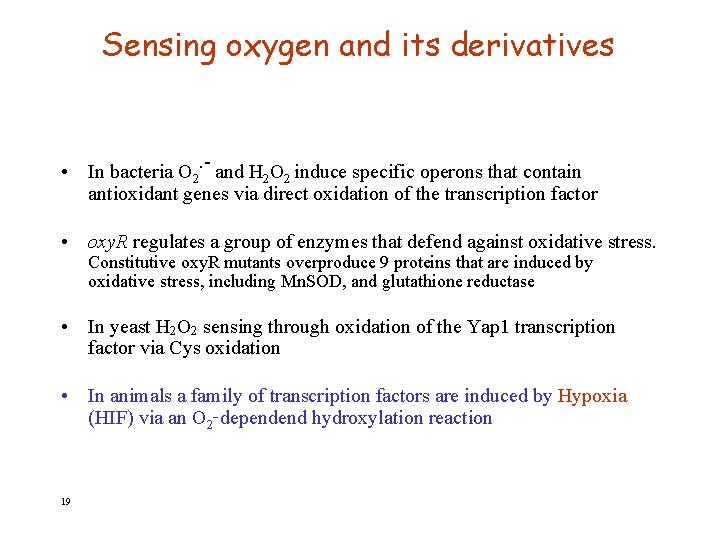
Sensing oxygen and its derivatives • In bacteria O 2. - and H 2 O 2 induce specific operons that contain antioxidant genes via direct oxidation of the transcription factor • oxy. R regulates a group of enzymes that defend against oxidative stress. Constitutive oxy. R mutants overproduce 9 proteins that are induced by oxidative stress, including Mn. SOD, and glutathione reductase • In yeast H 2 O 2 sensing through oxidation of the Yap 1 transcription factor via Cys oxidation • In animals a family of transcription factors are induced by Hypoxia (HIF) via an O 2– dependend hydroxylation reaction 19
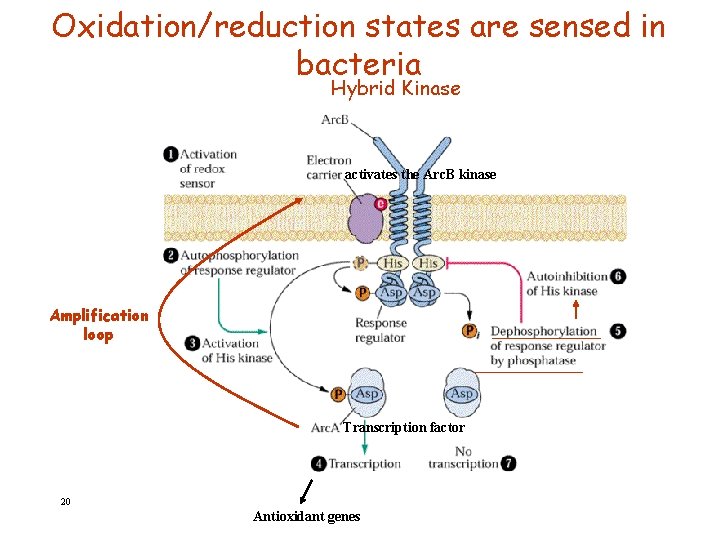
Oxidation/reduction states are sensed in bacteria Hybrid Kinase activates the Arc. B kinase Amplification loop Transcription factor 20 Antioxidant genes
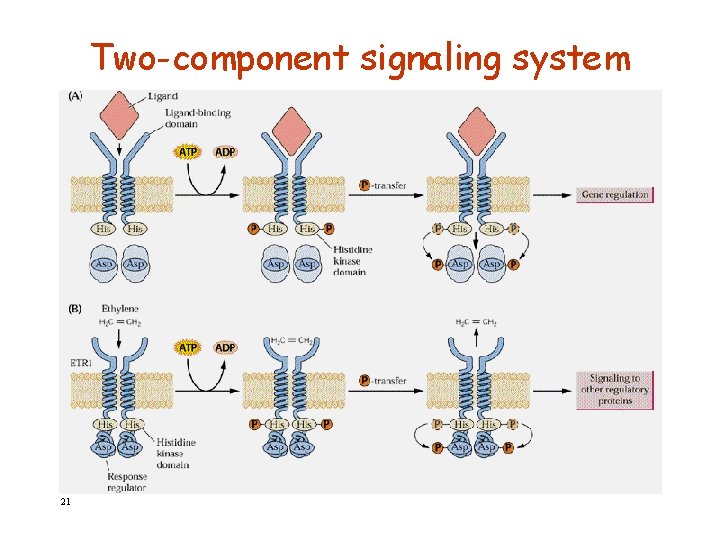
Two-component signaling system 21
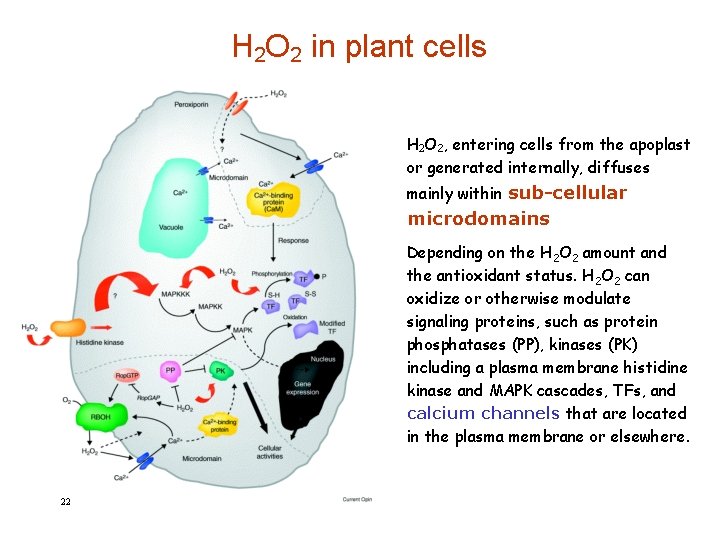
H 2 O 2 in plant cells H 2 O 2, entering cells from the apoplast or generated internally, diffuses mainly within sub-cellular microdomains Depending on the H 2 O 2 amount and the antioxidant status. H 2 O 2 can oxidize or otherwise modulate signaling proteins, such as protein phosphatases (PP), kinases (PK) including a plasma membrane histidine kinase and MAPK cascades, TFs, and calcium channels that are located in the plasma membrane or elsewhere. 22
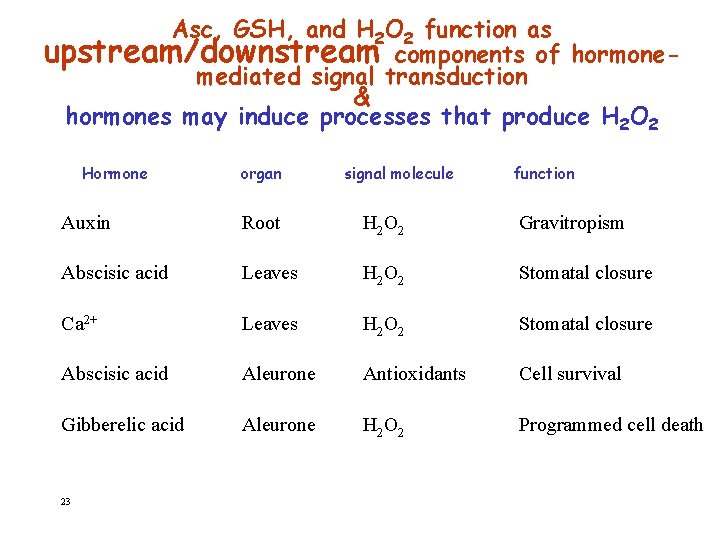
Asc, GSH, and H 2 O 2 function as upstream/downstream components of hormonemediated signal transduction & hormones may induce processes that produce H 2 O 2 Hormone organ signal molecule function Auxin Root H 2 O 2 Gravitropism Abscisic acid Leaves H 2 O 2 Stomatal closure Ca 2+ Leaves H 2 O 2 Stomatal closure Abscisic acid Aleurone Antioxidants Cell survival Gibberelic acid Aleurone H 2 O 2 Programmed cell death 23
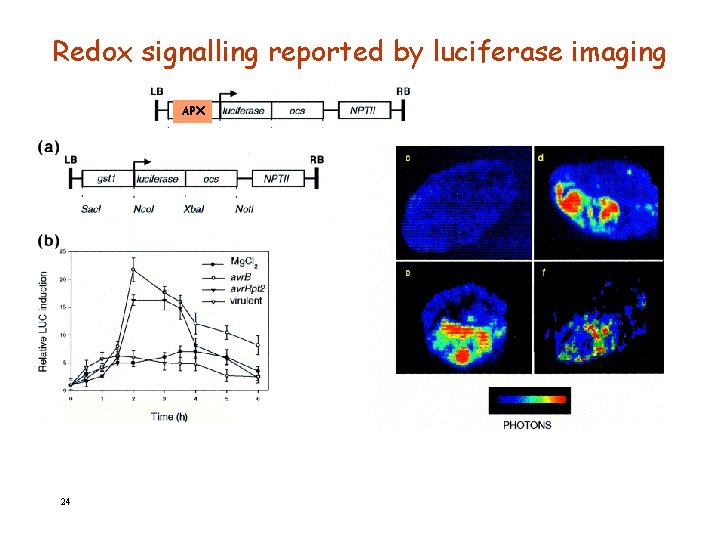
Redox signalling reported by luciferase imaging APX 24
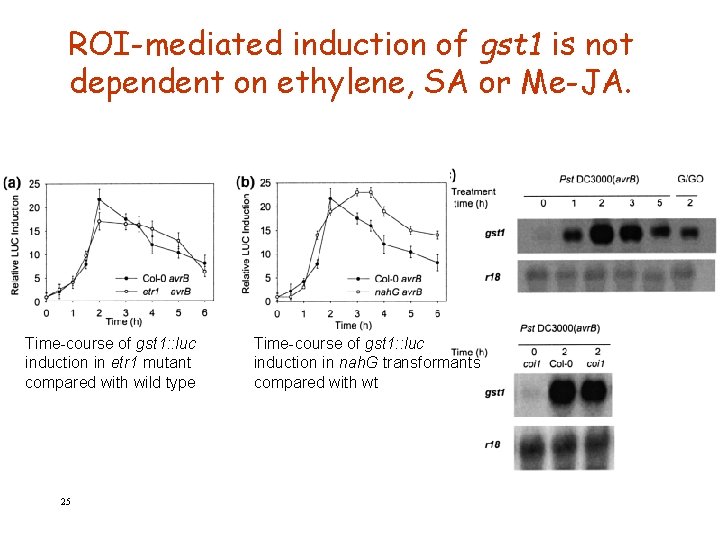
ROI-mediated induction of gst 1 is not dependent on ethylene, SA or Me-JA. Time-course of gst 1: : luc induction in etr 1 mutant compared with wild type 25 Time-course of gst 1: : luc induction in nah. G transformants compared with wt
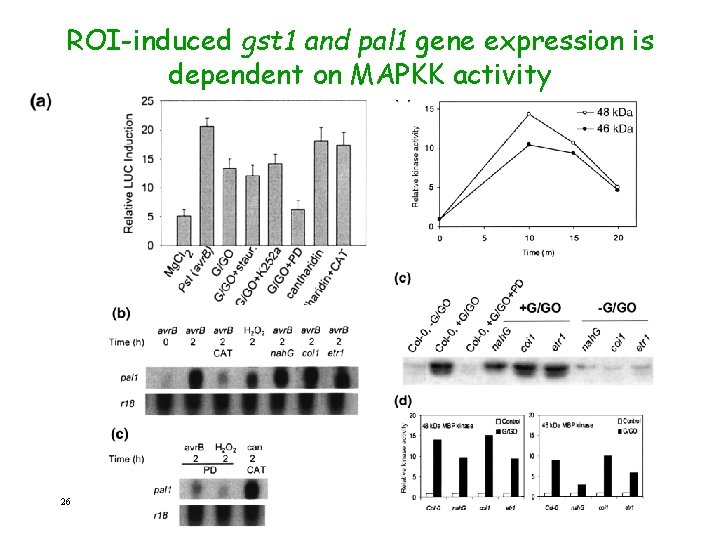
ROI-induced gst 1 and pal 1 gene expression is dependent on MAPKK activity 26
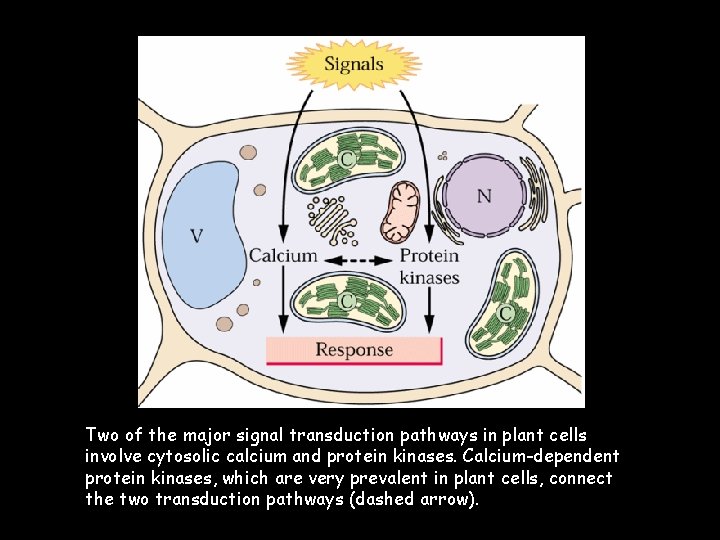
27 Two of the major signal transduction pathways in plant cells involve cytosolic calcium and protein kinases. Calcium-dependent protein kinases, which are very prevalent in plant cells, connect the two transduction pathways (dashed arrow).
Plants’ way to overcome environmental stress n Genes, genes Some plants know what to do different genes or different expression pattern n The proof is in the pudding Resistant & susceptible species to activate the right genes at the right time --> Signal Transduction END 28
Plants have to exploit their immediate environment to maximum effect. Their inability to move means that the best way of dealing with stresses is through physiological or morphological changes. Abiotic stresses, and ways to adapt to them are numerous and interlinked. 29
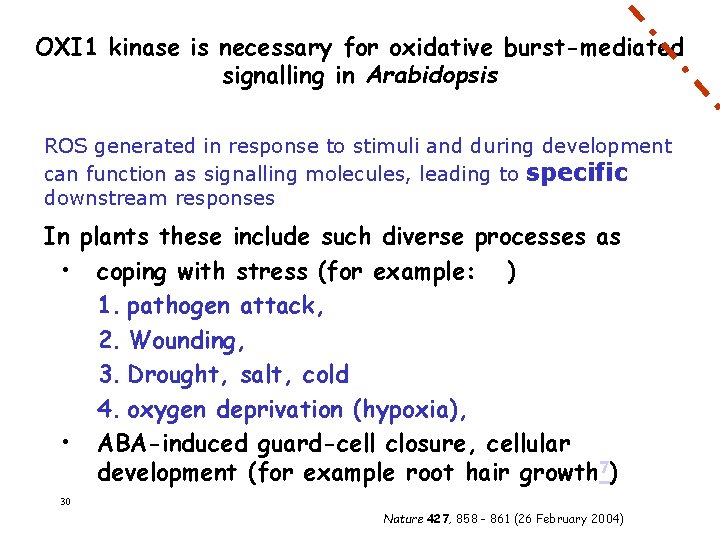
OXI 1 kinase is necessary for oxidative burst-mediated signalling in Arabidopsis ROS generated in response to stimuli and during development can function as signalling molecules, leading to specific downstream responses In plants these include such diverse processes as • coping with stress (for example: ) 1. pathogen attack, 2. Wounding, 3. Drought, salt, cold 4. oxygen deprivation (hypoxia), • ABA-induced guard-cell closure, cellular development (for example root hair growth 7) 30 Nature 427, 858 - 861 (26 February 2004)
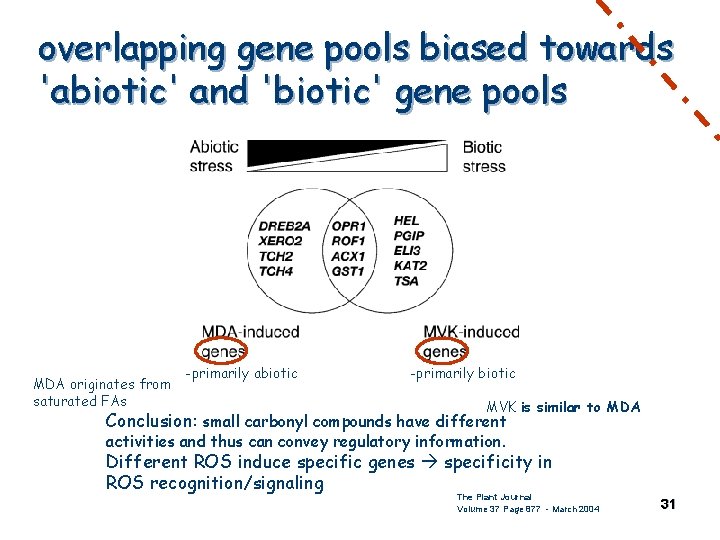
overlapping gene pools biased towards 'abiotic' and 'biotic' gene pools MDA originates from saturated FAs -primarily abiotic -primarily biotic MVK is similar to MDA Conclusion: small carbonyl compounds have different activities and thus can convey regulatory information. Different ROS induce specific genes specificity in ROS recognition/signaling The Plant Journal Volume 37 Page 877 - March 2004 31
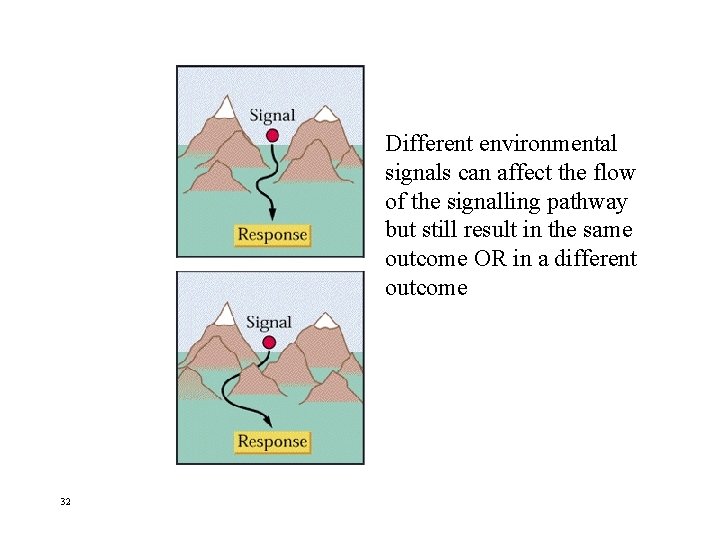
Different environmental signals can affect the flow of the signalling pathway but still result in the same outcome OR in a different outcome 32
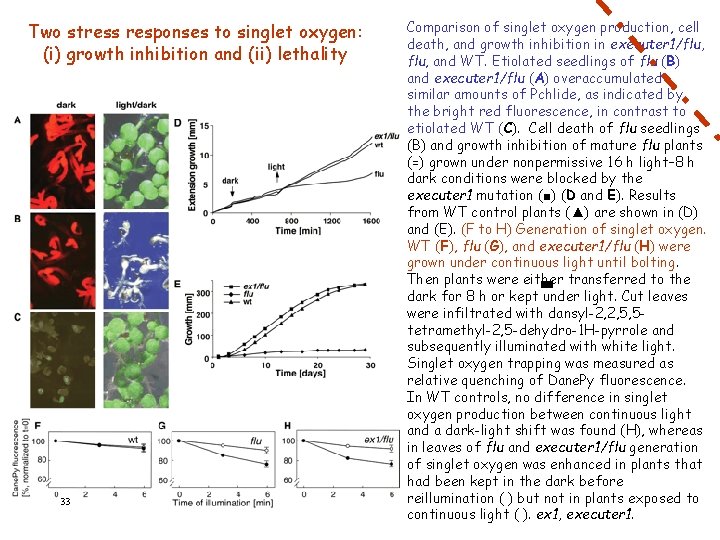
Two stress responses to singlet oxygen: (i) growth inhibition and (ii) lethality 33 Comparison of singlet oxygen production, cell death, and growth inhibition in executer 1/flu, and WT. Etiolated seedlings of flu (B) and executer 1/flu (A) overaccumulated similar amounts of Pchlide, as indicated by the bright red fluorescence, in contrast to etiolated WT (C). Cell death of flu seedlings (B) and growth inhibition of mature flu plants (=) grown under nonpermissive 16 h light– 8 h dark conditions were blocked by the executer 1 mutation (■) (D and E). Results from WT control plants (▲) are shown in (D) and (E). (F to H) Generation of singlet oxygen. WT (F), flu (G), and executer 1/flu (H) were grown under continuous light until bolting. Then plants were either transferred to the dark for 8 h or kept under light. Cut leaves were infiltrated with dansyl-2, 2, 5, 5 tetramethyl-2, 5 -dehydro-1 H-pyrrole and subsequently illuminated with white light. Singlet oxygen trapping was measured as relative quenching of Dane. Py fluorescence. In WT controls, no difference in singlet oxygen production between continuous light and a dark-light shift was found (H), whereas in leaves of flu and executer 1/flu generation of singlet oxygen was enhanced in plants that had been kept in the dark before reillumination ( ) but not in plants exposed to continuous light ( ). ex 1, executer 1.