
ROPAC Pregnancy in women with cardiovascular disease trends
- Slides: 18
ROPAC - Pregnancy in women with cardiovascular disease: trends in outcome from 10 years ESC Registry Of Pregnancy And Cardiac disease Jolien Roos-Hesselink Erasmus. MC, Rotterdam, Netherlands
ROPAC is part of the EURObservational Research Programme (EORP) of the ESC Chairpersons • Prof Jolien Roos-Hesselink, Netherlands • Prof Roger Hall, UK Coauthors • Drs Lucia Baris, Netherlands • Prof Mark Johnson, UK • Dr Julie de Backer, Belgium • Prof Catherine Otto, USA • Prof Ariane Marelli, Canada • Prof Guillaume Jondeau, France • Dr Jasmine Grewal, Canada • • • Prof Werner Budts, Belgium Prof Karen Sliwa, South Africa Dr William Parsonage, Australia Dr Aldo Maggioni, Italy Drs Iris van Hagen, the Netherlands Prof Alec Vahanian, France Prof Luigi Tavazzi, Italy Prof Uri Elkayam, US Prof Eric Boersma, Netherlands 2
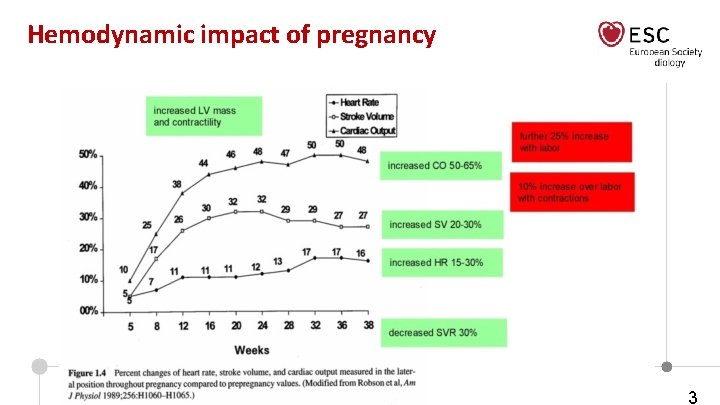
Hemodynamic impact of pregnancy 3
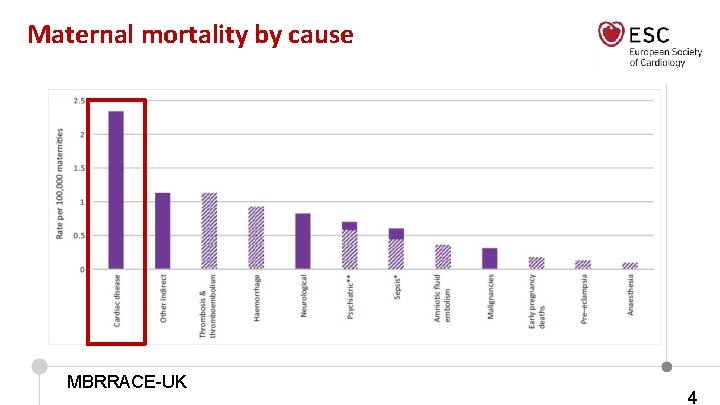
Maternal mortality by cause MBRRACE-UK 4
Goals ROPAC • Assess risks for both mother and child • Outline variation between different regions • Support guidelines Ultimate goal: reduce maternal mortality 5
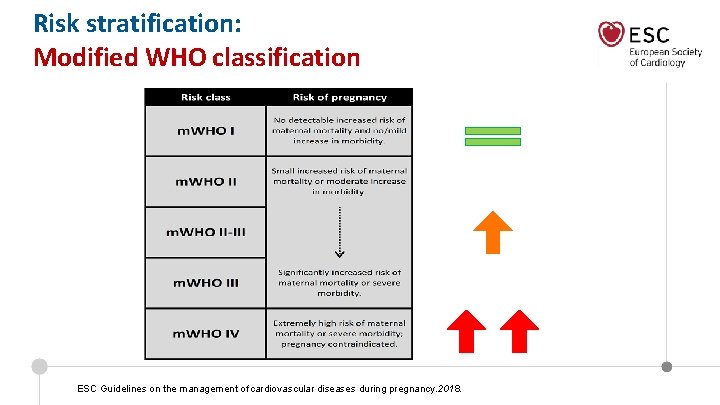
Risk stratification: Modified WHO classification ESC Guidelines on the management of cardiovascular diseases during pregnancy. 2018.
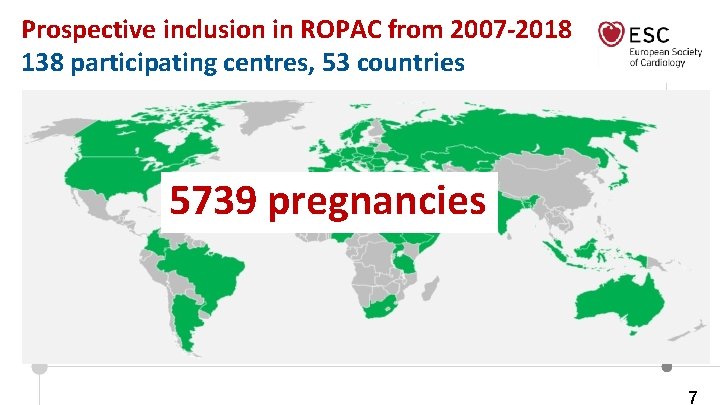
Prospective inclusion in ROPAC from 2007 -2018 138 participating centres, 53 countries 5739 pregnancies 7
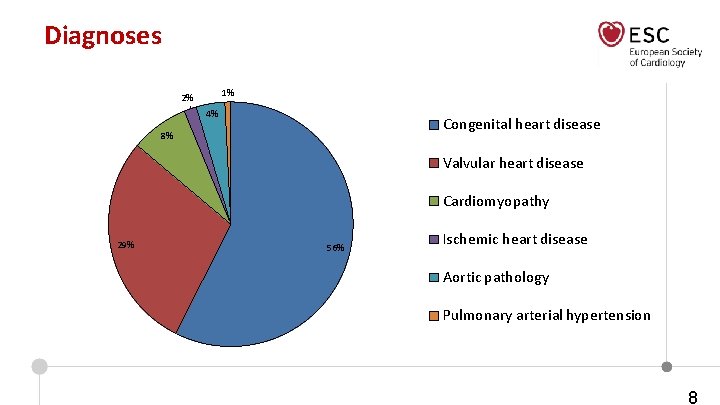
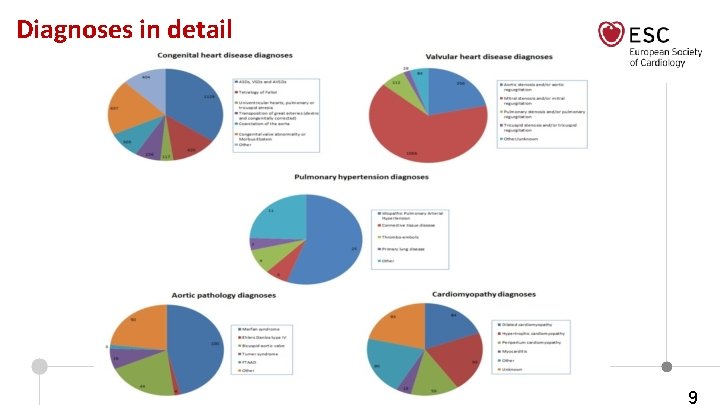
Diagnoses 1% 2% 4% Congenital heart disease 8% Valvular heart disease Cardiomyopathy 29% 56% Ischemic heart disease Aortic pathology Pulmonary arterial hypertension 8
Diagnoses in detail 9
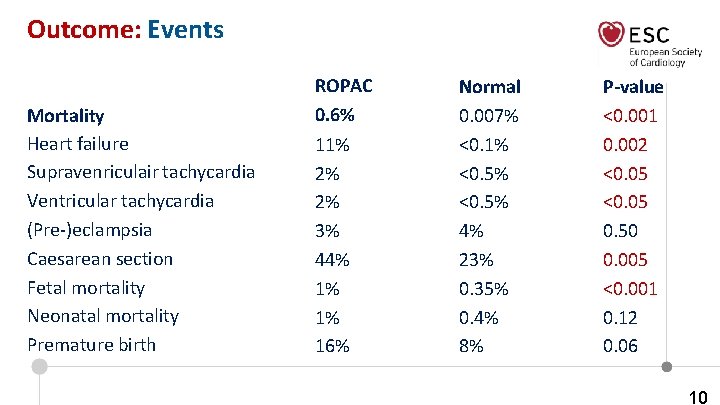
Outcome: Events Mortality Heart failure Supravenriculair tachycardia Ventricular tachycardia (Pre-)eclampsia Caesarean section Fetal mortality Neonatal mortality Premature birth ROPAC 0. 6% 11% 2% 2% 3% 44% 1% 1% 16% Normal 0. 007% <0. 1% <0. 5% 4% 23% 0. 35% 0. 4% 8% P-value <0. 001 0. 002 <0. 05 0. 50 0. 005 <0. 001 0. 12 0. 06 10
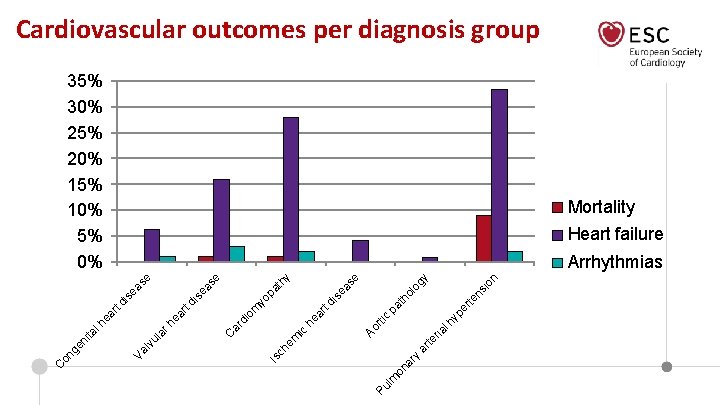
Pu lm on ar y Ao rti cp at ho lo gy ar te ria lh yp er te ns io n C on ge ni ta lh ea rt di se as Va e lv ul ar he ar td is ea se C ar di om yo pa Is th ch y em ic he ar td is ea se Cardiovascular outcomes per diagnosis group 35% 30% 25% 20% 15% 10% 5% 0% Mortality Heart failure Arrhythmias
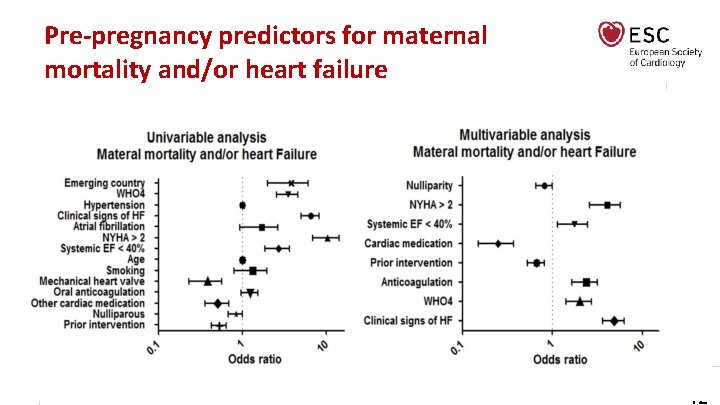
Pre-pregnancy predictors for maternal mortality and/or heart failure 12
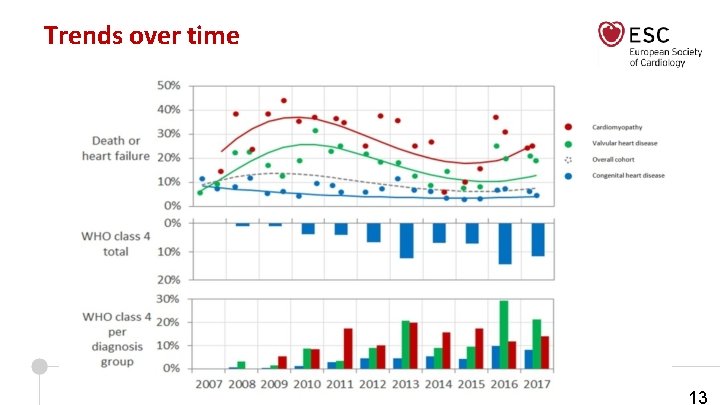
Trends over time 13
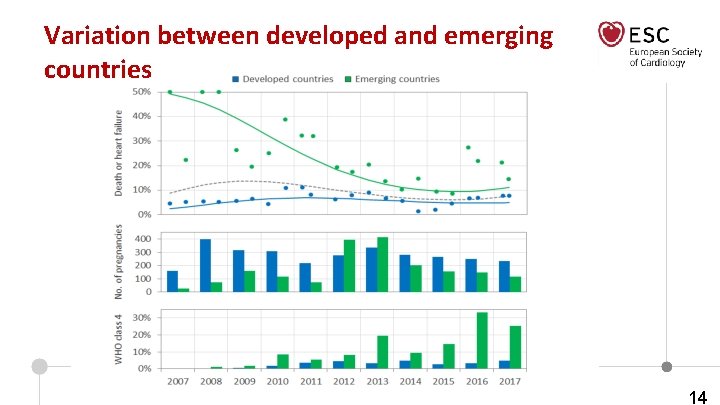
Variation between developed and emerging countries 14
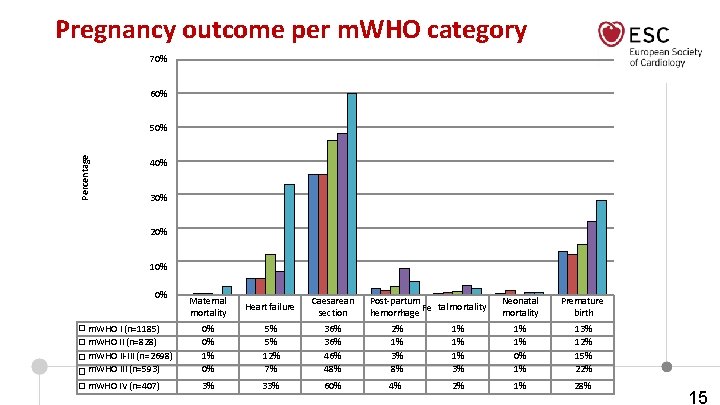
Pregnancy outcome per m. WHO Pregnancy outcomes per m. WHOcategory 70% 60% Percentage 50% 40% 30% 20% 10% 0% Maternal mortality Heart failure Caesarean section Post-partum tal mortality hemorrhage Fe m. WHO I (n=1185) m. WHO II (n=828) m. WHO II-III (n=2698) m. WHO III (n=593) 0% 0% 1% 0% 5% 5% 12% 7% 36% 46% 48% 2% 1% 3% 8% m. WHO IV (n=407) 3% 33% 60% 4% Neonatal mortality Premature birth 1% 1% 1% 3% 1% 1% 0% 1% 13% 12% 15% 22% 2% 1% 28% 15
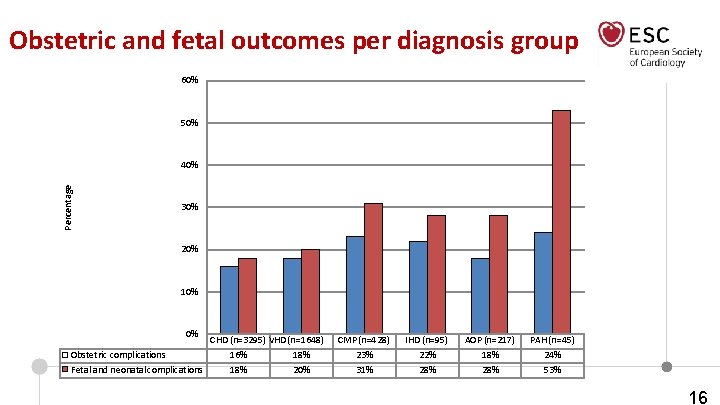
Obstetric and fetal outcomes per diagnosis group 60% 50% Percentage 40% 30% 20% 10% 0% Obstetric complications Fetal and neonatal complications CHD (n=3295) VHD (n=1648) 16% 18% 20% CMP (n=428) IHD (n=95) AOP (n=217) PAH (n=45) 23% 31% 22% 28% 18% 24% 53% 16
Conclusions • Maternal mortality in women with cardiac disease is 100 x higher then expected with highest mortality in women with pulmonary arterial hypertension (9%) • However, many women can go through pregnancy at low risk: counseling! • Heart failure is the most common complication, occurring in 11%, most prevalent in cardiomyopathy and pulmonary arterial hypertension • After an initial increase there is now a decline in maternal mortality and heart failure, despite more women being in the highest m. WHO category • Improvement was observed mainly in emerging countries • Caesarean section was used often (44%) in women with cardiac disease, although not advised in the guidelines. 17
Future: ROPAC will continue in 2 focussed areas • Aortic Pathology • Prosthetic Valve www. escardio. org/EORP eorp@escardio. org j. roos@erasmusmc. nl Thank you for the attention 18