
Roosevelt Background Theodore Roosevelt was a sickly shy
Roosevelt Background Theodore Roosevelt was a sickly, shy youth whom doctors forbade to play sports or do strenuous activities Graduates from Harvard Spends time in Maine and in Badlands of North Dakota, riding horses & hunting buffalo. When wife and mom die he returned to his ranch in Dakota Territory, where he lived and worked with cowboys.
Rise To Political Power Becomes Gov of NY Upsets Republicans (he is too progressive) so they get him nominated as VP Mc. Kinley assassinated in 1901 TR becomes youngest president ever He is a Reformer! Presidency is a Bully Pulpit
Anthracite Coal Strike 1902 150, 000 miners on strike-better pay, shorter hours, recognition of union Winter coming, TR urges arbitration, miners agree, owner do not TR threatens to take over the mines (Govt is getting involved to help the public) Miners get better pay, shorter day, but no union recognition TR calls it a “square deal”
Election of 1904 TR runs on “Square Deal” platform Roosevelt’s promise revealed his belief that the needs of workers, business, and consumers should be balanced. Roosevelt’s square deal called for limiting the power of trusts, promoting public health and safety, and improving working conditions.

TR the Trust Buster Northern Securities Company- disbanded by Sherman Anti-Trust and courts Size didn’t matter; the administration went after bad trusts that sold inferior products, competed unfairly, or corrupted public officials.

Congress Helps Regulate Trusts The Elkins Act The Hepburn Act Passed in 1903 Passed in 1906 Prohibited railroads from accepting rebates Strengthened the Interstate Commerce Commission (ICC), giving it the power to set maximum railroad rates Ensured that all customers paid the same rates for shipping Gave the ICC power to their products regulate other companies engaged in interstate commerce
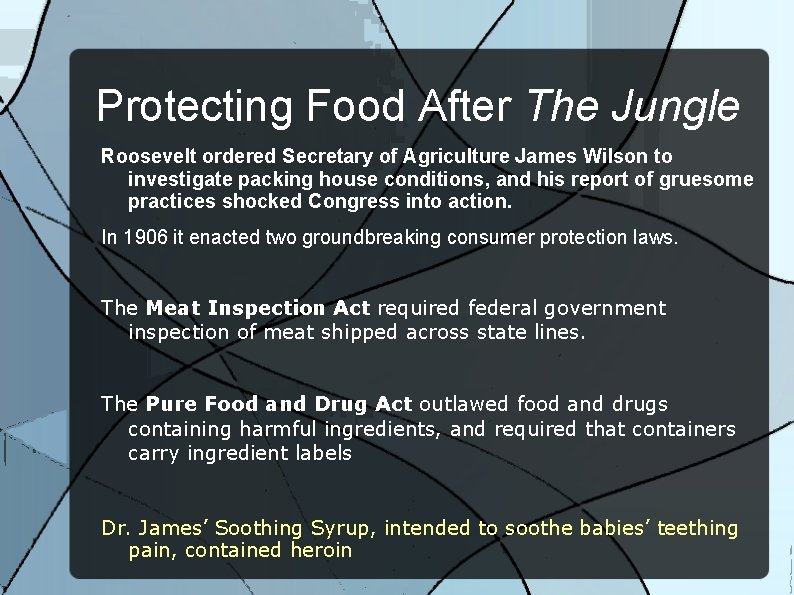
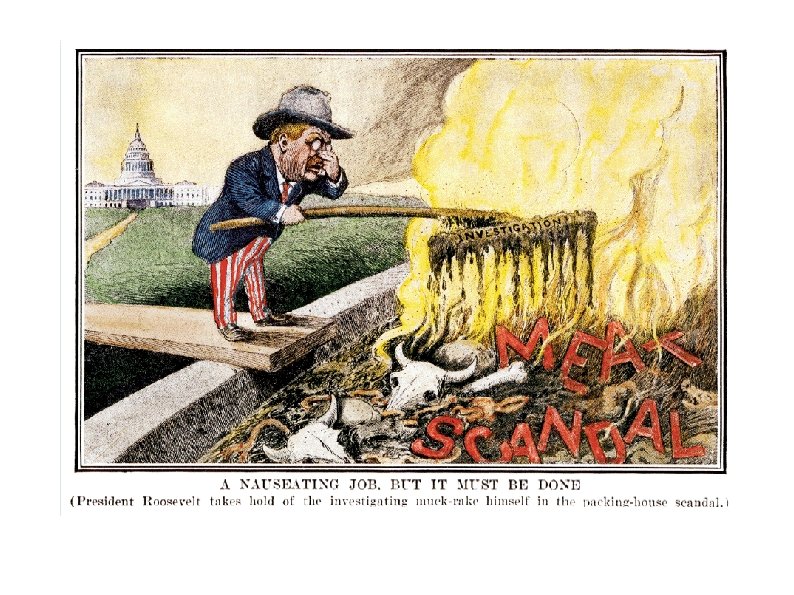
Protecting Food After The Jungle Roosevelt ordered Secretary of Agriculture James Wilson to investigate packing house conditions, and his report of gruesome practices shocked Congress into action. In 1906 it enacted two groundbreaking consumer protection laws. The Meat Inspection Act required federal government inspection of meat shipped across state lines. The Pure Food and Drug Act outlawed food and drugs containing harmful ingredients, and required that containers carry ingredient labels Dr. James’ Soothing Syrup, intended to soothe babies’ teething pain, contained heroin
Environmental Conservation
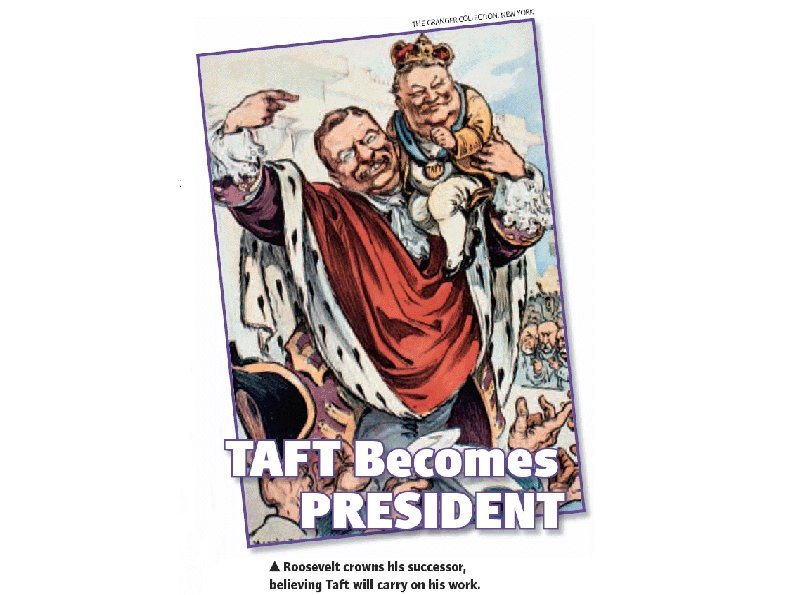
Taft Becomes President with TR's support Taft worked to secure several reforms, such as creating a Labor Department to enforce labor laws and increasing national forest reserves. Passes 16 th Amendment (Federal Income Tax) – is a (progressive) way to pay for Federal programs more fairly
Taft falls out of favor Payne-Aldrich Tariff Started out lowering tariffs (progressive idea to lower prices) Ends up increasing them and Taft still signs it 1910 -Sec Interior sells protected lands in Alaska to business interests Taft fires whistleblower Taft not committed to conservation
Election of 1912 Republicans nominate Taft Progressive Republicans break away, create Bull Moose Party and nominate Roosevelt Democrats nominate Wilson Wins big!
During his presidential campaign, Wilson proposed an ambitious plan of reform called the New Freedom, which called for tariff reductions, banking reform, and stronger antitrust legislation. In October 1913, Congress passed the Underwood Tariff Act, which lowered taxes to their lowest level in 50 years. Tariff reduction meant the government had less income, so to make up for it, the act also introduced a graduated income tax.
Banking Reform
Stronger Antitrust Laws

- Slides: 17