
Romanticism Emotion over reason A response to the
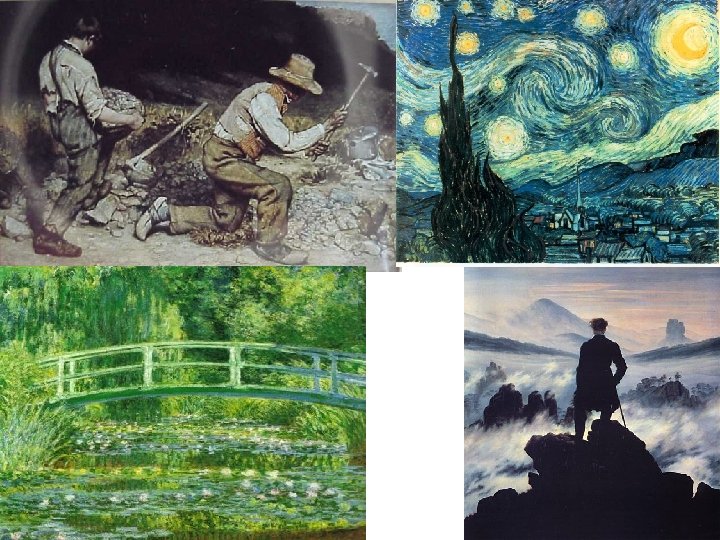
- Slides: 35
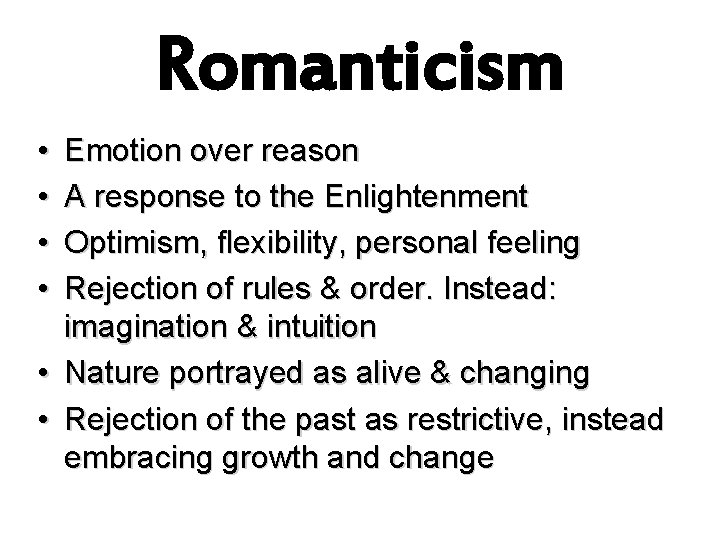
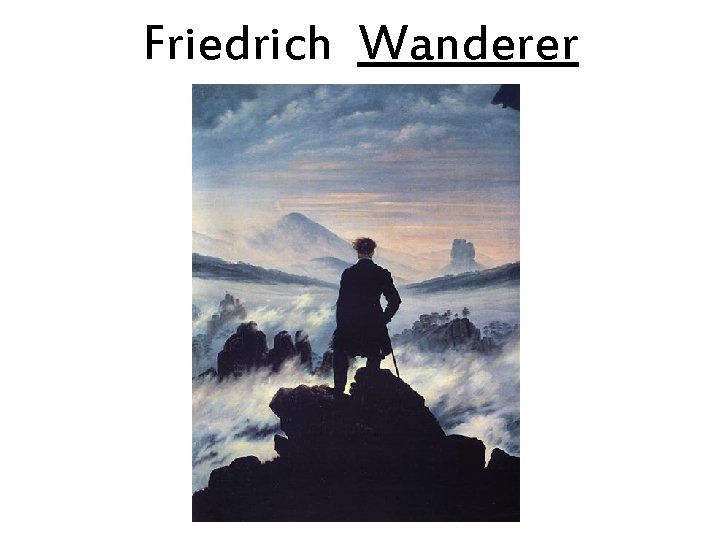
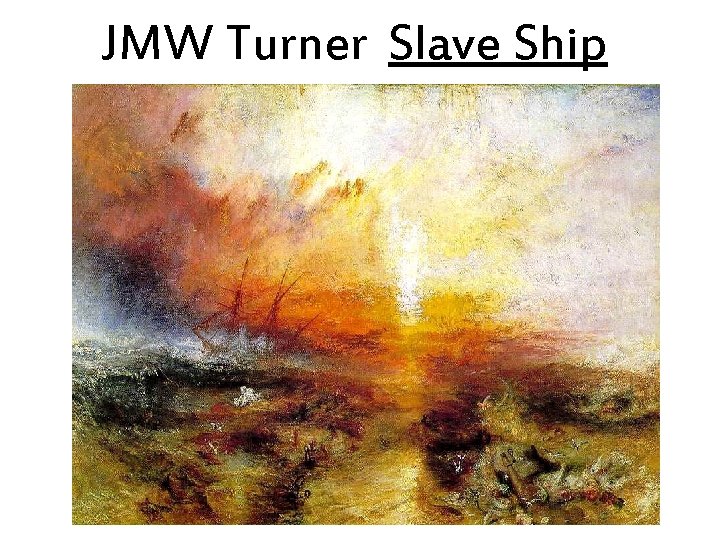
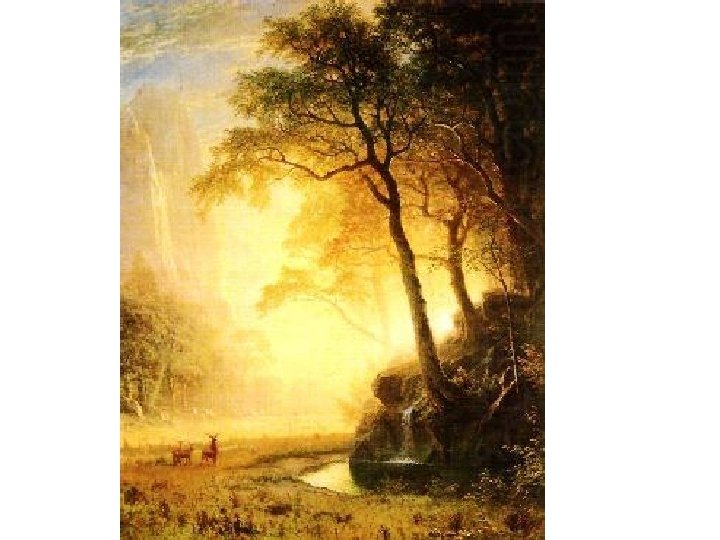
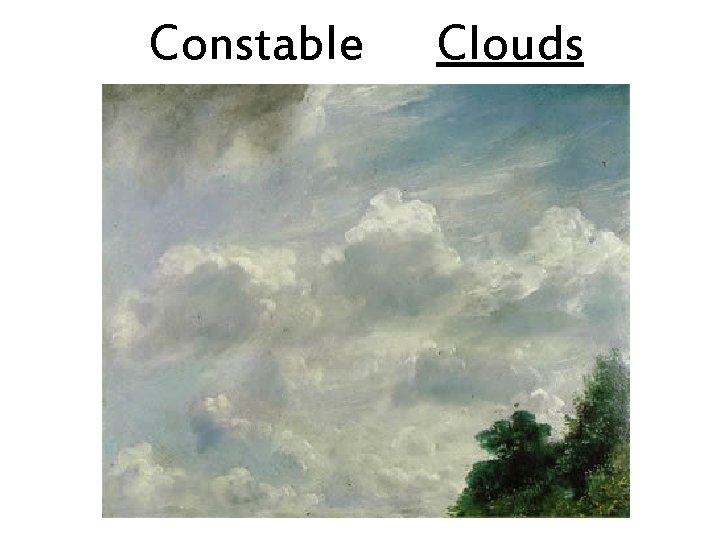
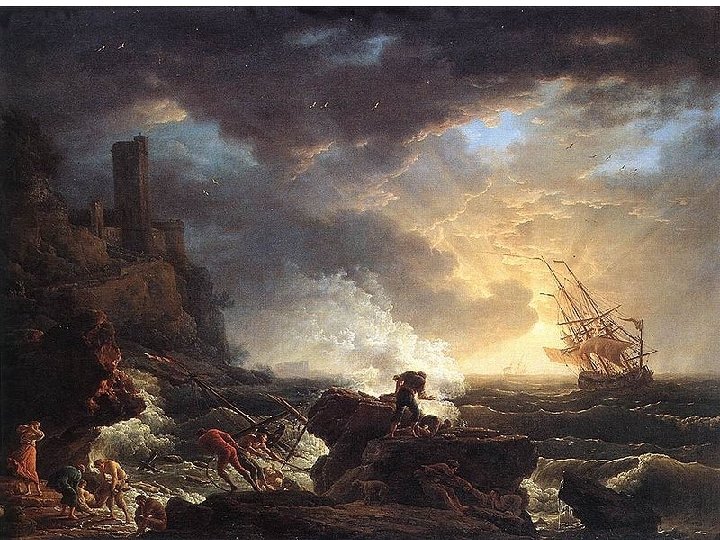
Romanticism • • Emotion over reason A response to the Enlightenment Optimism, flexibility, personal feeling Rejection of rules & order. Instead: imagination & intuition • Nature portrayed as alive & changing • Rejection of the past as restrictive, instead embracing growth and change
Key Words • • Adventure Stormy Emotional Moody
Friedrich Wanderer
JMW Turner Slave Ship
Constable Clouds
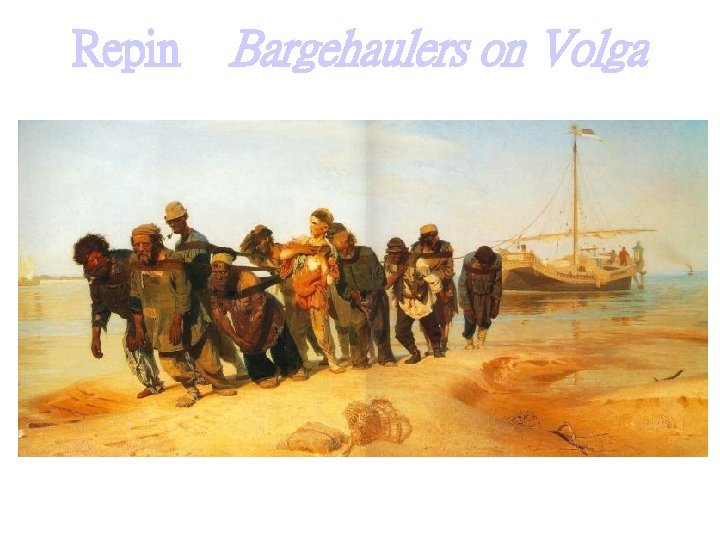
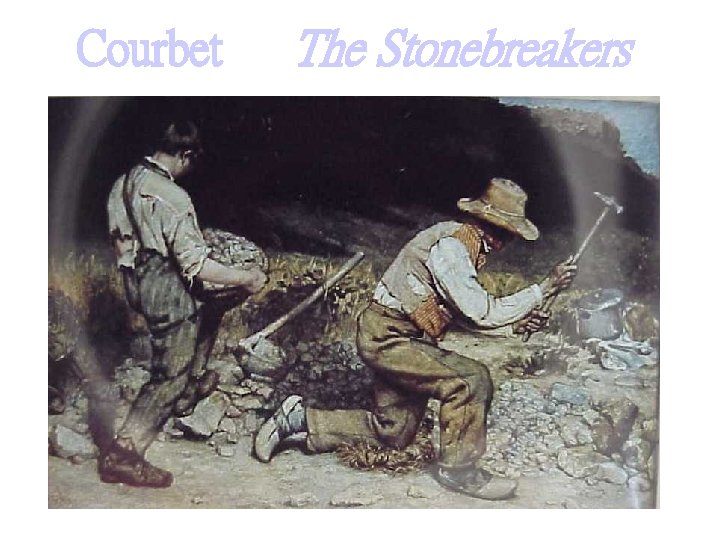
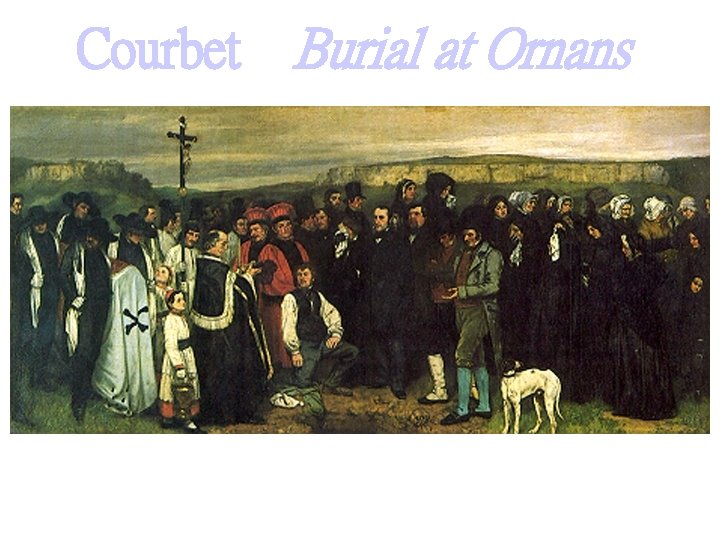
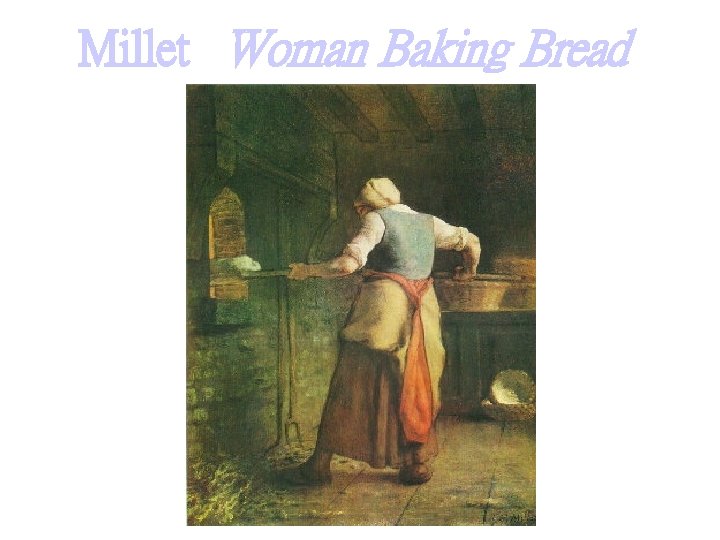
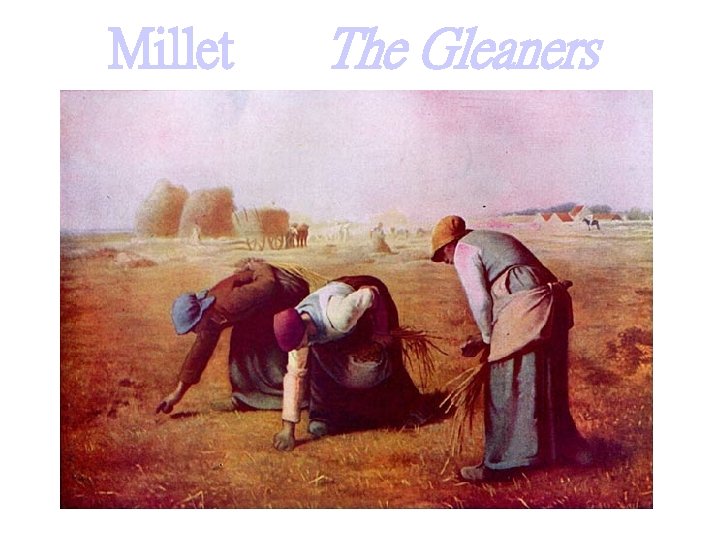
Realism • A response to the Industrial Revolution • Close observation of humans & nature • Accuracy & objectivity when portraying ordinary world • Inclusion of new science & technological advancements
Key Words • • Accurate Dim Ordinary Work
Repin Bargehaulers on Volga
Courbet The Stonebreakers
Courbet Burial at Ornans
Millet Woman Baking Bread
Millet The Gleaners
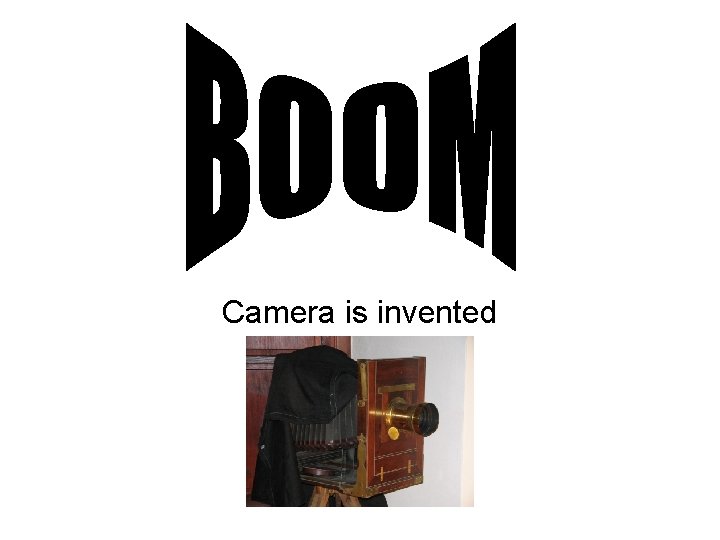
Camera is invented
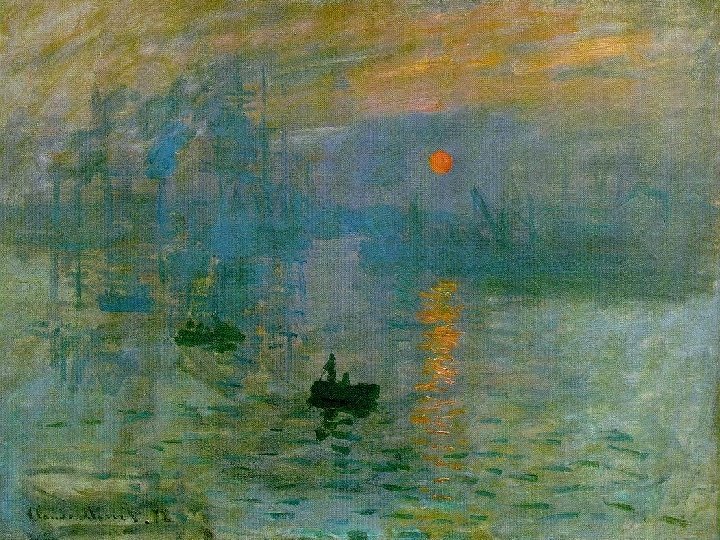
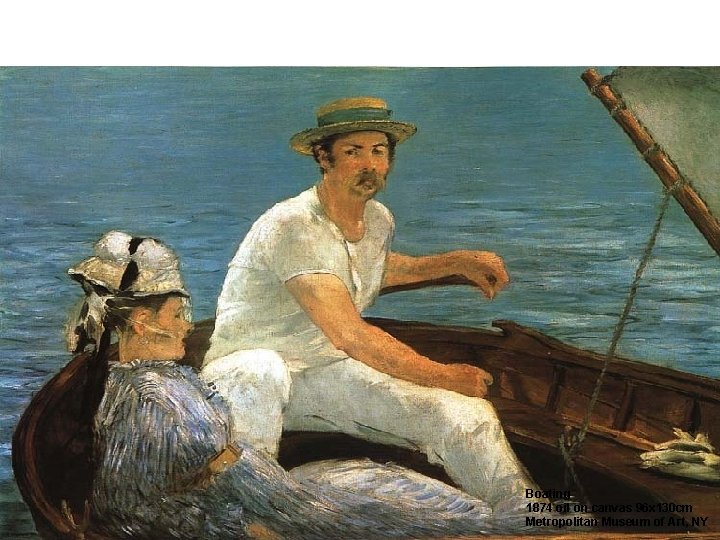
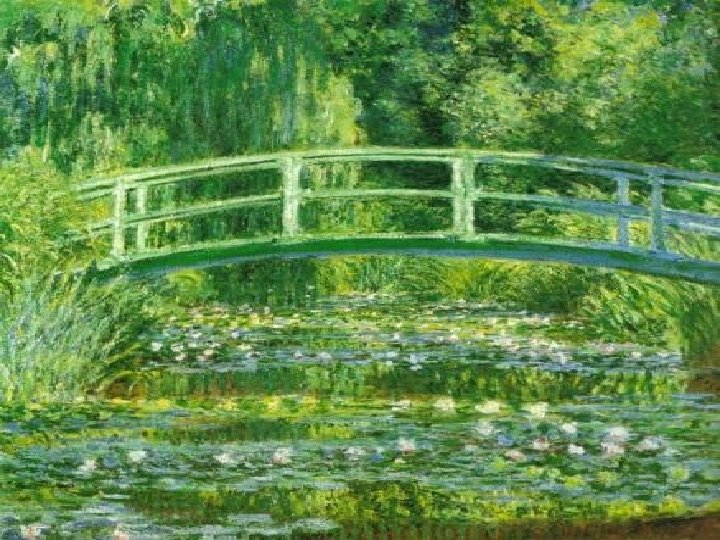
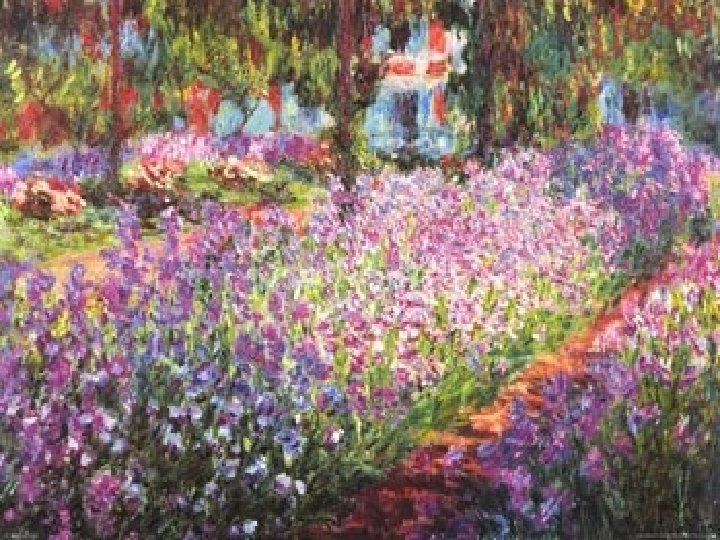
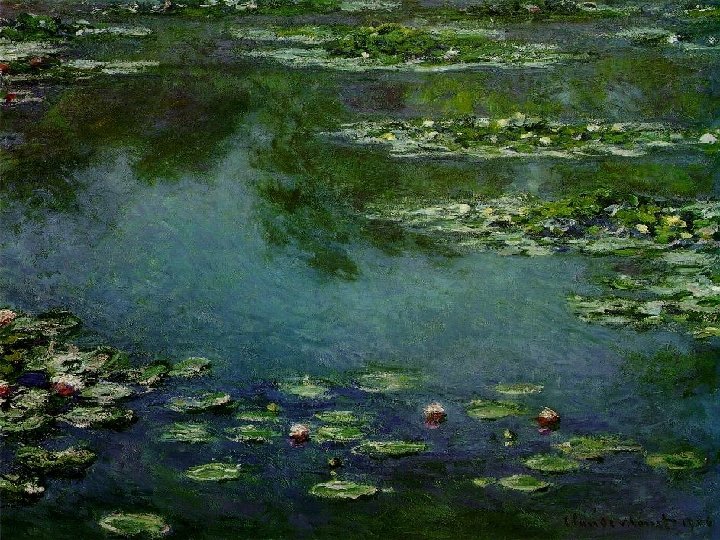
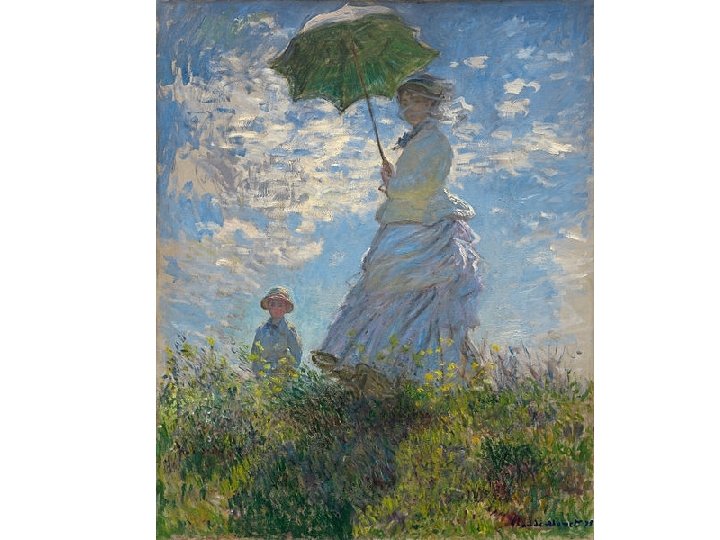
Impressionism • After invention of camera, realism is not so exciting • Painting of everyday scene. • The color is vibrant and looks like it is mixed directly on the canvas. • The painter was fascinated with capturing a fleeting moment. • Quick spontaneous brushwork.
Key Words • • Glance Soft Memory Bright
Manet Boating 1874 oil on canvas 96 x 130 cm Metropolitan Museum of Art, NY
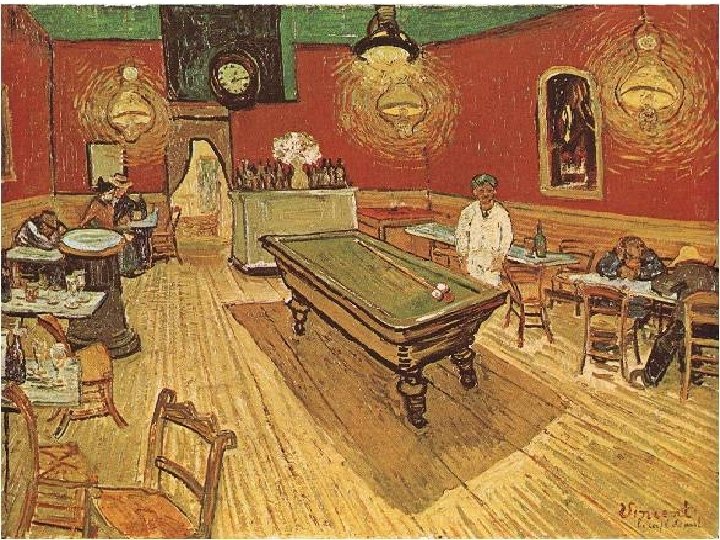
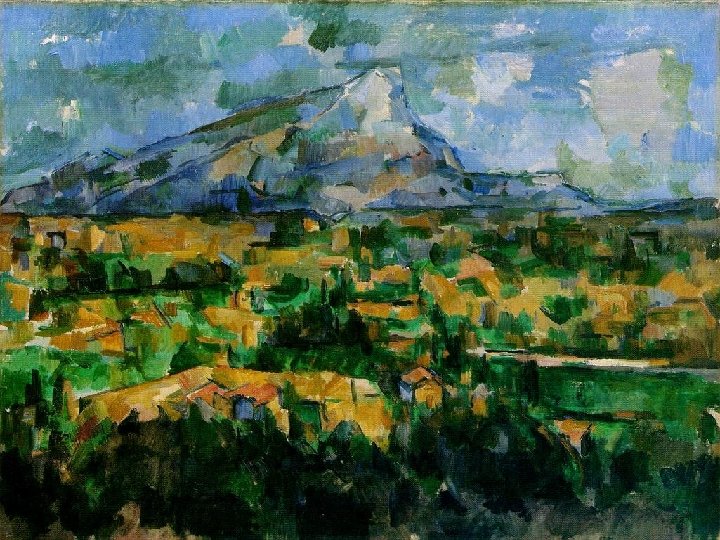
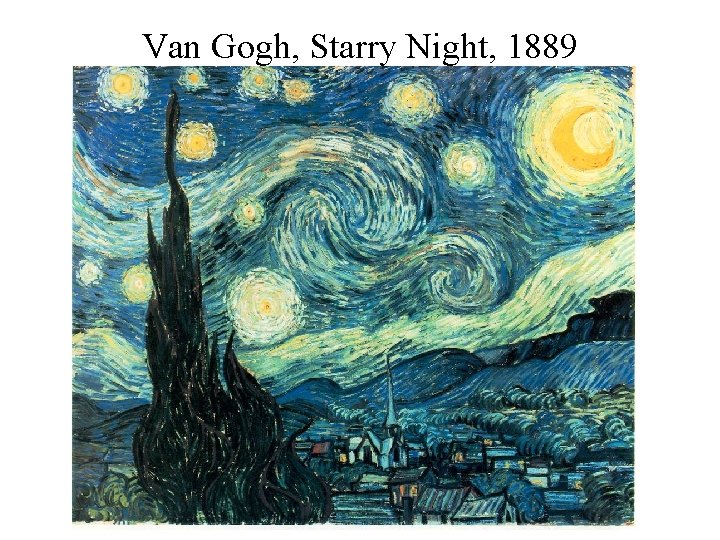
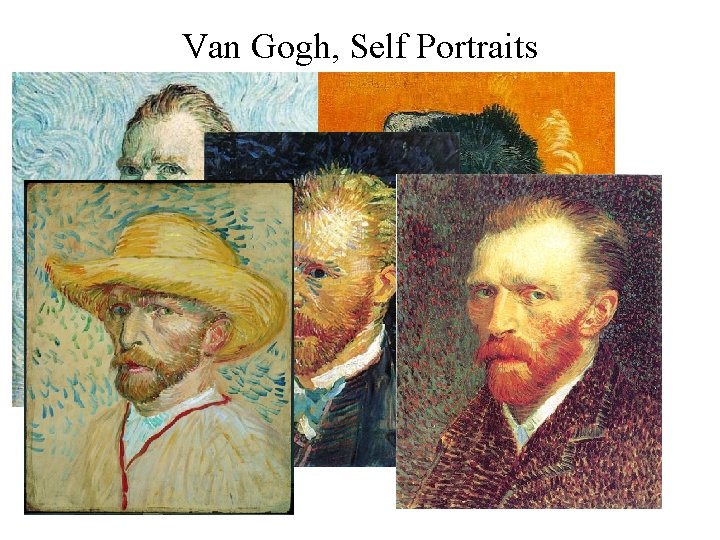
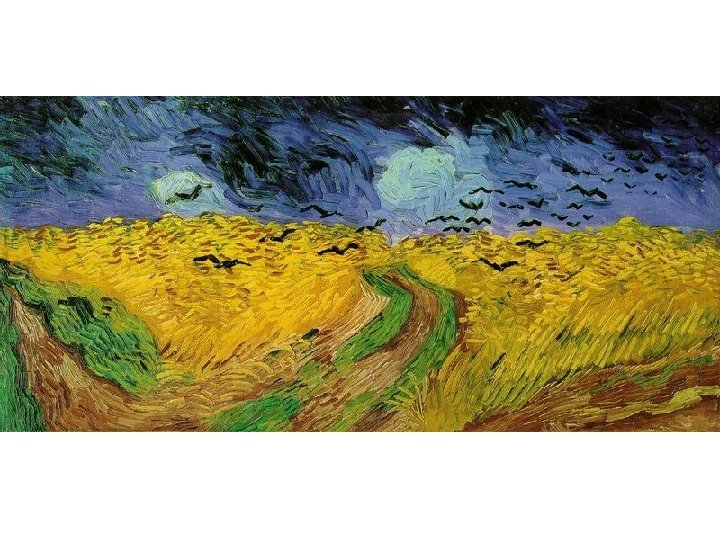
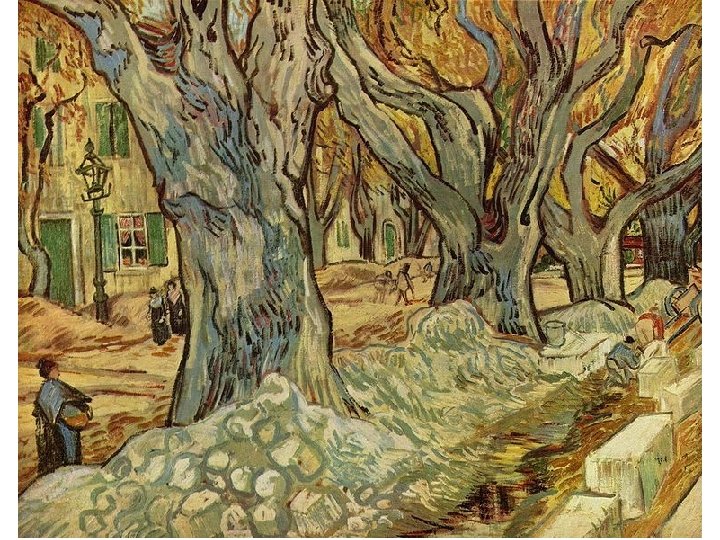
Post-Impressionism • Personal exploration of color • Forceful brushwork • Many characteristics of Impressionism (vivid color, short thick brushstrokes, awareness of how color and light work together) • Distorted shapes and colors
Key Words • • Distorted Bold Eye-popping Sharp
Van Gogh, Starry Night, 1889
Van Gogh, Self Portraits
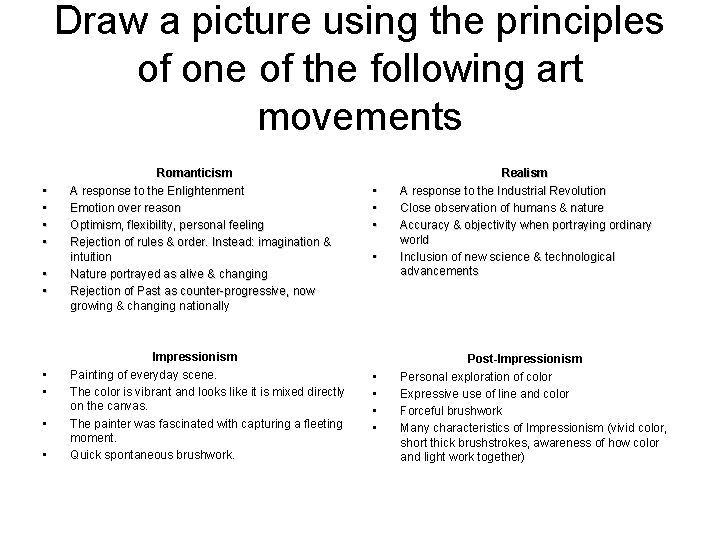
Draw a picture using the principles of one of the following art movements • • • Romanticism A response to the Enlightenment Emotion over reason Optimism, flexibility, personal feeling Rejection of rules & order. Instead: imagination & intuition Nature portrayed as alive & changing Rejection of Past as counter-progressive, now growing & changing nationally Impressionism Painting of everyday scene. The color is vibrant and looks like it is mixed directly on the canvas. The painter was fascinated with capturing a fleeting moment. Quick spontaneous brushwork. • • Realism A response to the Industrial Revolution Close observation of humans & nature Accuracy & objectivity when portraying ordinary world Inclusion of new science & technological advancements Post-Impressionism Personal exploration of color Expressive use of line and color Forceful brushwork Many characteristics of Impressionism (vivid color, short thick brushstrokes, awareness of how color and light work together)