
Romanticism 1800 1850 A Movement Across the Arts
- Slides: 9
Romanticism 1800 -1850 A Movement Across the Arts
Definition v. Romanticism refers to a movement in art, literature, and music during the 19 th century. v. Romanticism is characterized by the 4 “I”s v. Imagination v. Intuition v. Idealism v. Individuality
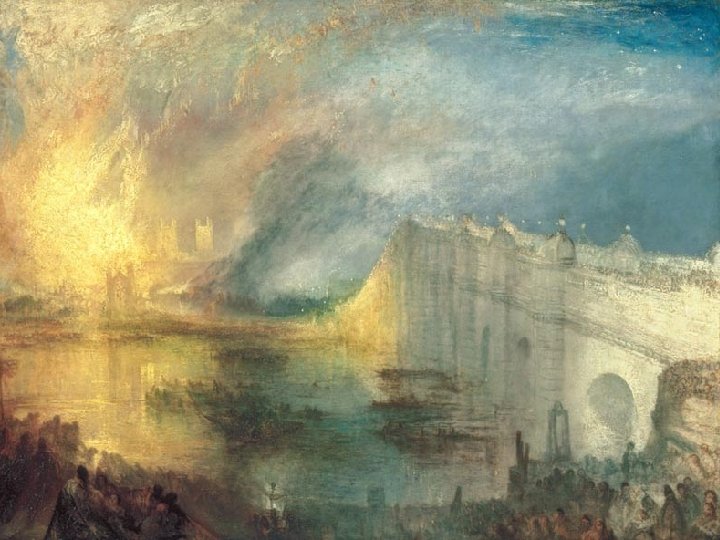
Imagination v. Imagination was emphasized over “reason. ” v. This was a backlash against the rationalism characterized by the Neoclassical period or “Age of Reason. ” v. Imagination was considered necessary for creating all art. v. British writer Samuel Taylor Coleridge called it “intellectual intuition. ”
Intuition v. Romantics placed value on “intuition, ” or feeling and instincts, over reason. v. Emotions were important in Romantic art. v. British Romantic William Wordsworth described poetry as “the spontaneous overflow of powerful feelings. ”
Idealism v. Idealism is the concept that we can make the world a better place. v. Idealism refers to any theory that emphasizes the spirit, the mind, or language over matter – thought has a crucial role in making the world the way it is. v. Immanuel Kant, a German philosopher, held that the mind forces the world we perceive to take the shape of space-andtime.
Individuality v. Romantics celebrated the individual. v. Walt Whitman, an American Romantic writer, would write a poem entitled “Song of Myself”: it begins, “I celebrate myself…”
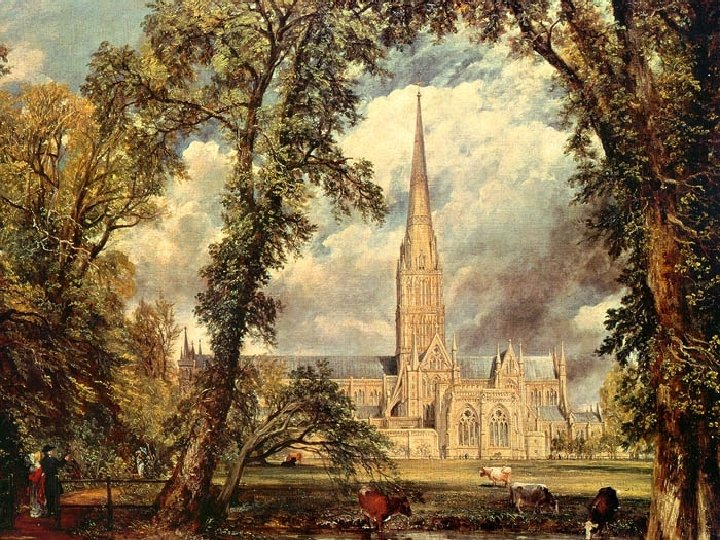
Not I’s v. Romantics encouraged nationalism, pride in one’s country. v. Romantics viewed nature as a powerful source of awe and perfection v. Romantics also wanted to revive the classics, such as classic greek art, classic Gothic architecture, and classic legends like King Arthur.