
Romanian Flag National arms of ROMANIA With an

- Slides: 25
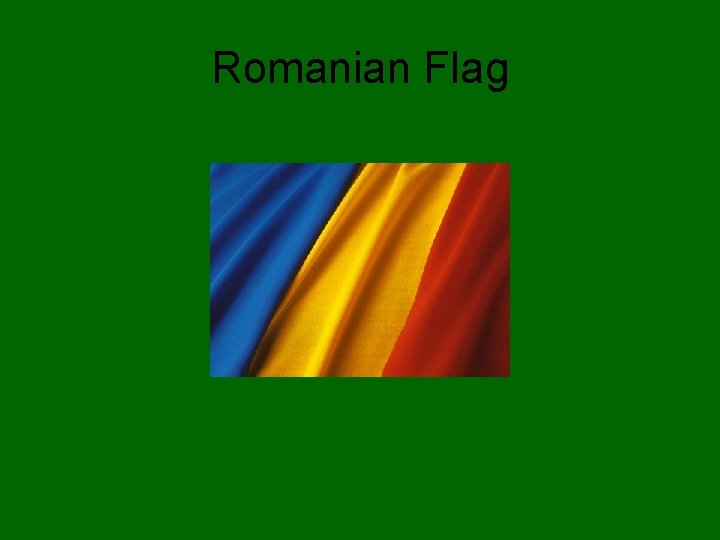
Romanian Flag
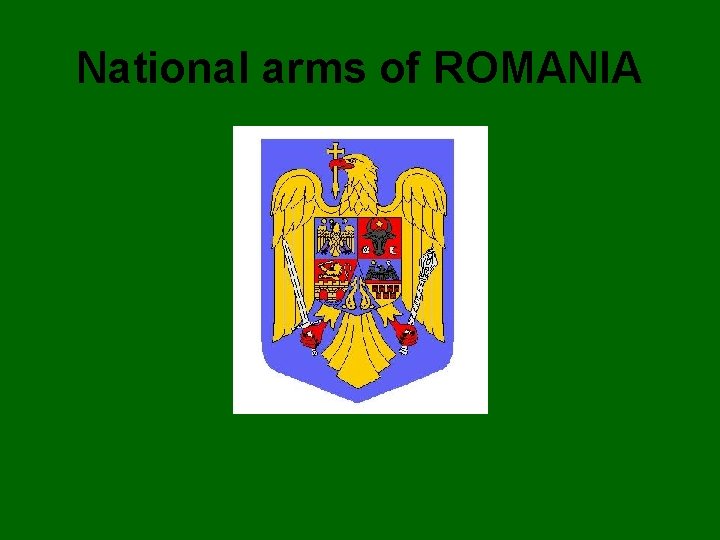
National arms of ROMANIA
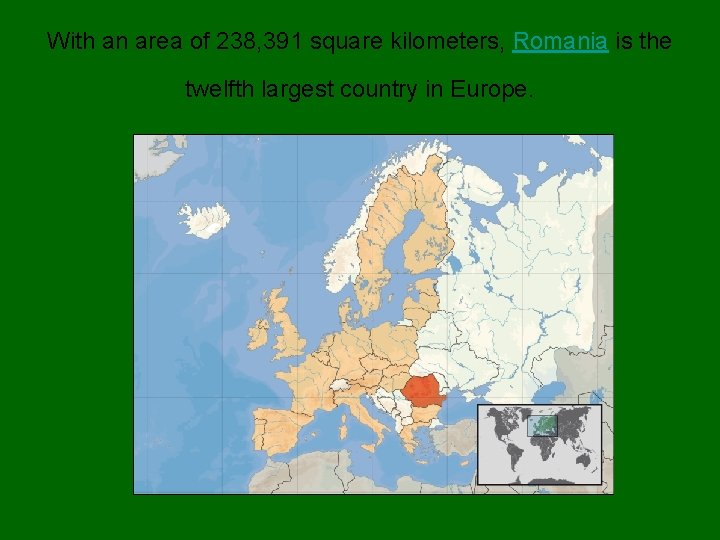
With an area of 238, 391 square kilometers, Romania is the twelfth largest country in Europe.
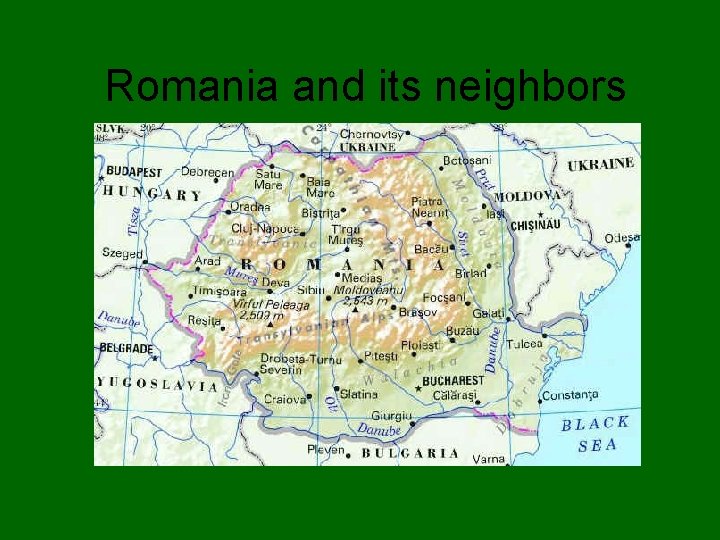
Romania and its neighbors
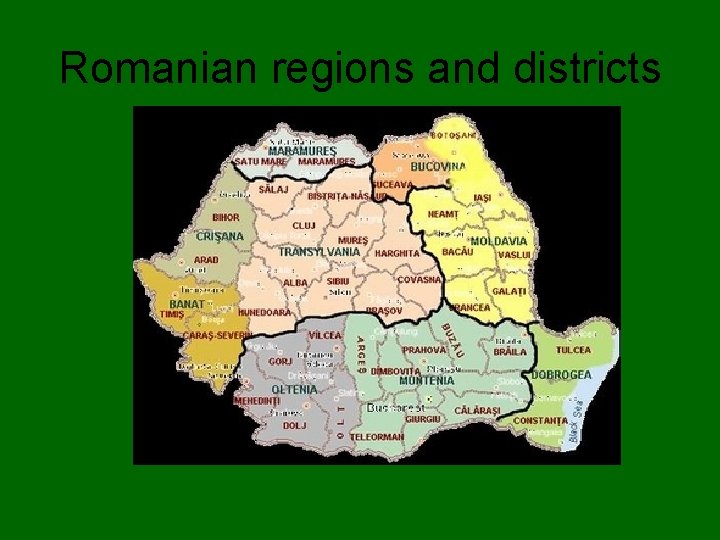
Romanian regions and districts
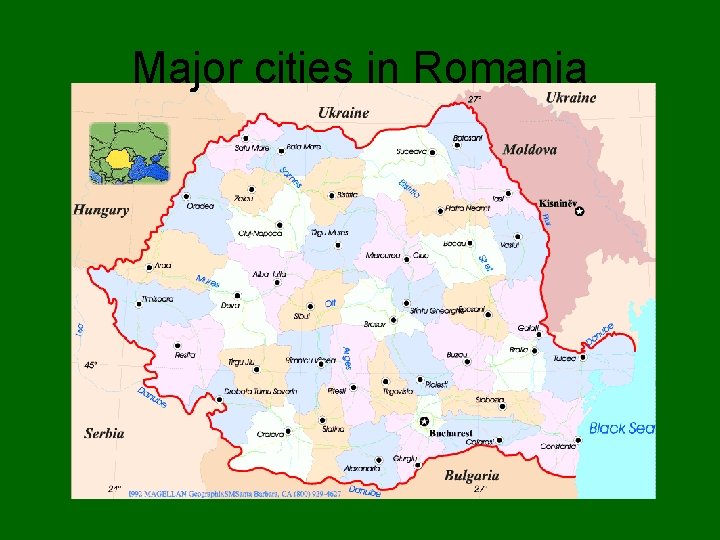
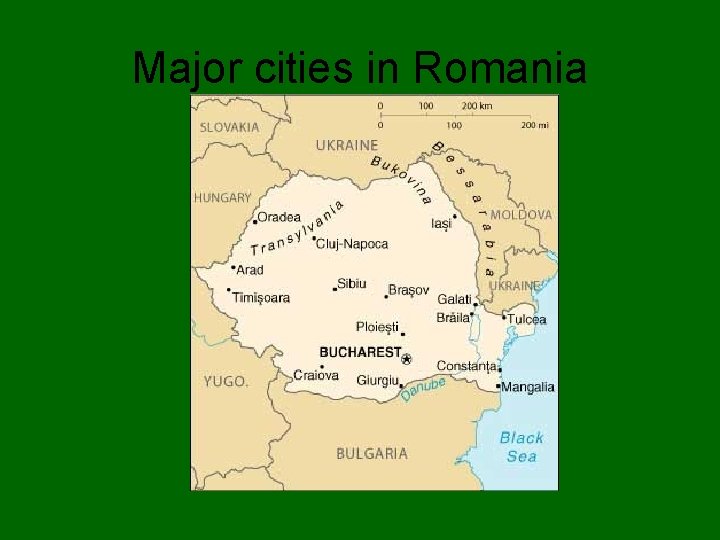
Major cities in Romania
Major cities in Romania
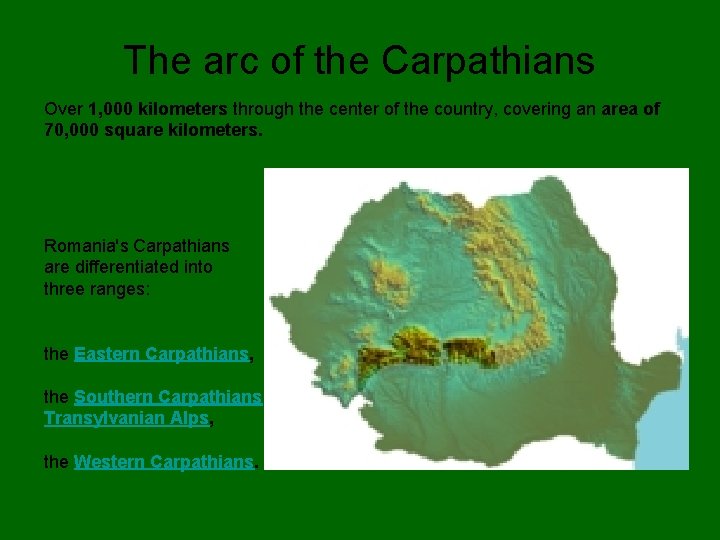
Romania's natural landscape is almost evenly divided among: • mountains (31 percent), • hills (33 percent), • plains (36 percent). These varied relief forms spread rather symmetrically from the Carpathian Mountains, which reach elevations of more than 2, 400 meters, to the Danube Delta, which is just a few meters above sea level.
The arc of the Carpathians Over 1, 000 kilometers through the center of the country, covering an area of 70, 000 square kilometers. Romania's Carpathians are differentiated into three ranges: the Eastern Carpathians, the Southern Carpathians Transylvanian Alps, the Western Carpathians.
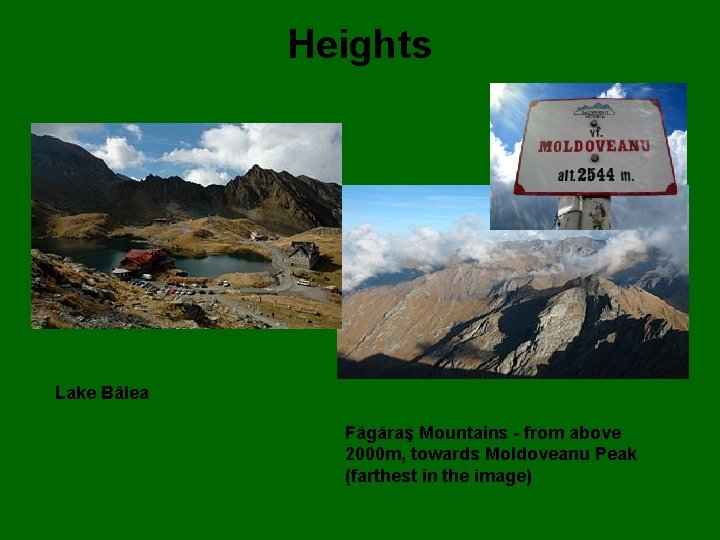
Heights Lake Bâlea Făgăraş Mountains - from above 2000 m, towards Moldoveanu Peak (farthest in the image)
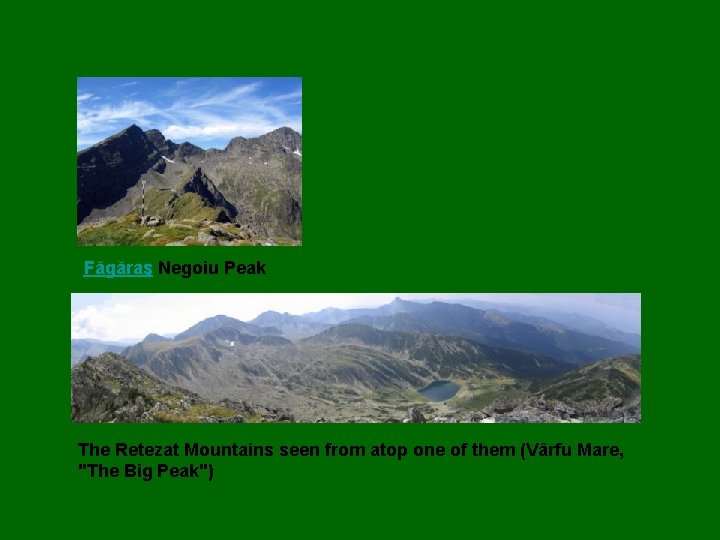
Făgăraş Negoiu Peak The Retezat Mountains seen from atop one of them (Vârfu Mare, "The Big Peak")
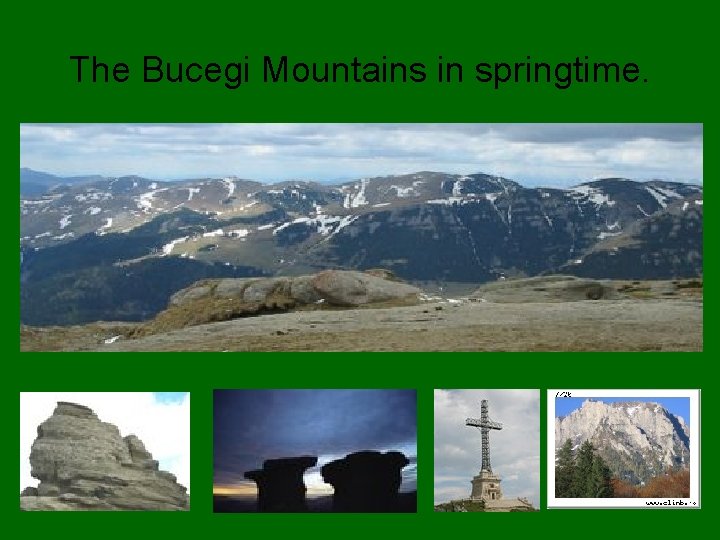
The Bucegi Mountains in springtime.
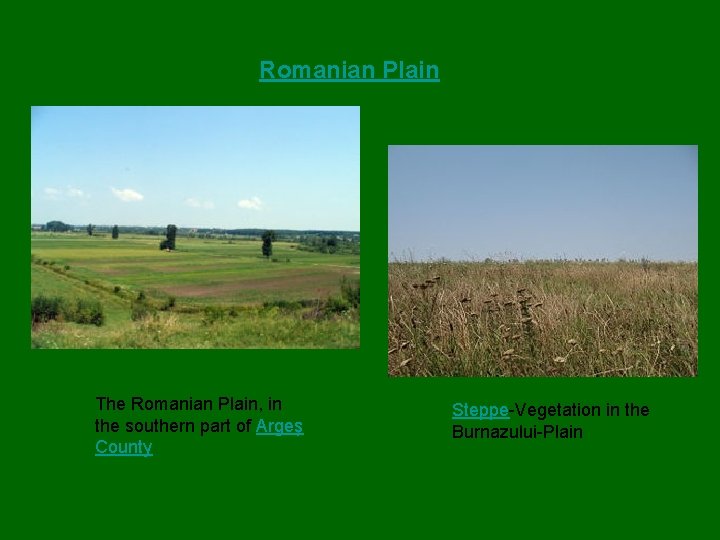
Romanian Plain The Romanian Plain, in the southern part of Argeş County Steppe-Vegetation in the Burnazului-Plain
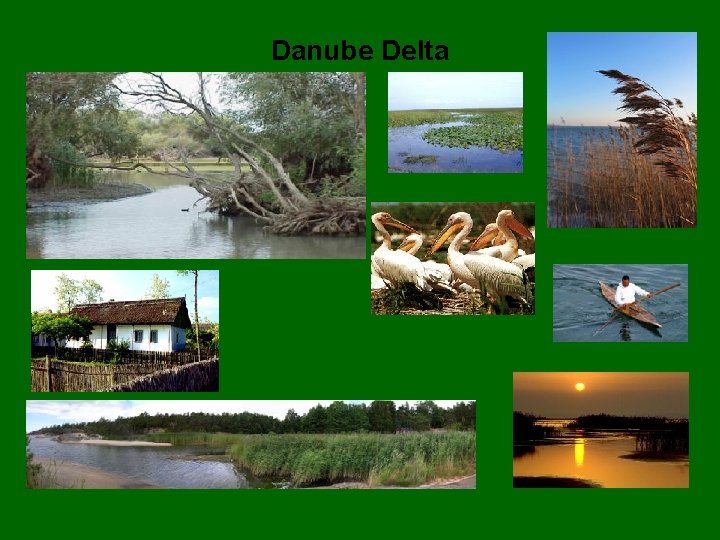
Danube Delta
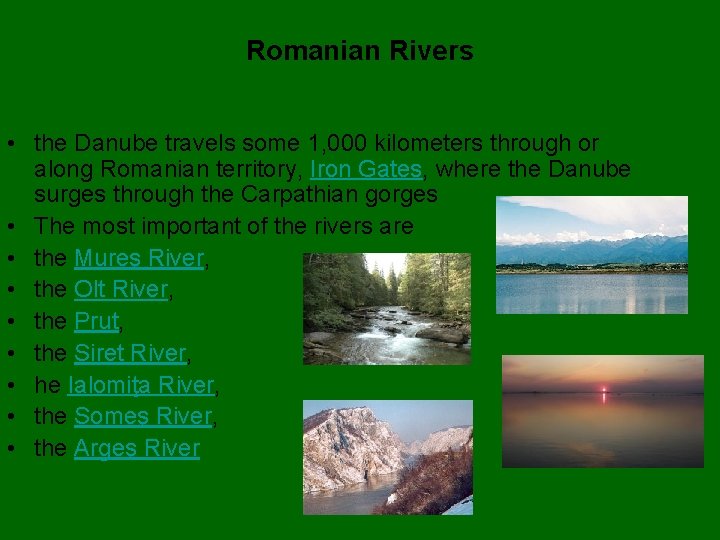
Romanian Rivers • the Danube travels some 1, 000 kilometers through or along Romanian territory, Iron Gates, where the Danube surges through the Carpathian gorges • The most important of the rivers are • the Mureş River, • the Olt River, • the Prut, • the Siret River, • he Ialomiţa River, • the Someş River, • the Argeş River
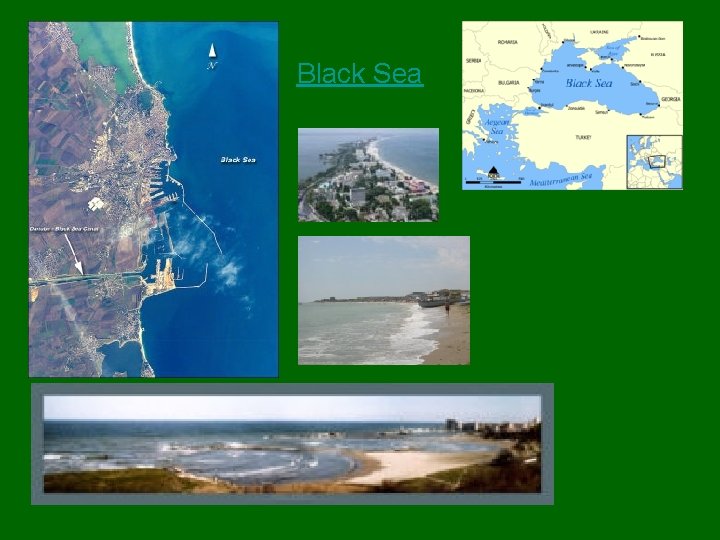
Black Sea
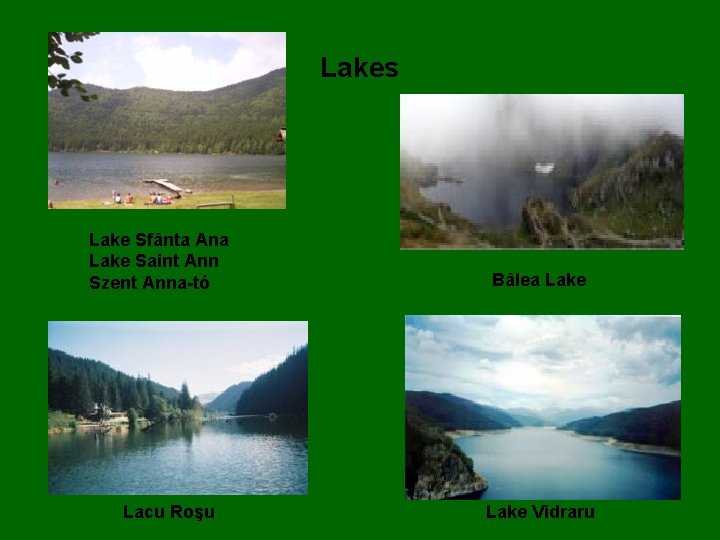
Lakes Lake Sfânta Ana Lake Saint Ann Szent Anna-tó Lacu Roşu Bâlea Lake Vidraru
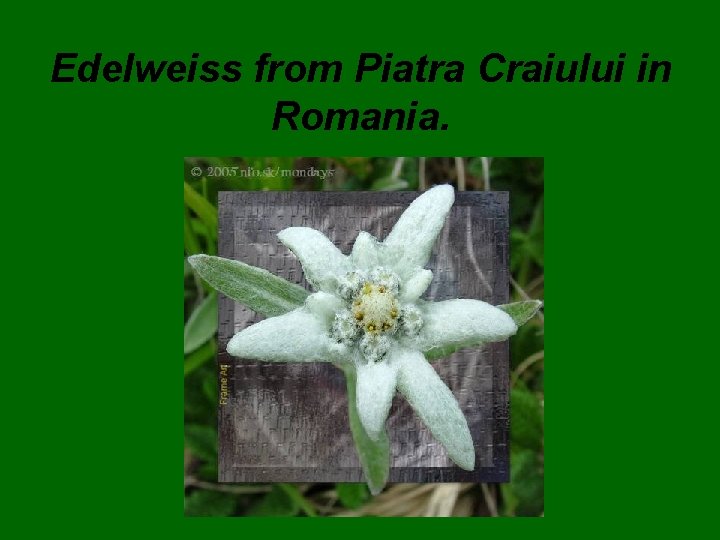
Edelweiss from Piatra Craiului in Romania.
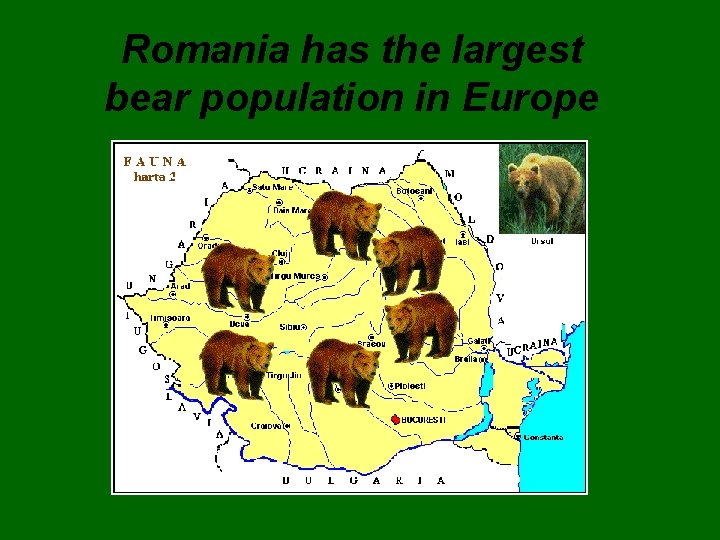
Romania has the largest bear population in Europe
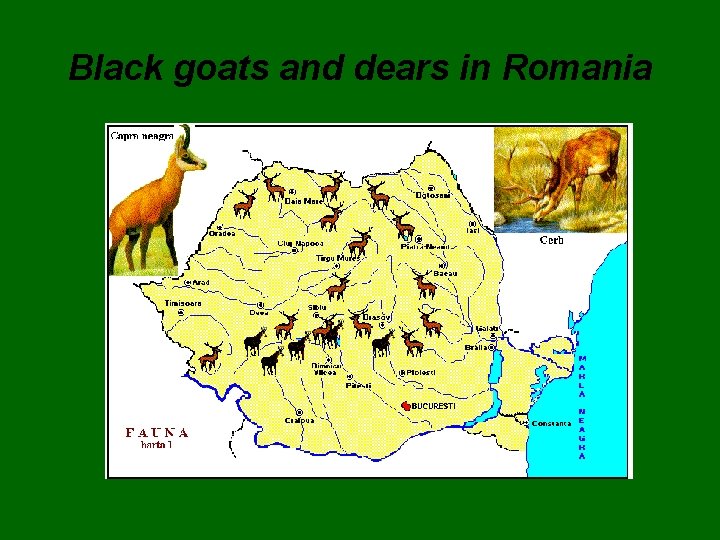
Black goats and dears in Romania
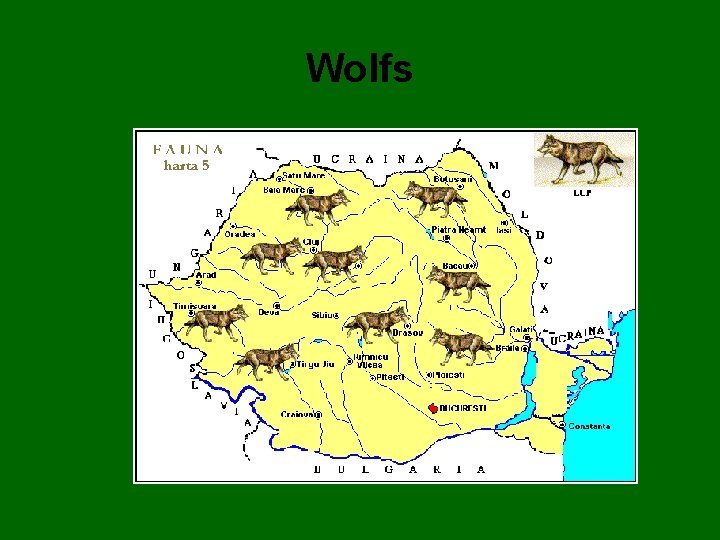
Wolfs
The map of average annual temperature
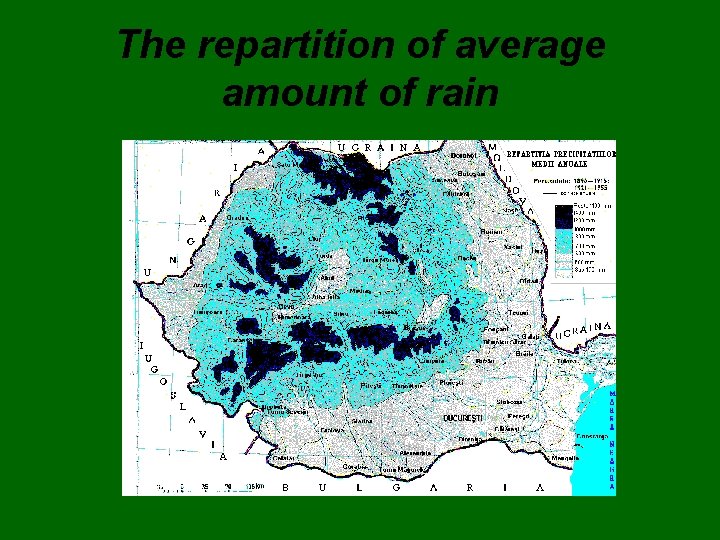
The repartition of average amount of rain
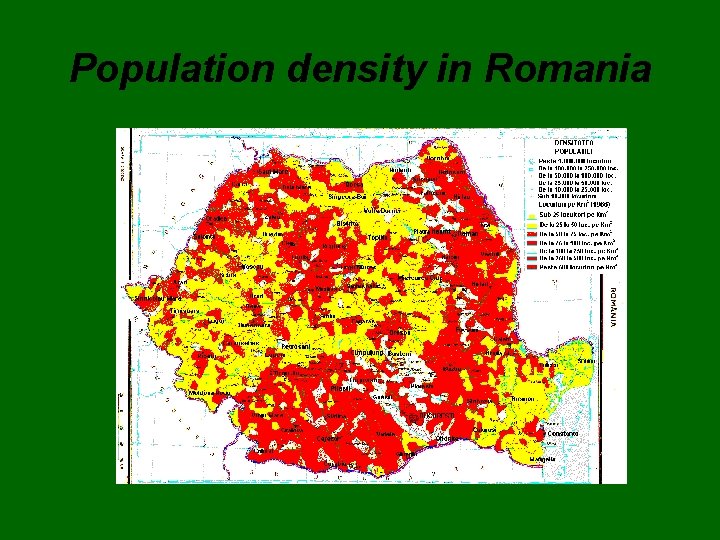
Population density in Romania
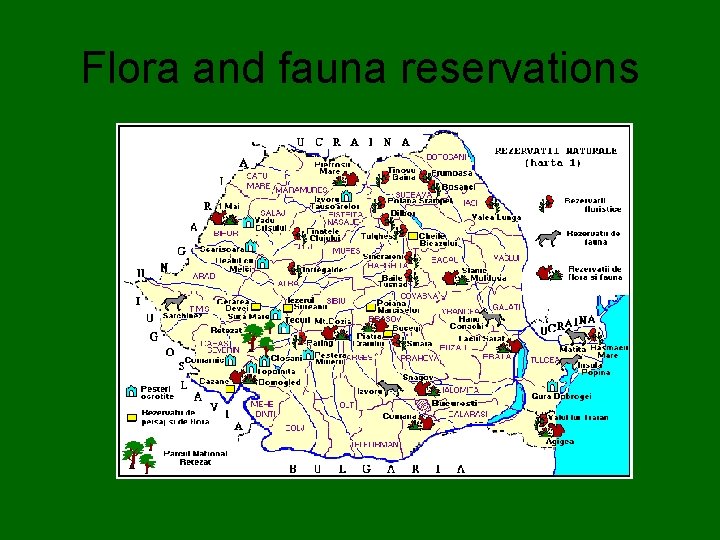
Flora and fauna reservations