
Romanesque Style Romanesque Churches Look at the fronts












- Slides: 57
Romanesque Style
Romanesque Churches
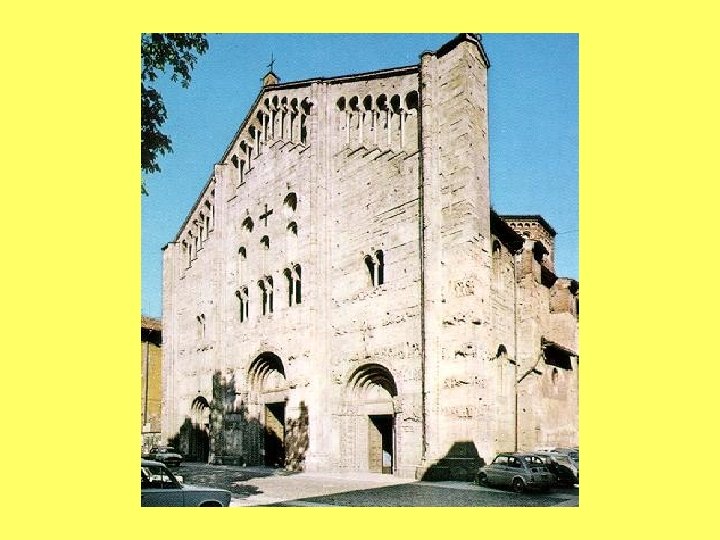
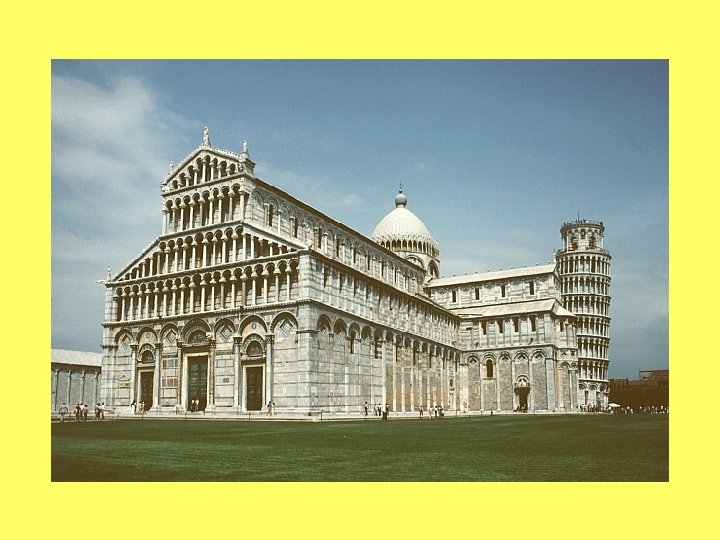
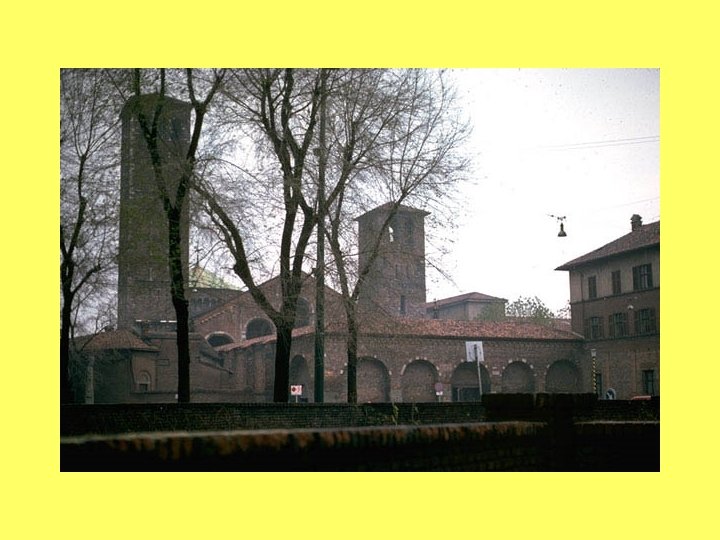
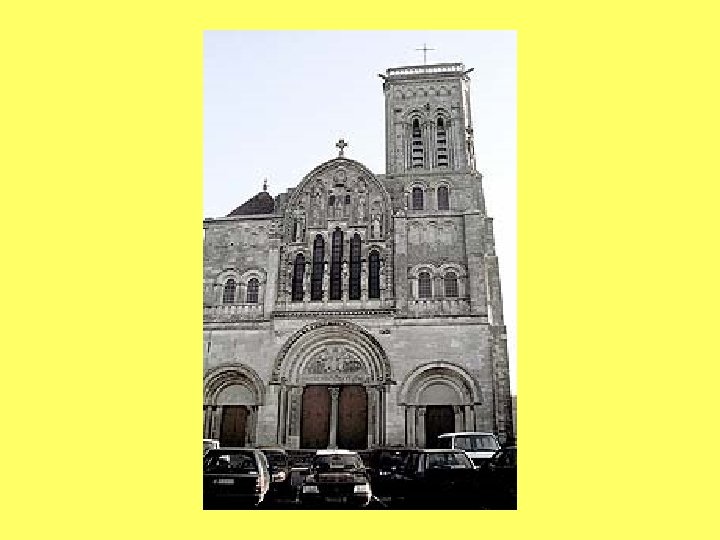
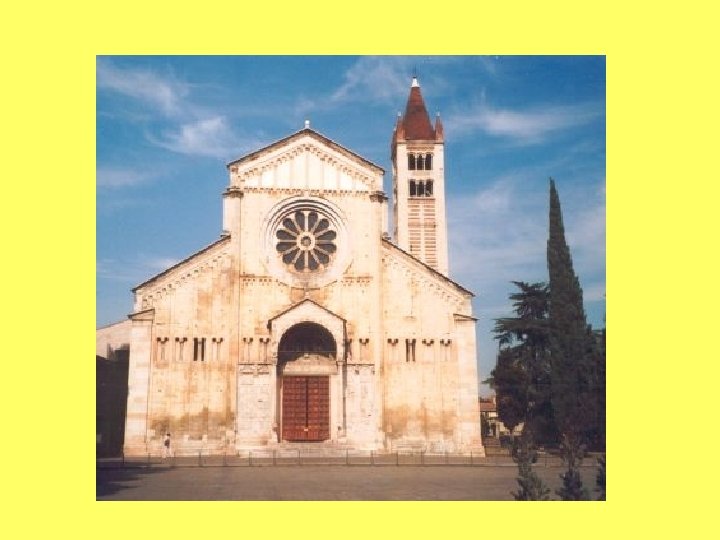
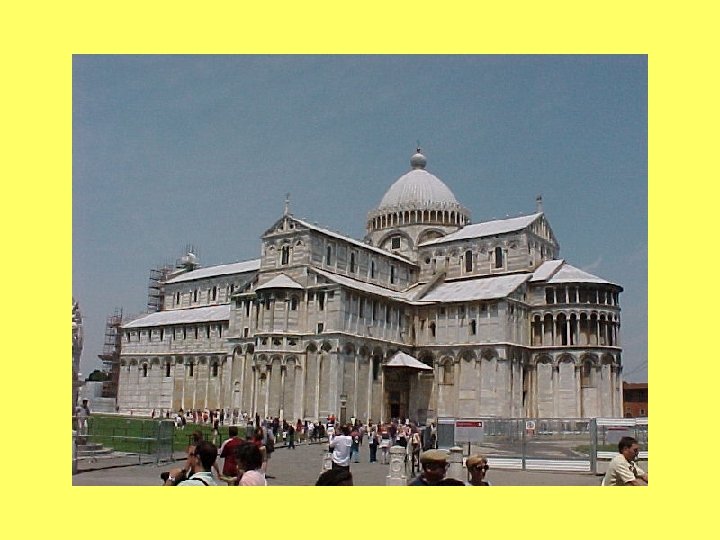
Look at the fronts of these different churches and see what they have in common.
St. Ambrogio
Vezelay
You notice that they all are basically earthbound. The emphasis is on the horizontal rather than on the vertical.
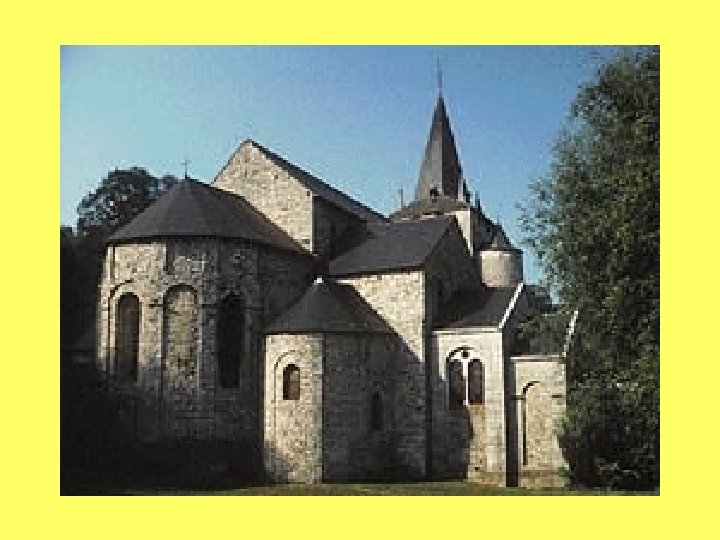
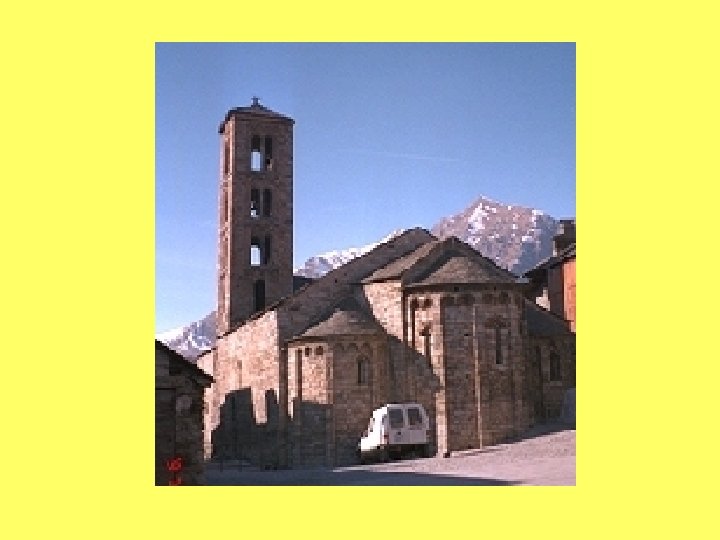
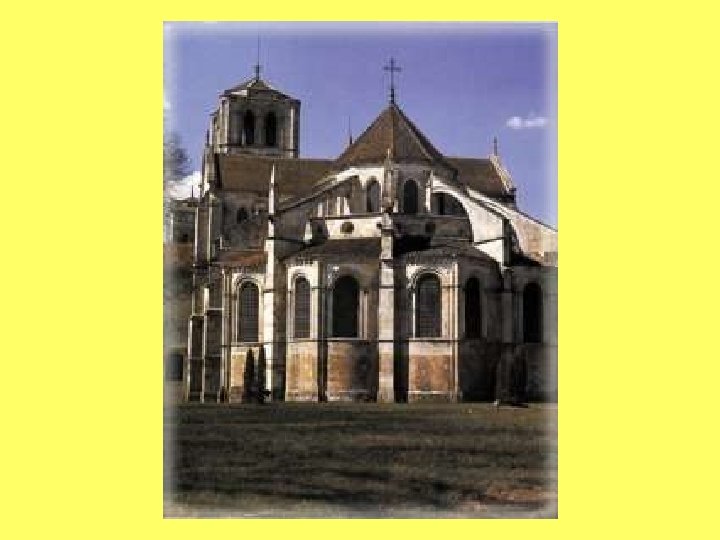
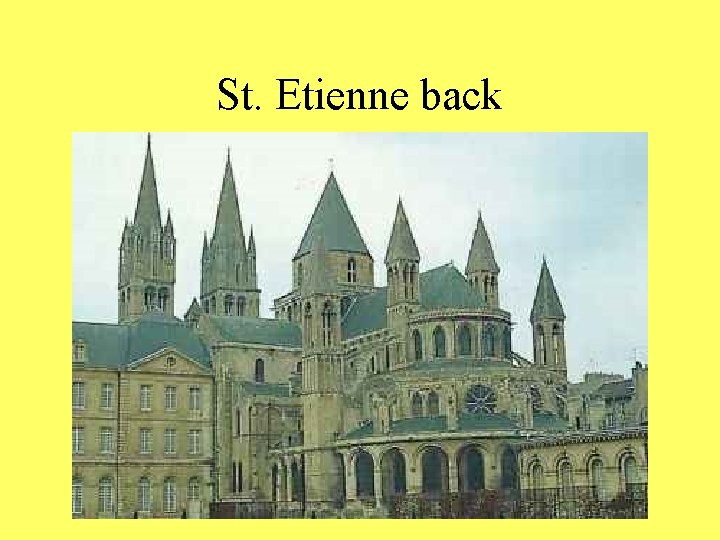
Look at the back of these churches and see what they have in common.
Vezelay Back
The backs show the apse of each as well as the side chapels. They look like a cluster or cylinders and cubes.
There are several components of a church that you need to know: nave, apse, transcept, ambulatory, clerestory and tympanum.
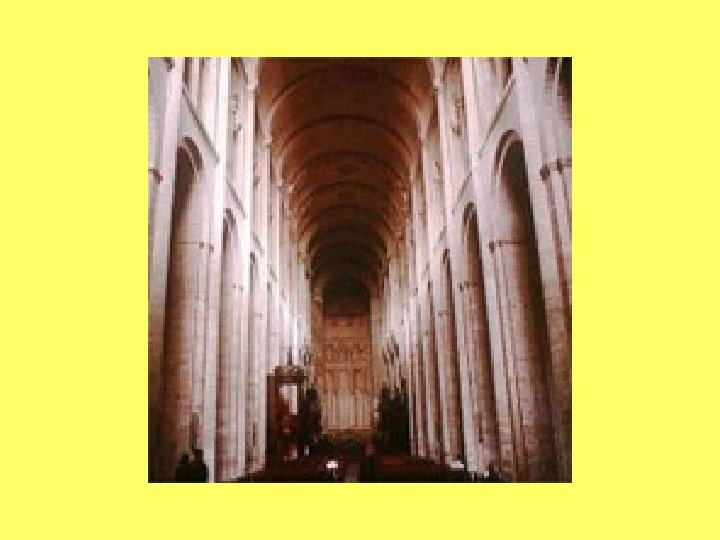
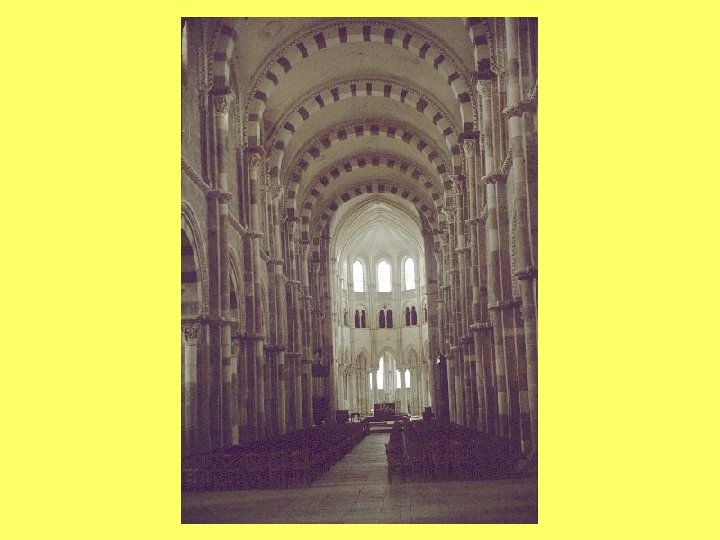
Nave: the long central aisle of the church.
Vezelay Nave
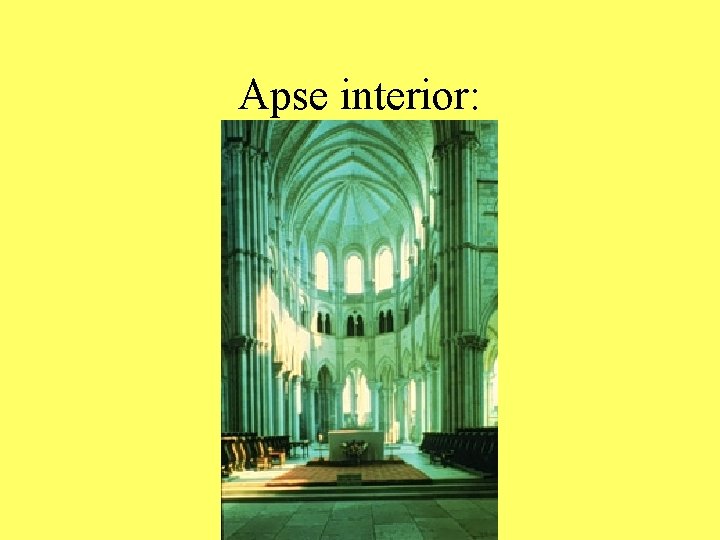
• Apse: a large semicircular recess in a church, arched or with a domed roof, typically at the eastern end, and usually containing the altar.
Apse interior:
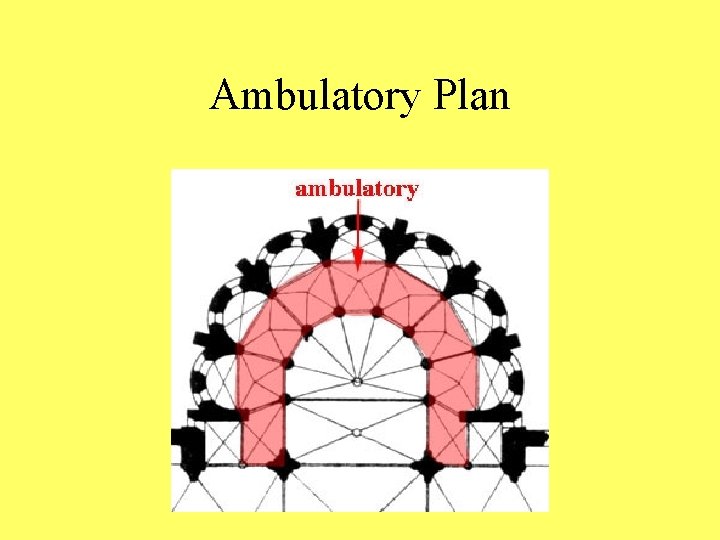
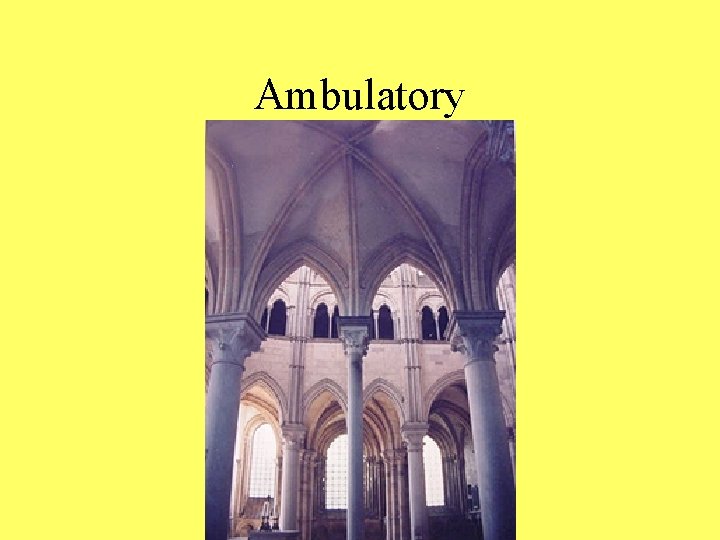
Ambulatory: the walkway around the back of the church behind the altar.
Ambulatory Plan
Ambulatory
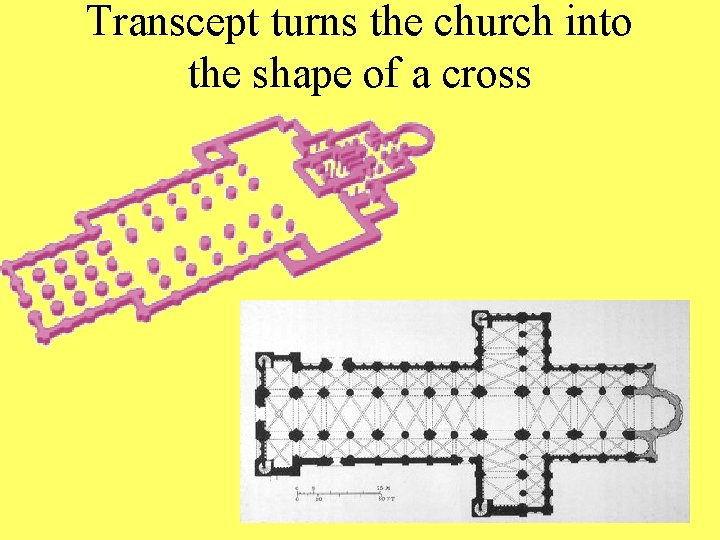
Transcept turns the church into the shape of a cross
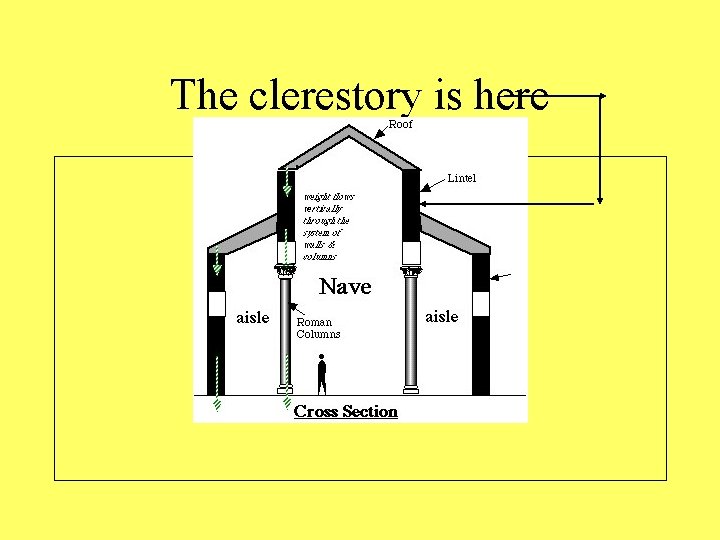
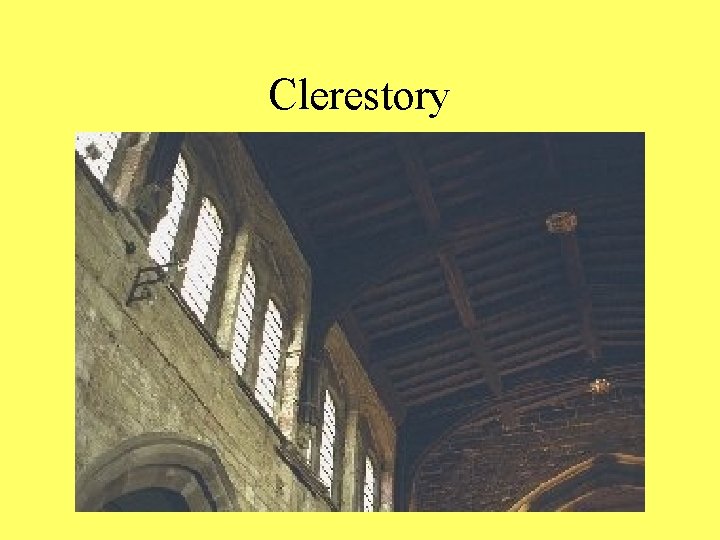
Clerestory: a high series of windows to illuminate the church.
The clerestory is here
Clerestory
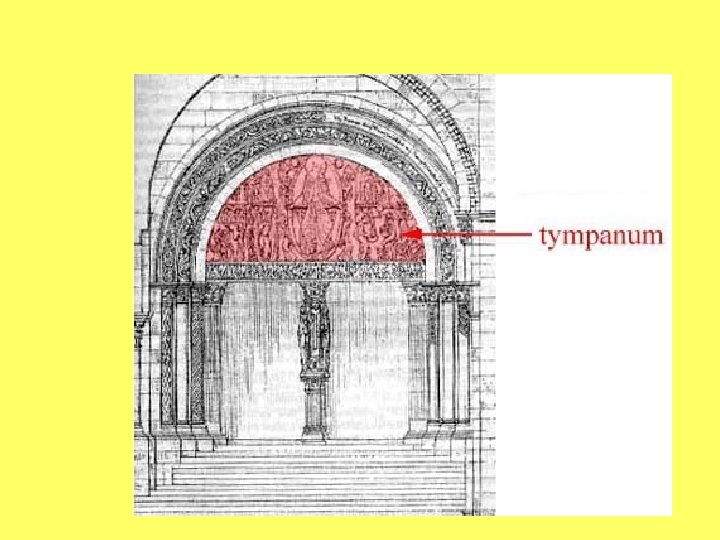
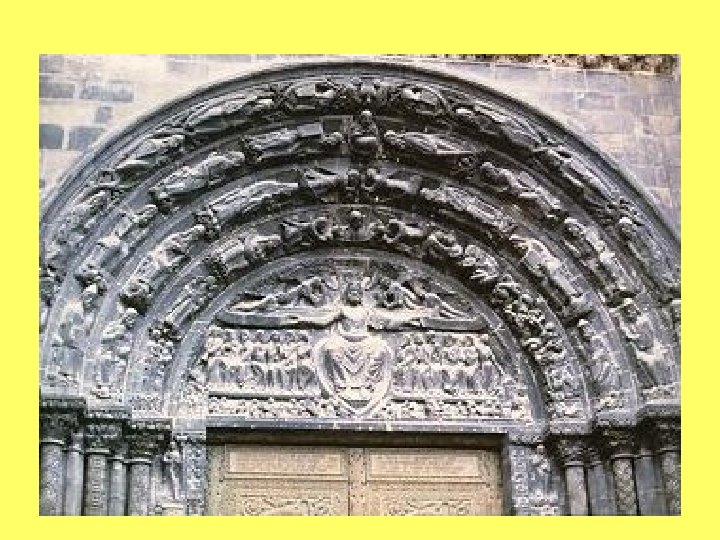
Tympanum: a sculptural panel above the front door. The subject is always religious. It marks the crossing from the secular world to the spiritual and reminds people of Biblical stories.
Notice how the sculpture is designed to fit the oddly shaped space much as the sculpture in the pediment of a Greek temple.
Tympanum
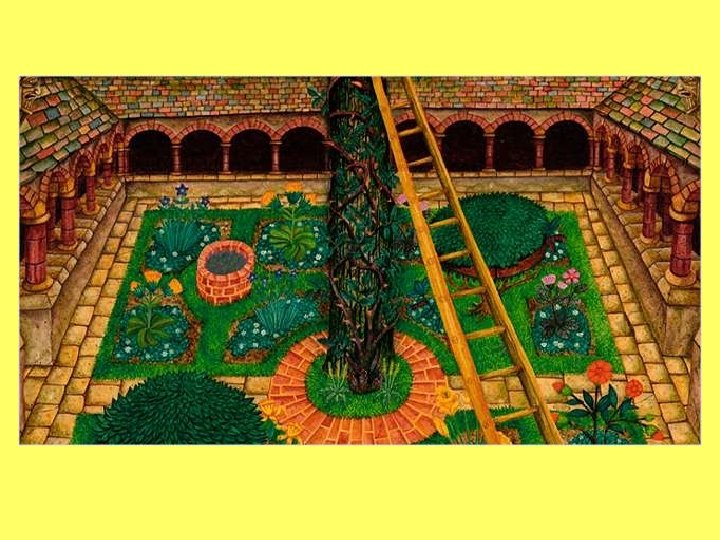
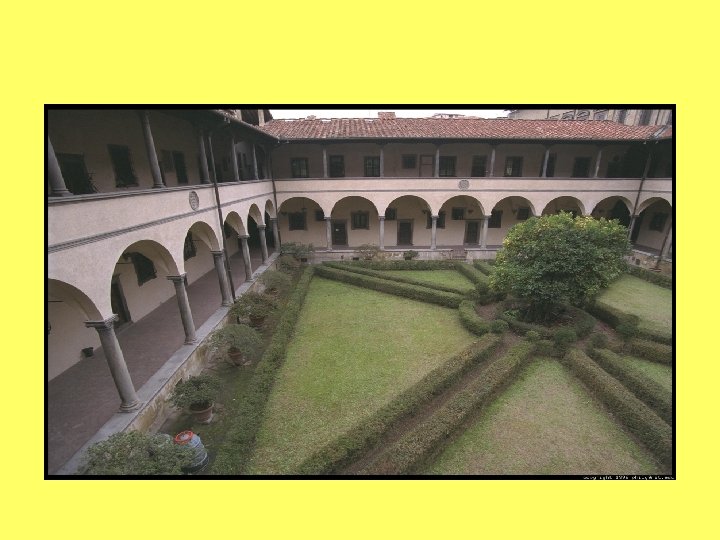
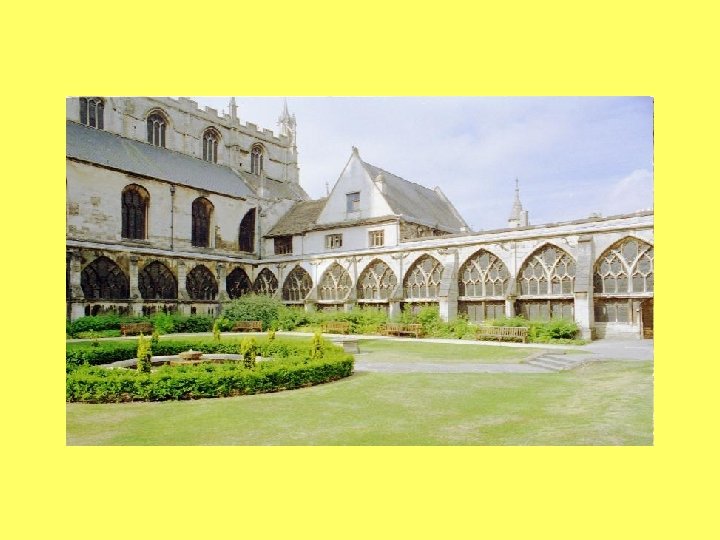
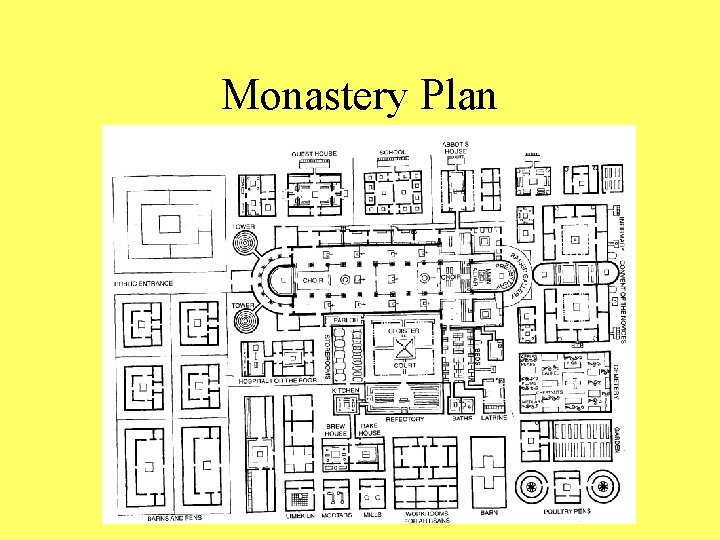
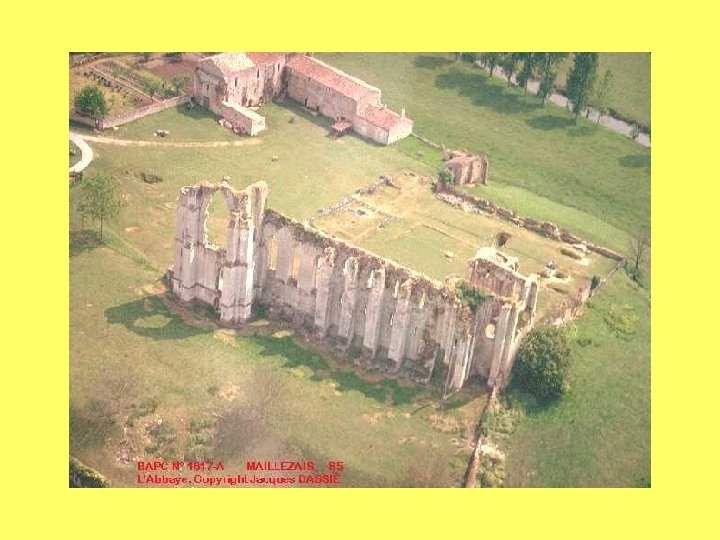
Because the church was part of a monastery, there is an addition that you don’t normally see in churches: the cloister.
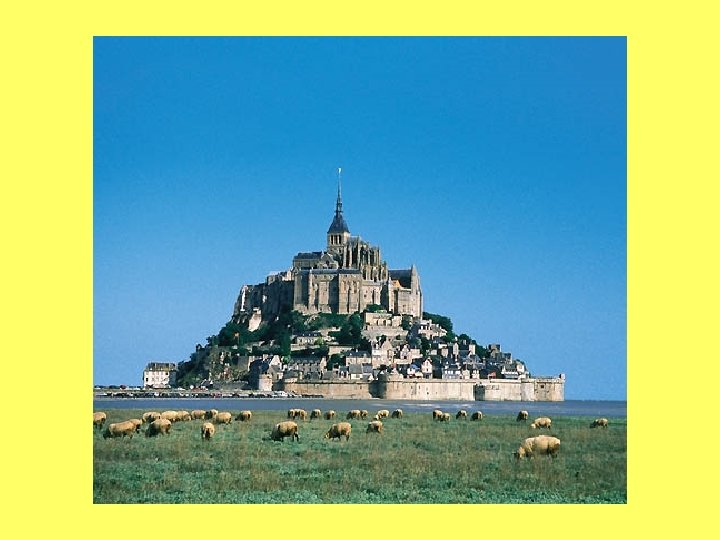
Mont St. Michel
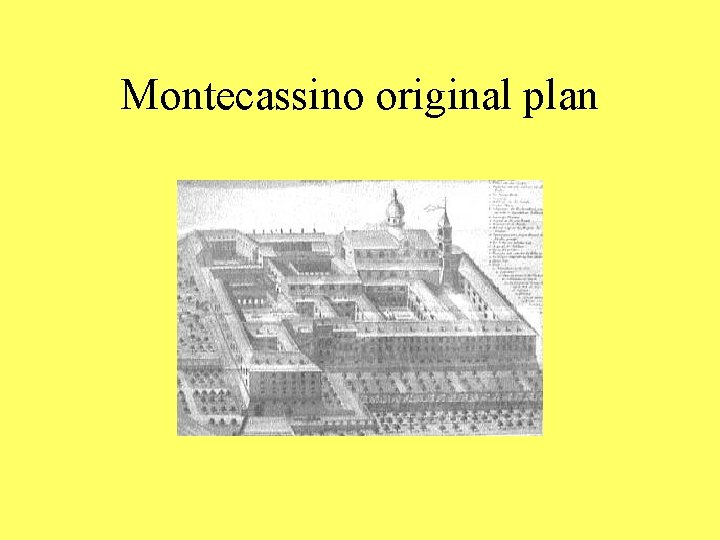
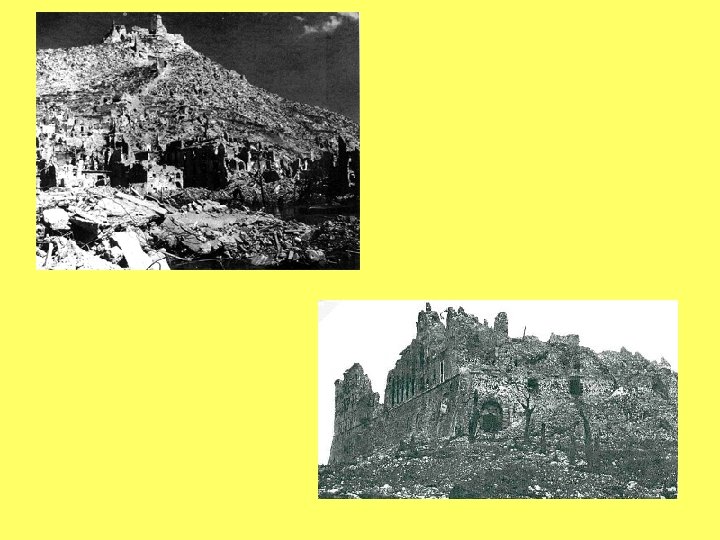
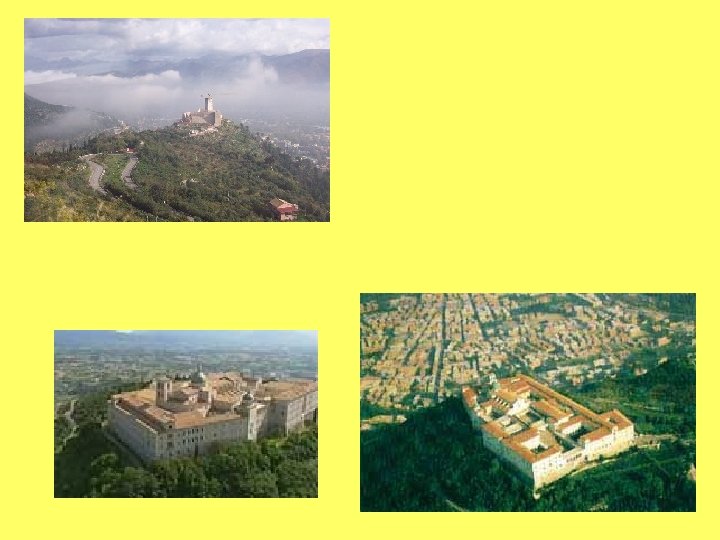
Montecassino original plan
Monastery Plan
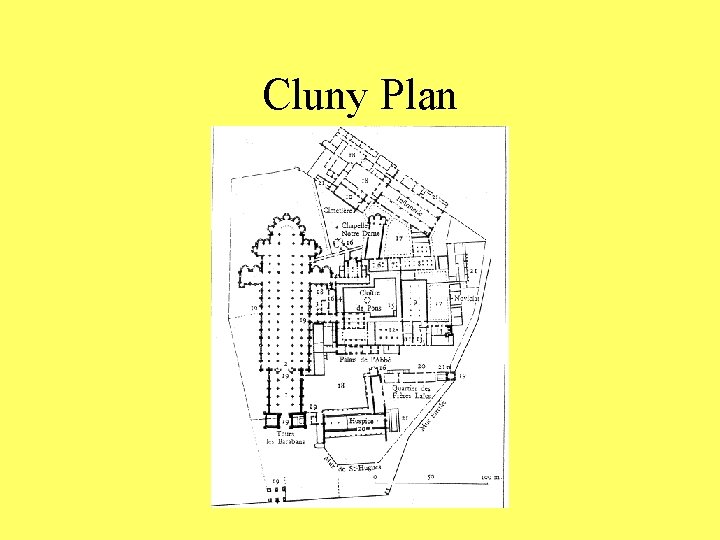
Cluny Plan
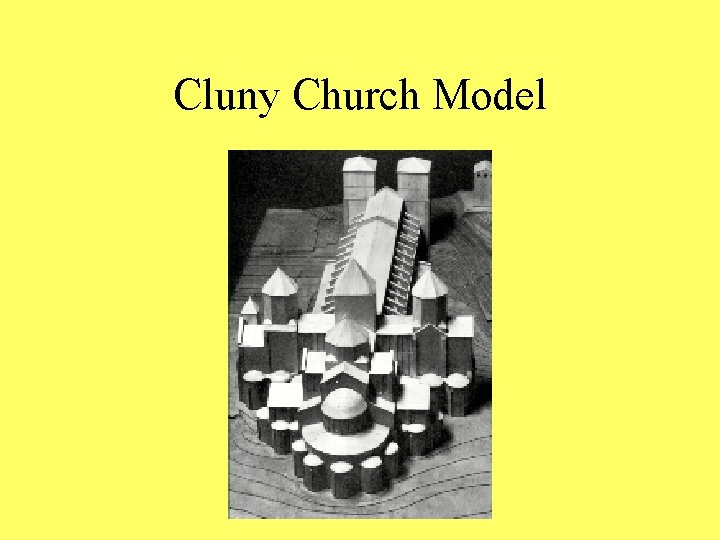
Cluny Church Model
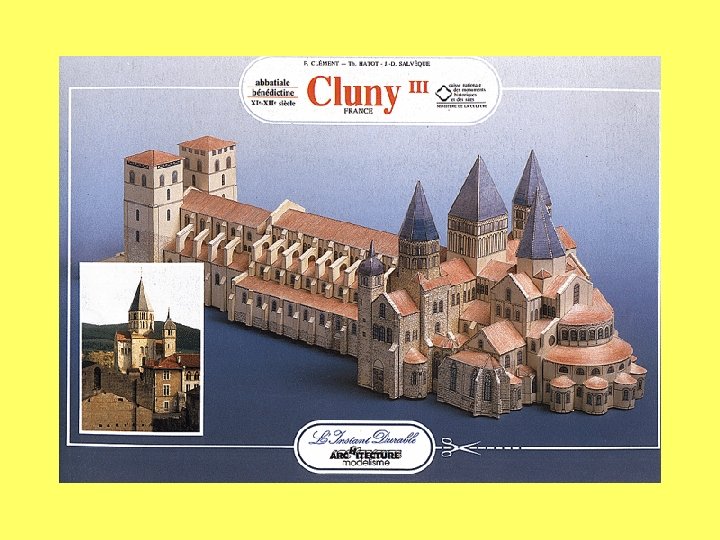
Cluny Jigsaw
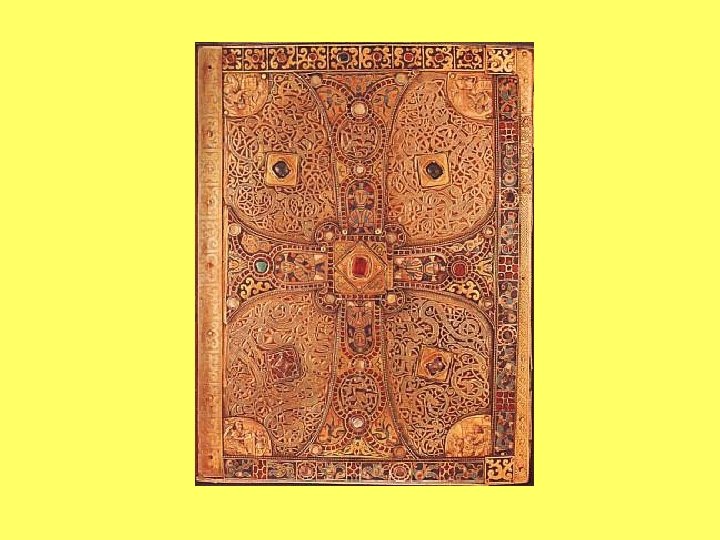
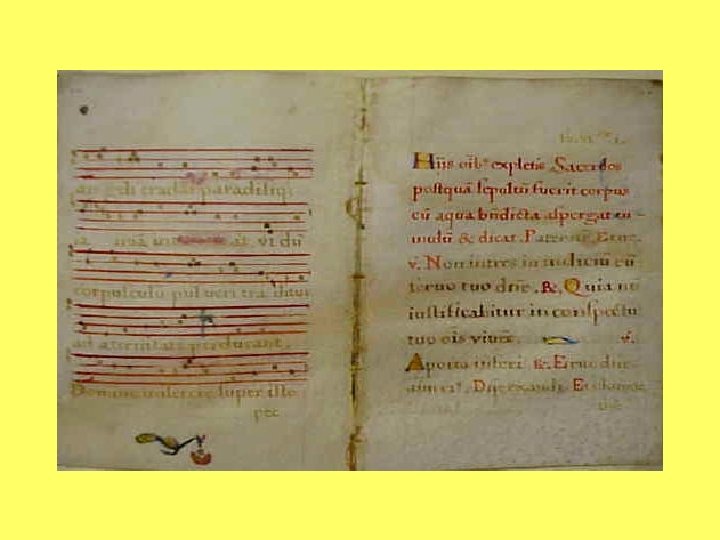
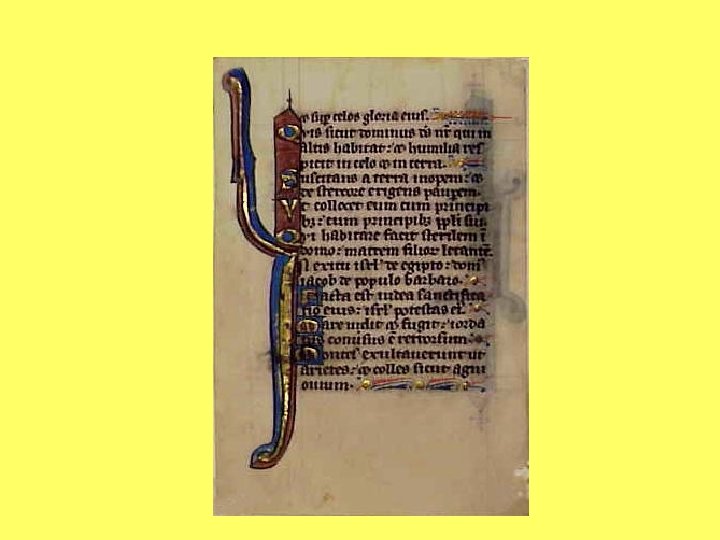
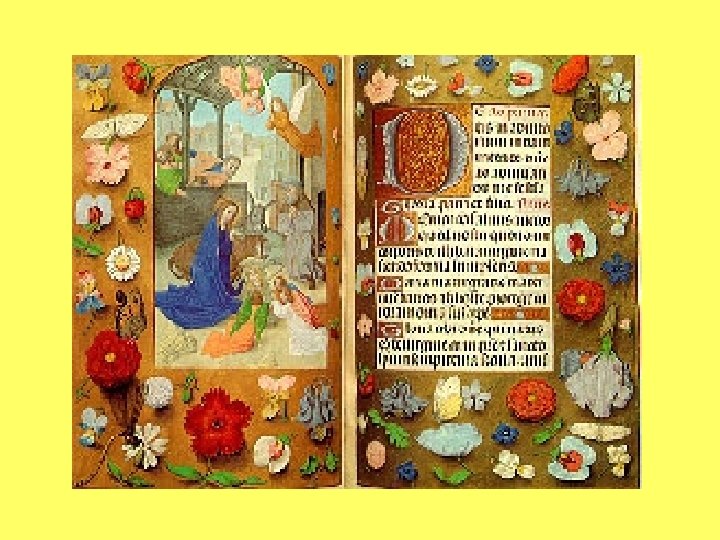
Illuminated Manuscript Covers
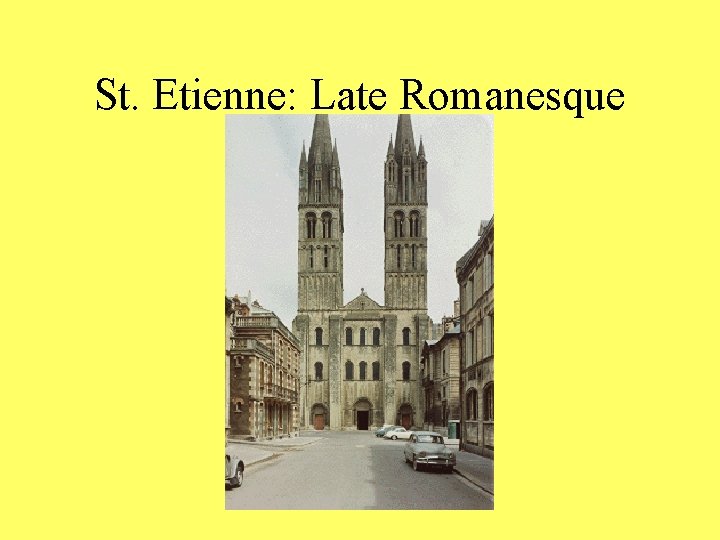
St. Etienne: Late Romanesque
St. Etienne back