
Role of Telemedicine in Endolaparoscopic Surgery in Bangladesh
Role of Telemedicine in Endolaparoscopic Surgery in Bangladesh Sarder A. Nayeem, MBBS, Ph. D. , FACS Professor of Surgery Chairman, Japan Bangladesh Friendship Hospital (JBFH) Dhaka, Bangladesh President, AMDA-Bangladesh
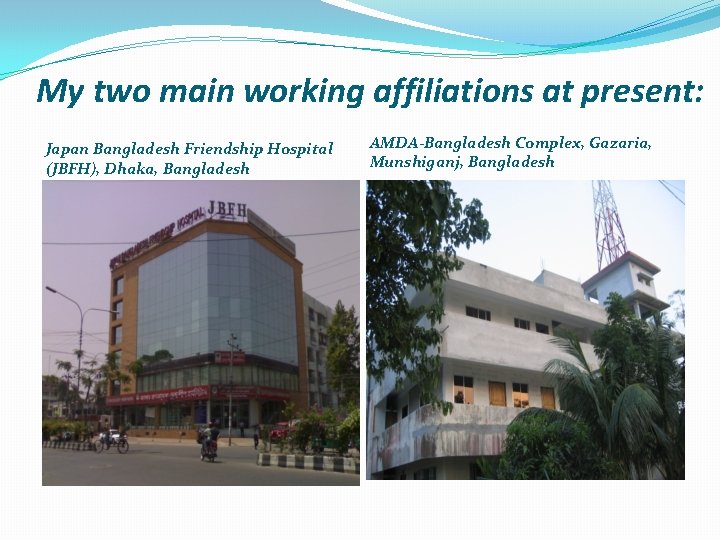
My two main working affiliations at present: Japan Bangladesh Friendship Hospital (JBFH), Dhaka, Bangladesh AMDA-Bangladesh Complex, Gazaria, Munshiganj, Bangladesh

Bangladesh at a Glance �Bangladesh is a small country in South Asia bounded by India, Myanmar and the Bay of Bengal �with an area of 143998 Sq. Km. �Dhaka is the Capital City of the Country

Bangladesh at a Glance � Bangladesh is the proud habitat of the Royal Bengal Tiger. Our cricket team is also called Bengal Tigers
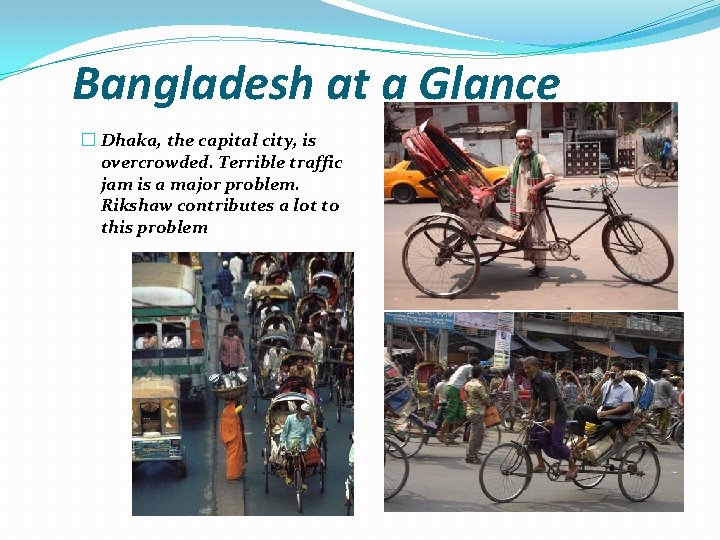
Bangladesh at a Glance � Dhaka, the capital city, is overcrowded. Terrible traffic jam is a major problem. Rikshaw contributes a lot to this problem
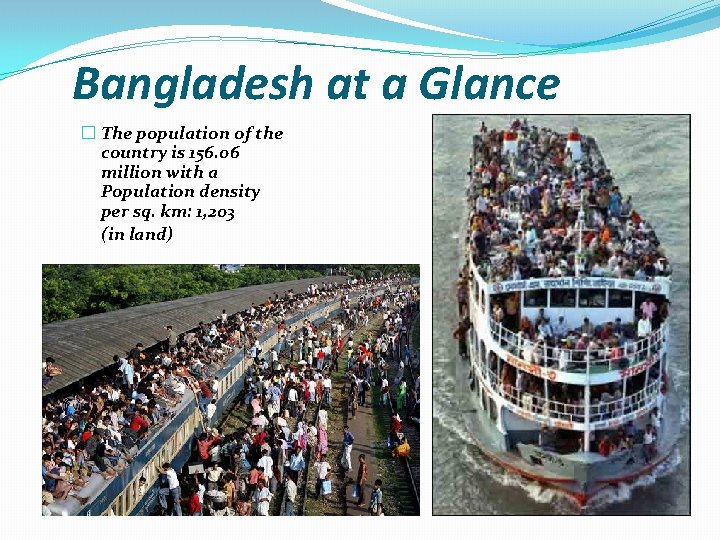
Bangladesh at a Glance � The population of the country is 156. 06 million with a Population density per sq. km: 1, 203 (in land)
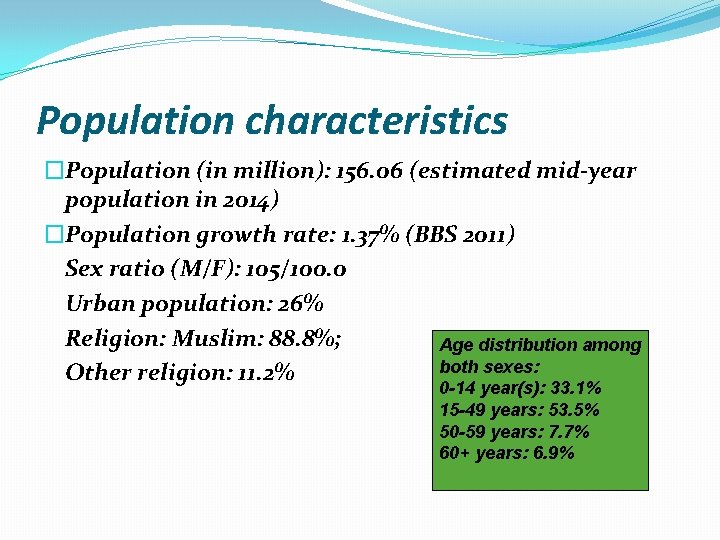
Population characteristics �Population (in million): 156. 06 (estimated mid-year population in 2014) �Population growth rate: 1. 37% (BBS 2011) Sex ratio (M/F): 105/100. 0 Urban population: 26% Religion: Muslim: 88. 8%; Age distribution among both sexes: Other religion: 11. 2% 0 -14 year(s): 33. 1% 15 -49 years: 53. 5% 50 -59 years: 7. 7% 60+ years: 6. 9%
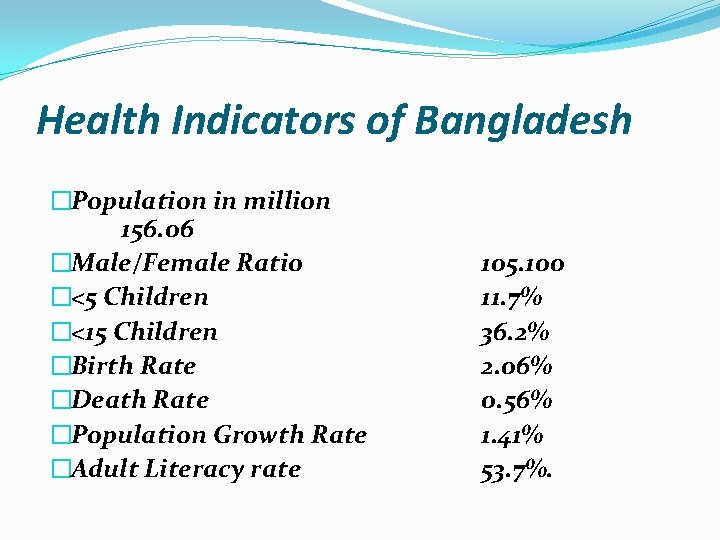
Health Indicators of Bangladesh �Population in million 156. 06 �Male/Female Ratio �<5 Children �<15 Children �Birth Rate �Death Rate �Population Growth Rate �Adult Literacy rate 105. 100 11. 7% 36. 2% 2. 06% 0. 56% 1. 41% 53. 7%.
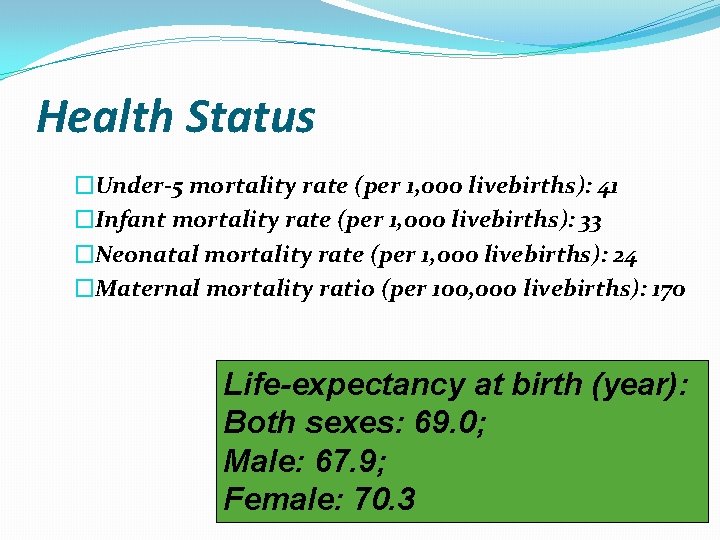
Health Status �Under-5 mortality rate (per 1, 000 livebirths): 41 �Infant mortality rate (per 1, 000 livebirths): 33 �Neonatal mortality rate (per 1, 000 livebirths): 24 �Maternal mortality ratio (per 100, 000 livebirths): 170 Life-expectancy at birth (year): Both sexes: 69. 0; Male: 67. 9; Female: 70. 3
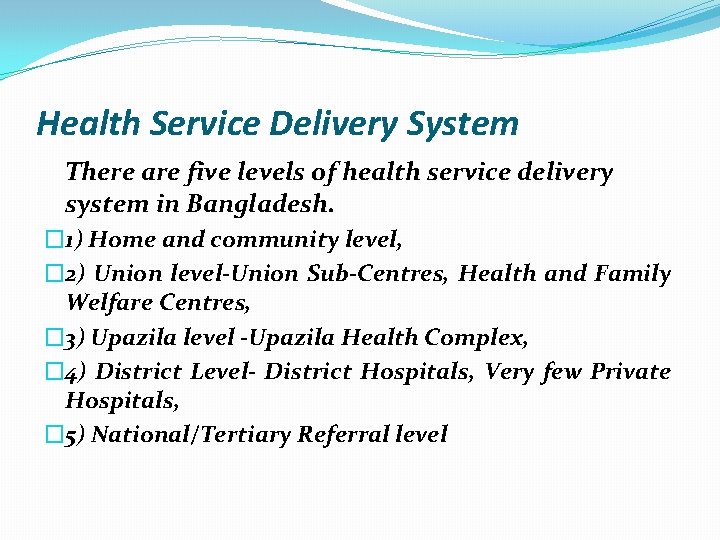
Health Service Delivery System There are five levels of health service delivery system in Bangladesh. � 1) Home and community level, � 2) Union level-Union Sub-Centres, Health and Family Welfare Centres, � 3) Upazila level -Upazila Health Complex, � 4) District Level- District Hospitals, Very few Private Hospitals, � 5) National/Tertiary Referral level
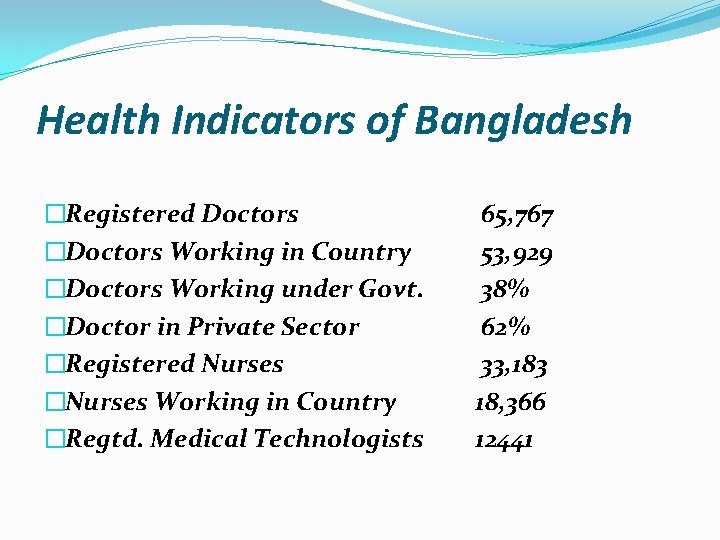
Health Indicators of Bangladesh �Registered Doctors �Doctors Working in Country �Doctors Working under Govt. �Doctor in Private Sector �Registered Nurses �Nurses Working in Country �Regtd. Medical Technologists 65, 767 53, 929 38% 62% 33, 183 18, 366 12441
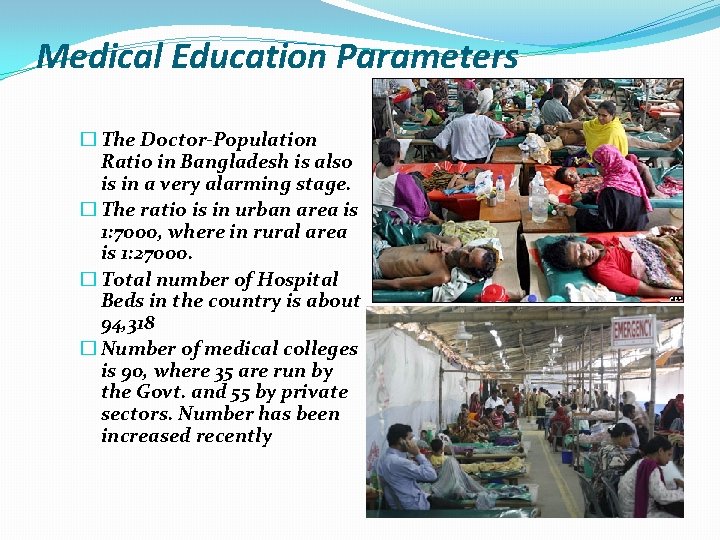
Medical Education Parameters � The Doctor-Population Ratio in Bangladesh is also is in a very alarming stage. � The ratio is in urban area is 1: 7000, where in rural area is 1: 27000. � Total number of Hospital Beds in the country is about 94, 318 � Number of medical colleges is 90, where 35 are run by the Govt. and 55 by private sectors. Number has been increased recently
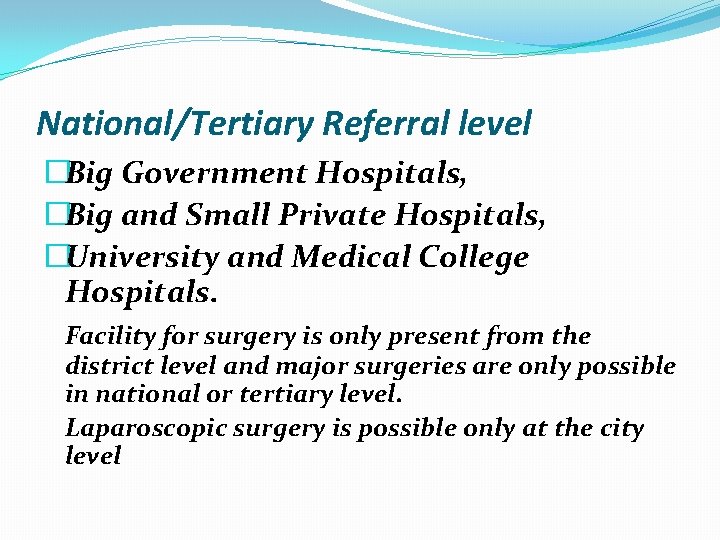
National/Tertiary Referral level �Big Government Hospitals, �Big and Small Private Hospitals, �University and Medical College Hospitals. Facility for surgery is only present from the district level and major surgeries are only possible in national or tertiary level. Laparoscopic surgery is possible only at the city level
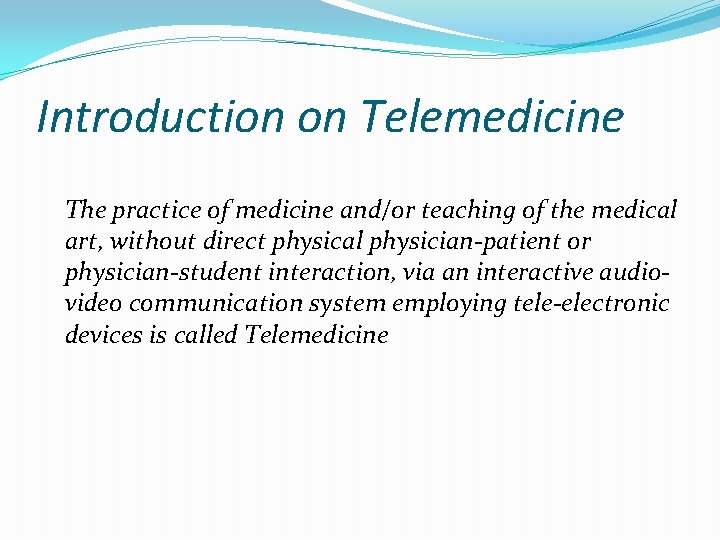
Introduction on Telemedicine The practice of medicine and/or teaching of the medical art, without direct physical physician-patient or physician-student interaction, via an interactive audiovideo communication system employing tele-electronic devices is called Telemedicine
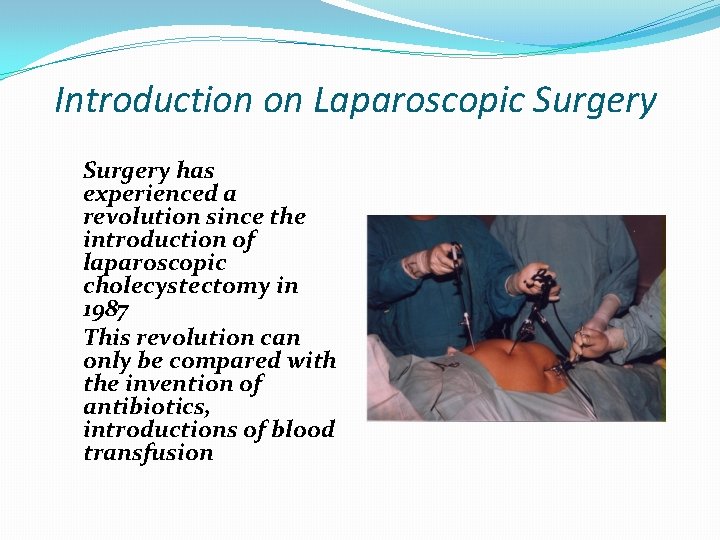
Introduction on Laparoscopic Surgery has experienced a revolution since the introduction of laparoscopic cholecystectomy in 1987 This revolution can only be compared with the invention of antibiotics, introductions of blood transfusion
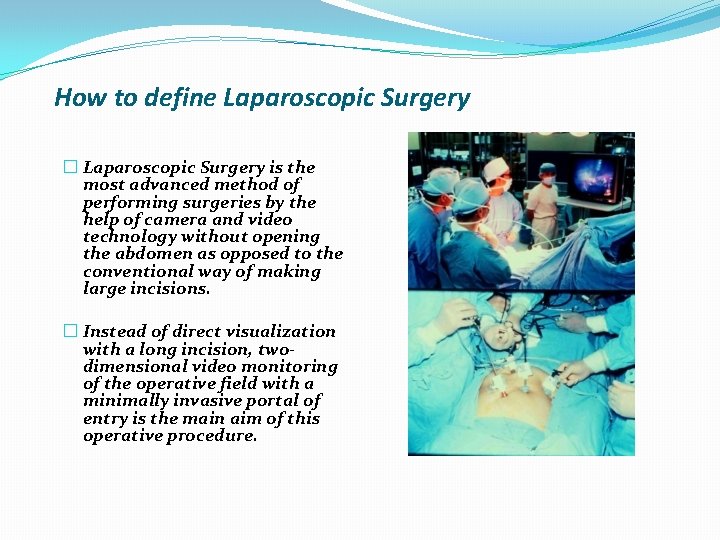
How to define Laparoscopic Surgery � Laparoscopic Surgery is the most advanced method of performing surgeries by the help of camera and video technology without opening the abdomen as opposed to the conventional way of making large incisions. � Instead of direct visualization with a long incision, twodimensional video monitoring of the operative field with a minimally invasive portal of entry is the main aim of this operative procedure.
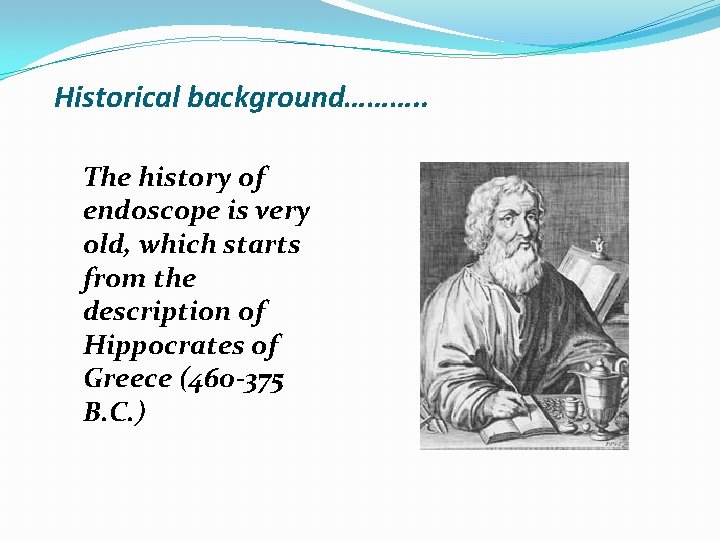
Historical background………. . The history of endoscope is very old, which starts from the description of Hippocrates of Greece (460 -375 B. C. )
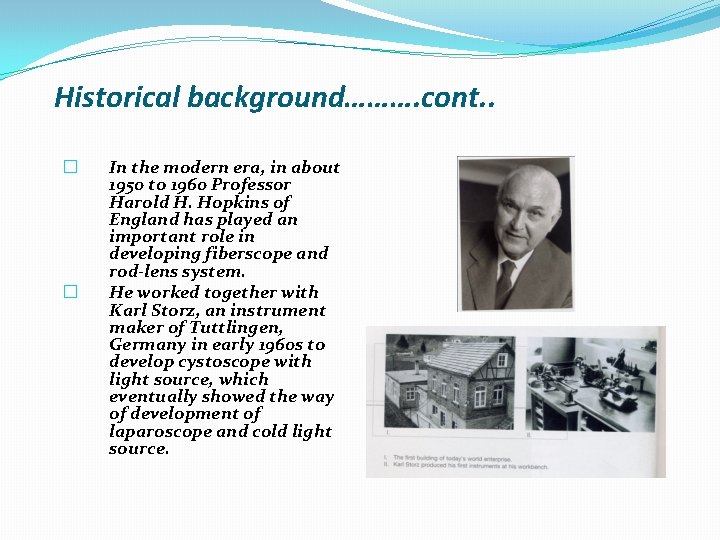
Historical background………. cont. . � � In the modern era, in about 1950 to 1960 Professor Harold H. Hopkins of England has played an important role in developing fiberscope and rod-lens system. He worked together with Karl Storz, an instrument maker of Tuttlingen, Germany in early 1960 s to develop cystoscope with light source, which eventually showed the way of development of laparoscope and cold light source.
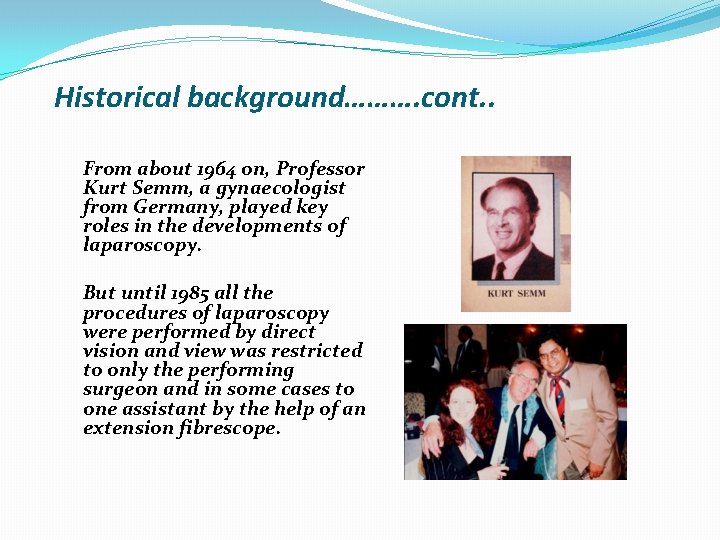
Historical background………. cont. . From about 1964 on, Professor Kurt Semm, a gynaecologist from Germany, played key roles in the developments of laparoscopy. But until 1985 all the procedures of laparoscopy were performed by direct vision and view was restricted to only the performing surgeon and in some cases to one assistant by the help of an extension fibrescope.
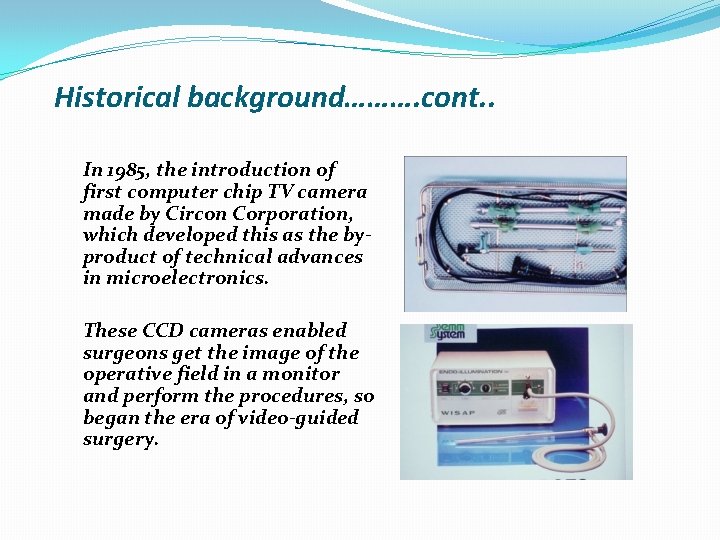
Historical background………. cont. . In 1985, the introduction of first computer chip TV camera made by Circon Corporation, which developed this as the byproduct of technical advances in microelectronics. These CCD cameras enabled surgeons get the image of the operative field in a monitor and perform the procedures, so began the era of video-guided surgery.
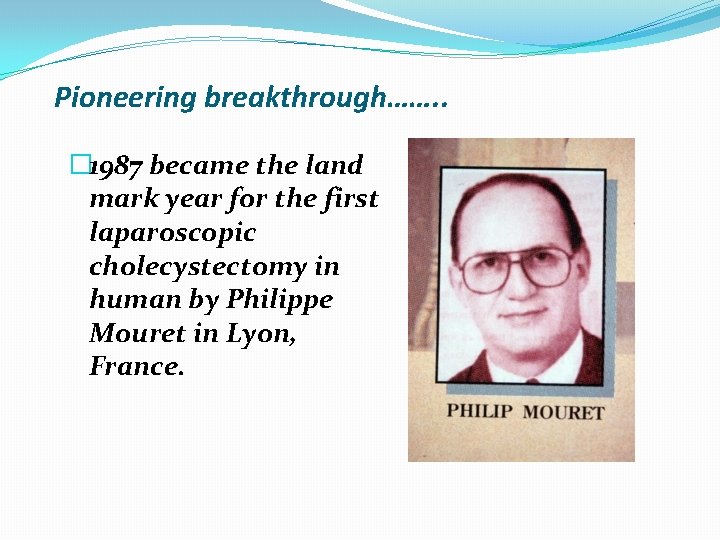
Pioneering breakthrough……. . � 1987 became the land mark year for the first laparoscopic cholecystectomy in human by Philippe Mouret in Lyon, France.
Pioneers in Europe and USA…… � Within a year (1988) Dubois (Paris), Perissat (Bordeaux), Nathanson and Cuschieri (Scotland), Mckernan and Saye (Marietta, Georgia) and Reddick and Olsen (Nushville, Tennessee) had poerformed Laparoscopic Cholecystectomies at their respective institutions.
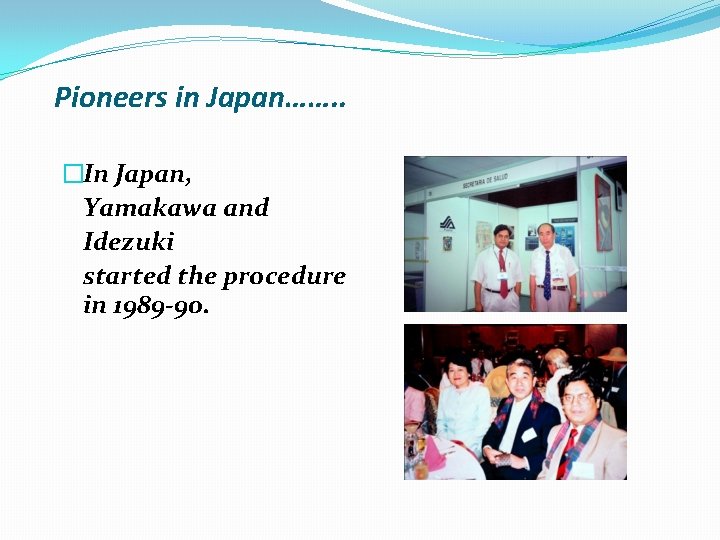
Pioneers in Japan……. . �In Japan, Yamakawa and Idezuki started the procedure in 1989 -90.
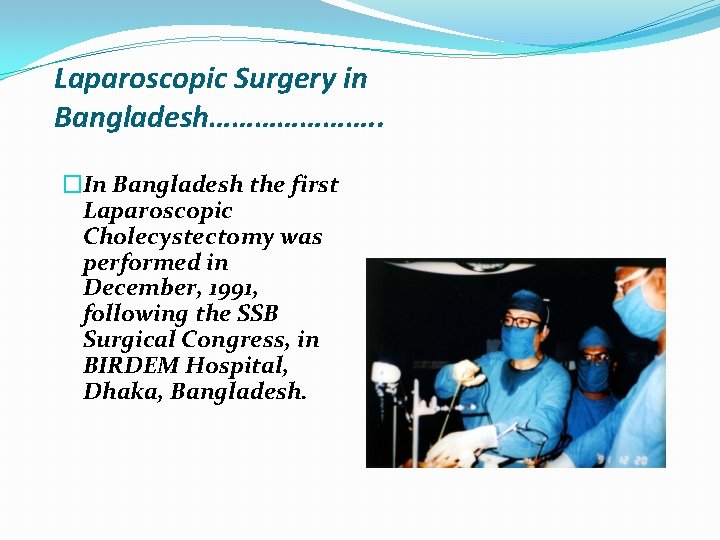
Laparoscopic Surgery in Bangladesh…………………. . �In Bangladesh the first Laparoscopic Cholecystectomy was performed in December, 1991, following the SSB Surgical Congress, in BIRDEM Hospital, Dhaka, Bangladesh.
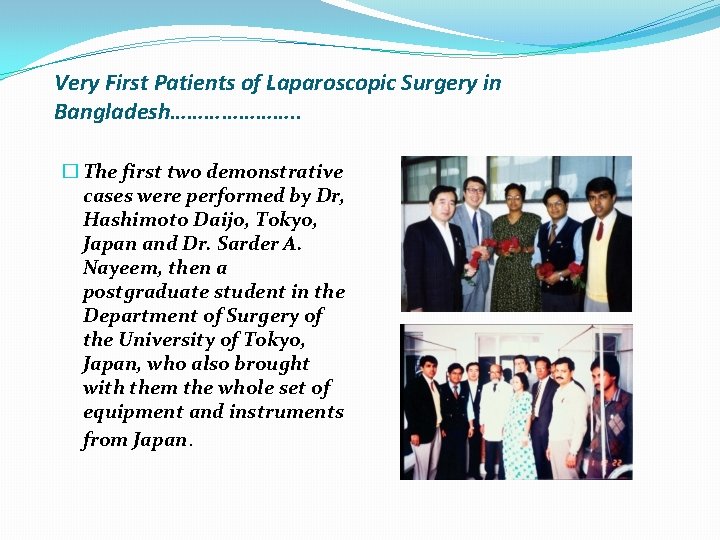
Very First Patients of Laparoscopic Surgery in Bangladesh…………………. . � The first two demonstrative cases were performed by Dr, Hashimoto Daijo, Tokyo, Japan and Dr. Sarder A. Nayeem, then a postgraduate student in the Department of Surgery of the University of Tokyo, Japan, who also brought with them the whole set of equipment and instruments from Japan.
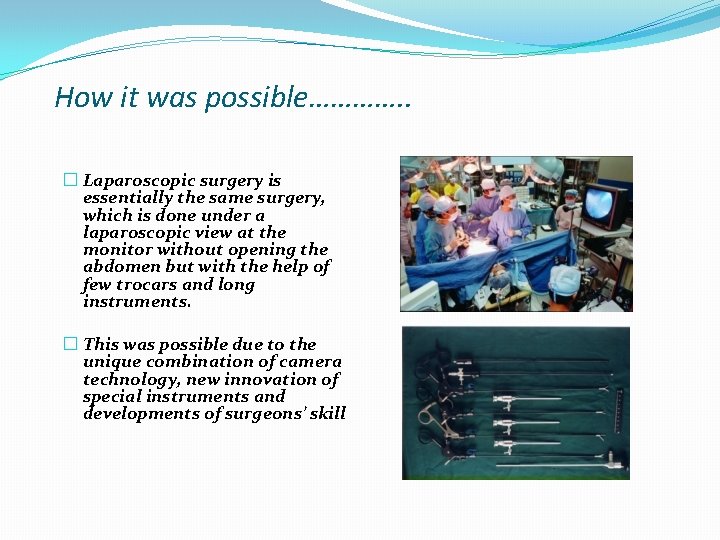
How it was possible…………. . � Laparoscopic surgery is essentially the same surgery, which is done under a laparoscopic view at the monitor without opening the abdomen but with the help of few trocars and long instruments. � This was possible due to the unique combination of camera technology, new innovation of special instruments and developments of surgeons’ skill
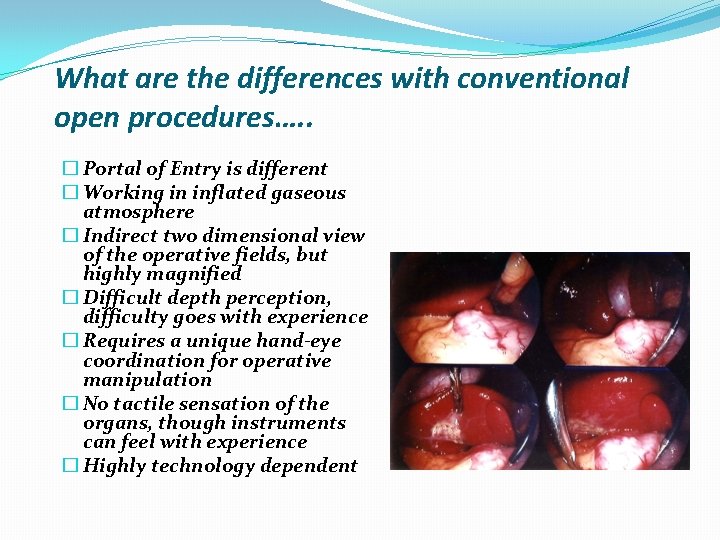
What are the differences with conventional open procedures…. . � Portal of Entry is different � Working in inflated gaseous atmosphere � Indirect two dimensional view of the operative fields, but highly magnified � Difficult depth perception, difficulty goes with experience � Requires a unique hand-eye coordination for operative manipulation � No tactile sensation of the organs, though instruments can feel with experience � Highly technology dependent
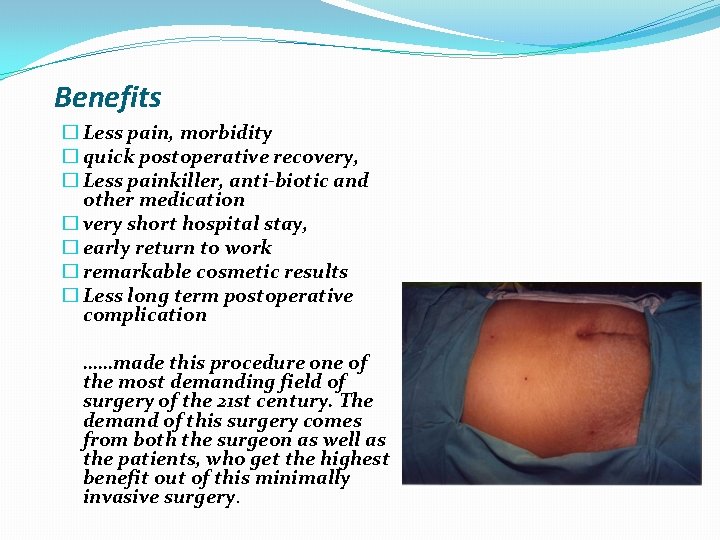
Benefits � Less pain, morbidity � quick postoperative recovery, � Less painkiller, anti-biotic and other medication � very short hospital stay, � early return to work � remarkable cosmetic results � Less long term postoperative complication ……made this procedure one of the most demanding field of surgery of the 21 st century. The demand of this surgery comes from both the surgeon as well as the patients, who get the highest benefit out of this minimally invasive surgery.
Telemedicine �Since the invention of the telephone in 1876 doctors have been able to convey medical information across long distances. �The term ‘telemedicine’ derives from the Greek word ‘tele’ meaning ‘at a distance’ and the current word ‘medicine’ which itself derives from the Latin ‘mederi’ meaning ‘healing’.
Information Technology and Healthcare �Although the word telemedicine has a number of definitions, it was first used in the 1970’s by Thomas Bird, who referred to a system of health care delivery where doctors could examine distant patients through the use of telecommunications technologies. �It is currently taken to mean the rapid access to shared and remote medical expertise by means of telecommunications and information technologies, no matter where the patient or relevant information is located.
Teleconsultation �For many years after this, telemedicine existed in its most basic form of teleconsultation, where one doctor asked the advice of another via purely audio transmission. �With ever increasing technology and the introduction of videolinks, high-speed ISDN lines and satellite transmission, true telemedicine has evolved.
Telementoring �Using teleconferencing software surgeons now have the ability to telementor other surgeons from remote locations, which involves watching, advising and directing a procedure. �This technique may involve more than just observing, as mentors can indicate specific areas to the operating surgeons by digitally ‘drawing’ on the remote monitors with the resulting image seen locally.
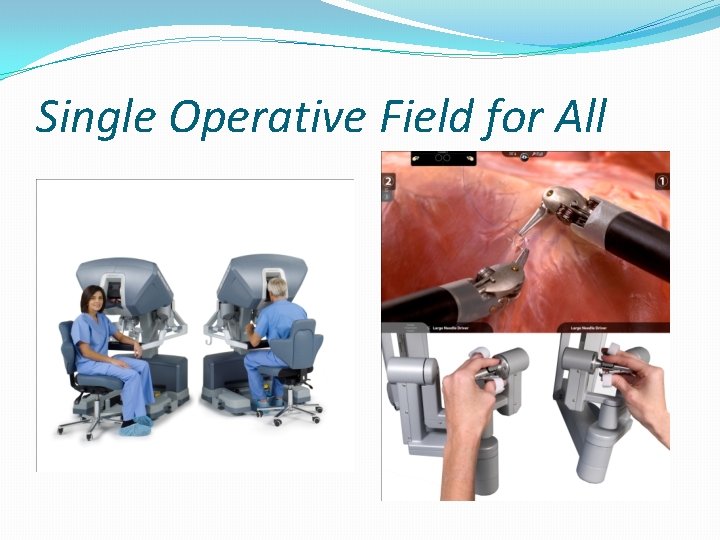
Telementoring in Endolaparoscopic Surgery �This telementoring is largely easy and most suitable in endolaparoscopic surgery, because here the mentor and performer share and see the same operation field. �Indeed it is even possible to manipulate a laparoscopic camera and control diathermy at the distant site, thus truly making the remote operator part of the procedure.
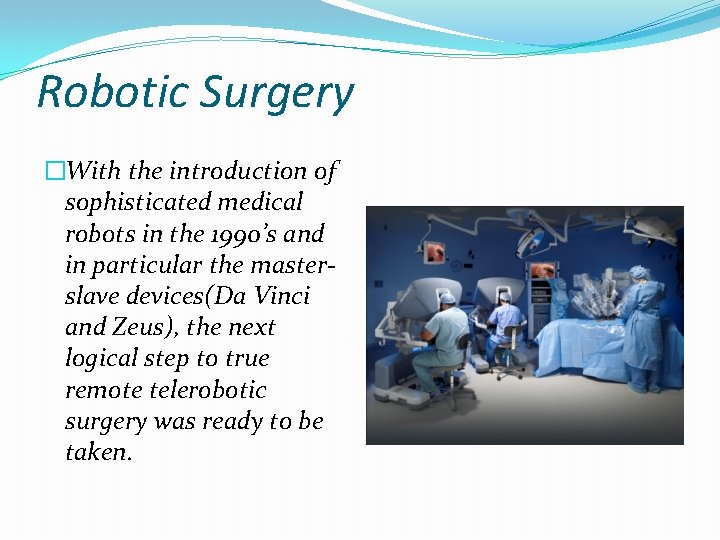
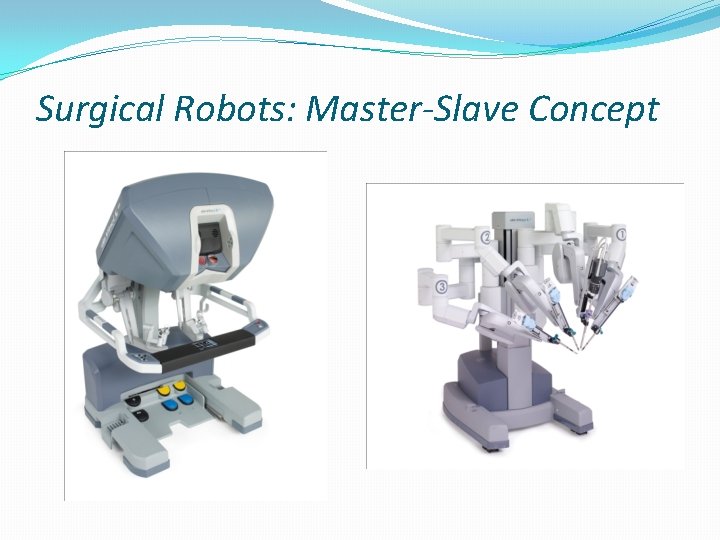
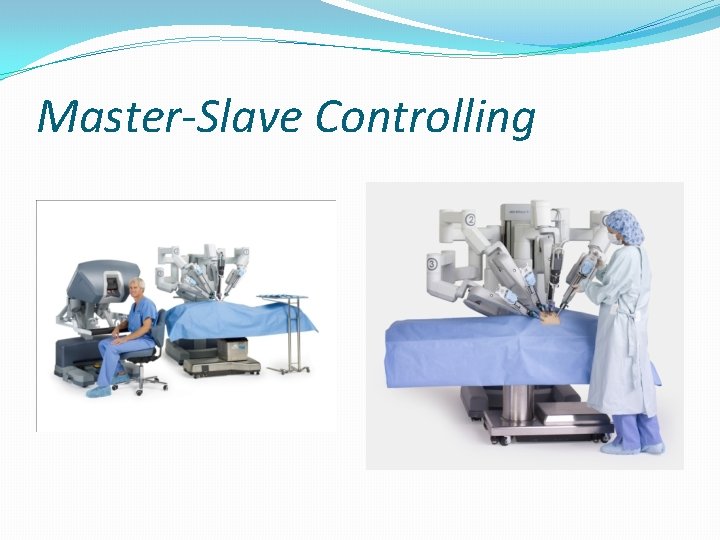
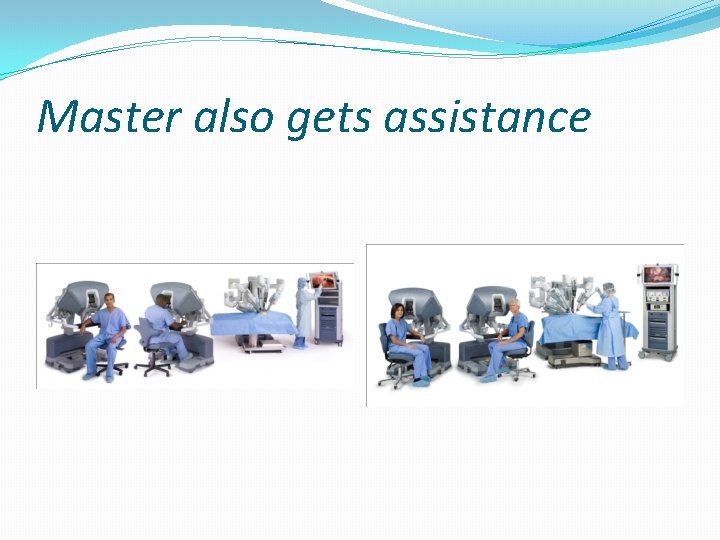
Robotic Surgery �With the introduction of sophisticated medical robots in the 1990’s and in particular the masterslave devices(Da Vinci and Zeus), the next logical step to true remote telerobotic surgery was ready to be taken.
Surgical Robots: Master-Slave Concept
Master-Slave Controlling
Master also gets assistance
Single Operative Field for All
Tele-Robotic Surgery: A Reality �The first remote procedure on a patient occurred in September 2001 when a laparoscopic cholecystectomy took place on a patient in Strasbourg while the operating surgeon was in New York. �This procedure is now known as the Lindburgh procedure after the first Trans-Atlantic performance of Cholecystectomy
Use of Telemedicine in Endolaparoscopic Surgery. Lot of scope of telemedicine in endolaparoscopy. 1. Remote Teaching 2. Skill development 3. Knowledge sharing. 4. Professional improvement by teleconferencing. 5. Realtime mentoring and assistance in surgery 6. Virtual performance of remote surgery by Tele. Robotic master-slave concept.
Telesurgery or Remote Surgery �Surgery, procedure or intervention performed on an inanimate trainer, animate model, or patient, in which the surgeon or operator is not at the immediate site of the model or patient being operated upon. �Visualization and manipulation of the tissues and equipment is performed using tele-electronic devices.
Telesurgery or Remote Surgery Appropriate Use: �Demonstration and/or teaching technique or procedures using inanimate trainers as the objects of the procedure. �Demonstration and/or teaching techniques or procedures using animate model for purposes of testing technology. �Demonstration and teaching techniques or procedures on patients only when a qualified surgeon is present to intervene in a timely fashion if technical difficulties arise.
Telesurgery or Remote Surgery �Remote surgery remains investigational and should be performed only by surgeons familiar with the technology. �The introduction of telerobotic surgery, coupled with improvements in bandwidth and reduction in time has allowed for the remote safe completion of common surgical procedures.
Guidelines for Telesurgery �Surgeons utilizing telerobotics should undergo appropriate training and be aware of the anesthetic implications of this technology. �All involved participants, facilities, telecommunication and equipment vendors should coordinate their efforts to provide secure visual fidelity and smooth telecommunications interfaces. �Quality assurance and outcomes data should be routinely collected. �The development of global standards should be actively pursued.
Scopes of Laparoscopic Surgery in General surgical Procedures � Cholecystectomy � Appendectomy � All kinds of Hernia Repairs � Fundoplication � Enterostomy � Gastric Surgeries � Resection of small intestine � Large Bowel Resections � Spleenectomy � Hepatic resection � Hepatic cystectomy � Drainage of cyst or pseudocyst of pancreas � Pancreatic surgery , even Pancreaticodudenectomy (Whipple) � Rt. or Lt. adrenalectomy � Thyroidectomy, subtotal or total � Bariatric Surgery
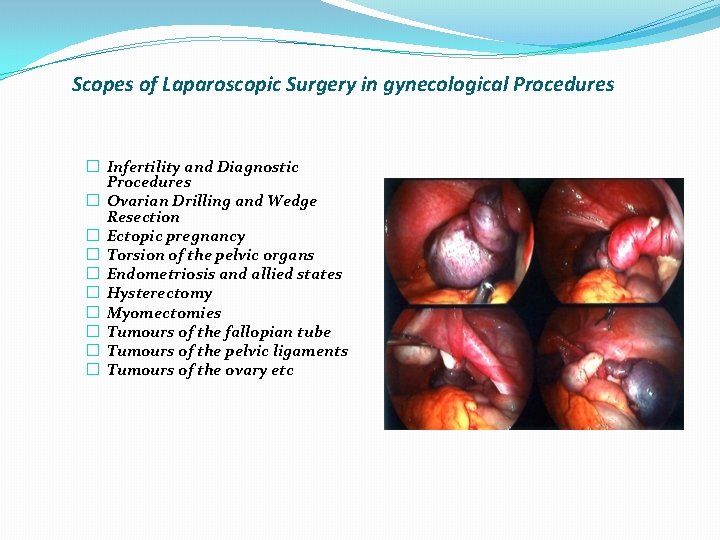
Scopes of Laparoscopic Surgery in gynecological Procedures � Infertility and Diagnostic Procedures � Ovarian Drilling and Wedge Resection � Ectopic pregnancy � Torsion of the pelvic organs � Endometriosis and allied states � Hysterectomy � Myomectomies � Tumours of the fallopian tube � Tumours of the pelvic ligaments � Tumours of the ovary etc
Scopes of Laparoscopic Surgery in Urological Procedures Other than Endourological procedures like TURP, TURBT etc. following procedures can be performed �Nephrectomy �Pyeloplasty �Ureterolithotomy etc
Other specialties who are performing some endoscopic procedures �Arthroscopic Surgery by Orthopedic Surgeons �Endoscopic Sinus Surgery by ENT Specialists �Endo Vascular Surgery �Minimally Invasive Cardiac Surgery �Thoracoscopic Surgery �Neurosurgery �Plastic Surgery etc.
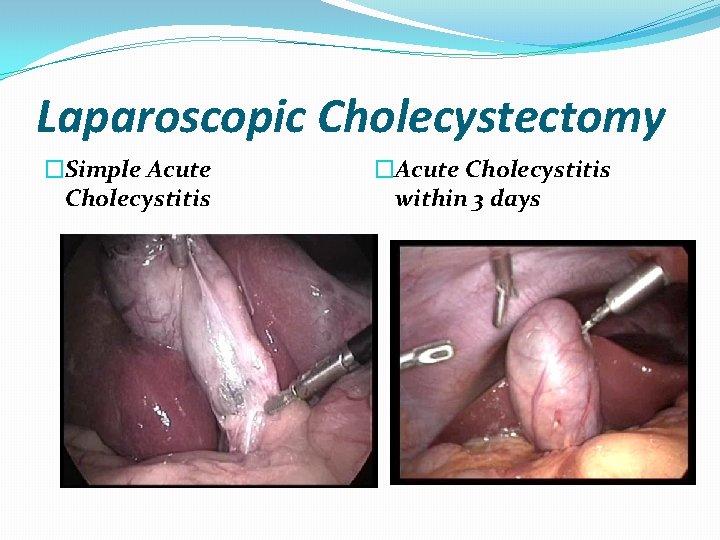
Laparoscopic Cholecystectomy �Simple Acute Cholecystitis �Acute Cholecystitis within 3 days
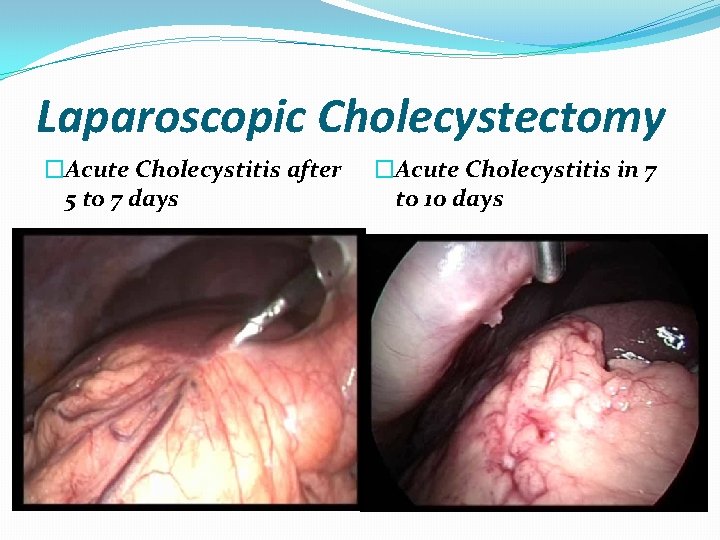
Laparoscopic Cholecystectomy �Acute Cholecystitis after 5 to 7 days �Acute Cholecystitis in 7 to 10 days
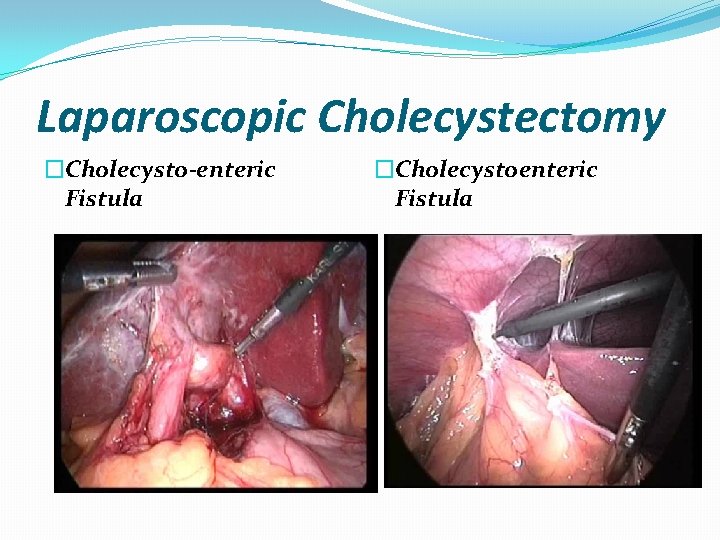
Laparoscopic Cholecystectomy �Cholecysto-enteric Fistula �Cholecystoenteric Fistula
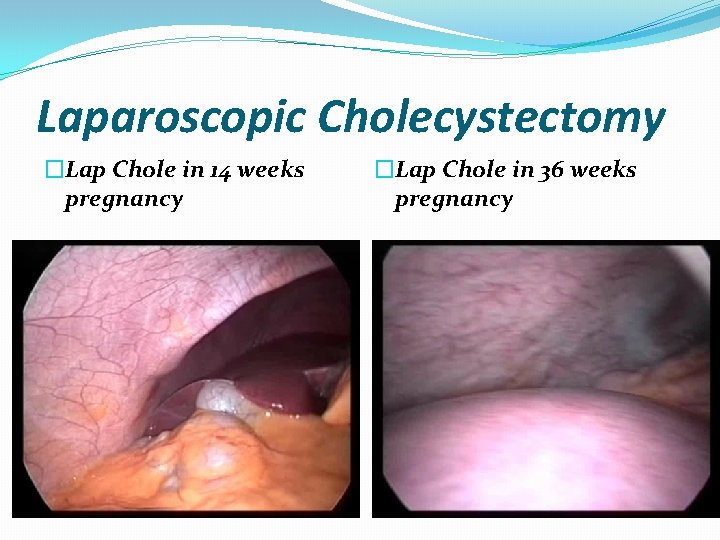
Laparoscopic Cholecystectomy �Lap Chole in 14 weeks pregnancy �Lap Chole in 36 weeks pregnancy
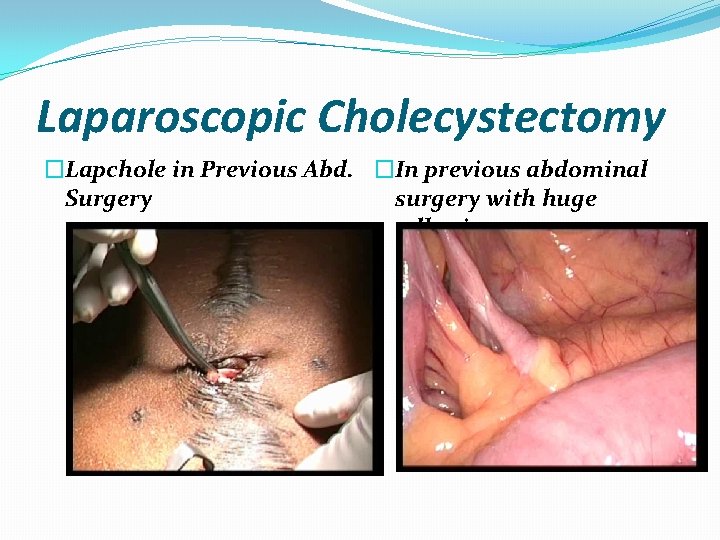
Laparoscopic Cholecystectomy �Lapchole in Previous Abd. �In previous abdominal Surgery surgery with huge adhesion
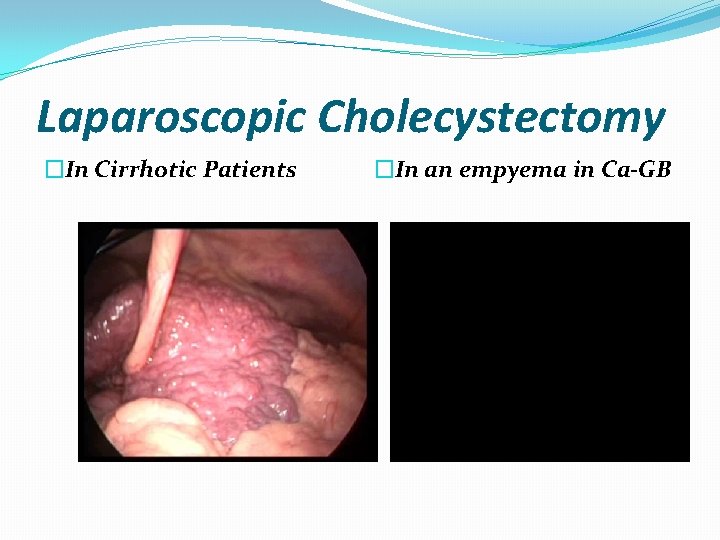
Laparoscopic Cholecystectomy �In Cirrhotic Patients �In an empyema in Ca-GB
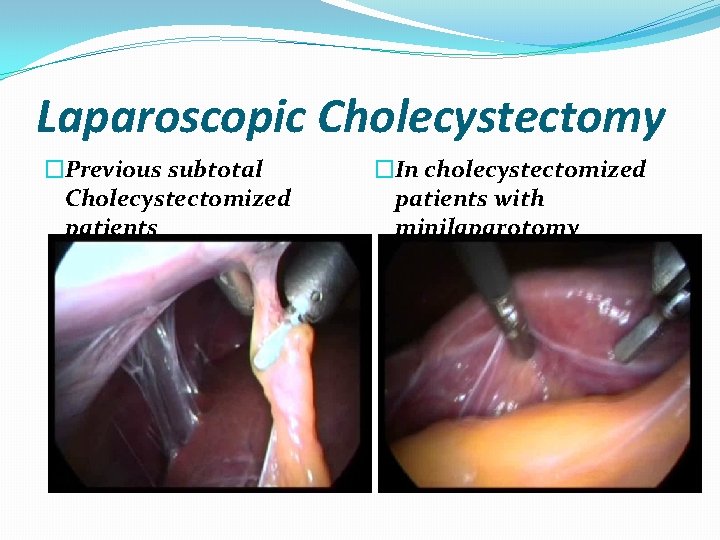
Laparoscopic Cholecystectomy �Previous subtotal Cholecystectomized patients �In cholecystectomized patients with minilaparotomy
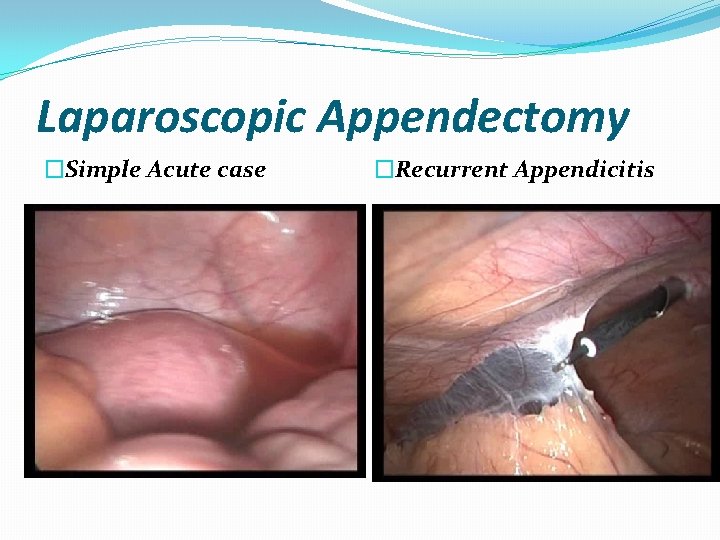
Laparoscopic Appendectomy �Simple Acute case �Recurrent Appendicitis
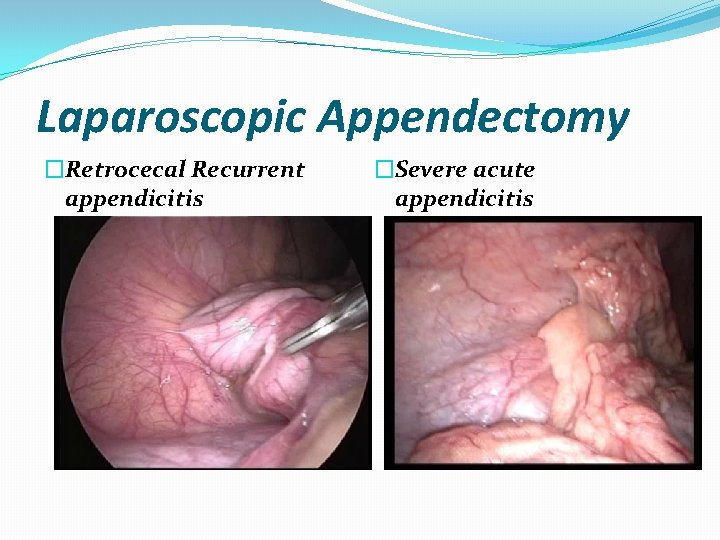
Laparoscopic Appendectomy �Retrocecal Recurrent appendicitis �Severe acute appendicitis
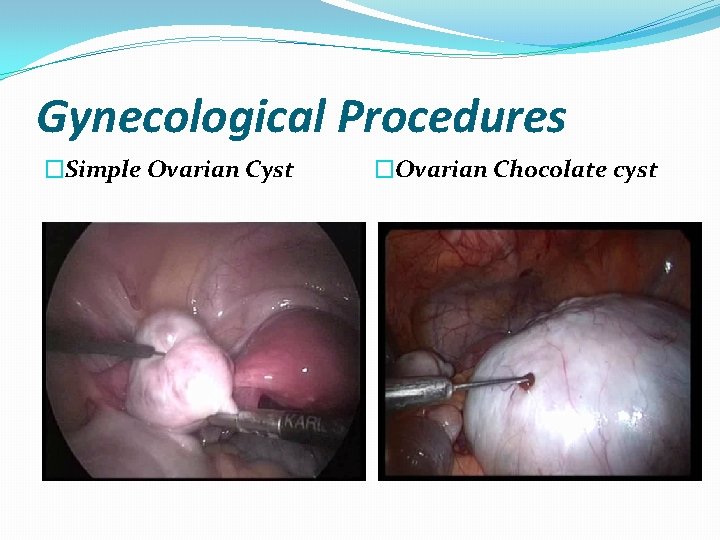
Gynecological Procedures �Simple Ovarian Cyst �Ovarian Chocolate cyst
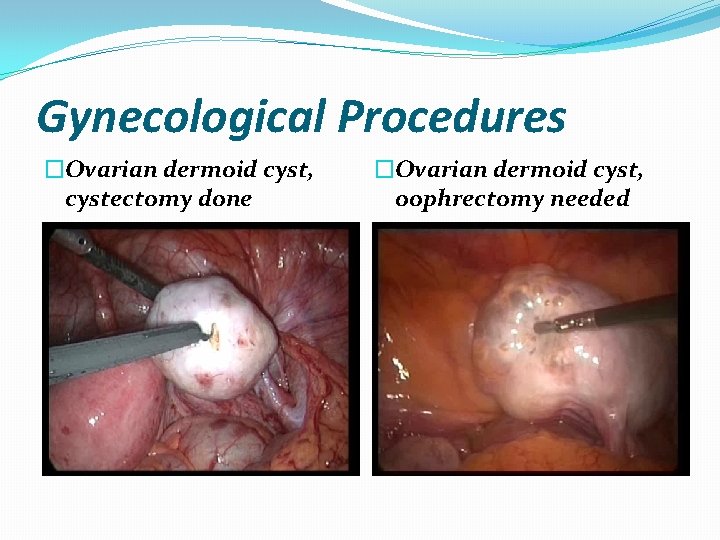
Gynecological Procedures �Ovarian dermoid cyst, cystectomy done �Ovarian dermoid cyst, oophrectomy needed
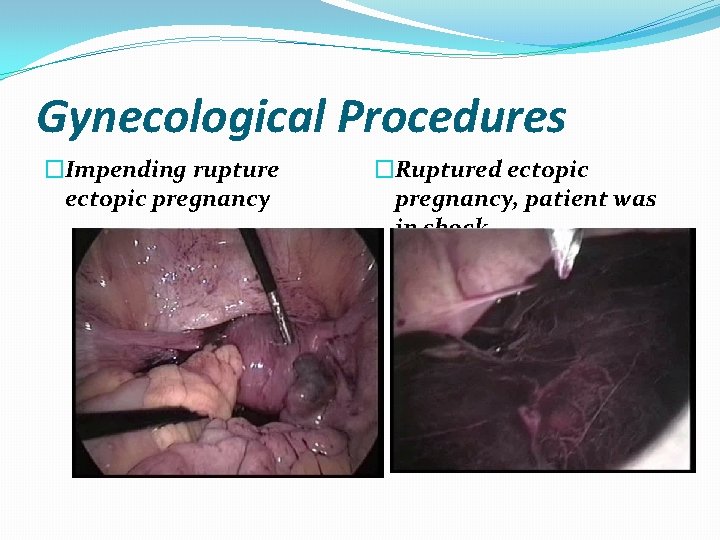
Gynecological Procedures �Impending rupture ectopic pregnancy �Ruptured ectopic pregnancy, patient was in shock
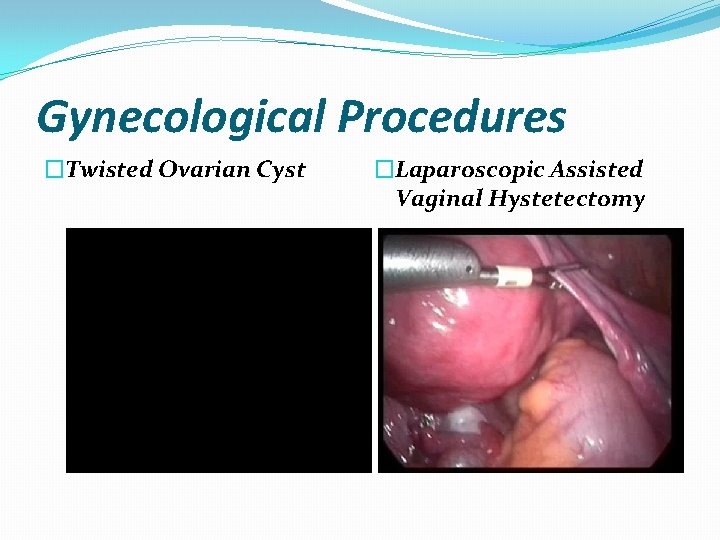
Gynecological Procedures �Twisted Ovarian Cyst �Laparoscopic Assisted Vaginal Hystetectomy
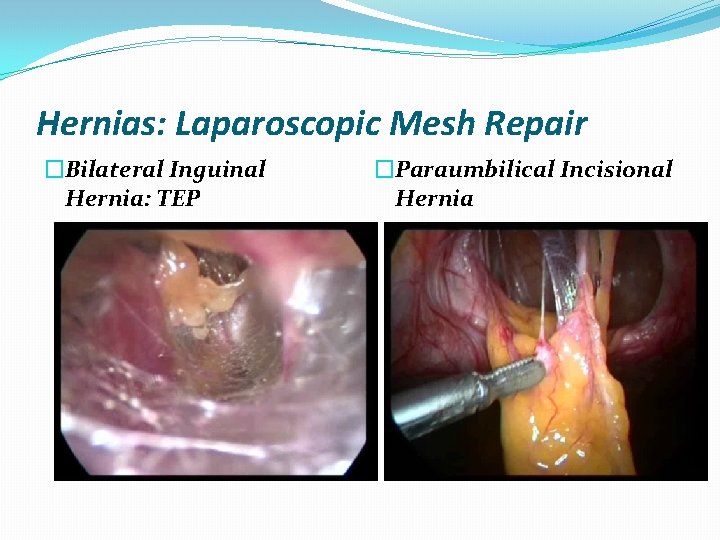
Hernias: Laparoscopic Mesh Repair �Bilateral Inguinal Hernia: TEP �Paraumbilical Incisional Hernia
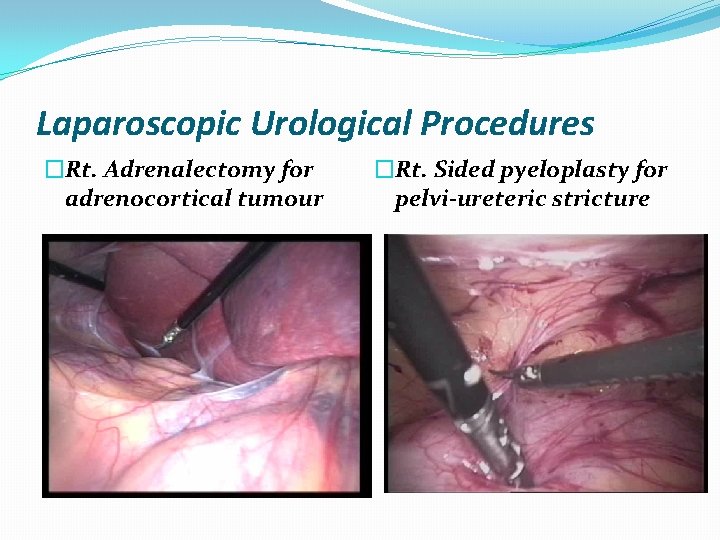
Laparoscopic Urological Procedures �Rt. Adrenalectomy for adrenocortical tumour �Rt. Sided pyeloplasty for pelvi-ureteric stricture
To Remember � Basic and advanced laparoscopic surgery is safe but not risk-free � The rates of major and minor complication range from 0. 5% to 5% � Mortality rates of gynecological laparoscopic procedures are less than 0. 1% � Awareness and understanding of the manner in which complications develop may reduce their occurrence
Leagal Aspects of Telesurgery �“Live surgery” by its very nature adds identifiers in multiple categories that need to be considered under the law. �A number of concerned personnel are being involved in many ways, which makes patients’ privacy hampered. �Since these are unavoidable, an authorization from the patient must be obtained. �This is the patient’s physician responsibility prior to disclosing PHI outside of the covered entity where the procedure is taking place.
Suggestions: �It is strongly urged that, surgeons and hospitals to defer clinical implementation of these modalities until the technology has been validated. �It is our opinion that current clinical use of this technology should only be conducted under a protocol reviewed by an institutional committee for the protection of patients and should include the collection of quality assurance and outcomes data. �The participants, facilities, and telecommunication service vendors involved in these events should coordinate their efforts so that the visual fidelity and telecommunications interface is suitable for the planned activity.
Conclusions: �In endo-laparoscopic surgery, primary surgeon automatically share the same operation field with everybody. �So, the role of Telemedicine/Telesurgery is considered to be the most in the field of endo-laparoscopic surgery for teaching, training, performing and so on. �Proper set-up and team-work must be obtained. �Proper training and orientation is of highest priority. �Patients’ privacy and legal aspects must be in consideration.

- Slides: 68