
Role of Technology in Metro Signaling Communications By
Role of Technology in Metro Signaling & Communications By Prashant Rao Executive Director DMRC 1
Delhi Metro Rail Corporation Ltd. • Work on Phase I started in 1998 • First section of 8. 5 km between Shahdara and Tis Hazari (6 Stations) was opened in Dec 2002 • Since then > 200 Km’s Operational. 2 2

Communication & Network Technology • • • Signaling & Train Control System Telecommunication Systems Ticketing System Traction SCADA System Building Management System ERP System 3
Signalling System Overview • Computer Based Interlocking for Safe Running of Trains • Automatic Train Protection (ATP) • Distance to Go with Track communication for Cab Signalling to Train • Automatic Train Operation (ATO) • Automatic Train Supervision (ATS) • Automatic Route Setting/Train Regulation • Centralized control from Operational Control Centre 4
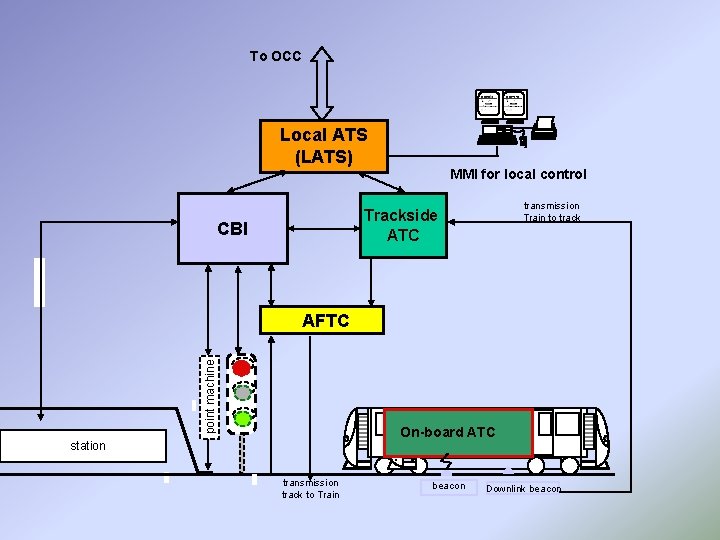
To OCC Local ATS (LATS) MMI for local control transmission Train to track Trackside ATC CBI point machine AFTC On-board ATC station transmission track to Train beacon Downlink beacon
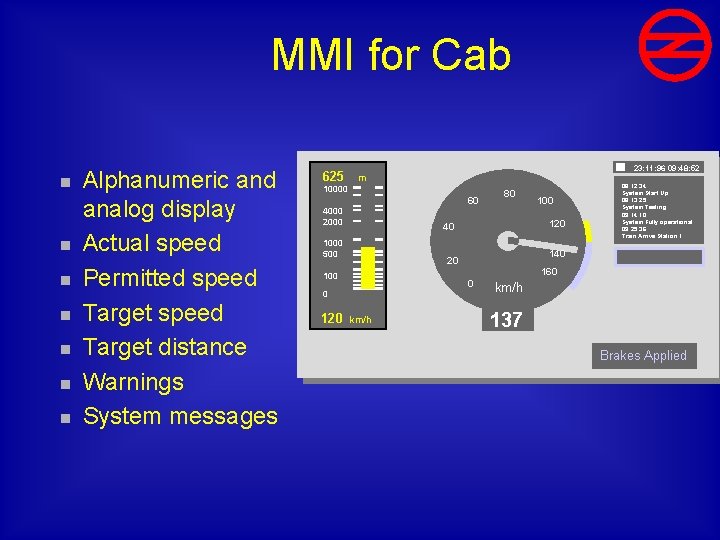
MMI for Cab n n n n Alphanumeric and analog display Actual speed Permitted speed Target distance Warnings System messages 625 23: 11: 96 09: 48: 52 m 10000 60 4000 2000 120 40 1000 500 08: 12: 34 System Start Up 08: 13: 25 System Testing 09: 14: 10 System Fully operational 09: 25: 36 Train Arrive Station 1 140 20 160 100 0 0 120 80 km/h 137 Brakes Applied

Signaling Element in the Cab
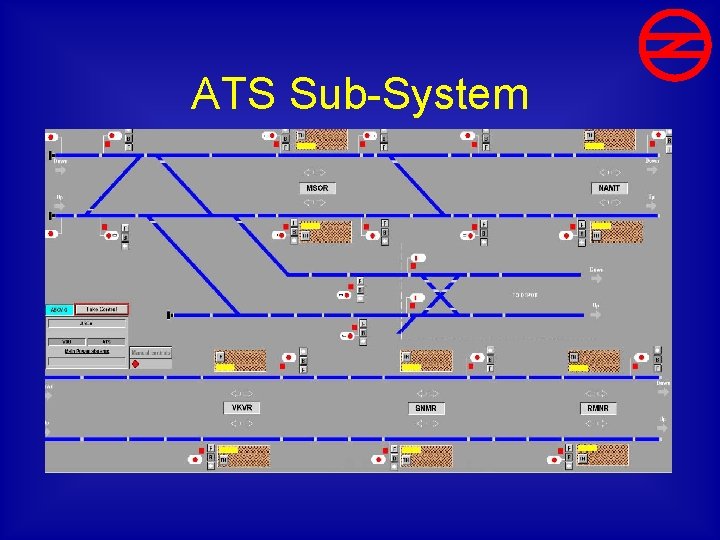
ATS Sub-System • LATS display
Operation Control Center (OCC) • Located at Two Locations. • Large Mimic Panel • SCADA for Traction , Air conditioning, Ventilation and other Auxiliary Systems • ATS, Radio, CCTV, SCADA, PIDS workstations for Traffic and other controllers 9
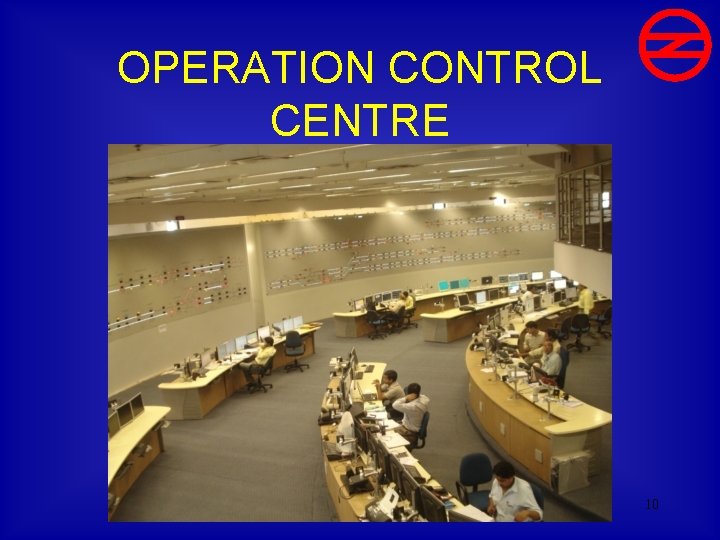
OPERATION CONTROL CENTRE 10
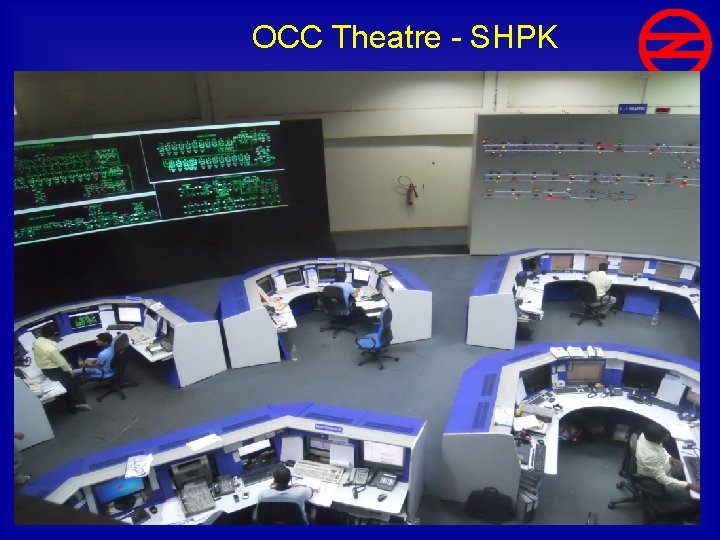
OCC Theatre - SHPK 11
DMRC’s Progression • Started Metro operation with Track circuit based CATC (First time in India) • Decided to go for CBTC for Phase III on two independent lines – around 90 Kms • Also decided UTO on these lines (again first time in India) • Both the Lines under implementation and will be operational in 2017.
CBTC �Location determination independent of track circuit �Continuous Bidirectional train to wayside data communication Solution – Wifi radio working in ISM band taking information from onboard ATP based on inputs from odometer, beacons etc. and transferring this information to track side ATP to calculate Movement Authority
Two applications on Radio 1. Signalling and Train control – the vital one – low bandwidth (below 100 kbps) but high availability (at least 99. 99%), – highly robust and reliable 2. Passenger Information, maintenance, video surveillance, CCTV, internet access – the non vital one – much higher bandwidth (train-to-ground and groundto-train), – lesser robustness can be accepted
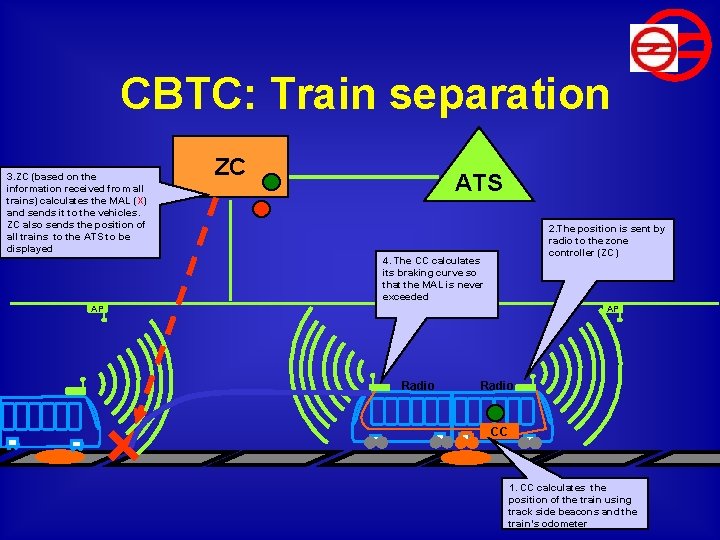
CBTC: Train separation 3. ZC (based on the information received from all trains) calculates the MAL (X) and sends it to the vehicles. ZC also sends the position of all trains to the ATS to be displayed ZC ATS 2. The position is sent by radio to the zone controller (ZC) 4. The CC calculates its braking curve so that the MAL is never exceeded AP AP Radio CC 1. CC calculates the position of the train using track side beacons and the train’s odometer
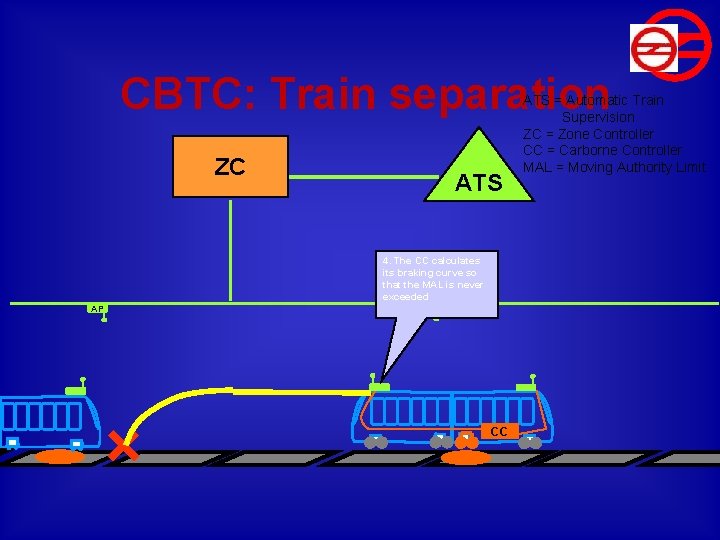
CBTC: Train separation ZC ATS 4. The CC calculates its braking curve so that the MAL is never exceeded AP AP CC ATS = Automatic Train Supervision ZC = Zone Controller CC = Carborne Controller MAL = Moving Authority Limit
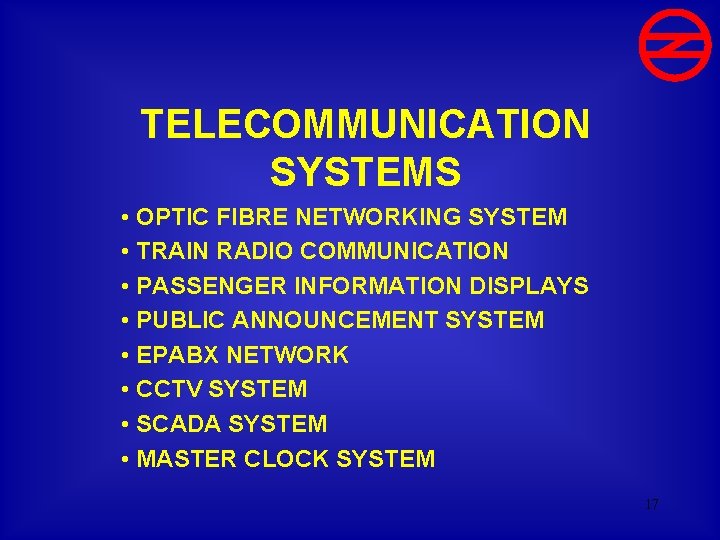
TELECOMMUNICATION SYSTEMS • OPTIC FIBRE NETWORKING SYSTEM • TRAIN RADIO COMMUNICATION • PASSENGER INFORMATION DISPLAYS • PUBLIC ANNOUNCEMENT SYSTEM • EPABX NETWORK • CCTV SYSTEM • SCADA SYSTEM • MASTER CLOCK SYSTEM 17
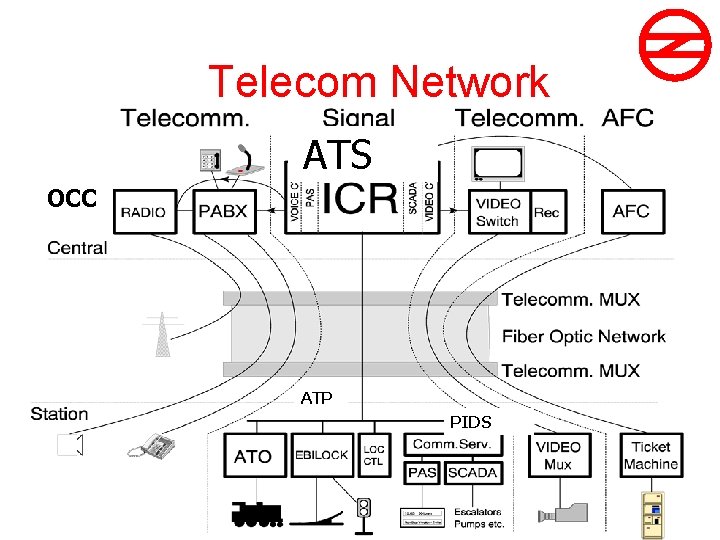
Telecom Network ATS OCC ATP PIDS 18
Optic Fibre System • Single Mode 24/36/48/96 Fibre Cable • Ring Network with route diversity • SDH(STM 1/4/16) /Routers at every Station. • Omnibus voice circuits. • Junction lines for exchanges. • SCADA channels • Radio system interfacing • PA/PIDS systems. • Fibres for ATC/CBI & Channels for ATS. • Fibres & Channels for CCTV. • Channels for Automatic fare collection. 19
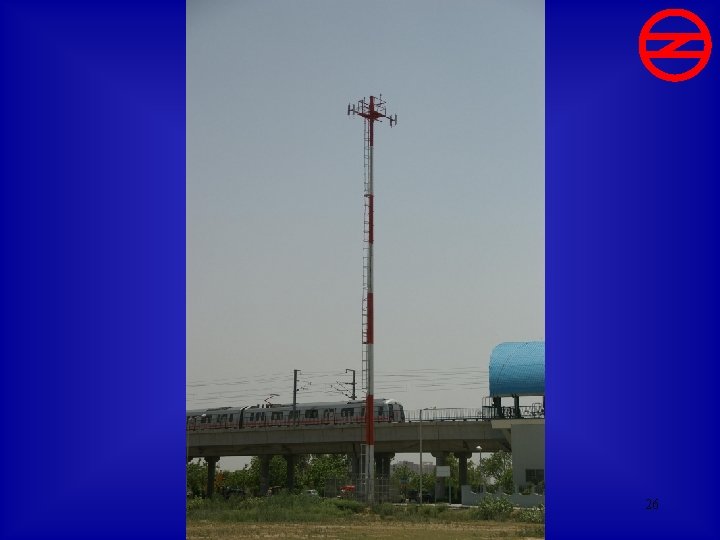
Train Radio System • TETRA Digital Train Radio System for Emergency Communications • The First System in INDIA • Simultaneous Voice & Data • Modes – Trunking mode, Direct mode • Radio Communication in Depots & Stations • Mobile Radio in both the cab • Handheld sets for maintainers, supervisors & security personnel. • > 30 Base Station Sites 20
Radio Architecture 21
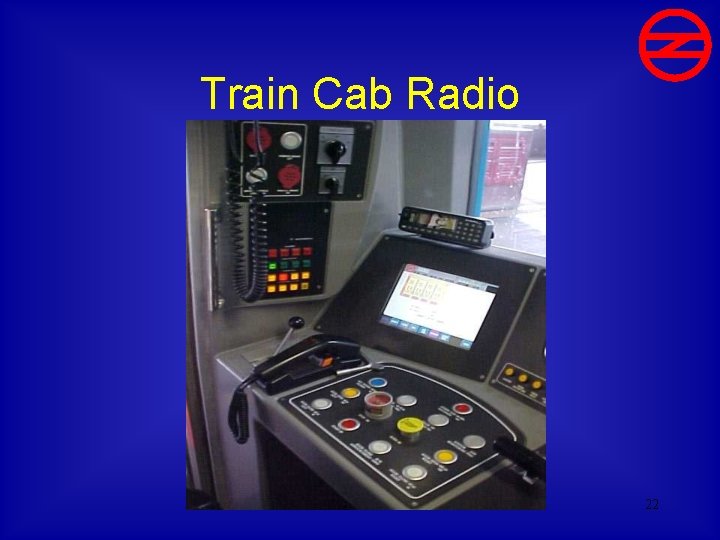
Train Cab Radio 22
Radio Coverage in Underground • Is by LCX Cables in Tunnels/Station • Bi-directional Amplifiers(BDA) provided at every station , feeding cables into tunnels and station areas. • LCX cables are also being provided of GSM/CDMA operators for Mobile coverage 23
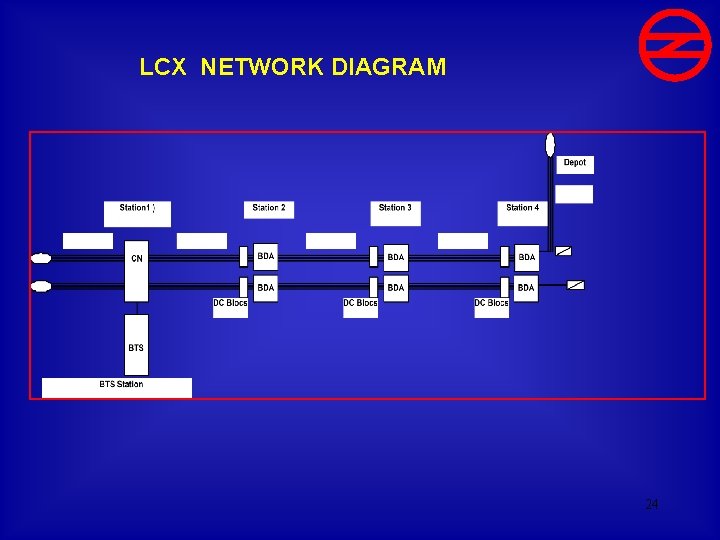
LCX NETWORK DIAGRAM 24
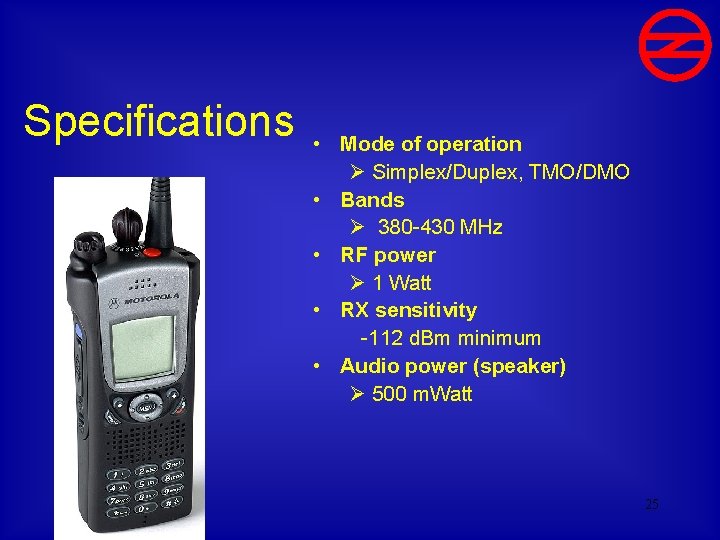
Specifications • Mode of operation Ø Simplex/Duplex, TMO/DMO • Bands Ø 380 -430 MHz • RF power Ø 1 Watt • RX sensitivity -112 d. Bm minimum • Audio power (speaker) Ø 500 m. Watt 25
26
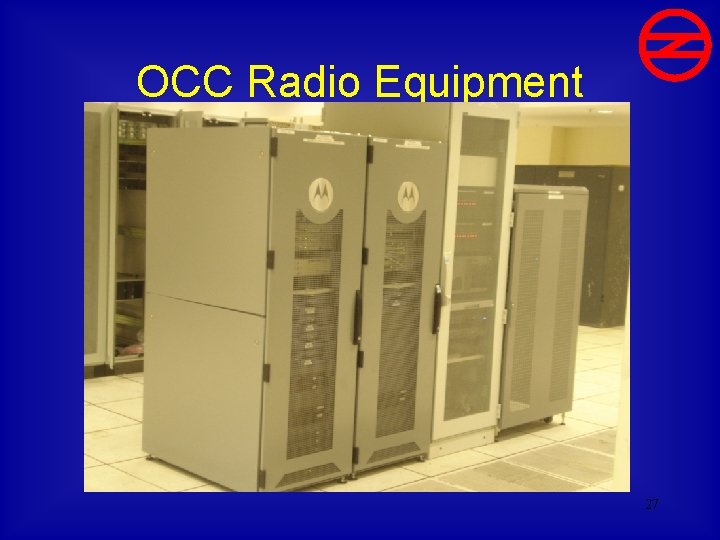
OCC Radio Equipment 27
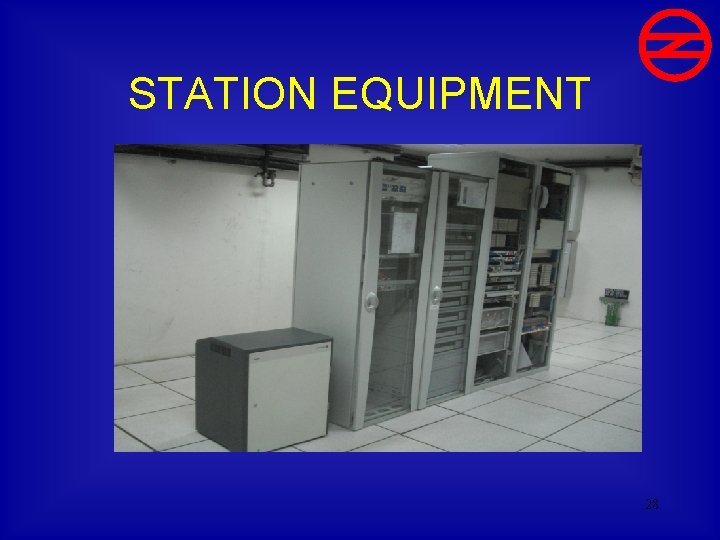
STATION EQUIPMENT 28
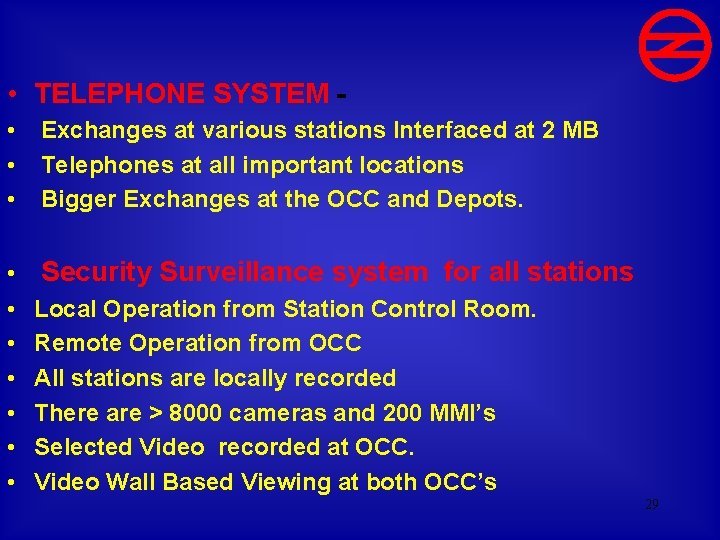
• TELEPHONE SYSTEM • • • Exchanges at various stations Interfaced at 2 MB Telephones at all important locations Bigger Exchanges at the OCC and Depots. • • Security Surveillance system for all stations Local Operation from Station Control Room. Remote Operation from OCC All stations are locally recorded There are > 8000 cameras and 200 MMI’s Selected Video recorded at OCC. Video Wall Based Viewing at both OCC’s 29
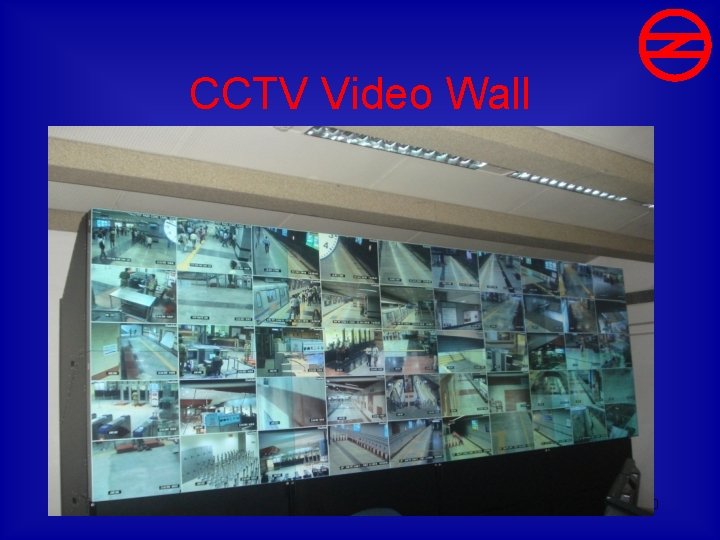
CCTV Video Wall 30
Passenger Information Display System(PIDS) • Display Boards LED/LCD based • Train Actuated Informations for Passengers • Display boards on Platforms and concourses of stations. • Display boards are Bilingual with Graphic Capability. 31
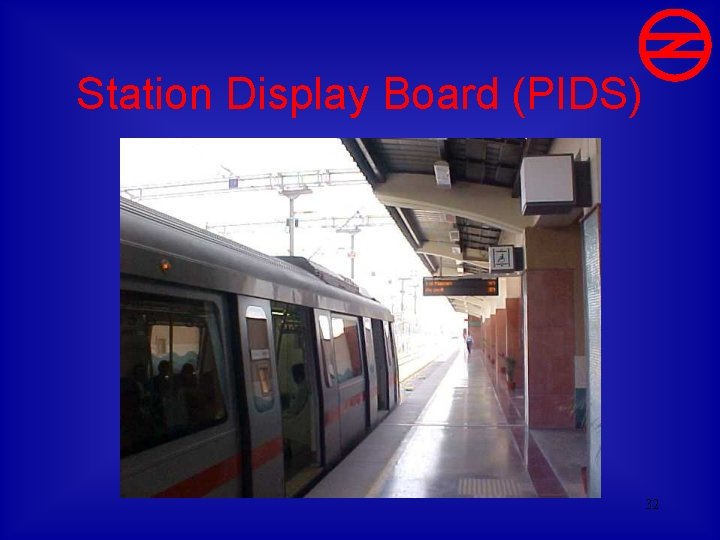
Station Display Board (PIDS) 32
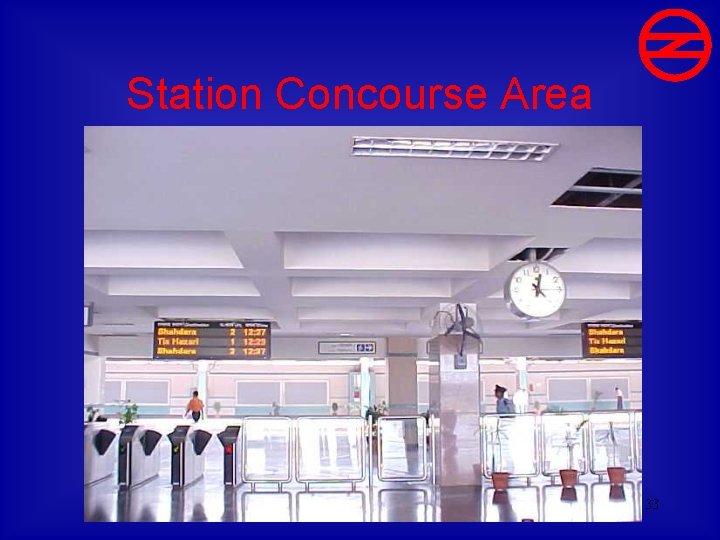
Station Concourse Area 33
Public Address System(PA) • Centralised Digital PA System • Automatically Train Actuated system • More than 3000 speakers and 1500 amplifiers in the network. • STI Study done during design stage. STI/SPL measured and verified during testing phase. • All Cables used , are to Low Smoke Low Halogen/Zero Halogen for Fire retardation. 34
Centralised Master Clock System • Central Cesium based Master Clock • Sub-Master Clocks at every Station/Depot • Slave (Digital/Analog) Clocks in Station & Depot areas. • Clock reference signal used for all Telecomm. , AFC, Power SCADA, Signaling, etc. Systems 35 35
Automatic Fare Collection System 36
AFC TECHNOLOGY SELECTION FOR DELHI-MRTS v
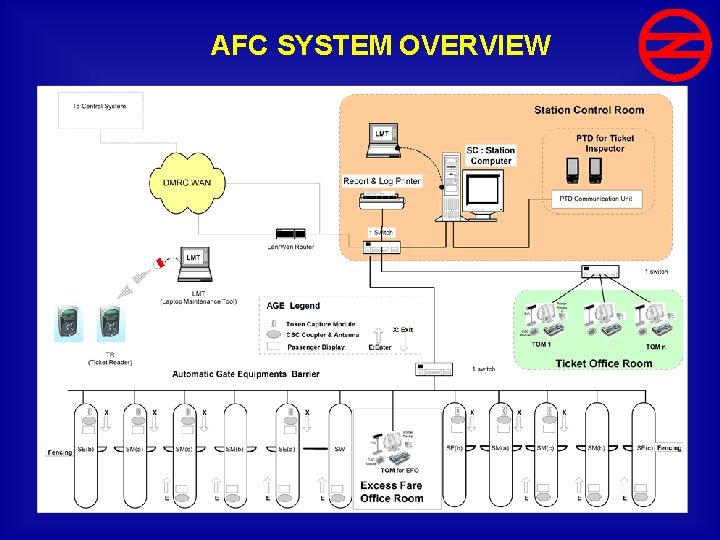
AFC SYSTEM OVERVIEW
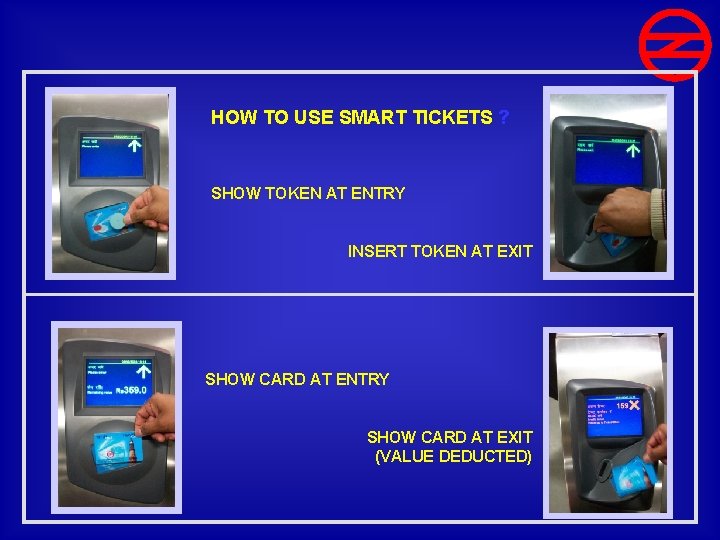
HOW TO USE SMART TICKETS ? SHOW TOKEN AT ENTRY INSERT TOKEN AT EXIT SHOW CARD AT ENTRY SHOW CARD AT EXIT (VALUE DEDUCTED)
THANKS 40 Wednesday, February 24, 2021 Presentation to 40 Dy. CRS/S&T
- Slides: 40