
Role of Minor Parties rd 3 Parties Content



- Slides: 17
Role of Minor Parties rd (3 Parties)
Content Standards 12. 6 – Students evaluate issues regarding campaigns for national, state, and local elective offices. 12. 6. 1 – Analyze the origin, development, and role of political parties, noting those occasional periods in which there was only one major party or were more than two major parties.
Learning Objectives Students will identify the roles and importance of minor parties. 2. Students will research the origin, purpose, and political platforms of several 3 rd parties. 1.
Intro to Minor Parties Never elected a president No electoral votes, no federal funds, no air time on televised debates
Types of Minor Parties Ideological: Based on particular set of beliefs (social, economic, political) Most built on Marxist thought (i. e. Socialist, Communist…) • Few voters, but long-lived •
Types of Minor Parties Single Issue: Focus on ONE public-policy Name shows concern (i. e. “Free Soil”, “Right to Life”) • Most are short-lived because: • Event passed by or was resolved 2. Public loses interest 3. Issues taken by major parties 1.
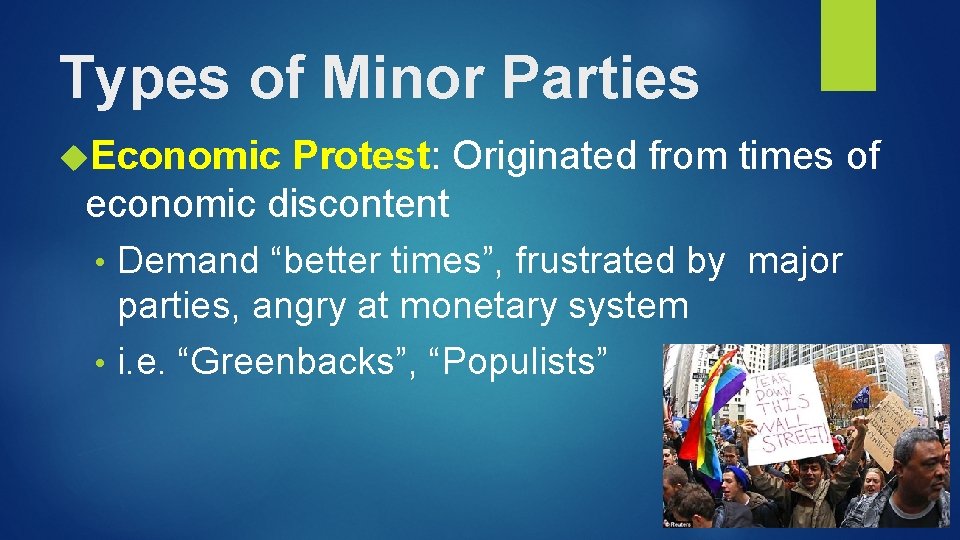
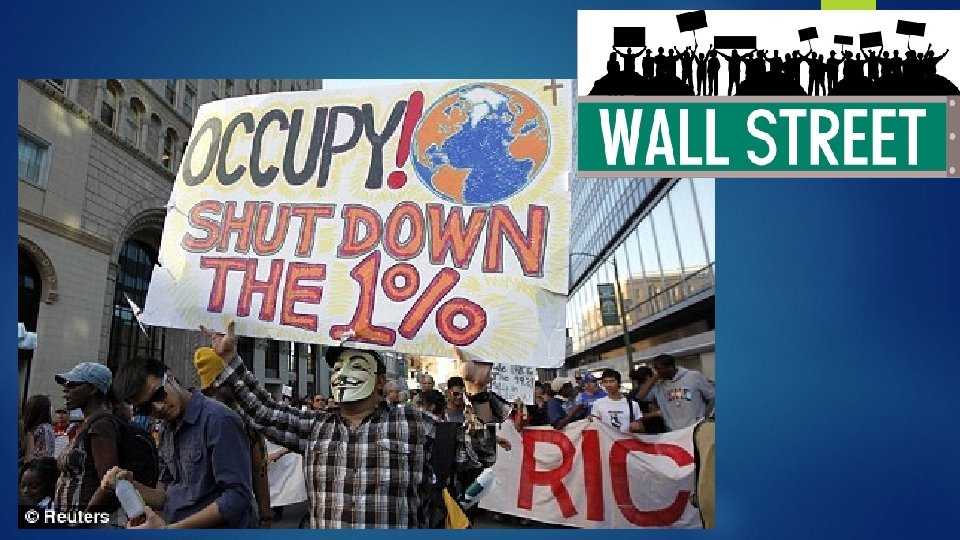
Types of Minor Parties Economic Protest: Originated from times of economic discontent Demand “better times”, frustrated by major parties, angry at monetary system • i. e. “Greenbacks”, “Populists” •
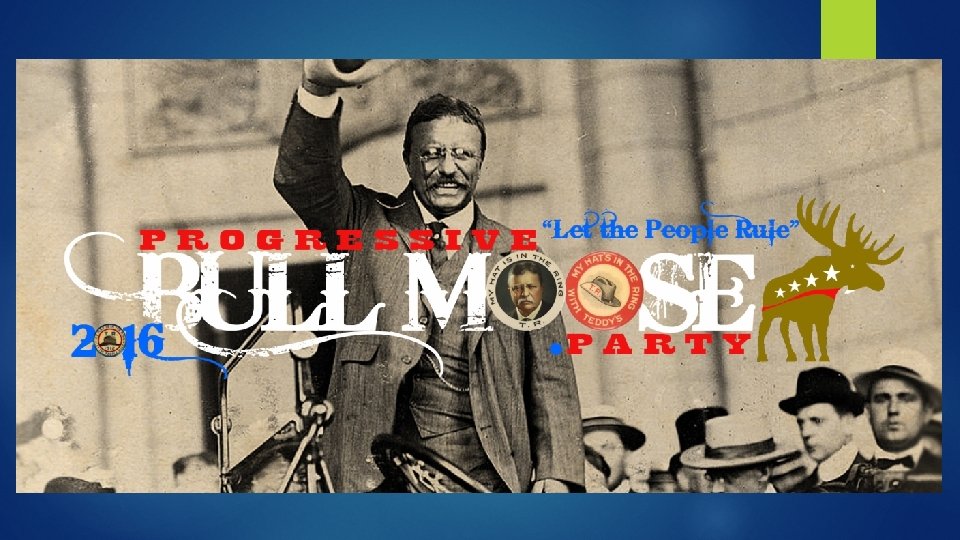
Types of Minor Parties Splinter: • Broken off from major party i. e. Bull Moose Personality: Formed only so their candidates can win (i. e. American Independent) • Fades when candidate steps down
Role of Minor Parties Spoiler Role: Draw votes away from major party Draw Attention: Point out controversial issues to public Source of Change: Major parties adopt 3 rd party proposals and platforms Very popular recently! (i. e. “Green Party”, “Libertarian”)
Examples of Liberty: rd 3 Parties No slavery (1840) Know Nothing: Anti-immigrant (1856) Prohibition: (1872) Populist: Angry farmers, “ppl’s party” (1872) Communist: - (1919) Dixiecrats: Against civil rights (1948)
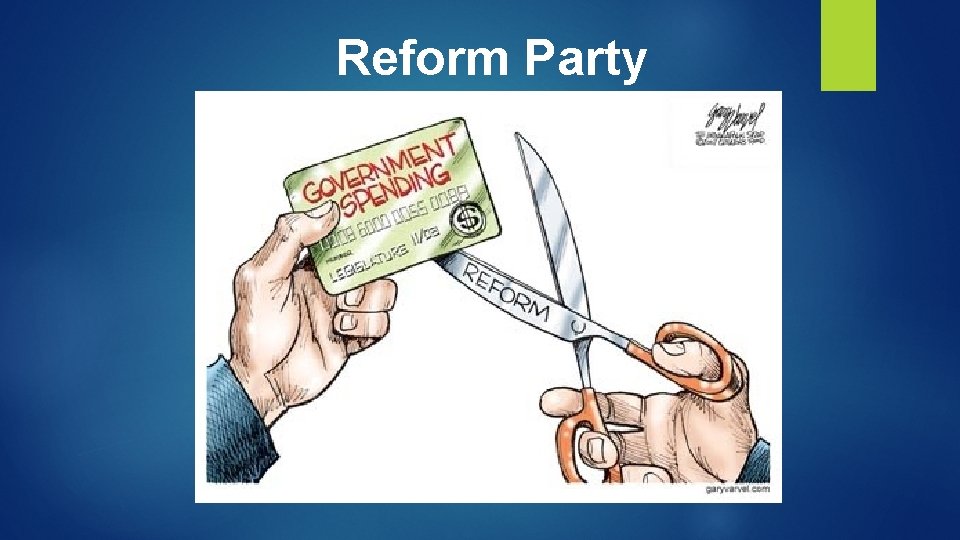
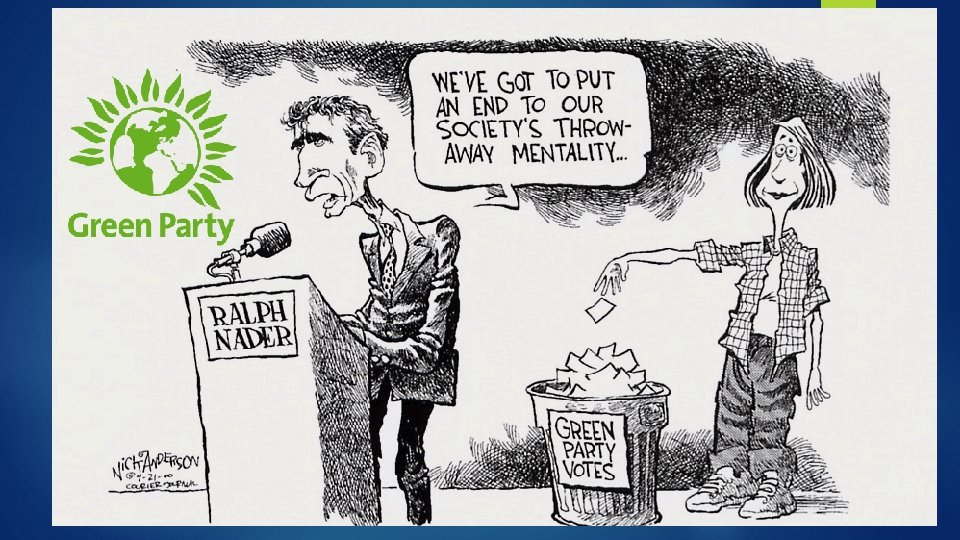
Examples of American rd 3 Parties Independent: Individual (1968) Libertarian: Limited gov (1972) Reform: Economic reform (1996) Green: Social justice, environmental issues, universal healthcare, gay/les rights, economic self-reliance (2000)
Reform Party