
Role of Fibrinogen Supplementation in Goal Directed Hemostatic

Role of Fibrinogen Supplementation in Goal Directed Hemostatic Therapy in Cardiac Surgery Rasoul Azarfarin MD, FACC Professor of Anesthesiology Fellowship of Cardiac Anesthesia Rajaie Cardiovascular Medical & Research Center
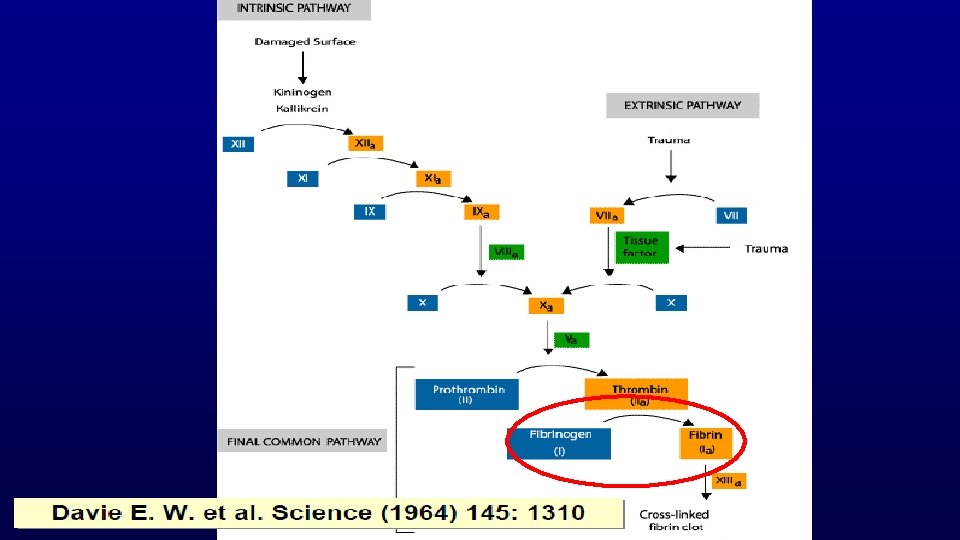
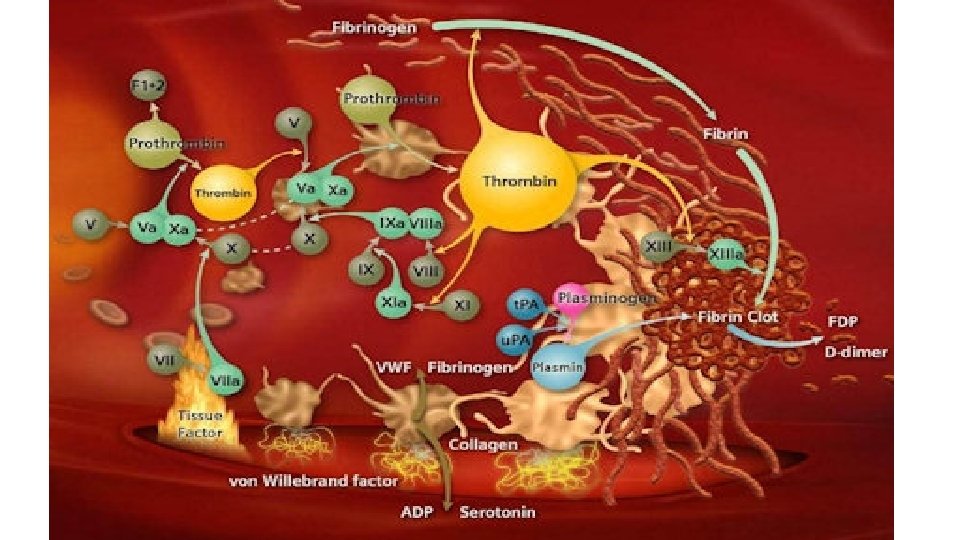
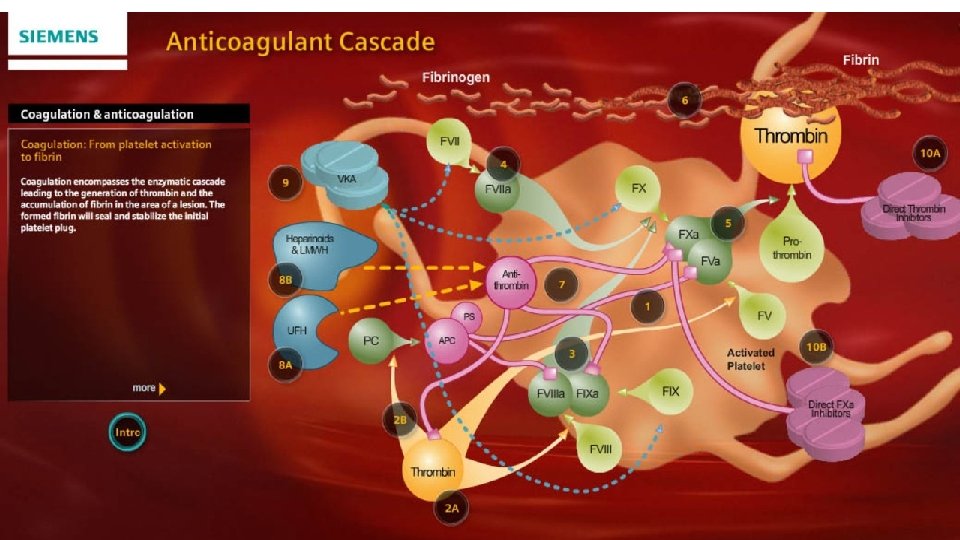
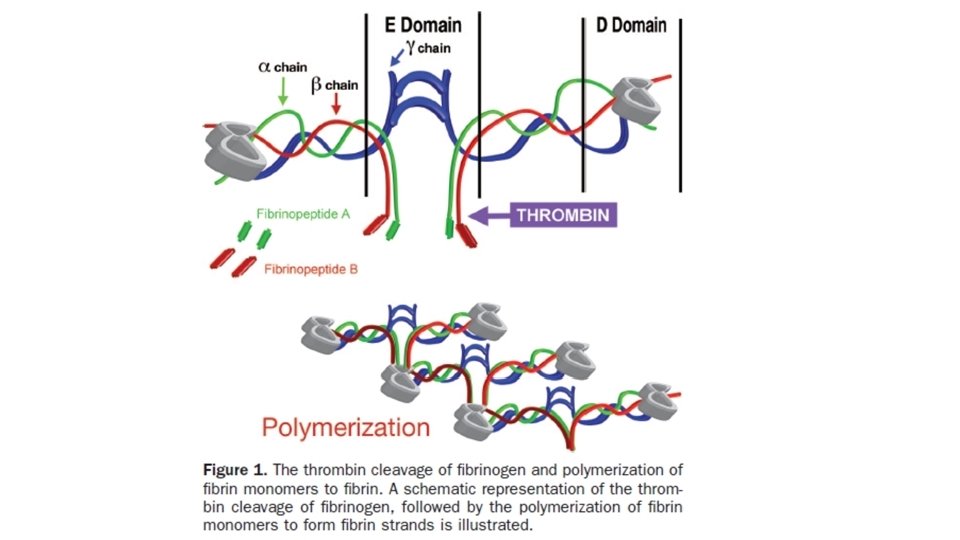
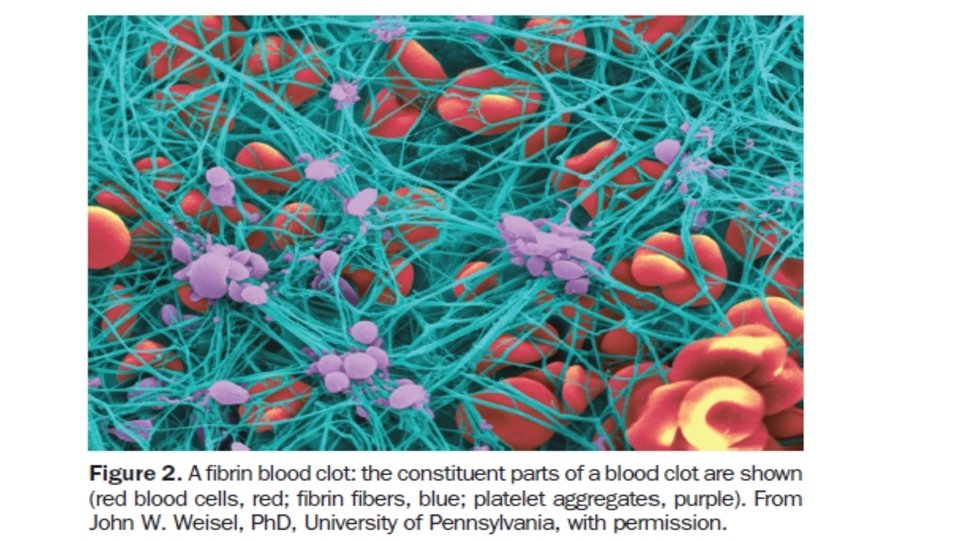
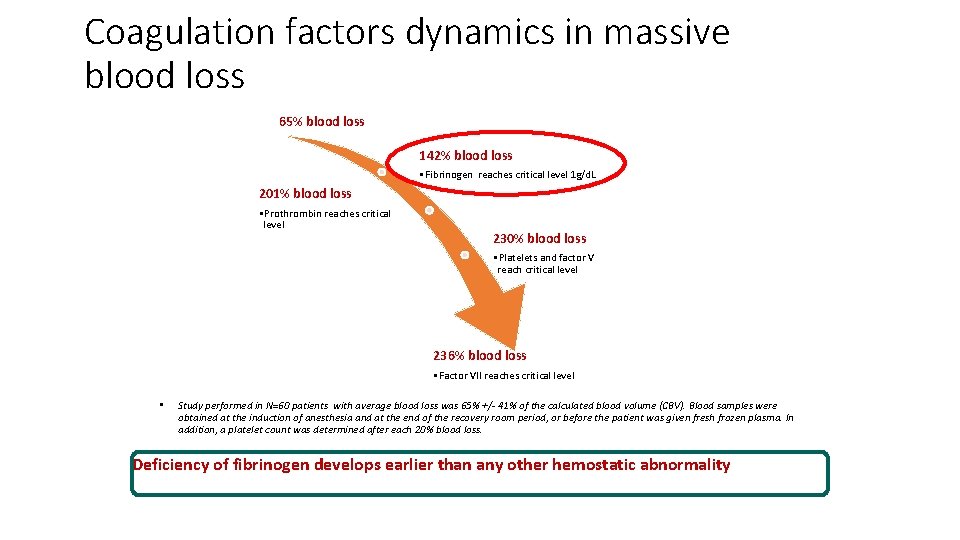
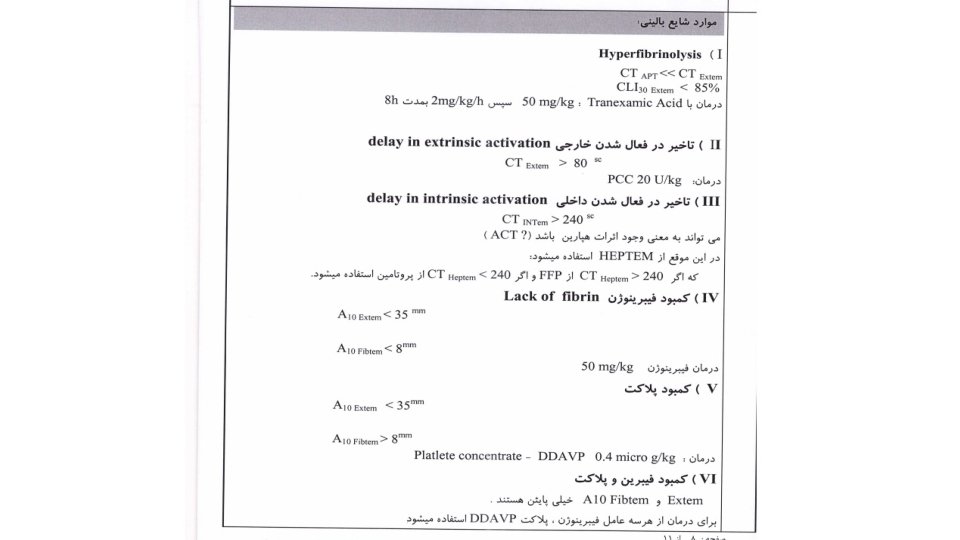
Coagulation factors dynamics in massive blood loss 65% blood loss 142% blood loss • Fibrinogen reaches critical level 1 g/d. L 201% blood loss • Prothrombin reaches critical level 230% blood loss • Platelets and factor V reach critical level 236% blood loss • Factor VII reaches critical level • Study performed in N=60 patients with average blood loss was 65% +/- 41% of the calculated blood volume (CBV). Blood samples were obtained at the induction of anesthesia and at the end of the recovery room period, or before the patient was given fresh frozen plasma. In addition, a platelet count was determined after each 20% blood loss. Deficiency of fibrinogen develops earlier than any other hemostatic abnormality Hiipala et al. , Anesth Analg. 1995 Aug; 81(2): 360 -5.
Hemostasis monitoring Individualised goal directed therapy
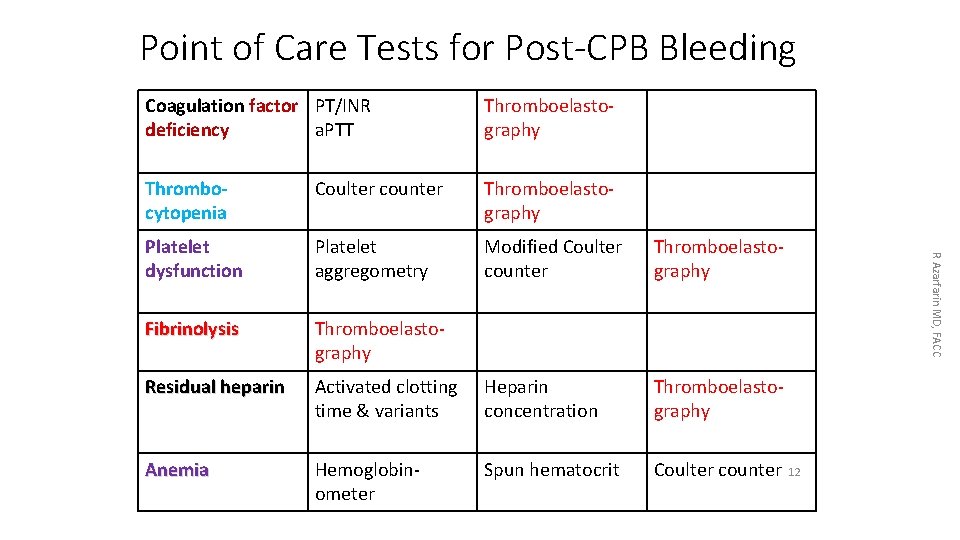
Point of Care Tests for Post-CPB Bleeding Thromboelastography Thrombocytopenia Coulter counter Thromboelastography Platelet dysfunction Platelet aggregometry Modified Coulter counter Thromboelastography Fibrinolysis Thromboelastography Residual heparin Activated clotting time & variants Heparin concentration Thromboelastography Anemia Hemoglobinometer Spun hematocrit Coulter counter R Azarfarin MD, FACC Coagulation factor PT/INR deficiency a. PTT 12
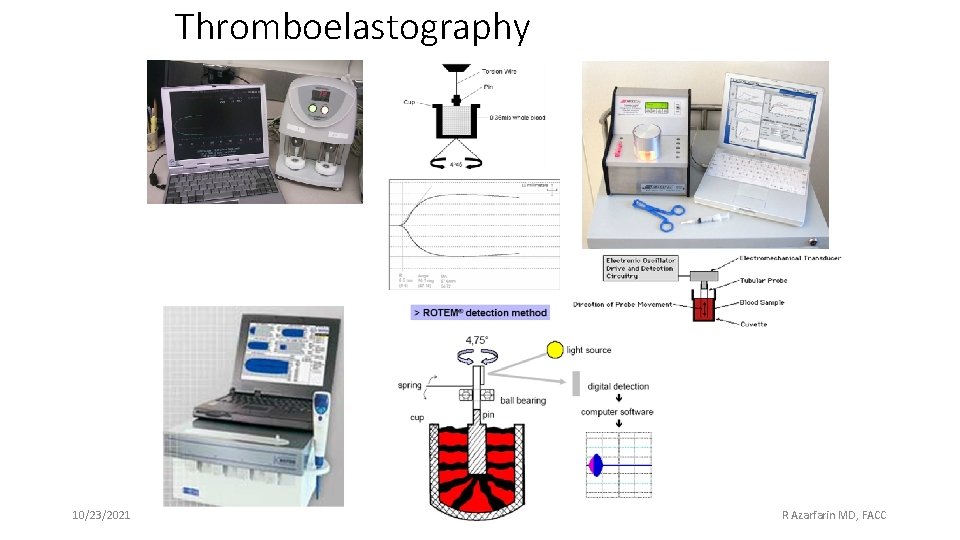
Thromboelastography 10/23/2021 13 R Azarfarin MD, FACC
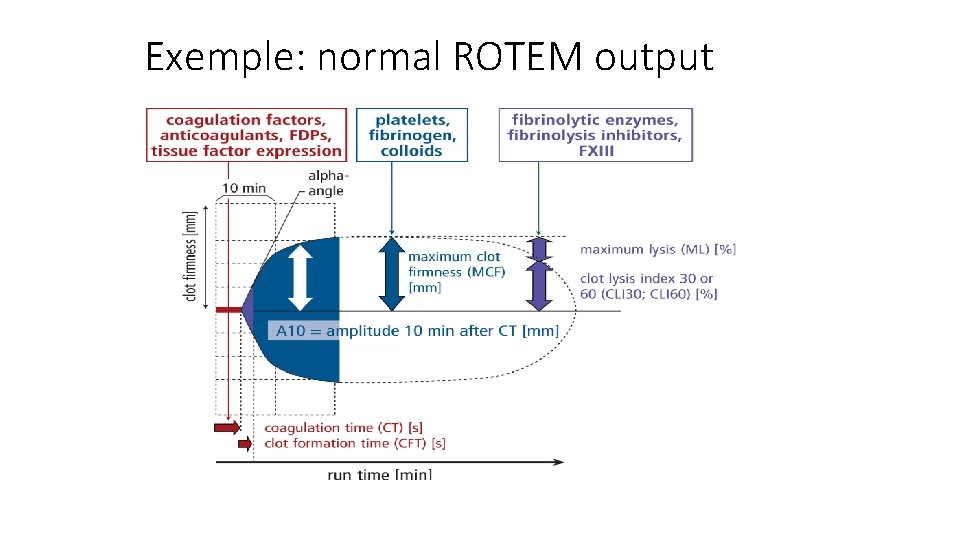
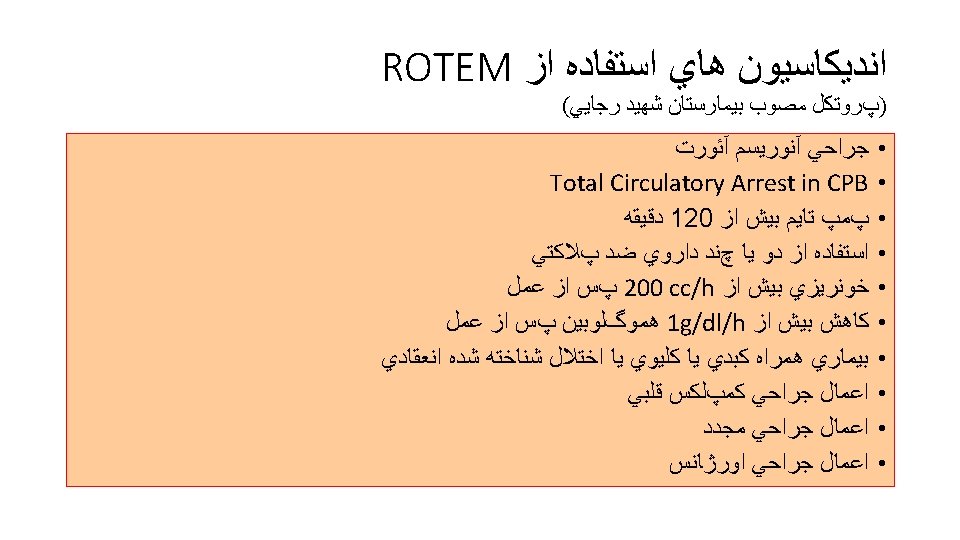
Exemple: normal ROTEM output Lier et al, Haemostaseologie
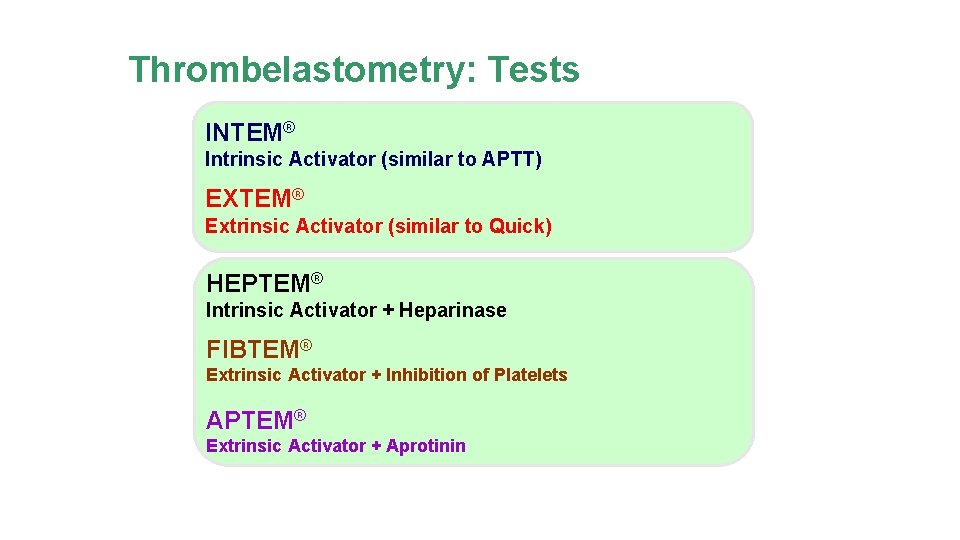
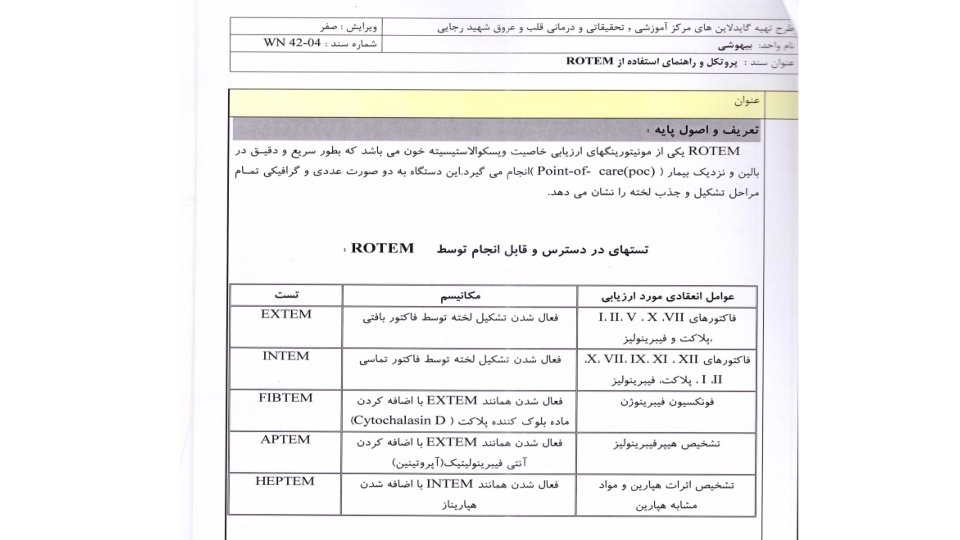
Thrombelastometry: Tests INTEM® Intrinsic Activator (similar to APTT) EXTEM® Extrinsic Activator (similar to Quick) HEPTEM® Intrinsic Activator + Heparinase FIBTEM® Extrinsic Activator + Inhibition of Platelets APTEM® Extrinsic Activator + Aprotinin
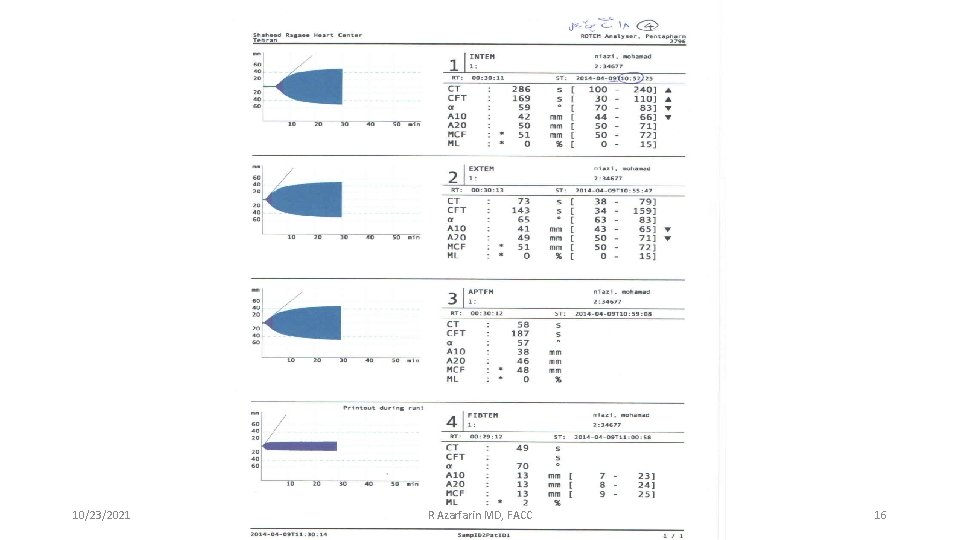
10/23/2021 R Azarfarin MD, FACC 16
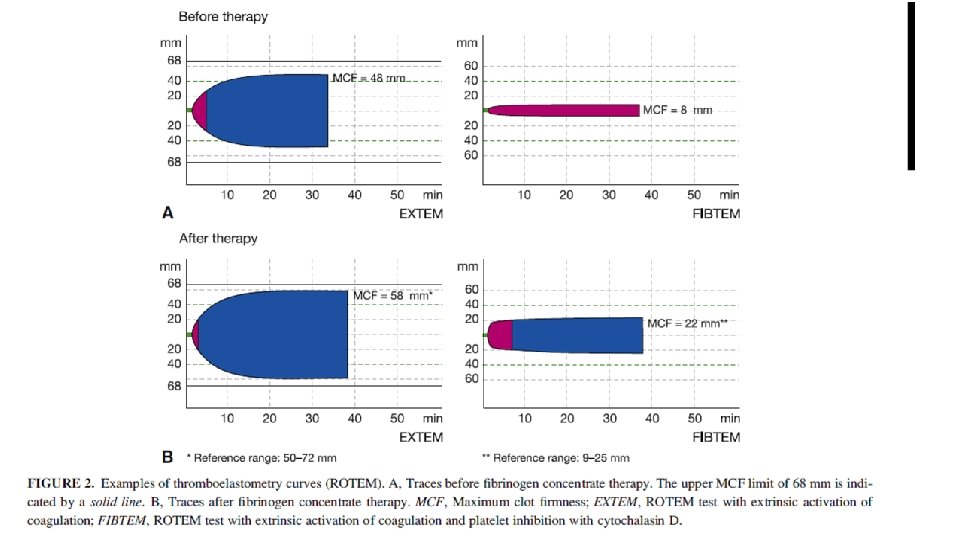
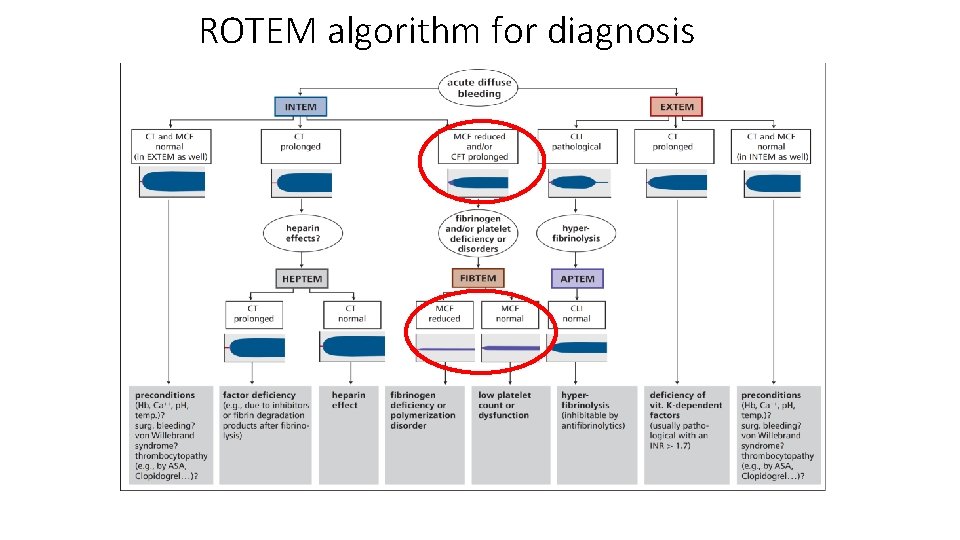
ROTEM algorithm for diagnosis Lier et al, Haemostaseologie
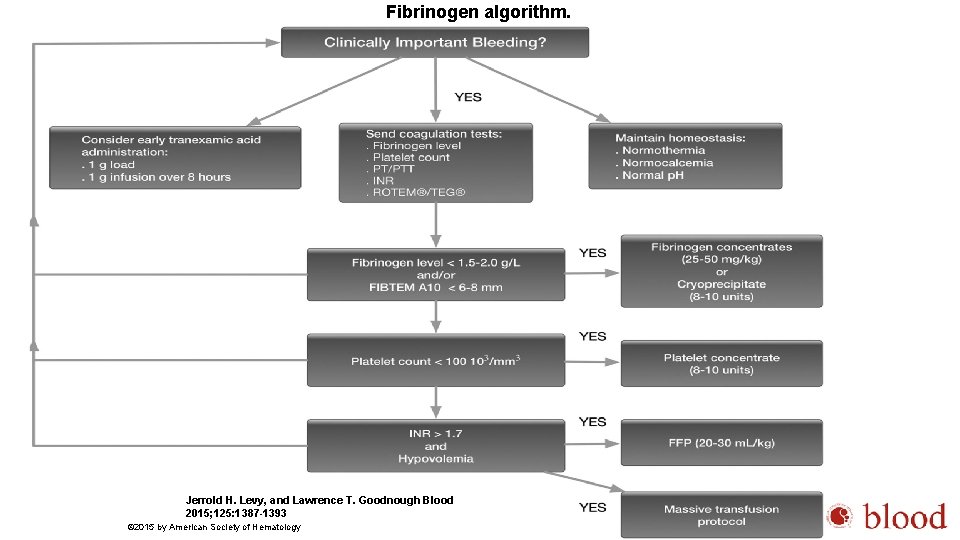
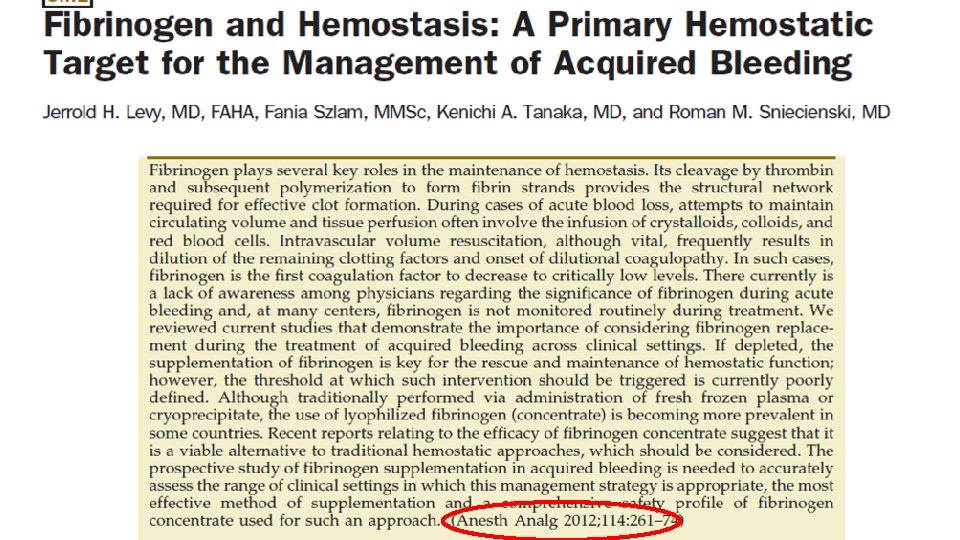
Fibrinogen algorithm. Jerrold H. Levy, and Lawrence T. Goodnough Blood 2015; 125: 1387 -1393 © 2015 by American Society of Hematology
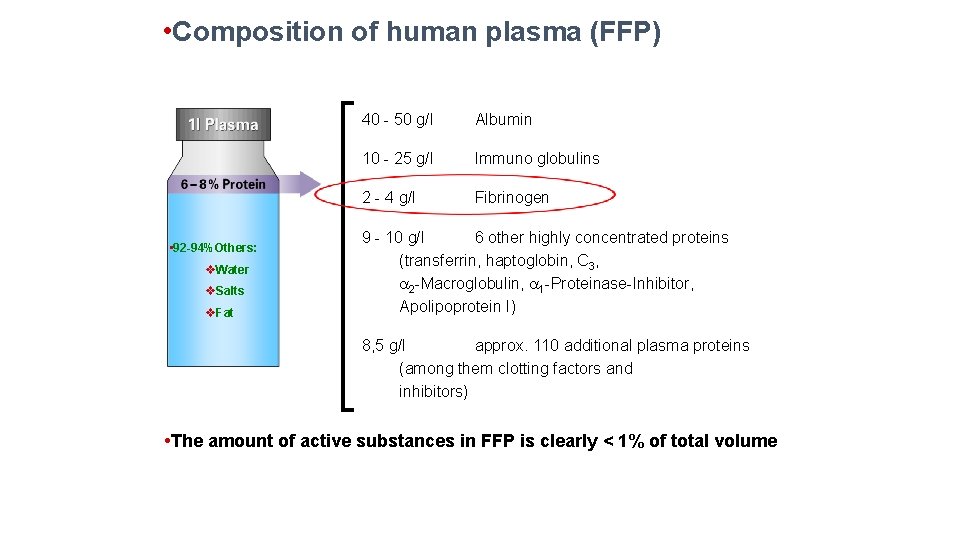
• Composition of human plasma (FFP) • 92 -94%Others: v. Water v. Salts v. Fat 40 - 50 g/l Albumin 10 - 25 g/l Immuno globulins 2 - 4 g/l Fibrinogen 9 - 10 g/l 6 other highly concentrated proteins (transferrin, haptoglobin, C 3, 2 -Macroglobulin, 1 -Proteinase-Inhibitor, Apolipoprotein I) 8, 5 g/l approx. 110 additional plasma proteins (among them clotting factors and inhibitors) • The amount of active substances in FFP is clearly < 1% of total volume
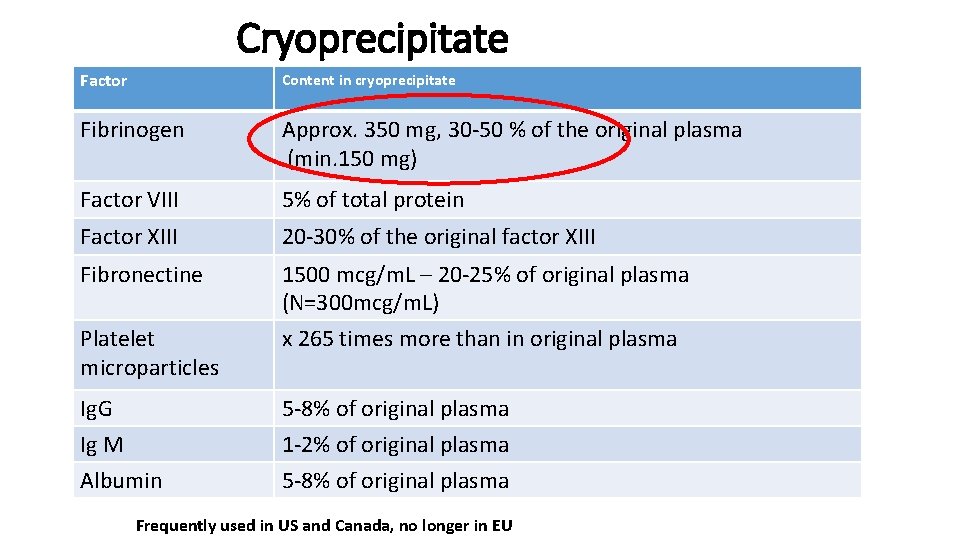
Cryoprecipitate Factor Content in cryoprecipitate Fibrinogen Approx. 350 mg, 30 -50 % of the original plasma (min. 150 mg) Factor VIII 5% of total protein Factor XIII 20 -30% of the original factor XIII Fibronectine 1500 mcg/m. L – 20 -25% of original plasma (N=300 mcg/m. L) x 265 times more than in original plasma Platelet microparticles Ig. G Ig M Albumin 5 -8% of original plasma 1 -2% of original plasma 5 -8% of original plasma Frequently used in US and Canada, no longer in EU
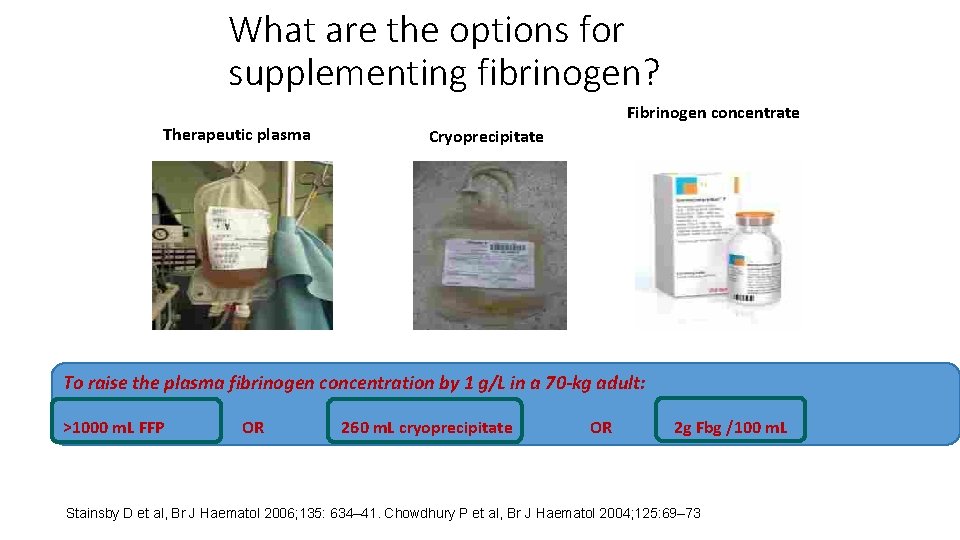
What are the options for supplementing fibrinogen? Therapeutic plasma Fibrinogen concentrate Cryoprecipitate To raise the plasma fibrinogen concentration by 1 g/L in a 70 -kg adult: >1000 m. L FFP OR 260 m. L cryoprecipitate OR 2 g Fbg /100 m. L Stainsby D et al, Br J Haematol 2006; 135: 634– 41. Chowdhury P et al, Br J Haematol 2004; 125: 69– 73 ; Bolton-Maggs PHB et al. , Haemophilia 2004; 10: 593– 628.
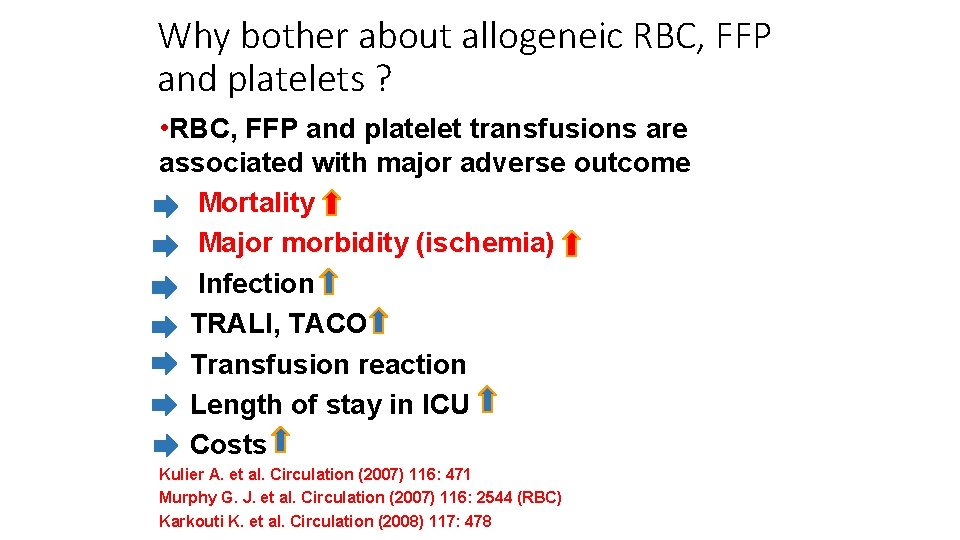
Why bother about allogeneic RBC, FFP and platelets ? • RBC, FFP and platelet transfusions are associated with major adverse outcome Mortality Major morbidity (ischemia) Infection TRALI, TACO Transfusion reaction Length of stay in ICU Costs Kulier A. et al. Circulation (2007) 116: 471 Murphy G. J. et al. Circulation (2007) 116: 2544 (RBC) Karkouti K. et al. Circulation (2008) 117: 478
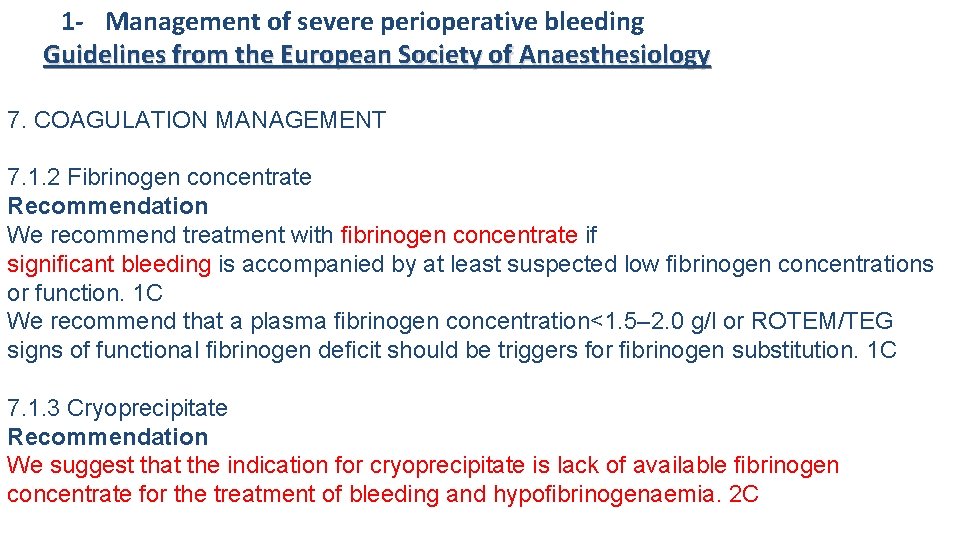
1 - Management of severe perioperative bleeding Guidelines from the European Society of Anaesthesiology 7. COAGULATION MANAGEMENT 7. 1. 2 Fibrinogen concentrate Recommendation We recommend treatment with fibrinogen concentrate if significant bleeding is accompanied by at least suspected low fibrinogen concentrations or function. 1 C We recommend that a plasma fibrinogen concentration<1. 5– 2. 0 g/l or ROTEM/TEG signs of functional fibrinogen deficit should be triggers for fibrinogen substitution. 1 C 7. 1. 3 Cryoprecipitate Recommendation We suggest that the indication for cryoprecipitate is lack of available fibrinogen concentrate for the treatment of bleeding and hypofibrinogenaemia. 2 C
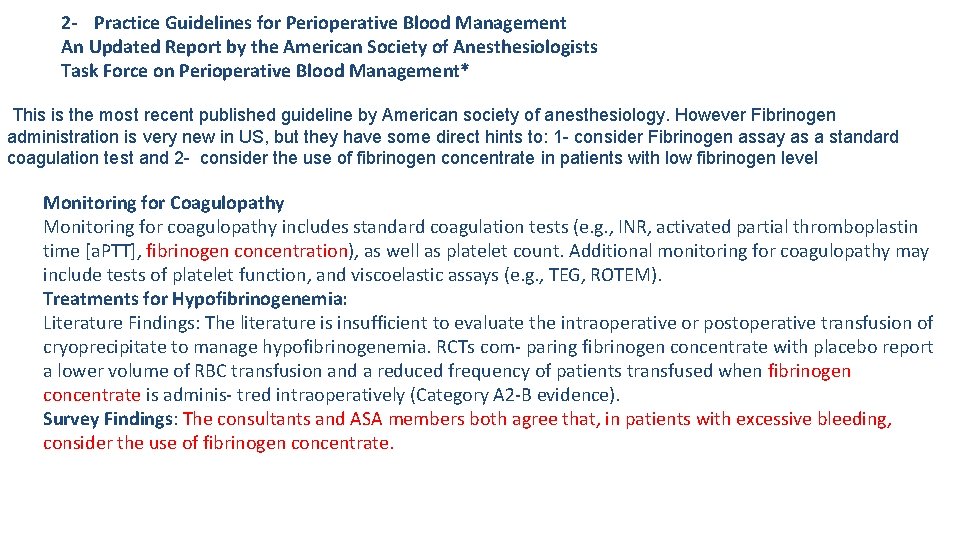
2 - Practice Guidelines for Perioperative Blood Management An Updated Report by the American Society of Anesthesiologists Task Force on Perioperative Blood Management* This is the most recent published guideline by American society of anesthesiology. However Fibrinogen administration is very new in US, but they have some direct hints to: 1 - consider Fibrinogen assay as a standard coagulation test and 2 - consider the use of fibrinogen concentrate in patients with low fibrinogen level Monitoring for Coagulopathy Monitoring for coagulopathy includes standard coagulation tests (e. g. , INR, activated partial thromboplastin time [a. PTT], fibrinogen concentration), as well as platelet count. Additional monitoring for coagulopathy may include tests of platelet function, and viscoelastic assays (e. g. , TEG, ROTEM). Treatments for Hypofibrinogenemia: Literature Findings: The literature is insufficient to evaluate the intraoperative or postoperative transfusion of cryoprecipitate to manage hypofibrinogenemia. RCTs com- paring fibrinogen concentrate with placebo report a lower volume of RBC transfusion and a reduced frequency of patients transfused when fibrinogen concentrate is adminis- tred intraoperatively (Category A 2 -B evidence). Survey Findings: The consultants and ASA members both agree that, in patients with excessive bleeding, consider the use of fibrinogen concentrate.
![Acta Anaesthesiol Scand. 2018 Dec 3. doi: 10. 1111/aas. 13295. [Epub ahead of print]](http://slidetodoc.com/presentation_image_h2/e19f6cc4d231c985c46fe8d702fa3ccd/image-27.jpg "Acta Anaesthesiol Scand. 2018 Dec 3. doi: 10. 1111/aas. 13295. [Epub ahead of print]")
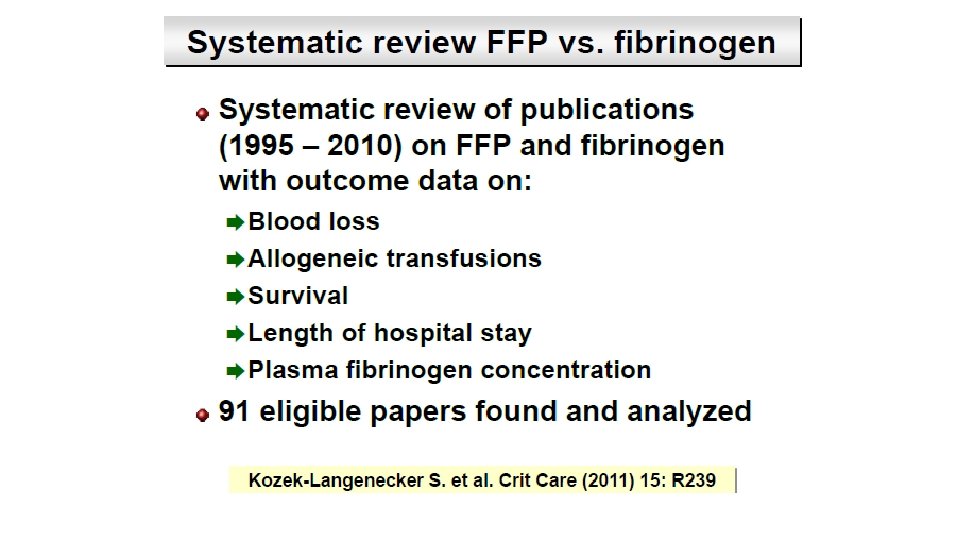
Acta Anaesthesiol Scand. 2018 Dec 3. doi: 10. 1111/aas. 13295. [Epub ahead of print] Effects of fibrinogen and platelet transfusion on coagulation and platelet function in bleeding cardiac surgery patients. Shams Hakimi C 1, Singh S 1, Hesse C 2, Jeppsson A 1, 3. RESULTS: Fibrinogen infusion resulted in an increase in fibrinogen concentration and clot stability (P = 0. 001), but had no effect on platelet aggregation. Platelet transfusion did not significantly affect coagulation, but improved arachidonic acid- and TRAPinduced platelet aggregation (P = 0. 017 and 0. 034 respectively) and increased platelet count. Combined fibrinogen and platelet transfusion shortened clotting time (P = 0. 005) and increased clot stability (P = 0. 001), and improved arachidonic acid- and TRAPinduced platelet aggregation (P = 0. 004 and 0. 016 respectively), and increased fibrinogen concentration and platelet count. The median bleeding volume was 150 (25 th-75 th percentile 70 -240) m. L/h before, and 60 (40 -110) m. L/h after transfusion of fibrinogen and/or platelet concentrate (P < 0. 001). CONCLUSION: The results demonstrate improved coagulation and platelet function following fibrinogen and platelet transfusion in patients bleeding after cardiac surgery.
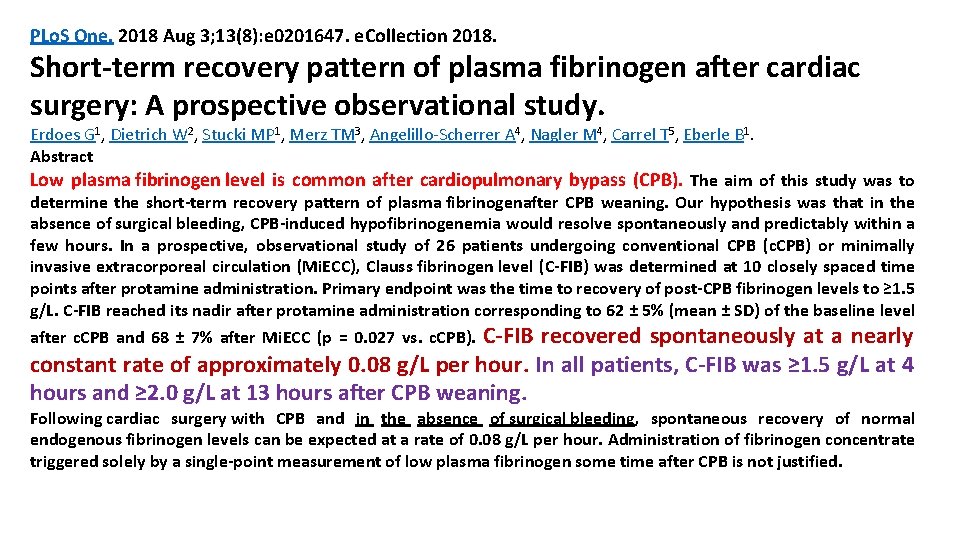
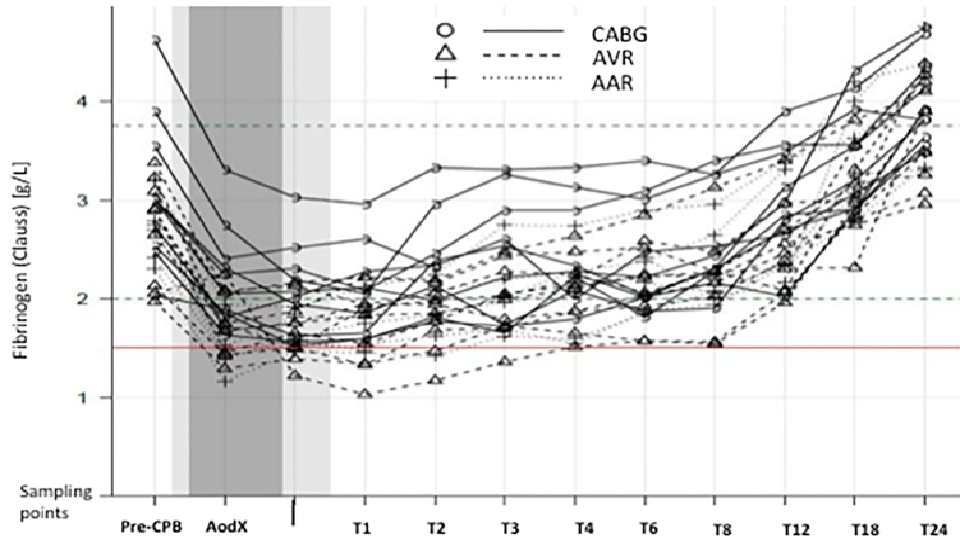
PLo. S One. 2018 Aug 3; 13(8): e 0201647. e. Collection 2018. Short-term recovery pattern of plasma fibrinogen after cardiac surgery: A prospective observational study. Erdoes G 1, Dietrich W 2, Stucki MP 1, Merz TM 3, Angelillo-Scherrer A 4, Nagler M 4, Carrel T 5, Eberle B 1. Abstract Low plasma fibrinogen level is common after cardiopulmonary bypass (CPB). The aim of this study was to determine the short-term recovery pattern of plasma fibrinogenafter CPB weaning. Our hypothesis was that in the absence of surgical bleeding, CPB-induced hypofibrinogenemia would resolve spontaneously and predictably within a few hours. In a prospective, observational study of 26 patients undergoing conventional CPB (c. CPB) or minimally invasive extracorporeal circulation (Mi. ECC), Clauss fibrinogen level (C-FIB) was determined at 10 closely spaced time points after protamine administration. Primary endpoint was the time to recovery of post-CPB fibrinogen levels to ≥ 1. 5 g/L. C-FIB reached its nadir after protamine administration corresponding to 62 ± 5% (mean ± SD) of the baseline level C-FIB recovered spontaneously at a nearly constant rate of approximately 0. 08 g/L per hour. In all patients, C-FIB was ≥ 1. 5 g/L at 4 hours and ≥ 2. 0 g/L at 13 hours after CPB weaning. after c. CPB and 68 ± 7% after Mi. ECC (p = 0. 027 vs. c. CPB). Following cardiac surgery with CPB and in the absence of surgical bleeding, spontaneous recovery of normal endogenous fibrinogen levels can be expected at a rate of 0. 08 g/L per hour. Administration of fibrinogen concentrate triggered solely by a single-point measurement of low plasma fibrinogen some time after CPB is not justified.
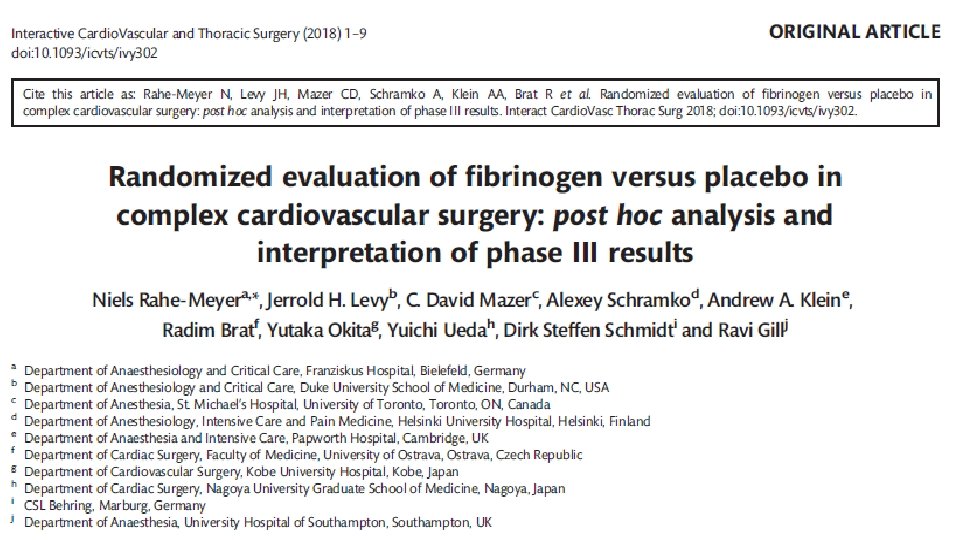
Clin Appl Thromb Hemost. 2018 Dec 5: 1076029618816382. Correlation Between ROTEM FIBTEM Maximum Clot Firmness and Fibrinogen Levels in Pediatric Cardiac Surgery Patients. Tirotta CF 1, Lagueruela RG 1, Madril D 1, Salyakina D 2, Wang W 2, Taylor T 2, Ojito J 3, Kubes K 3, Lim H 3, Hannan R 3, Burke R 3. Author information Abstract This study evaluated whether rotational thromboelastometry (ROTEM; Tem International Gmb. H, Munich, Germany) FIBTEM maximum clot firmness (MCF) can be used to predict plasma fibrinogen level in pediatric patients undergoing cardiac surgery. Linear regression was conducted to predict plasma fibrinogen level using FIBTEM MCF (0. 05 level of significance). Scatter plot with the regression line for the model fit was created. Fifty charts were retrospectively reviewed, and 87 independent measurements of FIBTEM MCF paired with plasma fibrinogen levels were identified for analysis. Linear regression analysis suggested a significant positive linear relationship ( P <. 0001) between plasma fibrinogen levels and MCF. Both MCF intercept and slope were significantly correlated with fibrinogen level ( P <. 0001). The estimated regression equation (predicted fibrinogen = 78. 6 + 12. 4 × MCF) indicates that a 1 mm increase in MCF raises plasma fibrinogen level by an average of 12. 4 mg/d. L. The statistically significant positive linear relationship observed between MCF and fibrinogen levels ( P <. 001) suggests that MCF can be used as a surrogate for fibrinogen level. This relationship is of clinical relevance in the calculation of patient-specific dosing of fibrinogen supplementation in this setting.
JAMA. 2017 Feb 21; 317(7): 738 -747. doi: 10. 1001/jama. 2016. 21037. Effect of Fibrinogen Concentrate on Intraoperative Blood Loss Among Patients With Intraoperative Bleeding During High-Risk Cardiac Surgery: A Randomized Clinical Trial. Bilecen S 1, de Groot JA 2, Kalkman CJ 3, Spanjersberg AJ 4, Brandon Bravo Bruinsma GJ 5, Moons KG 6, Nierich AP 4. INTERVENTIONS: Intravenous, single-dose administration of fibrinogen concentrate (n = 60) or placebo (n = 60), targeted to achieve a postinfusion plasma fibrinogen level of 2. 5 g/L. RESULTS: Among 120 patients (mean age; 71 [SD, 10] years, 37 women [31%]) included in the study, combined CABG and valve repair or replacement surgery comprised 72% of procedures and had a mean (SD) cardiopulmonary bypass time of 200 minutes (83) minutes. For the primary outcome, median blood loss in the fibrinogen group was 50 m. L (interquartile range [IQR], 29 -100 m. L) compared with 70 m. L (IQR, 33 -145 m. L) in the control group (P =. 19), the absolute difference 20 m. L (95% CI, -13 to 35 m. L). There were 6 cases of stroke or transient ischemic attack (4 in the fibrinogen group); 4 myocardial infarctions (3 in the fibrinogen group); 2 deaths (both in the fibrinogen group); 5 cases with renal insufficiency or failure (3 in the fibrinogen group); and 9 cases with reoperative thoracotomy (4 in the fibrinogen group). CONCLUSIONS AND RELEVANCE: Among patients with intraoperative bleeding during high-risk cardiac surgery, administration of fibrinogen concentrate, compared with placebo, resulted in no significant difference in the amount of intraoperative blood loss. TRIAL REGISTRATION: clinicaltrials. gov Identifier: NCT 01124981 and Eudra. CT No: 2009 -018086 -12.
Br J Anaesth. 2016 May; 116(5): 618 -23. doi: 10. 1093/bja/aev 539. Epub 2016 Feb 17. Fibrinogen supplementation after cardiac surgery: insights from the Zero-Plasma trial (ZEPLAST). Ranucci M 1, Baryshnikova E 2. RESULTS: There was a good association between FIBTEM MCF and Clauss fibrinogen concentration in the baseline study population (r(2) = 0. 66), which worsened in fibrinogen-supplemented subjects. Both FIBTEM MCF and Clauss fibrinogen concentration yielded a good discriminative power for SB (area under the curve 0. 721 and 0. 767, respectively). The negative predictive value for Severe Bleeding (SB) was 100% for a Clauss fibrinogen concentration of 287 mg dl(-1) and 98% for an FIBTEM MCF of 14 mm. Based on these newly defined target values, the dose of fibrinogen concentrate needed would be 3 g lower than the dose used in ZEPLAST. CONCLUSIONS: A dose of fibrinogen concentrate rarely exceeding 2 g might be sufficient to prevent bleeding in cardiac surgery.
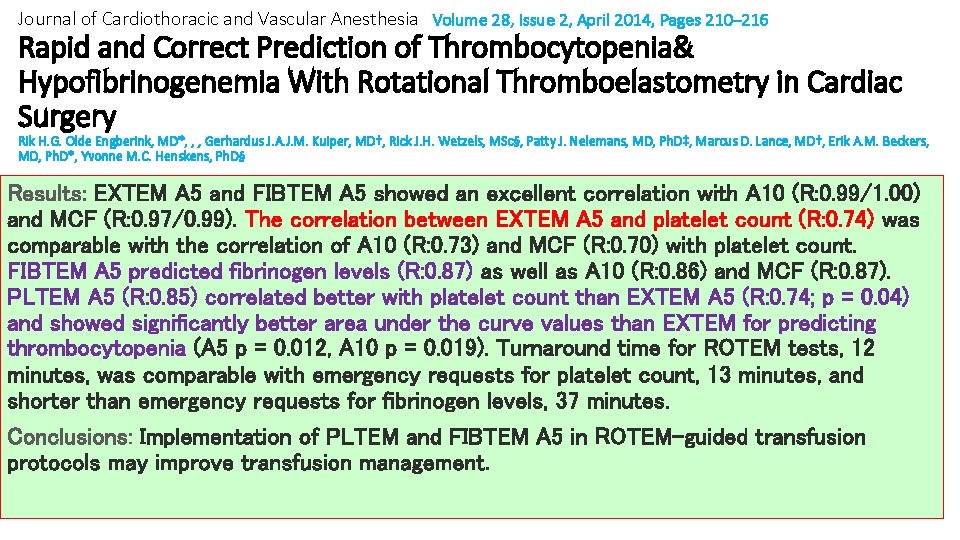
Journal of Cardiothoracic and Vascular Anesthesia Volume 28, Issue 2, April 2014, Pages 210– 216 Rapid and Correct Prediction of Thrombocytopenia& Hypofibrinogenemia With Rotational Thromboelastometry in Cardiac Surgery Rik H. G. Olde Engberink, MD*, , , Gerhardus J. A. J. M. Kuiper, MD†, Rick J. H. Wetzels, MSc§, Patty J. Nelemans, MD, Ph. D‡, Marcus D. Lance, MD†, Erik A. M. Beckers, MD, Ph. D*, Yvonne M. C. Henskens, Ph. D§ Results: EXTEM A 5 and FIBTEM A 5 showed an excellent correlation with A 10 (R: 0. 99/1. 00) and MCF (R: 0. 97/0. 99). The correlation between EXTEM A 5 and platelet count (R: 0. 74) was comparable with the correlation of A 10 (R: 0. 73) and MCF (R: 0. 70) with platelet count. FIBTEM A 5 predicted fibrinogen levels (R: 0. 87) as well as A 10 (R: 0. 86) and MCF (R: 0. 87). PLTEM A 5 (R: 0. 85) correlated better with platelet count than EXTEM A 5 (R: 0. 74; p = 0. 04) and showed significantly better area under the curve values than EXTEM for predicting thrombocytopenia (A 5 p = 0. 012, A 10 p = 0. 019). Turnaround time for ROTEM tests, 12 minutes, was comparable with emergency requests for platelet count, 13 minutes, and shorter than emergency requests for fibrinogen levels, 37 minutes. Conclusions: Implementation of PLTEM and FIBTEM A 5 in ROTEM-guided transfusion protocols may improve transfusion management.
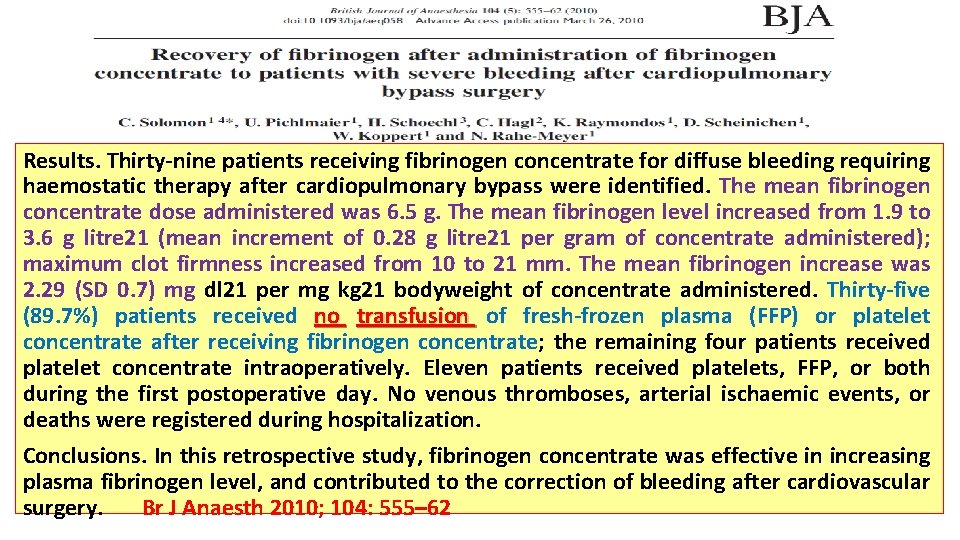
Results. Thirty-nine patients receiving fibrinogen concentrate for diffuse bleeding requiring haemostatic therapy after cardiopulmonary bypass were identified. The mean fibrinogen concentrate dose administered was 6. 5 g. The mean fibrinogen level increased from 1. 9 to 3. 6 g litre 21 (mean increment of 0. 28 g litre 21 per gram of concentrate administered); maximum clot firmness increased from 10 to 21 mm. The mean fibrinogen increase was 2. 29 (SD 0. 7) mg dl 21 per mg kg 21 bodyweight of concentrate administered. Thirty-five (89. 7%) patients received no transfusion of fresh-frozen plasma (FFP) or platelet concentrate after receiving fibrinogen concentrate; the remaining four patients received platelet concentrate intraoperatively. Eleven patients received platelets, FFP, or both during the first postoperative day. No venous thromboses, arterial ischaemic events, or deaths were registered during hospitalization. Conclusions. In this retrospective study, fibrinogen concentrate was effective in increasing plasma fibrinogen level, and contributed to the correction of bleeding after cardiovascular surgery. Br J Anaesth 2010; 104: 555– 62
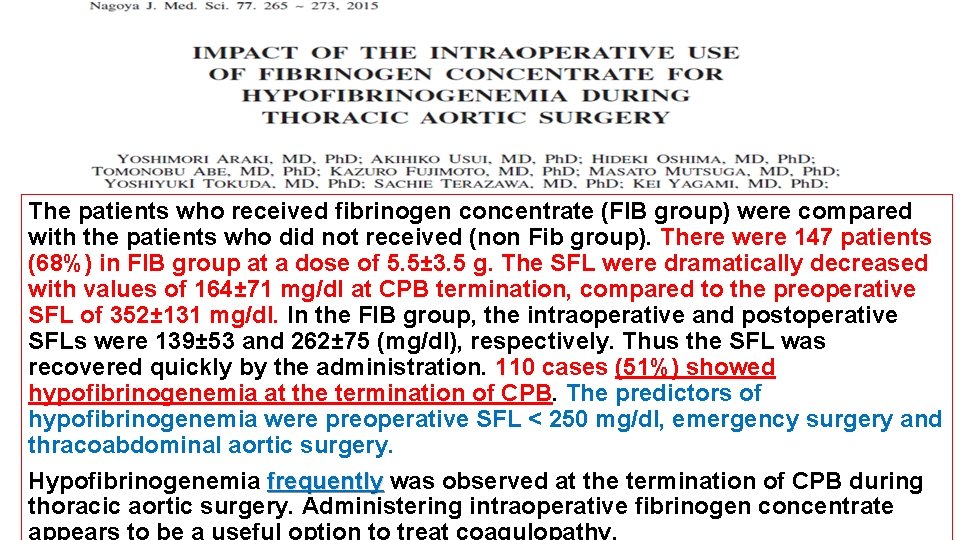
The patients who received fibrinogen concentrate (FIB group) were compared with the patients who did not received (non Fib group). There were 147 patients (68%) in FIB group at a dose of 5. 5± 3. 5 g. The SFL were dramatically decreased with values of 164± 71 mg/dl at CPB termination, compared to the preoperative SFL of 352± 131 mg/dl. In the FIB group, the intraoperative and postoperative SFLs were 139± 53 and 262± 75 (mg/dl), respectively. Thus the SFL was recovered quickly by the administration. 110 cases (51%) showed hypofibrinogenemia at the termination of CPB. The predictors of hypofibrinogenemia were preoperative SFL < 250 mg/dl, emergency surgery and thracoabdominal aortic surgery. Hypofibrinogenemia frequently was observed at the termination of CPB during thoracic aortic surgery. Administering intraoperative fibrinogen concentrate
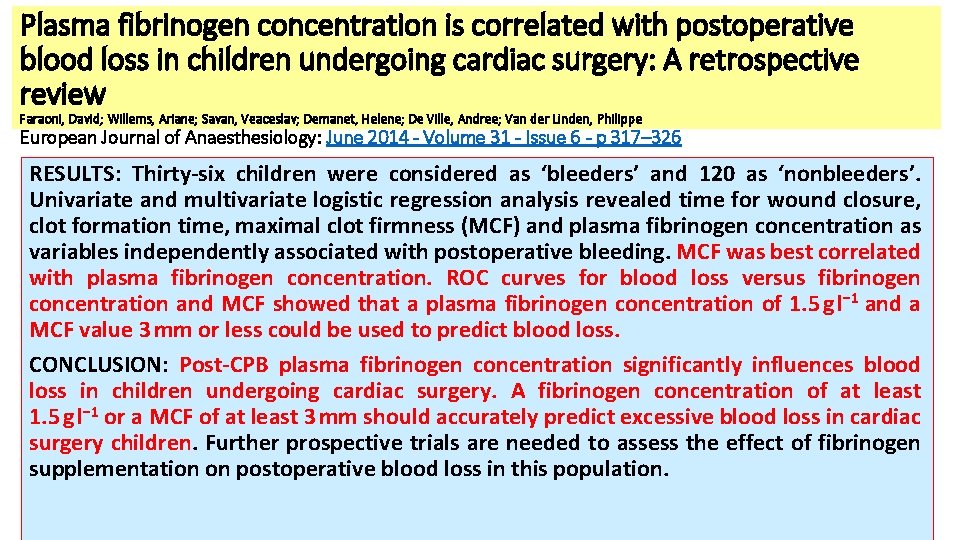
Plasma fibrinogen concentration is correlated with postoperative blood loss in children undergoing cardiac surgery: A retrospective review Faraoni, David; Willems, Ariane; Savan, Veaceslav; Demanet, Helene; De Ville, Andree; Van der Linden, Philippe European Journal of Anaesthesiology: June 2014 - Volume 31 - Issue 6 - p 317– 326 RESULTS: Thirty-six children were considered as ‘bleeders’ and 120 as ‘nonbleeders’. Univariate and multivariate logistic regression analysis revealed time for wound closure, clot formation time, maximal clot firmness (MCF) and plasma fibrinogen concentration as variables independently associated with postoperative bleeding. MCF was best correlated with plasma fibrinogen concentration. ROC curves for blood loss versus fibrinogen concentration and MCF showed that a plasma fibrinogen concentration of 1. 5 g l− 1 and a MCF value 3 mm or less could be used to predict blood loss. CONCLUSION: Post-CPB plasma fibrinogen concentration significantly influences blood loss in children undergoing cardiac surgery. A fibrinogen concentration of at least 1. 5 g l− 1 or a MCF of at least 3 mm should accurately predict excessive blood loss in cardiac surgery children. Further prospective trials are needed to assess the effect of fibrinogen supplementation on postoperative blood loss in this population.
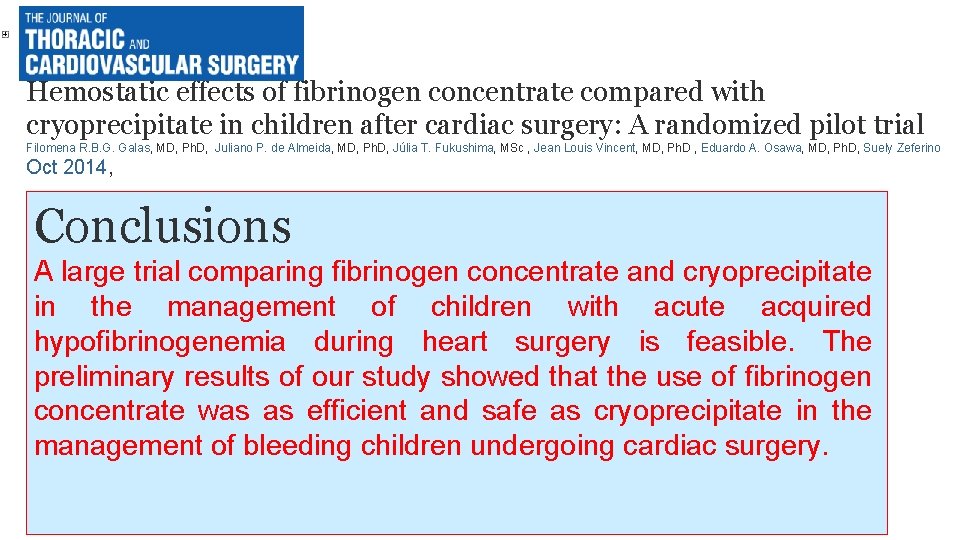
Hemostatic effects of fibrinogen concentrate compared with cryoprecipitate in children after cardiac surgery: A randomized pilot trial Filomena R. B. G. Galas, MD, Ph. D, Juliano P. de Almeida, MD, Ph. D, Júlia T. Fukushima, MSc , Jean Louis Vincent, MD, Ph. D , Eduardo A. Osawa, MD, Ph. D, Suely Zeferino Oct 2014, Conclusions A large trial comparing fibrinogen concentrate and cryoprecipitate in the management of children with acute acquired hypofibrinogenemia during heart surgery is feasible. The preliminary results of our study showed that the use of fibrinogen concentrate was as efficient and safe as cryoprecipitate in the management of bleeding children undergoing cardiac surgery.
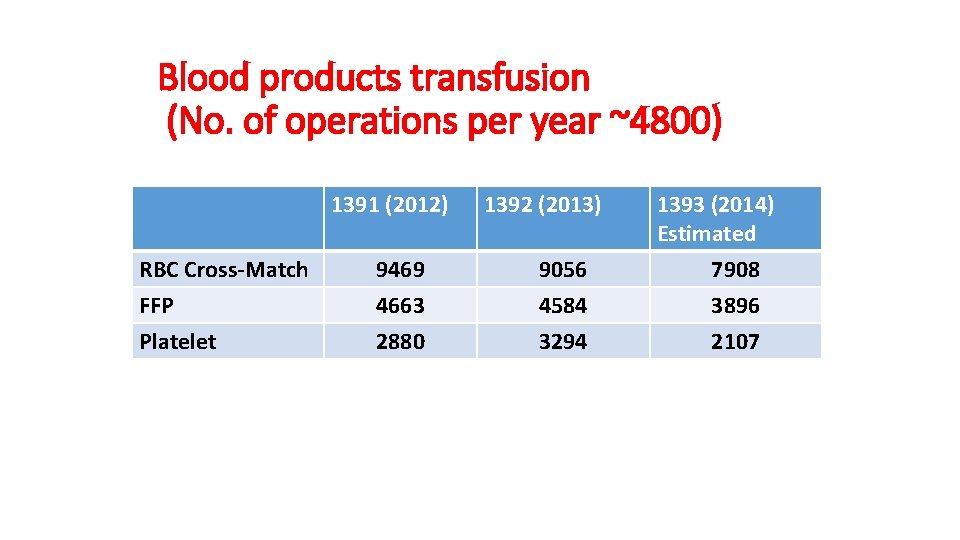
Blood products transfusion (No. of operations per year ~4800) 1391 (2012) RBC Cross-Match FFP Platelet 9469 4663 2880 1392 (2013) 9056 4584 3294 1393 (2014) Estimated 7908 3896 2107
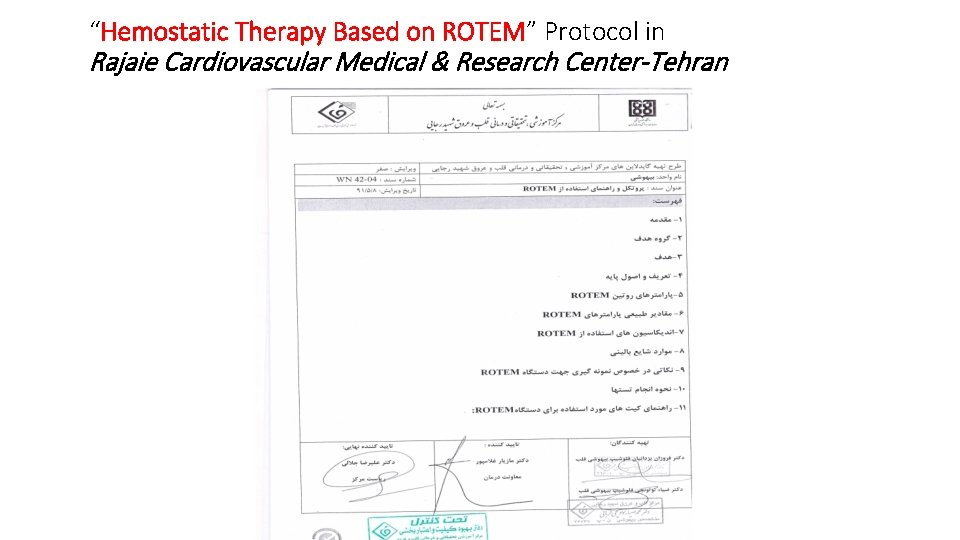
“Hemostatic Therapy Based on ROTEM” Protocol in Rajaie Cardiovascular Medical & Research Center-Tehran
Case Report (1) • A 28 yrs old man with diagnosis of congenital aortic stenosis. • Underwent open heart surgery 5 times in 19 -23 yrs ago (AV repair and AVR with homograft, AVR-prosthetic, Re-do AVR) and MVR 10 yrs ago. • Candidate for AV prosthesis pannus resection and CABG (SVG on RCA) • Echo: Severe RV systolic dysfunction, LVEF=45% • AVR+CABG was done; CPB time=2 hrs 45 min; Temp=30 oc
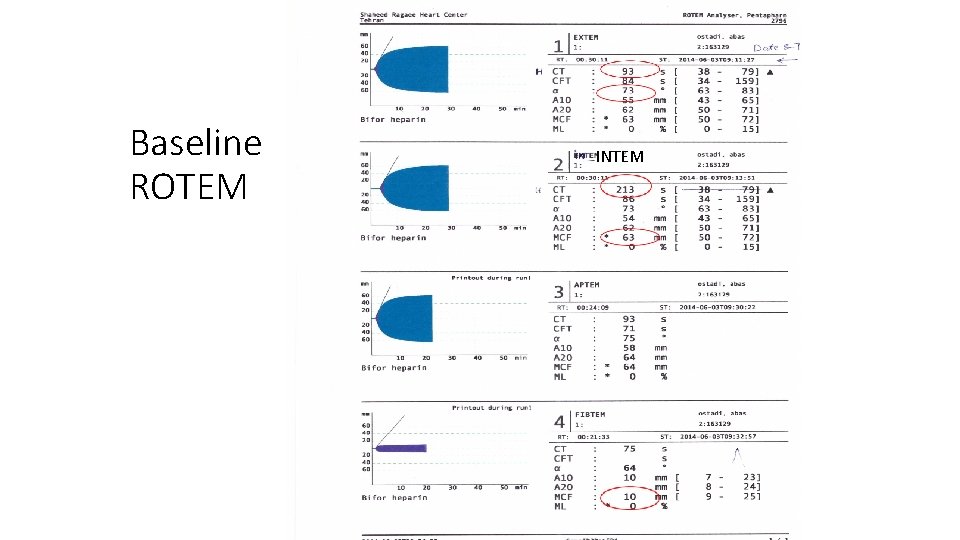
Baseline ROTEM INTEM
There was significant oozing after CPB • Platelet concentrate= 5 units • FFP= 3 units • Hb=6. 3 g/dl Packed RBC= 2 units • Fibrinogen= 2 gr (There is no ROTEM immediately after CPB unfortunately!) • Sternum left open, and was closed the day after surgery (Mostly due to RV distention).
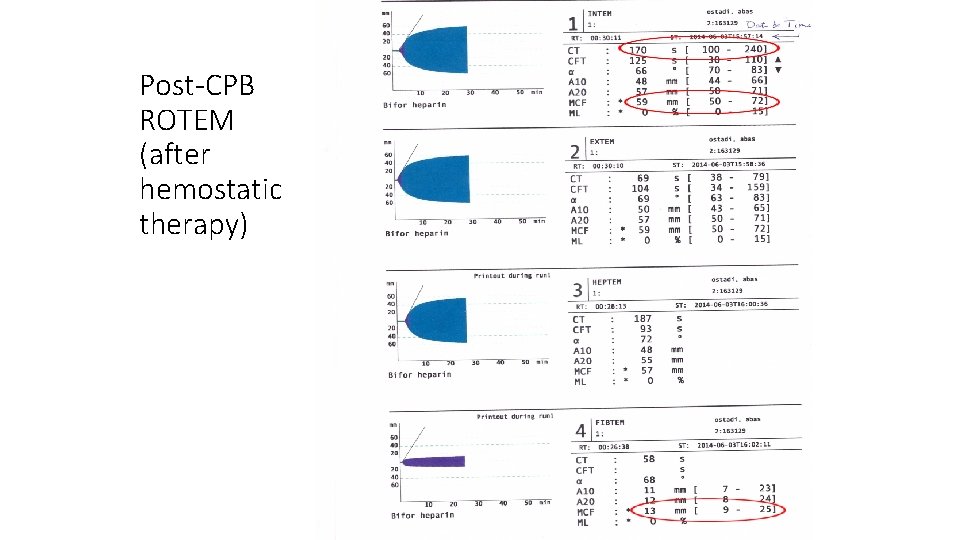
Post-CPB ROTEM (after hemostatic therapy)
Case Report (2) • A 18 yrs old man with pulmonary atresia+ Large VSD. • Hx of modified BT shunt 9 yrs ago. • Candidate for VSD closure+ modified Rastelly procedure (conduit + PVR). • Op time=7 hr; CPB time=4 hr 50 min; lowest Temp=28 oc • Baseline Hb=20 gr/dl, lowest Hb=10. 6 gr/dl.
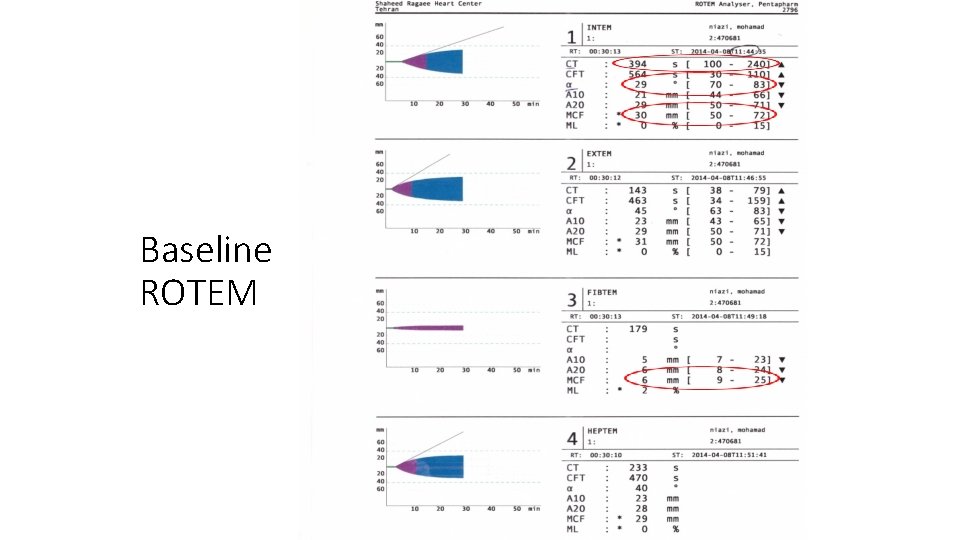
Baseline ROTEM
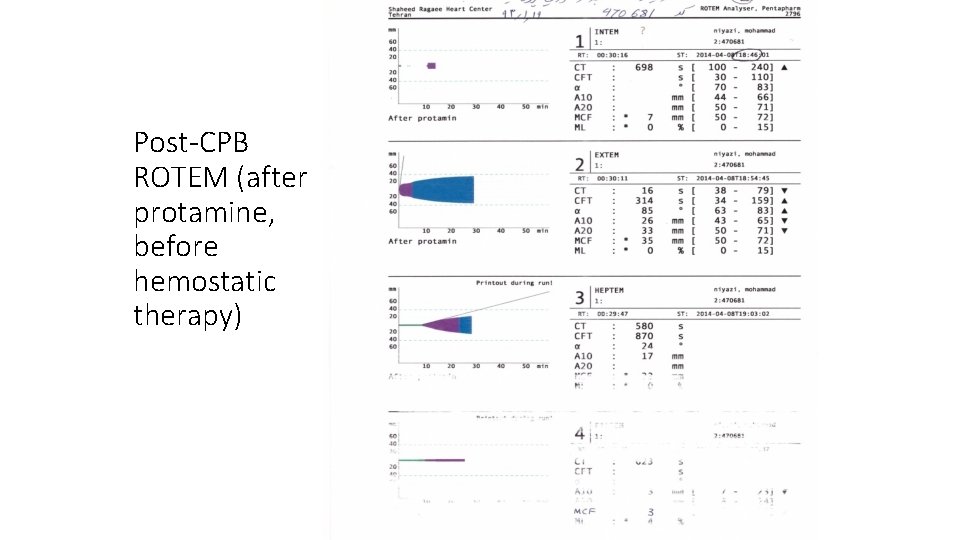
Post-CPB ROTEM (after protamine, before hemostatic therapy)
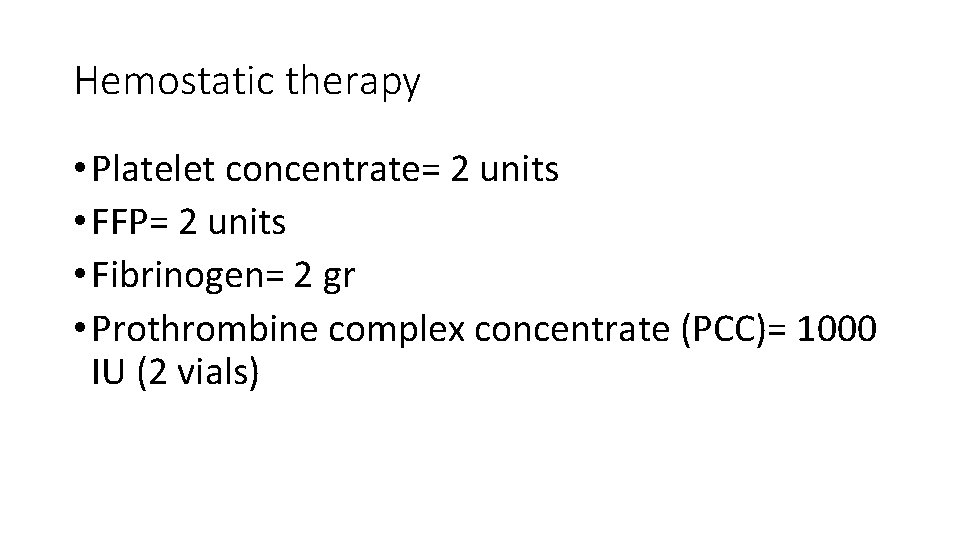
Hemostatic therapy • Platelet concentrate= 2 units • FFP= 2 units • Fibrinogen= 2 gr • Prothrombine complex concentrate (PCC)= 1000 IU (2 vials)
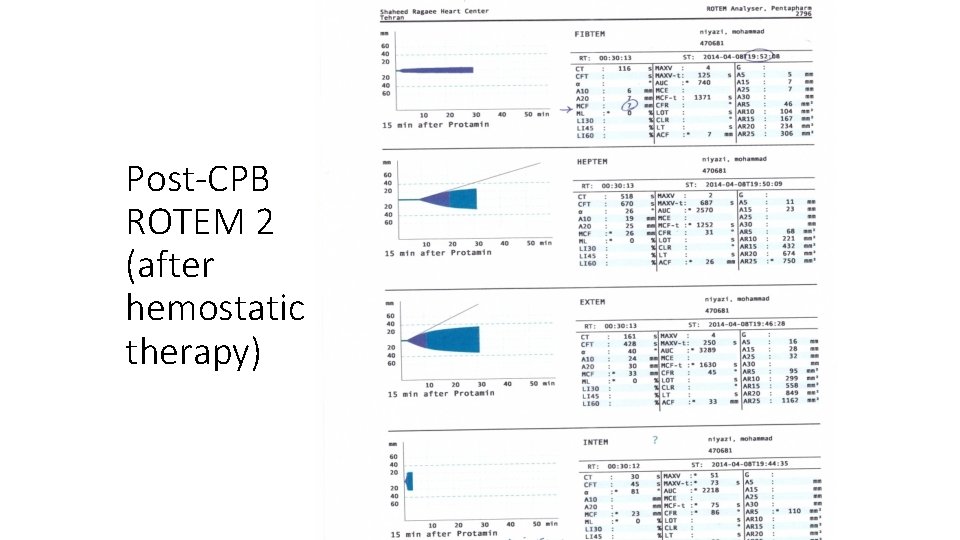
Post-CPB ROTEM 2 (after hemostatic therapy)
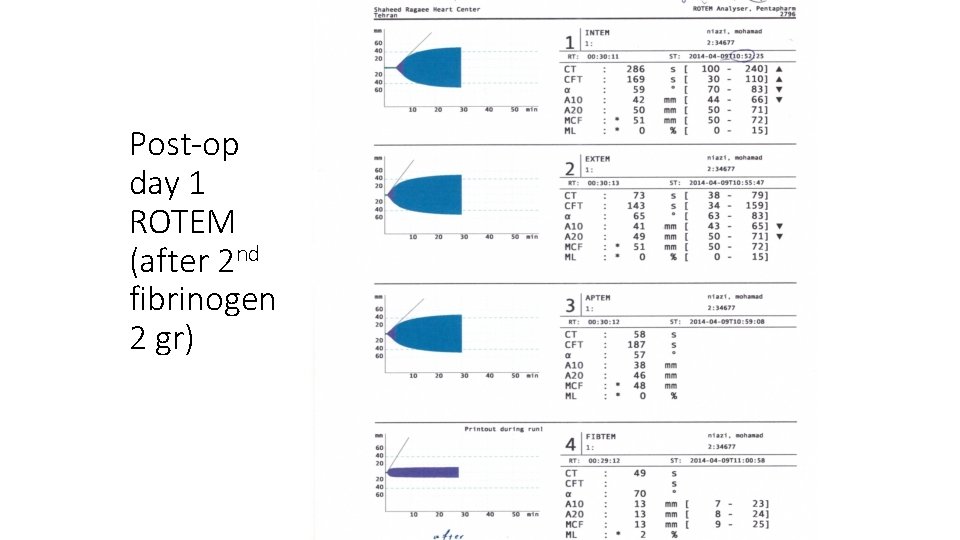
Post-op day 1 ROTEM (after 2 nd fibrinogen 2 gr)
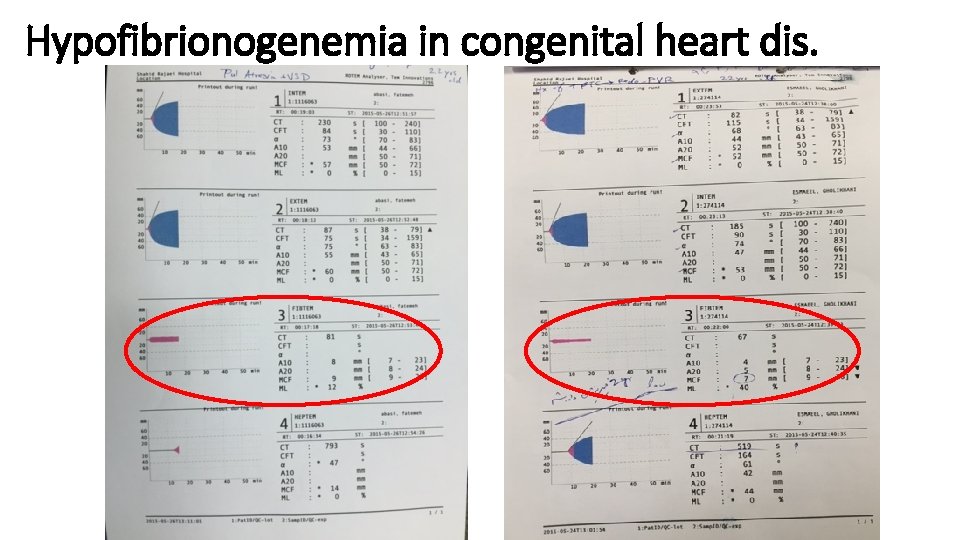
Hypofibrionogenemia in congenital heart dis.
Thank You
- Slides: 58