
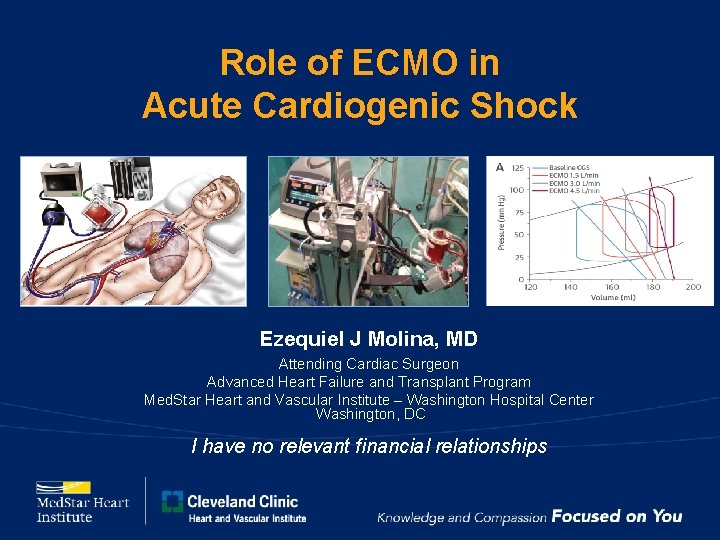
Role of ECMO in Acute Cardiogenic Shock Ezequiel
- Slides: 18
Role of ECMO in Acute Cardiogenic Shock Ezequiel J Molina, MD Attending Cardiac Surgeon Advanced Heart Failure and Transplant Program Med. Star Heart and Vascular Institute – Washington Hospital Center Washington, DC I have no relevant financial relationships
Background ● ● Mortality rate of refractory cardiogenic shock is high Early initiation of MCS (ECMO) may improve outcomes Avoid progression of MSOF and optimize organ function Potential outcomes: ● Heart recovery ● Temporary or durable LVAD ● Heart transplantation ● Withdrawal of care and death
Ideal Support Device ● Easy and rapid implementation ● Provide robust hemodynamic support ● Biventricular support when needed ● Allow pulmonary support ● Cost effective ● Multidisciplinary team approach
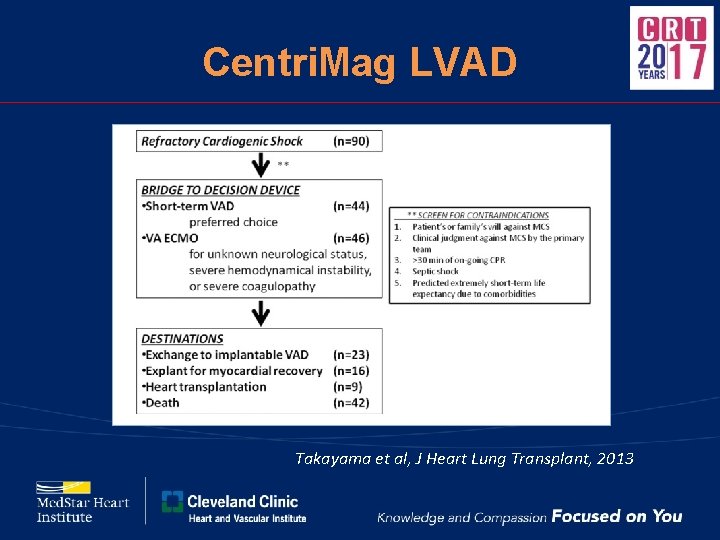
Device Selection ● ● Patient status and location Etiology of cardiogenic shock Technology available at your institution Devices: ● VA ECMO ● Centri. Mag LVAD ● Impella ● Tandem Heart
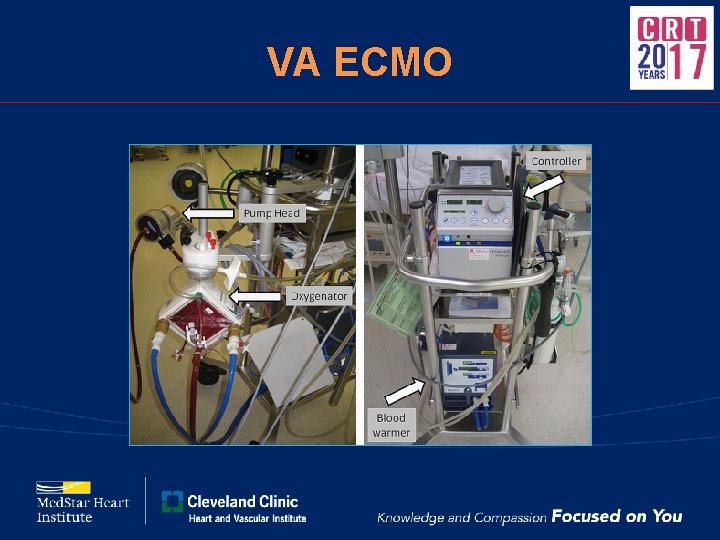
VA ECMO
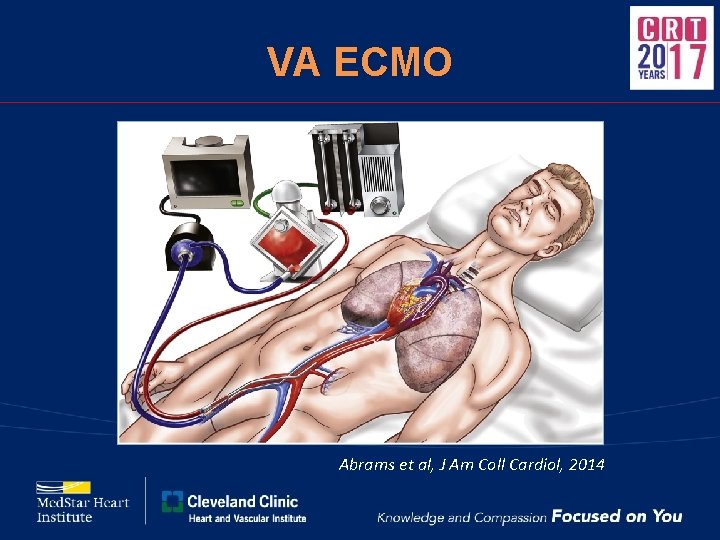
VA ECMO Abrams et al, J Am Coll Cardiol, 2014
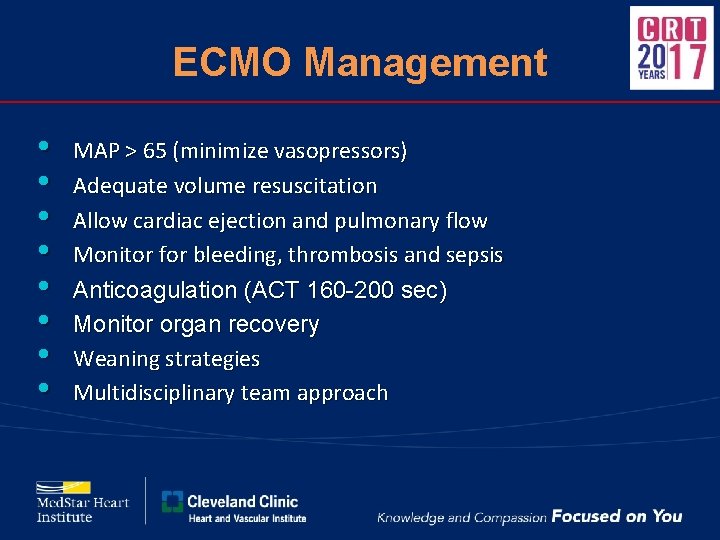
ECMO Management • • MAP > 65 (minimize vasopressors) Adequate volume resuscitation Allow cardiac ejection and pulmonary flow Monitor for bleeding, thrombosis and sepsis Anticoagulation (ACT 160 -200 sec) Monitor organ recovery Weaning strategies Multidisciplinary team approach
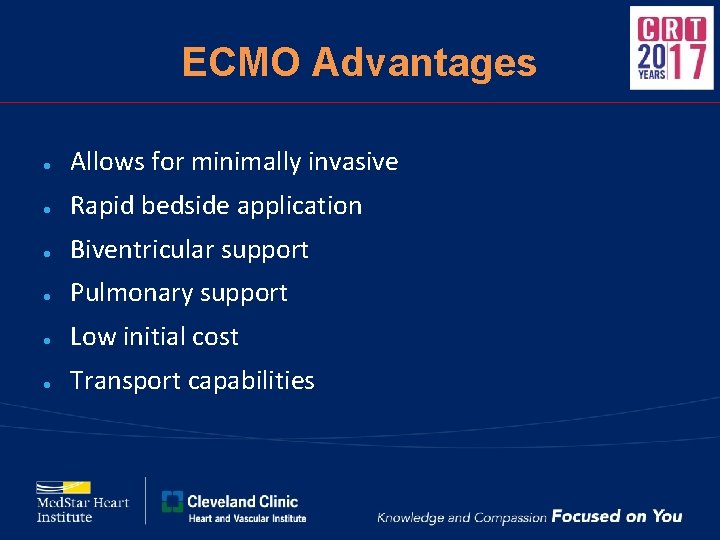
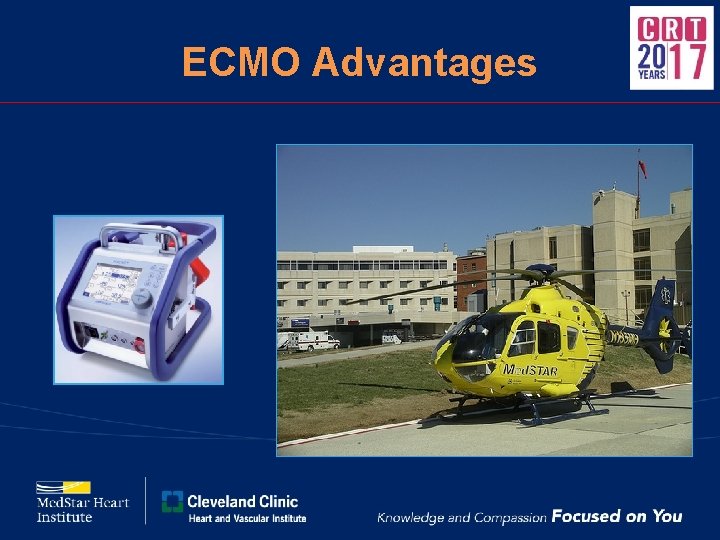
ECMO Advantages ● Allows for minimally invasive ● Rapid bedside application ● Biventricular support ● Pulmonary support ● Low initial cost ● Transport capabilities
ECMO Advantages
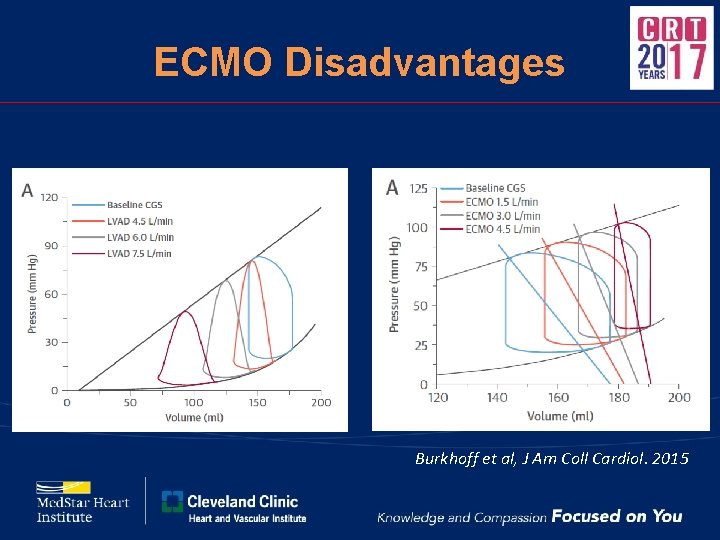
ECMO Disadvantages ● Labor intensive ● High cost with prolonged support ● Requires anticoagulation ● LV distension / thrombosis ● Historically high complication rates ● Limited duration of support
ECMO Disadvantages Burkhoff et al, J Am Coll Cardiol. 2015
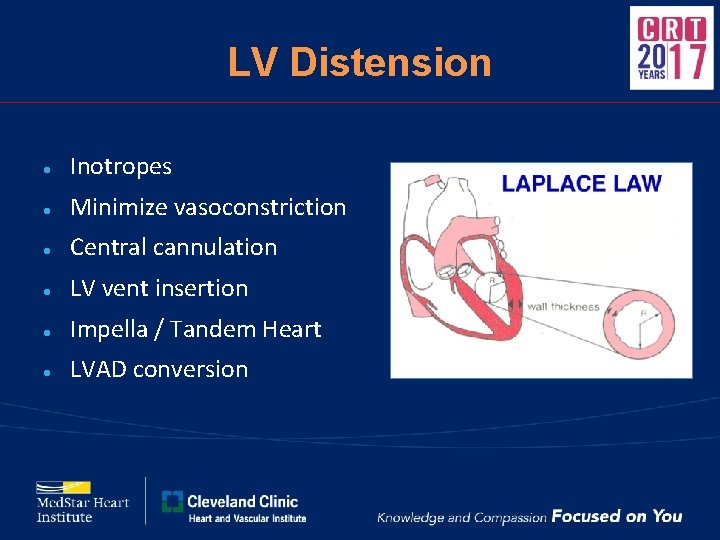
LV Distension ● Inotropes ● Minimize vasoconstriction ● Central cannulation ● LV vent insertion ● Impella / Tandem Heart ● LVAD conversion
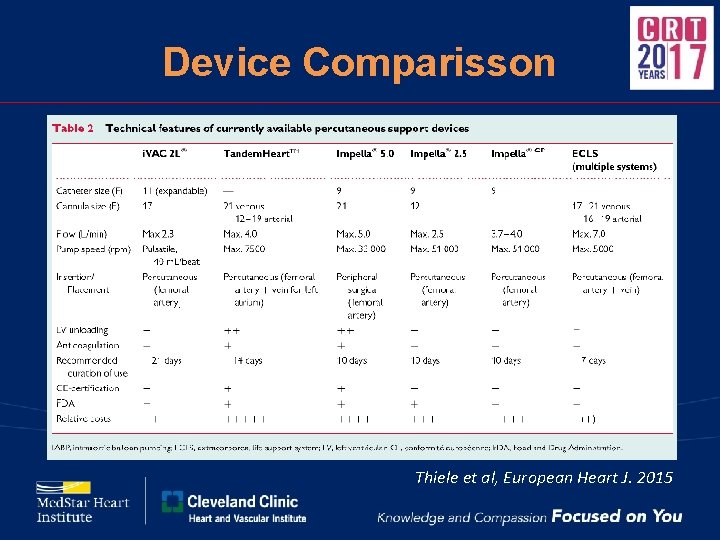
Device Comparisson Thiele et al, European Heart J. 2015
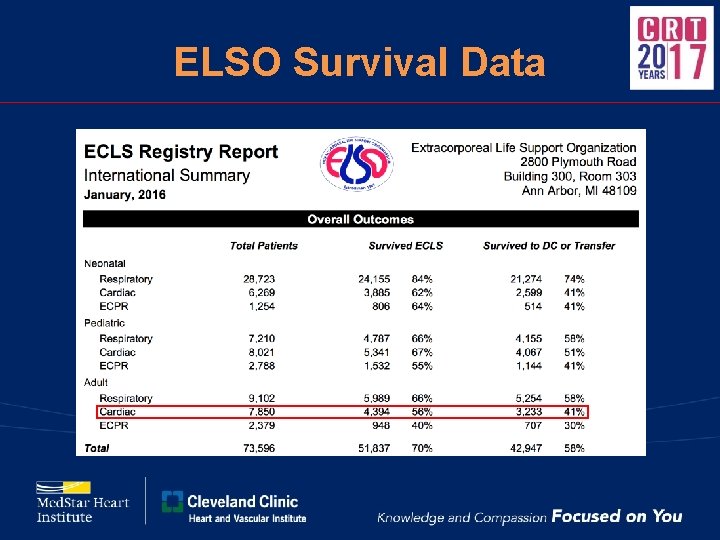
ELSO Survival Data
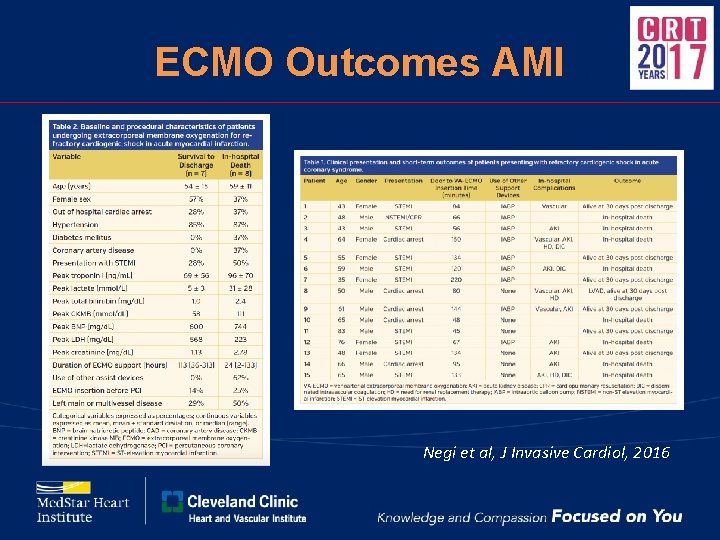
ECMO Outcomes AMI Negi et al, J Invasive Cardiol, 2016
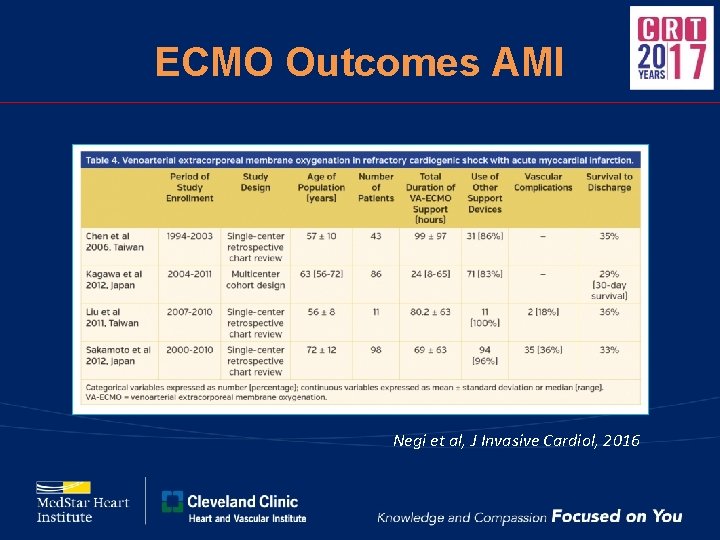
ECMO Outcomes AMI Negi et al, J Invasive Cardiol, 2016
Centri. Mag LVAD Takayama et al, J Heart Lung Transplant, 2013
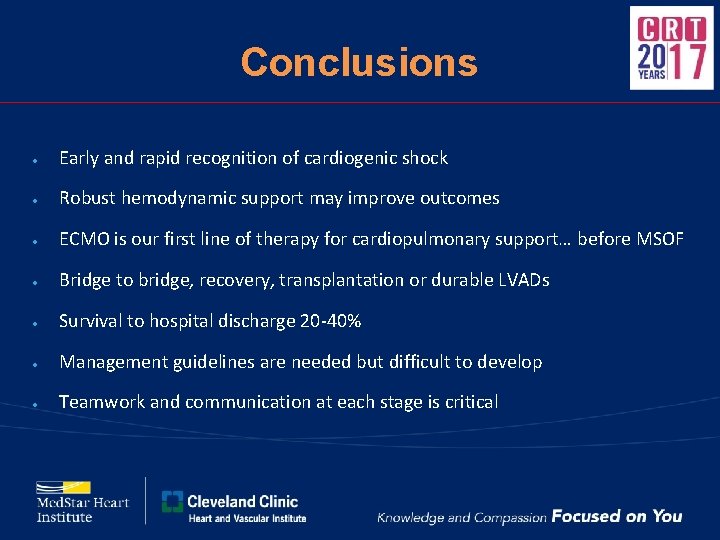
Conclusions ● Early and rapid recognition of cardiogenic shock ● Robust hemodynamic support may improve outcomes ● ECMO is our first line of therapy for cardiopulmonary support… before MSOF ● Bridge to bridge, recovery, transplantation or durable LVADs ● Survival to hospital discharge 20 -40% ● Management guidelines are needed but difficult to develop ● Teamwork and communication at each stage is critical